
Managing Editor of @HumanProgress & @CatoInstitute Policy Analyst. @IWF Visiting Fellow. Author, Centers of Progress Grim Old Days: a.co/d/00a137Ny
Joined February 2010
- Tweets 5,702
- Following 1,262
- Followers 3,417
- Likes 13,016
386 Photos and videos





Pinned Tweet

Apr 16
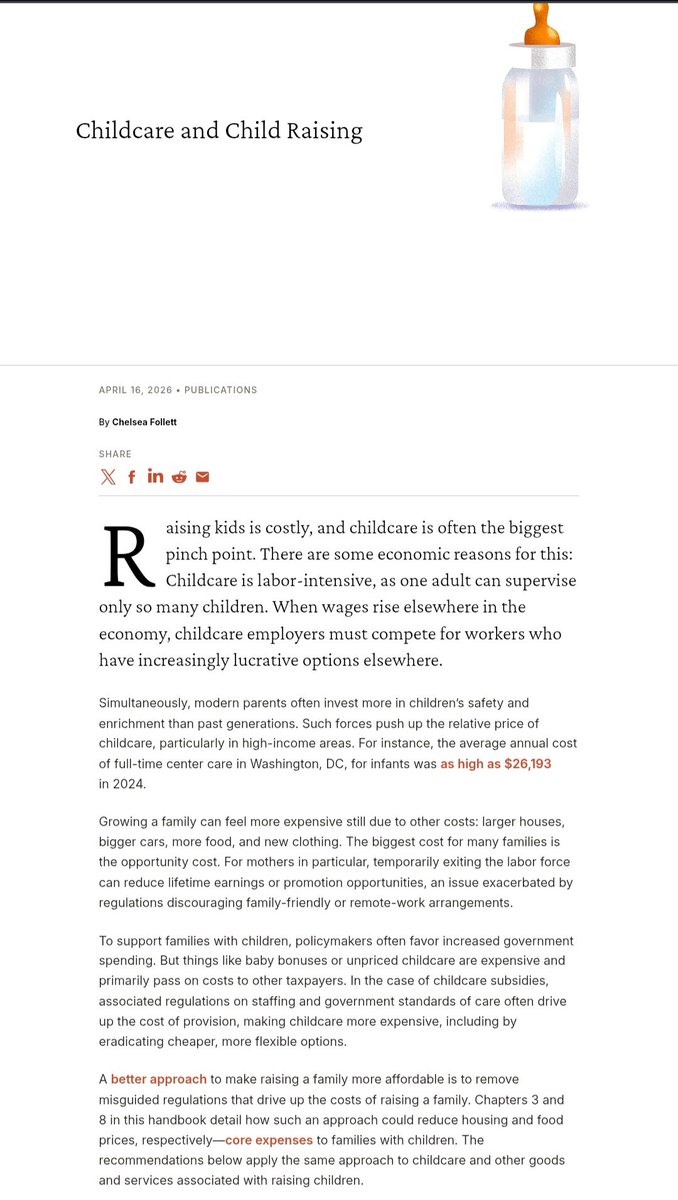
1/ 🧵 Raising children is expensive, but my chapter in the @CatoInstitute's new Handbook on Affordability outlines specific policy changes that reduce costs for families with kids.
3
11
33
5,992
Chelsea Olivia Follett retweeted

14h
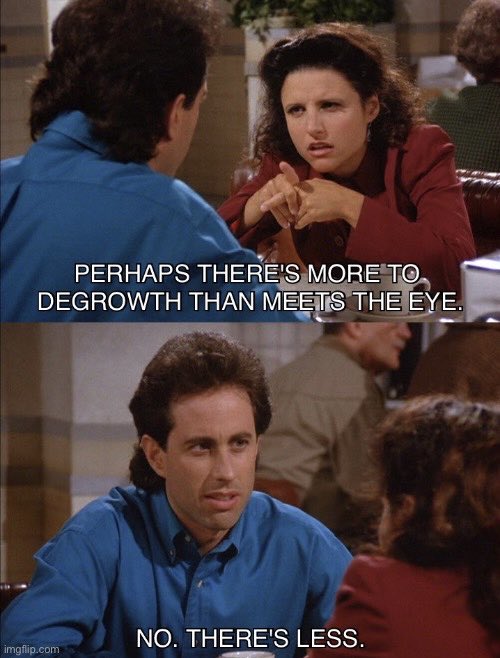
Degrowth is a mind virus
Jun 10

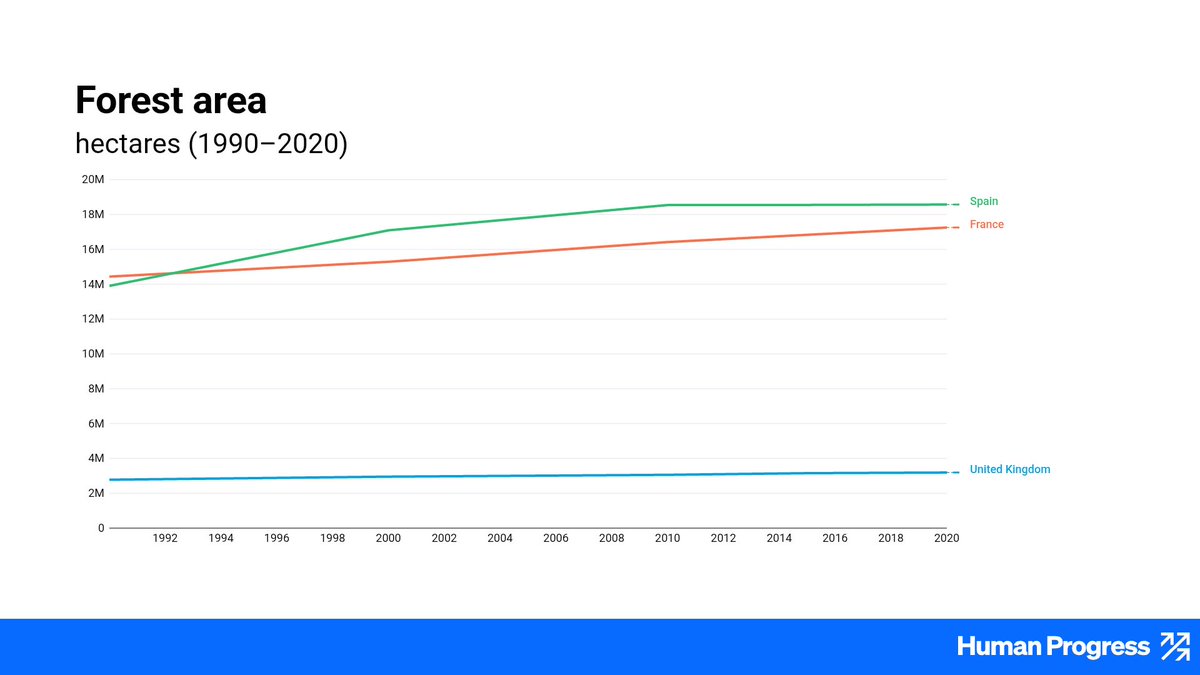
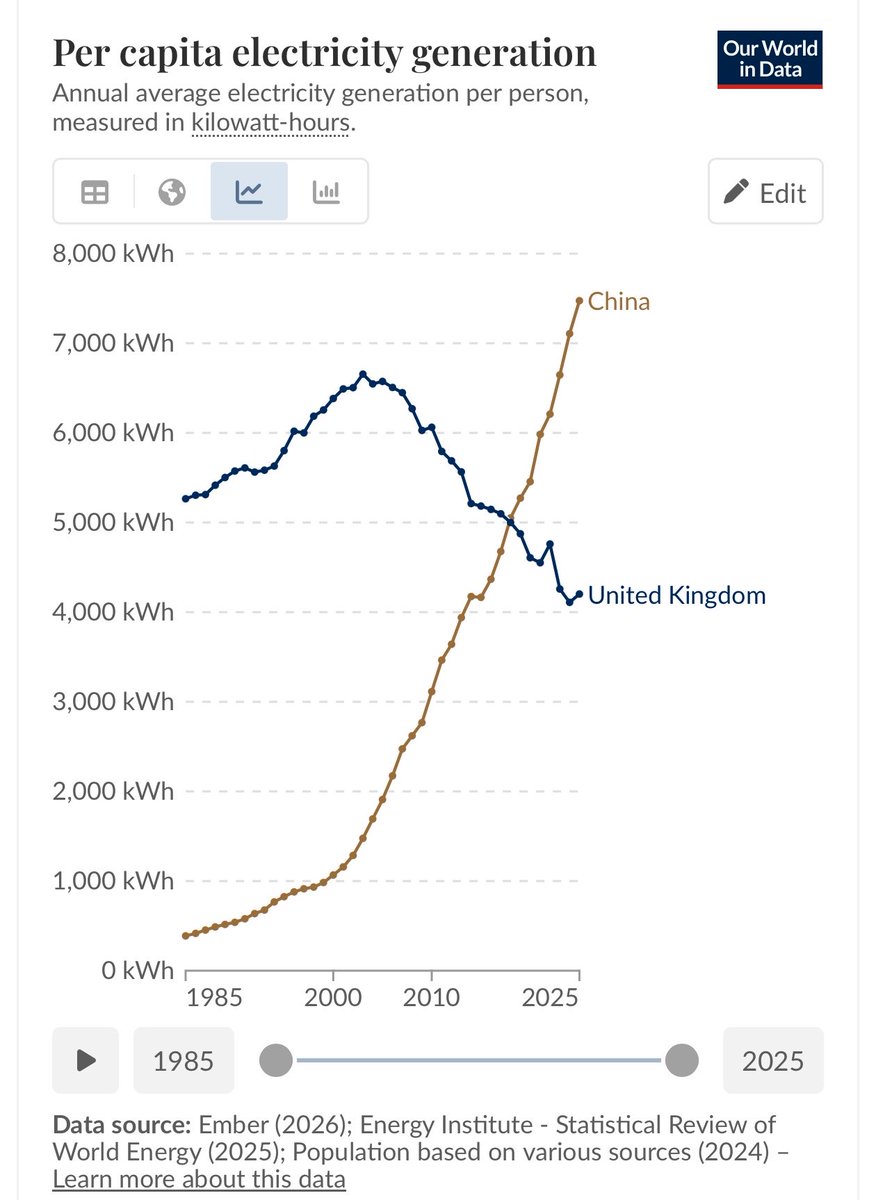
This should be a wake-up call for the UK…
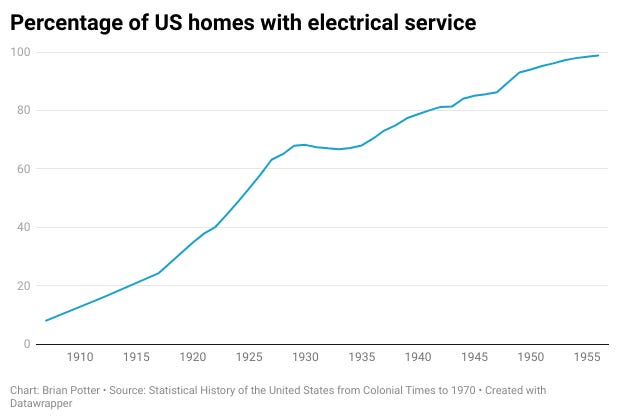
(Note that this is a per-capita chart)
2
4
78
4,398
Chelsea Olivia Follett retweeted

Jun 10
This new op-ed from economists like Piketty, Stiglitz, and Hickel call for essentially de-growth. A few notable incorrect statements here 🧵
theguardian.com/commentisfre…
11
57
159
46,639
Chelsea Olivia Follett retweeted

Jun 13
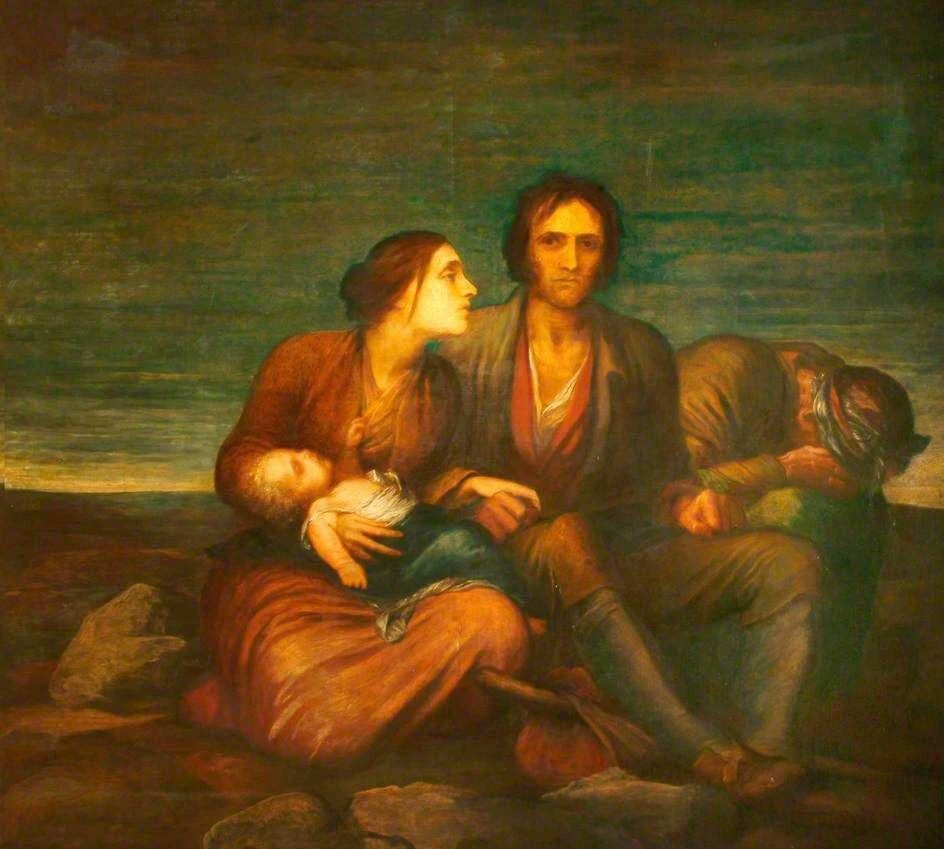
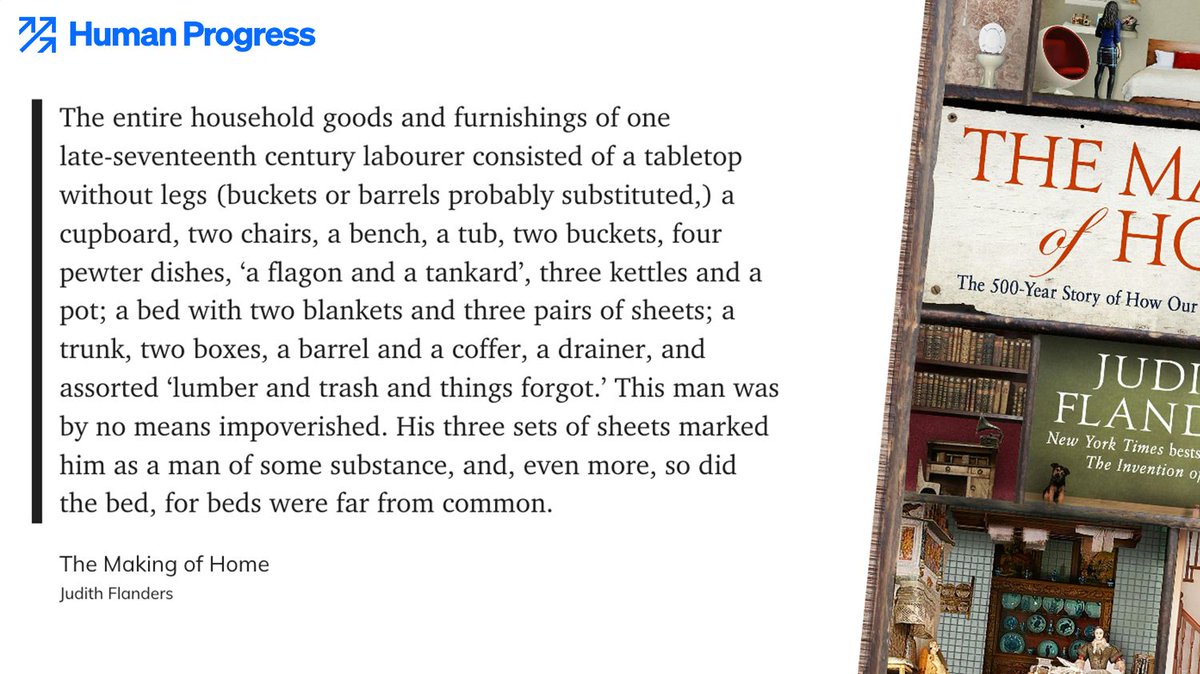
In Europe, until the late seventeenth century, the ordinary home might have had a table, some benches, a chair, a cupboard, fireplace tools, and cooking implements—and that was about it.
1
6
26
3,129
Jun 13
When I first read this thread, I found myself amused by the phrase “anti-poverty scholar.” Are there pro-poverty scholars? But given the number of degrowth advocates on the far Left and those indulging feudal nostalgia on the far Right, I’m no longer sure the answer is no.
Jun 13

(Also, it IS true that I’m anti-poverty, so there’s that!)
6
156
Chelsea Olivia Follett retweeted

Jun 12
I was honored to be asked to write biographical entry for Joel Mokyr for the Library of Economics and Liberty econlib.org/library/enc/bios…
16
82
3,676
Jun 10
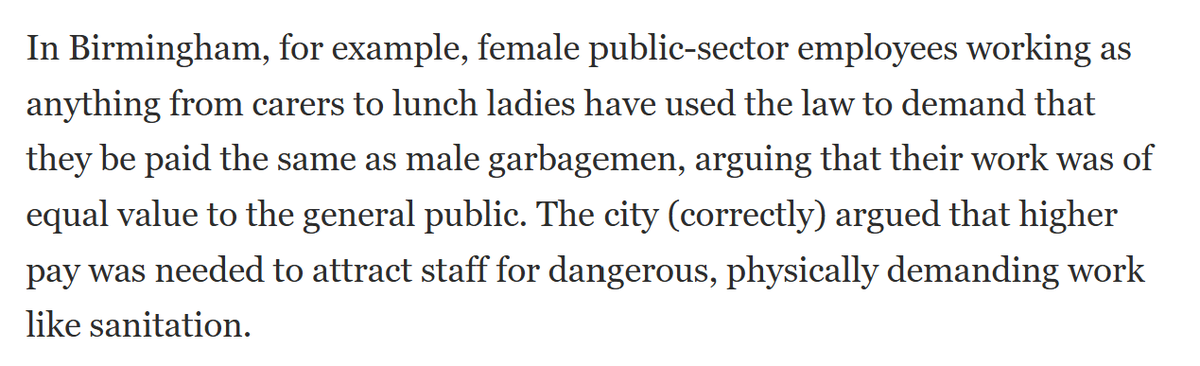
"[N]o matter what baseline they chose, the absolute poverty rate fell by at least three-quarters. When including the value of health insurance, poverty fell by up to 97 percent."

The enormous rise in living standards is among the greatest success stories in human history, the Editorial Board writes. wapo.st/4uSatQg
3
19
938
Chelsea Olivia Follett retweeted
Jun 9
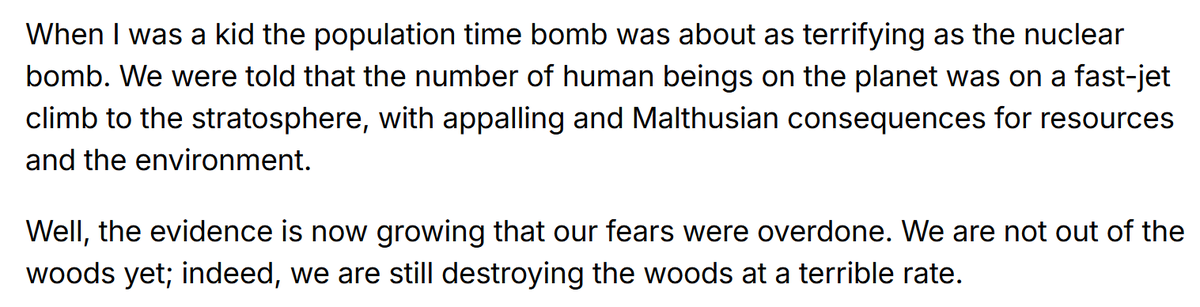
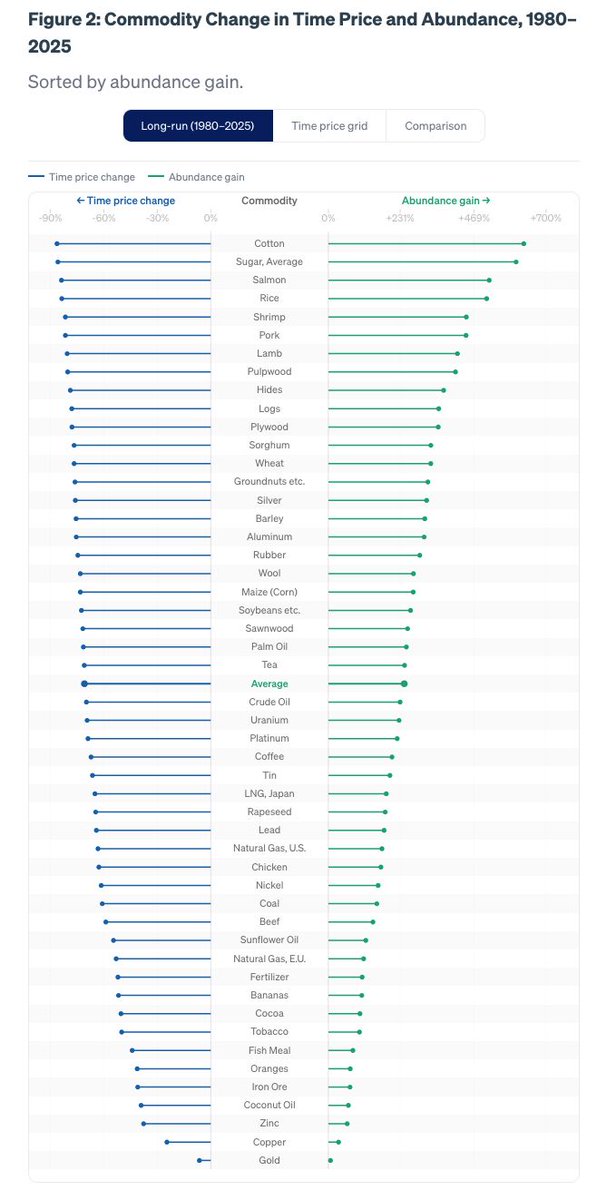
Data suggest that additional human beings do not impoverish the rest of humanity.
Between 1980 and 2025, the world population grew by 85%, while global resource abundance increased by 536%.
6
45
146
7,764
Chelsea Olivia Follett retweeted

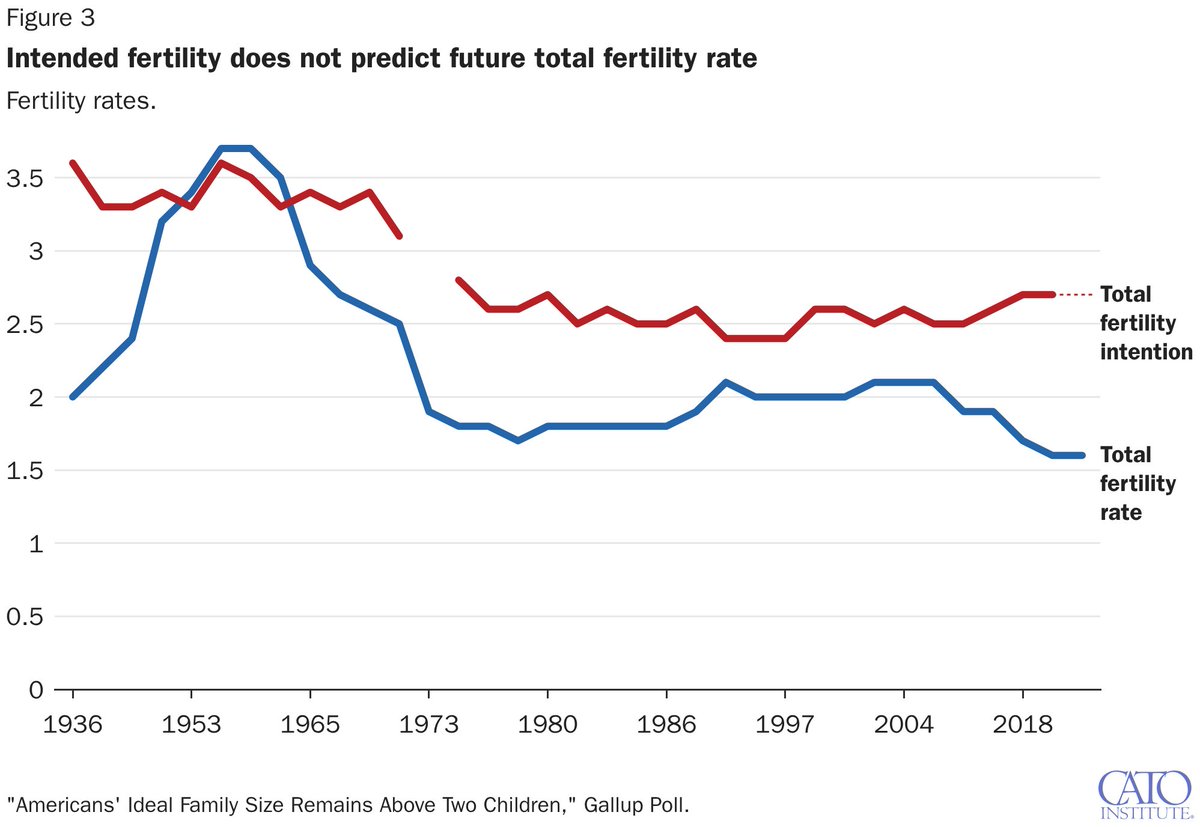
Well, the problem is that several countries have tried quite large transfer payments, much larger than anything implemented in the U.S., and the effect has been close to zero.
Maybe the answer is more complicated.
13
2
76
3,967
Chelsea Olivia Follett retweeted

Jun 9
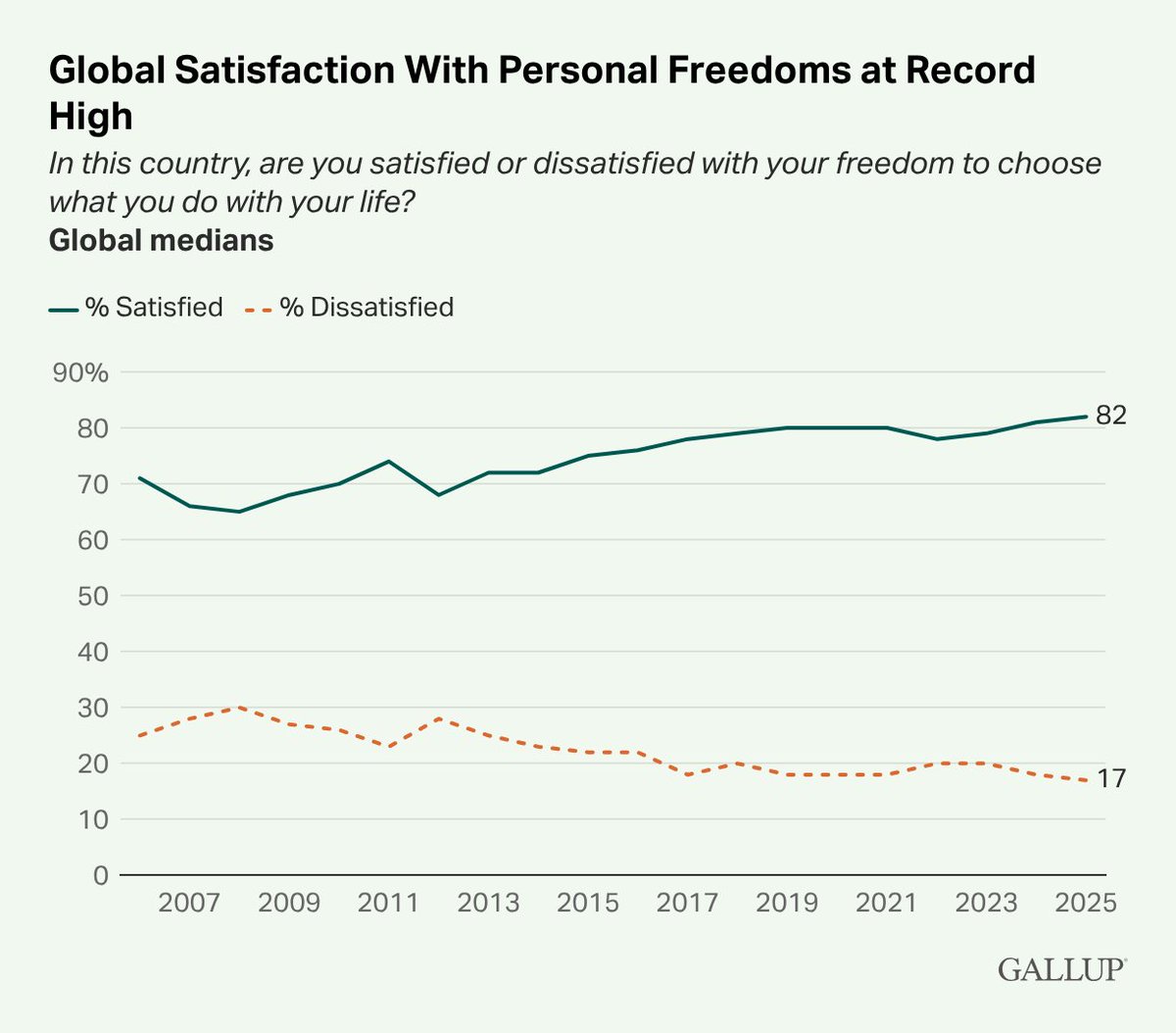
“In 2025, a median of 82% of adults across 138 countries said they were satisfied with their freedom to choose what they do with their life” “This is nominally the highest level of satisfaction on record,”
2
1
4
324
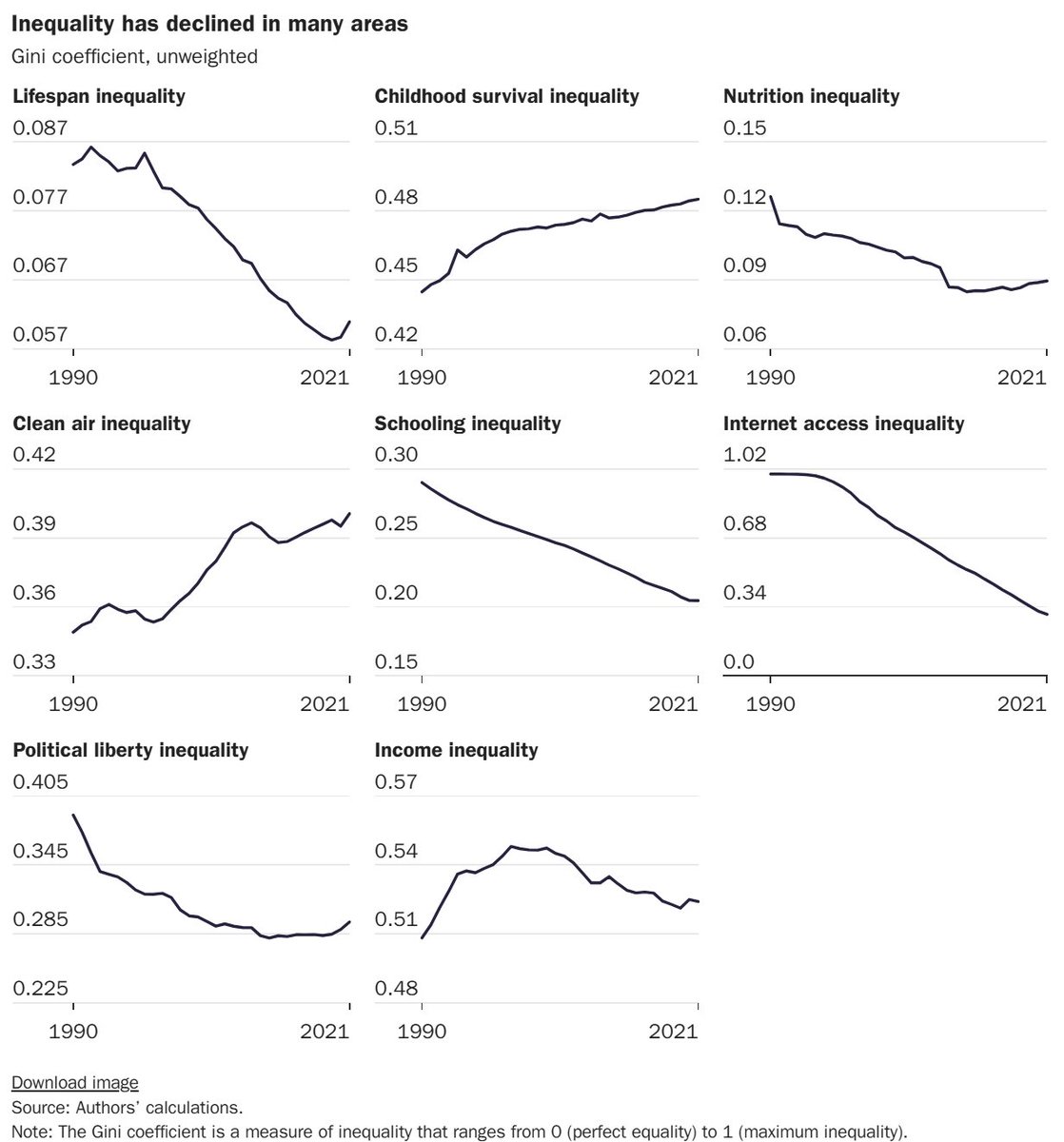
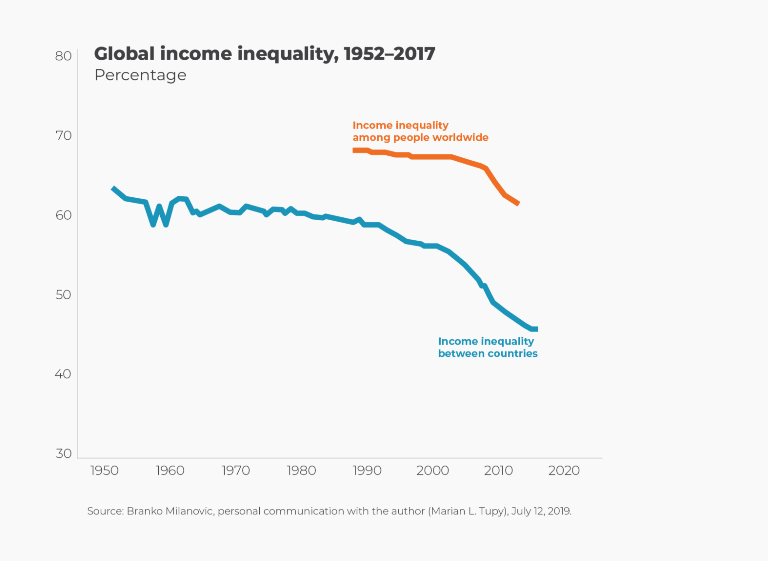
And income inequality is not the only form of inequality that has declined globally.
Jun 8

Global income inequality, between countries and among individuals worldwide, is declining. Read more by @Marian_L_Tupy @RonaldBailey @HumanProgress humanprogress.org/trends/glo…
6
36
167
16,299
Chelsea Olivia Follett retweeted

Jun 6
Jun 4

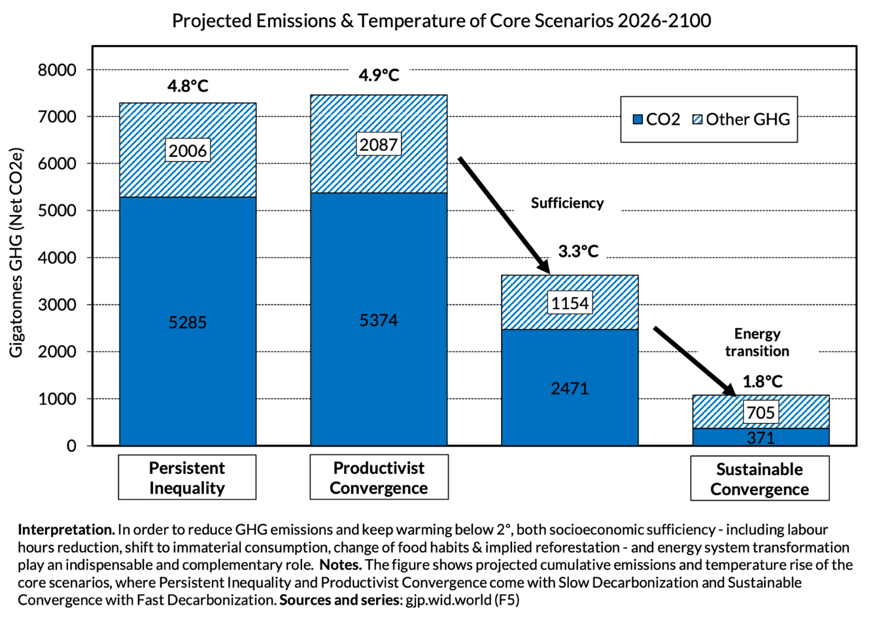
The key finding of the report is that energy transition alone will not suffice.
We need to combine it with "sufficiency" to stay within 2 degrees. This includes labour hour reductions, growth caps in rich countries, less material consumption, and changes in food habits.
Community note
This report uses a ~4.8°C baseline. In May 2026, the U.N. climate panel officially retired this scenario (RCP8.5) as "implausible." Updated projection: ~3.5°C. Sources: NYT & Washington Post, May 2026.
nytimes.com/2026/05/26/cli…
washingtonpost.com/climate-enviro…
lemonde.fr/en/environment…
6
63
998
37,607
RT @sapinker: "The British Used to Sound Like We (Americans) Did, explains @JohnHMcWhorter: British English at the time of early colonizati…
31
Chelsea Olivia Follett retweeted

Jun 4

3
9
510
Chelsea Olivia Follett retweeted

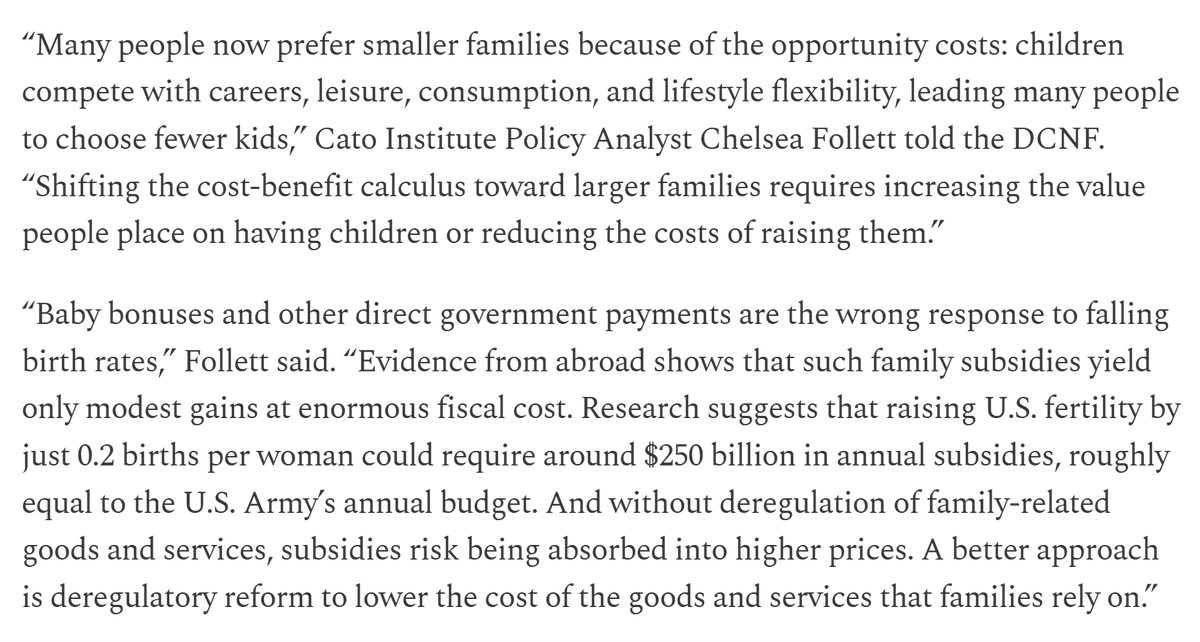
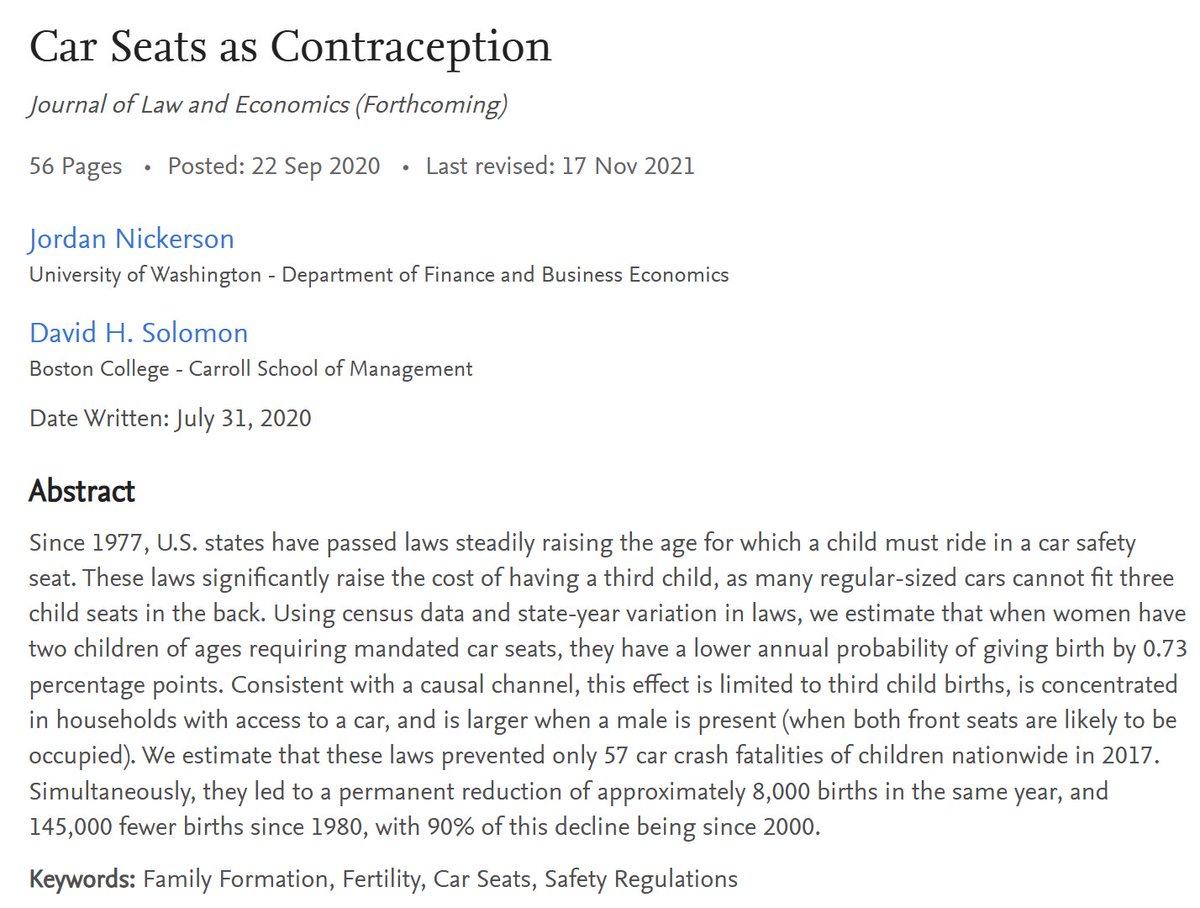
“Adding another newborn subsidy would continue Washington’s habit of solving every problem by creating another program.” @kevincorinth
“A better approach… is to remove misguided regulations that drive up the costs of raising a family.” @chellivia
1
2
3
287
Chelsea Olivia Follett retweeted

For much of history, alcohol was not an occasional indulgence. It was woven into daily life.
@chellivia explains that people in the past drank at levels that seem almost impossible by modern standards — and that even children drank from very young ages.
1
2
8
6,679
RT @JimPethokoukis: "Having treated pancreatic cancer for 16 years, I actually started crying" when first seeing the study results, Dr. Rac…
1
35
A Year of Deregulation Ignited an American Nuclear Renaissance nationalreview.com/2026/05/a…
2
123
Chelsea Olivia Follett retweeted

May 31
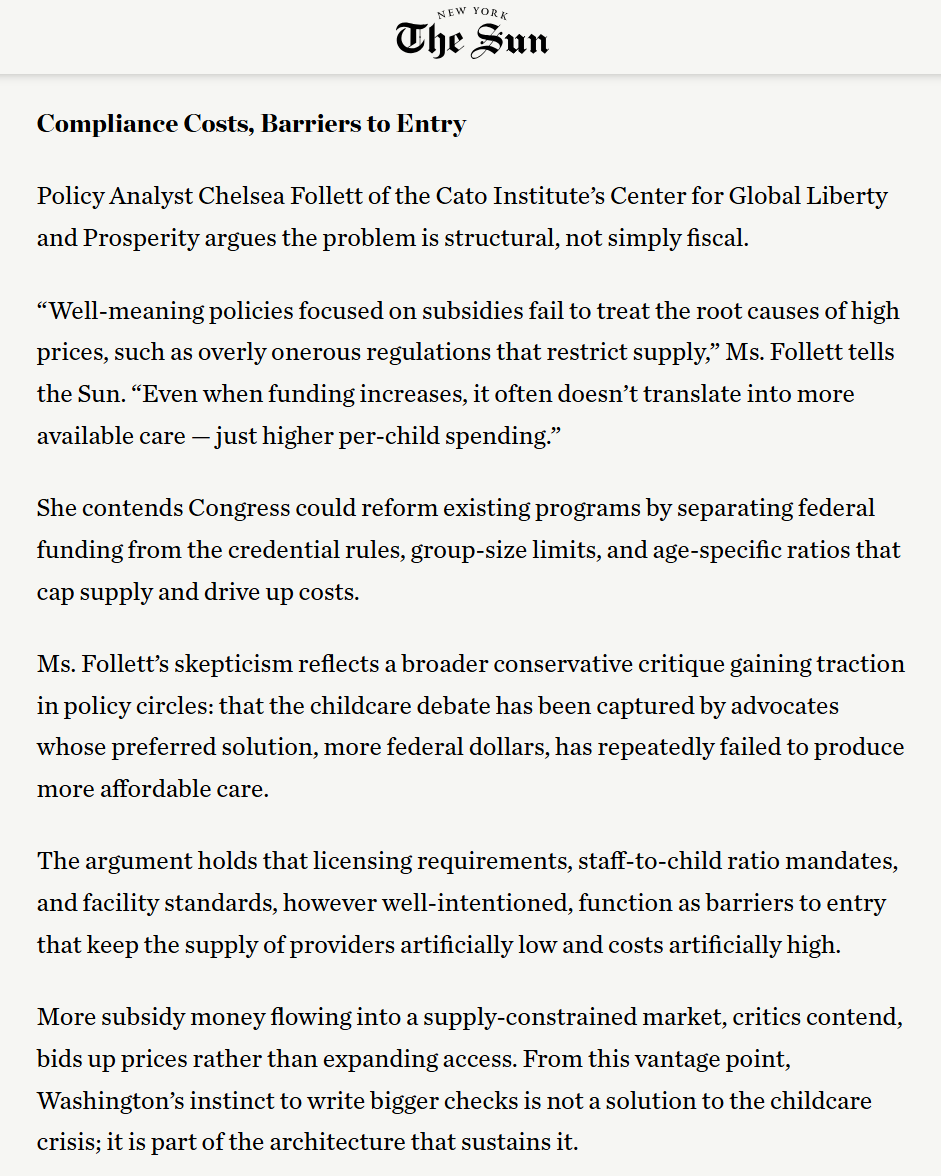
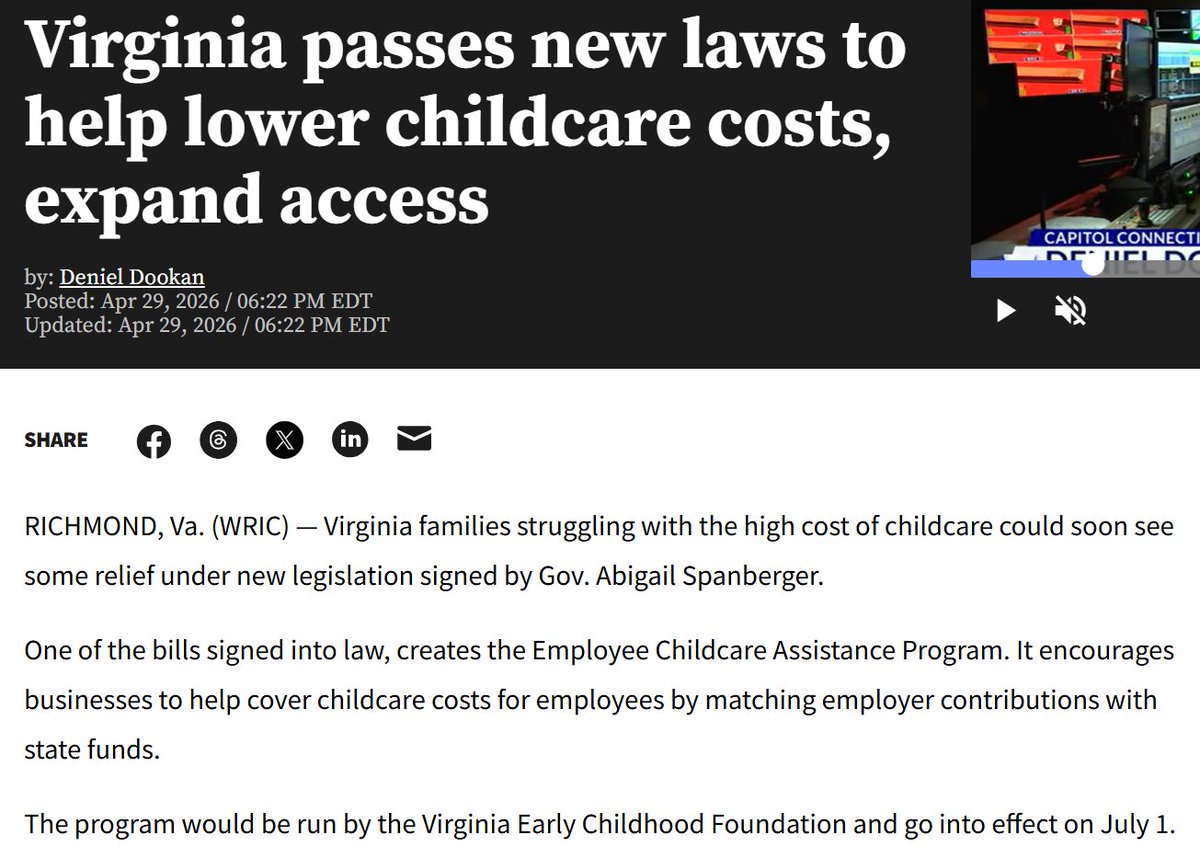
Virginia wants “affordable childcare.” But more subsidies without cutting red tape can push prices up, not down. @chellivia argues that childcare is already heavily regulated—focus on barriers to entry, not bigger checks.
ow.ly/E18B50Z5LBT

2
8
17
2,840
Chelsea Olivia Follett retweeted

May 31
This is awesome. Crossing my fingers and hoping that we can eliminate mosquitoes from the US.
May 30

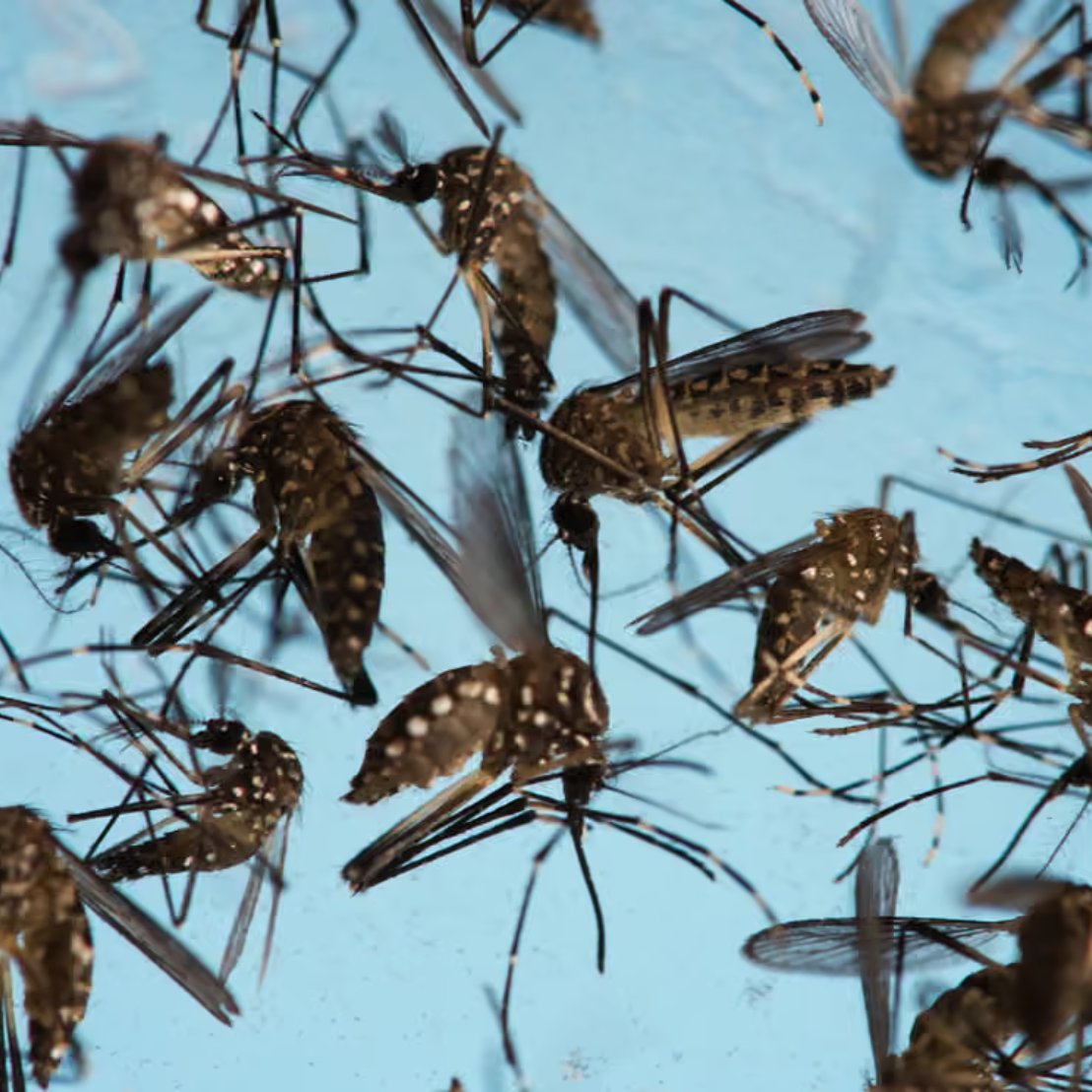
BREAKING: Google is planning to release 32 million mosquitoes across Florida and California.
The company has asked the EPA for permission to proceed, with the public given until June 5 to respond.
The mosquitoes are infected with Wolbachia bacteria, which stops them from reproducing and slowly collapses the wild population from within.
Google's previous Debug Project trial in California's Central Valley nearly eliminated mosquitoes from three test sites entirely. A separate trial in Singapore cut dengue cases by 70% within 12 months.
Google has now released over 1 billion mosquitoes across four continents. This new proposal is the largest deployment in US history.

75
33
755
96,462