Thriving Start-ups & Happy Cities
Joined November 2006
- Tweets 886
- Following 376
- Followers 687
- Likes 1,476
161 Photos and videos







24 Oct 2024
Great news! Well deserved @Astra

Department of Defense awards Astra contract valued up to $44 Million: astra.com/news/dod-awards-as…
120

Department of Defense awards Astra contract valued up to $44 Million: astra.com/news/dod-awards-as…
70
52
455
161,617
Cheryl Edison retweeted

24 Apr 2024
I was in sf recently, talking to this VC about the insanity of this AI paradigm shift
he had a funny take - "it's the best time to invest, but nobody knows what's going to win"
while it might seem impossible to tell what will win, I actually think there are about 8 archetypes of companies that are consistent from one paradigm shift to the next:
1. the pigs with lipstick
the companies that don't really have any meaningful use cases for AI, but they slap it on there any way for the hype
remember that one public iced-tea company that added blockchain to their name?
they changed their name from Long Island Iced Tea Corp to Long Blockchain Corp in 2017 and got free PR
these companies might get in the news for integrating new tech, but over time they fall off the wagon and adapt to new trends.
2. the cool grandmas
extremely slow-moving (usually large and old) companies that skeuomorphically jam the new tech into their products without reimagining the product for the new world from the ground up.
this is the Innovator's Dilemma at work.
their existing business and tech stack prevents them from competing with companies more native to the new paradigm.
salesforce, gmail, and even AI darlings like superhuman fall into this category
none of them are reimagining UX from first principles
they're just slapping on obvious AI features like conversational search and summarization.
3. the right place right timers
companies whose existing product is fundamentally enabled or accelerated by the paradigm shift, which usually drives their business through the roof.
this is not to be confused with companies who can just add a couple of nice-to-have features - this is about complete transformation.
nvidia is the best recent example.
4. the eager beavers
companies that thinking too far ahead of where the technology or users are today.
they often employ UX paradigms that people just aren't ready for (though these UX paradigms might be more natural in 5-10 years) or they try to stretch a technology/stack too further
the AI hype cycle in 2014 saw a lot of this - people were building chatbot/concierge businesses when the AI tech just couldn't support it
as of March 2024, I think agent-based products that are not solely focused on internet research are in this category as well
tech isn't there and people don't know how to interface with agents yet, though companies like Cognition Labs are showing promising initiative
5. the low-hanging fruit pickers
companies leveraging the new technology to build extremely obvious products
despite some of these turning out to be real opportunities in the near term, it's a net red ocean.
recent examples are AI photo editors, AI friends, canva with their magic features, marketing content writers like jasper AI, and most GPT wrappers
6. the levis strauss'
companies that build the picks and shovels for the builders and creators of the new paradigm shift.
this is usually one of the biggest opportunities and can ignite entire sub-industries.
AWS and stripe enabled the startup ecosystem more than any other two products. beehiiv did the same for newsletter businesses.
it's unclear what tools OpenAI and the other major players like Anthropic & Google will build in-house (LLMs) and what will be an opportunity for a startup to own.
7. the skeuomorphic translators
companies who leverage existing user behaviors and UX patterns to bring users into the new world.
these companies are usually extremely inventive and visionary but extremely pragmatic.
apple is my favorite example here - I think translation is their most underrated competency.
when the iPhone came out, they used skeuomorphic design (e.g. books app looked like a bookshelf, contacts app looked like a leather-bound directory) to teach users what apps were and how to use them.
a few years after iPhones were in wide circulation, they shifted to flat design which did away with the literal imagery, and stuck with that style.
but recently they shifted to neuromorphic (flat mixed with 3D elements) design in anticipation of... AR/VR.
8. the timely natives
companies whose products are uniquely native to the new paradigm but aren't so early.
these companies usually emerge several years after the new paradigm has hit the mainstream, after companies trying the exact same strategy fail because they were too early (see eager beavers).
snapchat and uber are the shining examples here since both were fundamentally mobile-native companies.
they capitalized on smartphones and app-based growth.
--
so whether you're a startup founder, a VC, or simply an observer of this transformative era, understanding these archetypes can help you see where the real opportunities lie, where the gold is, and where the fucking landmines are hidden.
14
33
197
55,688
5 Apr 2024
Oh yes! What's a key to enjoying and winning big on the #startup #scaleup #GrowthMindset journey? Here's 1 minute that may make you smile... maybe even you @GoorinBros hat tip to dear friends @usembislamabad instagram.com/reel/C5Ieiufhv…
128
16 Mar 2024
I'm so silly... but...it's true. I now love Biryani!!! @mudasirrazaa instagram.com/reel/C4V75FiOd…
61
14 Mar 2024
Let's talk about confidence. This is more than a gorilla marketing style launch stunt. I am smiling soo much to see this GoToMarket Strategy execution for achieving product-market-channel-model fit. No time to waste. #startups #scaleups #makeitreal
12 Mar 2024

We are building a new cloud—one that is open source, can run anywhere, and costs 3-10x less. Join our Rebel Alliance, as we launch part of @ycombinator W24!
ycombinator.com/launches/KdH…
128
25 Sep 2023
Here you are world: @creon levit. This man is soo smart about so many topics. Everytime he writes anything, I learn something new. #Iamgrateful #learning
24 Sep 2023

Fix hydrology & trees will appear. Their seeds are in the soil waiting for the right conditions. Such conditions come when rain doesn't just evaporate or run off of the land, but instead remains to pool and recharge the soil, bringing forth successor species - eventually trees.
155
20 Jul 2023
Testing firing thrusters in one of our smaller chambers at our Astra Spacecraft Engine™ production facility.
Access to secondary dedicated smaller chambers for development, testing, and characterization, helps to facilitate continuous operation of our production line as we further advance our spacecraft engine products.

ALT Astra Spacecraft Engine — thruster firing in vacuum chamber
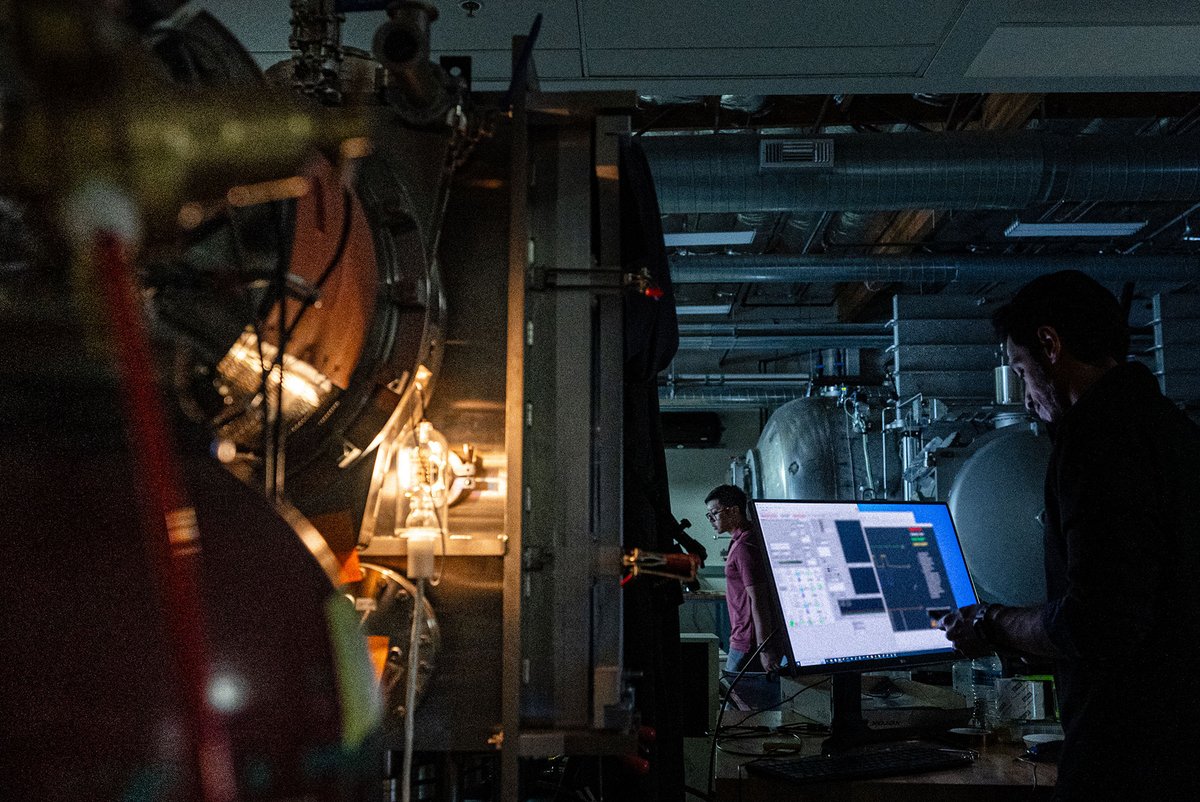
ALT Astra Spacecraft Engine — team members testing in our production facility.
2
175
5 Jun 2023
Right-sizing may be the most difficult challenge for startup founders. Gentle reminder here, my friends, this is not just a hardware issue. Is that monthly spend truly a worthy runway risk for an in-house team to build your next gen app or to grow sales?

RIP Zume Pizza, you were a real one for using a 200 lb six-axis robot to move a pizza along three axis 🫡
164
20 Apr 2023
Ok, all my #EV friendies. Check this out. #ElectricVehicles @SacramentoInfo #circulareconomy I'm in love with the way the #Netherlands runs their programs to welcome #Dutchies to sell in the #USA. So well done. Thanks for the last call @NLinSF
17 Apr 2023

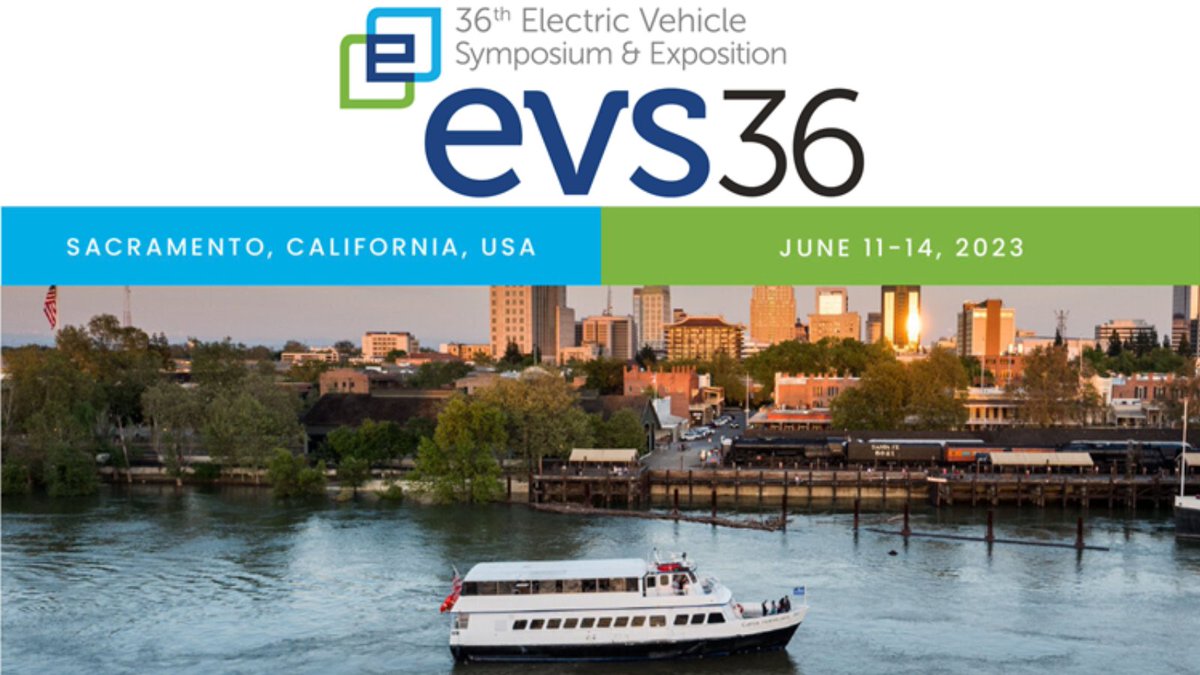
Last call for Dutch companies to register for #EVS36 in Sacramento.
Join global EV leaders in mapping the future of electric transportation.
Registration:rvo.nl/evenementen/paviljoen…
@RVO_Int_Ond @MinIenW
1
3
553
Cheryl Edison retweeted

17 Apr 2023
This I assure you… @nuvei will never ever build a rocket.
200
501
7,629
1,613,176
14 Apr 2023
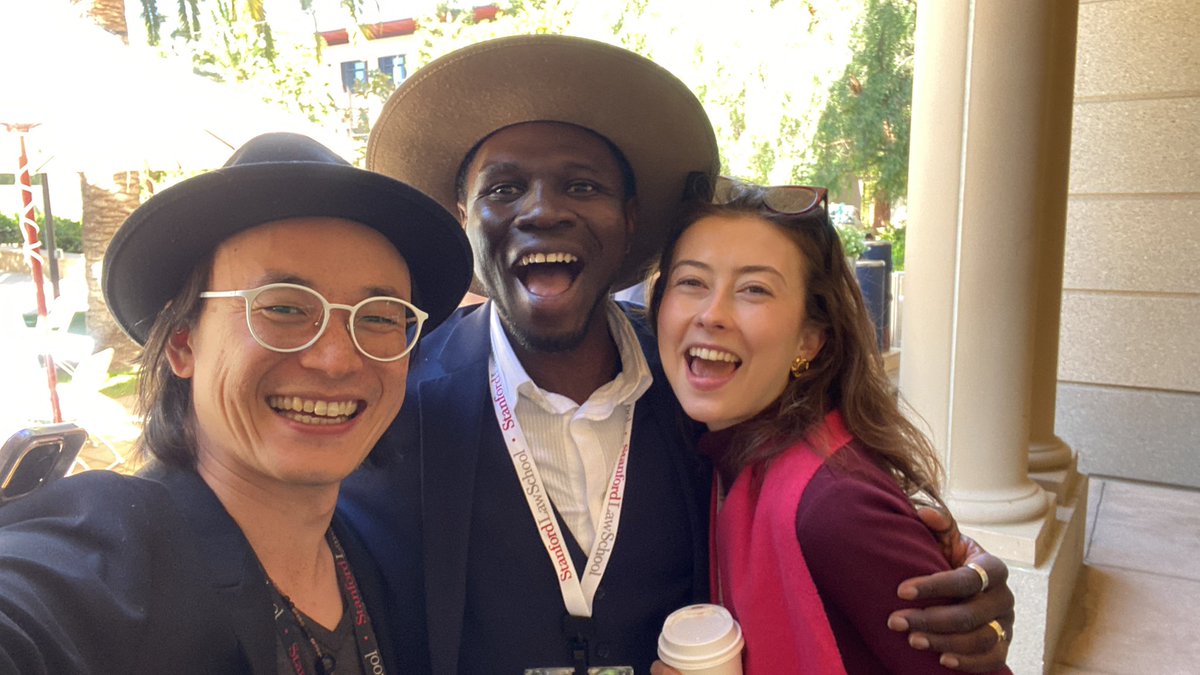
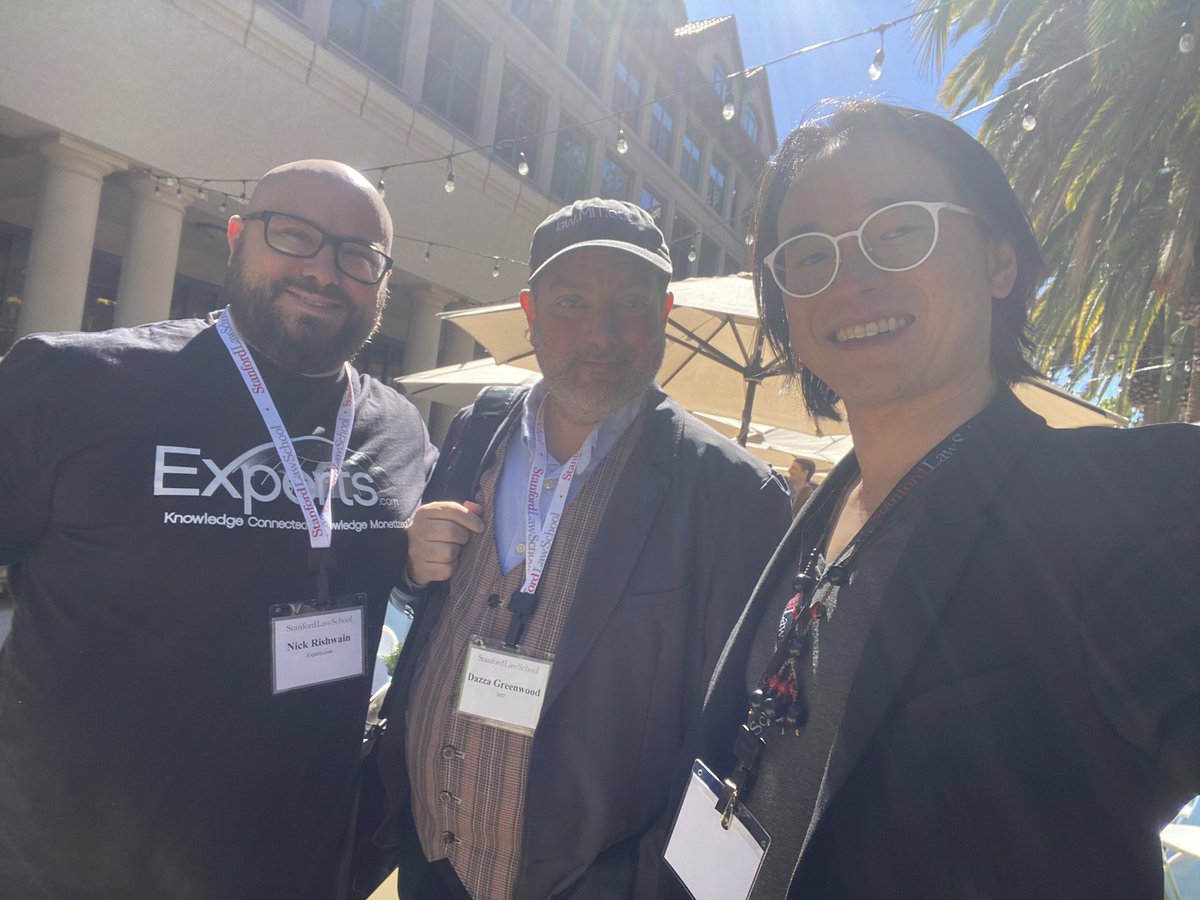
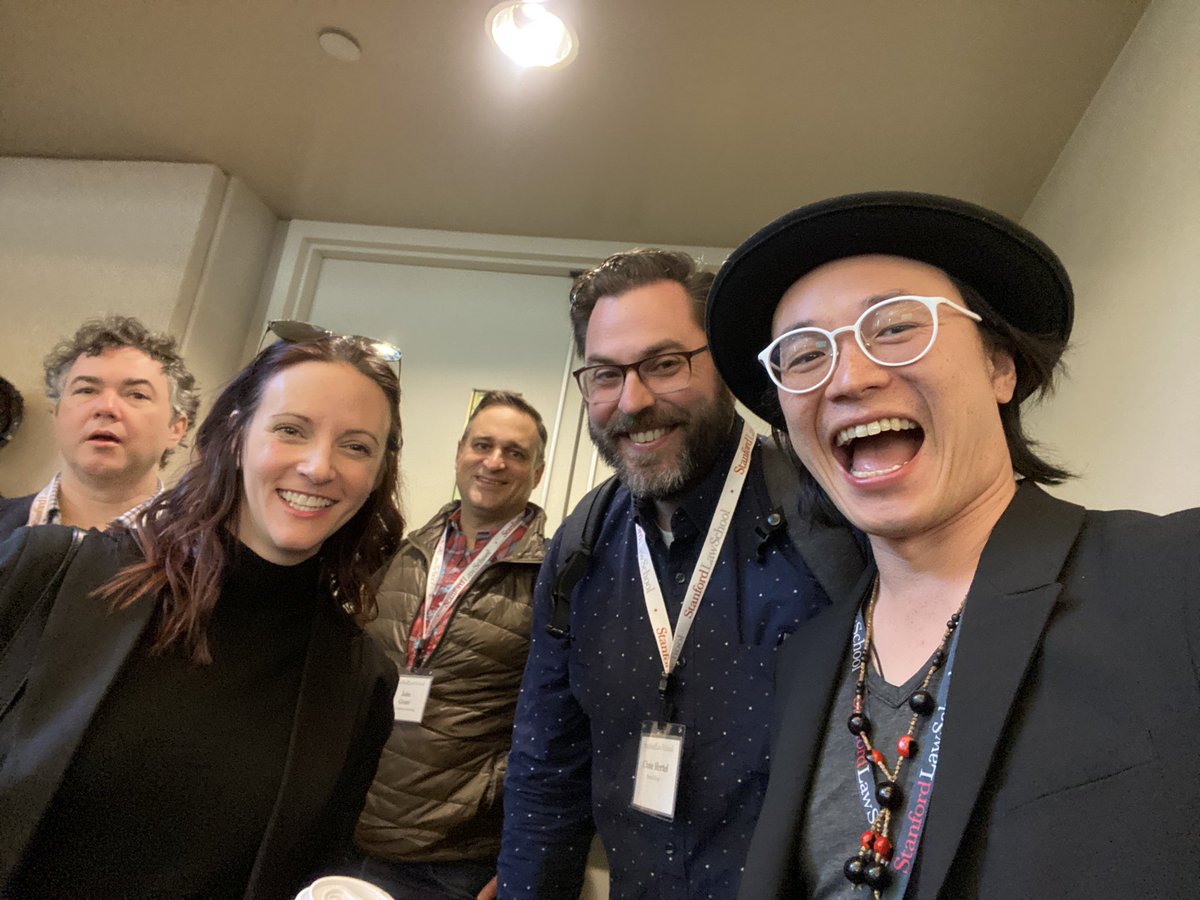
Oh yeah. There's our beloved @lai doing the good work with his ever-present capacity to laugh and smile and work hard bringing people together all at the same time. #Respect #Governance #MakeitReal @CodeXStanford

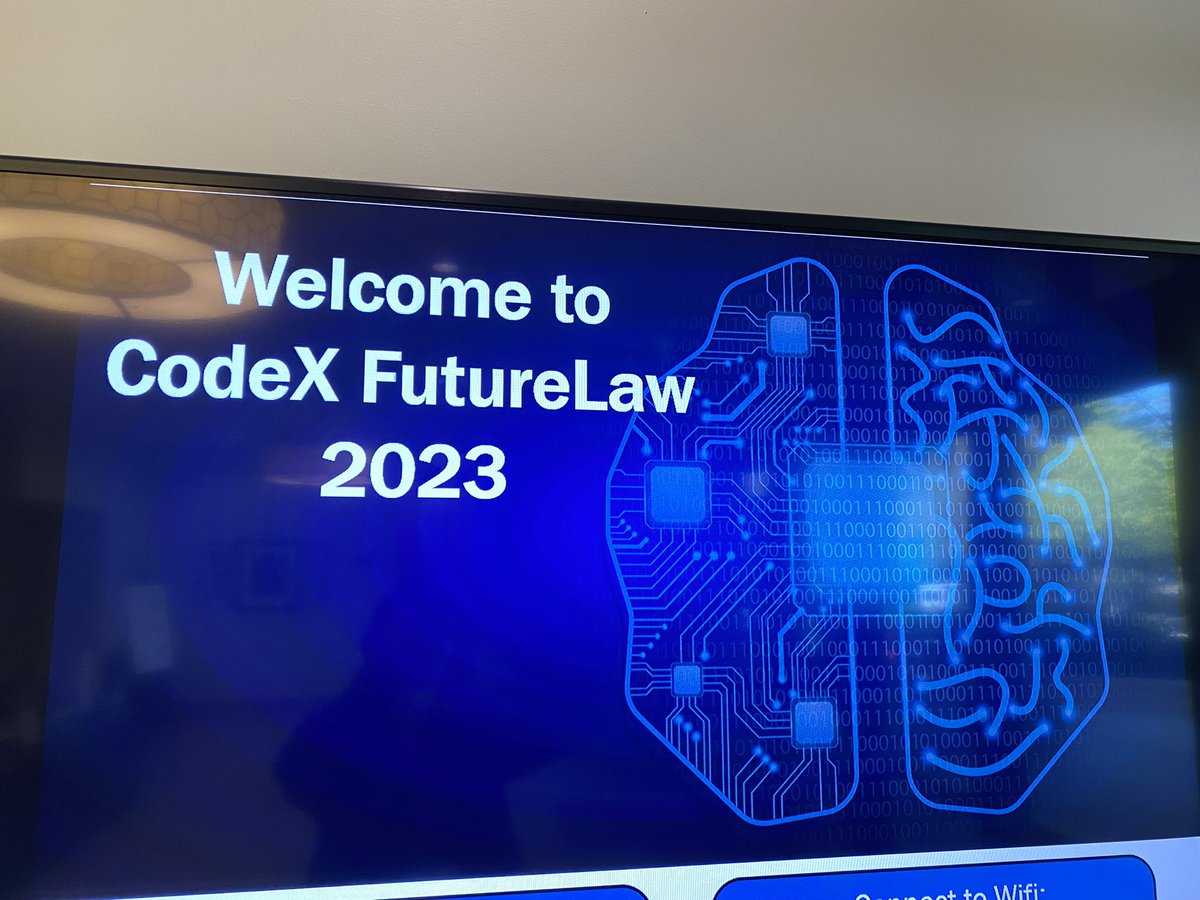
Oh it’s all happening at @CodeXStanford #futurelaw2023
11th annual gathering of people working on the future of law and legal systems! Such an amazing community.
Looking forward to sharing shortly about the ecocoin and nature-based financing ecosystem we’ve been weaving
1
123
13 Apr 2023
Super fun day on the way! "SF King's Day 2023" Come enjoy the sun and fun ;)! Note: Sun not guaranteed, but fun... always!!! signup.com/go/DxWELYb #Netherlands #ScaleNL #Dutchies
60
12 Apr 2023
Love this! Thanks for the voting heads-up @NLinSF !
12 Apr 2023
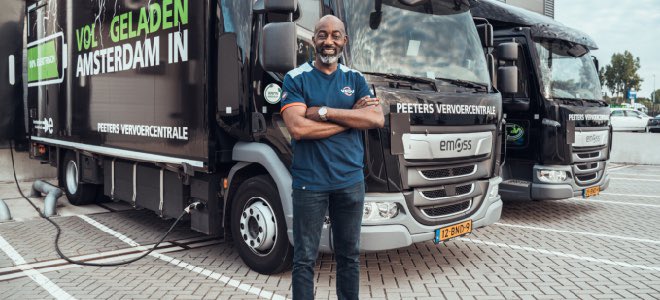
Fantastic to see @Scalenl_usa, @StartupAcademic and #CES alumni being nominated for the @Rabobank Sustainable Innovation Award.
You can vote now: rabobank.nl/bedrijven/groei/…
#Orbisk #Sensipdx #MantiSpectra #easee #coolgradient
2
103

Cheryl Edison retweeted

11 Apr 2023
Very cool new book
11 Apr 2023

It’s official: Our first book—“Make Something Wonderful: Steve Jobs in his own words”—is now available to read, for free.
stevejobsarchive.com/book
37
14
151
72,087
12 Apr 2023
Packed house - at the new EU office in San Francisco. Topic? AI Governance
2
78
Cheryl Edison retweeted

7 Mar 2023
Give up that war against everyone you hate. The war you really have to fight is the war against yourself.
179
1,299
7,509
539,516
6 Mar 2023
Ahhh! I’ve been waiting for this!!!!
4 Mar 2023
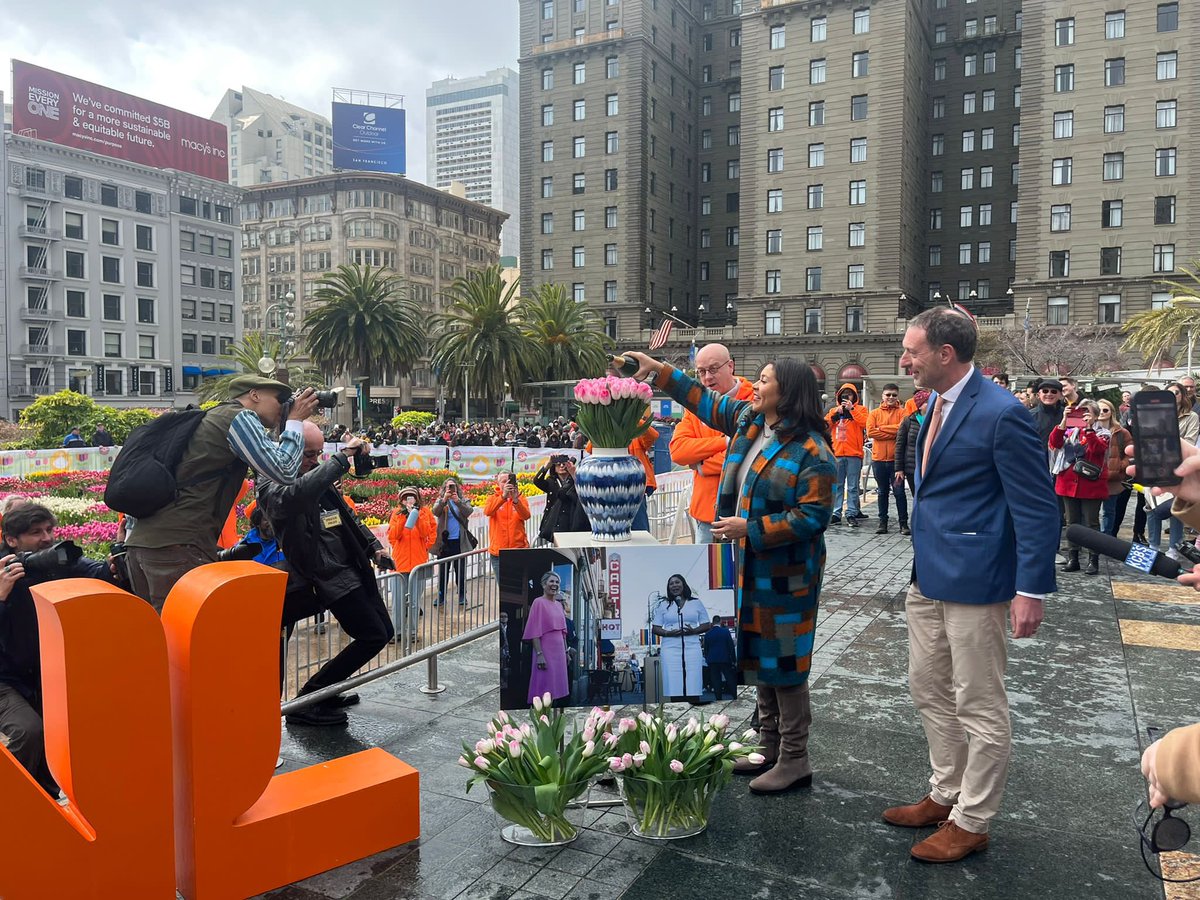
🌷Mayor @LondonBreed baptized the London N Breed tulip at @UnionSquareSF, inspired by colors worn by HM Queen Máxima and the Mayor during their meeting. 5K bulbs planted in Queen Wilhelmina Garden @GoldenGatePark @recParkSF. Come see this unique tulip and celebrate our bond🇺🇸🤝🇳🇱
1
138