
VINCENT MUASYA - COMEDIAN | Vice Chair NACADA | CHIPUKEEZY SHOW HOST | Founder CHIPUKEEZY COMEDY CLUB | Director ST MARTINS SCHOOL |
Joined March 2013
- Tweets 12,983
- Following 695
- Followers 139,137
- Likes 2,433
903 Photos and videos









Pinned Tweet

25 Nov 2018
I work as hard as I can to achieve my goals.I have steadily improved year after year by working harder and training smarter over the long haul.The only way to get better is to work harder.This doesn’t guarantee a win,But it sure does improve your chances..Above all Mungu mbele
114
153
974
Chipukeezy retweeted
The Fourth President is firmly in control. He has practically rearranged the entire game board.
Sifuna is OUT OF the ticket.
The ticket is now Kalonzo and Ruaraka Land Thief.
Sifuna, will be offered Foreign Affairs. He is happy.
Meanwhile, Jofri made a quick attempt to court Natembeya, but the Trans Nzoia governor politely declined.
Natembeya is focused on defending his seat and positioning himself strategically for the 2032 succession politics.
The chessboard remains active, and the dice continue to roll.
Within the SKM centre, there is considerable scepticism about the Ruaraka land thief as the running mate.
Their view is that he muddies what is otherwise a Mr. Clean ticket while adding little political value to the equation.
The only problem is that coalition is looking for a godfather, and with the Fourth President appearing to be their most realistic source of sponsorship, dissent will remain muted.
For now, sina mengi ya kusema.
764
217
1,329
226,070
Chipukeezy retweeted

“Some people are saying you are campaigning throughout; I believe you are inspecting projects,” Oburu on Ruto’s frequent tours across the country
27
46
388
30,032

Chipukeezy retweeted

Several Africans are supporting Mexico in the opening game against South Africa at the 2026 FIFA World Cup due to the protests against illegal immigration in South Africa.
389
448
2,867
116,604
Chipukeezy retweeted

Jun 11
We used to pray for videos like this.
107
186
1,417
114,272
Chipukeezy retweeted

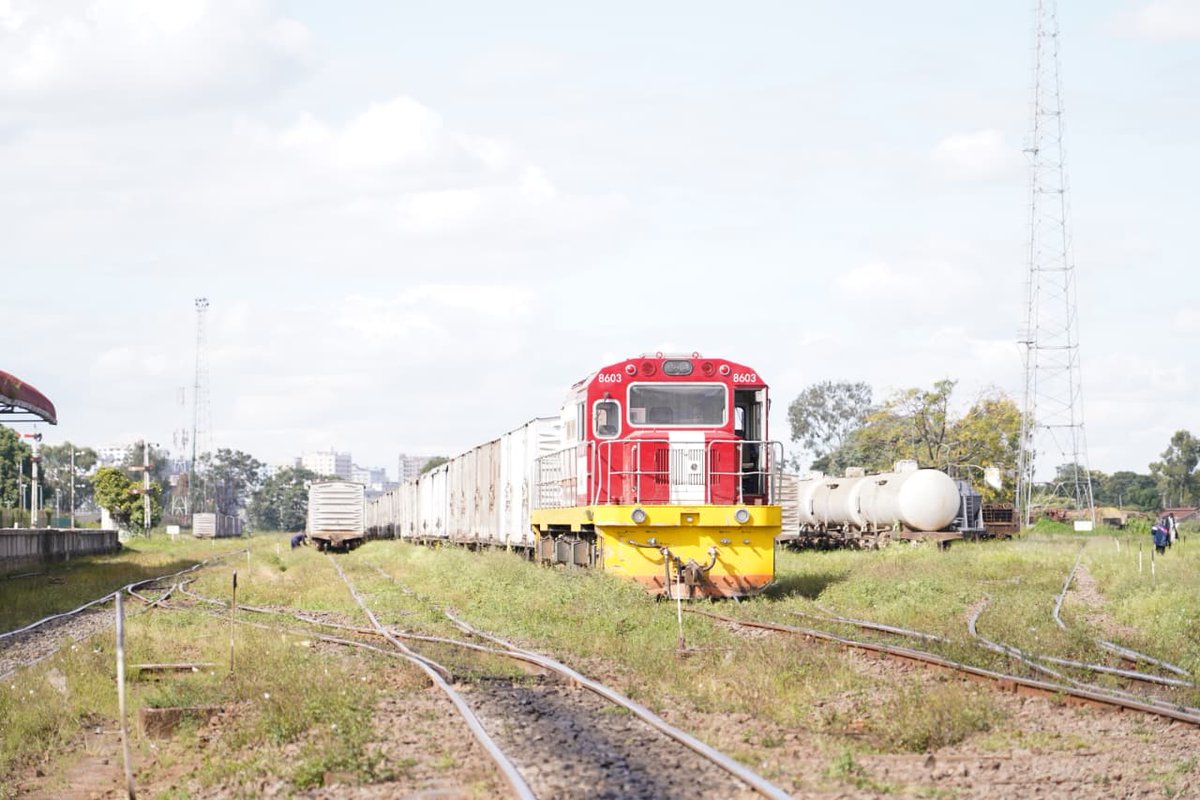
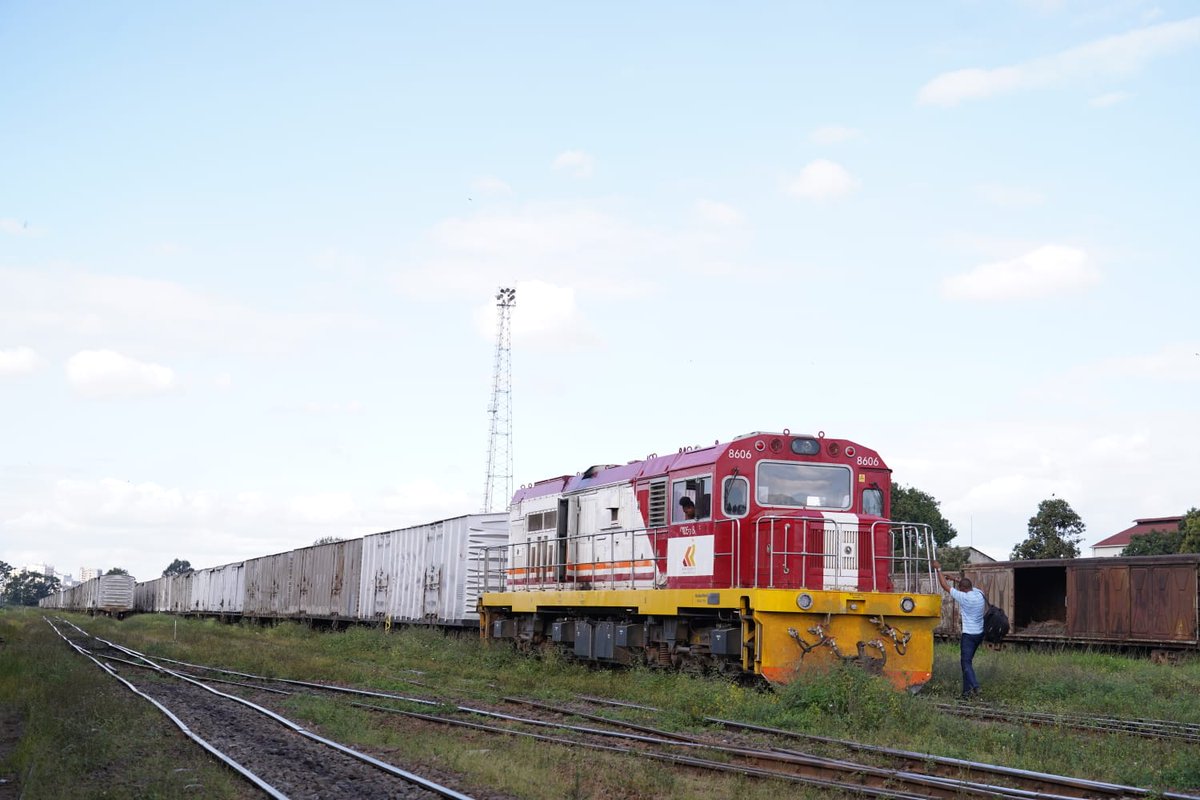
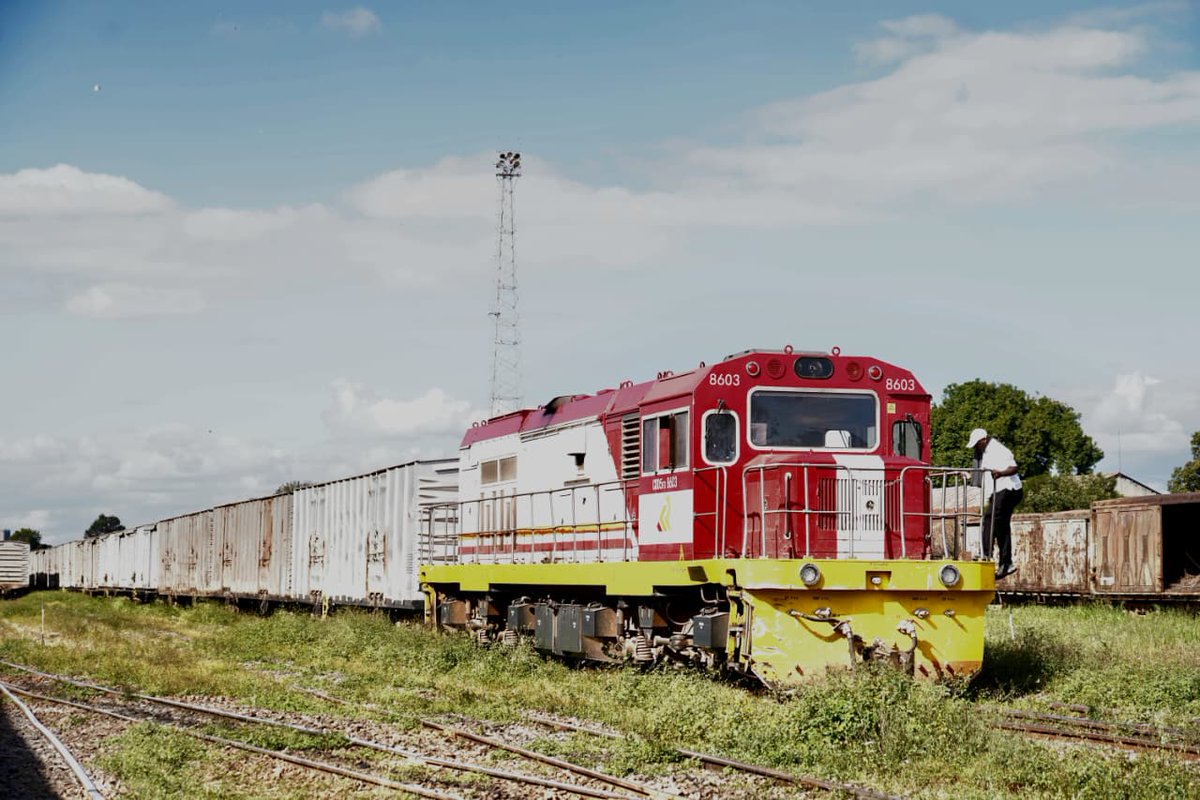
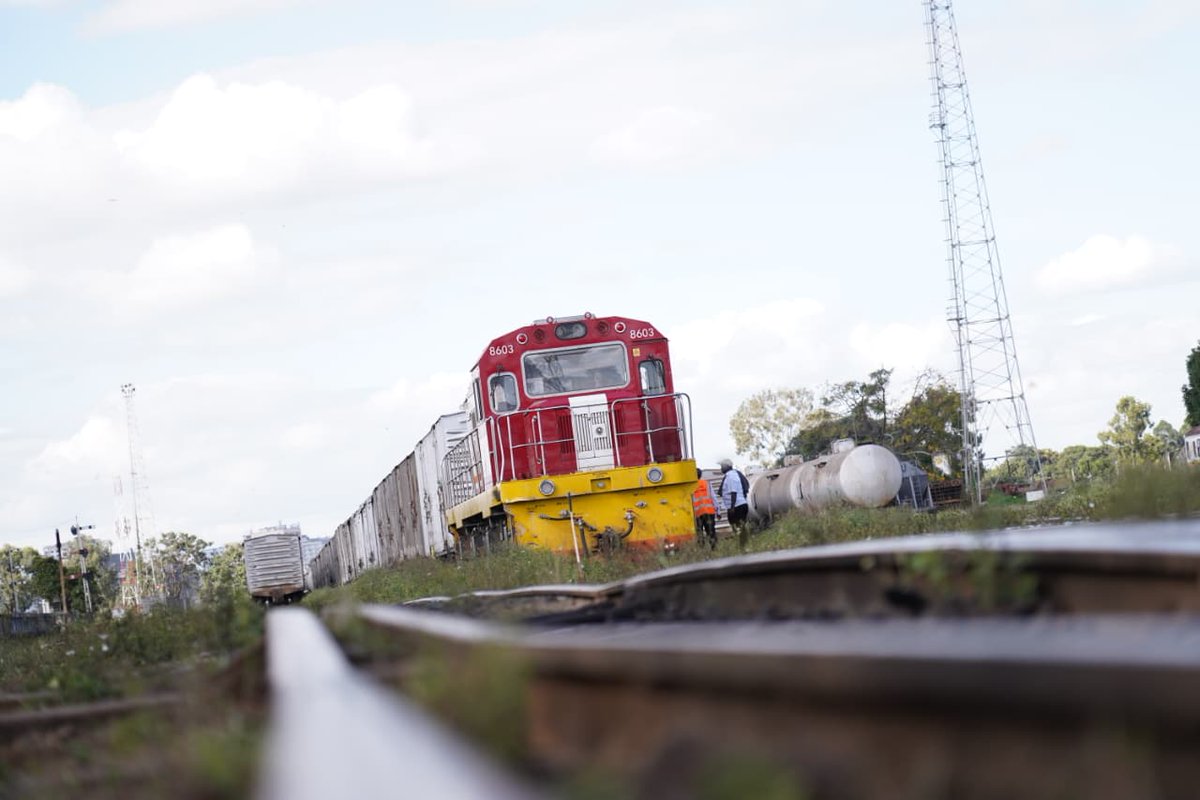
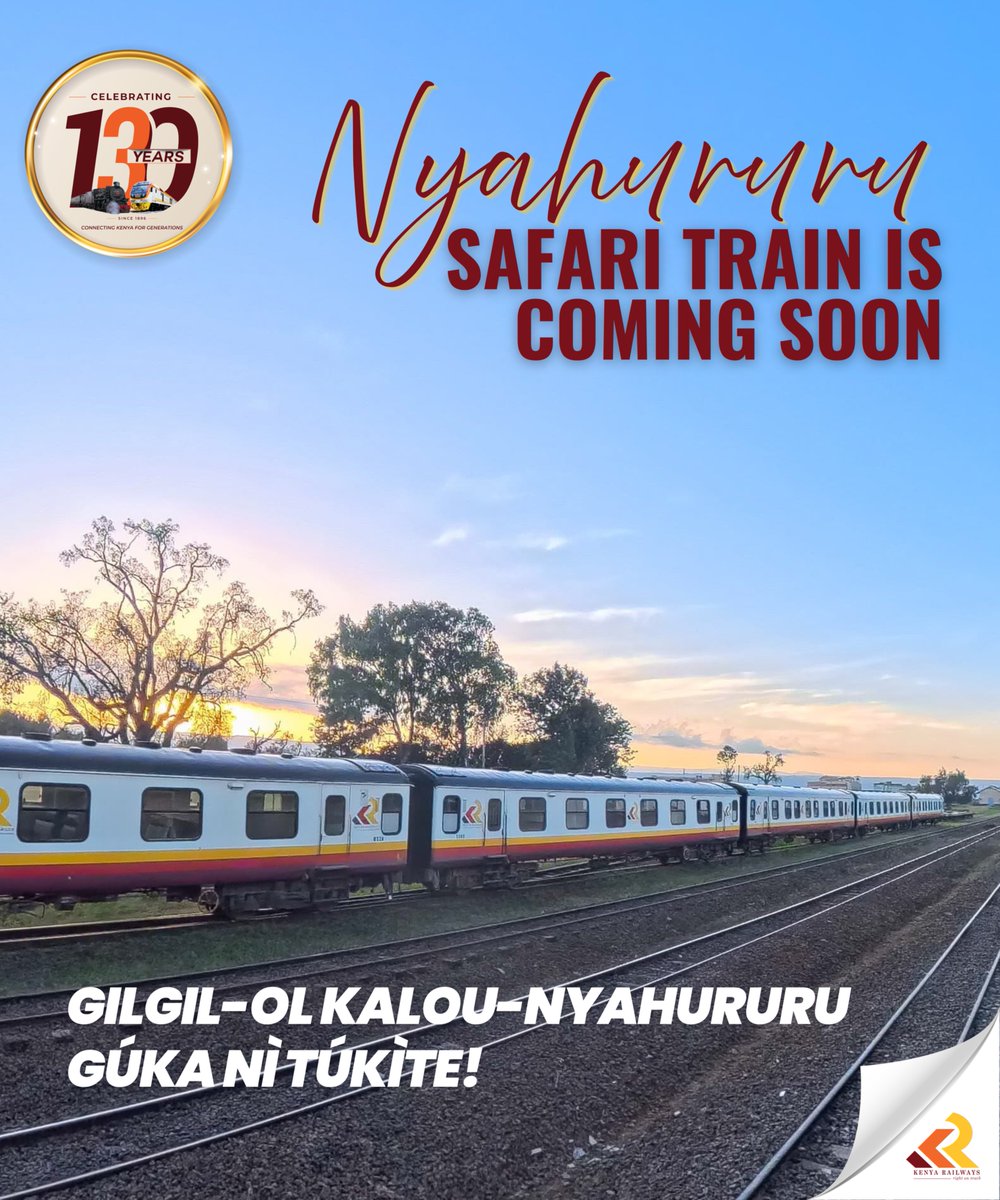
Kenya Railways transported 396 tonnes of Government-subsidized fertilizer from Athi River Railway Station to the National Cereals and Produce Board (NCPB) depots in Ol Kalou and Nyahururu, marking the revival of freight services on the Gilgil-Nyahururu branch line after 46 years. The movement, undertaken using 11 Metre Gauge Railway (MGR) wagons, is the first cargo train to operate on the corridor since its closure and underscores the railway’s role in supporting economic growth, regional development, and enhanced connectivity.
The Rail Mavuno fertilizer will support farmers across Nyandarua and Laikipia counties, regions renowned for agricultural production, including potatoes, carrots, cabbages, peas and other horticultural crops, as well as long-term crops such as wheat.
The revival of the line has already attracted interest from key players across various sectors. Potential and existing customers include OCP Kenya for fertilizer transportation, Bamburi Cement PLC for cement products, New Kenya Cooperative Creameries (New KCC) for dairy logistics, and Autoports Freight Terminals Ltd. for freight and logistics services. Additional opportunities exist in the transportation of construction materials, including sand and building stones, as well as livestock and related agricultural products.
Beyond freight transportation, the restored railway line will also support passenger services, providing communities along the corridor with a safe, reliable, affordable and environmentally friendly mode of transport. The return of rail services is expected to improve mobility, enhance access to markets and social services, promote tourism, and strengthen regional integration.
The resumption of freight and passenger services along the corridor is expected to lower transportation costs, stimulate trade and investment, create employment opportunities, and support sustainable economic growth in the region.
This milestone aligns with the Government’s commitment to the realization of Kenya Vision 2030, leveraging railway transport to drive both microeconomic and macroeconomic growth while strengthening connectivity between production centres, markets and communities.
108
42
249
25,104
Chipukeezy retweeted

Gilgil-Ol Kalou-Nyahururu Gúka nì Túkìte!
36
31
165
33,830
May 29
Journey to Singapore is unstoppable 🙌🏻
May 29

3
245

It's an interesting new train service.. I wish it well! 🚂🇰🇪
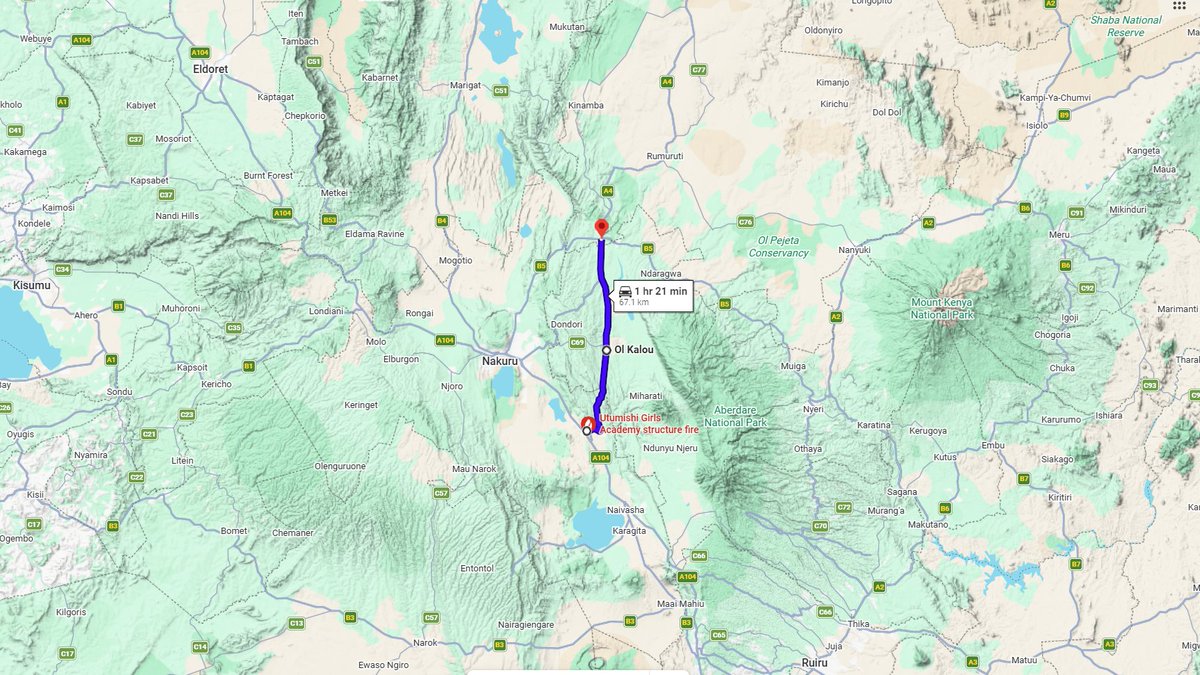

A new journey of adventure, connectivity, and opportunity is almost here. Gilgil, Ol Kalou, and Nyahururu, get ready to experience the charm of rail travel once again as Kenya Railways reconnects communities and opens up new tourism and business opportunities along the corridor.
Gilgil–Ol Kalou–Nyahururu, Gũka ni Tũkite!
#NyahururuSafariTrain #KenyaRailways #ConnectingCommunities #RightOnTrack #130YearsOfKR
5
7
39
8,774
Chipukeezy retweeted

How to survive in South Africa as a foreigner 😂
84
287
2,001
82,413
Chipukeezy retweeted

May 16
Counsel, your points indict Raila Amolo Odinga more than they indict Mbadi. The malpractices you state, correctly, that Mbadi benefited from were manufactured and weaponized by Raila and their most prominent beneficiaries include Ida, Adhiambo and Winnie.
Mbadi is correct to remind them that he is not their slave and to caution to avoid using Raila’s name for parochial purposes.
On this one, Mbadi is right: Winnie, Adhiambo and Ida have zero moral authority to lecture him.
6
10
133
16,377
May 16
Careful with your stupid threats Master
May 15

This thing @chipukeezyvini needs to be killed before it lays eggs.
2
1
2
490
May 15
Ukiona vyaelea Jua vimeundwa🙌 transforming the Country Sector by Sector 🙌 Soon mama mboga watapona🙌
3
427
Chipukeezy retweeted

May 13
Kenyans owe Kasmuel McOure an apology.
1
3
8
1,513
May 12
..
May 12

The X prefects have been under siege, yetu macho tu!
They told everyone, “Do not clean Ruto’s mess,” but the same people are attending his events, sitting in his summits, smiling for photos, giving him audience, giving him legitimacy, and helping polish the same image they claim should not be cleaned.
It is very easy to set rules for everyone else, but the real test is whether you can live by those rules when access, invitations, cameras and proximity to power are placed in front of you.
92
Chipukeezy retweeted

May 4
Our president did well by attending Kalasha Awards. Whether you’re wantam or tutam it’s obvious the pull of a sitting president coming to your event has. Shida tu ni ma bladfakn wa TL hawawezi praise anything unless a ka 527 reflects on their Mpesa.
98
114
1,009
38,527

Chipukeezy retweeted

Apr 24
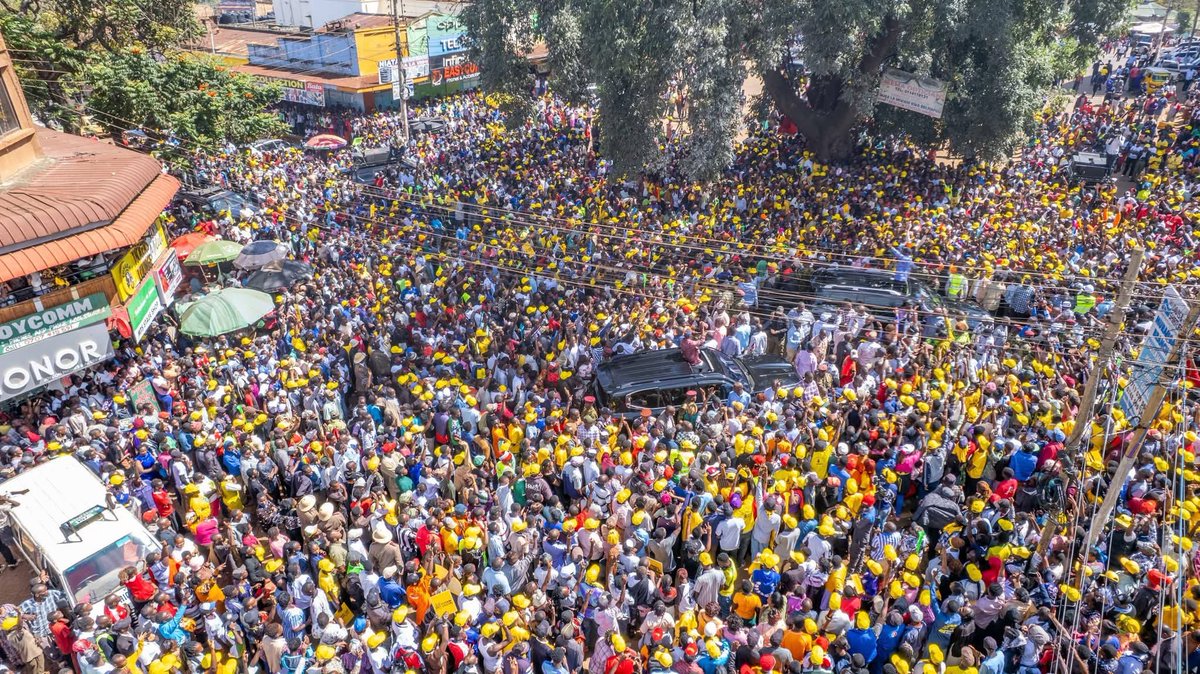
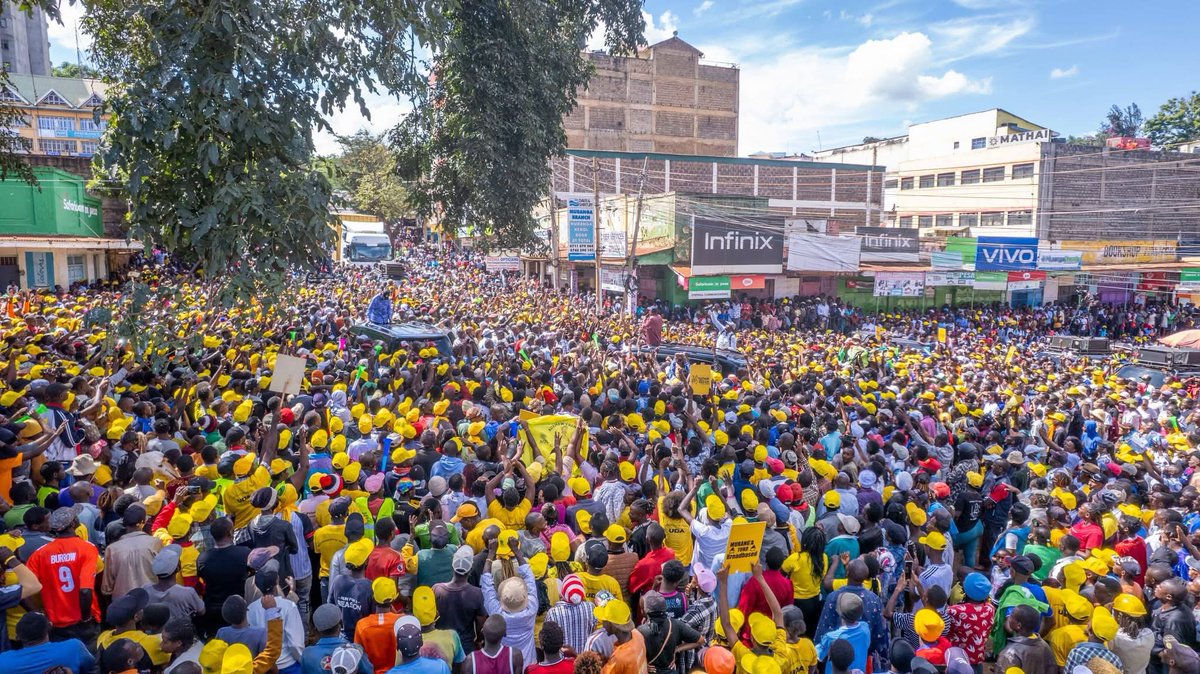
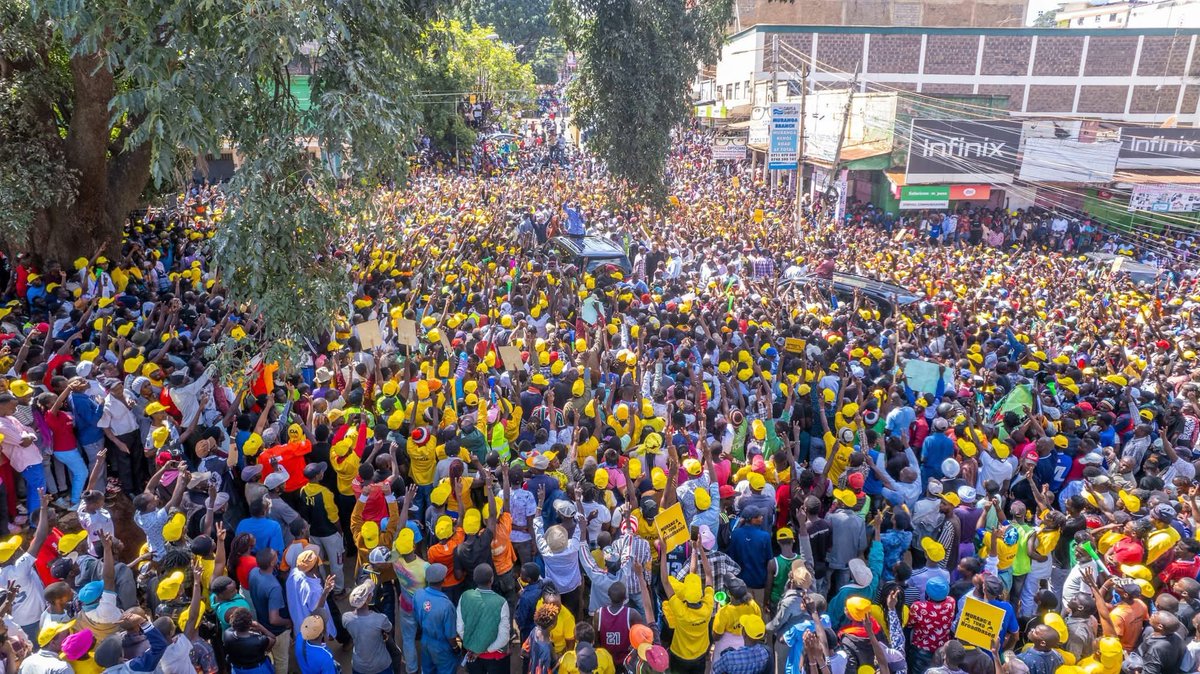
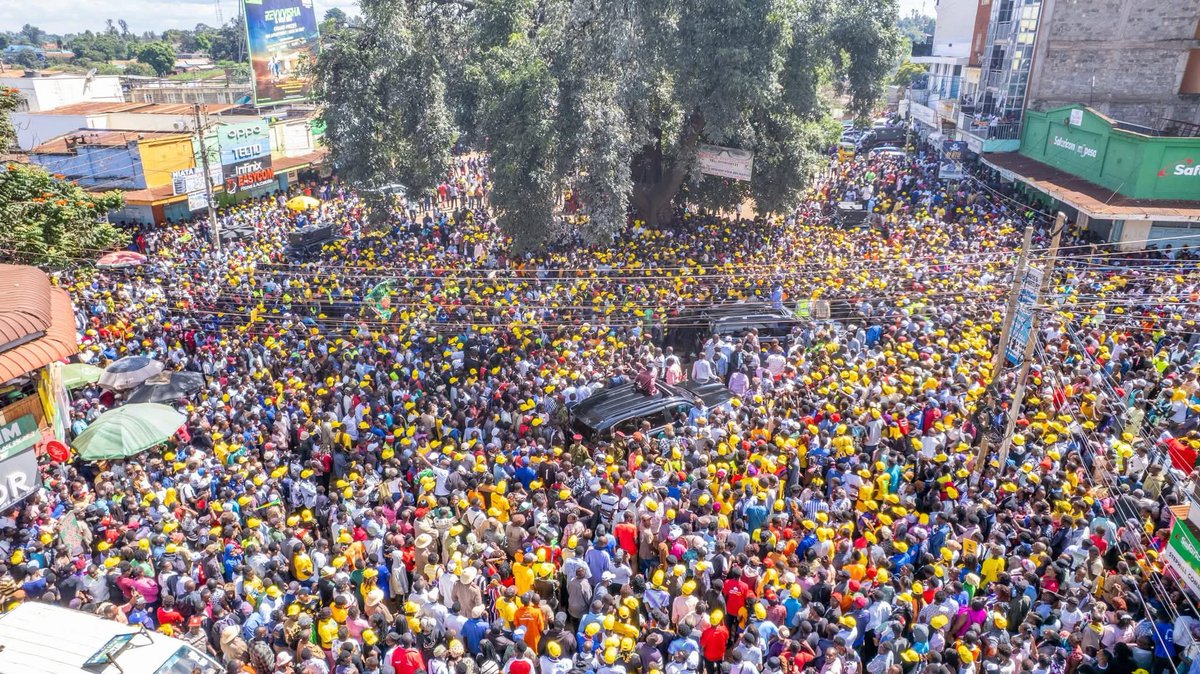
MURANGA welcomes DEVELOPMENT
1. Shs. 20b, to build 6,800 affordable housing
2.Mumbi Stadium, 10k seater, 950m
3. Kayole Market - 50m modern Market
4. Kiharu affordable Housing- 165 units
5. Kiharu TVET - 580 units
6. Jitume Lab
7. Prisons Affordable Housing
8. Mau Mau Roads completion
9. Kiriko - Karugia, Mathioya.
FROM THIRD TO FIRST WORLD
407
111
613
72,886
Chipukeezy retweeted

Apr 24
The same Kikuyus that have been telling us they hate president William Ruto today came out in thousands in Murang'a to welcome him. It's either Mt. Kenya is lying to us or Rigathi Gachagua is lying to himself.
683
140
835
80,673