
Joined April 2008
- Tweets 9,508
- Following 244
- Followers 729
- Likes 3,591
526 Photos and videos






Chris Kottom retweeted

16 Oct 2025
Do I know any founders who write their own content and would participate in a UX interview for Knowatoa's new onboarding for $$?
1
4
4
508

3 Oct 2025
git blame - for those times when you've figured out "what the fuck?" and you're ready to move on to "who the fuck?"
2
59
2 Oct 2025
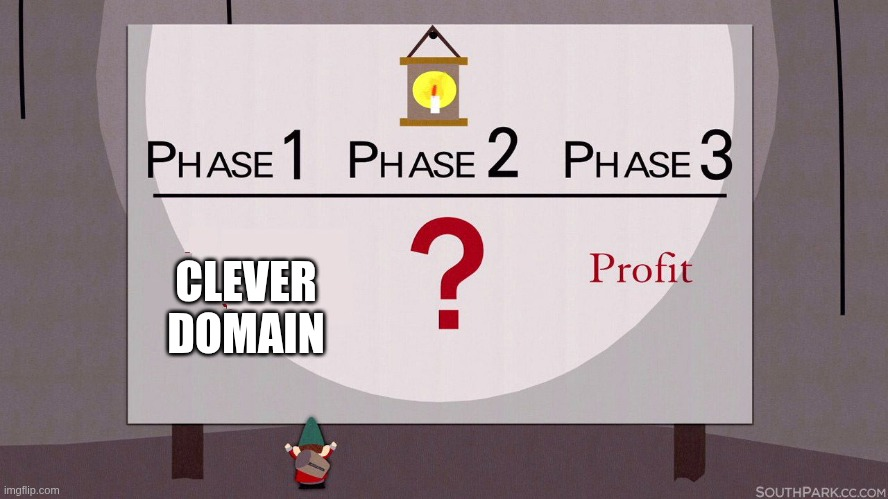
Don't you wish that buying that clever domain name actually counted for as much progress as it feels like it does?
44
Chris Kottom retweeted

11 Sep 2025
We're live on @ProductHunt today 🚀🔥🔥
Please come support the all-new @userlist producthunt.com/products/use…
3
3
14
608
9 Jul 2025
Love this GIF at the bottom of the changed files view in the new @github PR interface.
63
8 Jul 2025
I can completely understand the idea of building a quick MVP to validate the market.
But it's worth asking yourself: what happens if this works? I've never seen a company start to get traction and then put everything on pause to rewrite the app. There's no time.
2
2
68
8 Jul 2025
Build your MVP with the expectation that it's actually a v1 that will need to be extended and maintained for years to come.
If you're wrong, you'll cost yourself a little time, but if you're right, you'll have saved yourself potentially years of carrying costs on crappy code.
29
7 Jul 2025
Most of the time when we think of technical debt, it's in the context of making a trade-off between "Doing It Right" and "Getting Shit Done". That's certainly one form, but there's another type that's more insidious.
Read on...
1
1
62
7 Jul 2025
With The Time Bomb, though, you probably didn't think about any of that, so when it does show up, it comes as a complete surprise. And unless you've got good monitoring and instrumentation, tracking down the root cause becomes a nightmare.
1
23
7 Jul 2025
The takeaways here?
Document your assumptions.
Build in some form of monitoring early - at least in production.
And remember - technical debt isn't always about cutting corners. Sometimes it's about the system environment not turning out to be what you thought it would.
1
33
Chris Kottom retweeted

18 Jun 2025
0.1x engineer [FULL]
60
341
3,131
195,930
Chris Kottom retweeted

10 Jun 2025
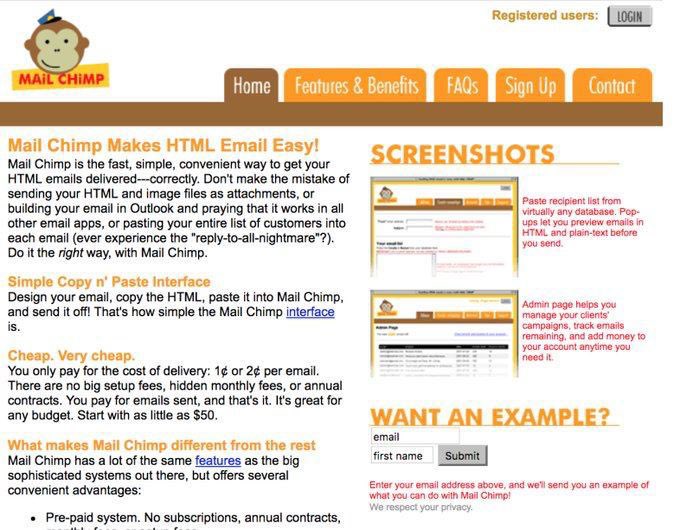
Your weekly reminder to ship your MVP.

27
22
353
159,635
9 Jun 2025
My 17-year-old this morning:
"Let's say we agree to disagree."
Me:
"No, I agree THAT we disagree, but I'm right and you're wrong. There's a difference."
1
2
93
5 Jun 2025
Every project of any size is an exercise in faith. You have to begin before you can clearly see the end.
1
54
5 Jun 2025
People are willing to put up with a hell of a lot of bad UI and UX if you're solving a painful or expensive problem for them.
This doesn't give a free pass to developers who can't be bothered about the application front-end. Just understand that it might not be the main thing.
43