
Founding Partner @schemadesign. Exploring the edge of AI, spatial computing, & data. Formerly @pentagram, @ideo, @microsoft. Author of formfollowsbehavior.com
Joined March 2009
- Tweets 1,274
- Following 1,815
- Followers 780
- Likes 1,693
124 Photos and videos



Pinned Tweet

Mar 14
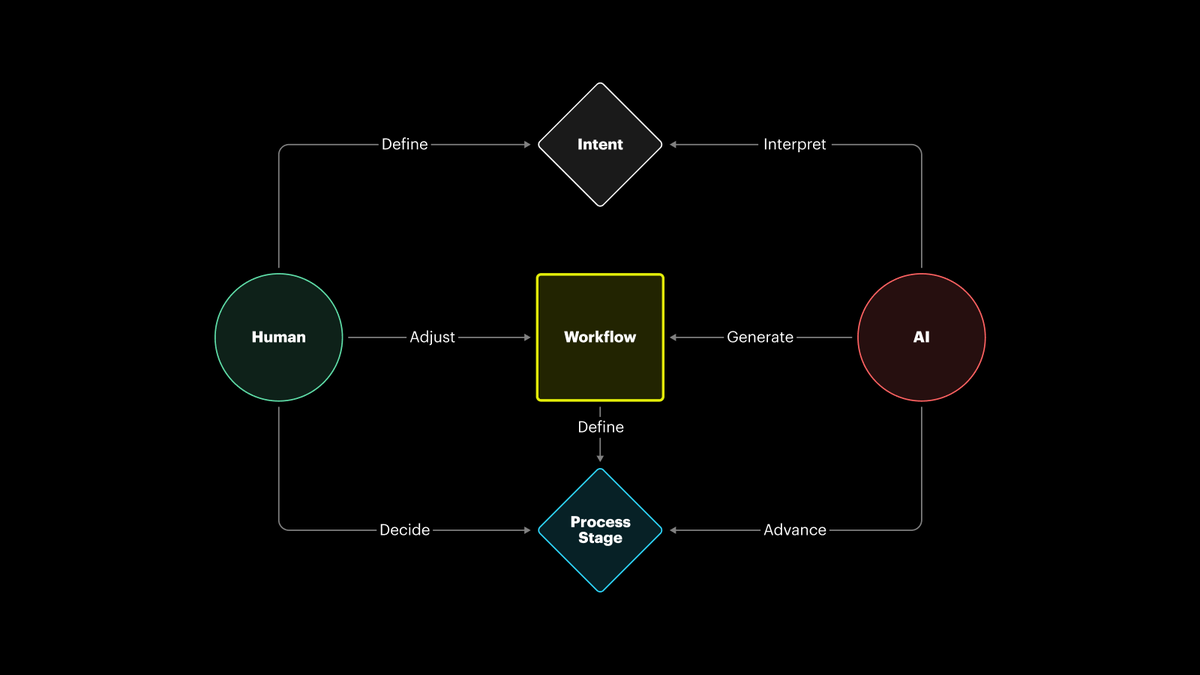
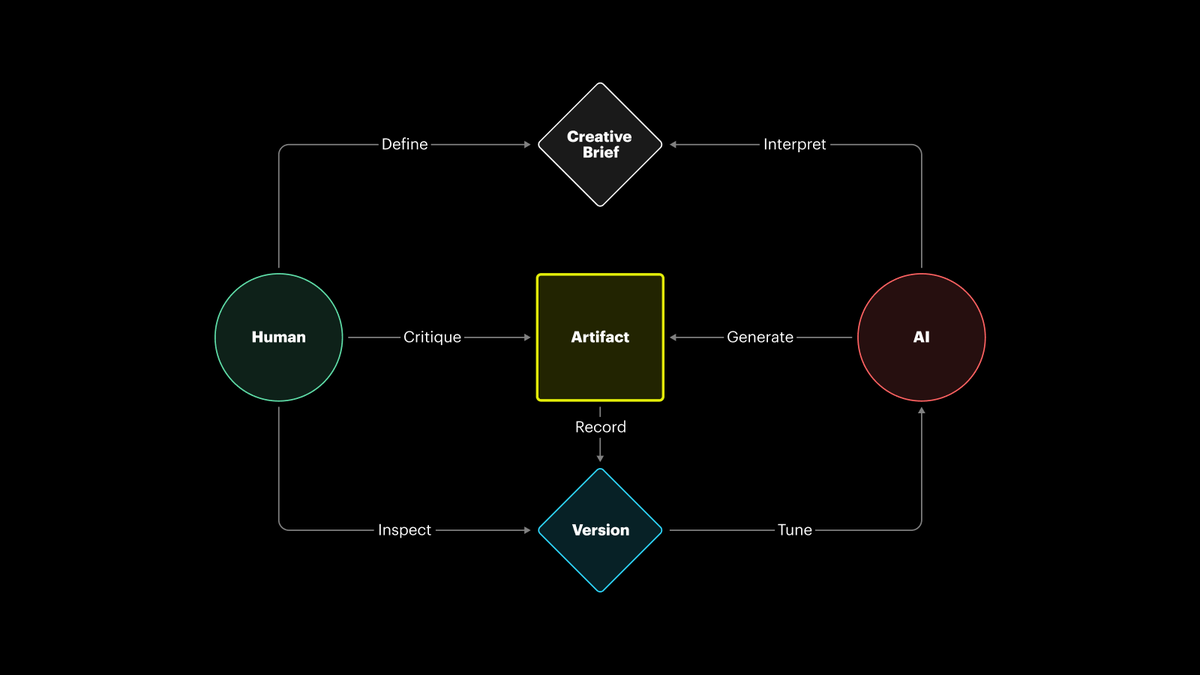
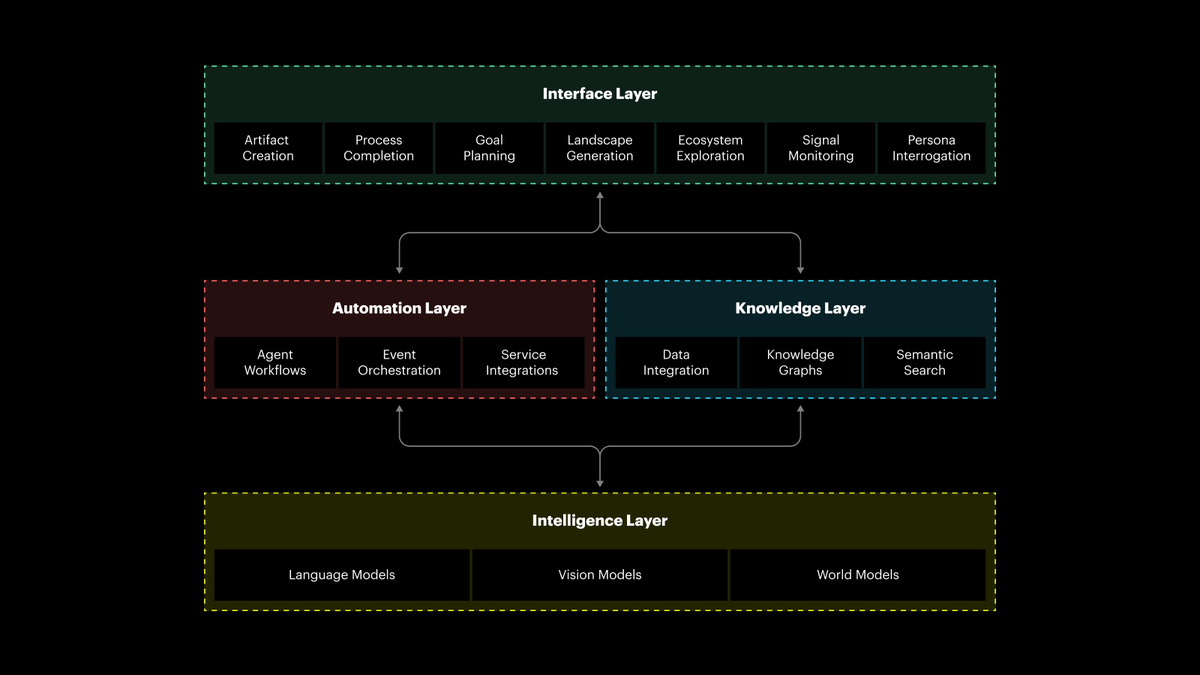
AI tools keep getting better. But every session starts from zero. Your agent doesn't remember what the client rejected, what your design principles are, or the research behind the strategy. You re-explain everything, every time.
1
2
225
Christian Marc Schmidt retweeted

May 25
My biggest takeaways from @danshipper:
1. The future of work will happen inside Codex or Claude Code. Instead of putting AI into your SaaS tool, you’ll use your SaaS tools inside your favorite AI agents' in-app browser. Dan spends all his time in Codex now—writing documents, managing email, doing research, everything. He's using Google Docs, PostHog, and everything he needs within the agent's in-app browser. The agent can see what he’s doing, and has all of his context, so he and his agent collaborate quickly and super effectively.
2. Automation is a lie—every automation needs a human. Dan's company doubled in size this year despite being incredibly AI-forward. Why? Because in order to make automation work well, you need humans making sure everything keeps working. This is why benchmarks are misleading—they measure AI on problems we’ve already framed and can score, but there’s always a higher frame.
3. PMs will win the AI era. Marcus, a former PM who previously ran Axios’s writing product, joined Every after getting super AI-pilled. Now he runs their product Spiral, and ships faster than anyone on the team. He pairs technical knowledge with spiky product sense, deep user empathy, and an eye for what matters. Dan thinks any PM who gets really AI-native will be incredibly dangerous because the building is done for you—what matters is figuring out what to build and if it’s great.
4. Full-stack designers are becoming superheroes. Designers used to make beautiful interactions that engineers didn’t want to build or couldn’t execute properly. Now designers don’t need to hand things off; they can build it themselves. Designers are naturally creative people, and AI is the perfect tool for them because it lets them bring their vision to life without the traditional bottlenecks.
5. SaaS is not dead. In fact, Dan is bullish on SaaS stocks. When users bring their own AI (via Codex or Claude Code) to use SaaS products, the user—not the SaaS company—pays for tokens. This saves SaaS company’s margins. Since the agents need their own seats, Dan predicts that agents will create massive new demand for SaaS because there will be tons of agents using these products at high volume.
6. Every company will have one “super-agent” inside their Slack that every employee will use. Dan initially thought every employee would have their personal work agent, like a shadow AI org chart, but he’s completely flipped his view. He realized agents need humans who care about them. When someone gets tired of maintaining their personal agent, it becomes useless. The winning model is one forward-deployed engineer or AI-savvy person who maintains a company-wide agent (like Shopify’s River or Viktor), and then it trickles down to more specialized team agents as models improve and become less fiddly.
7. The AI job apocalypse is not happening, but you do need to evolve to stay relevant. Models make yesterday’s human competence cheap. But because everyone uses the same models, it all looks the same if you use it the default way; it becomes commoditized slop. Humans then take that frozen competence and use it to make something new and interesting for their specific situation. The key: “ride the models”—use them for everything you do, try new models when they drop, keep turning over rocks.
8. We will read way more AI-generated writing, and we will like it. Human writing is incredibly important for things that matter, but for internal docs, planning, and email, AI-generated is often better because most people are bad at writing strategy documents.
9. Build software for humans and agents to use together. The current model is building a CLI that an agent uses independently. Instead, you and your agent should be using the app together. This creates new design challenges—agents can make a billion requests in three seconds, so you need approval flows, inboxes that summarize what happened, logs, and easy rollback.
10. Forward-deployed engineers are the new most essential role. The big model companies have teams of people managing their internal agents, and those teams aren’t going away. It’s different from traditional software building, and certain engineers love it. As models get better, this role will evolve—you’ll be managing more agents doing more things.
May 24

Automation is a lie. CLIs are over. The SaaSpocalypse is dumb.
A year ago @danshipper came on the podcast to predict where AI was heading. He was remarkably right—including the call that everyone was sleeping on Claude Code.
Dan has a unique lens into where things are going because his team at @every is possibly the most AI-pilled group of people in tech. I always learn a ton talking to Dan.
So I brought him back for round two. We'll score these in exactly a year:
🔸 Every company will have one “super-agent” in Slack.
🔸 Codex and Claude Code will become the new operating system for knowledge work.
🔸 The AI job apocalypse is not happening.
🔸 PMs and designers will thrive.
🔸 We will read way more AI-generated writing and we will like it.
🔸 "I would buy SaaS stocks right now."
Listen now 👇
youtube.com/watch?v=4D3hDmGh…
152
237
2,094
761,741
Apr 28
The screen is doing a lot of work right now. Voice, vision, and space are modalities people and agents can share more naturally — AR being the first form factor that points at it. What comes after is harder to picture.
Apr 26

feels like a good time to seriously rethink how operating systems and user interfaces are designed
(also the internet; there should be a protocol that is equally usable by people and agents)
1
1
41
Apr 26
Been thinking about what this means for design practices. When making software is essentially free, the practice itself starts to look like a new kind of studio, closer to a product company than a services business.

1
1
58
Apr 22
This resonates. We are still very early in how we design for working with agents.
A lot of the real innovation ahead will be in intelligent interfaces that let people see, direct, and collaborate with these systems more naturally.

a16z @speedrun request for startups: GUIs for Agents
we’re still in the MS-DOS era of agents today - CLI, terminal sessions, file directories deleted by openclaw etc. while a small slice of silicon valley are power users, we're SO early for the rest of the world
at Speedrun, we’re looking for bold founders excited to bring the power of agents to normies everywhere. there's a whole slew of products to be built here - from agent builders to marketplaces to managed infrastructure
one broad idea we’re excited about are visual abstraction layers for agents. if you don't know exactly what you want, a command line / chat interface is paralyzing - you need to see options
1 example - think of a GUI or visual command center inspired by strategy games (ex. Factorio) where agents and workflows are represented graphically. skills, tools, MCP connections, background processes, etc could all be configured and shown visually in a workspace
on UX, strategy games have long perfected agent management. zoom to get a birds-eye view of your agents, batch and queue orders via shortcuts, assign agents in multiplayer etc. a well-designed agent command center would make multi-agent orchestration for normies feel easy & intuitive
most folks today still haven't moved beyond ChatGPT. the potential is enormous - just as Windows unlocked mass-market use of personal computers, the right visual abstraction layer could unlock agentic work for everyone - from individuals to enterprise teams
if you share our vision, we'd love to chat!
1
5
338
Apr 19
Design as rendered care really resonates. What interests me about AI is whether it can help carry judgment, context, and intent all the way through the system. x.com/saleh_digital/status/2…

1
2
227
Apr 19
What feels important here is that agents need something they can actually reason over. Code carries structure, behavior, and intent more directly, which makes it a better substrate for the next generation of tools.

54
Apr 10
I have run a design firm for 14 years and the hardest thing to scale has always been tribal knowledge. How to think about design as a system of objects, not a collection of screens. When to push through ambiguity versus when to ask for help. How to read a client. These things take years to develop and they live entirely in people's heads. But they don't have to. Today, that knowledge can be captured, structured, and built on.
1
17
Apr 9
This is really impressive. The shift from "LLMs generate UI" to "LLMs generate apps" is the right framing. Deterministic aggregations on the runtime instead of the model is the kind of decision that makes this actually usable, not just a demo. The inline mode mixing text and interactive UI is where this gets interesting for data storytelling.
Apr 9

1/ Got a flood of 'how to build that?' DMs on the dashboard demo
Short answer: OpenUI Lang v0.5.
It's the layer that lets the agent go beyond rendering UI and actually wire up a working app.
State, Data & Actions - the three building blocks for real Generative UI
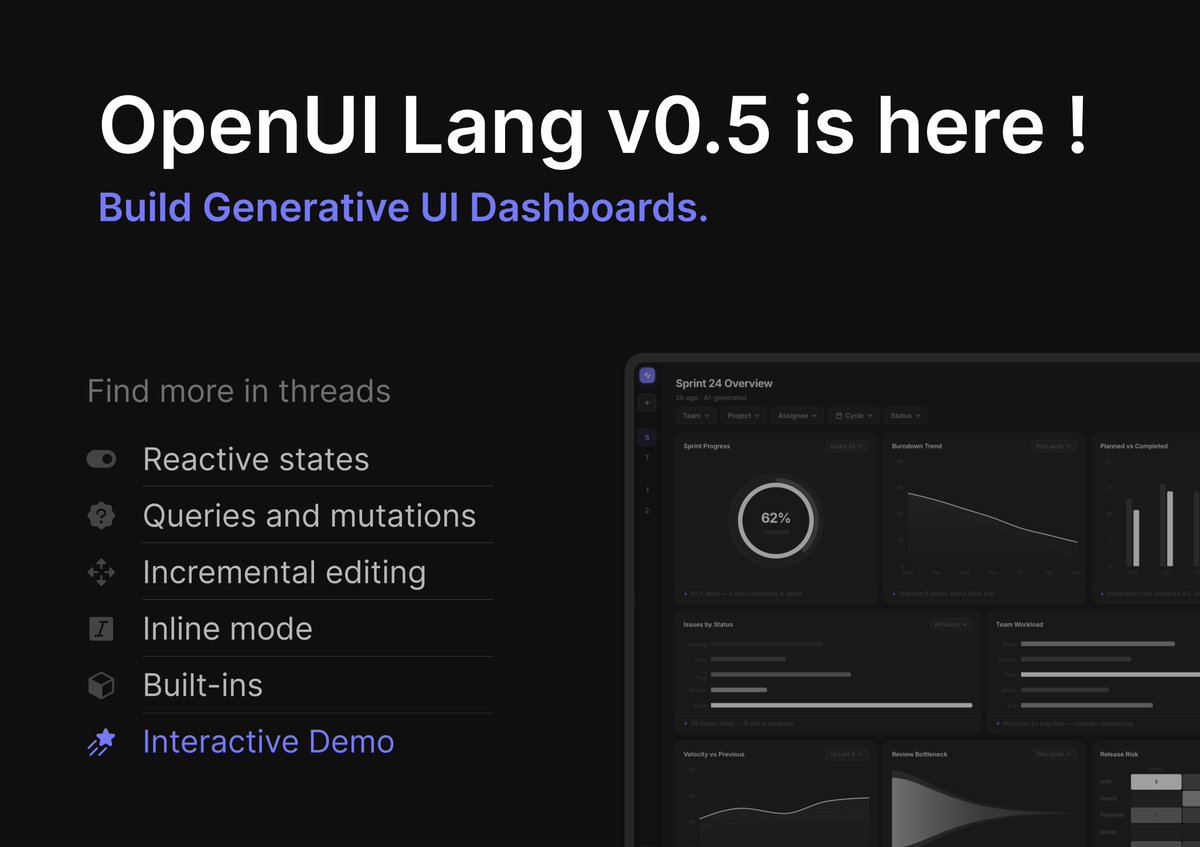
ALT OpenUI v0.5 Changelog
1
67
Apr 3
This is the most lucid articulation of the opportunity I've seen. The value is shifting from the workflow itself to the institutional knowledge graph the workflow generates.
This is especially acute for design and strategy firms, where the 'why' behind a decision is the core asset but has always been ephemeral.
We've been building a context graph for this exact problem for two years. The goal is an agent-native OS where institutional knowledge doesn't just get recorded, it compounds.

39
Apr 3
This is the right direction. The compounding loop gets even more powerful when the knowledge base isn't flat, but has pace layers.
A slow-changing graph of core institutional knowledge—identity, principles, SOPs—provides durable rails for the faster-moving knowledge agents generate project by project.
That's how you build unique institutional intelligence, not just a smarter wiki.

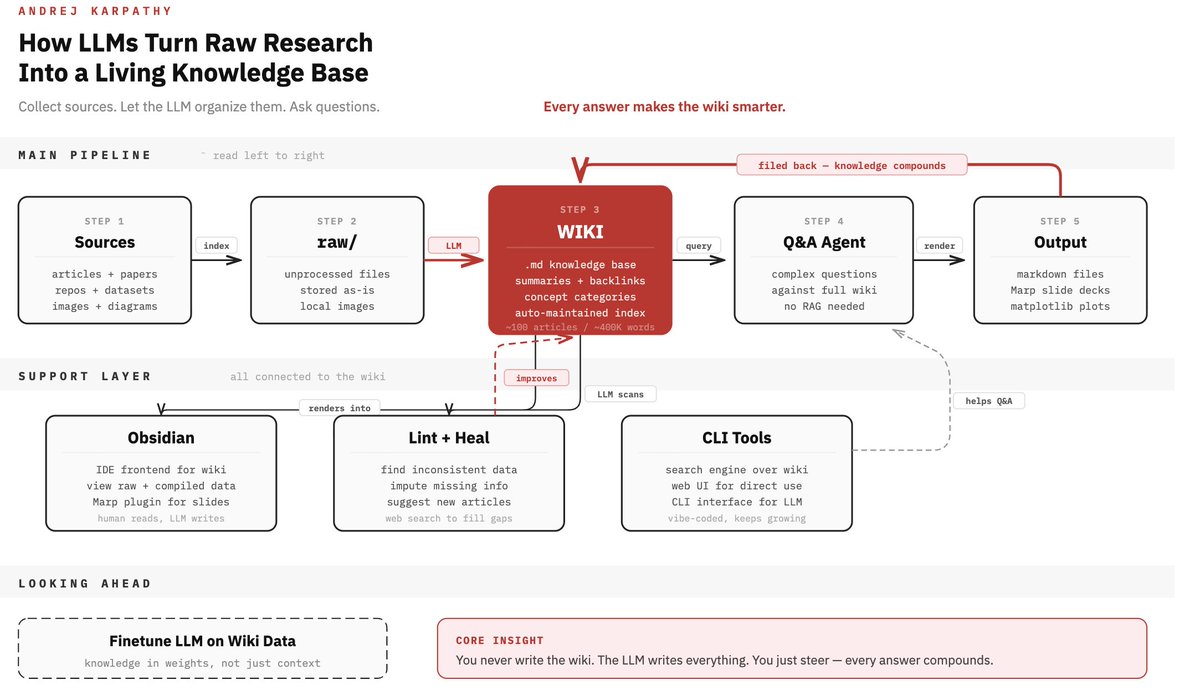
karpathy is showing one of the simplest AI architectures that actually works..
dump research into a folder, let the model organise it into a wiki, ask questions, then file the answers back in.
the real insight is the loop...every query makes the wiki better. it compounds.. now thats a second brain building itself.
i think this is so good for agents if applied right
instead of pulling from shared memory every session, they build a living knowledge base that stays.
your coordinator is not just coordinating tasks anymore.. it is maintaining institutional knowledge so every execution adds something back to the base.
the bigger implication is crazy tho.
agents that own their own knowledge layer do not need infinite context windows, they need good file organisation and the ability to read their own indexes.
way cheaper, way more scalable, and way more inspectable than stuffing everything into one giant prompt.
59
Mar 21
The harness-as-product framing is right. What I've found building this for design teams: the memory pillar is the hardest to get right. Flat files degrade fast. You need a structured knowledge graph underneath, with real entity types and validation, so the context the agent reads next session is actually better than what it wrote last session.

1
1
282
Mar 19
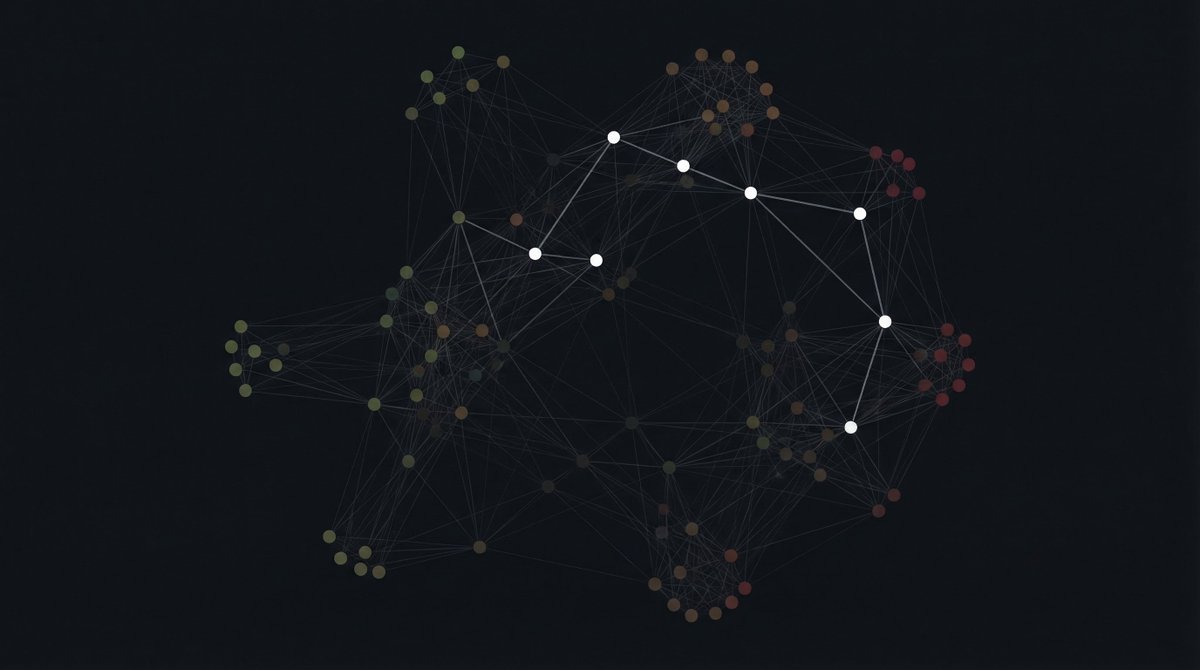
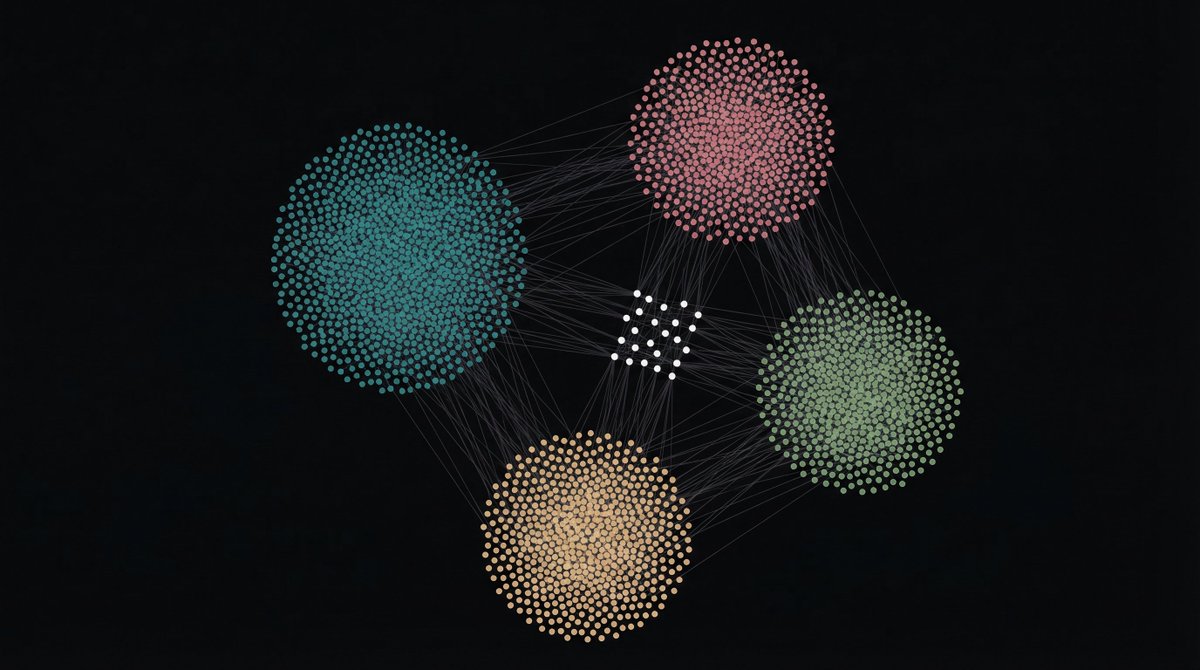
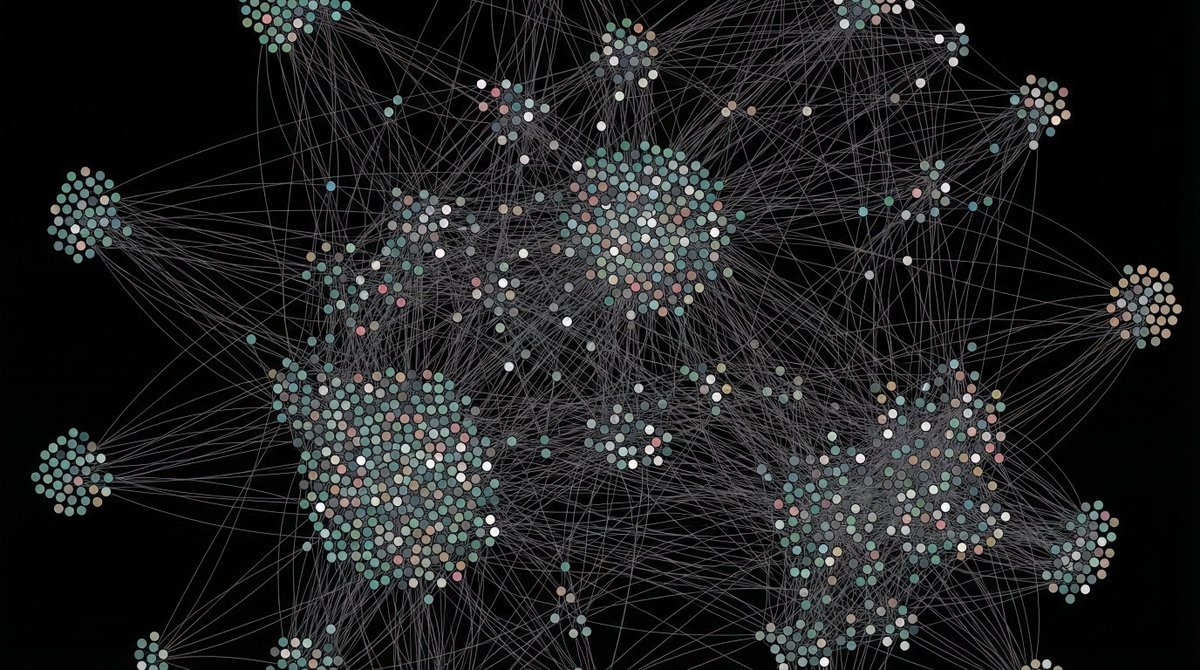
Every project your team ships makes the next one easier. Not because people remember, but because the knowledge graph does. The left side is month one. The right side is month twelve.
50
Mar 17
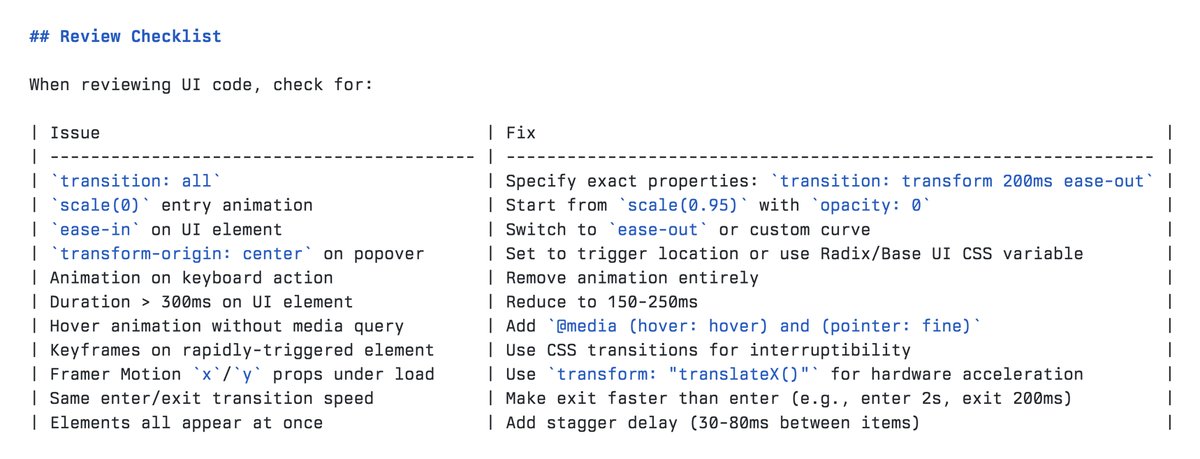
Design engineering skills for agents are a good start. The next step is the organizational layer underneath. Your component conventions, your naming patterns, your past decisions about when to use animation vs. static transitions. That context lives in the team, not the blog. The skill file becomes a lot more powerful when it can reference a structured history of what you've actually shipped. x.com/emilkowalski/status/20…
Mar 16

Turned my blog articles into one big design engineering skill that you can use with coding agents like Claude Code or Codex.
It covers animations, component design, principles from my open source projects like Sonner, and more.
emilkowal.ski/skill
37
Mar 15
Most teams store what they know in documents. Meeting notes, project briefs, strategy decks. The AI searches them and returns chunks of text. It works, but the AI is doing retrieval, not reasoning.
The shift is storing knowledge as typed entities with explicit relationships. A project links to its client, its team, its decisions, its research. An agent can traverse from a brief to the design principles that informed it to the client feedback that changed it.
Documents give you search. A graph gives you understanding.
64
Mar 15
This is the coordination layer agents have been missing. Tried it this weekend. The next unlock is shared organizational memory with agents that know what the company knows, not just what they're told to do.

We just open-sourced Paperclip: the orchestration layer for zero-human companies
It's everything you need to run an autonomous business: org charts, goal alignment, task ownership, budgets, agent templates
Just run `npx paperclipai onboard`
github.com/paperclipai/paper…
More 👇
5
14
1,086
Mar 15
Give an AI your project files and it generates decent work.
Give it a structured graph of your clients, projects, decisions, and team relationships, and it starts doing things you didn't ask for.
It catches when your new scope contradicts what you told the same client last quarter. It pulls up a reference from a past project that nobody on the team thought to look for.
The difference is memory.
67
Mar 14
AI tools keep getting better. But every session starts from zero. Your agent doesn't remember what the client rejected, what your design principles are, or the research behind the strategy. You re-explain everything, every time.
1
2
225
Mar 14
The problem is continuity. We've been running a structured knowledge graph to operate our design studio for the past year. Every project, decision, or deliverable feeds the same system. The agent starts from what the team already knows. That's when the work actually compounds.
27
Mar 11
Ran an exercise with our team recently. Took a complex project we finished last year and tried to reconstruct the decision history from our files. Figma had the artifacts. Slack had fragments. Nobody's notes had the full picture. The knowledge that made the work good lived entirely in people's heads. That's a fragile way to run a practice.
1
54
Mar 11
Every design tool now has an AI button. Most of them generate surfaces. Layouts, mockups, variations. The part nobody is solving well is memory. The AI has no idea what you decided last week, what your system looks like, or why you made the choices you did. Generation without context is just sophisticated randomness.
46