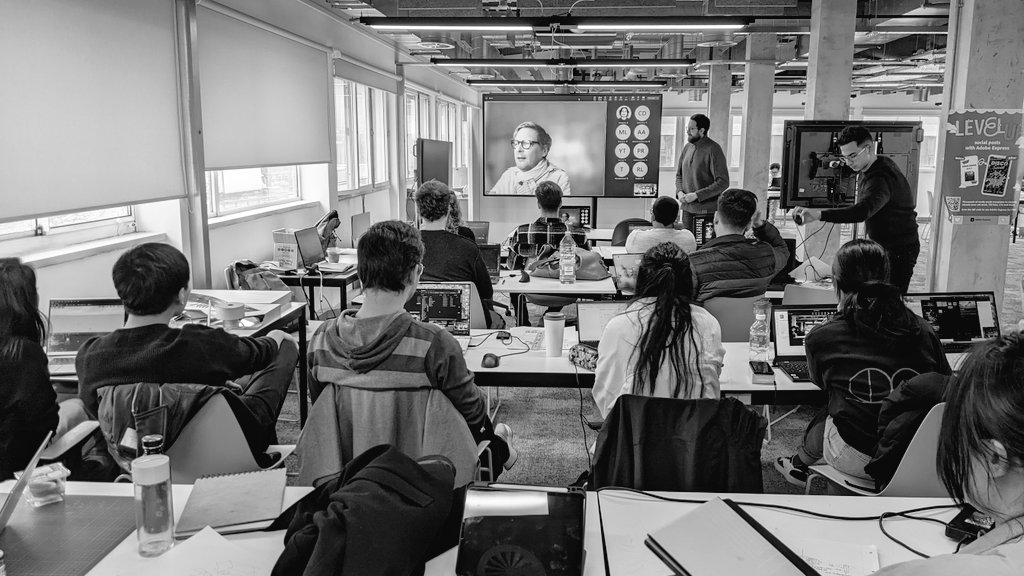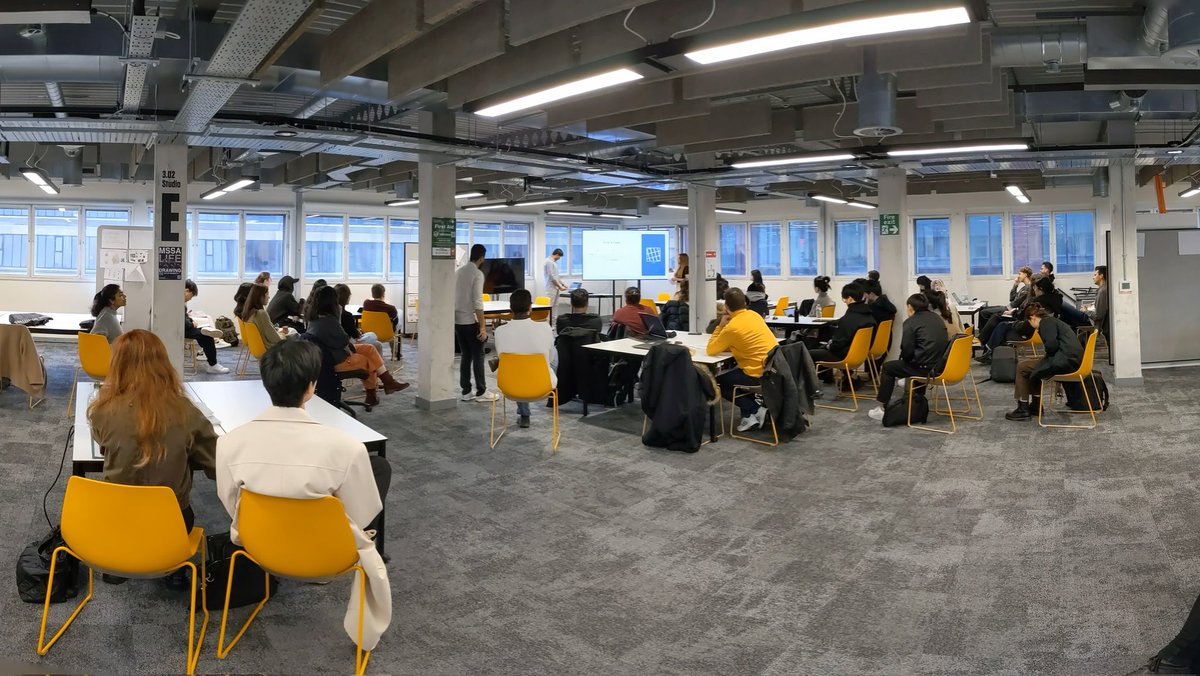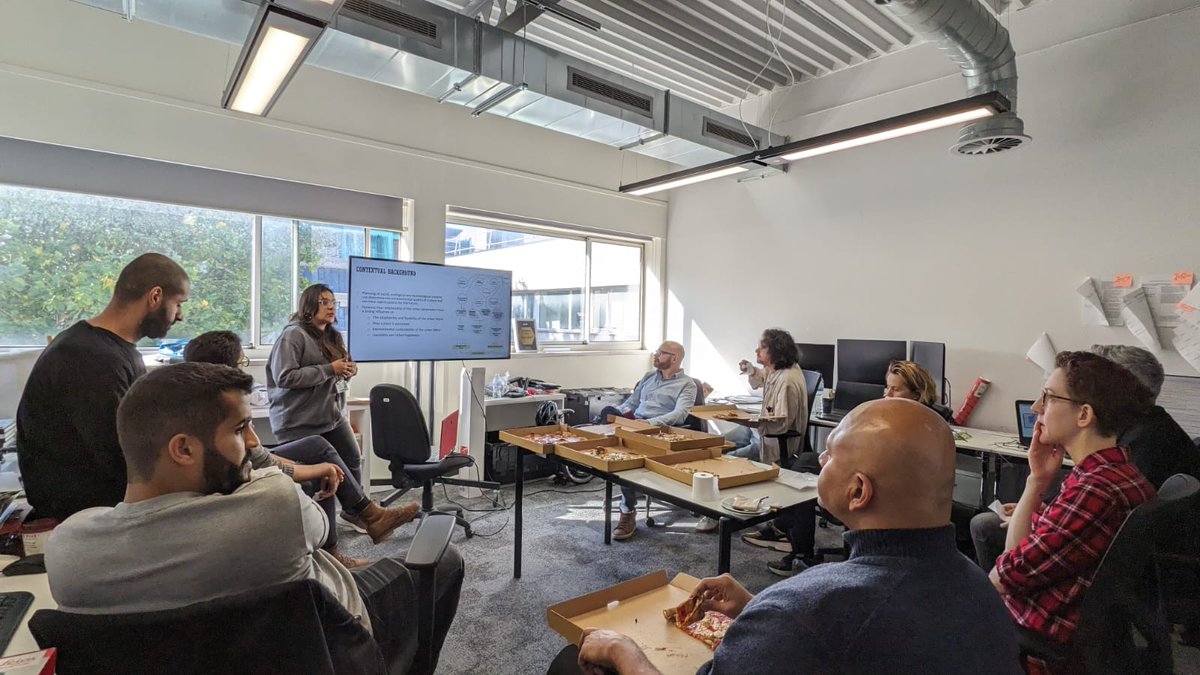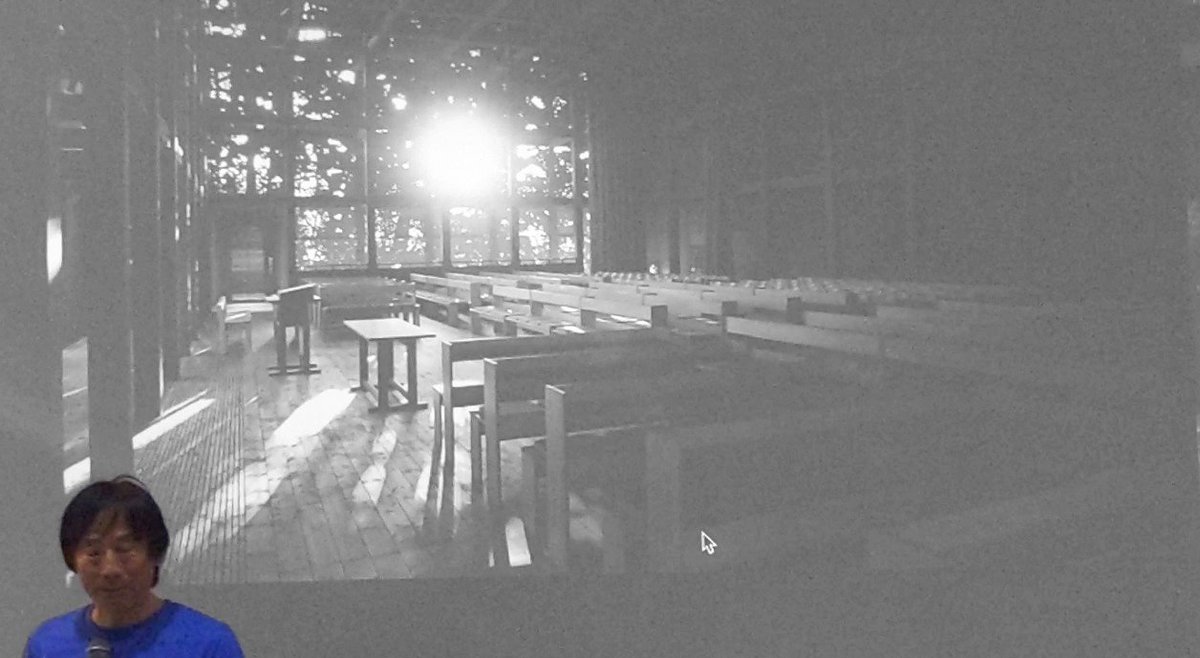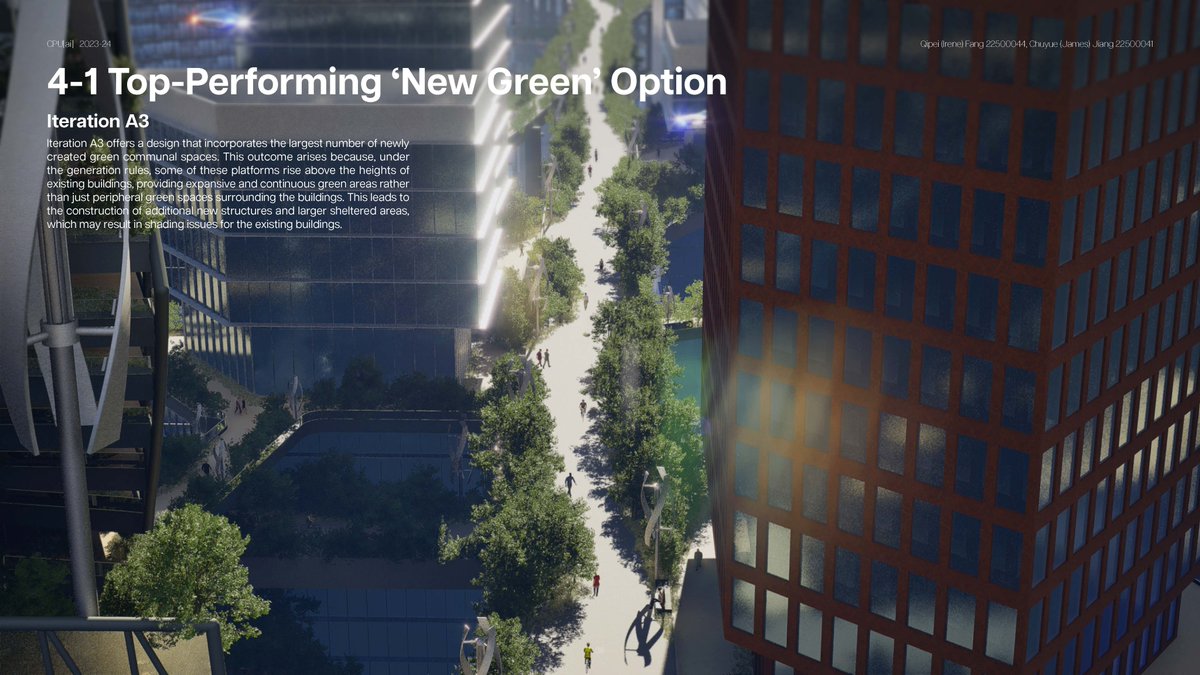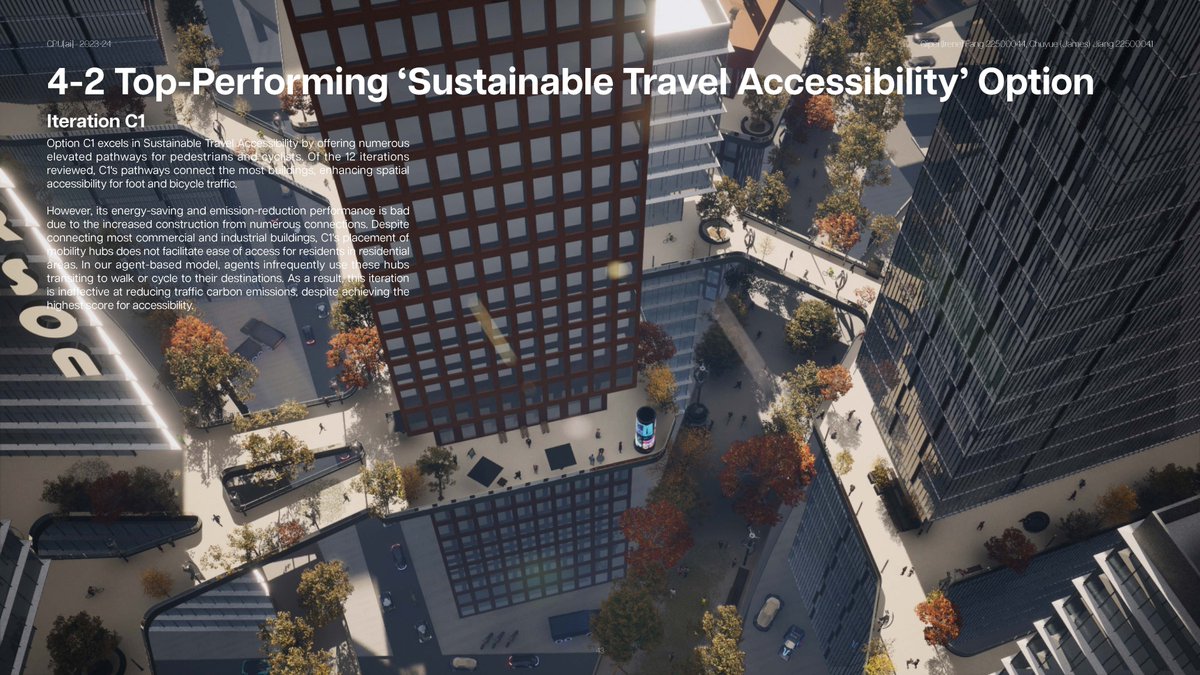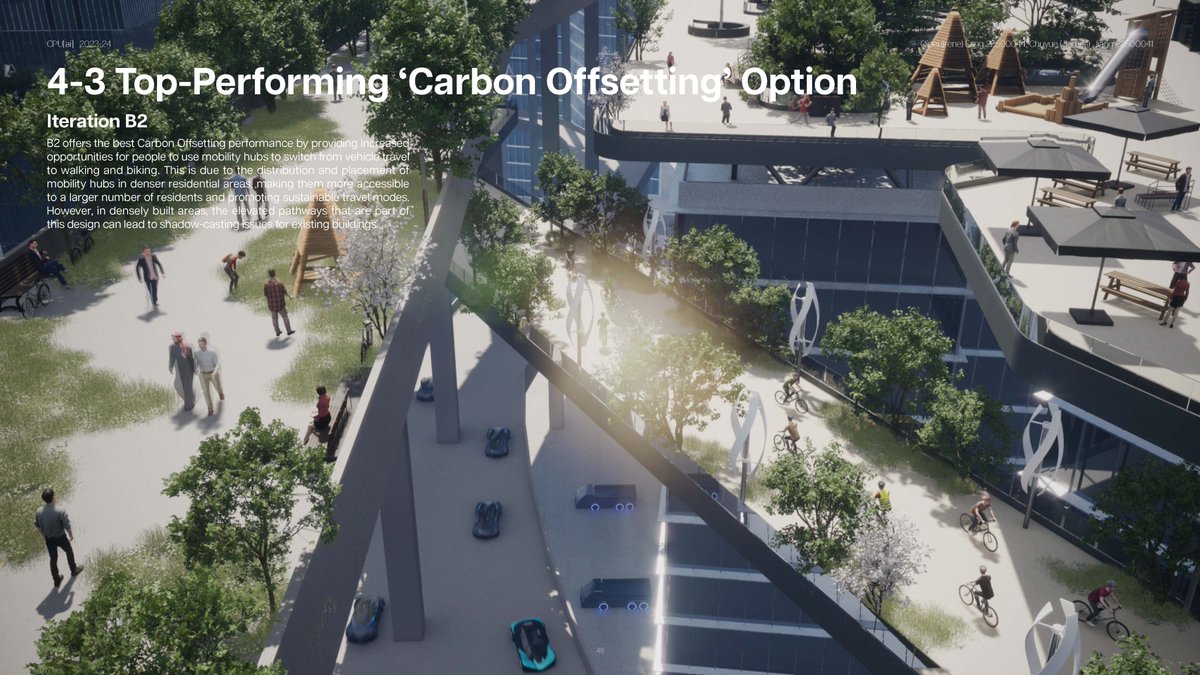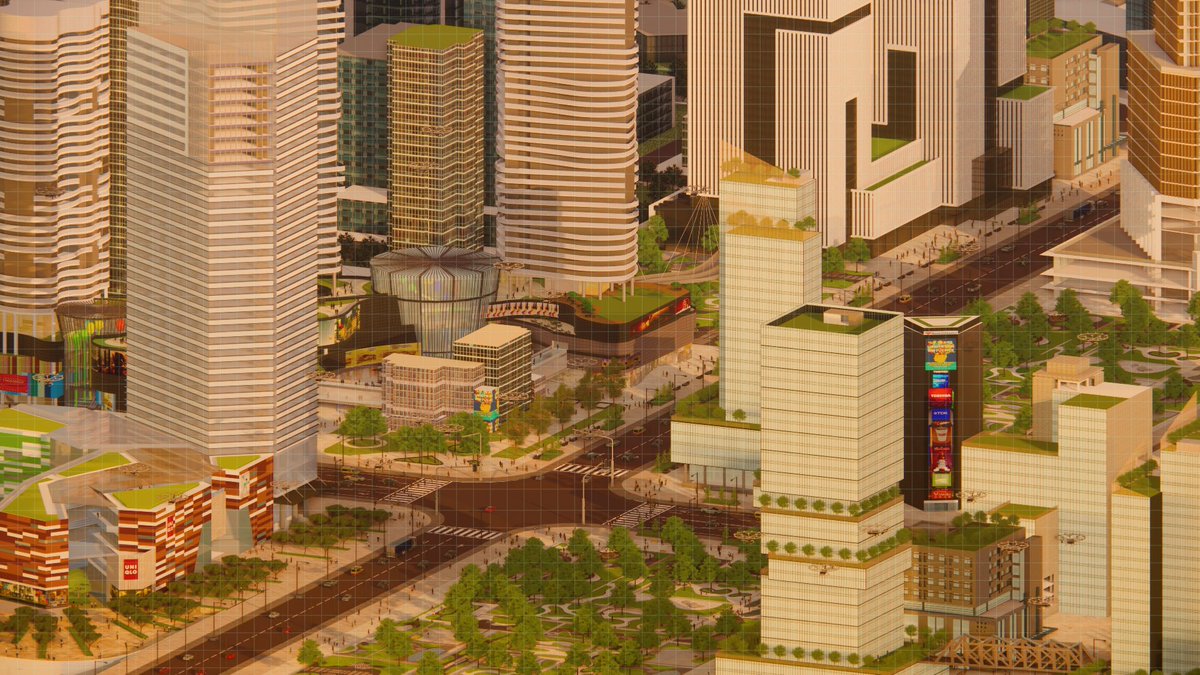
All course materials (slides, readings, code, data)
for Introduction to Urban Science (MIT Press, also in Chinese) are now freely available on Github: github.com/lmbett/Introducti…
Make them your own and keep in touch!
Happy 2025!
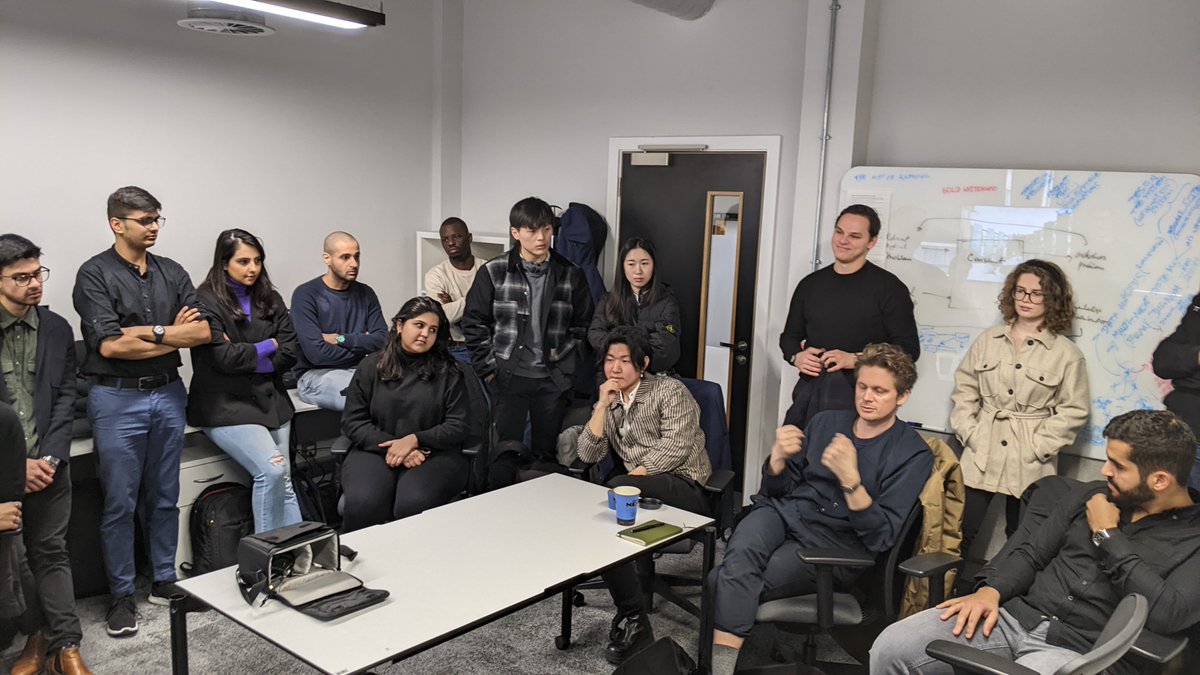
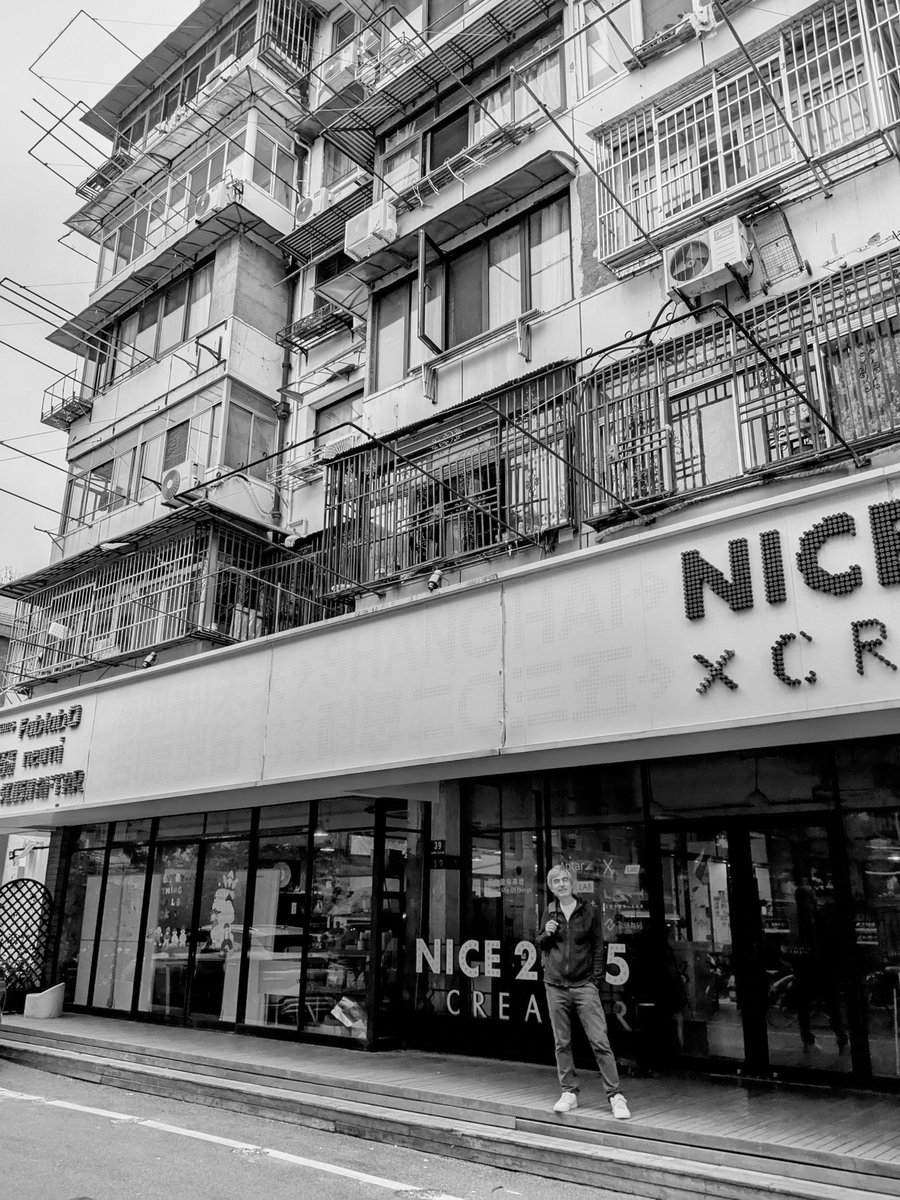
Still have heroes at 50? Met Prof Kostas Terzidis in Tongji, Shanghai & engaged in discussions on embedding design into the community (see pic), the Eastern perspective on human and object relationships, & AI interactions with youth. He liked our #codeyourowntools@TheMSArch
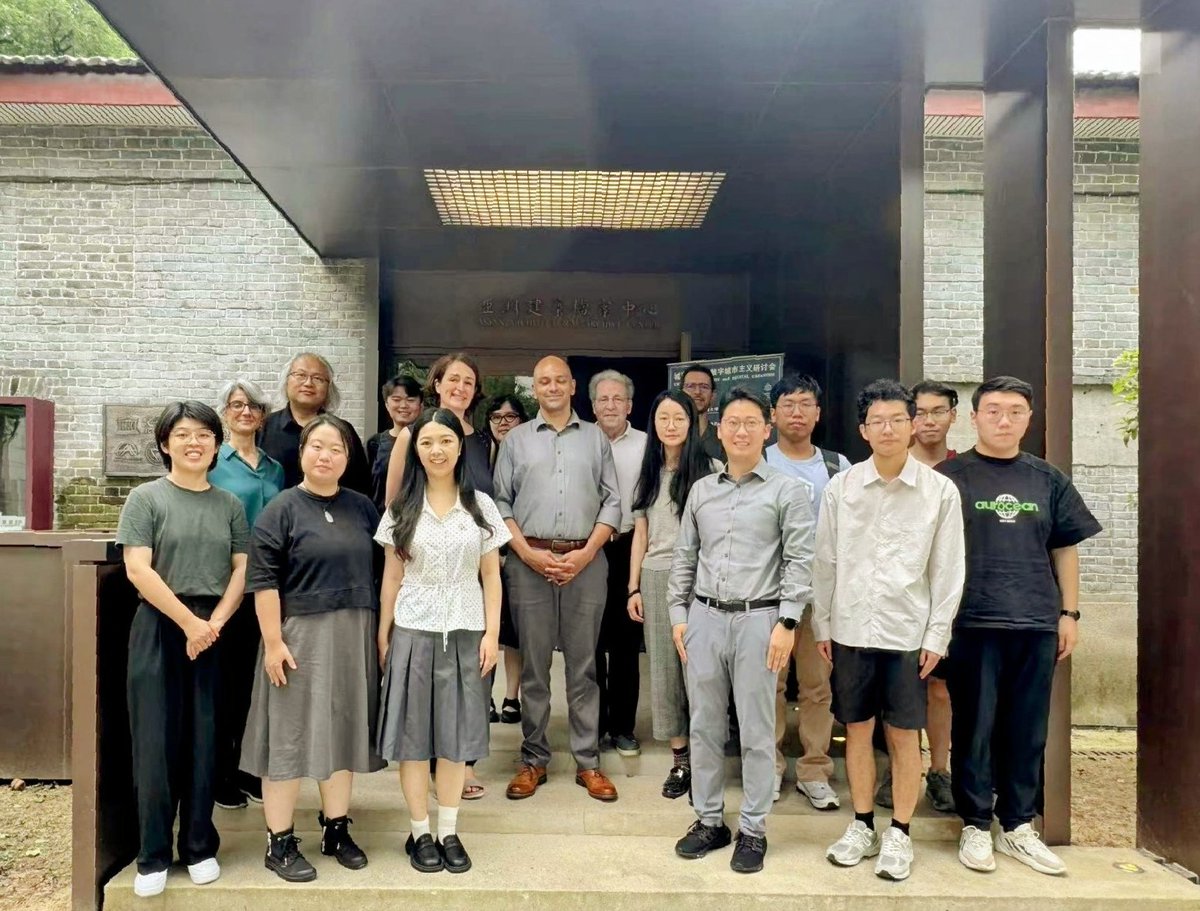
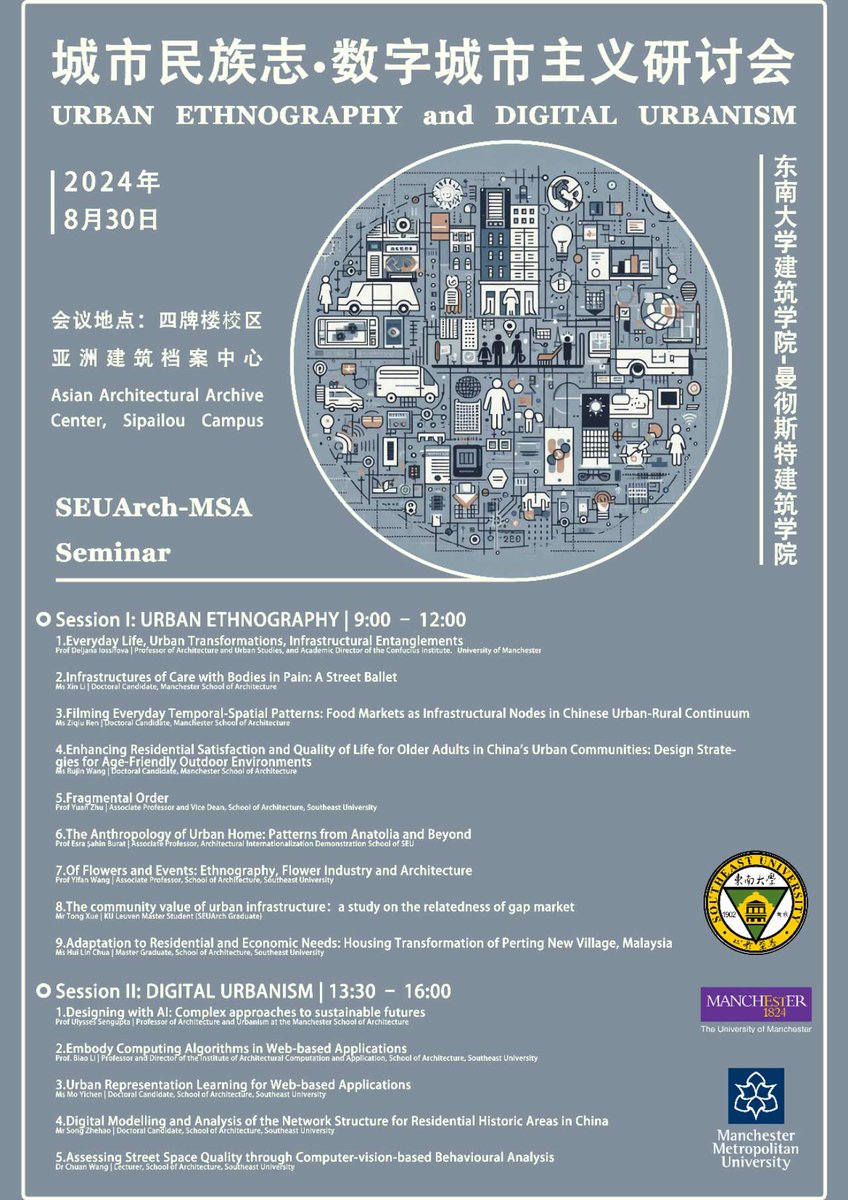
Presented "Designing with AI: Complex approaches to sustainable futures 2" at Southeast University China. An enviable opportunity for long exchanges with Profs David Leatherbarrow, Zhang Tong, Li Biao & Dr. Wang Chuan @TheMSArch@MMU_Research#complexurban#codeyourowntools
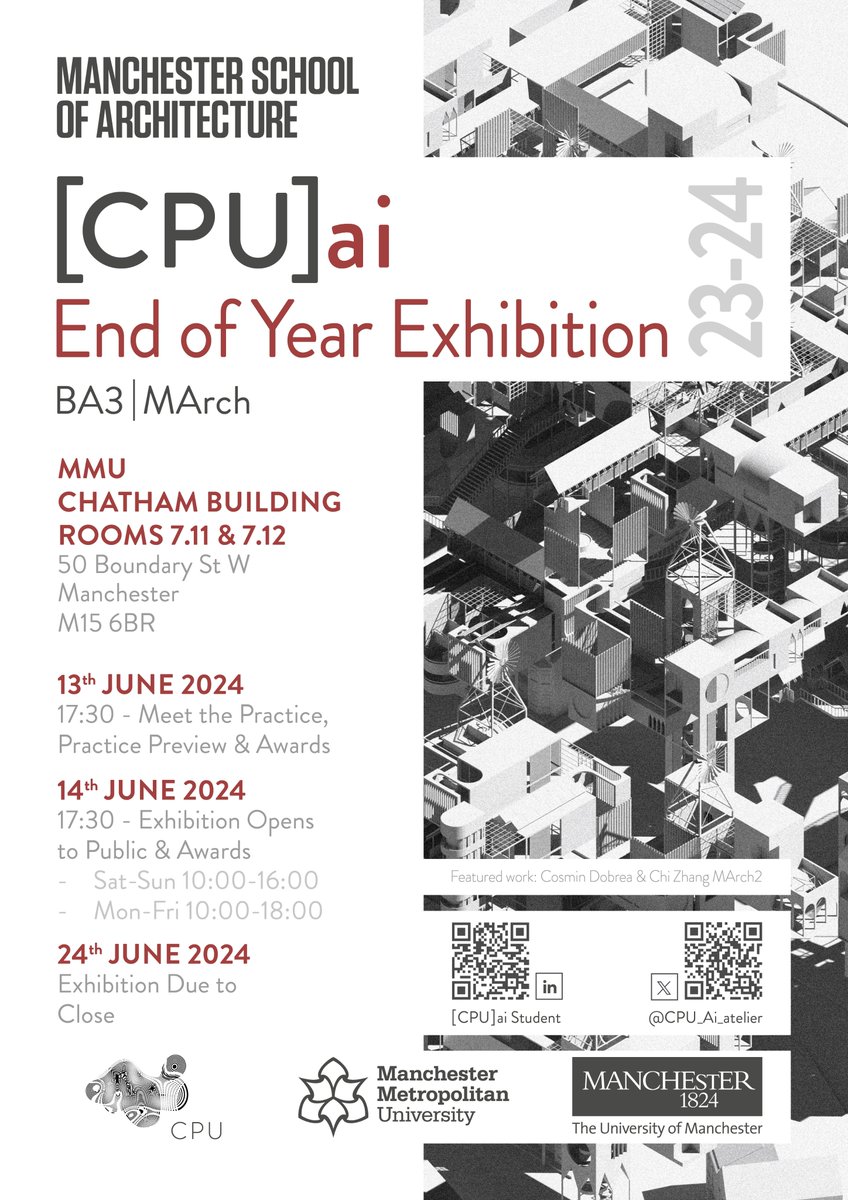
We are excited to announce our End of Year Exhibition,
featuring work from our BA3 & MArch students!
We cordially invite design practices to our Preview Event. Join us to discover the exceptional talent within the [CPU]ai atelier.
#complexurban#codeyourowntools#futurecities
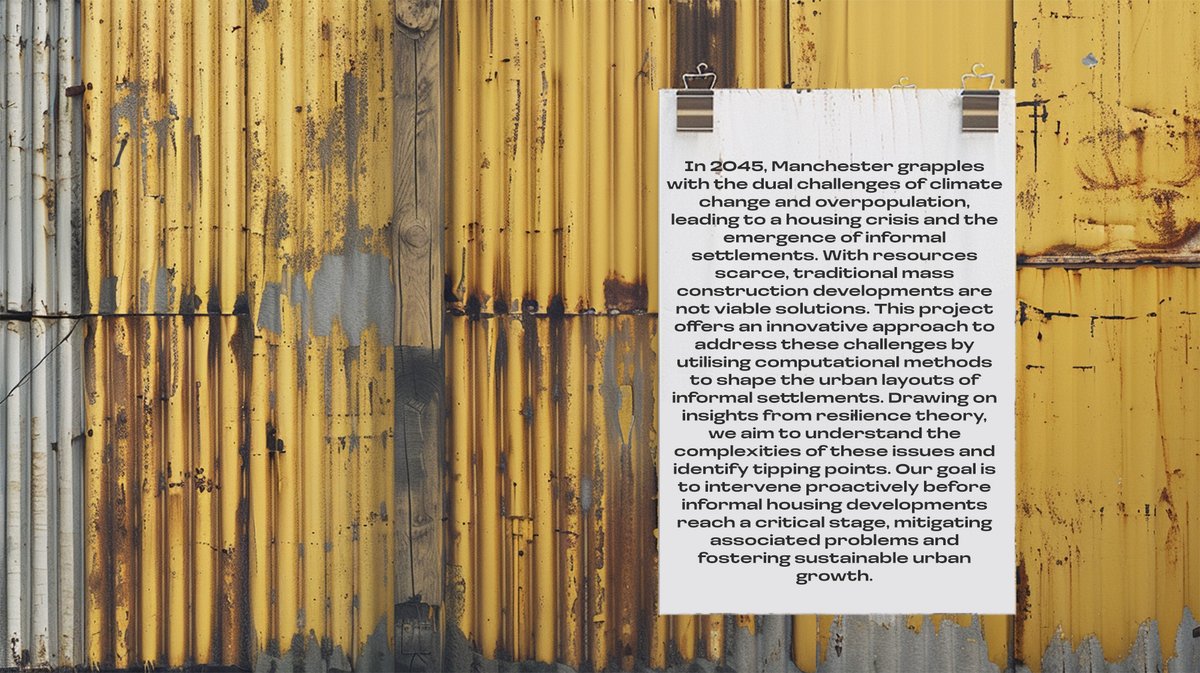
Introducing Our Project: Formalising '45
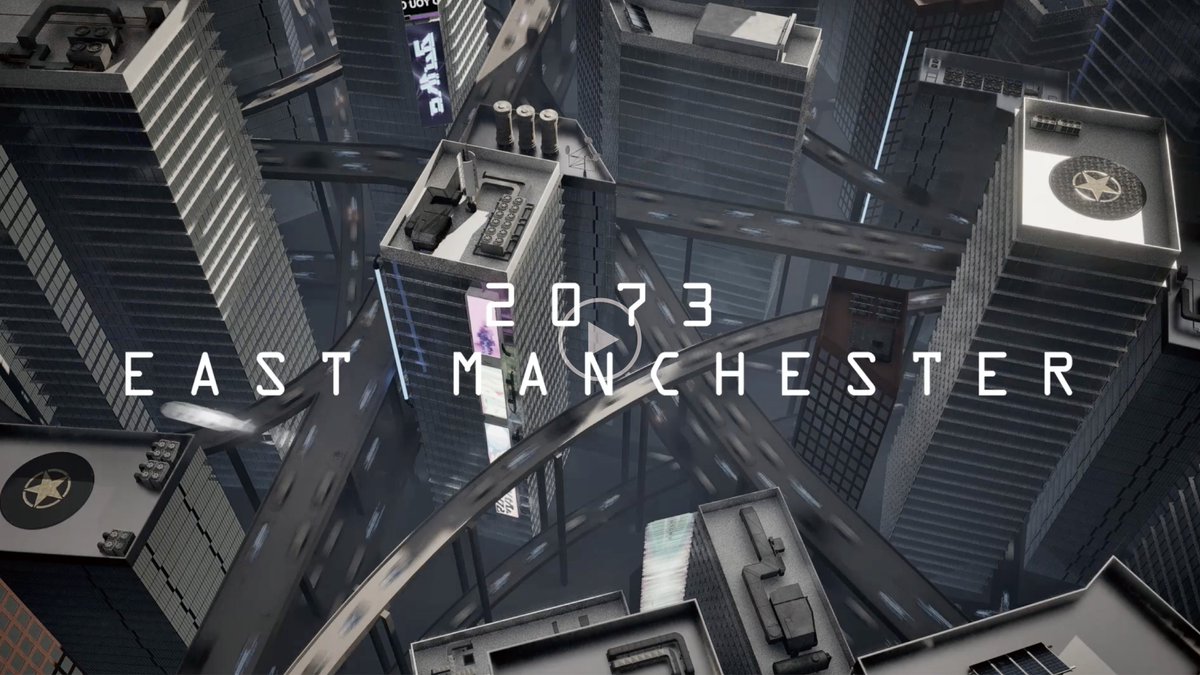
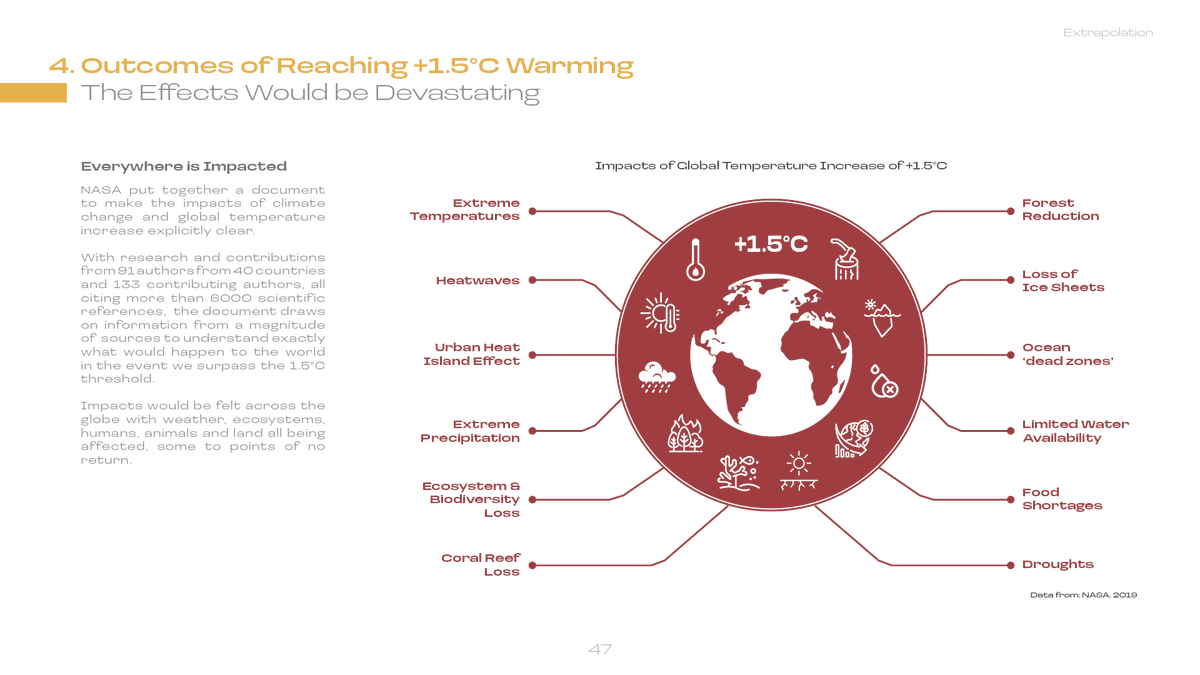
The climate crisis has surpassed its tipping point and 3 billion people face mass displacement. Manchester welcomes climate refugees, exacerbating overpopulation, resource shortages and social disparities.
@kgarchitecture@sethd98
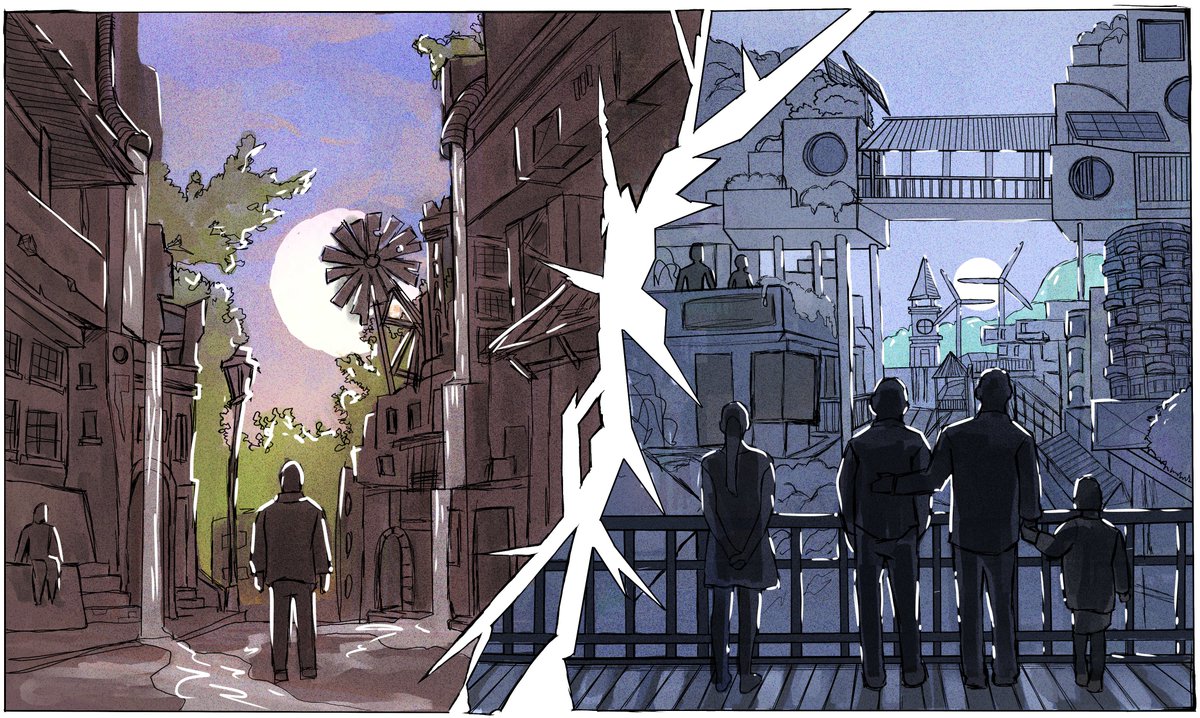
Our thesis project looks at future scenarios in the 2050s where ideas of utopia and dystopia clash. Our proposal seeks to mitigate issues such as gentrification and climate change to prevent a dystopian future from happening.
@cosmin_dobrea @chizhang01#complexurban#futurecities
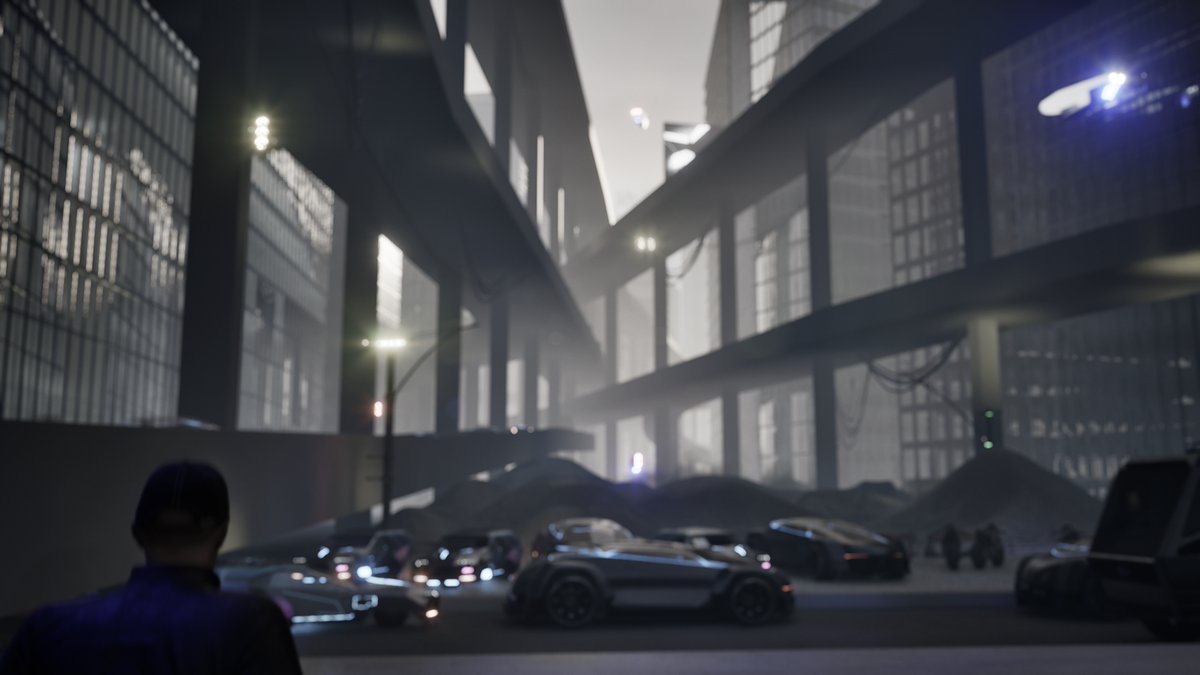
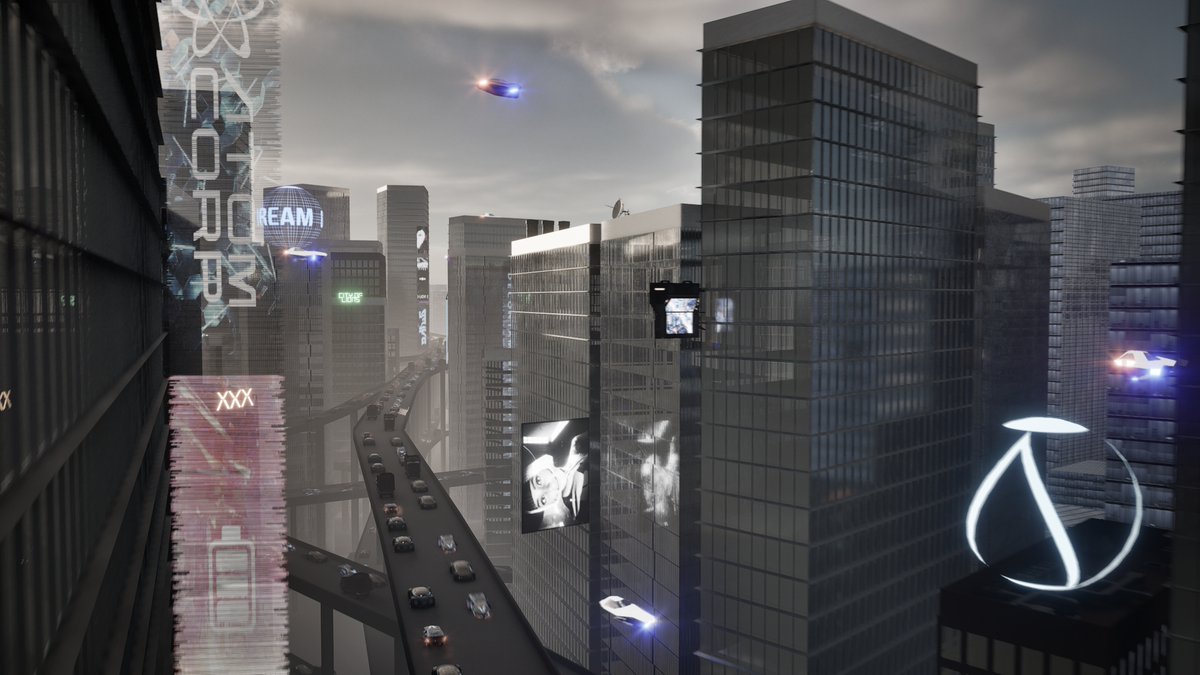
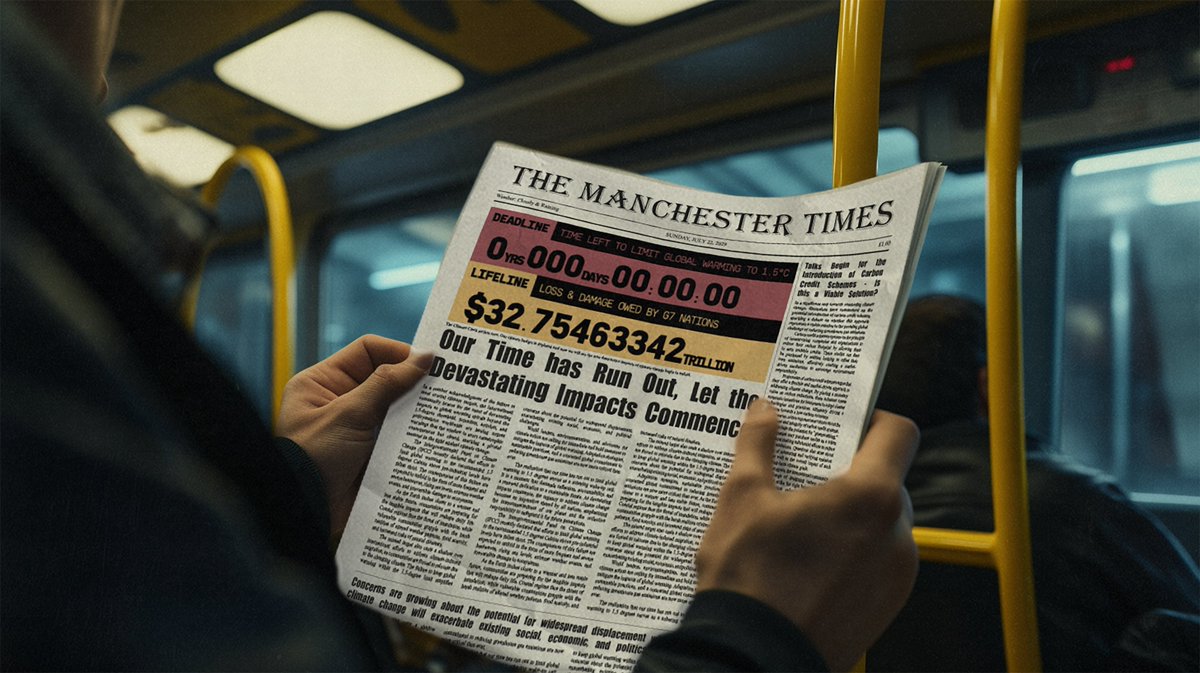
The year is 2029, the climate clock hits zero, signalling a 1.5°C rise in global temperatures – the consequences of climate change are now irreversible.
@kgarchitecture@sethd98#futures#futurecities
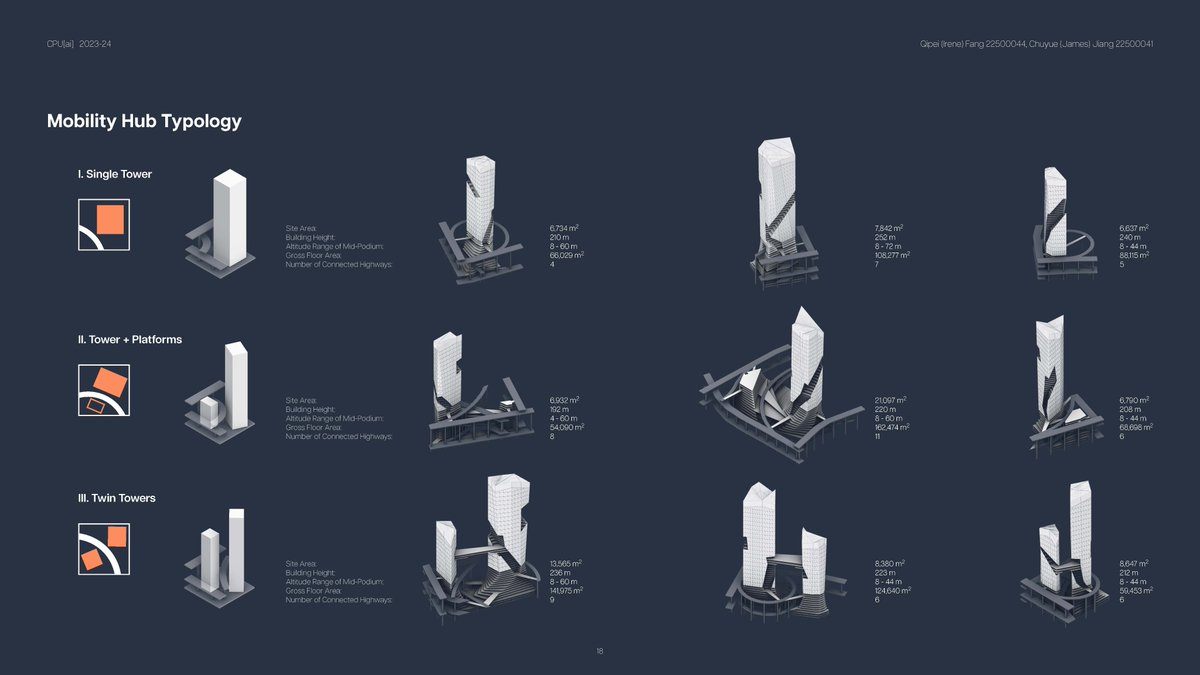
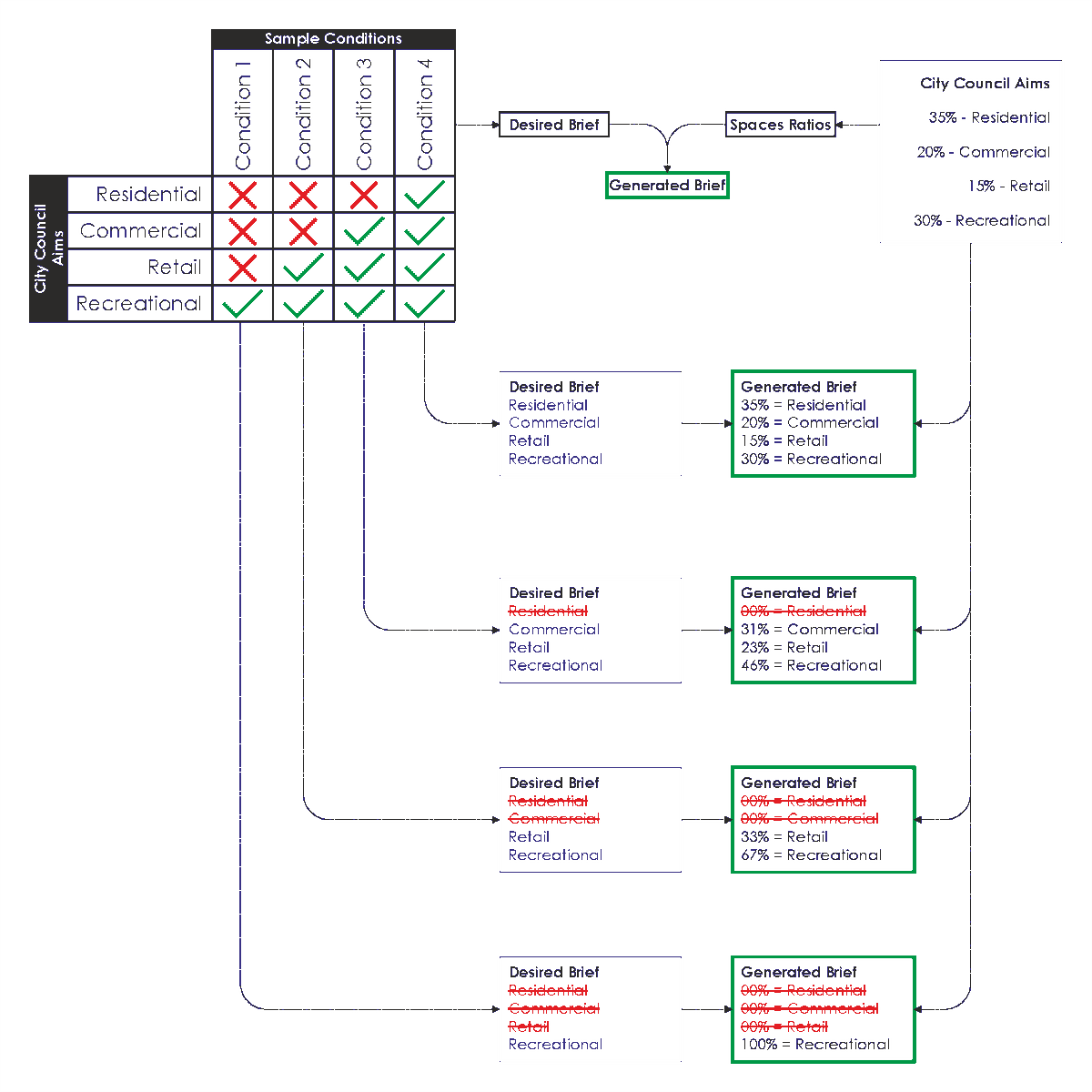
ALT The brief develops from the surrounding context. The amount of spaces allocated to the 4 typologies in the hybrid are directly in realtion to the percentages of the typologies in the given context. If the percentages change in the context, then the percentages change for the hybrid as well. The programme develops through the allocation of these 4 typologies in the hybrid by randomizing
them on all the floors. Though this is a current limitation, the randomized programme can be controlled in terms of its
placement in the building.
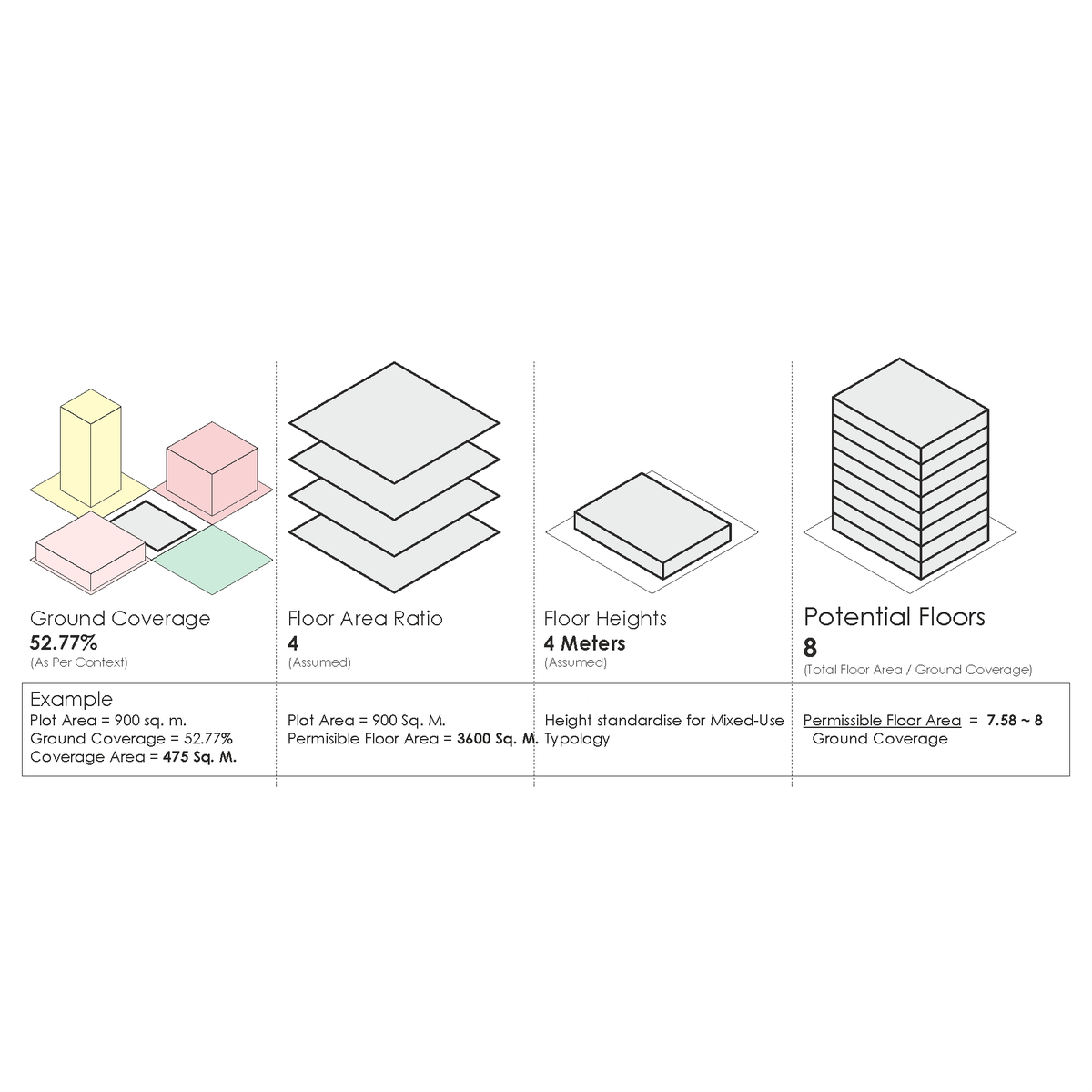
ALT The footprint of the building developed firstly responds to the adjacent blocks by setting rules of the offset it will set from the specific typology. This helps to establish a dialogue to use of the plot and provide land to incorporate activities that can function as a transition space between the hybrid and the current context.
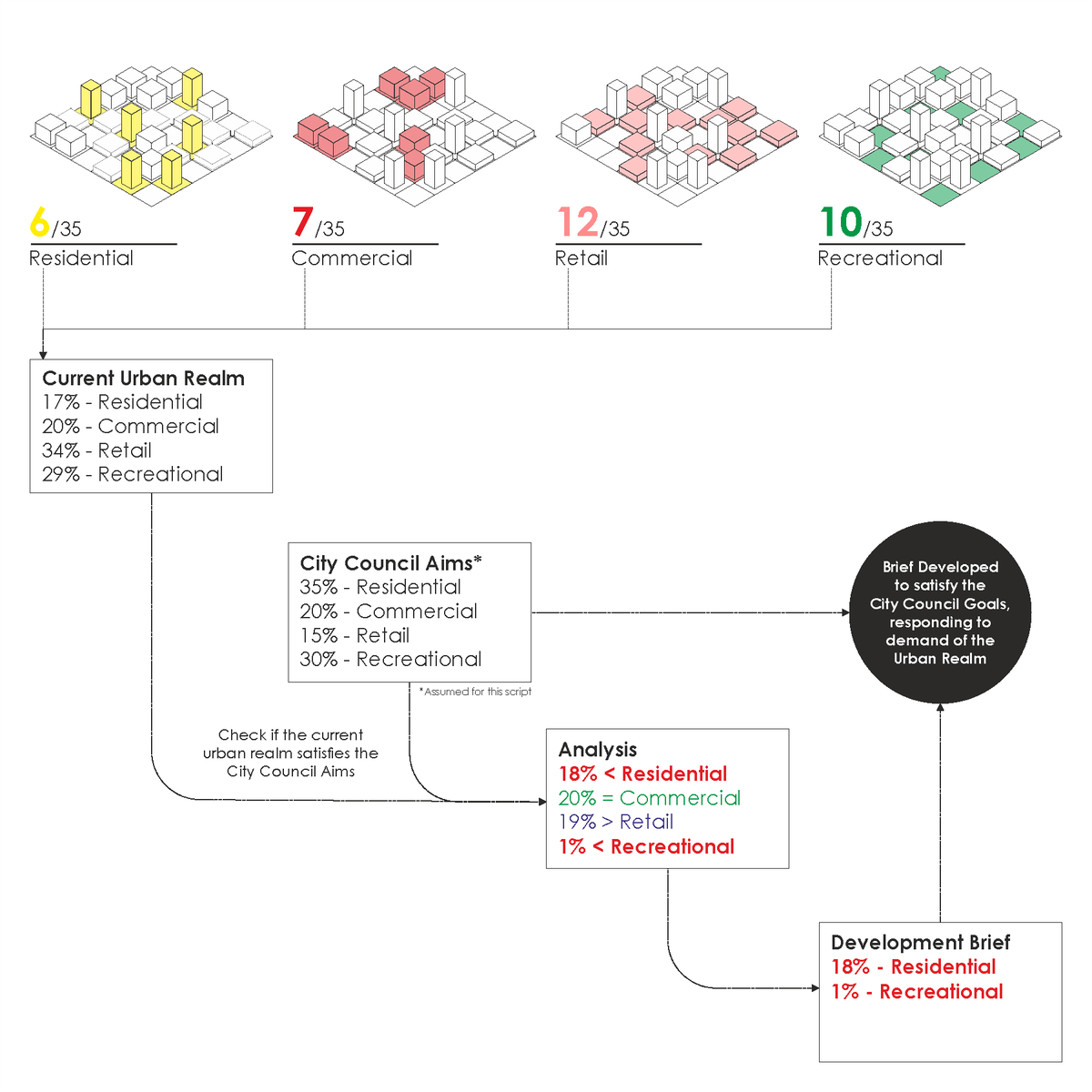
ALT The computational approach analyses the current city realm and helps to create a fitness function that can be analyzed against the City council aims and thus can satisfy the demands and supply cycle wherein it provides the deficient activities and ignore the satisfied ones.
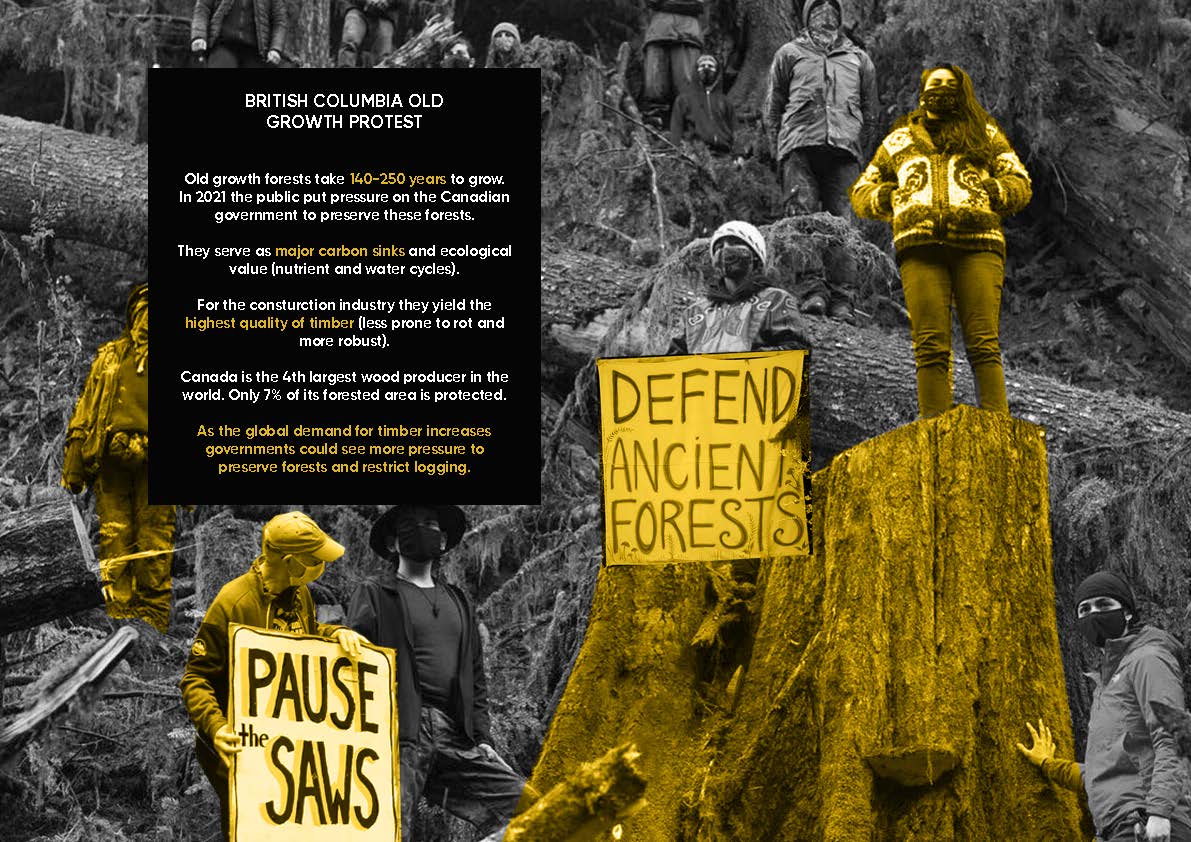
British Columbia has an abundance of old tree growth that makes for high quality timber material.
How will architects approach zero-embodied carbon when access to timber is removed?
@LaurenNgo88