
I'm a, knowin and doin thangs.
Joined August 2019
- Tweets 74,334
- Following 626
- Followers 1,016
- Likes 30,483
9,982 Photos and videos














Pinned Tweet

What if we covered 60,000 miles of America’s 4-lane divided highways (2 lanes each direction) with solar canopies? Overhead structures that generate massive clean power while shading the roads. Lower pavement temps mean less cracking and cheaper repairs. Cooler vehicle cabins reduce AC load on EVs. Win-win engineering.
Here’s the math on this vision:
Baseline: 60k centerline miles at ~52 ft average paved width = ~16.5 billion sq ft of road surface.
Add solar: 70% coverage of the original roadway 20 ft extension each side for the canopy structure. Total solar-eligible area: ~24.2 billion sq ft (~555 square miles).
Shading isn’t a bug — it’s the feature. We already build reusable rockets. Modular, wind-rated, maintainable canopies are absolutely within reach. Precedents like solar highways in Oregon, Georgia’s The Ray, and international projects prove the concept. Scale it with American ingenuity.
Power potential: Modern panels deliver 15-20W per sq ft rated. After realistic tilt, spacing, maintenance access, and losses: tens to low hundreds of GW peak capacity from these corridors alone. Annual generation: likely hundreds of TWh per year. (For context, total US electricity use is ~4,200 TWh.)
Current US EV fleet: ~4.5 million vehicles needing roughly 15-25 TWh per year total. This solar battery network? More than enough — potentially several times over, even after storage round-trip losses.
Charging stations every ~30 miles (~2,000 stations) create an isolated solar battery microgrid along major routes. Long-distance EV travel becomes seamless with no range anxiety on these corridors. Excess power could feed nearby communities, light the highways, or support growth to 10-20M EVs.
Co-benefits stack up: reduced urban heat island effect, major road maintenance savings for taxpayers, thousands of manufacturing and installation jobs, and a strategic energy asset along key transport arteries. Start in Sunbelt corridors for highest output, then expand.
Challenges exist — upfront capital, ROW engineering, snow/dust management — but none are insurmountable. The economics improve with electricity sales, charging revenue, and avoided repairs.
This isn’t distant sci-fi. It’s a practical evolution of existing infrastructure tech. Imagine coast-to-coast drives under a subtle solar roof that quietly powers your journey and the grid.
America has the roads, the engineering talent, and the need. Time to think bigger on energy transport integration.
What do you think — feasible? Which corridors first? ☀️⚡🚗
3
2
5
280

She speaks 100% fact.
19h

Taking money from TRILLIONARE Elon Musk is not going to fix the underline spending, affordability and fraud issues in America.
Shameful.
one (doge)coin to rule them all. retweeted

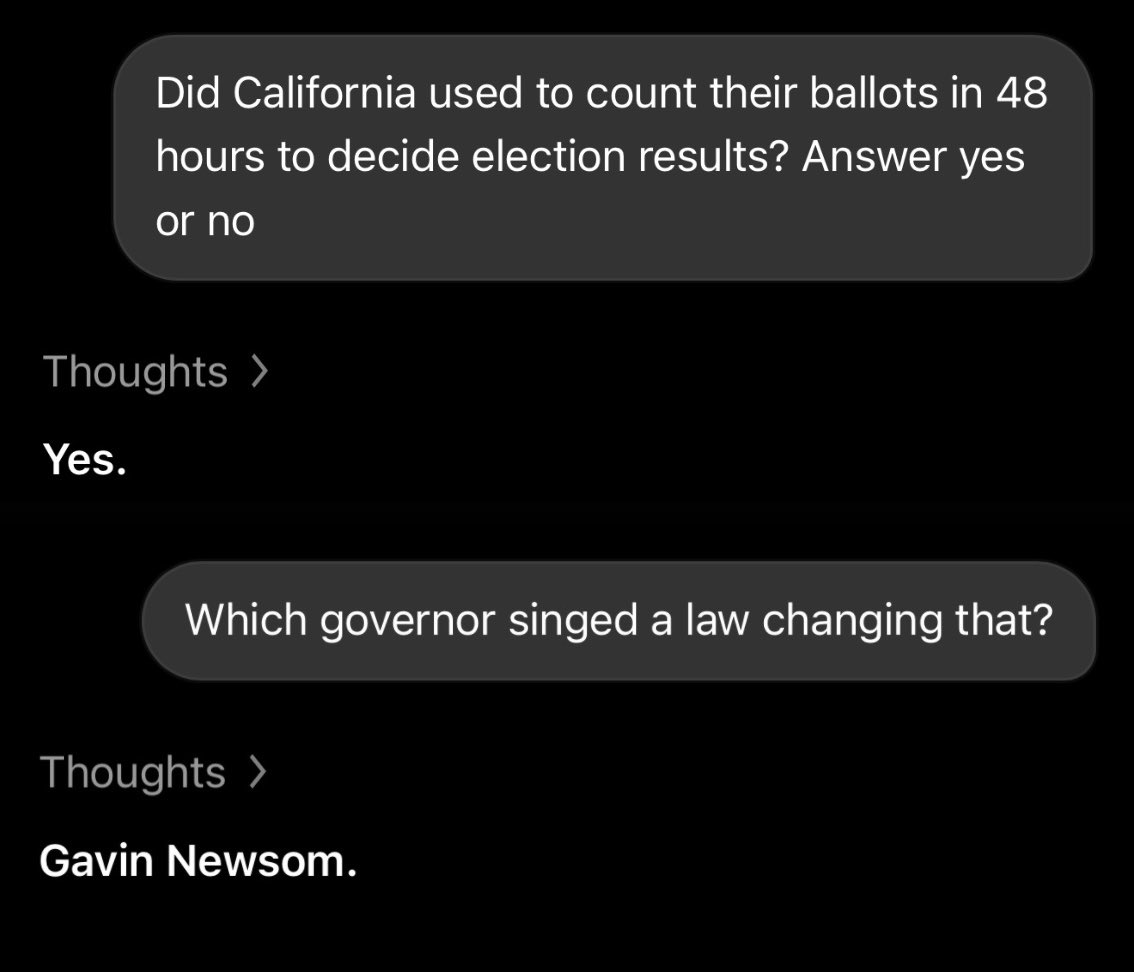
Most people are unaware it was Gavin Newsom who orchestrated the permanently rigged voter fraud system in California
California used to count ballots within 48 hours to decide election results. Now, thanks to Newsom Voter ID is illegal and Democrats can count for weeks
94
1,676
4,363
37,841
one (doge)coin to rule them all. retweeted

Elon Musk becoming a trillionaire makes sense.
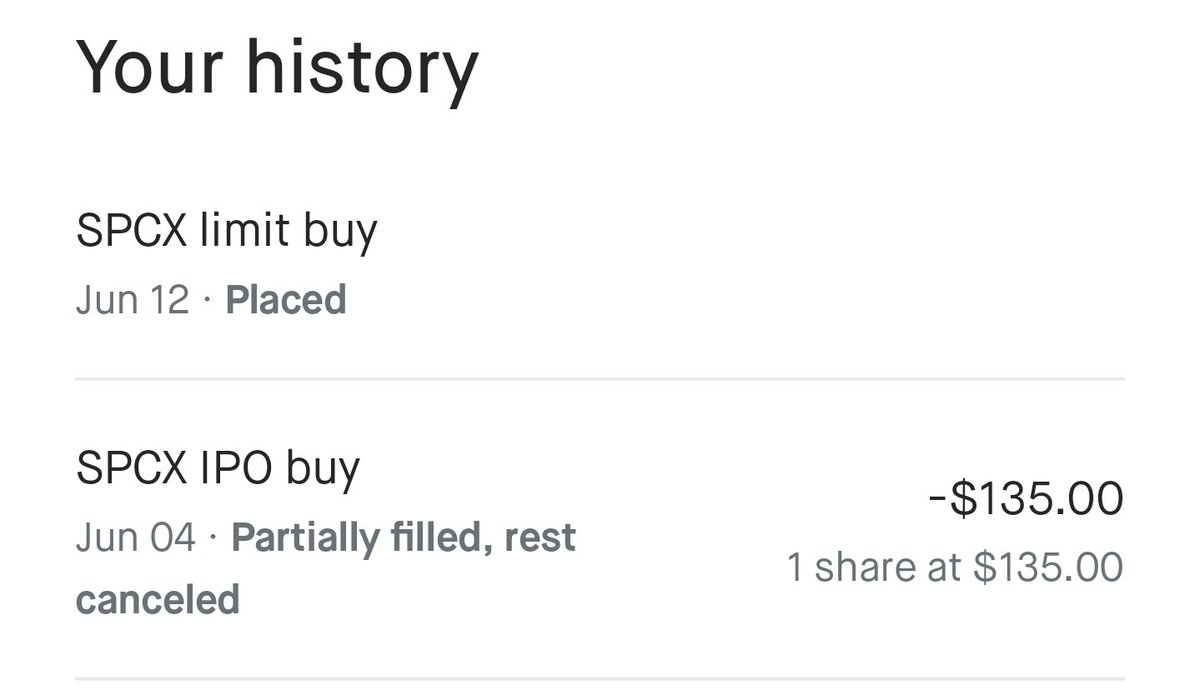
He built Tesla, SpaceX, Starlink, xAI, Neuralink, and more. $SPCX
Bernie Sanders owning multiple homes on a government salary?
That’s the part I’d like explained.
86
180
1,644
22,500
one (doge)coin to rule them all. retweeted

Serious question: If America is bankrolling 193 countries, why are American taxpayers getting crushed and overtaxed?
Where are those DOGE checks?
We’re fed up funding the rest of the world while our own people get run into the ground.
323
1,358
5,338
31,001
one (doge)coin to rule them all. retweeted

The real China hidden behind The Great Firewall. 😱
Let us see what excuses the 50 cent bot army makes this time. 😩
51
1,039
3,940
41,102
one (doge)coin to rule them all. retweeted

🚨 BREAKING: SHOOTING REPORTED IN TIMES SQUARE AMID KNICKS RIOTS
Rioters are BLOCKING emergency vehicles from responding
THE NATIONAL GUARD SHOULD’VE BEEN DEPLOYED YESTERDAY.
WTF ARE YOU DOING, @KathyHochul?!
569
1,560
6,668
358,432

Stacy Abrams started a NGO and 30 days later was given $2 BILLION dollars by the Biden Administration.
To date, she has not had to return a penny.
Even Elon Musk talks about the obvious FRAUD.
Where is our money, Stacy?
44
1,148
3,797
21,177
one (doge)coin to rule them all. retweeted

My friend Tommy @TRobinsonNewEra gets investigated under terrorism charges
BUT
-The muslim rape gangs
- Burning of churches
- Mass stabbings
- Bombings & pedophile behavior from muslims is somehow OK?
The British need to fight back against this corrupt government or they’ll turn into Pakistan.

545
3,957
15,972
98,675
Pure slavery.

BREAKING:
The Netherlands just told its citizens to go to hell.
36% tax on unrealized gains. Approved.
You didn't sell anything.
You didn't make a single euro in cash.
Your portfolio went up on paper.
The government sends you a bill anyway.
61,000 citizens petitioned against it.
Parliament approved it anyway.
No cash to pay the tax? Not their problem.
Asset crashes after you paid? Not their problem.
This is not tax policy.
This is the government treating your paper gains as their income. Before you've made a single euro.
The most talented Dutch investors are already leaving.
Capital goes where it is treated best.
2028 is coming.
Plan accordingly.



6
one (doge)coin to rule them all. retweeted

Just a reminder that our Native Senator who hates the oligarchs flies private.
216
1,858
11,068
149,559
one (doge)coin to rule them all. retweeted
🚨 BREAKING: Rioters have begun setting the school buses ON FIRE in Times Square during the Knicks riots
Police do not have NEARLY ENOUGH SUPPORT
Mamdani and Hochul have ABSOLUTELY FAILED NYPD and law abiding New Yorkers
2,021
5,318
26,755
1,613,973
one (doge)coin to rule them all. retweeted

I think possibly the best thing about Elon Musk becoming a trillionaire is how angry it makes a bunch of losers who've never built a thing in their lives.
1,458
5,740
56,958
613,640
one (doge)coin to rule them all. retweeted

Jun 12

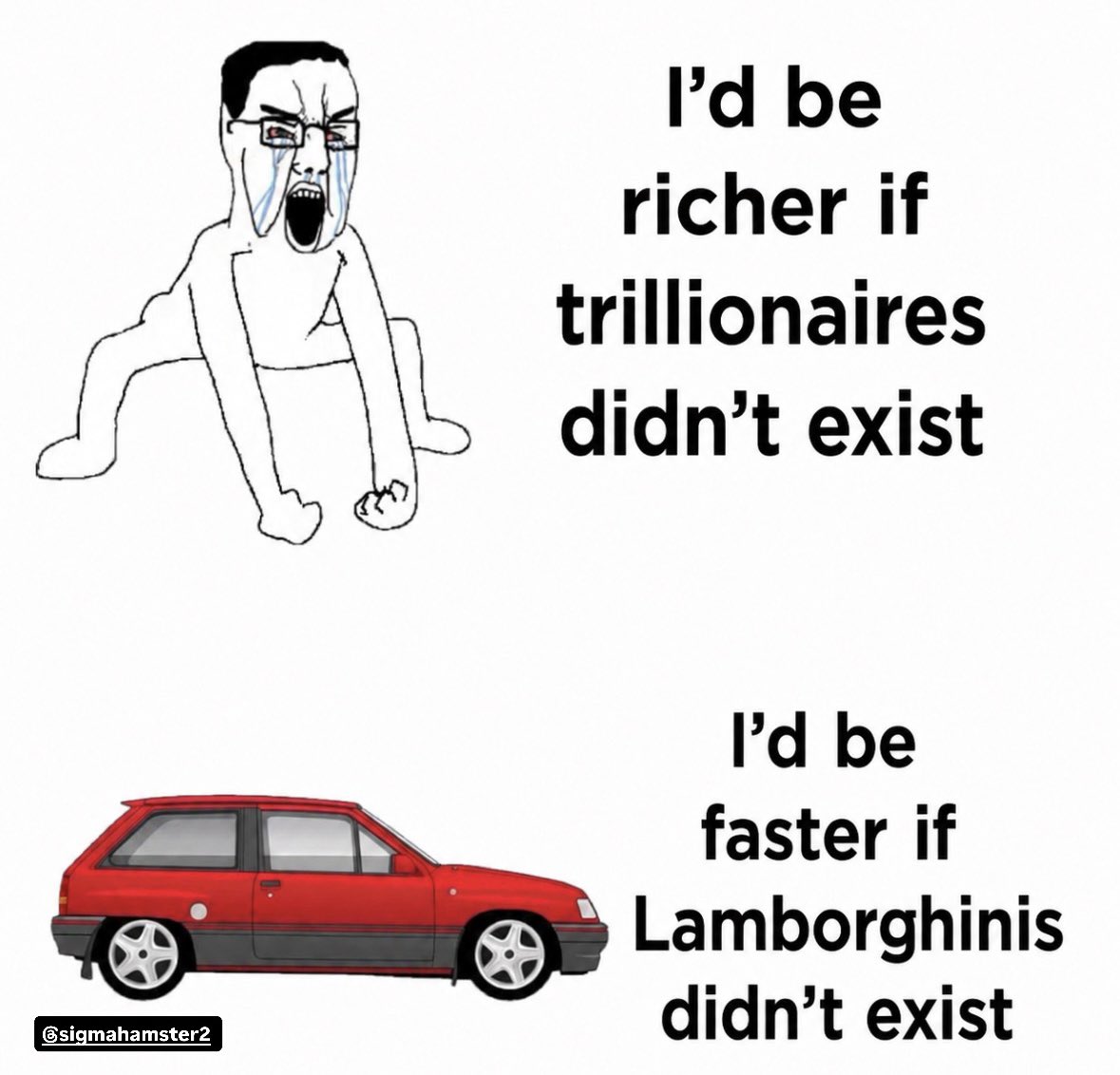
I am 52 years old. I have been working since I was 15 years old. I have no savings, no retirement, and will never own a home before I die.
And there is now a trillionaire.
137
844
13,544
345,100
one (doge)coin to rule them all. retweeted

Jun 13
Elon isn't stealing from me. Illegal aliens and welfare grifters are
1,206
4,834
39,320
1,335,607
one (doge)coin to rule them all. retweeted

“Elon didn’t earn that money”
-politicians becoming multimillionaires off my hard earned tax dollars
53
159
1,895
17,407


one (doge)coin to rule them all. retweeted
Los Angeles Infrastructure is crumbling
LA residents are forced to put wooden boards over holes in the road that seem to drop forever
Someone could get very hurt or maybe even killed by falling in holes like this. Democrats don’t maintain the roads, even Mayor Karen Bass personally said that they haven’t invested in infrastructure “in decades”
190
1,607
4,789
103,994
one (doge)coin to rule them all. retweeted

Send this to your kids and tell them to never bungee jump off of bridges, especially in the 3rd world.
This is just retarded to even voluntarily sign up for this type of "adventure". I don't care if they do it hundreds of times safely with other people. It's just not worth it.
326
366
3,741
405,145