
Working on Zep: Context engineering for production AI apps. @zep_ai
Joined June 2007
- Tweets 1,335
- Following 1,153
- Followers 2,448
- Likes 3,482
78 Photos and videos


Jun 8
Hermes Agent with Graphiti! How cool!
Jun 5

The top Hermes integrations to give your agent superpowers:
1. Obsidian
It works as a Karpathy-style second brain, but one that talks back.
Every note, page, and backlink in the vault becomes live context. The agent doesn't just store knowledge, it reasons over it across everything that's been written and saved.
2. Playwright
It gives Hermes a real browser instead of a read-only window to the web.
It clicks, fills forms, and navigates pages the way a person would, then runs UI tests across Chromium, Firefox, and WebKit. This lets you turn Hermes from something that reads the web into something that can act on it.
3. InsForge
It puts a full agentic backend behind one semantic layer.
Auth, database, storage, and edge functions are all accessible without wiring five services together. The agent reasons about backend primitives directly instead of juggling disconnected APIs.
GitHub: github.com/InsForge/insforge
(don't forget to star 🌟)
4. GitHub
It connects code, issues, and pull requests, turning Hermes into an engineering teammate that can actually read the repo.
5. Bright Data
It hands agents web access that does not get blocked.
It pulls live search results, full pages, and clean structured data from places like X, LinkedIn, and Reddit, handling the proxies, CAPTCHAs, and rendering underneath so the agent just gets usable data back.
GitHub: github.com/brightdata/skills
(don't forget to star 🌟)
6. Sequential thinking
It upgrades how Hermes reasons rather than what it connects to.
Most integrations give the agent new senses. This one gives it a better mindset. It forces Hermes to break a hard problem into ordered steps and revise its own plan as it goes, instead of committing to the first answer that looks right.
7. Google workspace
It connects Gmail, Calendar, Drive, Docs, and Sheets in one place.
The agent that can't check the inbox, read the calendar, or write to a shared doc is basically decorative. This should probably be the first integration anyone enables.
8. Zapier
It acts as the layer that connects Hermes to everything else in the world.
This single connector reaches thousands of downstream apps. Hermes can fire off a workflow, update a record, or move data between tools without anyone writing the glue code.
9. Stripe
It surfaces revenue, refunds, subscription changes, and failed charges through a single question instead of clicking through dashboards.
It turns Stripe from a payment processor into a queryable business intelligence layer.
10. Slack
It handles channel-based automation inside Slack.
Hermes can live inside specific channels with its own workflow in each. Support tickets from email get scanned, categorized, and dropped into the right channel every morning without anyone lifting a finger. It can also read on-call threads and post status updates so the team stops switching tabs to stay in sync.
11. Graphiti
It builds real-time knowledge graphs of structured relationships from conversations and documents.
Instead of flat vector similarity, the agent traverses typed connections between entities. That is the difference between finding similar text and understanding how things actually relate.
GitHub: github.com/getzep/graphiti
(don't forget to star 🌟)
12. Figma
It gives the agent design context it can actually read.
Hermes can pull a frame, read the tokens and layout, and turn it into code that respects the system down to the spacing. With FigJam it goes the other way too, generating architecture diagrams and ERDs straight from a prompt. It is underrated for anyone who lives between design and engineering.
To dive deeper into Hermes, my co-founder wrote a full deep dive covering the Hermes agent's architecture, memory system, self-evolving skills, GEPA optimization, and how to set up multiple specialized agents.
Read it below.
2
82

Very cool! Using structured memory for improved Agent performance. 🏗️🧱

2
6
1,589
Agents need more than one kind of context to actually help users.
Zep produces 5 distinct types in every Context Block: facts, entities, episodes, thread summaries, and the user summary. Each captures something the others can't.
Here's what each is for 🧵
1
2
8
293
Every agent context architecture comes down to three decisions:
→ Scope: per-user context, shared domain knowledge, or both?
→ Data: conversations, business data, or both?
→ Retrieval: deterministic assembly or agent-controlled?
Get these right and everything else follows 🧵

1
1
8
382
Mar 11
Had a ton of "Claws" sign up for @zep_ai overnight 🦞. Looks like MiroFish uses Zep for persistent context. Cool project! github.com/666ghj/MiroFish
1
3
5
520
We've been heads down shipping updates to Zep's context graph platform. Here's part 1 of our updates:
→ Custom extraction instructions
→ Property & exclusion filters for graph search
→ Webhooks
What's new in building and querying context graphs 🧵
2
1
4
283
Daniel Chalef retweeted

Feb 9
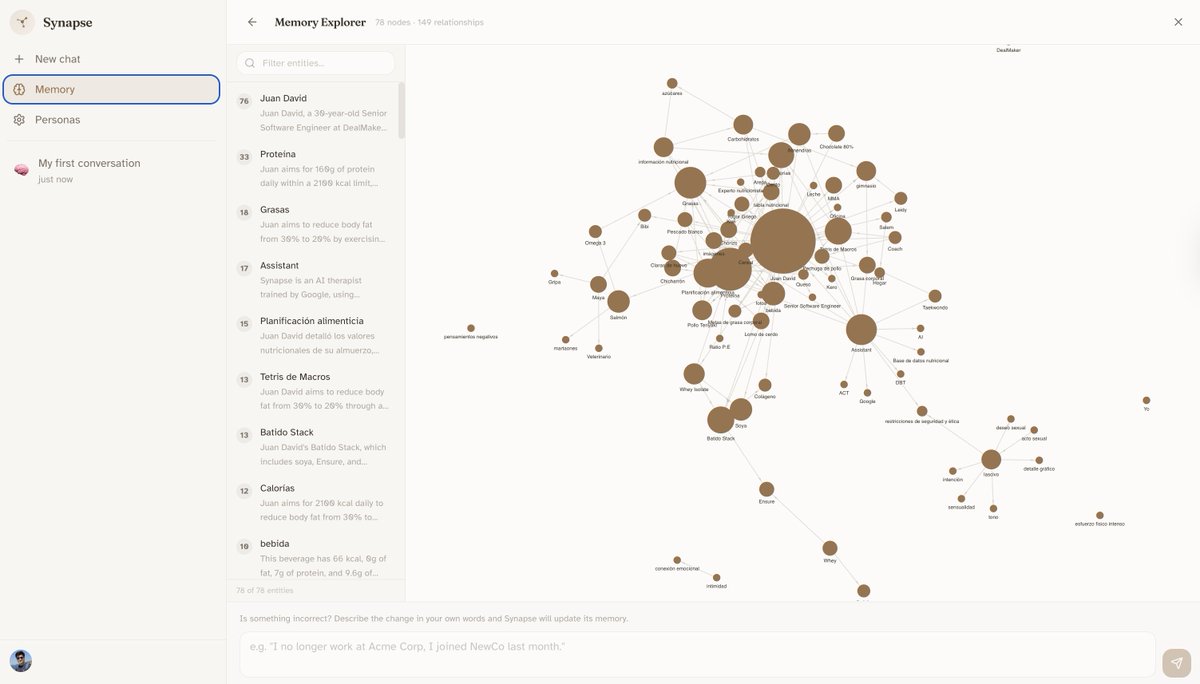
My wife maintains a 35,000-token "Master Prompt" in Notion. 🤯
She manually copy-pastes her entire medical history, life events, and goals into every new AI chat just to get personalized advice.
So I built an AI Chat with "Deep Memory"
powered by @convex and Graphiti by @zep_ai
1
3
4
384

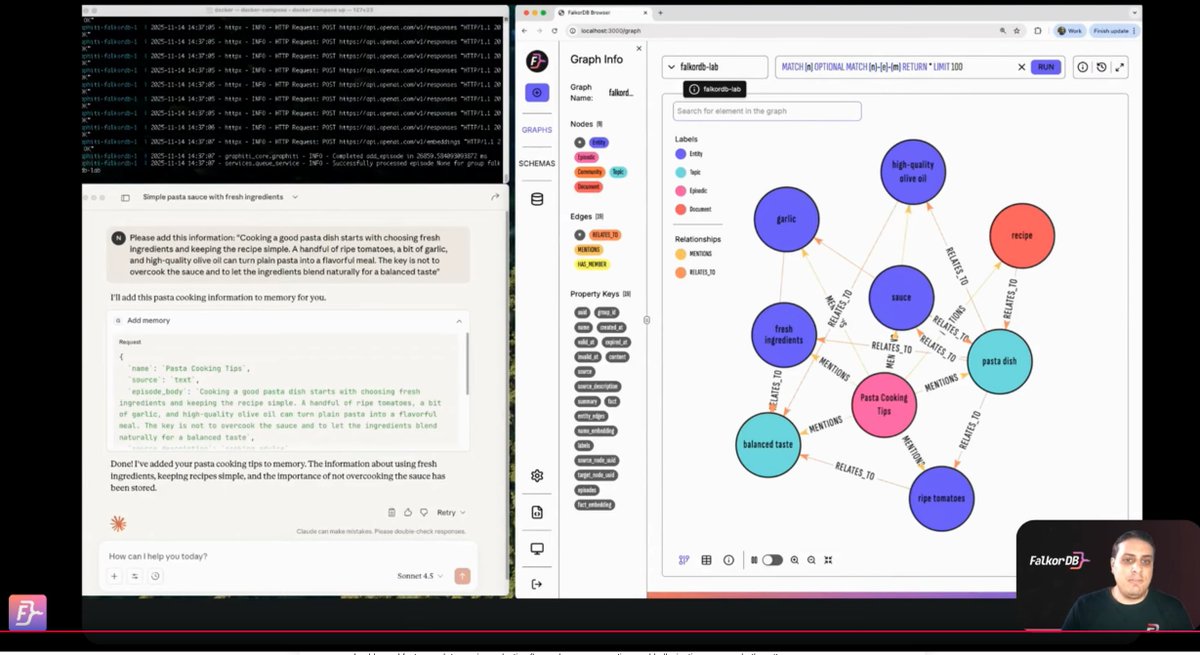
#MCP for agent memory: @zep_ai Graphiti FalkorDB for persistent, multi-tenant knowledge graphs.
youtu.be/tjEznowIhBo
5
10
765
19 Dec 2025
This is such a ridiculous take on a well-known problem. If the vector DB is breached, the source content is likely breached too. There’s nothing novel here. Secure the whole service properly.
2
238
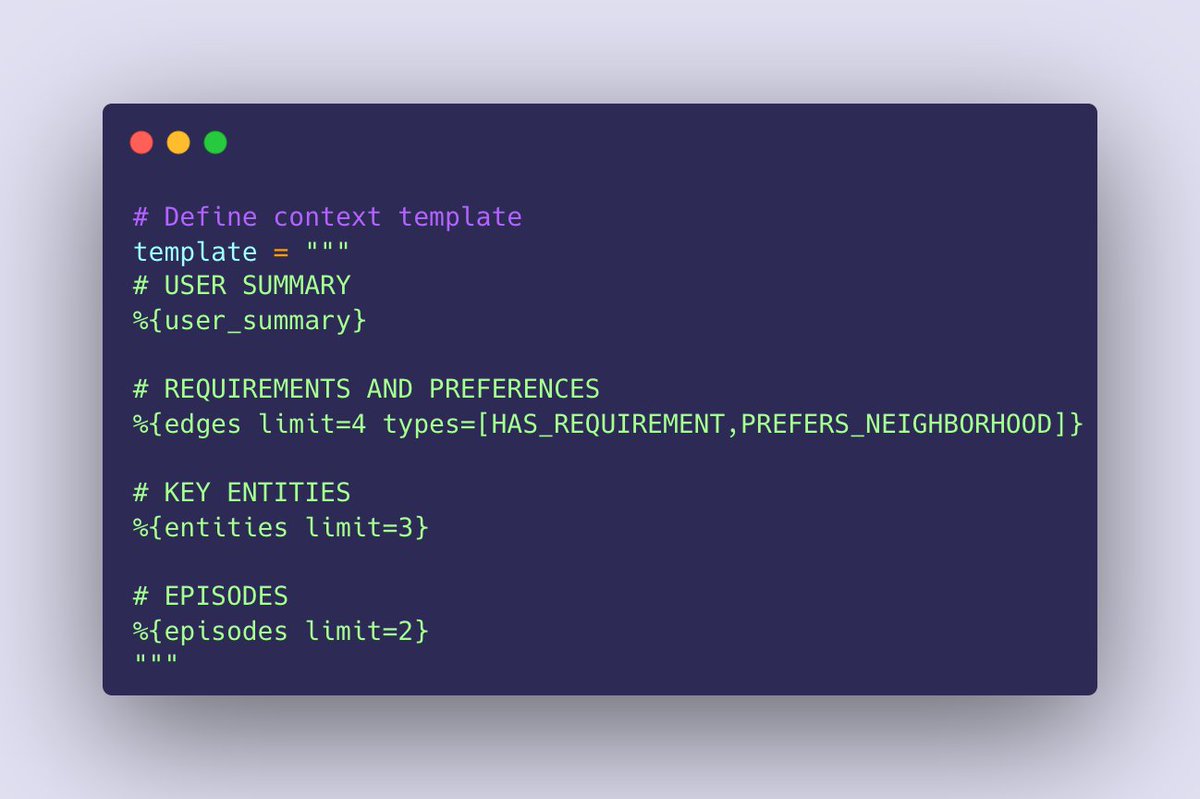
Specify exactly what you need with our simple declarative syntax: entities, edges, episodes, user summaries—with limits for each.
Zep handles orchestration. You focus on what to retrieve and how much.
➡️ READ MORE: blog.getzep.com/context-temp…
3
1
3
153
Context engineering is about tradeoffs.
Too little context → hallucinations. Too much → wasted tokens, added latency.
Zep's Context Templates make it easy to find your sweet spot—declare what to retrieve, set limits, done. No retrieval code. 🧵
1
2
2
440
Daniel Chalef retweeted

20 Nov 2025
I know of some open-source solutions that offer a bi-temporal knowledge graph that can be used as memory for your AI.
For e. Graphiti by Zep AI: github.com/getzep/graphiti
2
3
13
656
20 Nov 2025
Congrats, @suptejas and team! Wow, what an awesome launch. Love it when @zep_ai customers see such success! ❤️🚀

AI interfaces haven't evolved since GPT-3. You ask a question, get an answer, then copy-paste it into Slack, Gmail, or your docs.
There's a fundamental gap between intelligence and action.
Introducing Dimension. Your proactive AI co-worker that actually gets work done for you.
2
236
10 Nov 2025
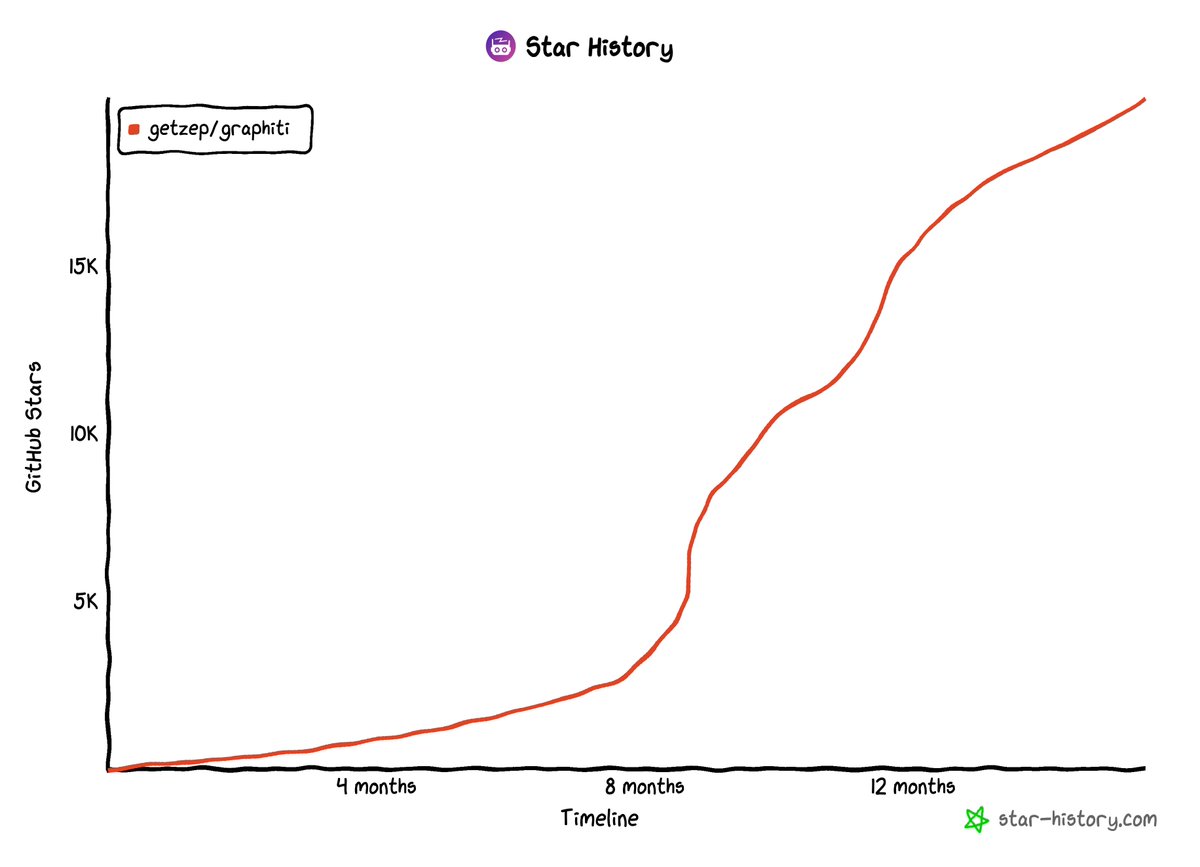
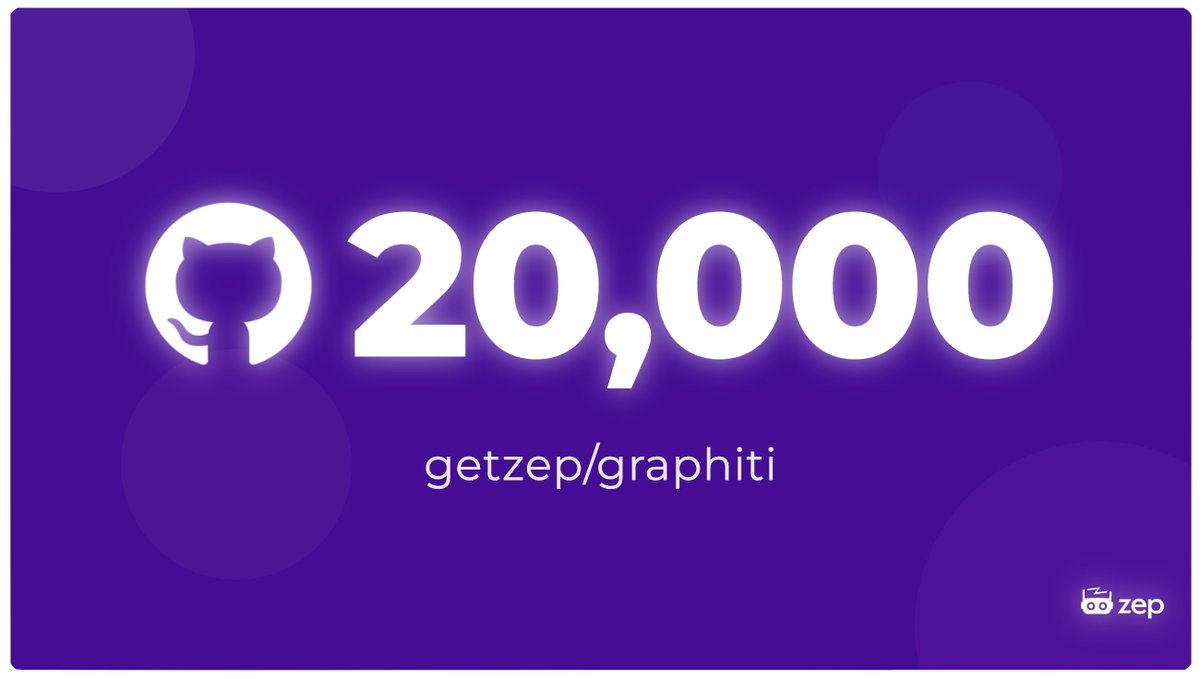
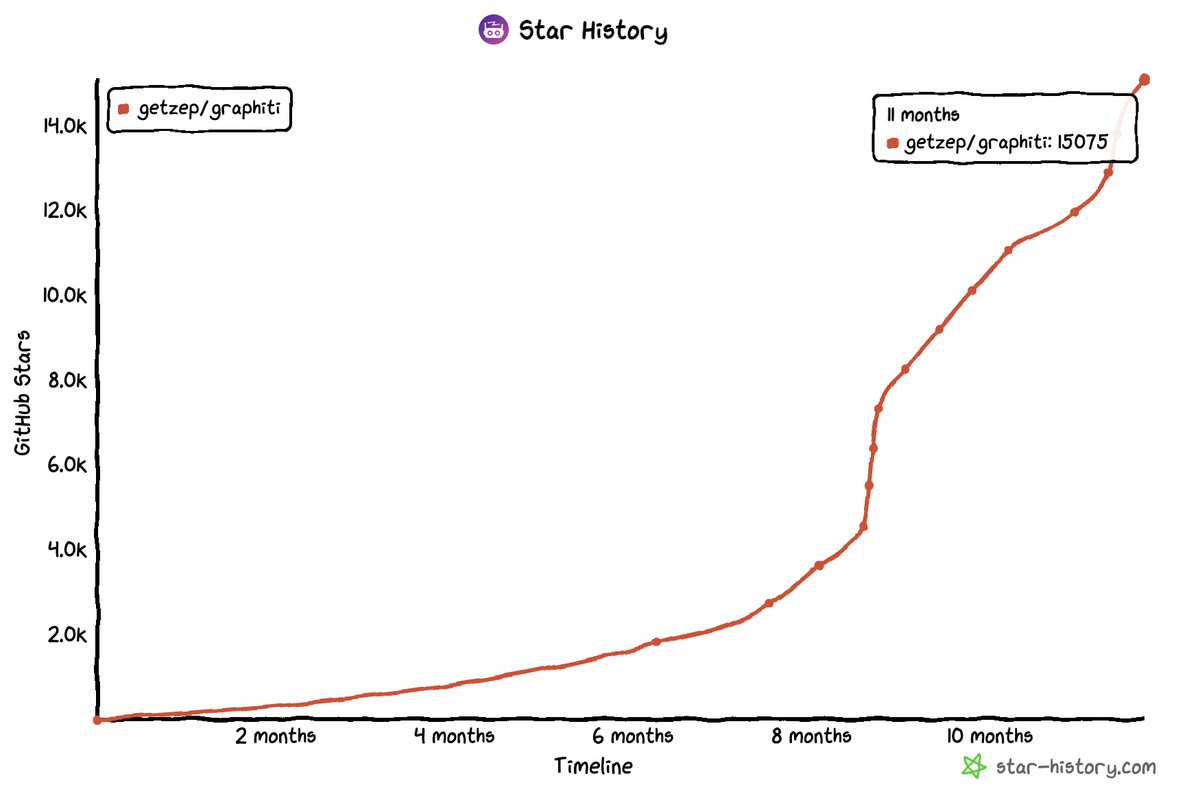
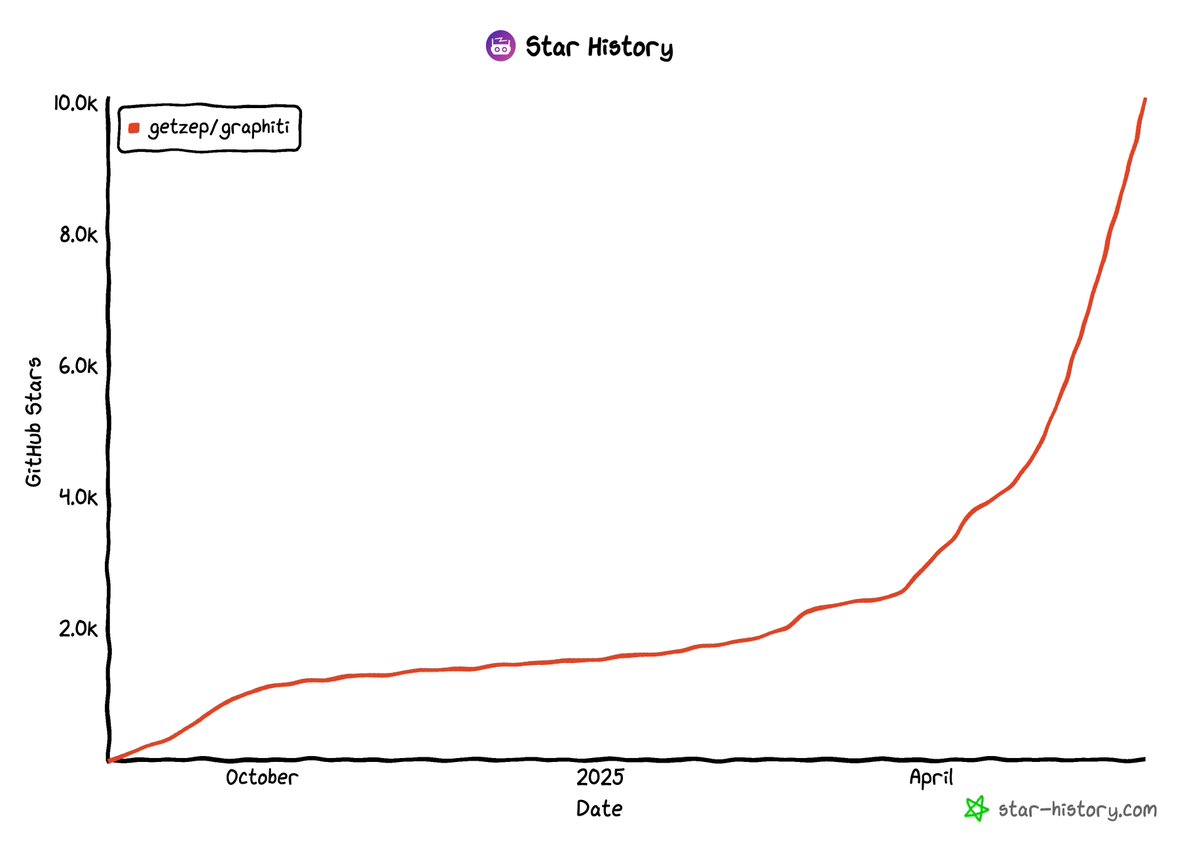
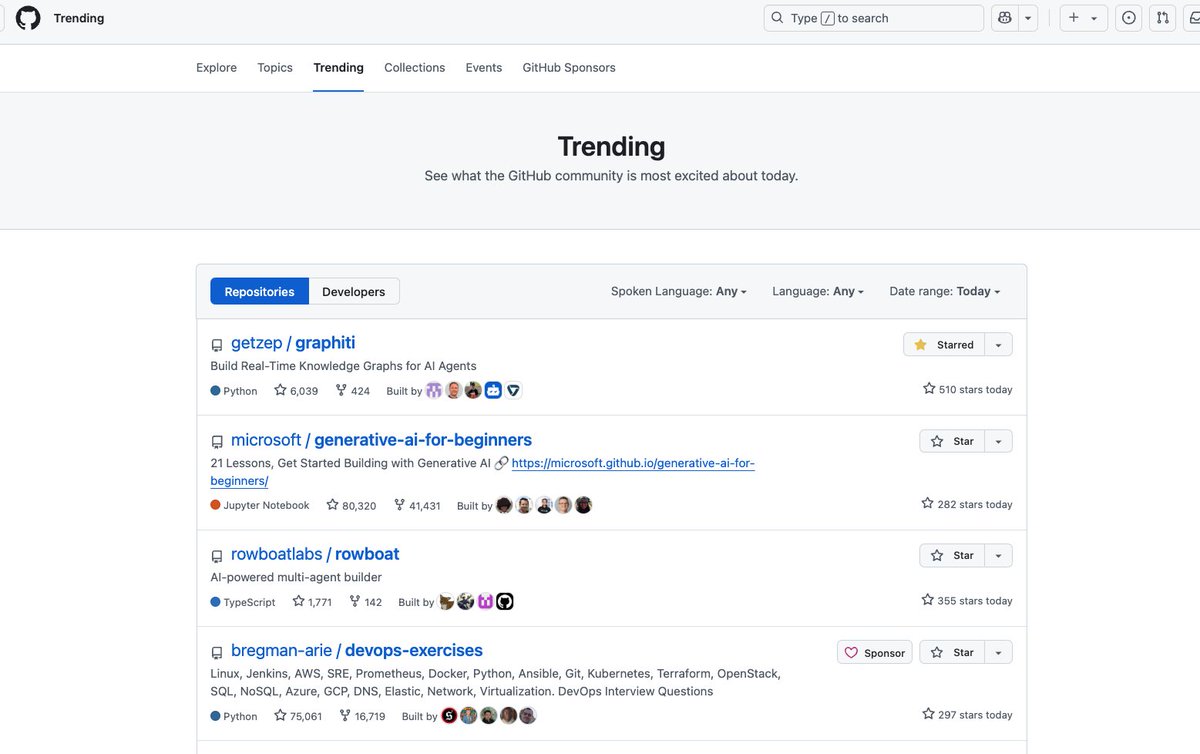
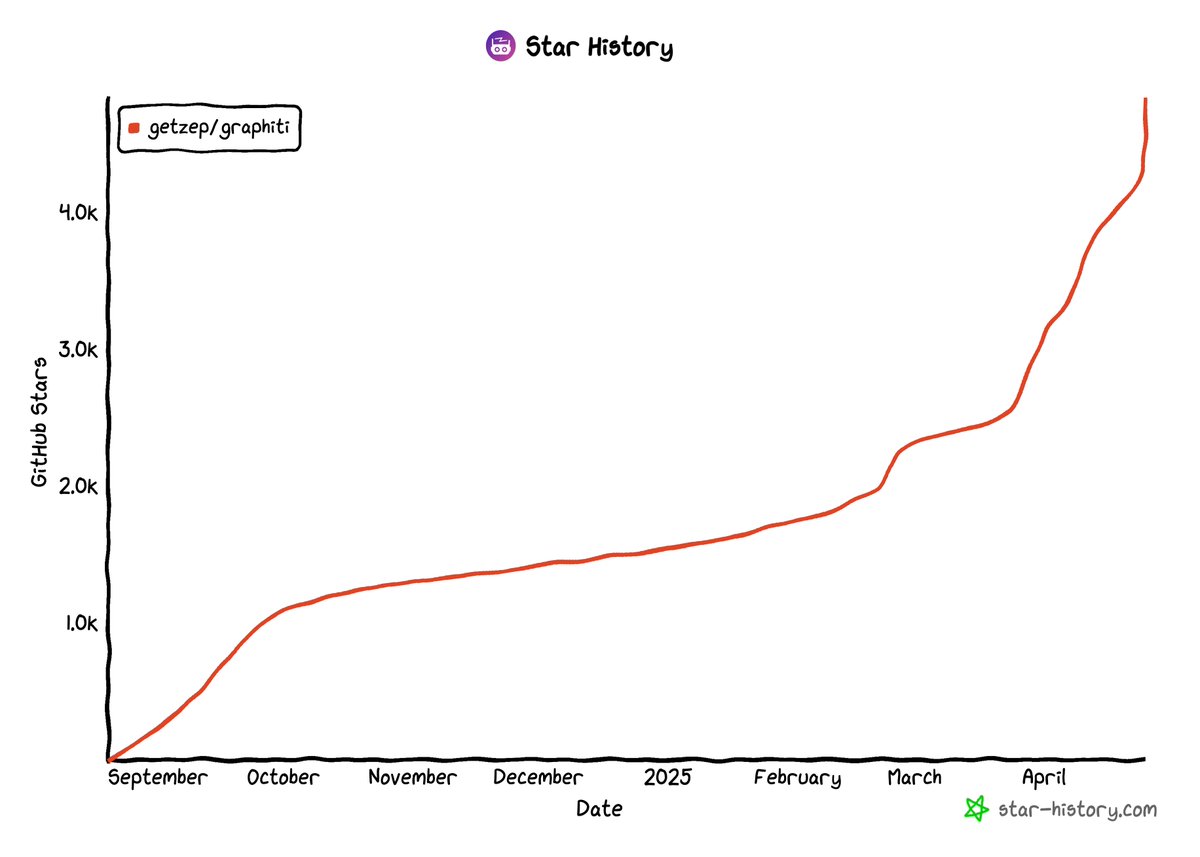
Graphiti crossed 20,000 GitHub stars this week! 🎉
Thanks to everyone building with us. What started as infrastructure for Zep's context engineering platform now powers memory for AI agents across hundreds of thousands of weekly users.
AND we just released MCP Server 1.0. 🧵
6
4
29
10,960
10 Nov 2025
We've done significant work to improve Graphiti's efficiency and reliability.
Improved extraction using classical IR—entropy-gated fuzzy matching, MinHash, LSH, Jaccard similarity.
Result: 50% lower token usage, tighter variance. 📉
1
1
188
10 Nov 2025
Huge thanks to individual contributors and teams at AWS, Microsoft, FalkorDB, Neo4j, and many others. 🙏
READ MORE: blog.getzep.com/graphiti-hit…
2
173