
Ex-Active Duty Marine who blogs about stuff and is an Amazon Reviewer, book tour host and whatever else comes to mind. Find me at howsthe411@gmail.com
Joined October 2008
- Tweets 91,301
- Following 3,886
- Followers 1,476
- Likes 259,227
4,109 Photos and videos





John KILLMONGER!!! retweeted

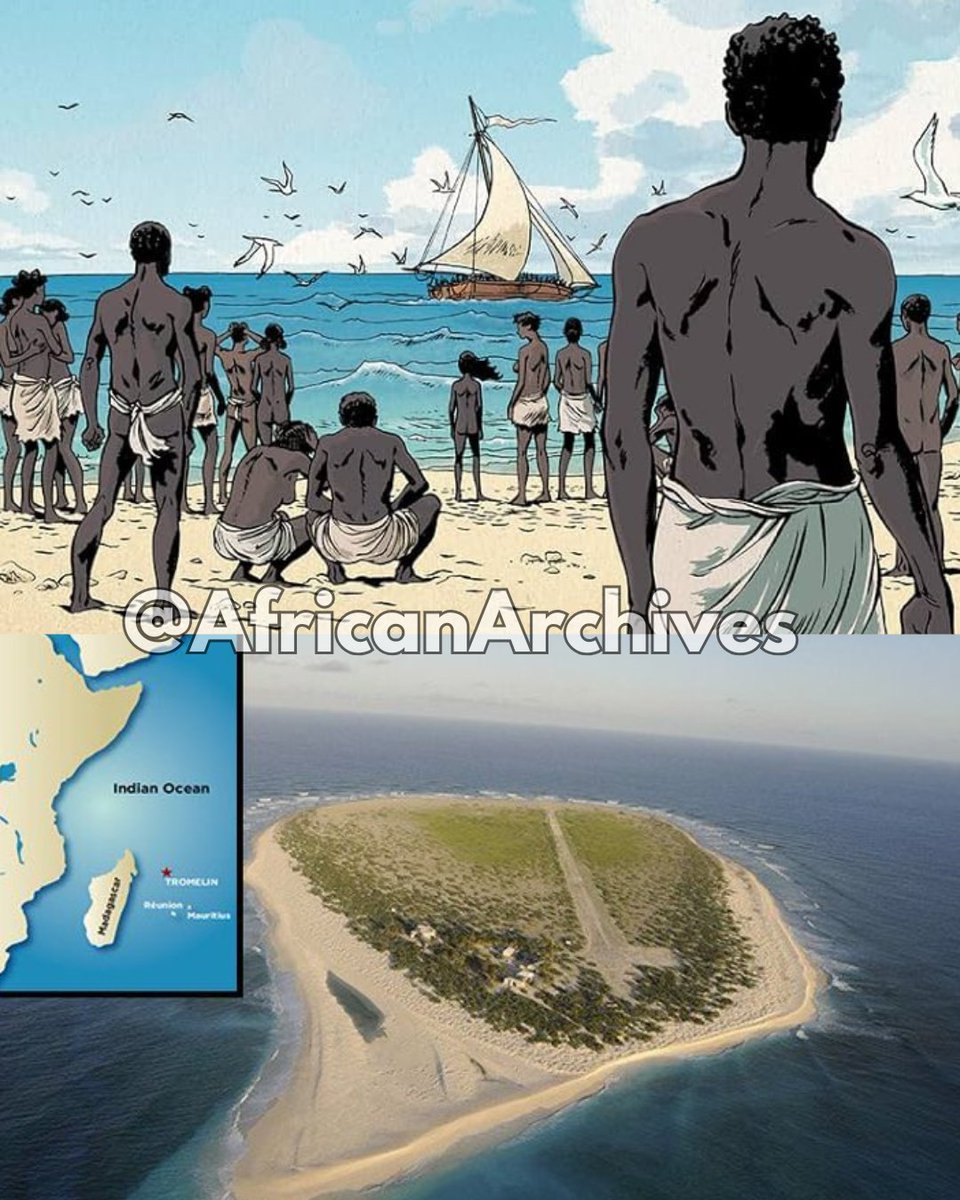
In 1761, a French ship wrecked and abandoned 60 slaves on Tromelin Island, a tiny sandbank with no trees. Forgotten by the world, they kept a fire burning and built a coral micro-society for 15 years, until only 7 women and a baby were finally rescued.
In 1761, the French vessel Utile was traveling illegally with enslaved Malagasy people when it struck a reef and wrecked off the coast of a barren sandbank in the Indian Ocean. The crew managed to build a makeshift raft and escape to Madagascar, but they left behind 60 enslaved people with nothing but the promise that they would return. That rescue never came.
For fifteen years, these survivors were completely abandoned by the world. They faced extreme heat, devastating cyclones, and a total lack of natural resources on a tiny speck of coral. Despite these conditions, they did not give up. They built a functioning society from the ground up, crafting tools from shipwreck debris, securing water, and somehow keeping a fire burning for over a decade. When they were finally reached by a French vessel in 1776, only seven women and an eight-month-old child were still alive. Their resilience in the face of such calculated betrayal remains a powerful testament to the strength of the human spirit and the history we must never forget.
If you love our content and would like to support the page, you can buy us a coffee here: buymeacoffee.com/africanarch…
10
360
1,165
41,242
John KILLMONGER!!! retweeted

May 27
No don’t hide now. You had a lot to say before you saw the camera
208
1,612
22,185
4,803,230
John KILLMONGER!!! retweeted

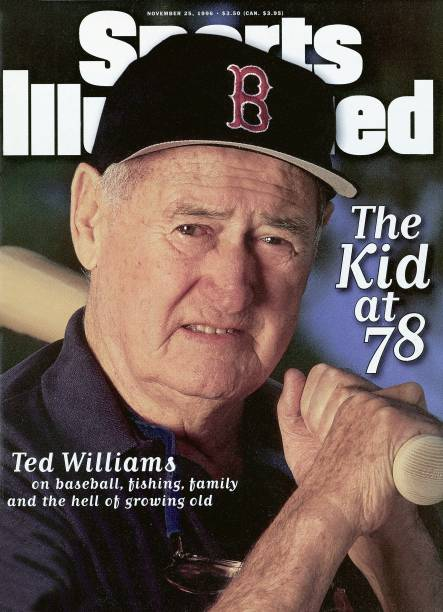
"Ted Williams, one of the greatest natural hitters of all time, was retired and giving some tips to the rookies at the Red Sox spring training camp.
One of them asked how to tell apart a curveball from a slider when they were coming in.
Ted Williams replied:
"Oh! That's easy.
If it's a curveball, the red spot you see on the ball will be rotating clockwise - if it's a changeup, counterclockwise."
They all nodded and thanked him for the tip.
One of the rookies turned to the others and said whispered:
"Now who the f*** can even see a red spot on a ball coming at you at 95 mph?"
Then Ted Williams went on to claim that he could tell exactly where on the seams he hit a baseball.
No one believed him.
Ted was long retired at this point.
Williiams took a bat and covered the barrel with pine tar and they started throwing him some pitches.
Ted would hit and say:
"Across the seams" or "between the seams" or "across one seam" or whatever.
They retrieved the balls and found out Ted Williams was right, EVERY single time.
32
116
885
44,416
John KILLMONGER!!! retweeted

May 25
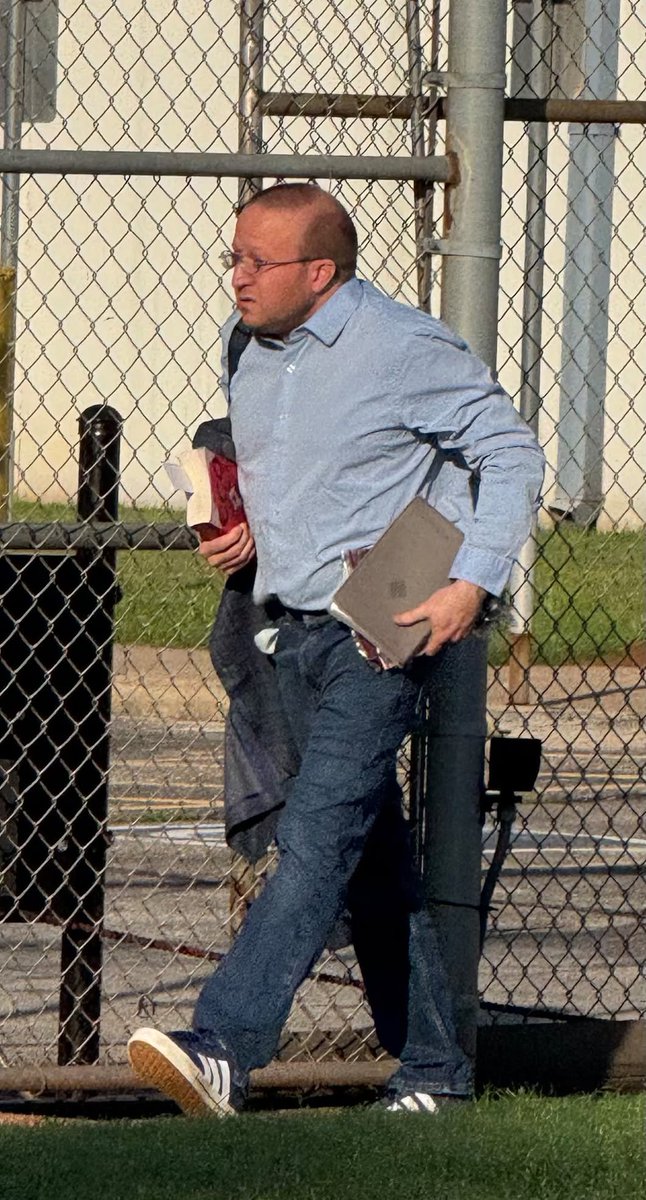
BREAKING: Adam Hoffman has been released from jail for "good behavior."
Hoffman is the 49-year-old Waco, TX attorney who faced life without parole for repeatedly raping a young boy, until Texas AG Ken Paxton offered him 1 day in jail and no need to register as a sex offender. A judge increased his sentence to a whopping 60 days. He got out in 30 days.
This is MAGA's vision for the USA. Full story: letsaddresstexas.substack.co…
2,868
24,931
54,287
3,074,870
John KILLMONGER!!! retweeted

ICE deported a citizen born in U.S. to Mexico—now he's filed lawsuit demanding to be allowed back into the country.
"I told 3 different agents that I am American citizen," he said.
"They just called me crazy."
Then they threatened him with 5 prison years for fraud—accusing him of lying to federal officers about his citizenship.
Agents refused to look at his birth certificate or social security card—or even medical records proving born in U.S. hospital.
Brian Morales was born in Denver, Colorado—he was detained as part of a construction crew in Fredericksburg, Texas.
ICE deported him just days later to a state in Mexico that he had never been to—far away from even distant relatives.
He is currently awaiting the outcome of his lawsuit in Aguascalientes, Mexico—485 miles south of the nearest U.S.-Mexico border.
539
5,242
17,711
1,306,653
John KILLMONGER!!! retweeted

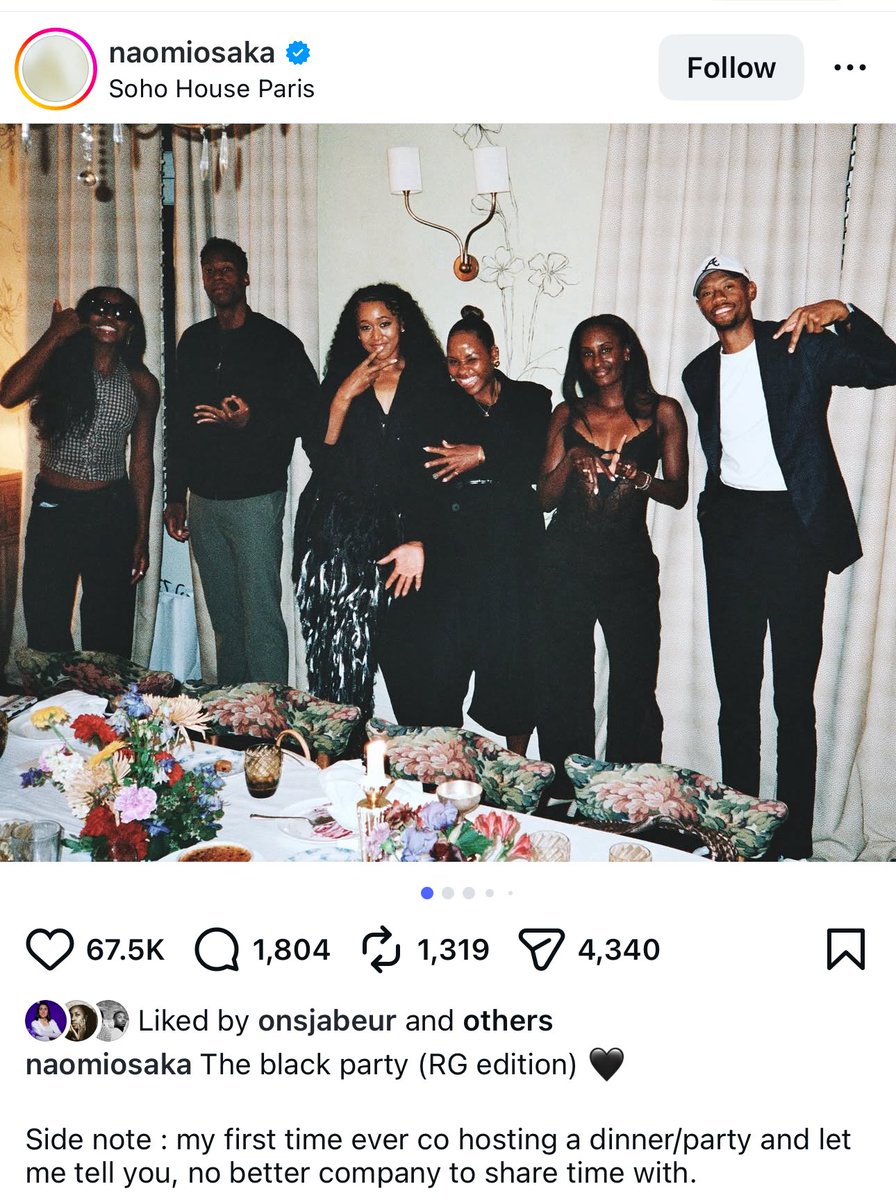
Naomi Osaka on why she chose to host a party for the black tennis players:
“You know I'm seeing a little bit of-
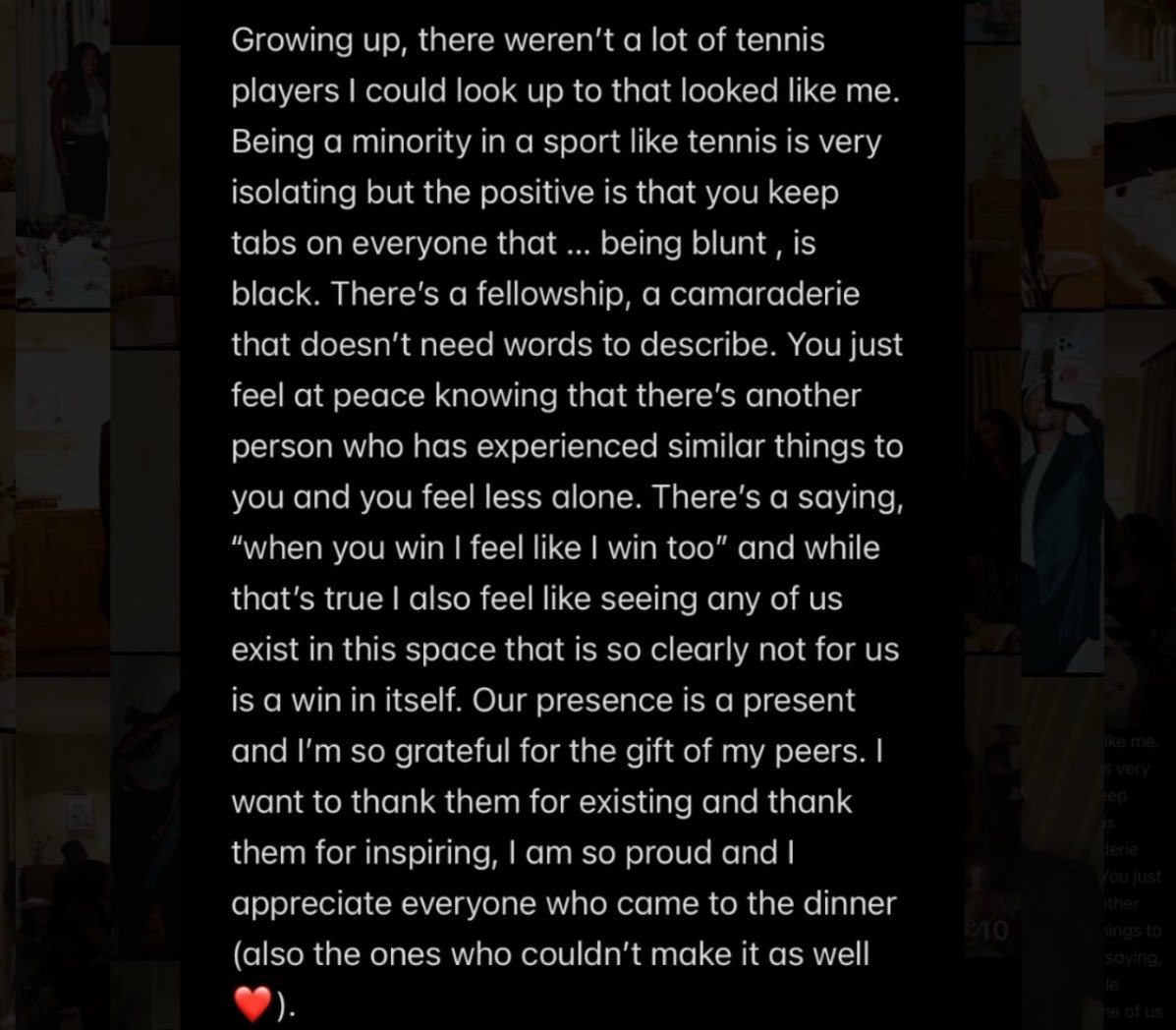
‘Why can't you love everyone for all skin tones?’ and ‘what if someone had an all white party?! First of all I do love everyone for who they are no matter their race ethnicity, (I'm literally half Japanese lol). I can only speak from my experiences in my own life though, growing up as a tennis player I didn't see many people that looked like ME and I feel like it's important to celebrate them.
Secondly I feel like it's important to note that there have been all white dinners/parties. I don't know how else to tell you this, I literally seen them all the time and never had an issue with it at all. To the people who ask this question I want to ask you this question too, ‘What is it about POC getting together that unsettles you so much?’
I want to end this by saying I grew up watching my dad get discriminated against, having the cops called on him multiple times at the tennis court. There are multiple things I will apologize for in my life but celebrating being black and appreciating who we are will never be something I would consider saying sorry for. Thanks.
Actually I lied, I am sorry. I'm sorry for the people who cannot comprehend in their brains that this is not about exclusion, this is a celebration about how far we have come 🖤”
(via Naomi on Threads)
1,325
9,797
54,245
3,822,436
John KILLMONGER!!! retweeted
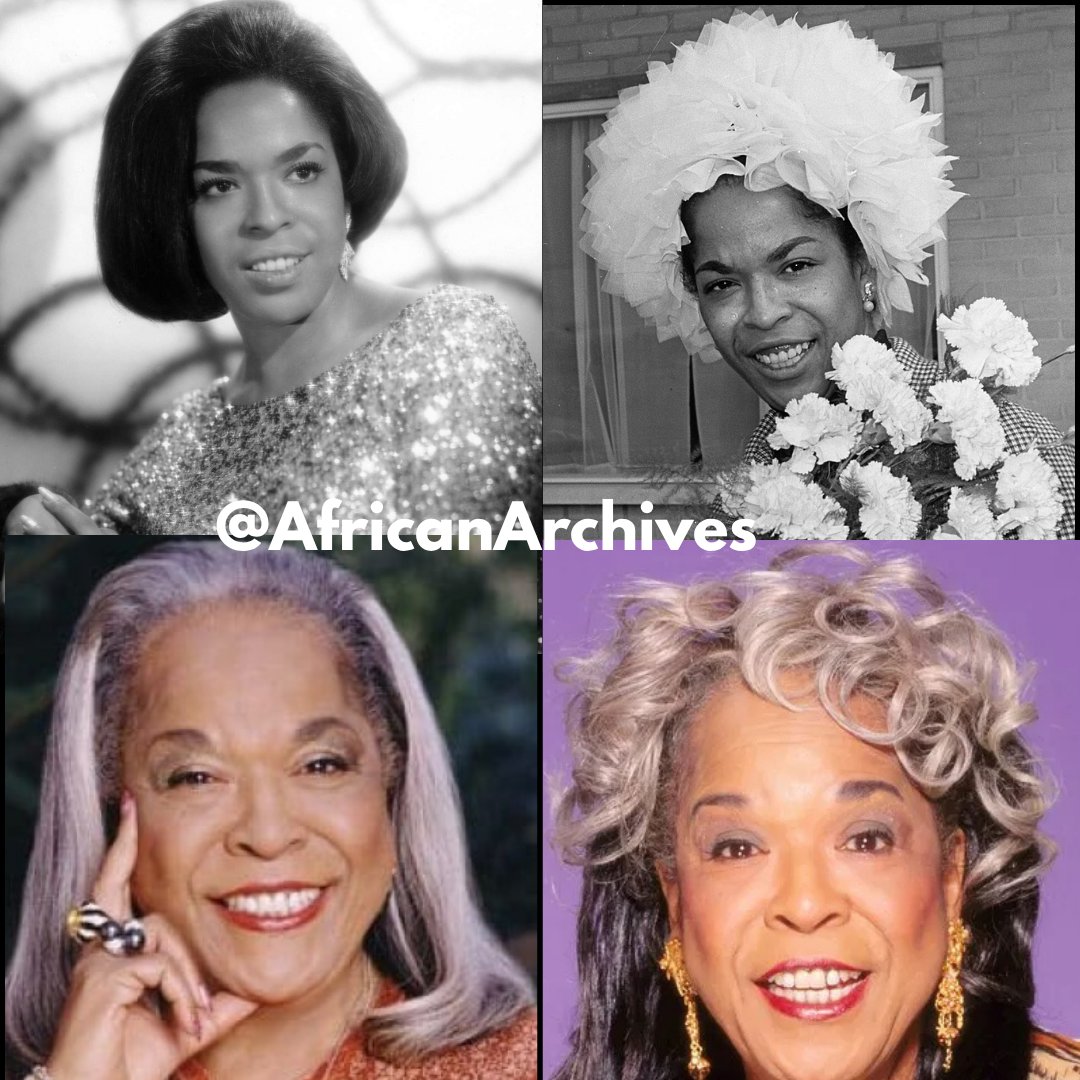
The medical staff at the hospital noticed a Black woman before they recognized a life-threatening brain injury.
In 1979, legendary entertainer Della Reese collapsed live on television right after singing about placing her spirit into the hands of God. The studio audience applauded, genuinely believing the fall was part of her dramatic performance. It was not. A blood vessel inside her brain had ruptured, and with every passing minute, the internal bleeding grew more dangerous. Yet, instead of rushing to treat one of the nation's most recognizable stars, medical professionals let racial biases dictate their response. One hospital blamed her weight for the collapse, while another spent precious time searching for drugs. To them, an unconscious Black entertainer fitted a stereotype more easily than a medical emergency. While her brain was actively bleeding, doctors were looking for traces of cocaine.
Hours slipped away before the real medical crisis was finally uncovered. Della Reese nearly lost her life simply because the people in white coats failed to look past their own prejudice long enough to properly diagnose her condition.
This harrowing event is a piece of her history that rarely gets told. The public easily remembers her glamorous voice, her warm laughter, her elegance, and her iconic role on the hit television series Touched by an Angel. But long before she became a household name, she was a young Black girl growing up in Detroit who survived deep poverty, segregation, profound family tragedy, and systemic industry racism.
Born in 1931 in Detroit's historic Black Bottom neighborhood, she began singing in church as a young child and was touring with gospel royalty Mahalia Jackson while still a teenager. This early exposure taught her a harsh lesson that Black talent could easily fill massive concert halls while Black humanity was still treated as entirely disposable. During the 1960s, television networks expected Black vocalists to perform their musical numbers and immediately exit the screen. There was no invitation to sit on the couch and absolutely no equal treatment.
Della Reese decided to rewrite those rules. Talk show host Merv Griffin broke conventions by inviting her to sit beside him for an interview on live television, a move that was practically unheard of for a Black woman during that era. Five years later, Johnny Carson handed her the reins to the host chair on The Tonight Show, marking the first time in history a Black woman guest hosted late night television. That single milestone cracked open a door for countless generations of entertainers to follow.
Even so, immense professional success never shielded her from the realities of racism, whether in hospital rooms or Hollywood studios. Decades later, while starring in Touched by an Angel, she publicly took a stand against CBS after discovering she was earning significantly less than her white co star. She refused to stay silent, and suddenly the network managed to find the budget they had previously claimed did not exist.
Through it all, she never stopped using her voice, never stopped leaning on her faith, and never stopped surviving. Her narrative remains incredibly vital today because she was never just auditioning for public applause. She was constantly fighting to be recognized as a full human being in a society that routinely tried to reduce Black women to lazy assumptions. She outlasted the cutthroat industry, survived rampant prejudice, and outlived a brain aneurysm that doctors nearly ignored, spending the remainder of her life empowering Black women to never let the misguided assumptions of the world dictate their worth.
13
400
1,552
36,021
John KILLMONGER!!! retweeted

May 25
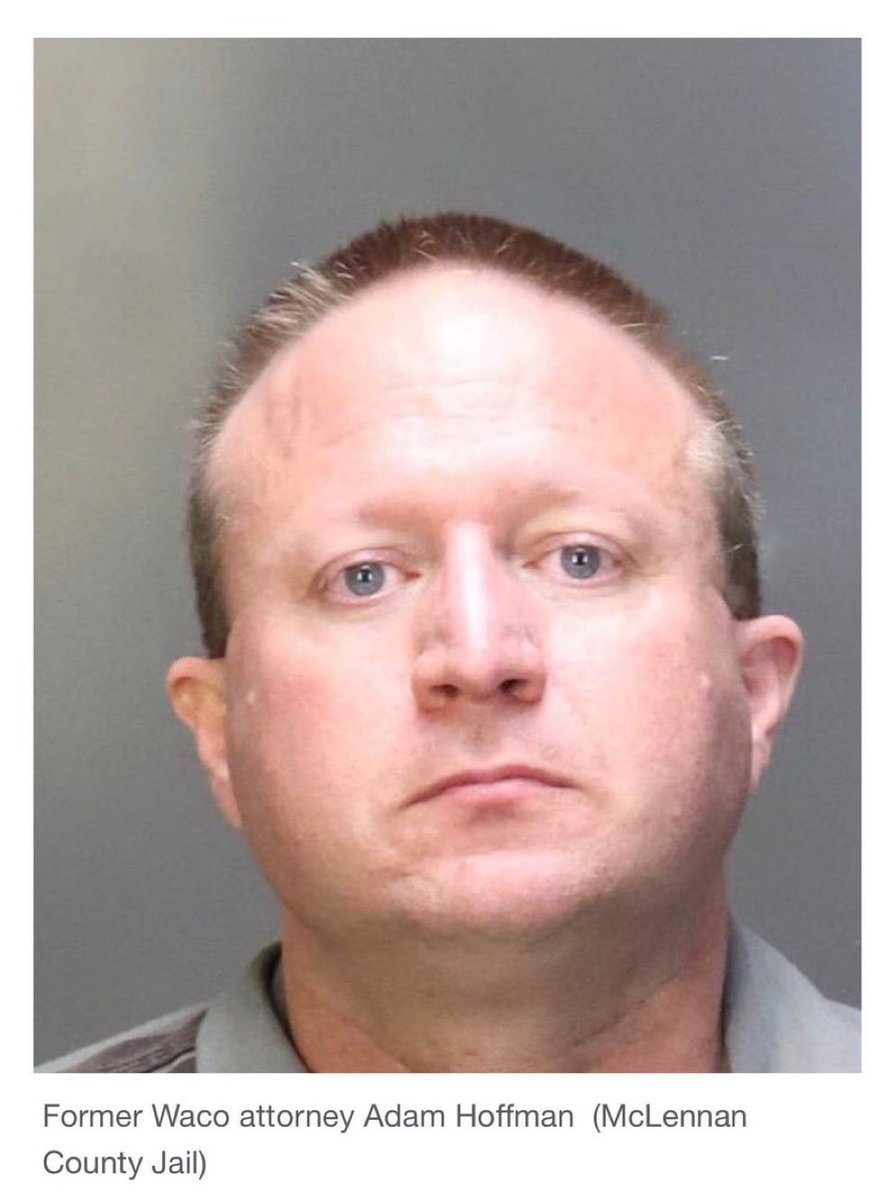
This is Adam Hoffman. He repeatedly raped a Texas boy — for nearly three years — dozens and dozens of times.
Tomorrow morning, May 25th 2026, he will be released from McLennan County Jail after spending just a few weeks there. He will not be required to register as a sex offender. And very soon he’ll be allowed to practice law again.
A real and dangerous predator — a present threat to Texas children — will be as free as you and me. A slap on his wrist and a spit in the face to his victim.
Why?! How?!
Because that’s the deal he made with Ken Paxton.
Vote accordingly.
1,274
9,763
14,698
538,253
John KILLMONGER!!! retweeted

May 25
BREAKING: Pope Leo XIV makes historic apology for Holy See's own role in legitimizing slavery and for failing to condemn it for centuries. apnews.com/article/pope-apol…
1,298
16,328
70,386
3,824,543
John KILLMONGER!!! retweeted

May 22
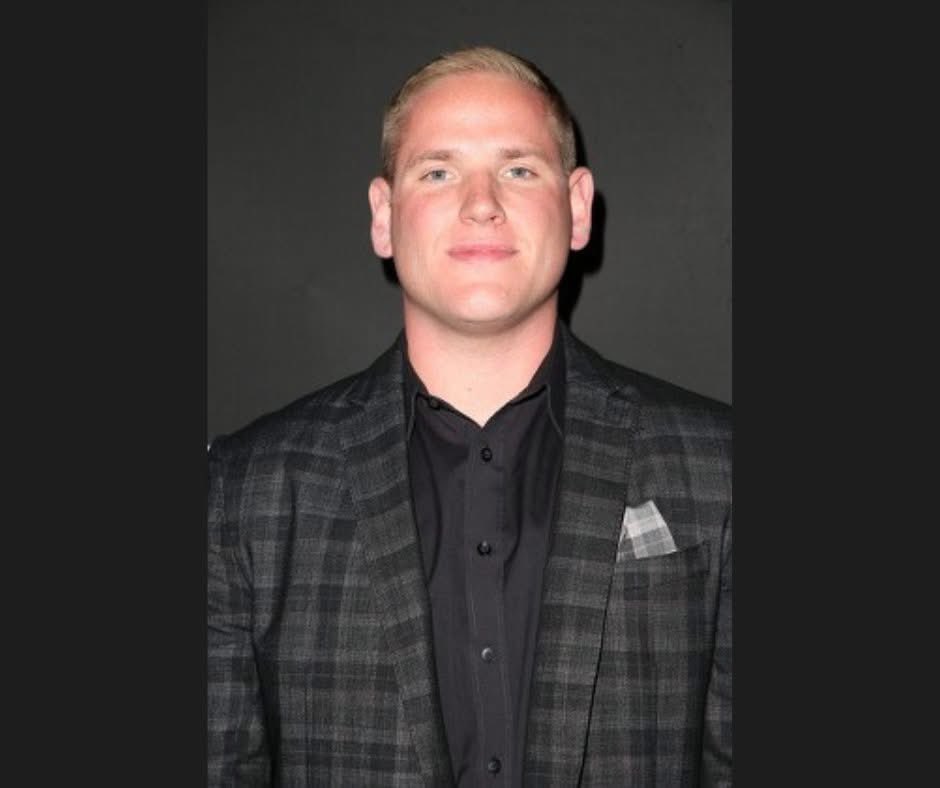
He was supposed to be on vacation.
Spencer Stone was 23 years old, half asleep in his seat aboard a high-speed train racing through Europe toward Paris. Beside him were his two closest friends from Sacramento — Alek Skarlatos and Anthony Sadler.
Three childhood friends backpacking across Europe before life carried them in different directions.
It was August 21, 2015.
Train: Thalys 9364.
Passengers onboard: 554.
Then the bathroom door opened.
A man stepped into the aisle carrying an AK-47.
Panic exploded instantly.
People screamed.
Passengers dove beneath seats.
A French-American professor named Mark Moogalian lunged at the attacker in a desperate attempt to stop him first.
He was shot in the back.
The attacker was armed with:
an assault rifle,
a pistol,
a box cutter,
and hundreds of rounds of ammunition.
The train was sealed shut and moving nearly 200 miles per hour.
There was nowhere to run.
Spencer Stone stood up anyway.
No speech.
No discussion.
No time to think.
He sprinted directly toward the gunman.
Alek Skarlatos charged behind him.
Anthony Sadler followed.
Then a 62-year-old British businessman named Chris Norman — a complete stranger to the others — joined the attack too.
Every instinct in the human body says to run from danger.
All four men ran toward it.
Stone hit the attacker first, wrapping him in a headlock and driving him to the floor of the train aisle.
What followed was 90 seconds of brutal chaos.
The attacker slashed at Stone repeatedly with a box cutter, cutting deep into his neck, face, and hands. Blood poured across the train floor. His thumb was nearly severed.
Still, Spencer Stone refused to let go.
Together, the four men subdued the attacker and tied him up with belts and a necktie before he could carry out a massacre.
Then Stone collapsed.
A deep wound in his neck had come within millimeters of killing him.
But even while bleeding heavily on the floor, Stone crawled toward Mark Moogalian — the passenger who had been shot earlier trying to stop the attack.
With one hand pressing against his own neck wound, Stone worked to keep Moogalian alive until emergency crews reached the train.
Later, surgeons said Stone’s injuries had been dangerously close to fatal.
When he woke after surgery, his first question was not about himself.
He asked:
“Did anyone else get hurt?”
Because of the actions of four ordinary men during 90 seconds aboard a moving train, 554 passengers made it home alive.
Days later, French President François Hollande awarded Stone, Skarlatos, Sadler, and Norman the Légion d'honneur — France’s highest honor.
The world briefly called them heroes.
Spencer Stone brushed it aside with the same quiet answer every time:
“I just did what anyone would do.”
But that is what makes the story unforgettable.
Most people freeze.
Most people run.
Most people protect themselves first.
Spencer Stone ran directly at an armed attacker with his bare hands.
And while bleeding from the neck on the floor of a speeding train, he still crawled toward another wounded man because someone needed help.
Three childhood friends from Sacramento.
One stranger from Britain.
Ninety seconds.
That was all it took to save 554 lives.
189
1,698
6,243
73,931
John KILLMONGER!!! retweeted

May 22
⚡ NASA just released insane new image of Mars.
Yes those are real clouds. on Mars.
250 million miles away from us.
Not just any clouds, these are extremely rare Iridescent clouds seen for the first time ever on an alien planet.

120
1,232
4,761
68,503
John KILLMONGER!!! retweeted

This is outrageous.
A small town in Michigan did everything right to stop OpenAI & Oracle from building a $16 billion data center in their town.
The people of Saline Township flooded their council meeting, put up signs all over town, and convinced their officials to reject it.
The officials voted against the data center 4-1, and that should have been the end. But two days later the developers sued, and the town couldn’t afford to fight back in court.
We are not a free nation when billion-dollar corporations can take over the land of our communities and towns. We are a captive nation ruled by corporations and billionaires.
1,116
15,342
33,974
857,403

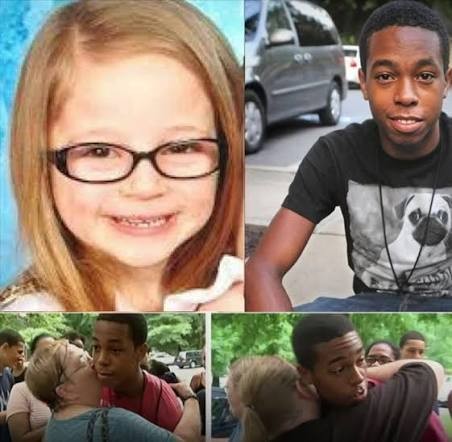
In May 2013, teenager Temar Boggs and his friends in Lancaster, Pennsylvania saw news reports about a missing 5-year-old girl named Jocelyn Rojas who had allegedly been abducted while playing outside her home.
The teens decided to search the neighborhood on their bicycles. According to police and news reports, they spotted a suspicious car matching the description being circulated.
After they followed the vehicle, the driver eventually stopped and let the girl out. Jocelyn then ran toward Temar saying she wanted her mother.
Temar and his friends brought her to safety and contacted authorities. Police publicly praised the teens for helping recover the child safely, and the story received major national attention in the U.S. at the time.
26
444
3,958
96,264
John KILLMONGER!!! retweeted

May 22
Nathaniel Richardson was unarmed.
He was walking back to his vehicle, posing zero threat, when Bowie Police Sergeant Robert Warrington fired a shot at him on a busy Maryland highway.
What investigators found in his hand was not a weapon. It was a cellphone.
On May 19, 2026, after a bench trial in Prince George’s County, the judge rendered a verdict that this system rarely delivers: guilty on all counts.
Attempted second degree murder. First degree assault. Reckless endangerment. Misconduct in office.
Sgt. Warrington faces sentencing on September 11, 2026.
🎥 : @fox5dc
68
797
2,542
48,828
John KILLMONGER!!! retweeted

Amazon is worth $2 trillion. But it didn't deign to pay the millions of dollars it racked up in unpaid fines as its’ trucks illegally polluted our air and forced New Yorkers to breathe in their exhaust.
We collected every dollar they owe the people of this city — and will continue to hold them accountable. In New York, corporations are held to the same standard as everyone else.
No company — no matter how large or powerful — is above the law.
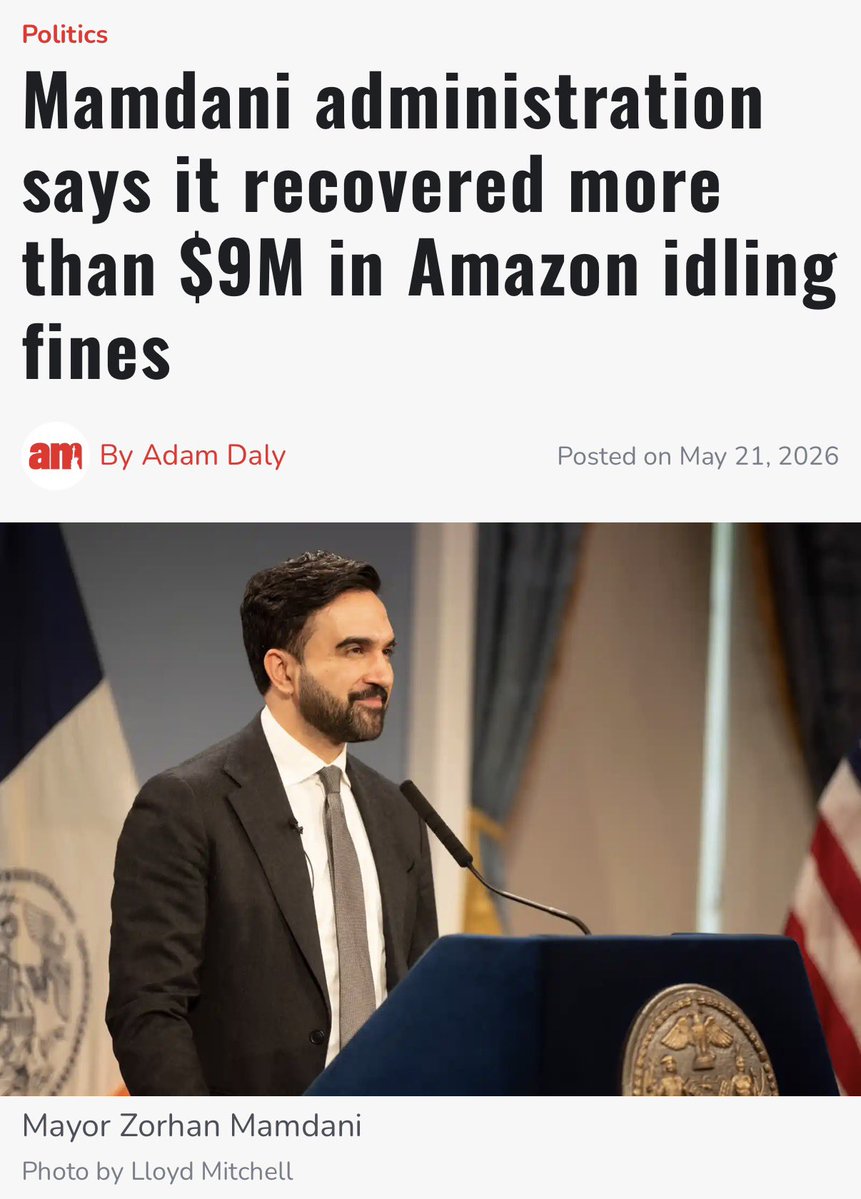
ALT An AMNY headline with a photo of Mayor Mamdani reads: Mamdani administration says it recovered more than $9M in Amazon idling fines.
4,808
15,263
96,048
1,988,565
John KILLMONGER!!! retweeted
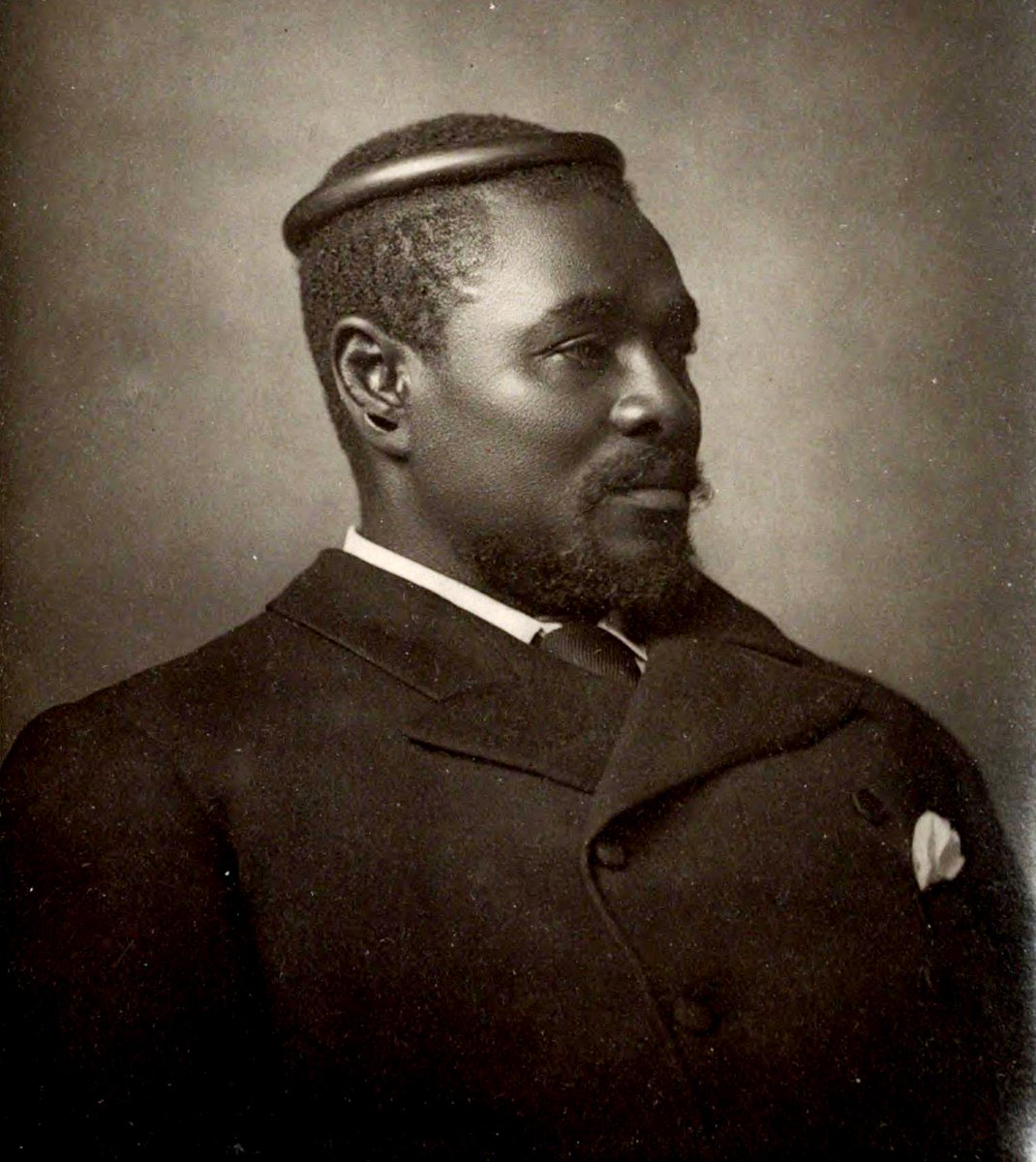
When a British missionary tried to convince Zulu King Cetshwayo Ka Mpande he will go to hell for opposing British attempts to colonize his Kingdom and its resources.
He responded by "Hell fire? We eat hell fire"
11
258
963
24,285
John KILLMONGER!!! retweeted

May 22
A 22-year-old graduate student in Kazakhstan got so angry at journal paywalls in 2011 that she built a pirate website holding 88 million scientific papers, and last month she turned the whole thing into an AI that lets you ask one question and get the actual research as the answer.
Her name is Alexandra Elbakyan, and the website is called Sci-Hub.
The AI she just launched is called Sci-Bot. It lives at sci-bot.ru and almost nobody outside academia knows it exists yet.
Here is the story, because it is one of the strangest things to happen in science publishing in the last 50 years.
Elbakyan was born in Almaty in 1988, the year the Soviet Union started to collapse. She taught herself programming at 12. She read Soviet science books that explained things her family used to call miracles. She got into computer security at university and graduated in 2009 with a degree she barely needed because by then she was already a serious hacker.
Alexandra moved to Moscow that fall. Then Germany. Then a research internship in the United States. She was working on brain-computer interfaces, the kind of research that requires you to read hundreds of papers a year just to keep up with the field.
And every single one of those papers was locked behind a journal paywall that cost between 30 and 50 dollars to read once.
She did the math. A graduate student in Kazakhstan could not afford to read science.
The first thing she did was learn how to get around the paywalls one paper at a time. She passed the trick around to other students. They asked her for papers constantly. She got tired of doing it manually.
So in September 2011, in three days, she wrote a script that automated the whole thing. A user pastes a DOI. The script logs in through a donated institutional credential. The paper comes back free. The website caches it.
The next person who asks for that paper gets it instantly because the previous request already saved a copy.
That was Sci-Hub. Three days of code. One graduate student. Done.
15 years later, the cache holds 88 million scientific papers. Almost every piece of scholarly literature published before 2020 is sitting on her servers. Researchers in 190 countries use it. Studies in Nature have shown that roughly half of all academic paper downloads worldwide now go through Sci-Hub, not the publishers who actually own the copyrights.
Elsevier sued her in 2015 and won a 15 million dollar judgment. She did not pay. The American Chemical Society sued her and won an injunction. She did not comply. Courts in India, France, Russia, and the UK have tried to block the domain. She just moves it. Sci-hub.se. Sci-hub.ru. Sci-hub.ee. The site has had over 20 domains and is still up.
Nature put her on its list of the 10 people who mattered most to science in 2016. The New York Times compared her to Edward Snowden. The Verge called her the pirate queen of science.
She has not been to the United States in over a decade because she would be arrested at the airport.
The Sci-Bot launch in April 2026 is the part that nobody is talking about.
She took the 88 million paper database and put a small language model on top of it. You ask a question in plain English. The model searches the entire shadow library, pulls the relevant papers, synthesizes an answer grounded in real citations, and links you to the full text of every source. Free. No login. No institutional credential. No paywall.
Three real scientists tested it for a Chemical and Engineering News article last month. They asked it medical and chemistry questions. The radiologist said the answer he got was usable. The chemist said the gaps in recent literature were obvious but the older science was solid. The publisher community is furious.
What she built is what the paid academic AI tools are trying to build. Except the paid ones are limited to what their parent publisher legally owns. Hers is limited to almost nothing.
Alexandra still lives somewhere in Russia. She does not give her address. She does not do video interviews. She gives talks over Skype with the camera off. She runs the largest illegal library in human history from a laptop and a donation page.
A graduate student who could not afford to read science built the system the entire scientific community now quietly depends on.
The publishers have spent a decade trying to shut her down.
She just shipped an AI that makes their entire business model outdated.

142
2,381
7,050
317,796
John KILLMONGER!!! retweeted

🚨 Missing 16-year-old Missouri teen kidnapped, beaten, and shot before being dumped in the woods by 5 white supremacists!
A 16-year-old Black girl from Moberly, Missouri was allegedly kidnapped, severely beaten, and fatally shot before her body was dumped in a wooded area.
Kayla Huff was reported missing on May 6. According to investigators, she was placed in the trunk of a car, driven to a conservation area, dragged out, beaten with an expandable baton, and then shot.
Prosecutors say the group pre-planned parts of the crime, including disabling her vehicle the day before. One suspect allegedly provided the gun used to kill her.
Five people are now facing serious charges, including first-degree murder and kidnapping. Multiple people are being held accountable for her death.
514
3,205
7,180
298,148
John KILLMONGER!!! retweeted

May 21
Here's how the corruption works:
Thursday: RJ Reynolds donates $5M to Trump
Saturday: Trump invites RJR execs to Mar a Lago; execs ask to loosen regs on flavored vapes; Trump calls up RFK Jr. and tells him to change it
Friday: FDA changes the policy
nytimes.com/live/2026/05/21/…
1,664
21,651
42,230
1,017,594