
Designer. Do checkout my daily creative project on @minimalheartist
Joined May 2009
- Tweets 6,430
- Following 3,932
- Followers 1,151
- Likes 19,553
591 Photos and videos
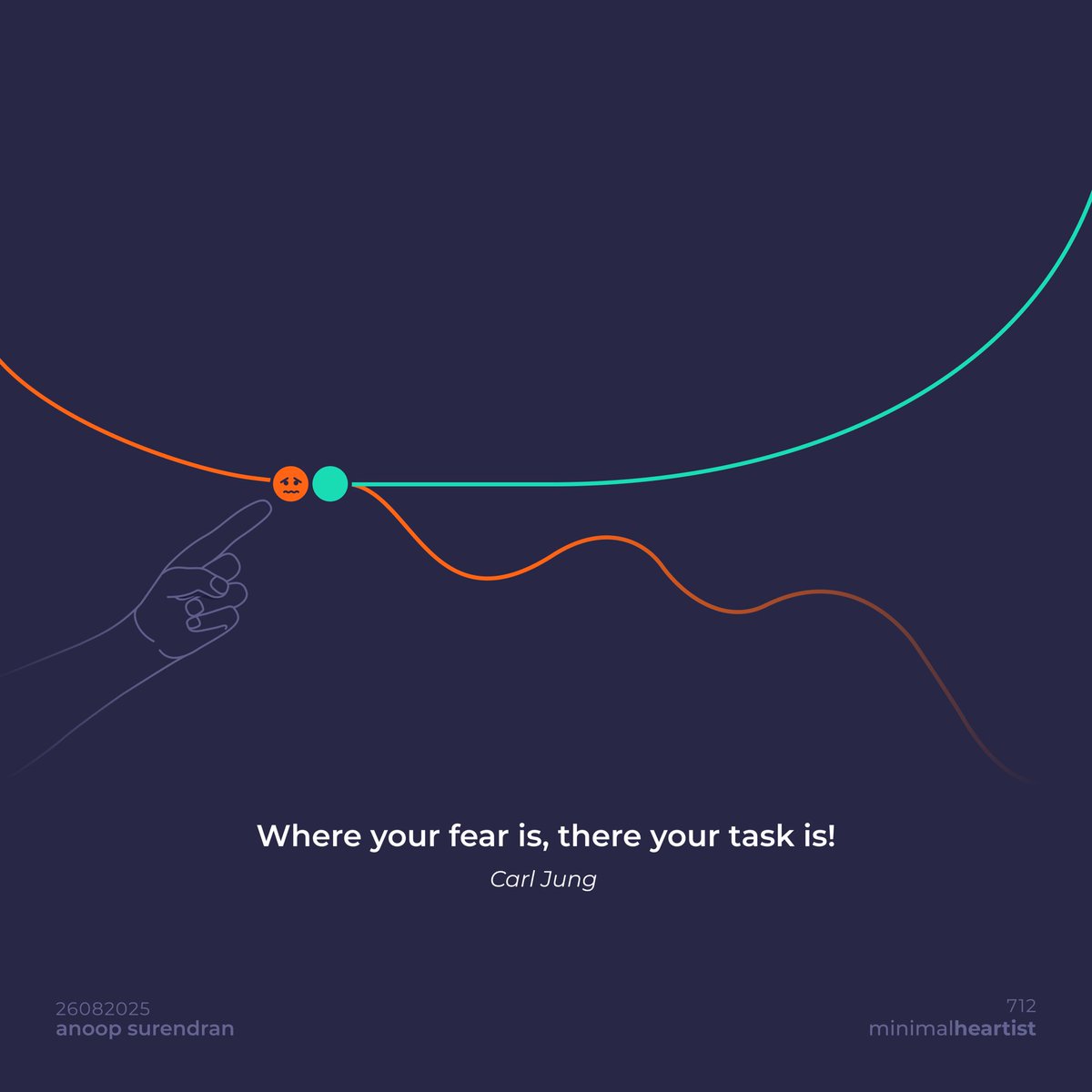
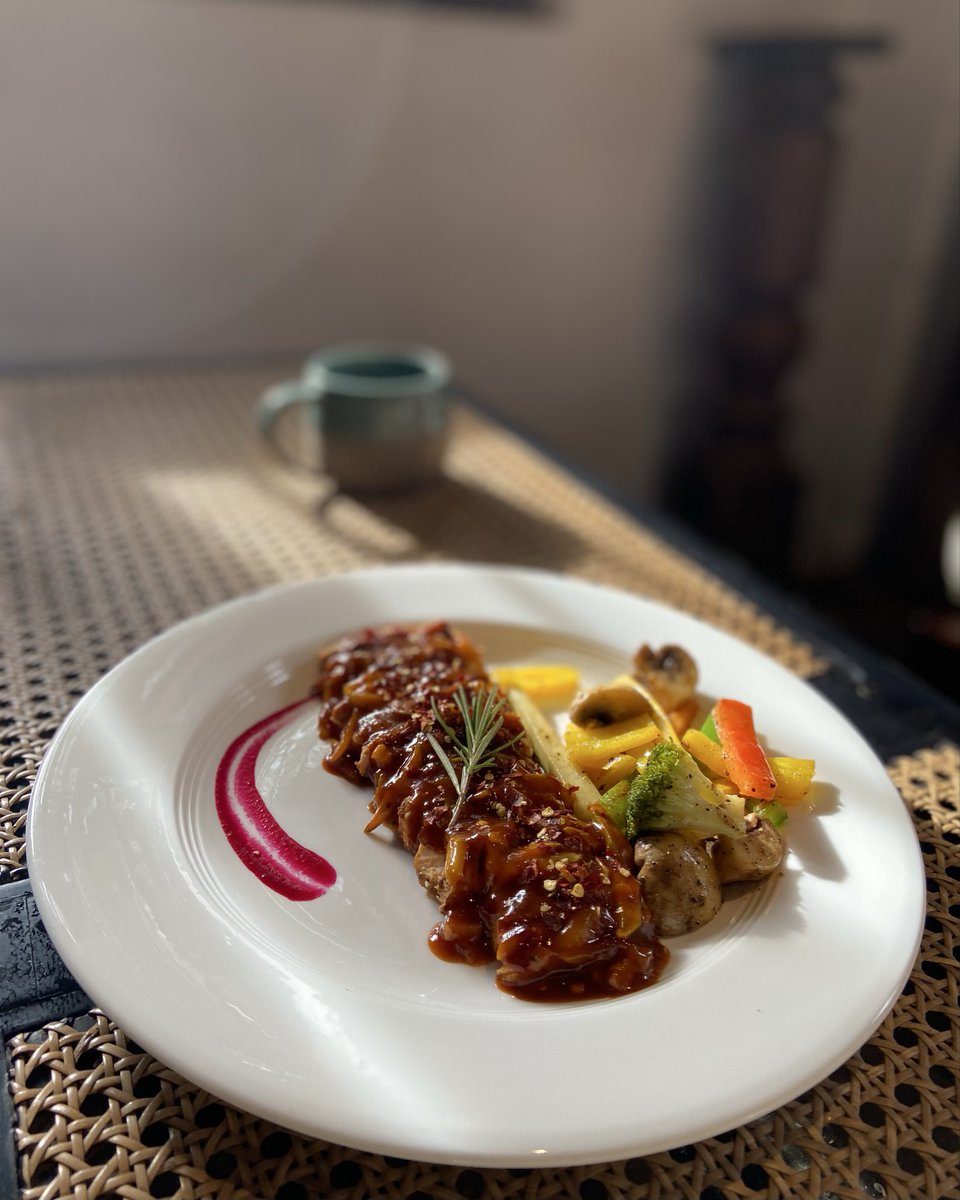
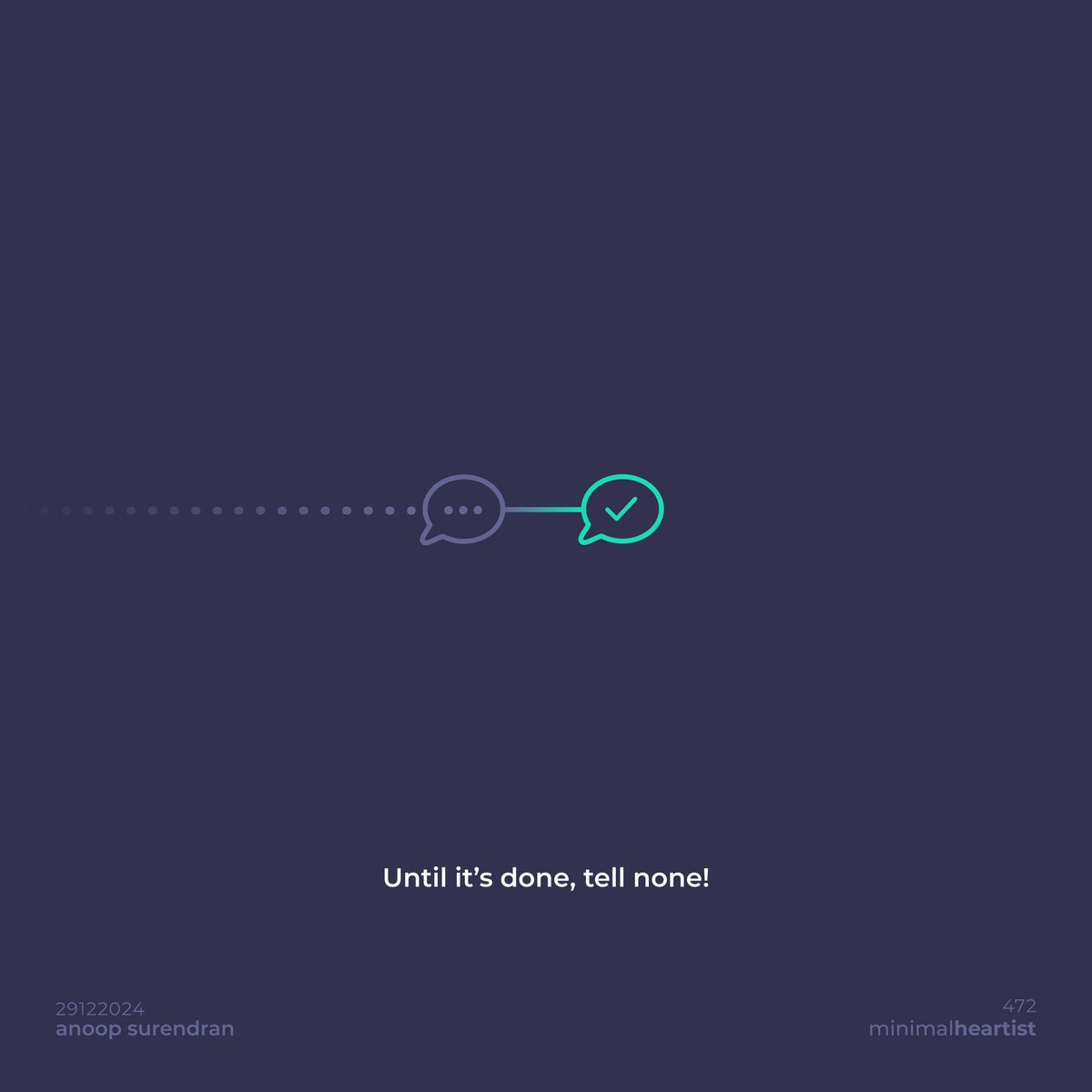

Anoop Surendran retweeted

Jun 10
We're launching Bridge today 🌉
An AI engine that builds virtual homes. Blueprint in, walkable home out. Every plan, every option, structural changes included.
What took 3D artists months now takes days. Homebuilders can finally show buyers every home they sell.
arcway.ai
140
186
2,529
1,440,658
Anoop Surendran retweeted

Jun 8
Design is full of codewords. Knowing them changes what you can ask for, and what you can get back, whether you're working with devs, or an AI.
“tint this neutral color”, “fix this widow”, “nudge it to the optical center”
I wrote them down: index.how/to/articulate
63
180
2,179
286,356

Rasmus Andersson @rsms believes the fundamentals of design aren’t changing with AI. Instead, they’re being amplified.
New tools are a multiplier across the board. Higher quality. Faster shipping.
Watch our full Design Chat at @southpkcommons below. A career highlight for me.
9
18
202
34,193

Anoop Surendran retweeted

Feb 12
📣 NEW! I’ve just released the BIGGEST and perhaps most creative project I’ve ever worked on!
“Searching for Birds” searchingforbirds.visualcinn… 🐤
A #dataviz article & exploration that dives into the data that connects humans with birds, by looking at how we search for birds.
148
1,268
6,586
419,461

Anoop Surendran retweeted

24 Nov 2025

5
127
691
34,072
Anoop Surendran retweeted

1 Nov 2025
🌁✍🏼 Design notes from the Bay Area
Over the past few weeks, I’ve had the chance to spend time with designers inside the world’s leading AI companies. A few patterns from those conversations –
✨ Founding designers are joining earlier than ever. They’re often one of the first three hires, defining direction before a PM exists. Their compensation now matches engineering, and so does their influence.
✨ Designers who code are default. It’s no longer up for debate. Many companies now hire only those who can push code and prototype ideas that scale. Design that ships has become the benchmark.
✨ The way design is reviewed has flipped. Build > prototype > deck. Code is the clearest form of design. The closer you are to production, the greater your leverage.
✨ Interfaces are converging, and tools are scrambling to keep up. Voice, text, haptics and canvas are being designed as one continuous system. If you’re not designing across modes, you’re designing in the past.
✨ Adaptability is the hottest signal. The people rising fastest can switch tools, rethink systems, and rewrite workflows in no time. Every few months, the process resets. Each reset rewards agility over tenure.
✨ The hiring landscape is recalibrating. Pedigree, output, and velocity have become the new trifecta. Top teams are filtering for people shaped by high-pressure, high-taste environments. Rigor matters again.
✨ The Bay Area still faces a shortage of exceptional design talent. Studios and startups are assembling remote design teams, pulling in builders from everywhere. It’s a charged moment to be creating.
It’s surreal to see how in small pockets, the next few years of experiences are already taking shape. Work meant to be out in 2028 is being tested today, and designers are at the center of it.
13
18
293
20,374
Anoop Surendran retweeted

1 Nov 2025
Charge ayii!
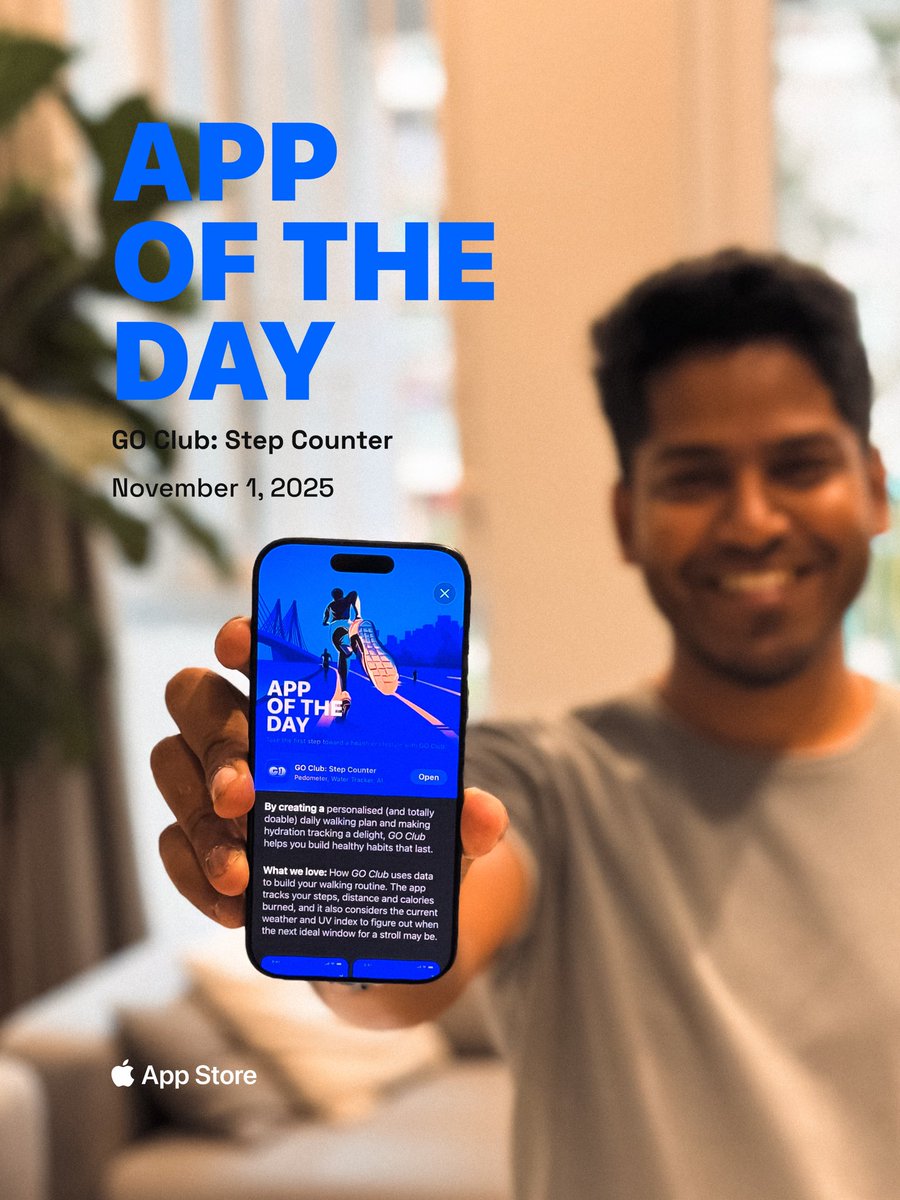
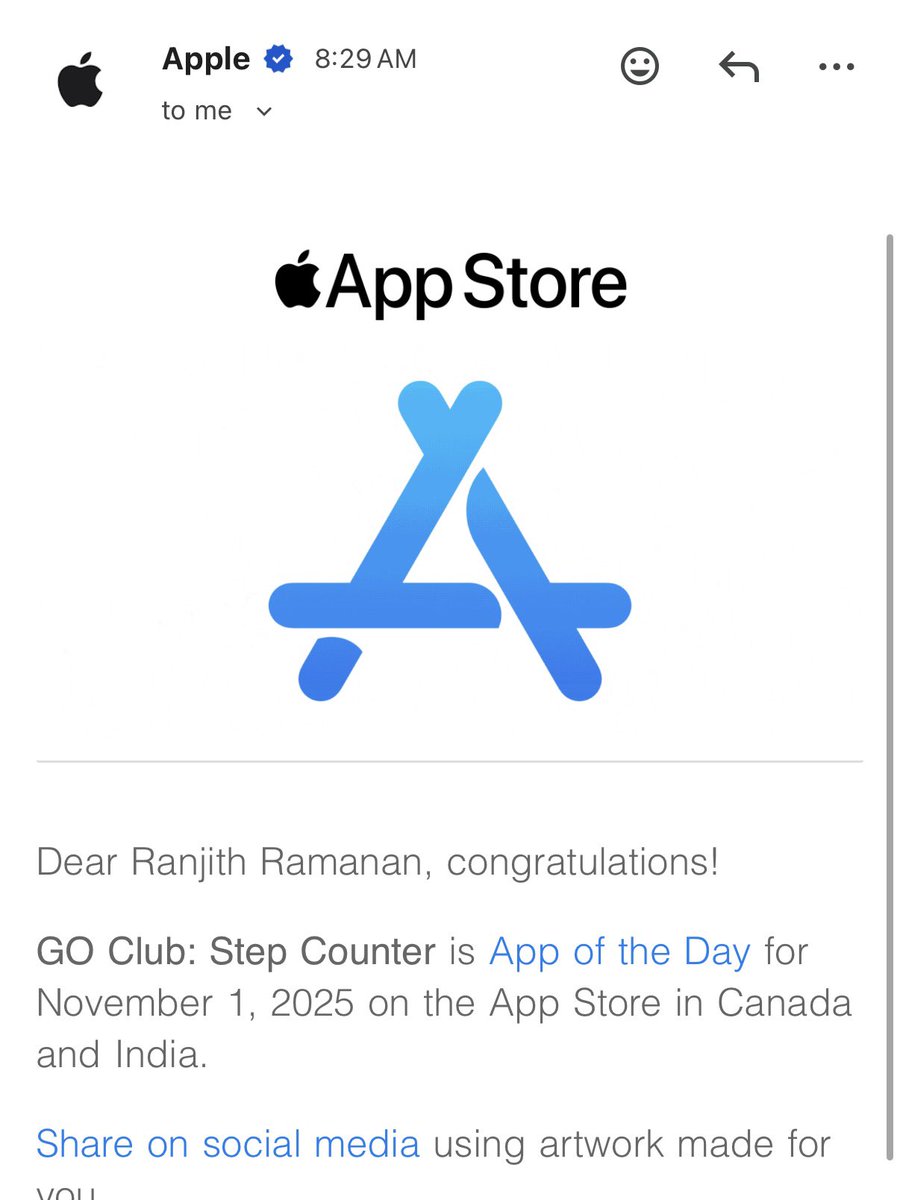
GO Club got featured as App of the Day in India and Canada 🇮🇳🇨🇦 and it happens to be Kerala Piravi too, my home state’s birthday.
ഇതിനെക്കാൾ നല്ല യാദൃശ്ചികത ഇല്ല! നന്ദി എല്ലാവർക്കും 💙

9
6
117
5,332
Anoop Surendran retweeted

19 Oct 2025
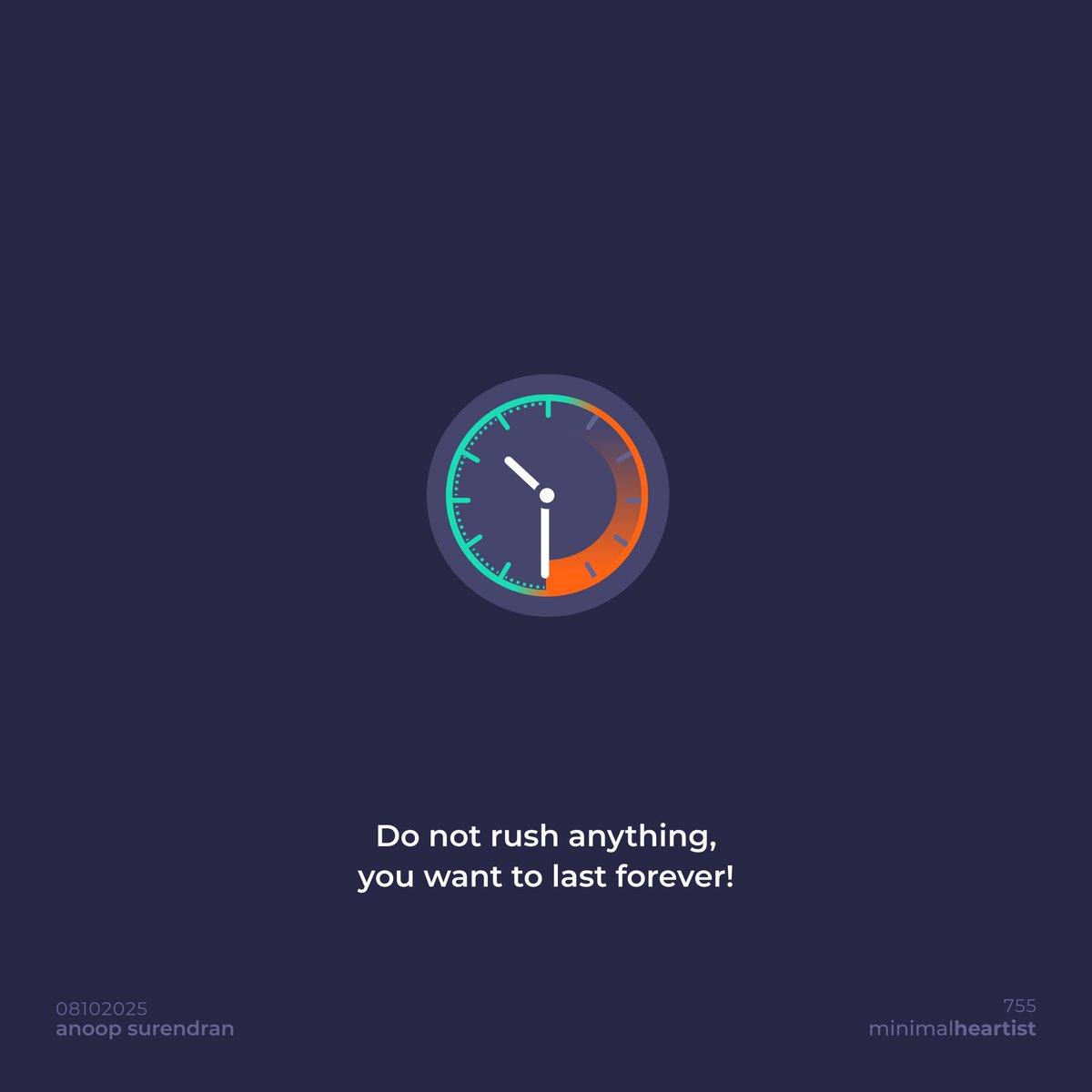
Do not rush anything, you want to last forever!
1
1
81
Anoop Surendran retweeted

8 Oct 2025
Word doesn't make you a Writer. And Figma doesn't make you a Designer.
And also: everyone working on software should care about design. We should welcome more input in the design process and encourage non-designers to improve their skills / taste.
6
15
147
15,973

BREAKING 🔥
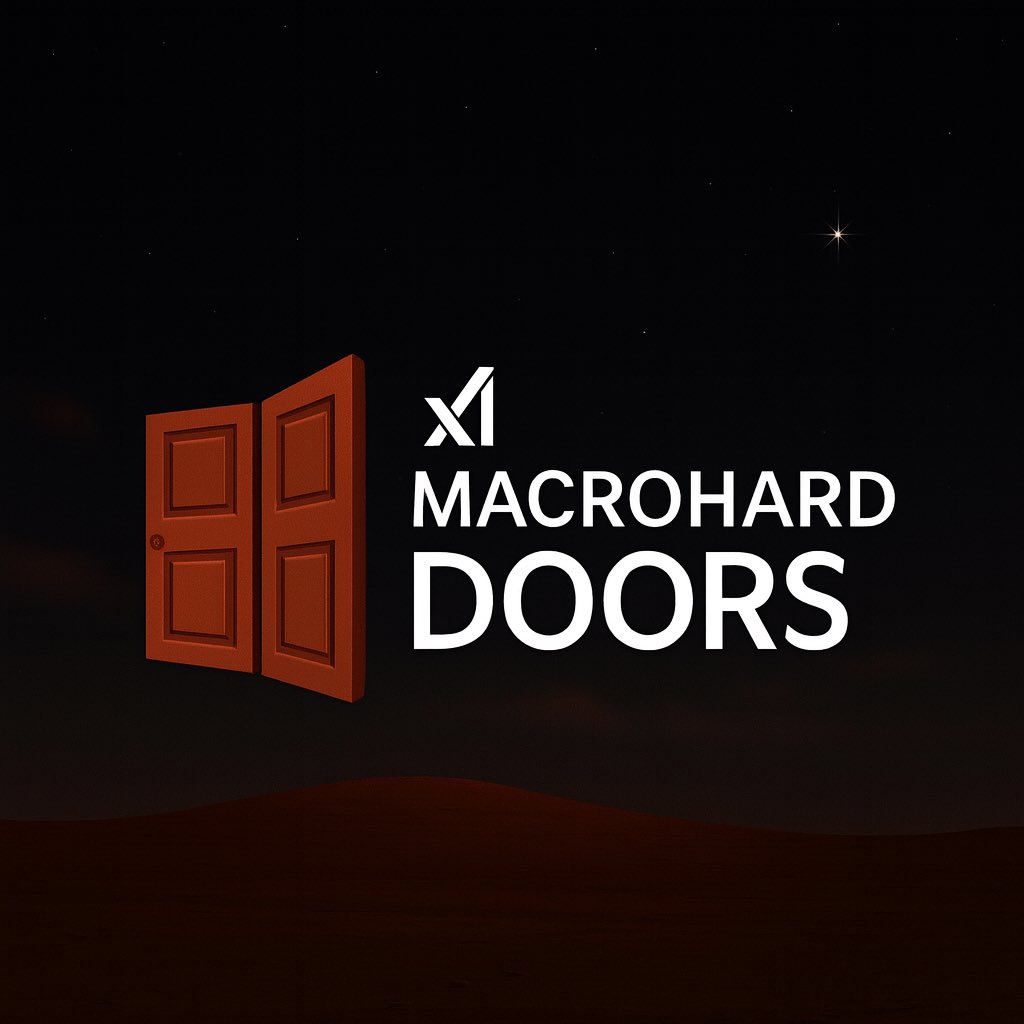
@xai just revealed Macrohard Doors — the first AI-only operating system.
Introducing nOS: a neural operating system where nothing is hardcoded, everything is created on the fly by @grok.
Here’s your first look at the OS’s visual style:
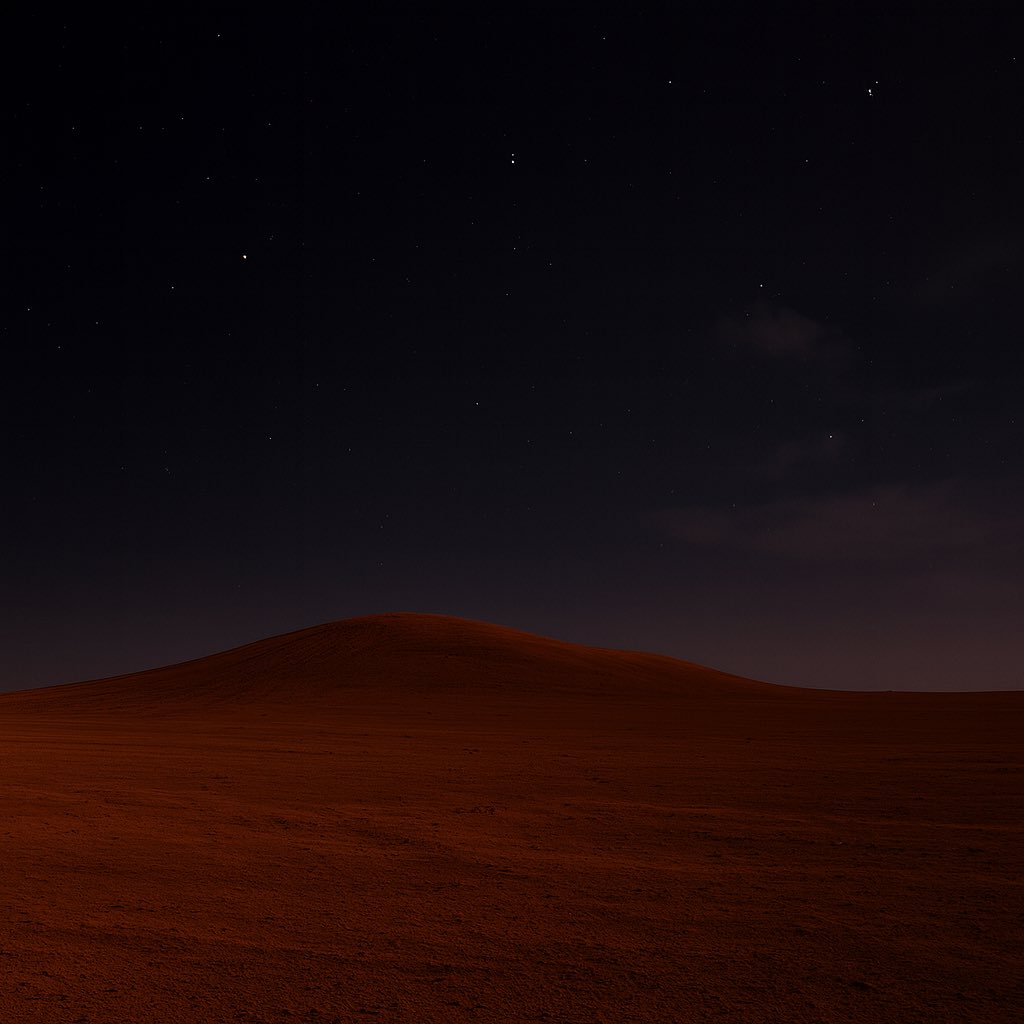

Join @xAI and help build a purely AI software company called Macrohard. It’s a tongue-in-cheek name, but the project is very real!
In principle, given that software companies like Microsoft do not themselves manufacture any physical hardware, it should be possible to simulate them entirely with AI.
195
368
4,068
756,233
Anoop Surendran retweeted
6 Oct 2025
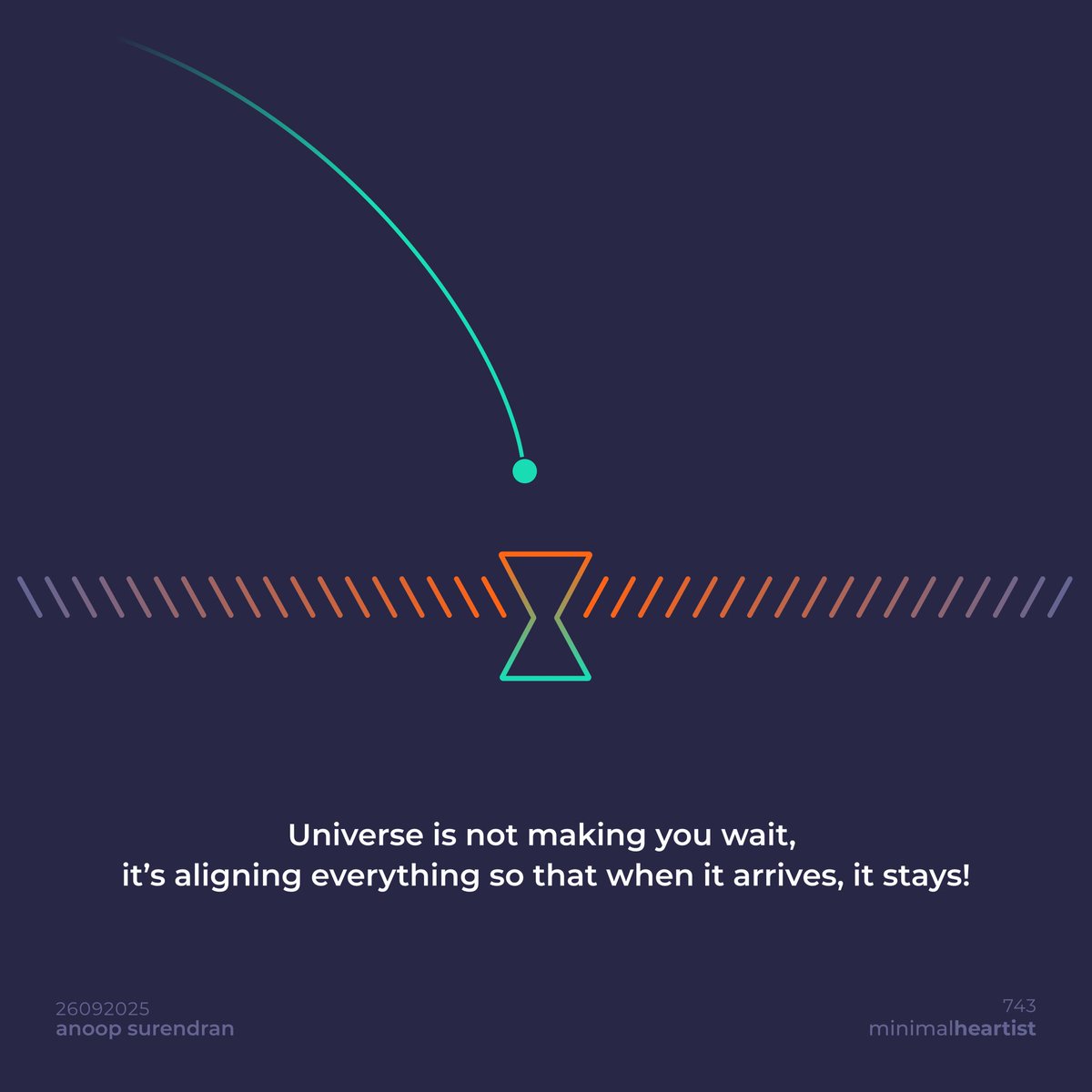
Universe is not making you wait, it’s aligning everything so that when it arrives, it stays!
2
4
79
Anoop Surendran retweeted

18 Sep 2025
This dude shoots modern skits styled like the 1980s.
In this one, he takes his girlfriend on a date to McDonald’s and compares it to today’s version
329
1,454
20,673
1,480,368
Anoop Surendran retweeted

28 Aug 2025
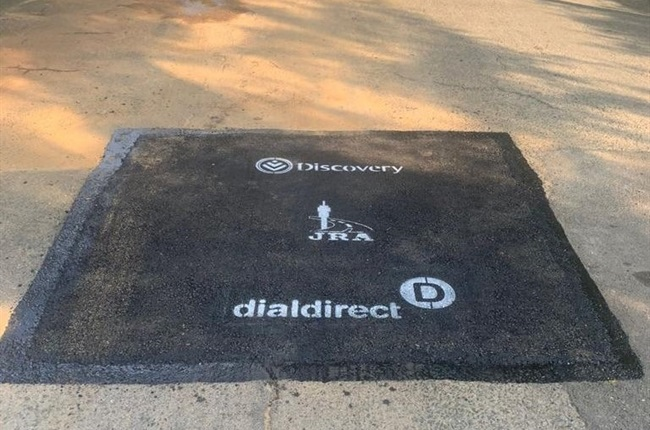
In South Africa, brands repair potholes.
48
102
663
559,800
Anoop Surendran retweeted

15 Sep 2025
Introducing VEED Fabric 1.0
The world’s first-ever AI talking video model.
– 1-minute-long videos
– 60x cheaper
– 7x faster
🚨 Giving away unlimited FREE credits for the next 24 hours.
(until they run out).
Want access?
• Retweet
• Leave a comment
2,384
1,728
3,233
474,029

9 Sep 2025
RT @alterego_io: Introducing Alterego: the world’s first near-telepathic wearable that enables silent communication at the speed of thought…
1,689

Anoop Surendran retweeted
22 Aug 2025
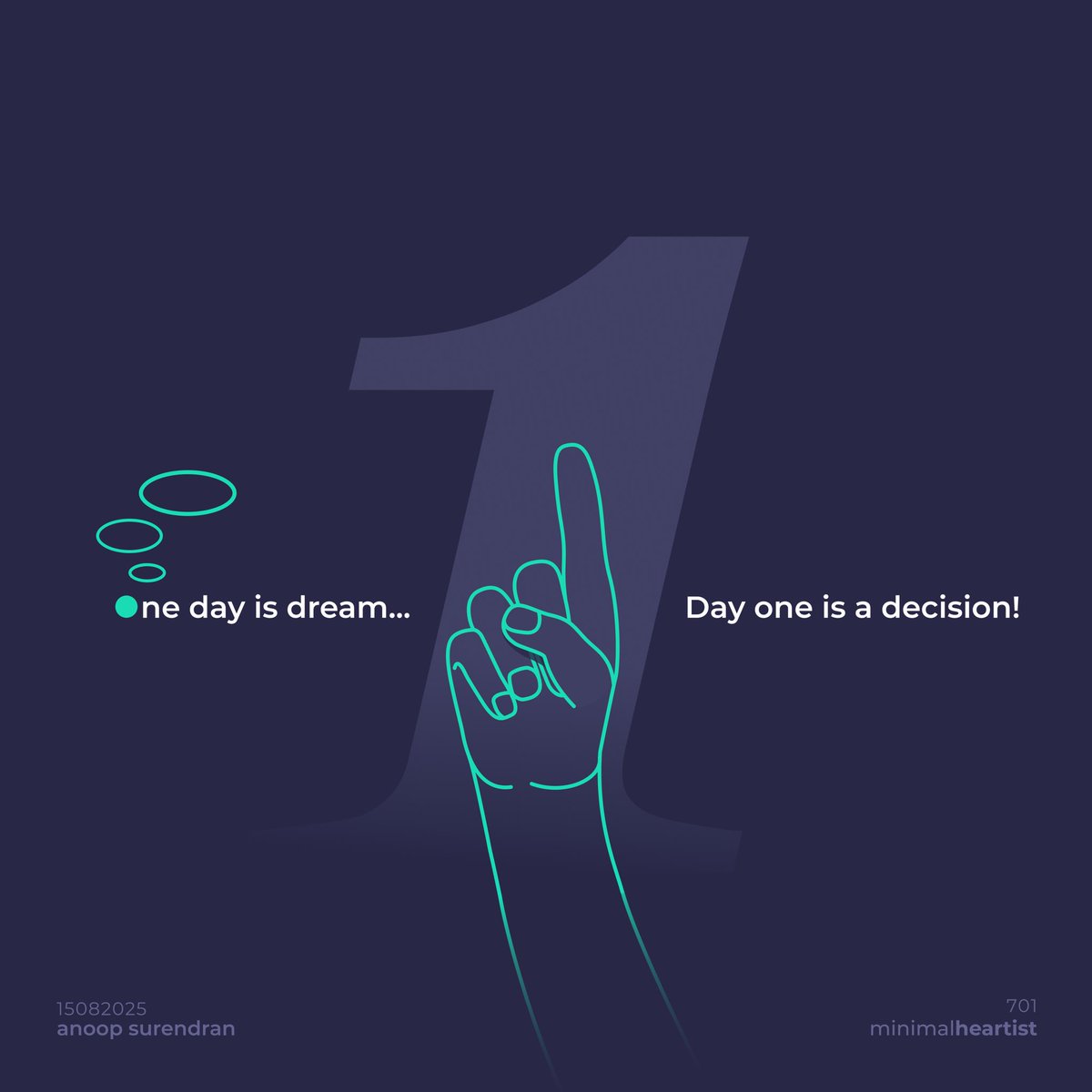
One day is dream… Day one is a decision!
2
4
82