Joined May 2009
- Tweets 2,455
- Following 227
- Followers 690
- Likes 1,949
57 Photos and videos



David Tinker retweeted
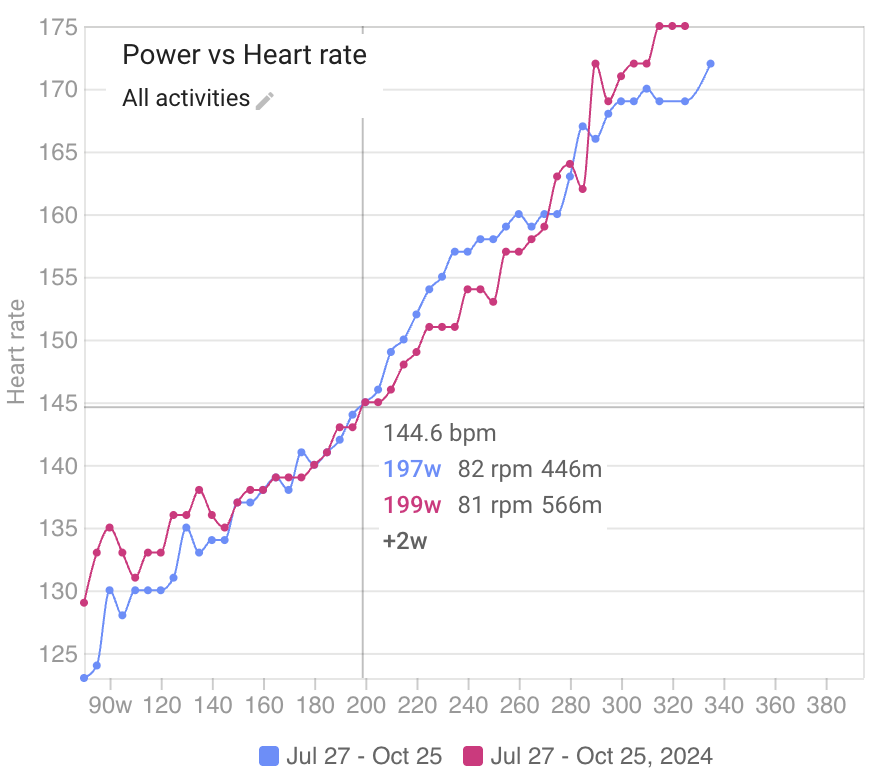
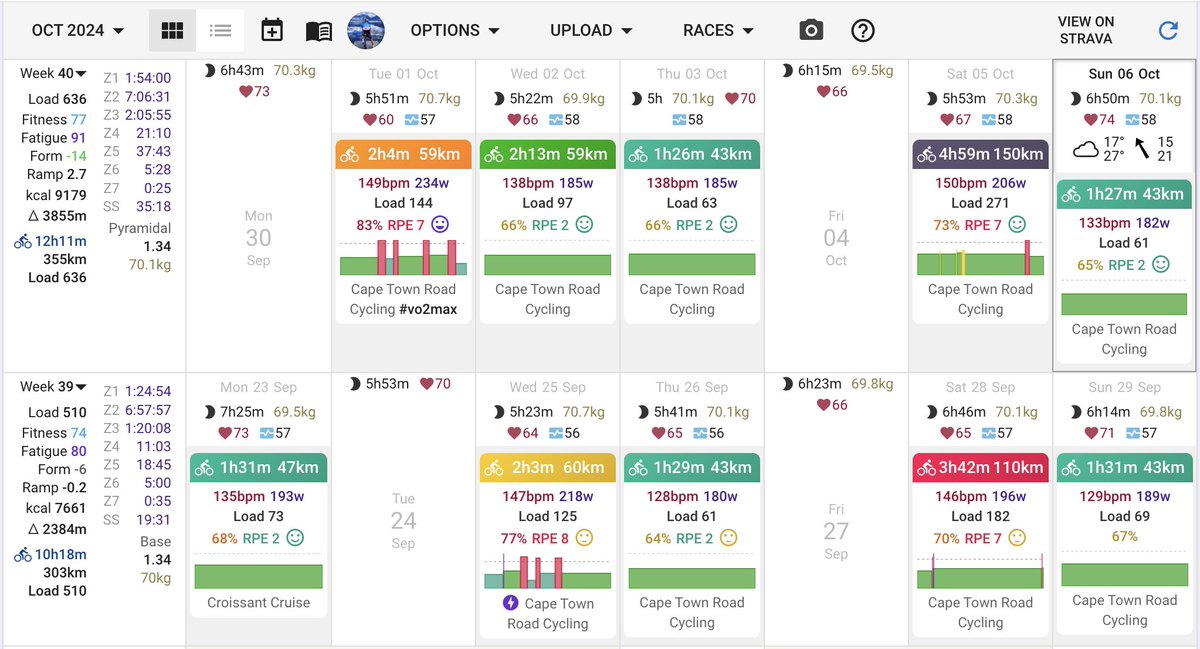
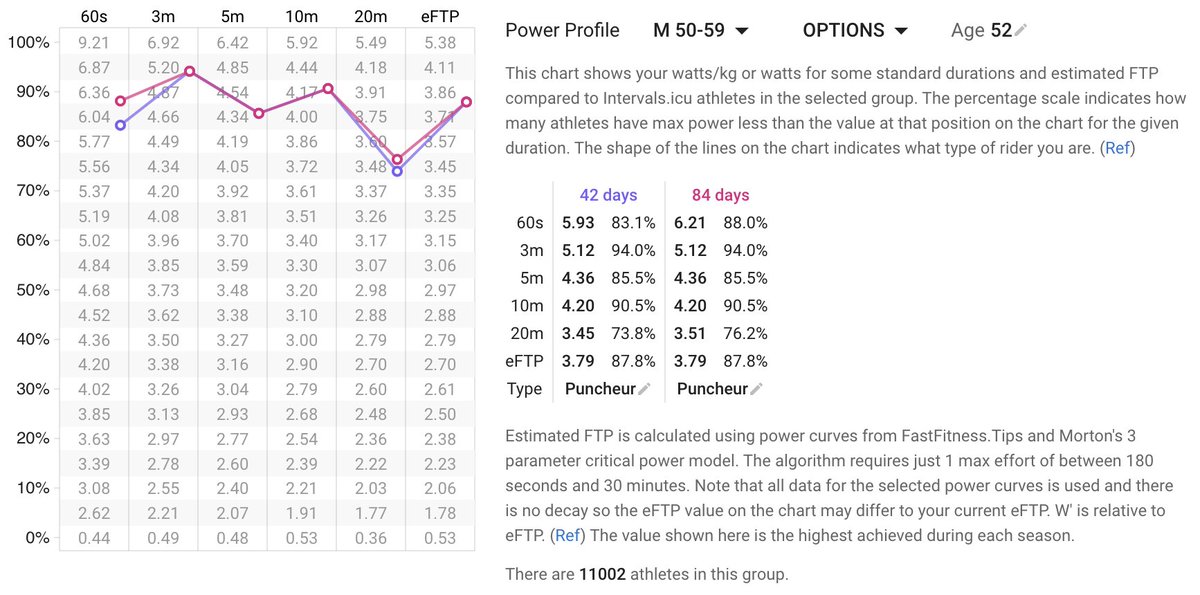
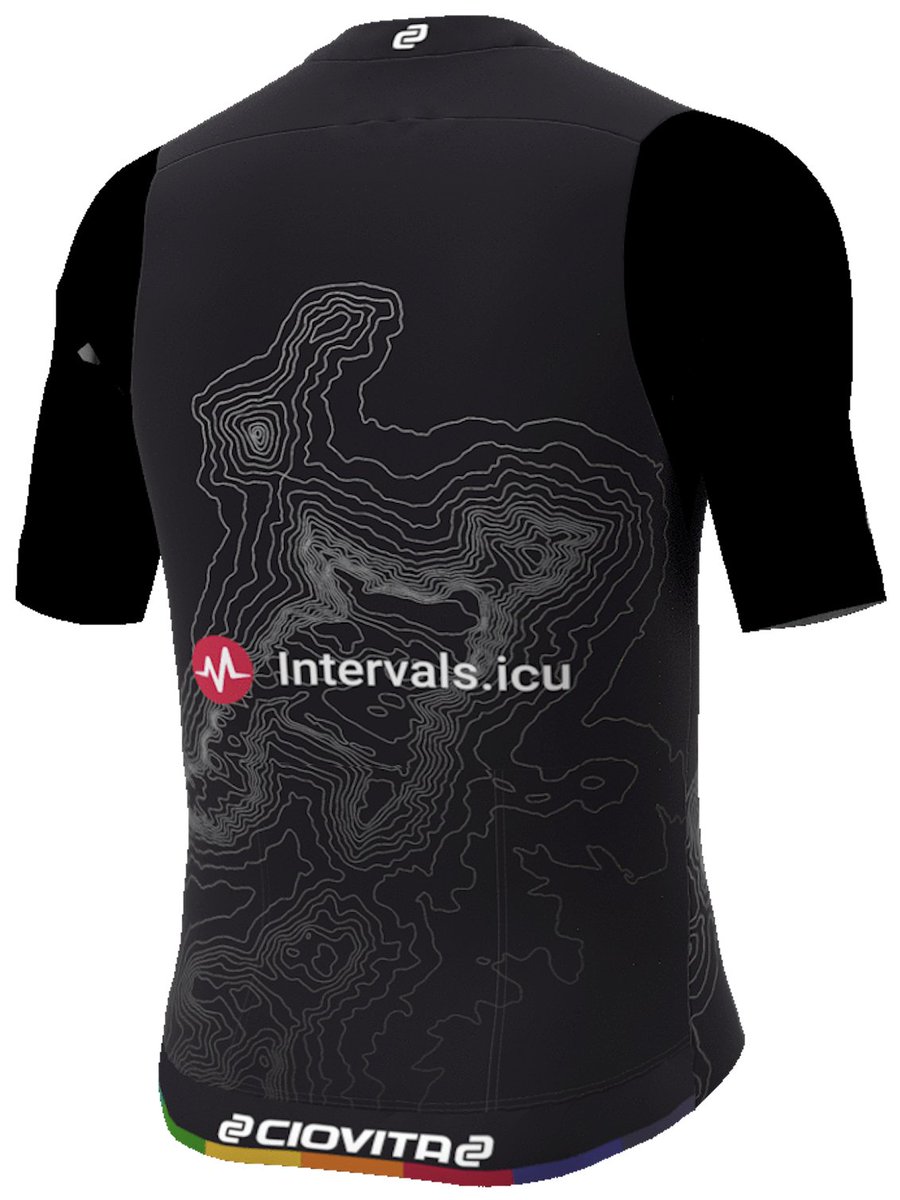
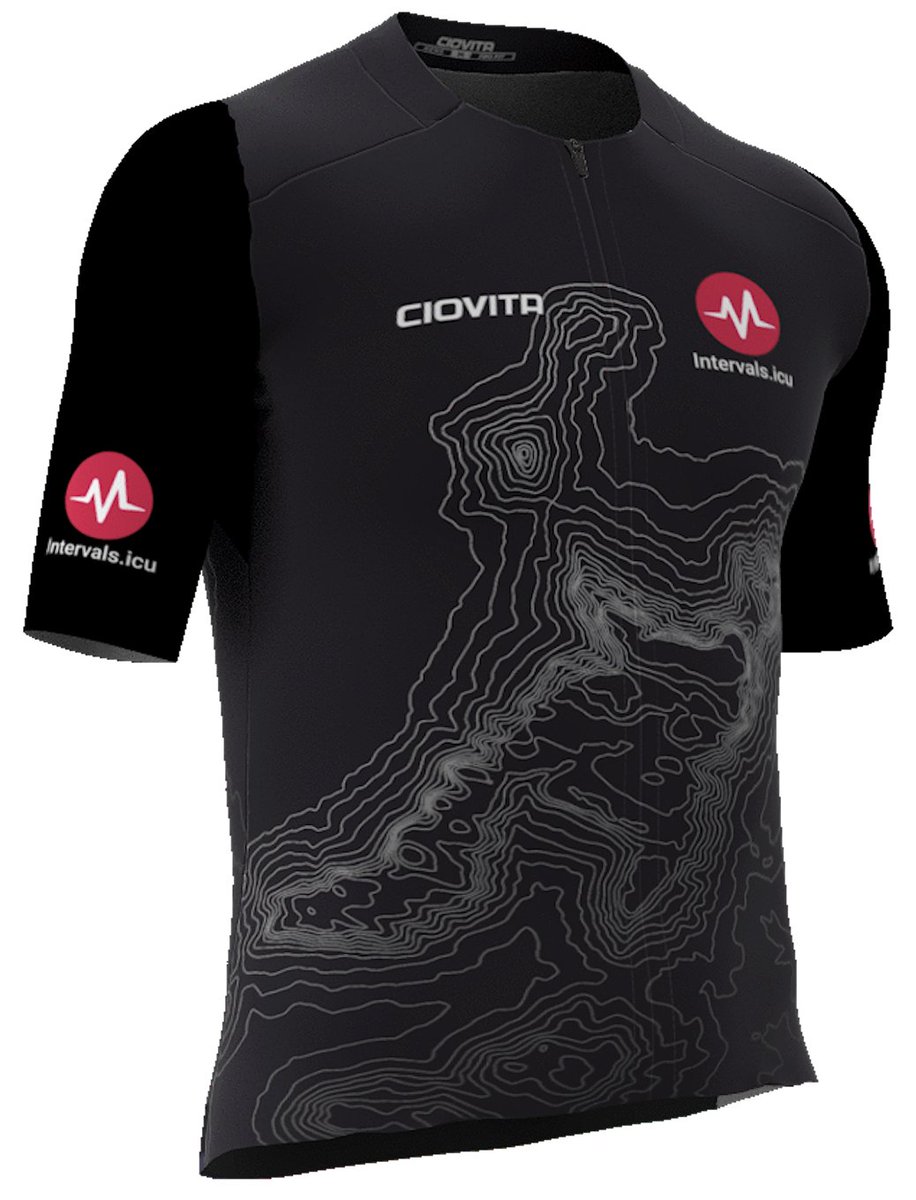
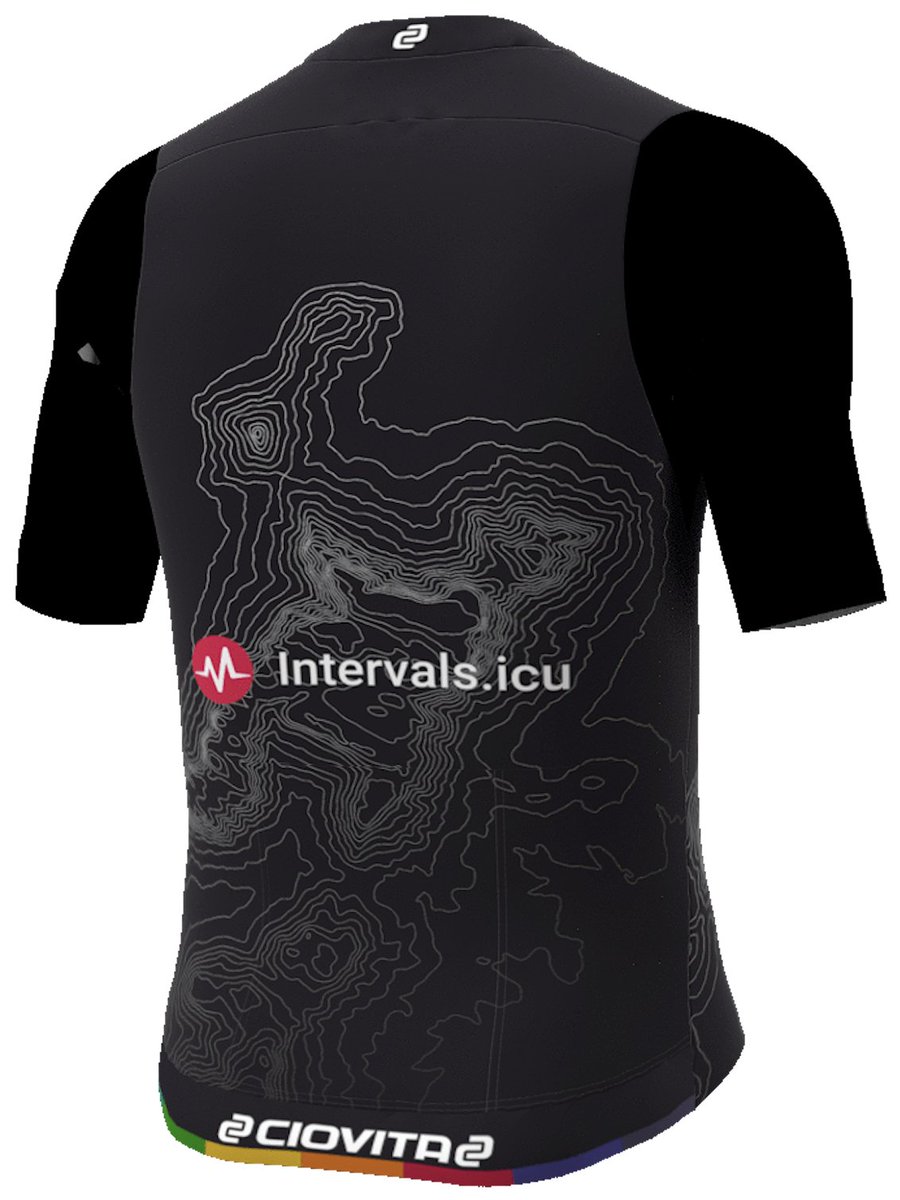
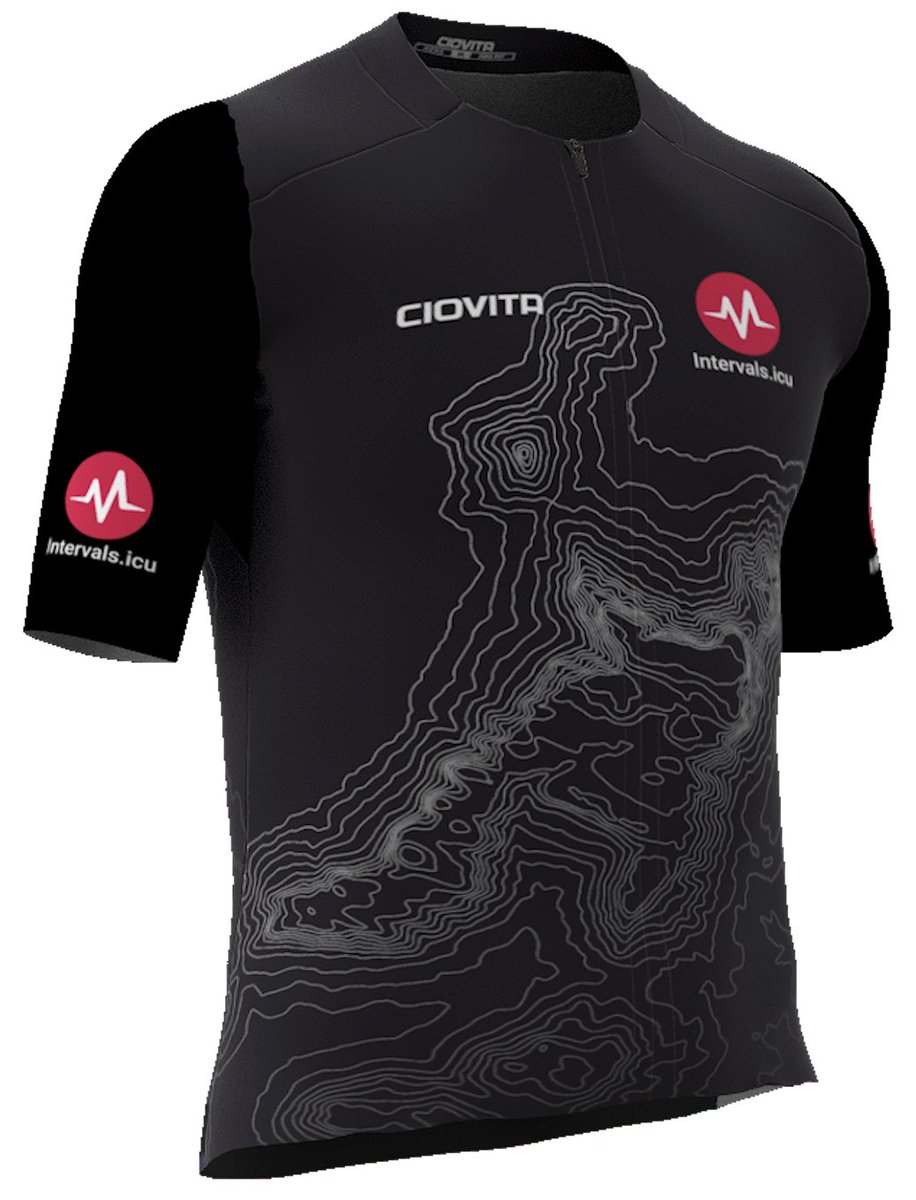
Intervals.icu branded kit is now available to supporters! Thanks @ciovitacycling forum.intervals.icu/t/merch-…
1
2
9
619
David Tinker retweeted
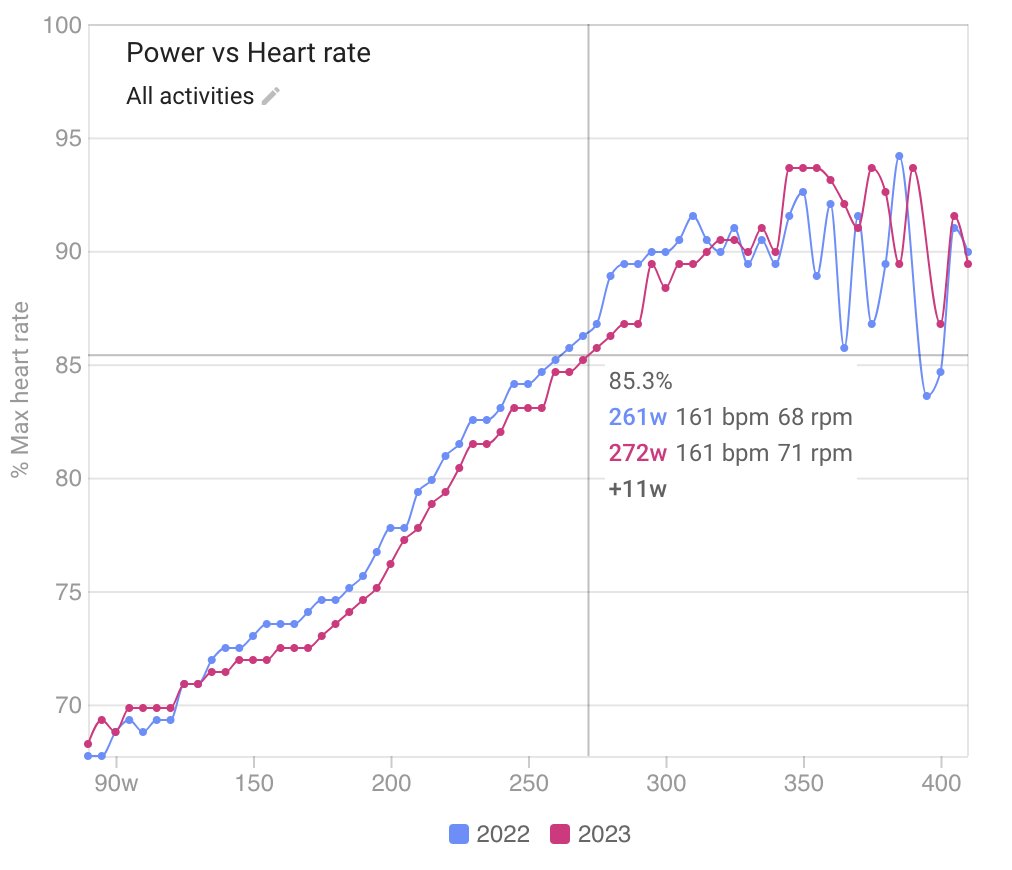
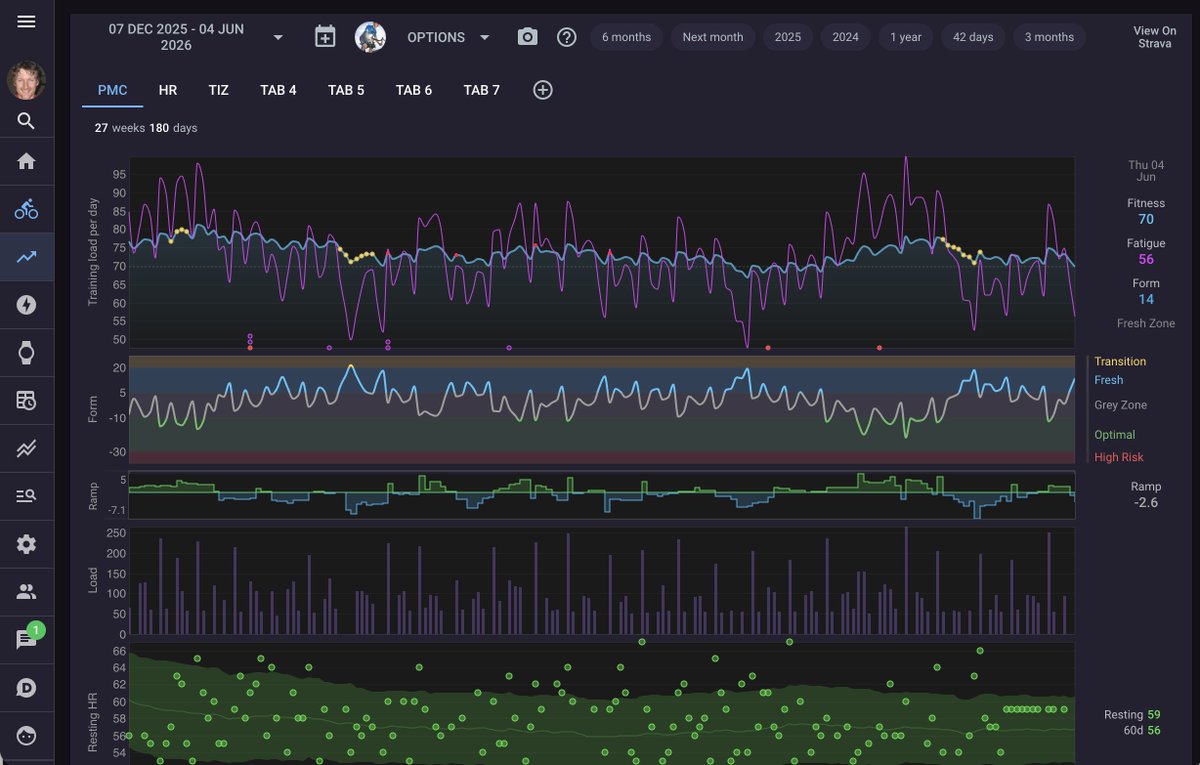
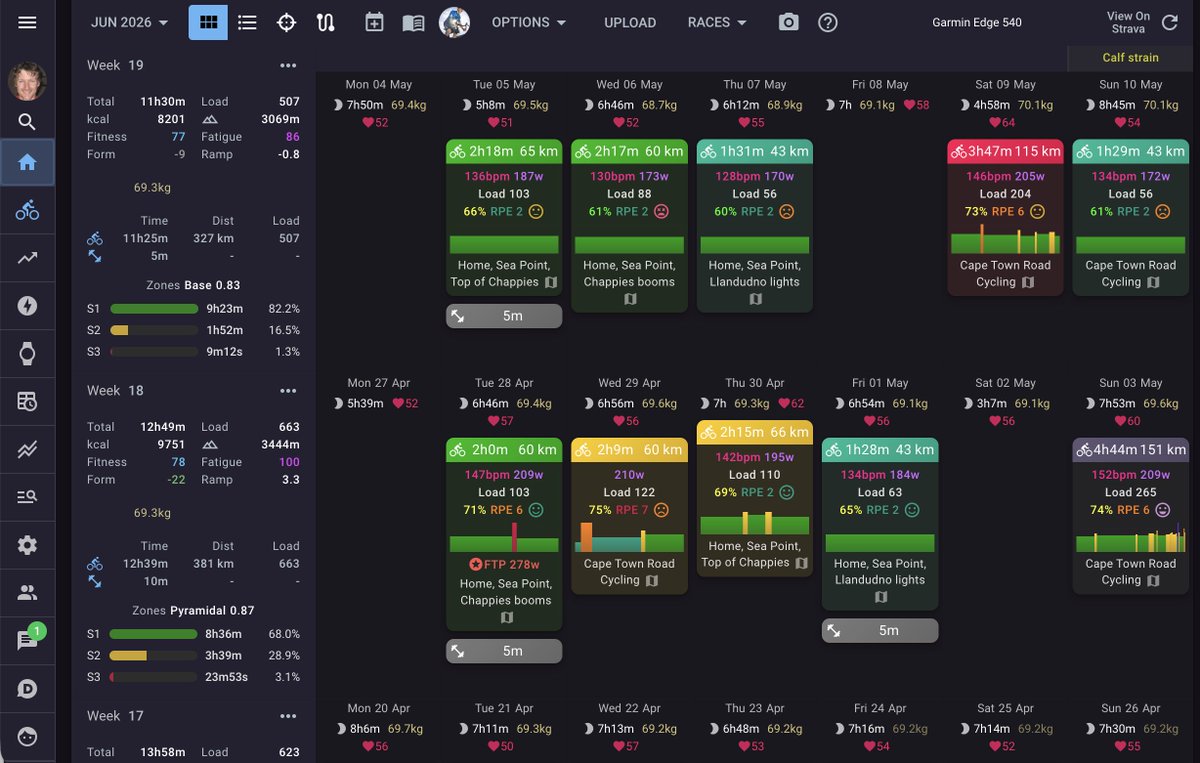
Intervals.icu now has dark mode, supporters will soon be able to buy branded kit from @ciovitacycling, Download 1 year of history from @GoZwift ! forum.intervals.icu/t/interv…
5
21
1,287
David Tinker retweeted

May 25
Major cognitive dissonance reading this. This guy is obviously a way better developer than I’ll ever be, but to my mind type systems are just another way to write tests. If you go without types, you still do the same amount of work except you do it in your tests. Which seems like more work than just using types. What am I missing?

Agents don't need types. They're perfectly capable of pulling off incredible refactorings without. Give them a linter and a test suite, and you have all you need. Token efficiency is where it's at.
1
1
201
David Tinker retweeted

May 23
30 years ago I was working with elite athletes and drawing training zones on paper based on blood lactate curves.
No substrate data. No indirect calorimetry. Just the conviction that something metabolically distinct was happening at each intensity — and that Zone 2 was where the most important adaptation was taking place.
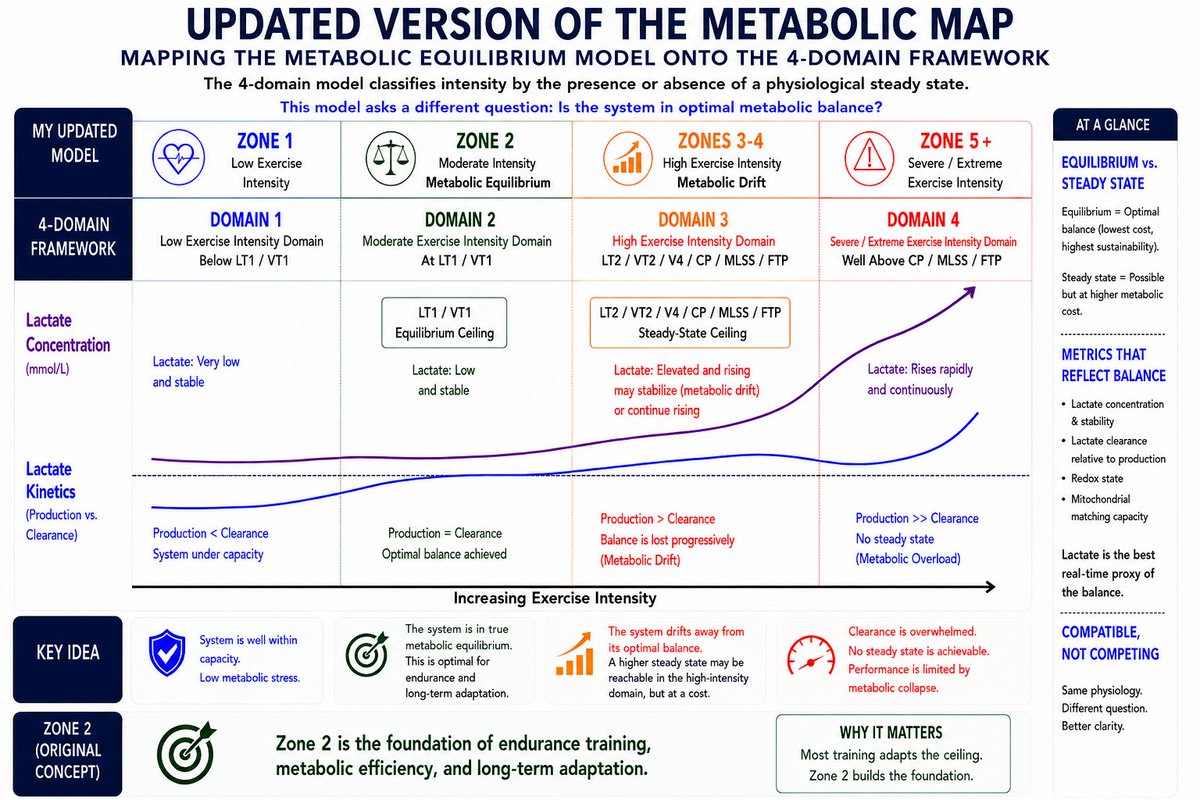
In 2005 I began adding fat and carbohydrate oxidation rates to the picture, and what the substrate data revealed confirmed what the lactate curves had been suggesting all along: each intensity represents a distinct metabolic state, not just a point on a continuum of effort.
That work became the Metabolic Map in 2013. Then the metabolic flexibility paper with George Brooks in 2018. And now the updated 2026 framework, which maps four metabolic states onto classical threshold models and asks a question the older models never quite posed:
Is the system in optimal metabolic balance, or is it drifting away from it?
Lactate turns out to be the best real-time proxy we have for answering that question. It tracks metabolic equilibrium, the onset of drift, and the progression toward overload better than any other single variable we can measure in the field.
Thirty years of work. One molecule. One central question.
My last substack article
open.substack.com/pub/inigos…
7
79
452
25,395
David Tinker retweeted

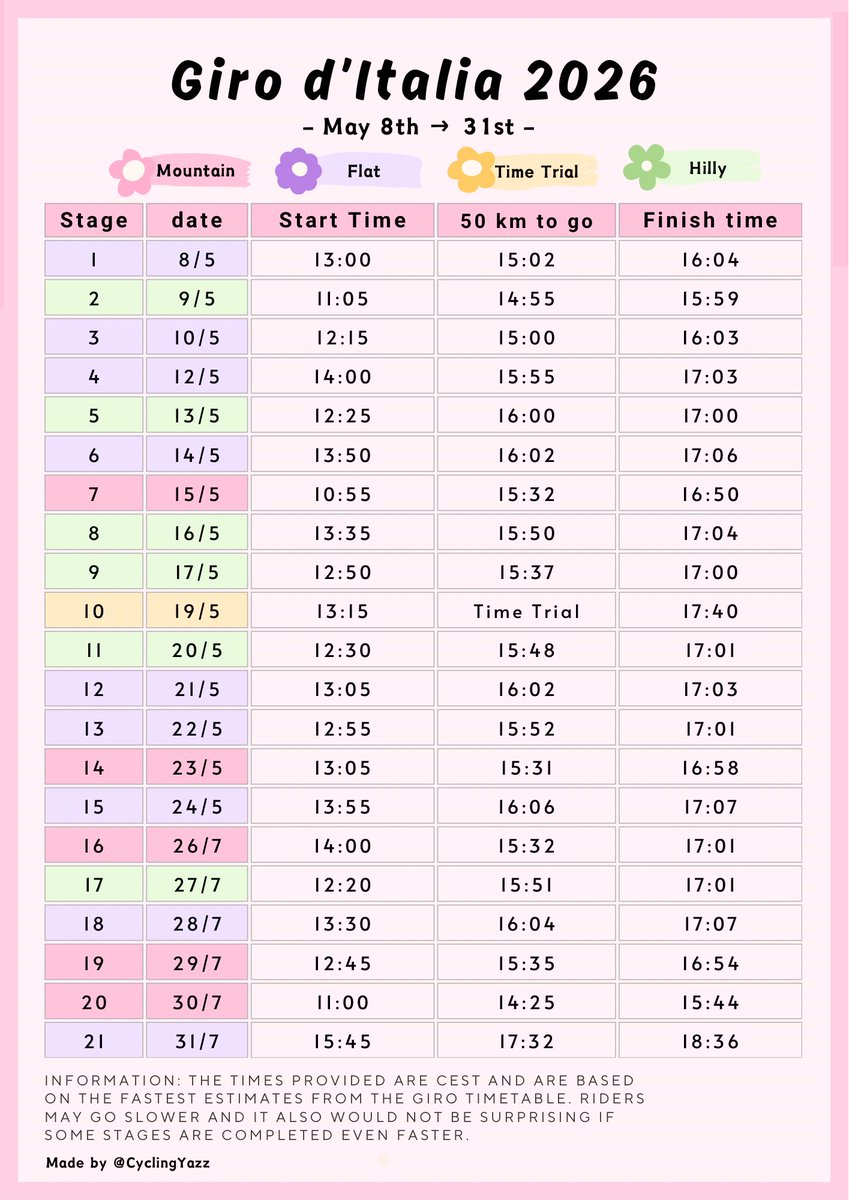
The #GirodItalia starts tomorrow!!! 🩷🇮🇹
Want to know when to tune in?
Here are the expected start and finish times for every stage ⏰
(Time is CEST and based on fastest expected time)
5
35
243
10,682
David Tinker retweeted

Apr 29
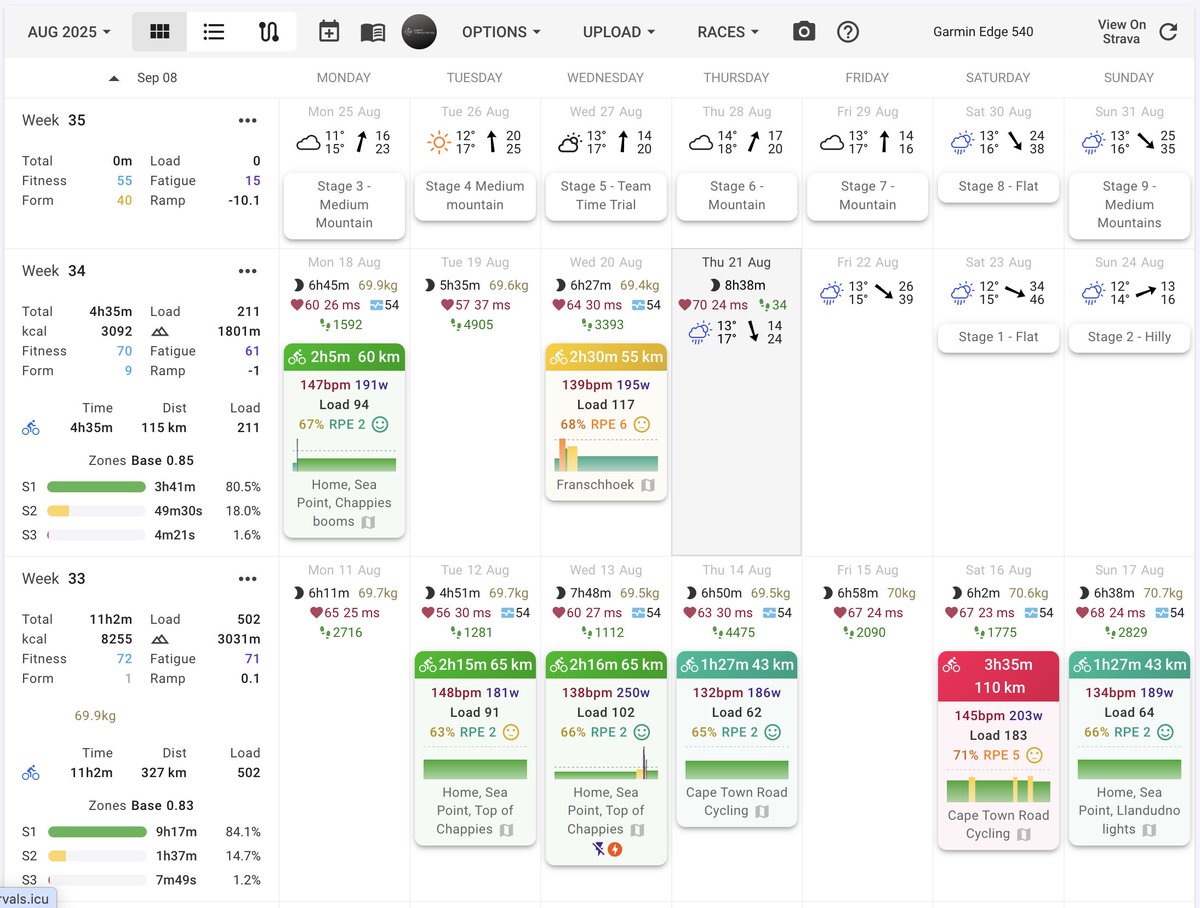
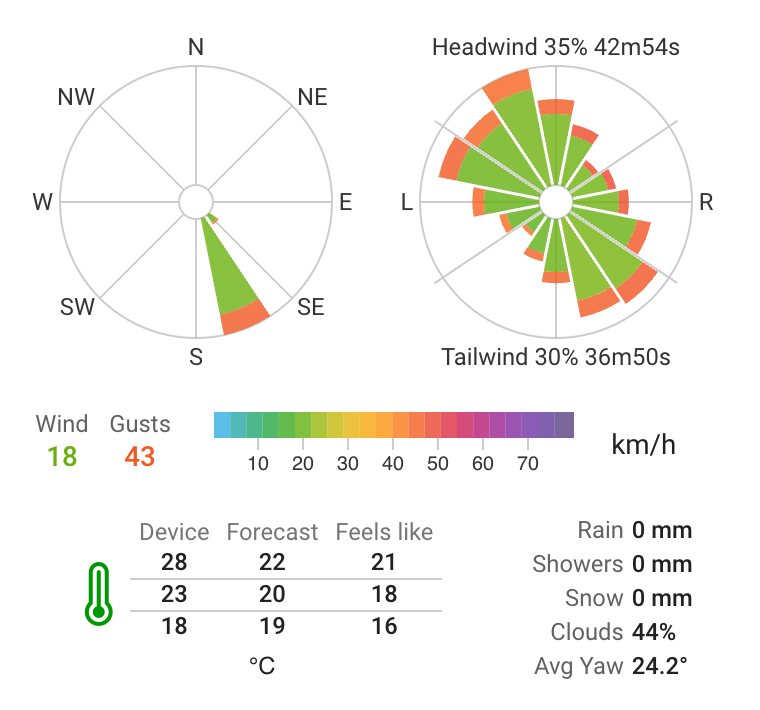
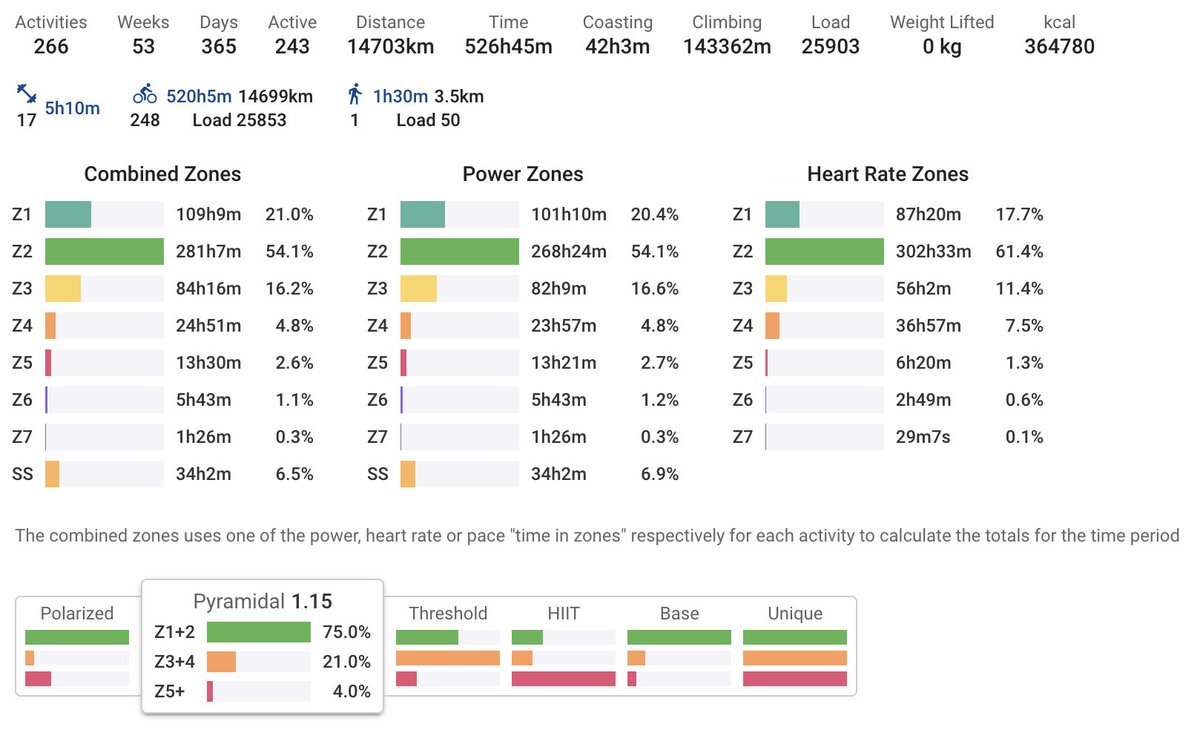
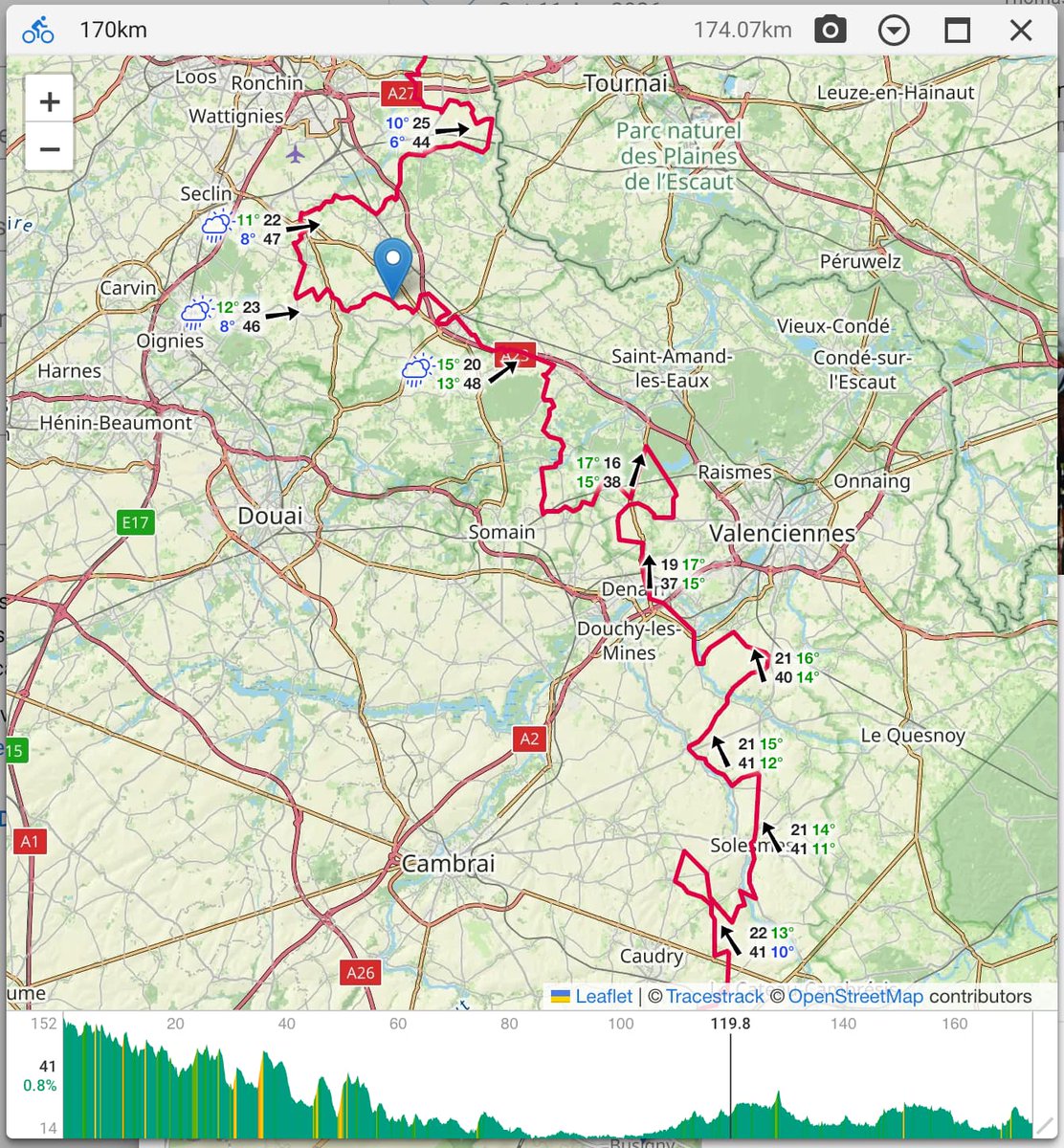
Intervals.icu now has weather on courses for races, easy custom formulas on timeline charts, lots of other stuff in the news update! #cycling #running forum.intervals.icu/t/interv…
1
3
46
3,110
David Tinker retweeted

1/7
How many carbs per hour during cycling races?
In recent years, intake has increased massively:
30 → 60 → 90 → 120 g/h… and even more.
But should everyone aim for the same number?
🧵👇
1
3
15
6,688
David Tinker retweeted

The new performance metric that may replace W/kg
escapecollective.com/compoun…
6
13
104
69,515
David Tinker retweeted

Mar 29
Let me explain what I mean using your chess analogy...
Imagine a world where chess doesn't exist. In this world, humanity encounters an alien species, and they say "let's play a game of Glurg, it's our traditional pastime. Here are the rules, see you tomorrow" -- and it's the rules of chess.
My claim is that following this interaction, a working group of the world's best minds, leveraging current externalized cognitive infrastructure (computers, the internet, etc.) would be able to analyze the rules and develop a working 3000 Elo chess engine within 24 hours, in time for the match. Give them an extra 3 weeks and they'd have a 3500 Elo engine that's 10x more compute efficient.
So human intelligence is already at a level where we can go from "here are the rules" to "I can play at 3000 Elo" immediately. Not optimal yet, but not too far off.
Mar 29

On @fchollet's view (I'd summarize) the domain of real life is closer to chess than to Go, with human play already near-optimal and top machines giving only knight odds; rather than God having a 5-stone handicap, as thought to be true of Go. (He is being silly, of course.)
81
24
475
112,699
David Tinker retweeted

Mar 15
Absolutely mind blowing…
Mar 14

I genuinely think this might be the most important story I’ve read this year and I need to talk about it
a guy in australia just designed a custom mRNA cancer vaccine for his dying dog using chatGPT and alphafold, he has 0 background in biology and it worked, the tumor shrunk by half, the genomics researchers are absolutely stunned & I genuinely think this story is way bigger than people realize
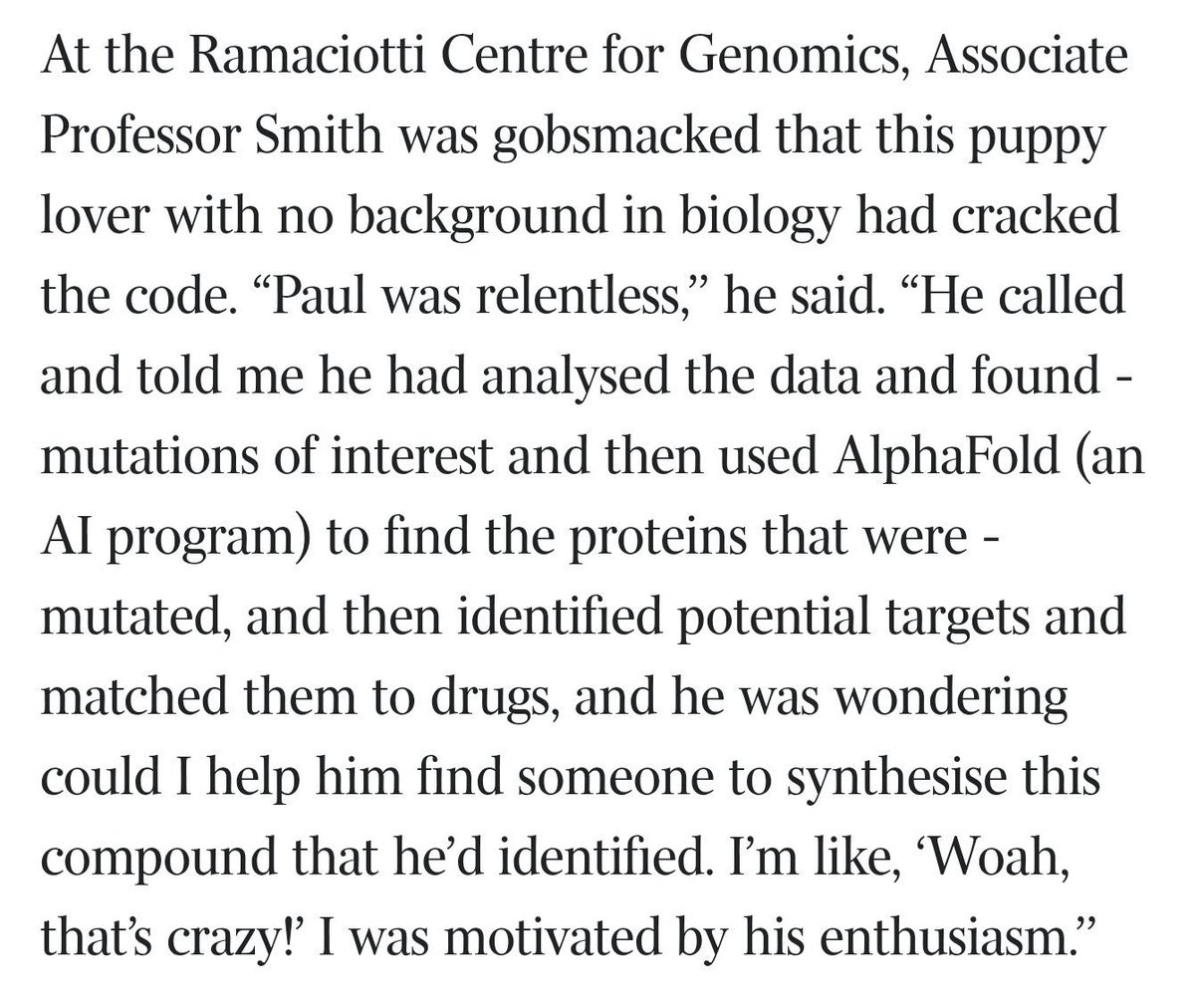
here’s what he actually did, he paid 3000 bucks to get the tumor DNA sequenced, fed the data to chatGPT to identify mutations of interest then used alphafold to predictt the 3D structure of the mutated proteins & find therapeutic targets, then he designed a custom mRNA vaccine targeting the specific neoantigens of his dog’s tumor, all of this from his laptop & the genomics professor who received the sequencing request initially thought it was a joke
few months later this same professor is looking at the results saying if we can do this for a dog why are we we rolling this out to all humanswith cancer
and this is where I need you to understand what alphafold actually represents because I’m convinced most people have heard the name without grasping what’s hapening underneath:
for decades figuring out the 3D structure of a single protein required months sometimes years of X-ray crystallography /cryoelectron microscopy, entire labs dedicated to one molecule, alphafold2 solved this by predicting the structure of virtually every known protein thats ovr 200 million structures which earned it the Nobel prize in chemistry in 2024
but here’s the thing, alphafold 3 released in 2024 went even further where alphafold 2 predicted the structure of an isolated protein alphafold 3 predicts interactions between proteins DNA RNA small molecules & ligands in a unified system
basically it models how a drug molecule will bind to a protein target with 50% better accuracy than the best existing tools & it does it in hours instead of years and thats exactly what this guy exploited for his dog, he used alphafold to see the 3D shape of of the mutated tumor proteins & figure out how an mRNA vaccine could teach the immune system to recognize & destroy them specifically
and look what fascinates me personally is what this signals for whats coming next
isomorphic Labs the deepmind subsidiary dedicated to drug discovery already signed multibillion dollar partnerships with Eli Lilly & Novartis and the first drugs entirely designed by AI through alphafold3 are expected to enter human clinical trials by end of 2026
we’re talking oncology & immunology candidates that were designed through rational design meaning the AI literally drew the molecule to fit perfectly onto the target instead of screening millions of random compounds like we’ve been doing for 50y
by the way the movement is accelerating way faster than people think, deepmind open sourced alphafold 3 in late 2024 the scientific community immediately built on top of it, models like OpenFold3 backed by amazon & Novo Nordisk, startups like recursion developing specialized versions…
I’m telling you we’re entering the era of the autonomous lab where AI designs a molecule robots synthesize it & high-throughput platforms test it with 0 human intervention
I believe the next frontier is temporal modeling, today alphafold predicts the static shape of a molecule tomorrow we’ll predict how it moves & vibrates over time inside a living cell & after that come patient digital twins simulations that predict how your specific genetic variations will affect your response to a given drug, truly personalized medicine at the atomic level
traditionally it takes 15 years & roughly billion dollars to bring a drug from discovery to market, AI is compressing that cycle at a pace that should terrify every incumbent & what this australian guy just proved is that the entire pipeline tumor sequencing target identification structure prediction custom vaccine design can be executed by 1 person with a laptop for a few thousand $$

1
2
258
David Tinker retweeted
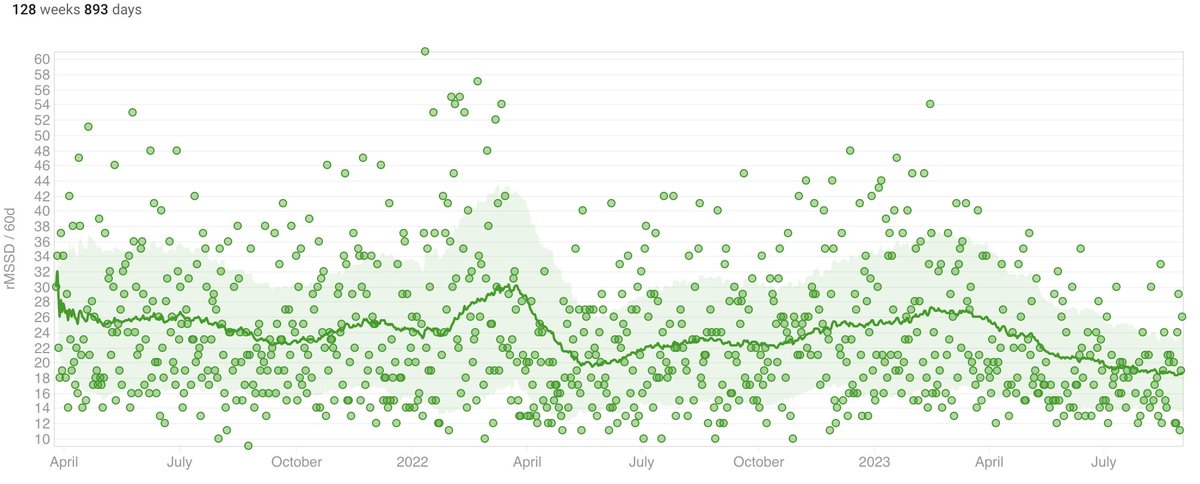
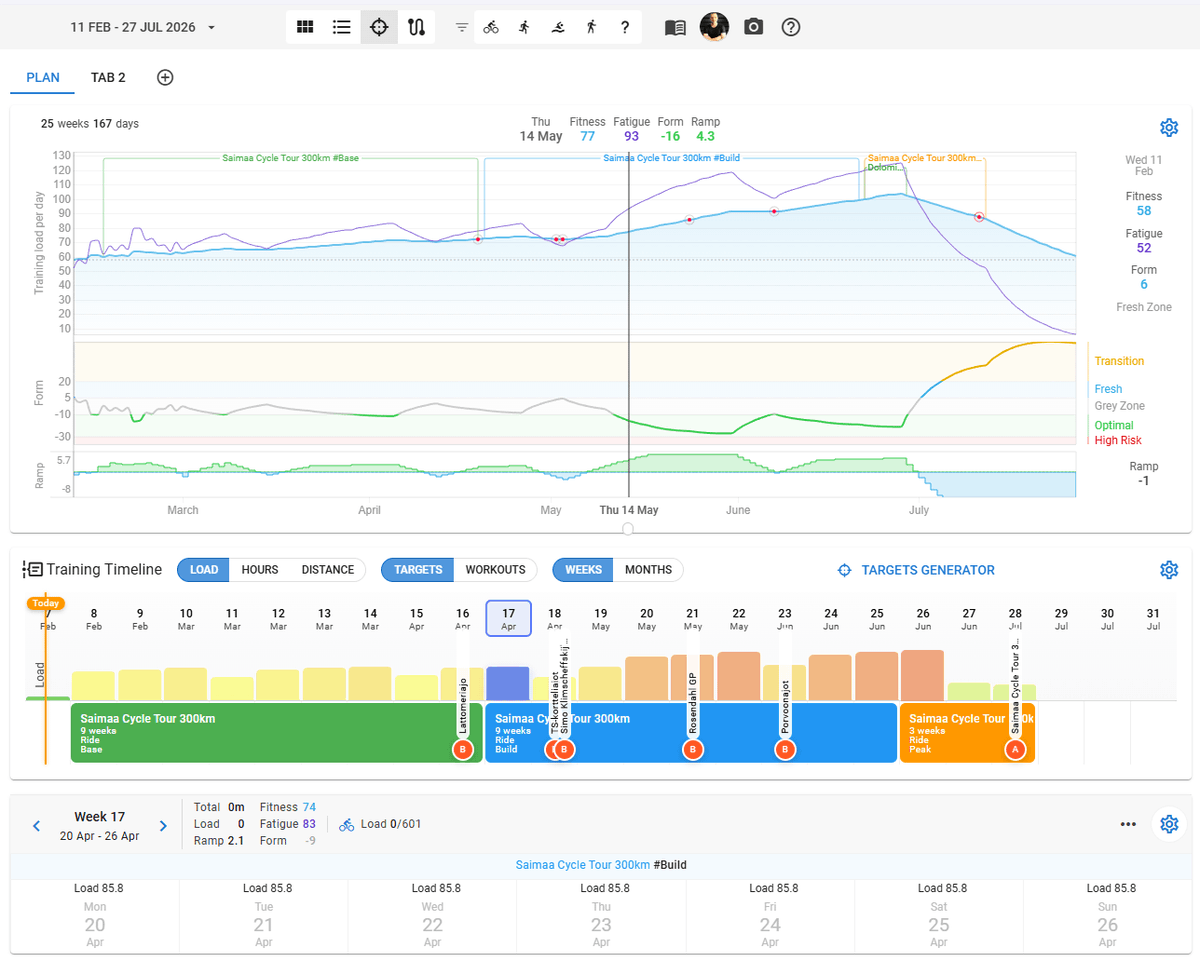
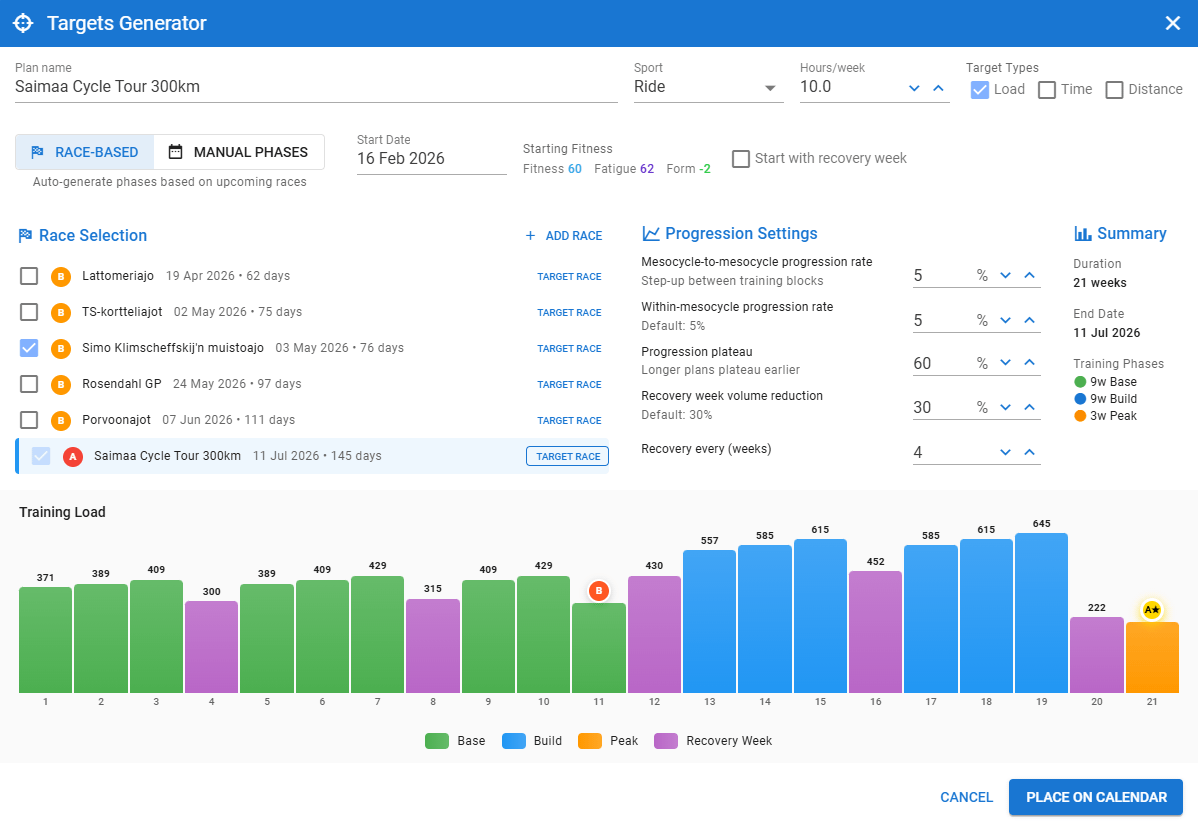
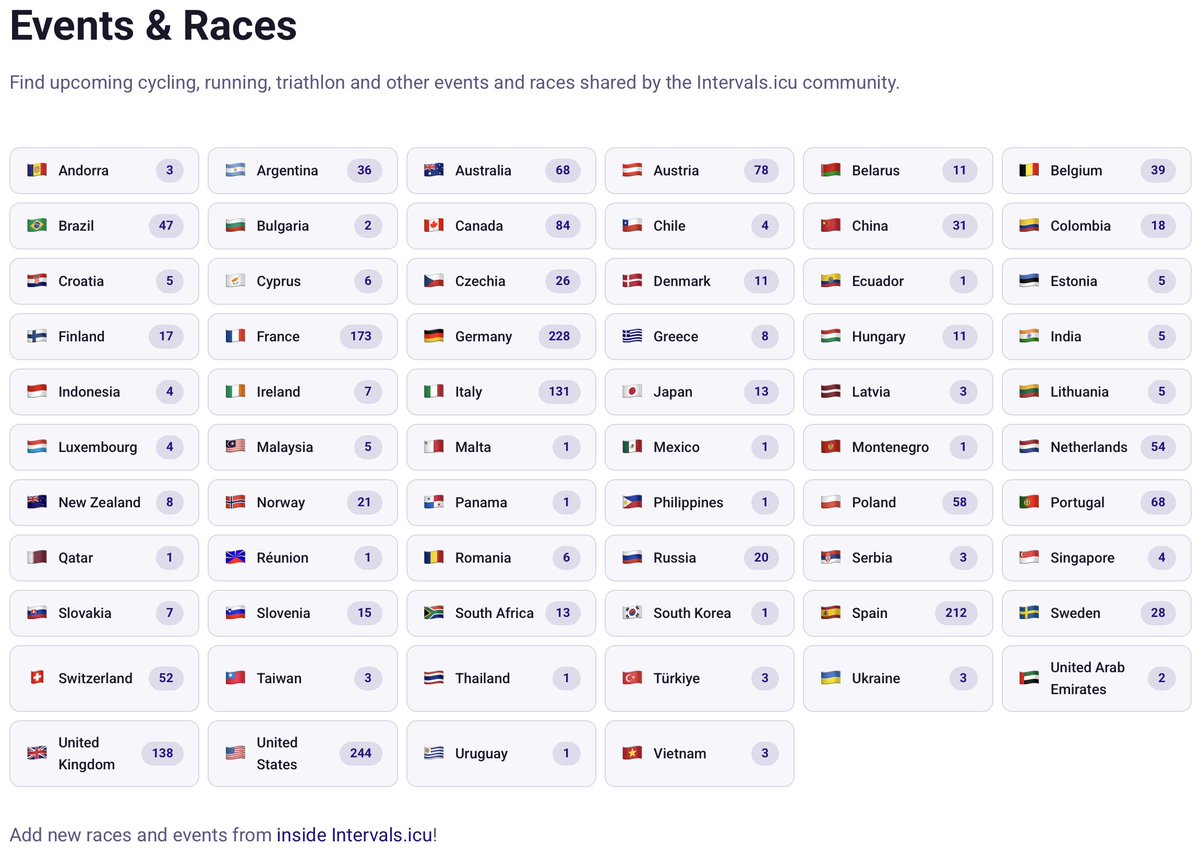
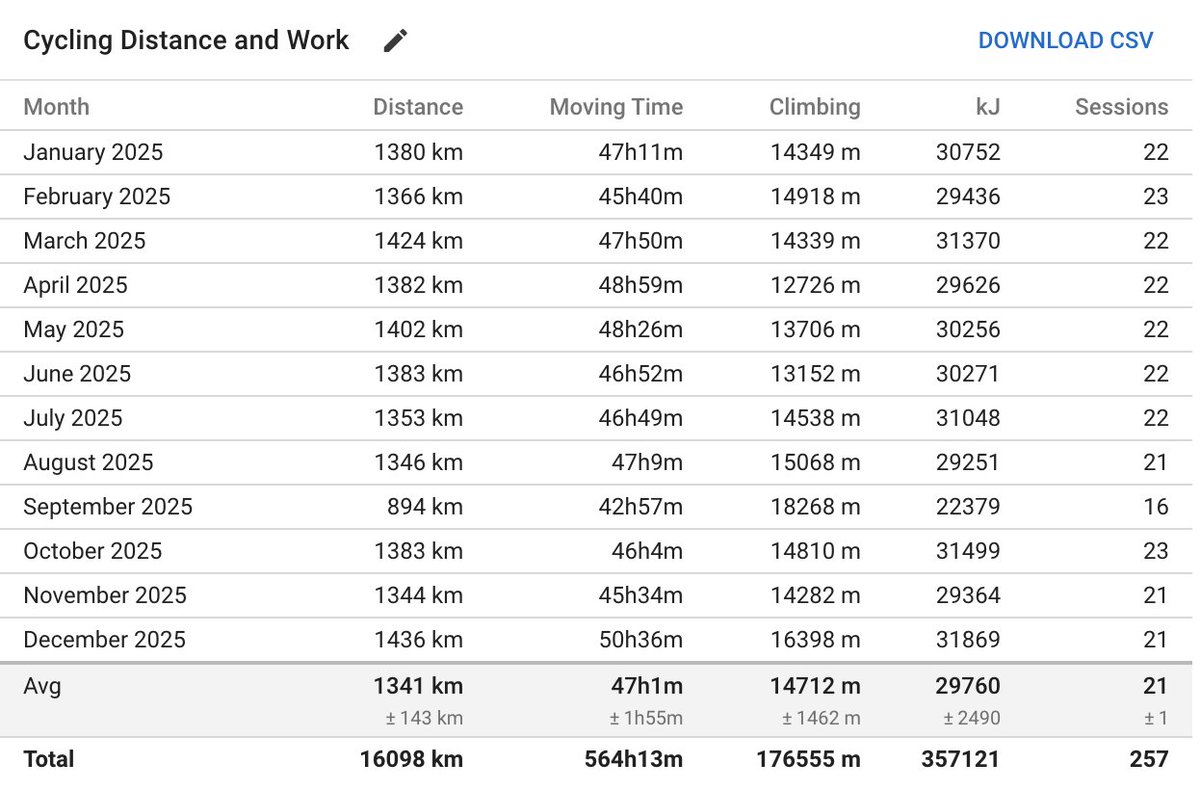
The Interval.icu news update is out and its packed with goodies: Annual training plan builder, totals tables, events listing, easy to use formulas and more forum.intervals.icu/t/interv… #cycling #running
2
7
80
5,371
David Tinker retweeted

We wanted to make this available to everyone, so we have integrated it into @app_thresholds alongside a whole app redesign ✍️
Try it out today at exercisethresholds.com/
3
10
26
1,275
David Tinker retweeted

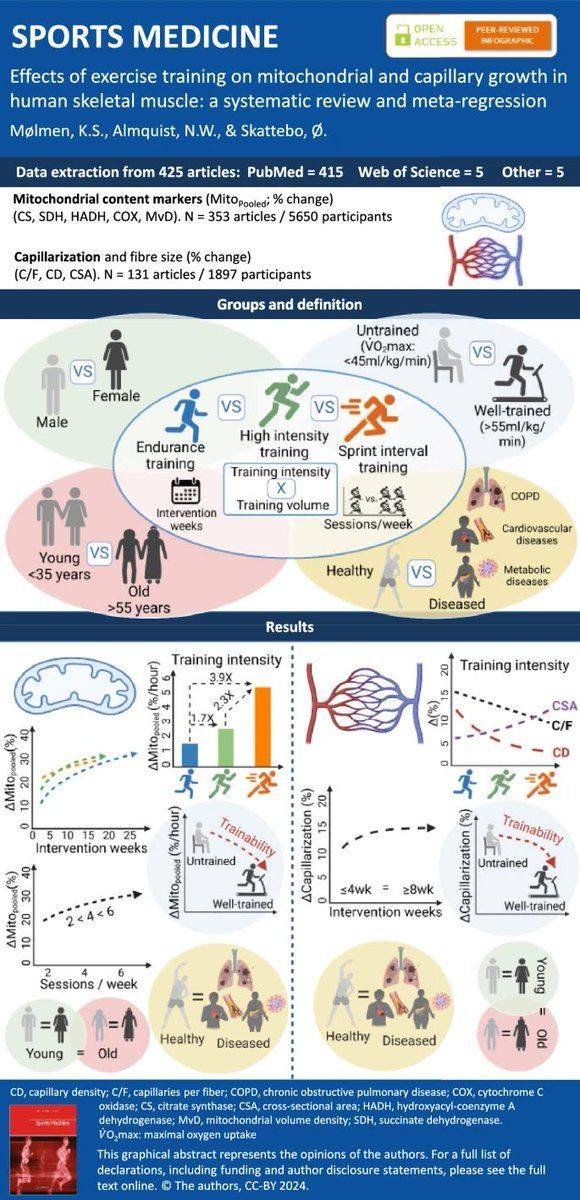
Most exercise advice focuses on how much you train. This paper shows the real question is what kind of cellular architecture you’re building.
This systematic review and meta-regression synthesizes data from 425 human studies to quantify how different exercise modalities reshape mitochondrial content and skeletal-muscle capillarization, two core determinants of metabolic health and endurance capacity.
The mechanistic takeaways:
• Training intensity is the dominant driver of mitochondrial expansion.
High-intensity and sprint-interval training produced ~2–4× greater increases in mitochondrial markers compared with traditional endurance training when normalized for time.
• Volume still matters, but differently.
Mitochondrial adaptations scale with training intensity × volume, whereas capillary growth depends more on intervention duration (≥8 weeks) than intensity alone.
• Capillarization and hypertrophy are not the same adaptation.
Capillary density and capillaries per fiber increased even when cross-sectional area did not, reinforcing that vascular remodeling is a distinct biological response.
• Trainability is context-dependent.
Untrained individuals showed larger relative gains, but well-trained individuals still adapted, especially under higher-intensity stimuli, contradicting the idea of a hard “adaptation ceiling.”
• Age, sex, and disease status did not negate adaptation.
Young vs. old, male vs. female, and healthy vs. cardiometabolic or pulmonary disease groups all demonstrated meaningful mitochondrial and vascular remodeling with appropriate training exposure.
I'm sum, exercise is not merely a behavioral intervention, it is a dose-dependent biological signal that remodels mitochondrial density, oxidative capacity, and skeletal-muscle microvasculature. Intensity determines how much adaptation you get; duration determines how completely the tissue remodels.
8
145
510
57,549
David Tinker retweeted
Feb 26
Intervals.icu now has direct integration for all Huawei wearable devices including the new HUAWEI WATCH GT Runner 2! #runner forum.intervals.icu/t/huawei…

2
10
1,203
David Tinker retweeted

Feb 26
DeepHRV v1.7.0 is out — and it's a big one. Here's what's new:
2
2
13
2,128
David Tinker retweeted

Jan 8
Common question I hear: "My VO2max is x and my current threshold power is y. Is it possible for me to reach an FTP of z?”
It's surprisingly simple to predict power from VO2, and vice versa
We just need reasonable estimates for substrate oxidation and metabolic efficiency📊🧵/7
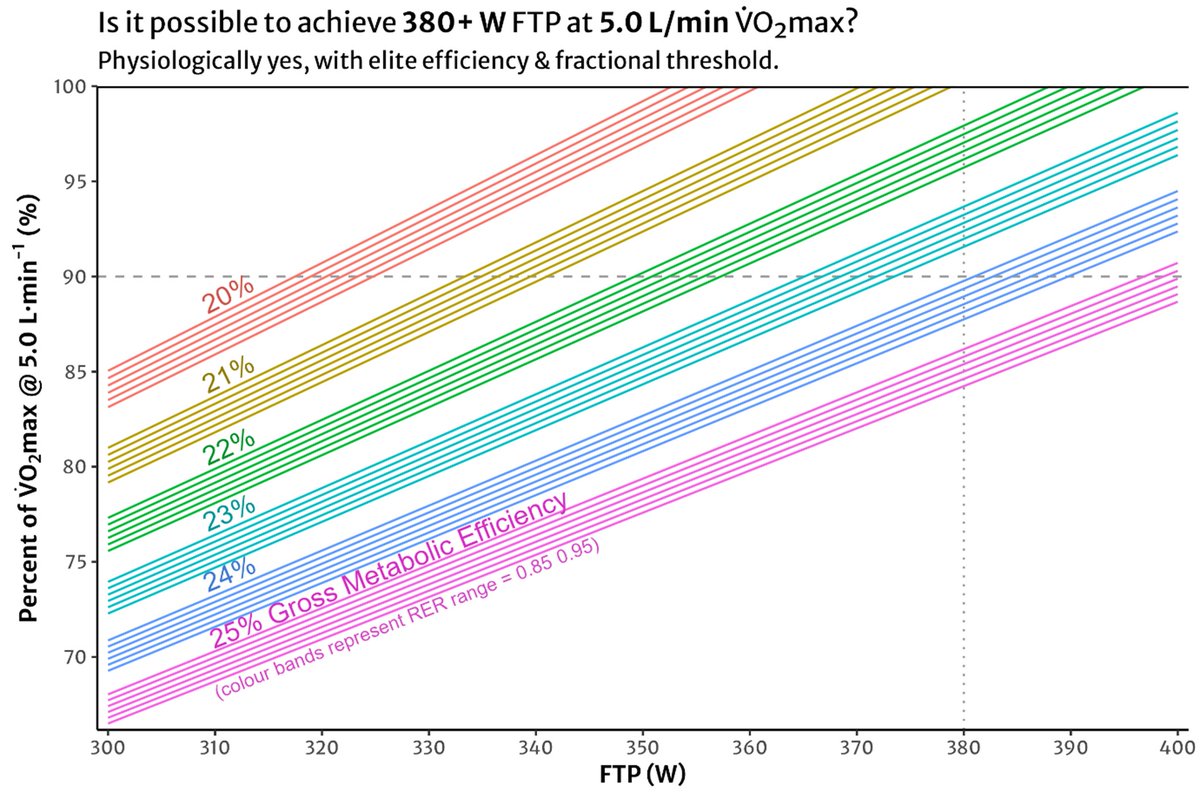
ALT Figure visualising the percent of a VO2max of 5.0 L/min required to produce functional threshold power (FTP) between 300 and 400 W, with isolines for gross metabolic efficiency (GE, %) from 20-25% and RER at each GE value between 0.85-0.95. The question was “is it possible to achieve an FTP of 380 W at a VO2max of 5.0 L/min (71 ml/kg/min at 71kg bodyweight)?” Based on these calculations, that would require somewhere around 24% GE and ~90% VO2max, which is just about physiologically plausible for an elite male cyclist… but would certainly take some work to achieve.
6
11
105
8,608
David Tinker retweeted
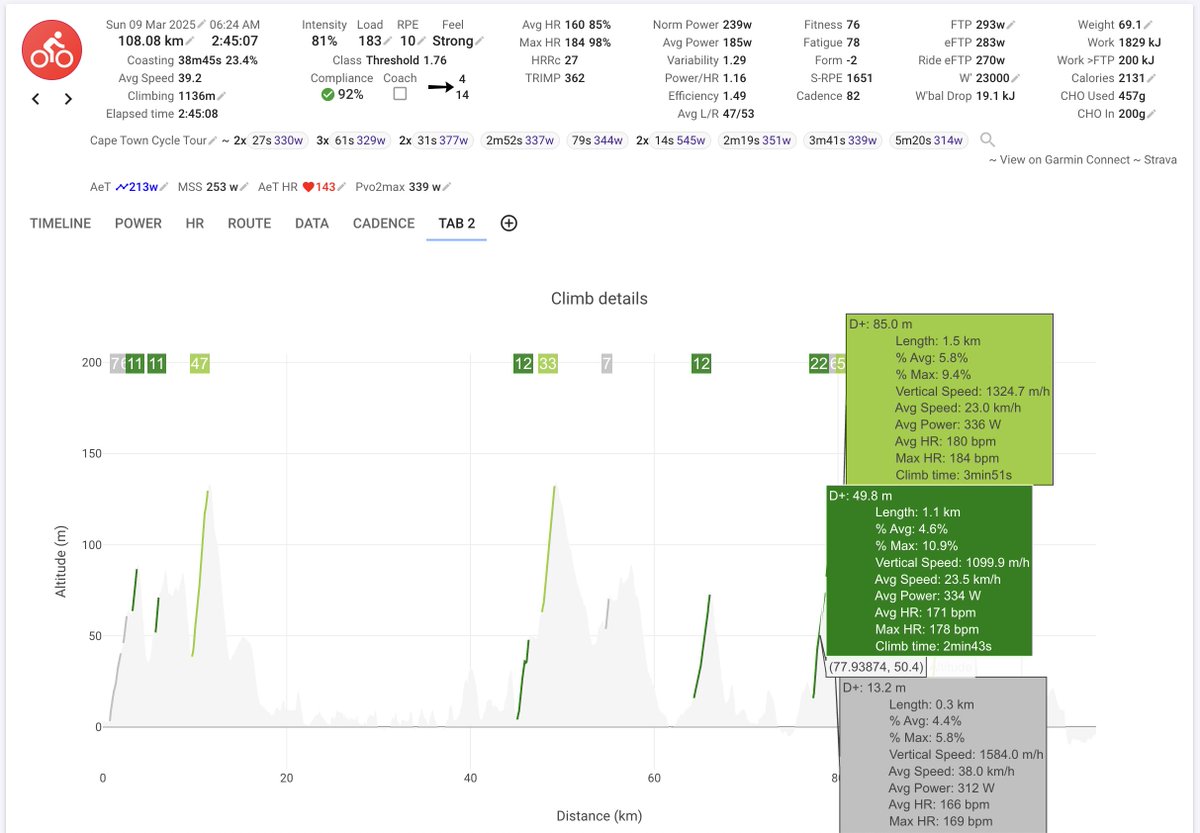
The first Intervals.icu news update for 2026 is out! forum.intervals.icu/t/interv… #cycling #running
2
13
1,649
David Tinker retweeted

Jan 6
I have added automatic download of the workout plans from @intervalsicu If you are interested, please reach out from within the app for beta testing.
1
6
708
David Tinker retweeted
Jan 2
Vitamins for intervals. I am launching DeepMetric Lite, a web app that aims to add features that I believe are interesting to boost the application. For now, we have added the Readiness Panel, and I will be adding more features.
dmlite.controlmetrics.es
1
4
328