
Associate Professor of Economics at the University of Zurich. Growth / Climate Change / inequality / innovation
Joined April 2011
- Tweets 2,127
- Following 43
- Followers 370
- Likes 80
Photos and videos
David Hémous retweeted

Jun 10
1/3
J'ai encore été insulté par des dizaines (centaine ?) de personnes de la fan base de @JLMelenchon Suite à ce Tweet.
Pour tant j'ai fourni 3 screens de personnes différentes.




Comment @JLMelenchon peut reprendre un truc pareil ?!!!!
Il a complètement dévissé ou son cm fait de la merde ?

27
62
262
36,162
David Hémous retweeted

Jun 8
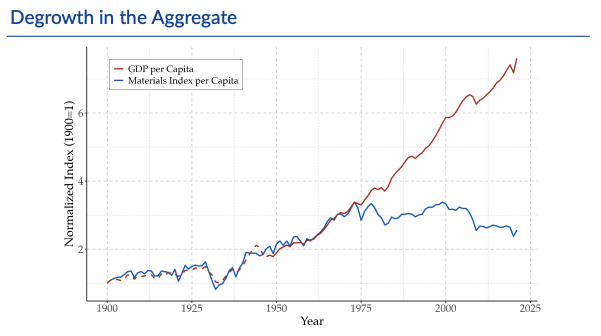
Among many other problems, misses the fact that economic growth has become increasingly decoupled from resource use over time. Finite resources do not mean growth has to end.
See Conor Walsh on materials (figure below), and Walsh, McDonald & Pinardon-Touati on CO2/energy
Jun 4

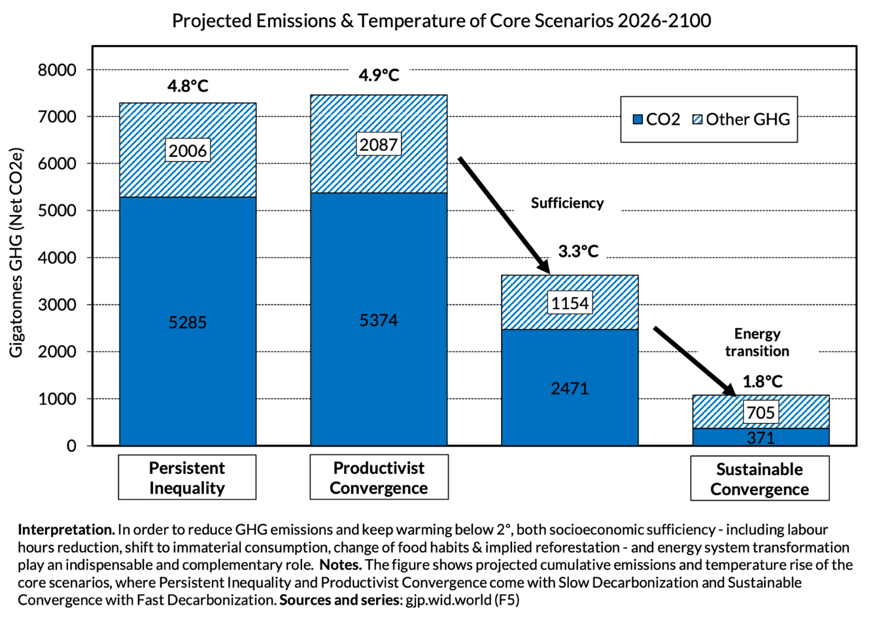
The key finding of the report is that energy transition alone will not suffice.
We need to combine it with "sufficiency" to stay within 2 degrees. This includes labour hour reductions, growth caps in rich countries, less material consumption, and changes in food habits.
Community note
This report uses a ~4.8°C baseline. In May 2026, the U.N. climate panel officially retired this scenario (RCP8.5) as "implausible." Updated projection: ~3.5°C. Sources: NYT & Washington Post, May 2026.
nytimes.com/2026/05/26/cli…
washingtonpost.com/climate-enviro…
lemonde.fr/en/environment…
13
51
277
66,297

May 1
Ils se surpassent toujours! Les profits découlant de l’innovation ont de fortes fluctuations d’une année à l’autre. Les profits découlants de rentes beaucoup moins. Comment décourager l’innovation, encourager les rentes et scléroser un peu plus le pays en une seule proposition!
Apr 30

Notre proposition de taxation des surprofits est claire et précise :
On prend la moyenne des bénéfices des trois dernières années de toutes les entreprises dépassant 750 millions de CA. On compare ensuite cette moyenne aux profits réalisés dans les prochains trimestres. Ce qui dépasse la moyenne, c'est le surprofit et c'est uniquement sur cette base qu'ils sont taxés.
2
5
323
David Hémous retweeted

Apr 30
Notre proposition de taxation des surprofits est claire et précise :
On prend la moyenne des bénéfices des trois dernières années de toutes les entreprises dépassant 750 millions de CA. On compare ensuite cette moyenne aux profits réalisés dans les prochains trimestres. Ce qui dépasse la moyenne, c'est le surprofit et c'est uniquement sur cette base qu'ils sont taxés.
879
39
89
487,456
David Hémous retweeted

Feb 22
People keep using the word "irrational" when describing the general public's opposition to AI. That word has meaning. Let's start with the colloquial: making consistent decisions against one's best interests given information that one has.
What is the current information people have? On the one hand, they have the chatbots. For most people, they are fun and sometimes helpful on the margin. Adoption in consequential contexts has been spotty and surveys show very mixed attitudes in those settings (see 2025 BCG survey).
On the other hand, you have the heads of almost every AI company saying that AI will 1) lead to *huge* job losses and 2) potentially much much worse. There is some vague hand waving about curing cancer or going to space, but the main message is "it is coming for your job and your life".
Putting the two together, you get exactly what you see in the data: "I like these chatbots, but I do not like AI and I do not want it to get better or expand." This is not a contradiction. The former refers to the current chatbots that people ask random questions, the latter represents the thing that everyone in power tells them will take their jobs.
The response in DC and the coasts has been: you don't know what's good for you, move out of the way, you're stupid and irrational. How has that response worked out the last 15 years?
If those who see the positives, the huge potential benefits of AI to grow the pie and make life better for all (which includes myself), do not take this political economy into account, I'm afraid that the populist wave of the last decade will look like child's play. A dress rehearsal.
Feb 22

Whenever @sama speaks, the antiAI coalition gets stronger. Today's weird analogy: Hey, meat computers are more inefficient to train than silicon ones! (which, on top of everything, is wrong)
38
74
572
149,434
David Hémous retweeted

25 Nov 2025
What would taxing unrealized capital gains — or wealth — do to entrepreneurship? If illiquid founders must sell shares to pay such taxes, how does this extra dilution affect incentives?
🧵 on my new paper with Eduardo Azevedo, @KentOnMoney & Min Yang
1/10
6
26
96
26,426
David Hémous retweeted

25 Nov 2025
#Nobelpreis2025: Führt schöpferische Zerstörung zu einem nachhaltigen #Wirtschaftswachstum?
Die diesjährigen Preisträger haben die Antwort und zudem enge Kontakte zur Universität Zürich.
👉dievolkswirtschaft.ch/de/?p=…
@davidhem @econ_uzh @UZH_ch

1
1
134
David Hémous retweeted

5 Nov 2025
UZH has a strong crop of econ job market candidates this year - and I am the placement director. If you are hiring, hit me up for further advice! econ.uzh.ch/en/study/phd/zur… #econtwitter #econjobs
9
36
6,349
David Hémous retweeted

13 Oct 2025
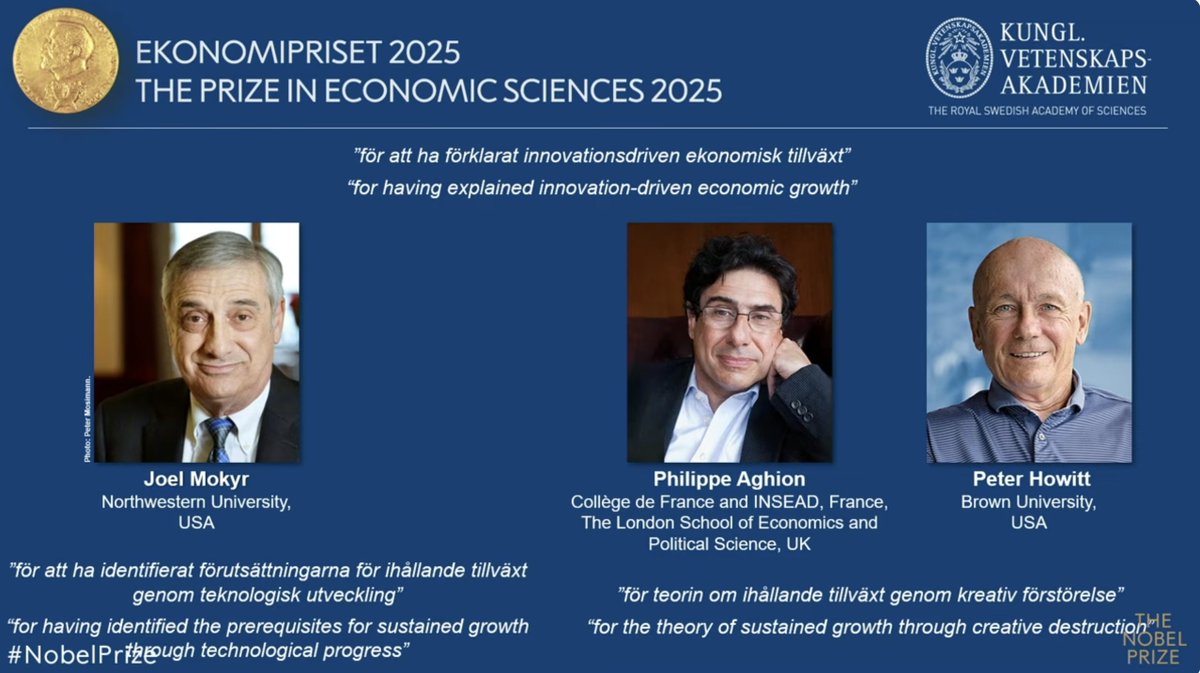
🚨 2025 Nobel Prize in Economics goes to Mokyr, Aghion and Howitt 🚨
"for having explained innovation-driven economic growht"
The best prize in years!
33
463
1,700
347,723
13 Oct 2025
This is a wonderful prize. Philippe has truly been the centerpiece of research in economic growth for the last 30 years. His communicative energy has pushed the field forward and his contribution is immense. I am extremely happy to see my mentor and co-author recognized this way!
13 Oct 2025

BREAKING NEWS
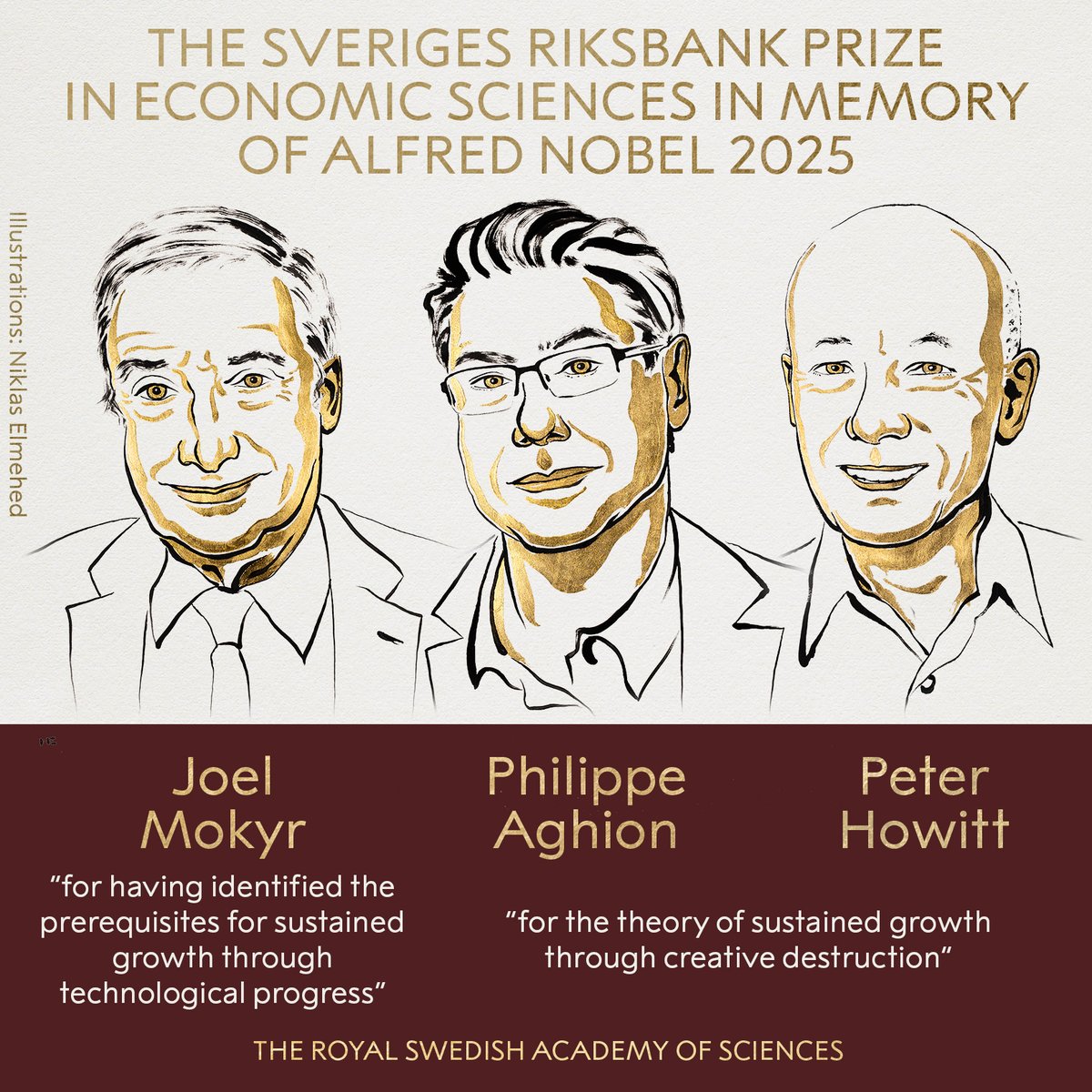
The Royal Swedish Academy of Sciences has decided to award the 2025 Sveriges Riksbank Prize in Economic Sciences in Memory of Alfred Nobel to Joel Mokyr, Philippe Aghion and Peter Howitt “for having explained innovation-driven economic growth” with one half to Mokyr “for having identified the prerequisites for sustained growth through technological progress” and the other half jointly to Aghion and Howitt “for the theory of sustained growth through creative destruction.”
#NobelPrize
1
11
506
13 Oct 2025
Philippe is a brilliant researcher and economist but he is also a wonderful advisor. He is eager to work with students and to teach them, and I have immensely benefited from him.
3
104
David Hémous retweeted
10 Oct 2025
I am delighted to share that Nobel laureates Esther Duflo and Abhijit Banerjee will join our Department of Economics @econ_uzh at the University of Zurich on July 1, 2026, as Lemann Foundation Professors of Economics.
🧵 1/7

78
458
3,491
1,674,745
David Hémous retweeted

13 Sep 2025
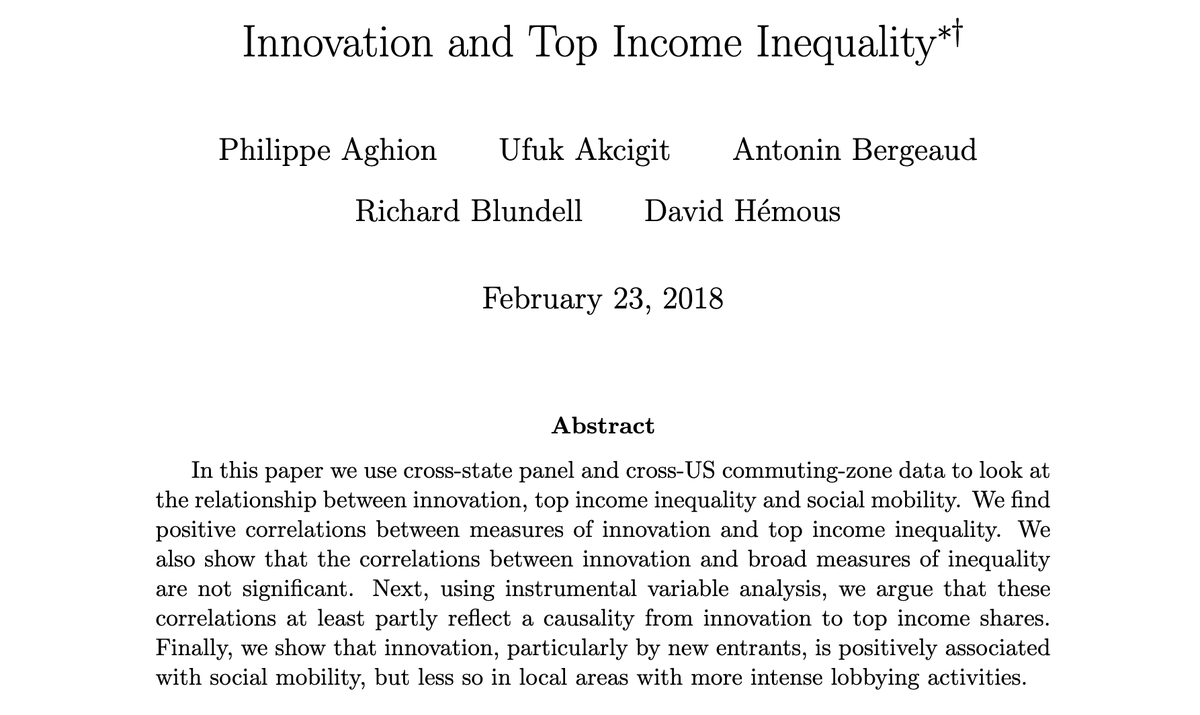
Puisque c'est dans l'actualité, je me permets de ressortir ce papier publié en 2019 avec plusieurs (supers) coauteurs qui montre un lien causal entre ⬆️ des inégalités aux US et l'innovation
Nous estimions que 1/4 de la ⬆️ de la part du top 1% peut être expliqué par ce canal
6
20
85
10,049
David Hémous retweeted

1 Aug 2025
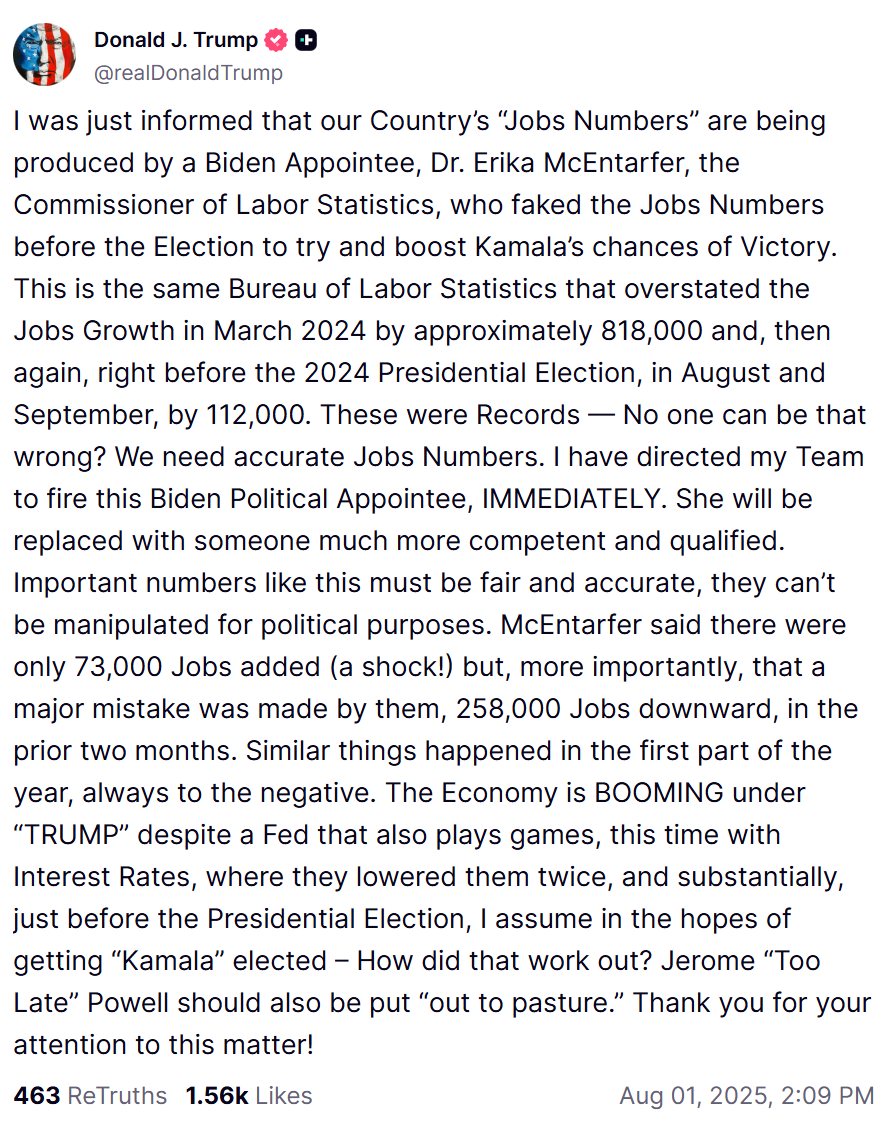
Unquestionably the most dangerous and corrupt attack on the independence of US economic data in American history. Trump is firing the head of the BLS, an longtime civil servant confirmed 86-8 by the Senate, simply because the job numbers came in below his expectations today
501
2,043
10,460
826,527
David Hémous retweeted

21 Jul 2025
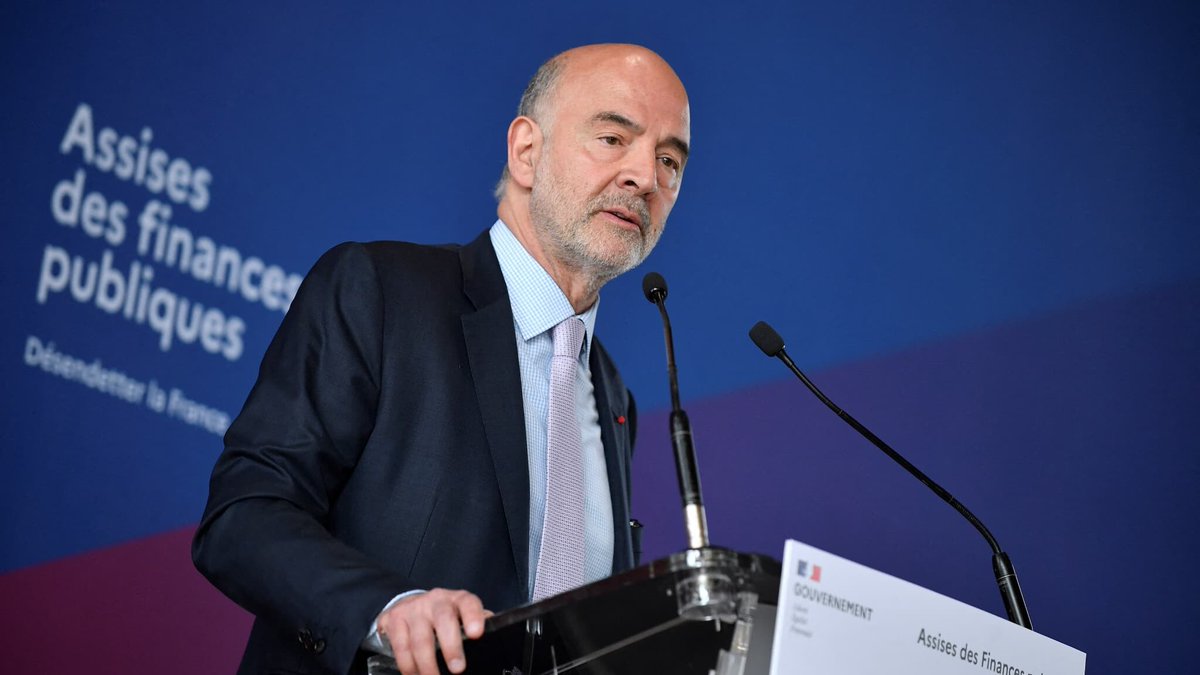
Il n’y a pas de contradiction: tout le monde est matraqué fiscalement et subventionné en même temps. La tuyauterie est totalement opaque, le système hyper compliqué, qu’il crée la suspicion légitime que le premier qui renoncera à son bout de lard sera le dindon de la farce. Probablement à raison.
Il faudrait organiser une désescalade coordonnée de la grande bataille pour l’argent des autres, mais la tâche est rendue titanesque par les sommes en question et le fait que personne ne sait qui reçoit quoi ou paye quoi.

"Ils sont contradictoires": pour Pierre Moscovici, les Français sont "prêts à faire un effort collectif" mais pas forcément individuel
l.bfmtv.com/ClfH
73
324
1,463
94,911
David Hémous retweeted

30 Jun 2025
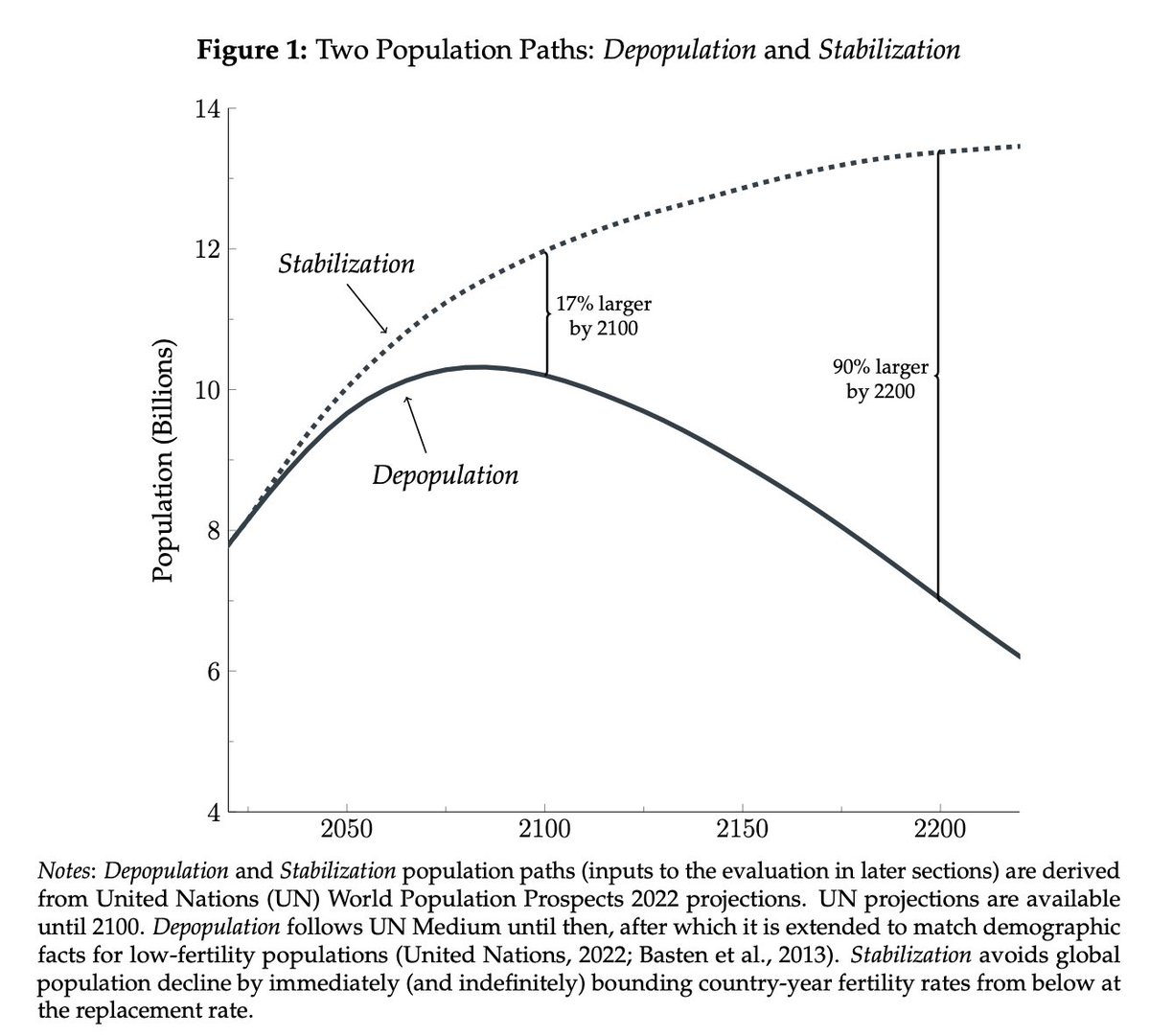
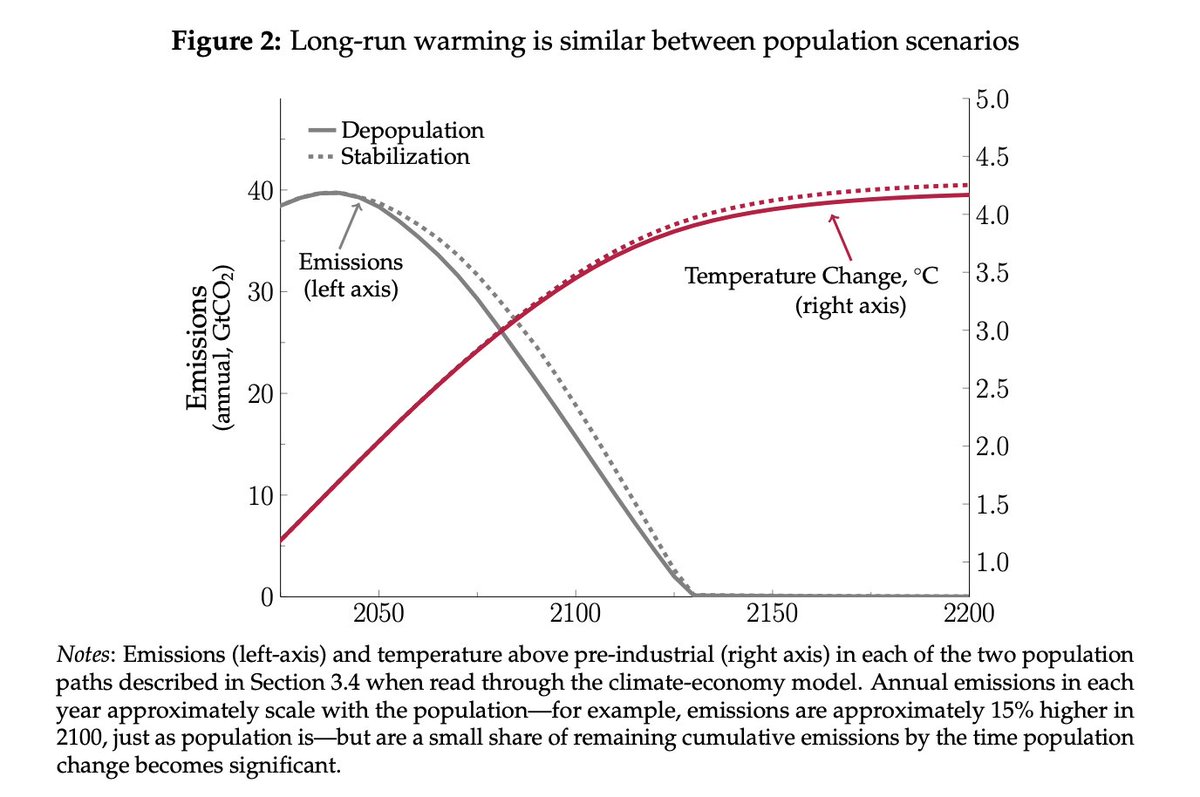
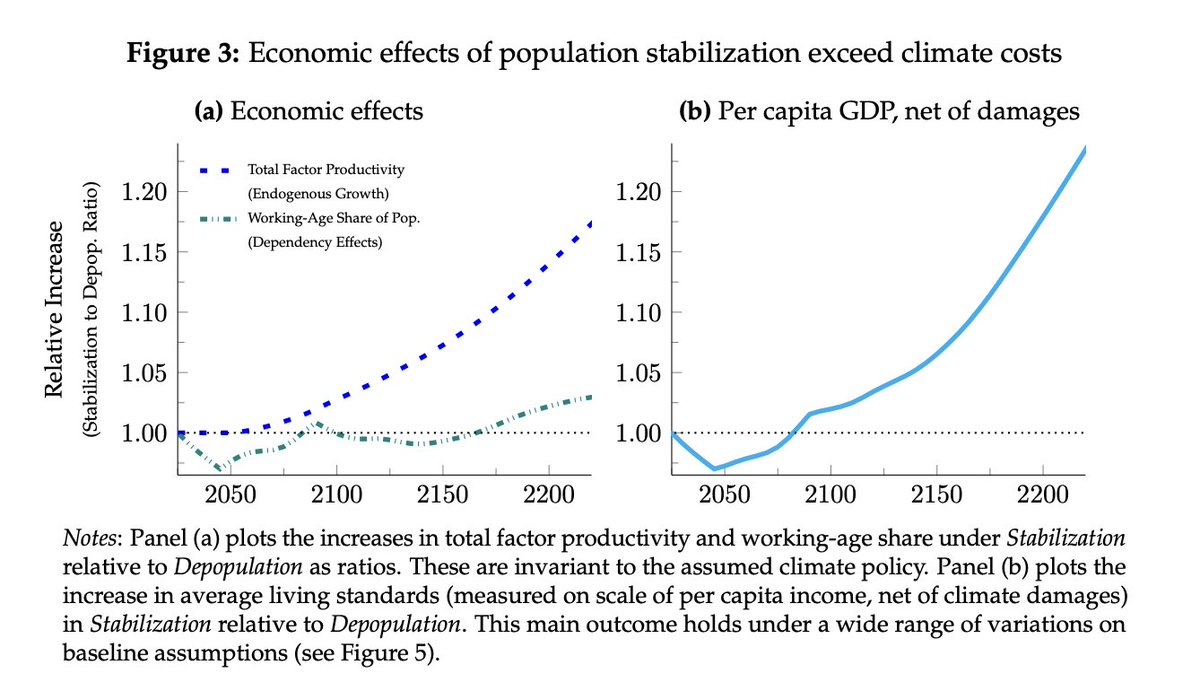
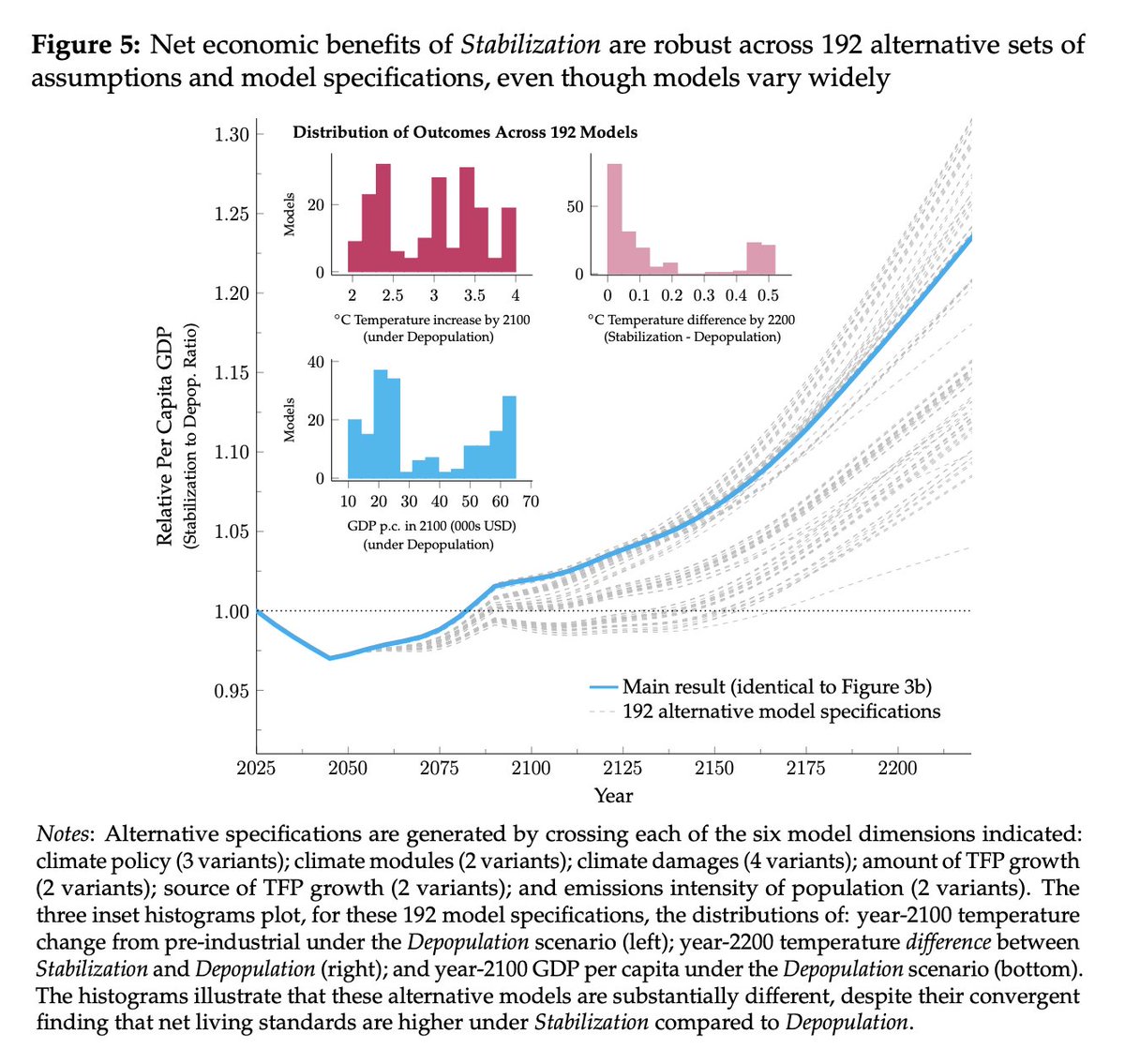
The figures here tell the story better than the abstract
30 Jun 2025

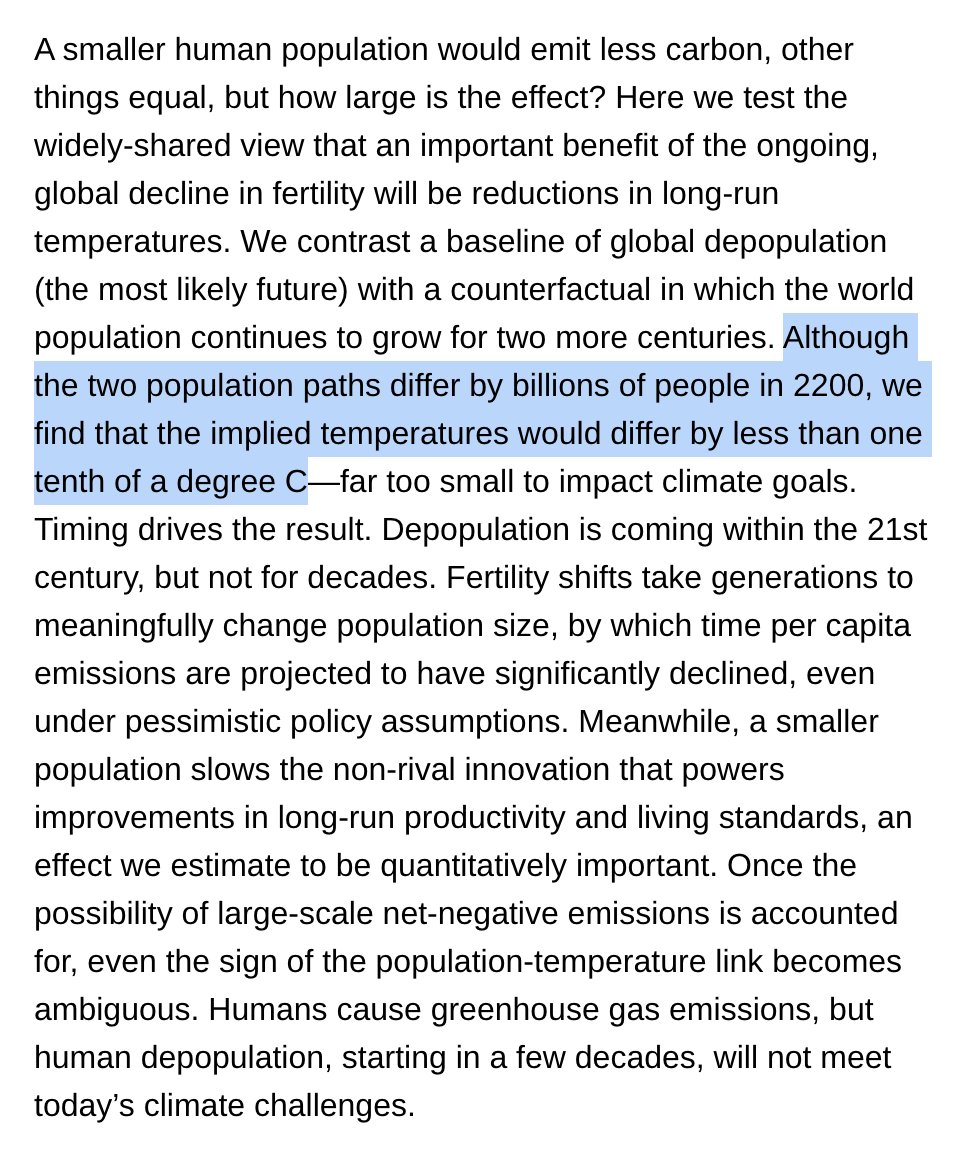
Not having kids is not a remotely effective climate mitigation strategy
2
23
110
13,417
David Hémous retweeted

28 Jun 2025
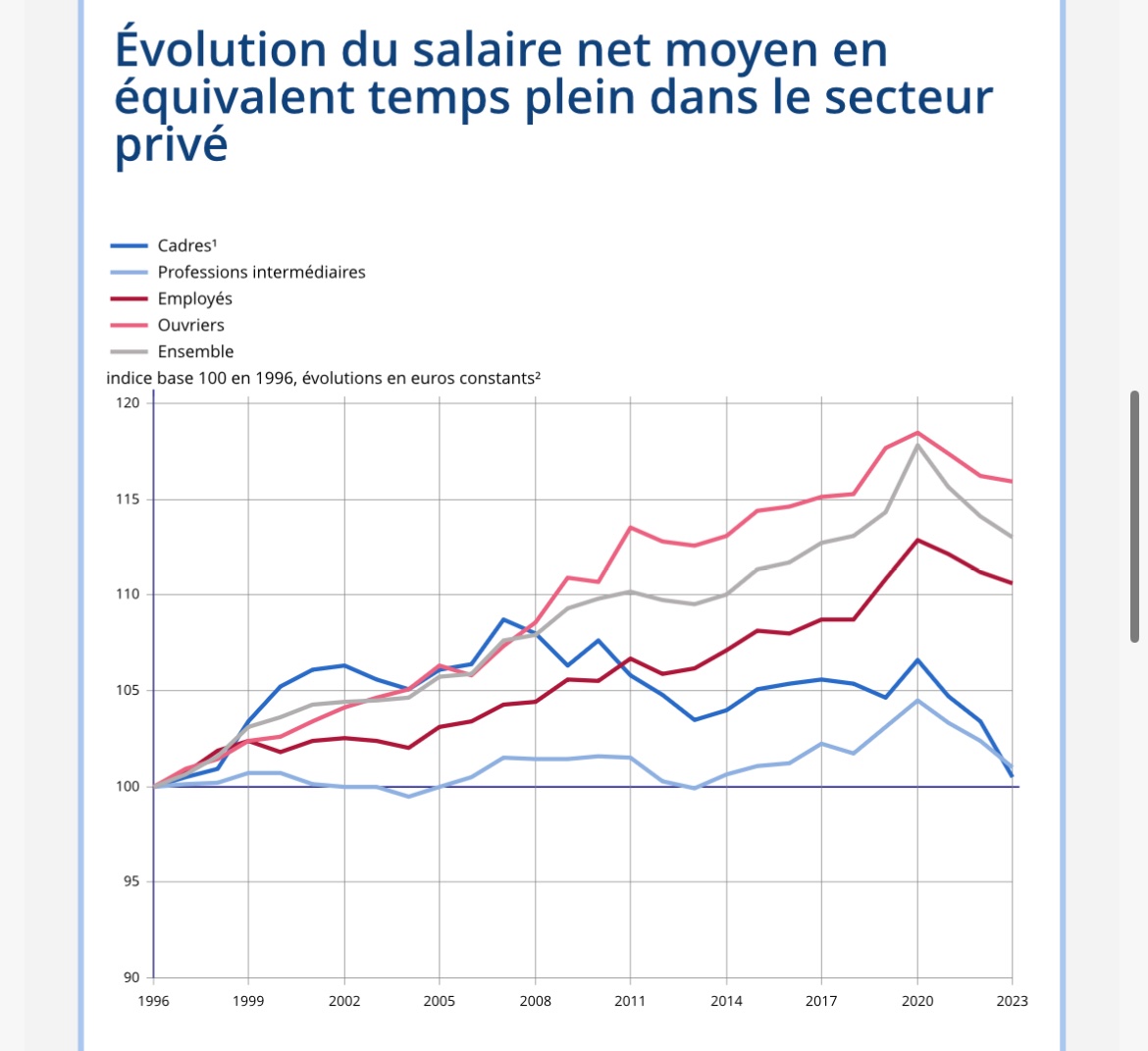
C’est quand même vraiment complètement fou.
121
361
1,390
458,905

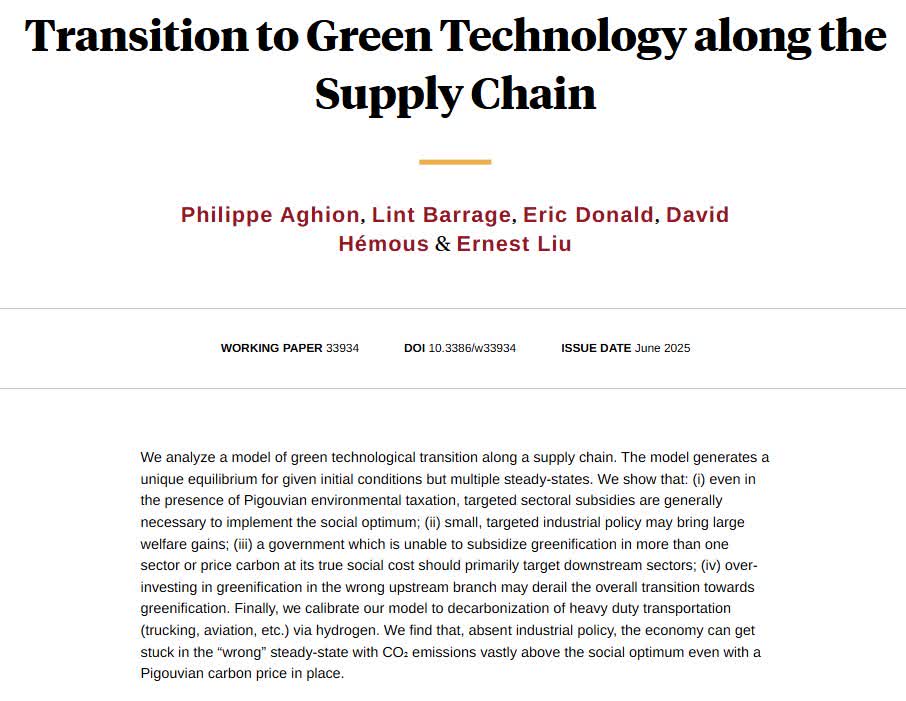
Analyzing a model of green technological transition along a supply chain, from Philippe Aghion, Lint Barrage, Eric Donald, @davidhem, and @ErnestLiuEcon nber.org/papers/w33934
6
13
30
7,187

New CEPR Discussion Paper - DP20378
Transition to Green Technology along the Supply Chain
Philippe Aghion @cdf1530 @INSEAD, Lint Barrage @ETH_en, Eric Donald @PittEcon, @davidhem, @ErnestLiuEcon
ow.ly/K4sZ50Wg0zB
#CEPR_MG #CEPR_CCE #EconTwitter
3
6
1,498
David Hémous retweeted
31 Mar 2025
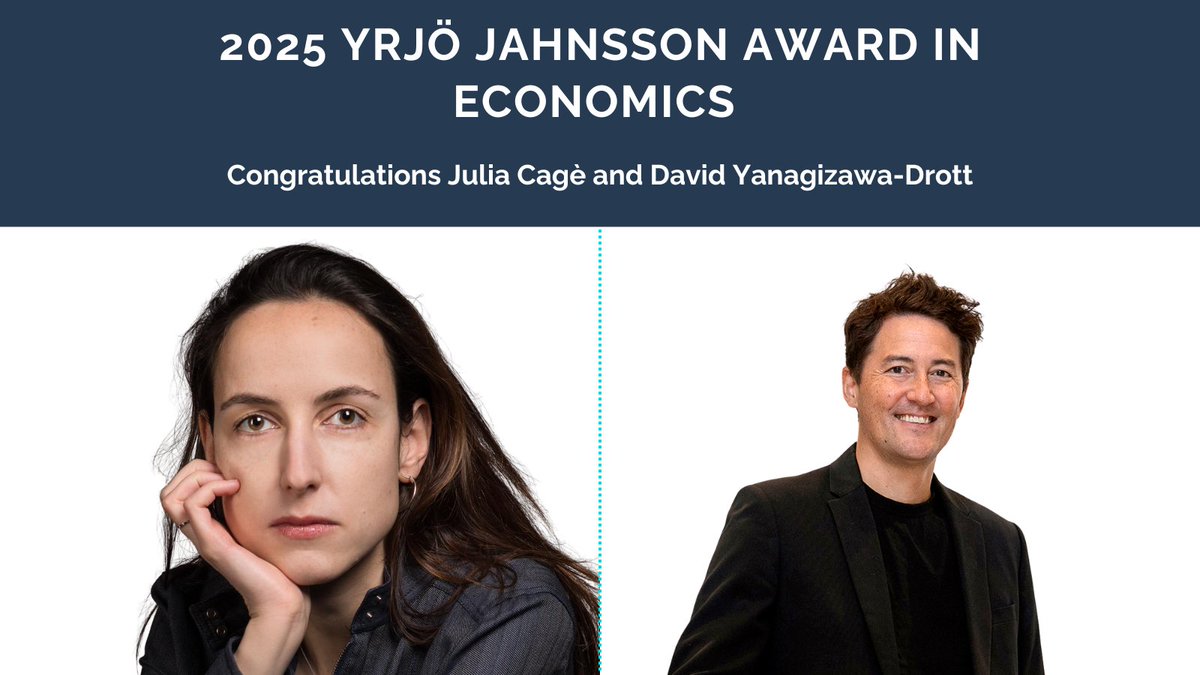
Big congratulations to my great colleague @YanagizawaD for sharing this prestigious award!
We're proud this is the second time the award goes to @econ_uzh, after Fabrizio Zilibotti won it in 2009.

@CageJulia & @YanagizawaD awarded the 2025 Yrjö Jahnsson Award in Economics for their important contributions on political economy & the media, based on deep historical research in France, the USA, and Africa
Full info ℹ️eeassoc.org/awards/yrjo-jahn…
7
38
5,421