
Described as one that sees the glass as half full and speaks with straightened tongue! Father, Brother, Friend: Lawyer by trade ⚖️ & elite athlete by passion 🏏
Joined October 2013
- Tweets 6,562
- Following 2,821
- Followers 5,386
- Likes 61,403
405 Photos and videos


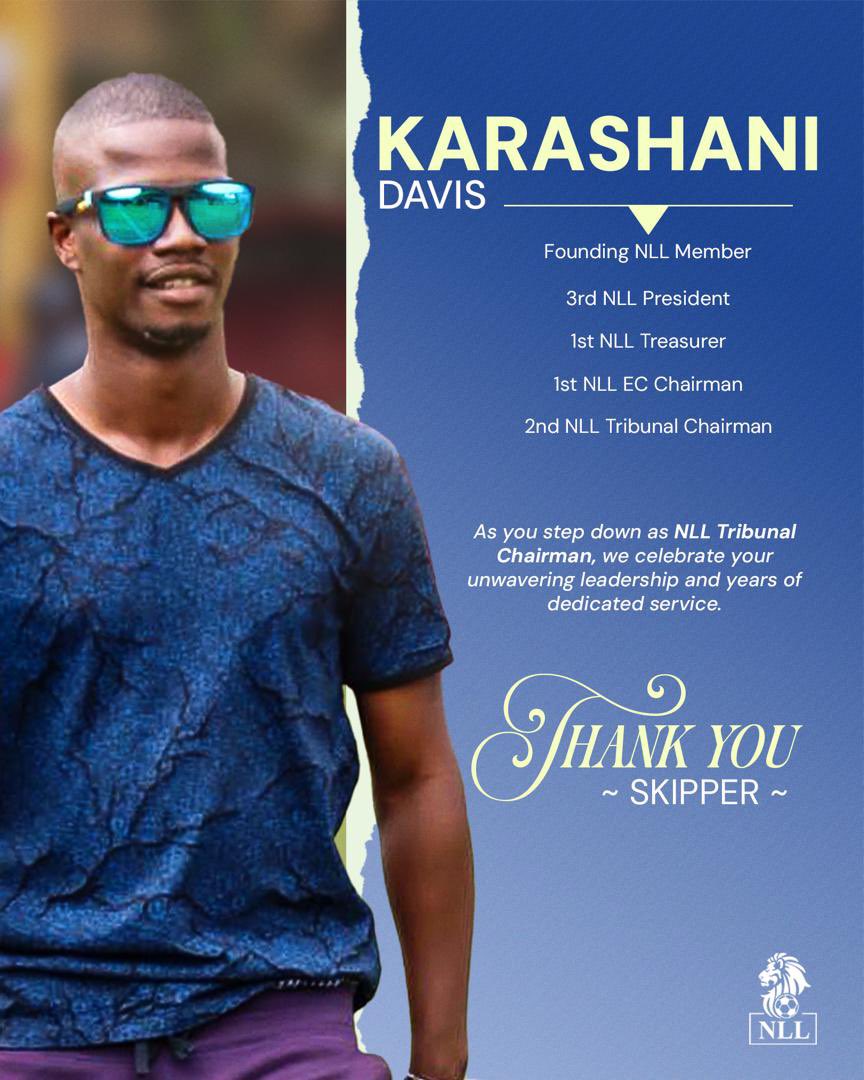







Jun 9
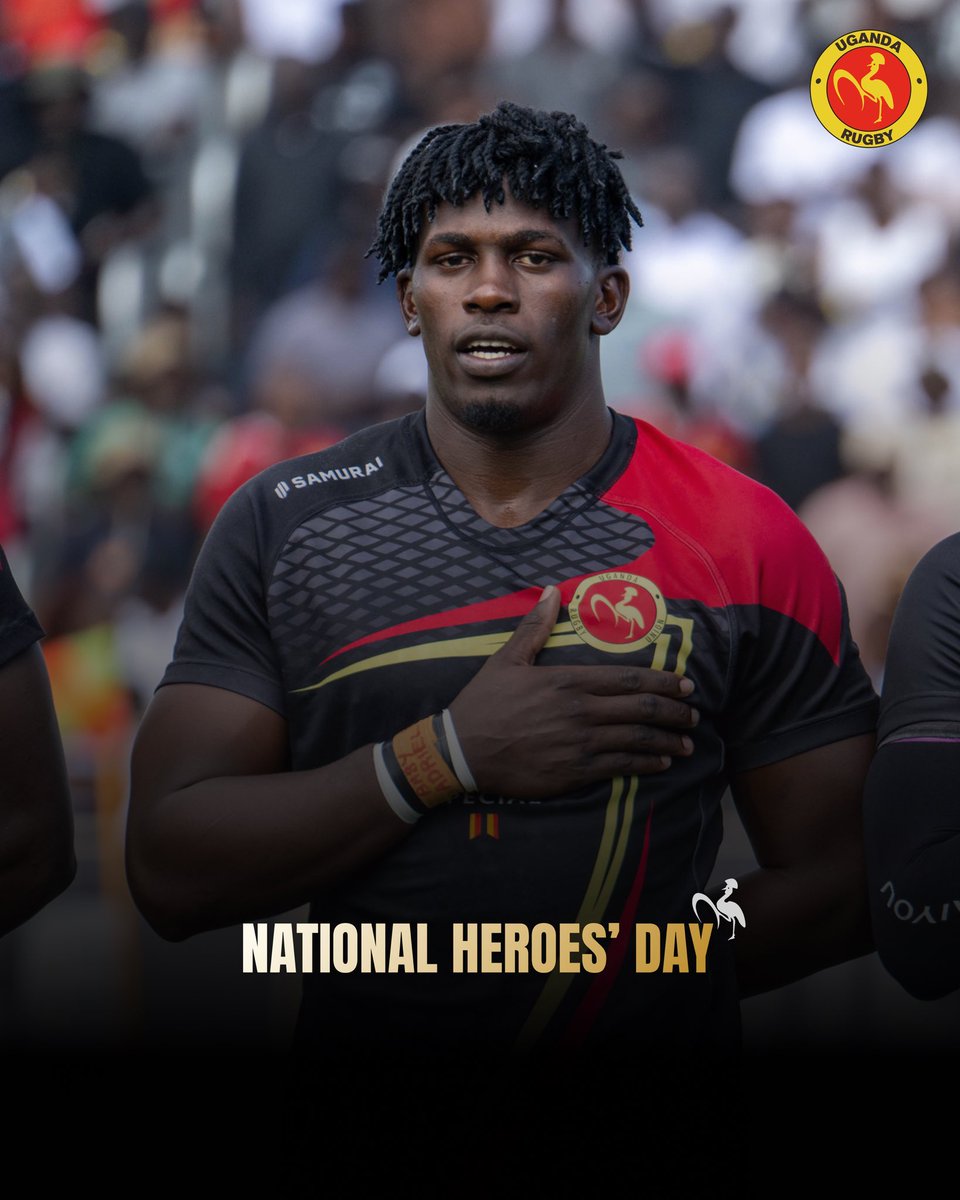
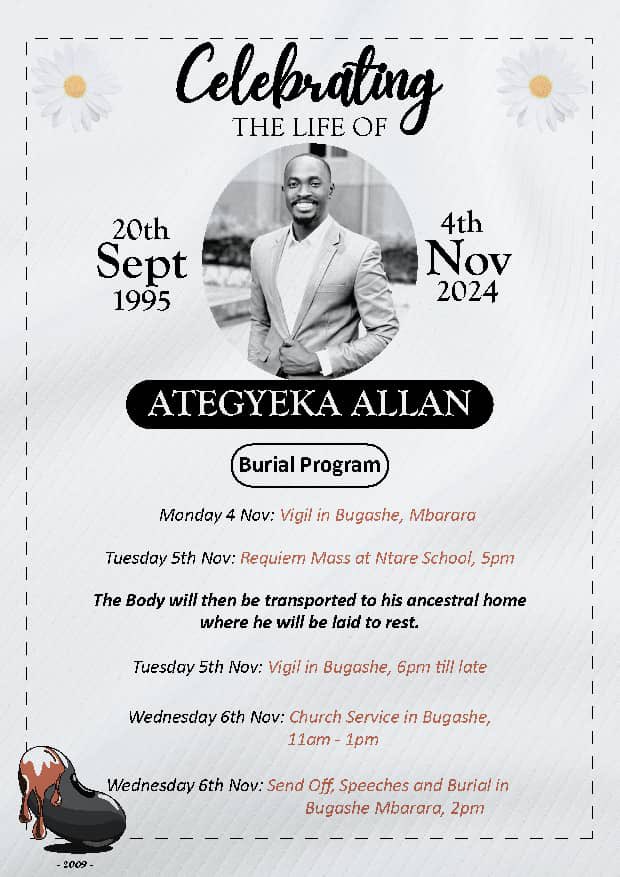
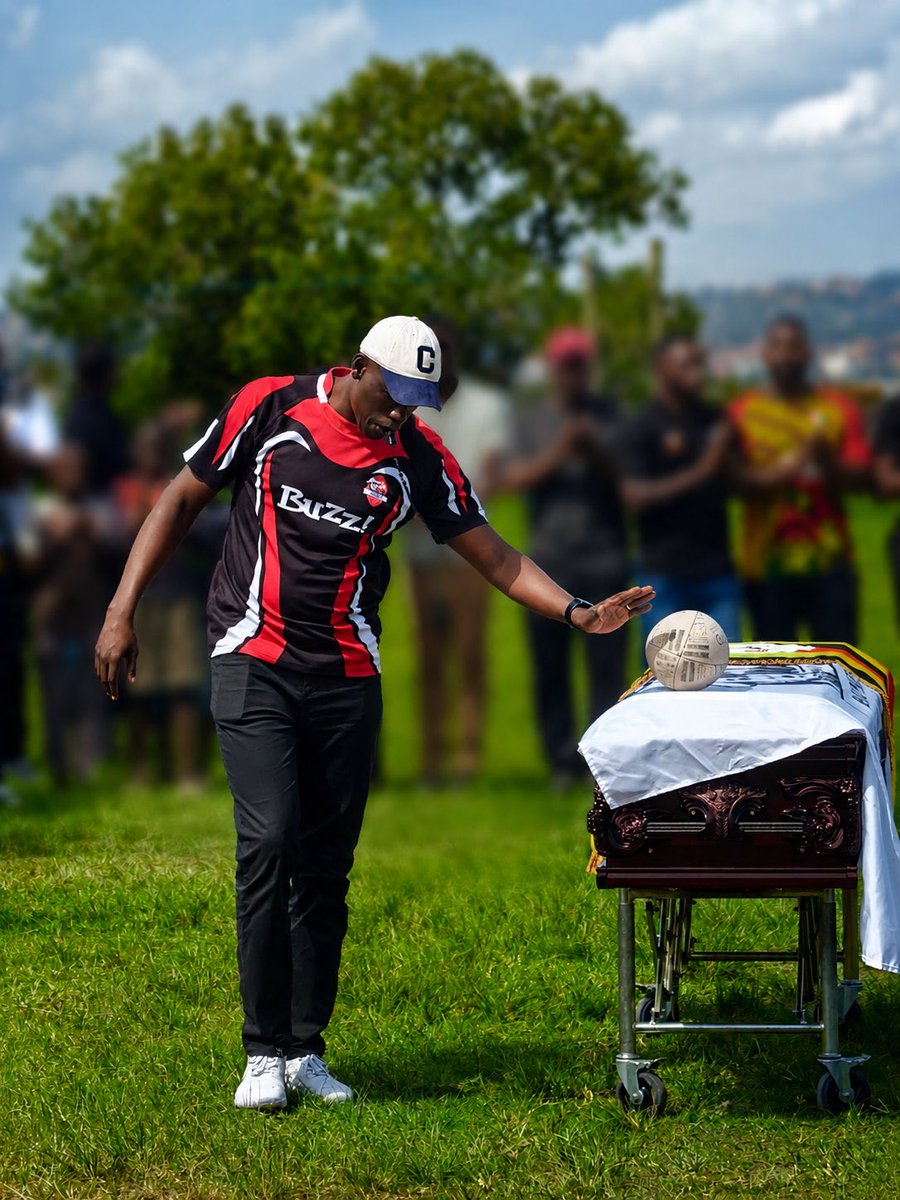
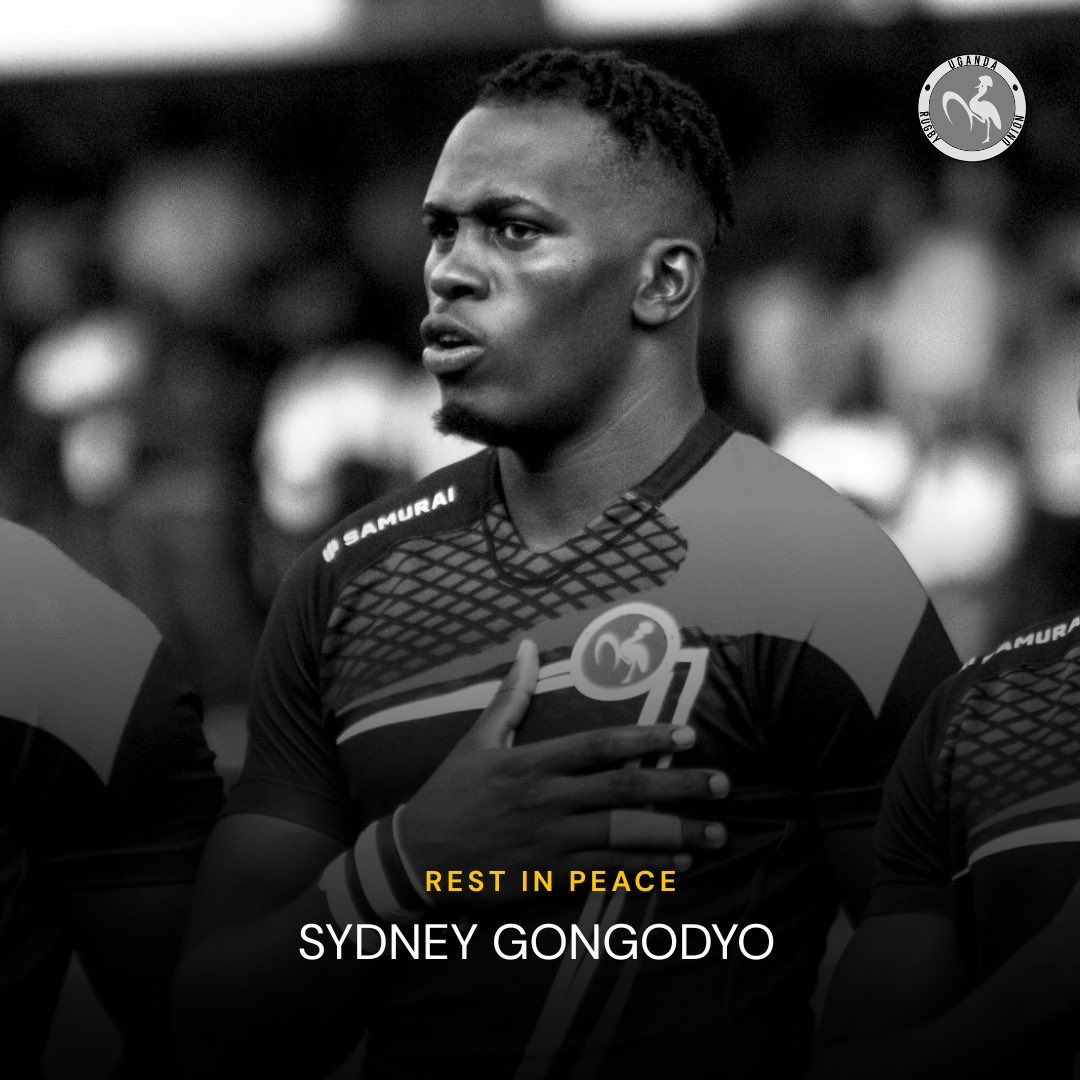
5 days of utmost sadness following the passing of a young 27 yo rugby marvel 💔…we have also witnessed the value that comes with a chosen sports family
The sports fraternity has stood tall as a real 🇺🇬 Hero rests today. May Sydney’s footprint never wither…🙏
#PiratesStrong

30
90
2,672
Karashani Davis ©️ retweeted

May 22
How Dubai Marina's Water Canal Was Built

79
540
2,696
4,139,012

Karashani Davis ©️ retweeted

May 12
Nike sponsored Roger Federer for 24 years, and then let him go.
A Japanese tailor’s son paid him $300 million dollars, and launched a global, multi-billion dollar clothing megabrand.
50
752
10,899
2,815,884
Karashani Davis ©️ retweeted

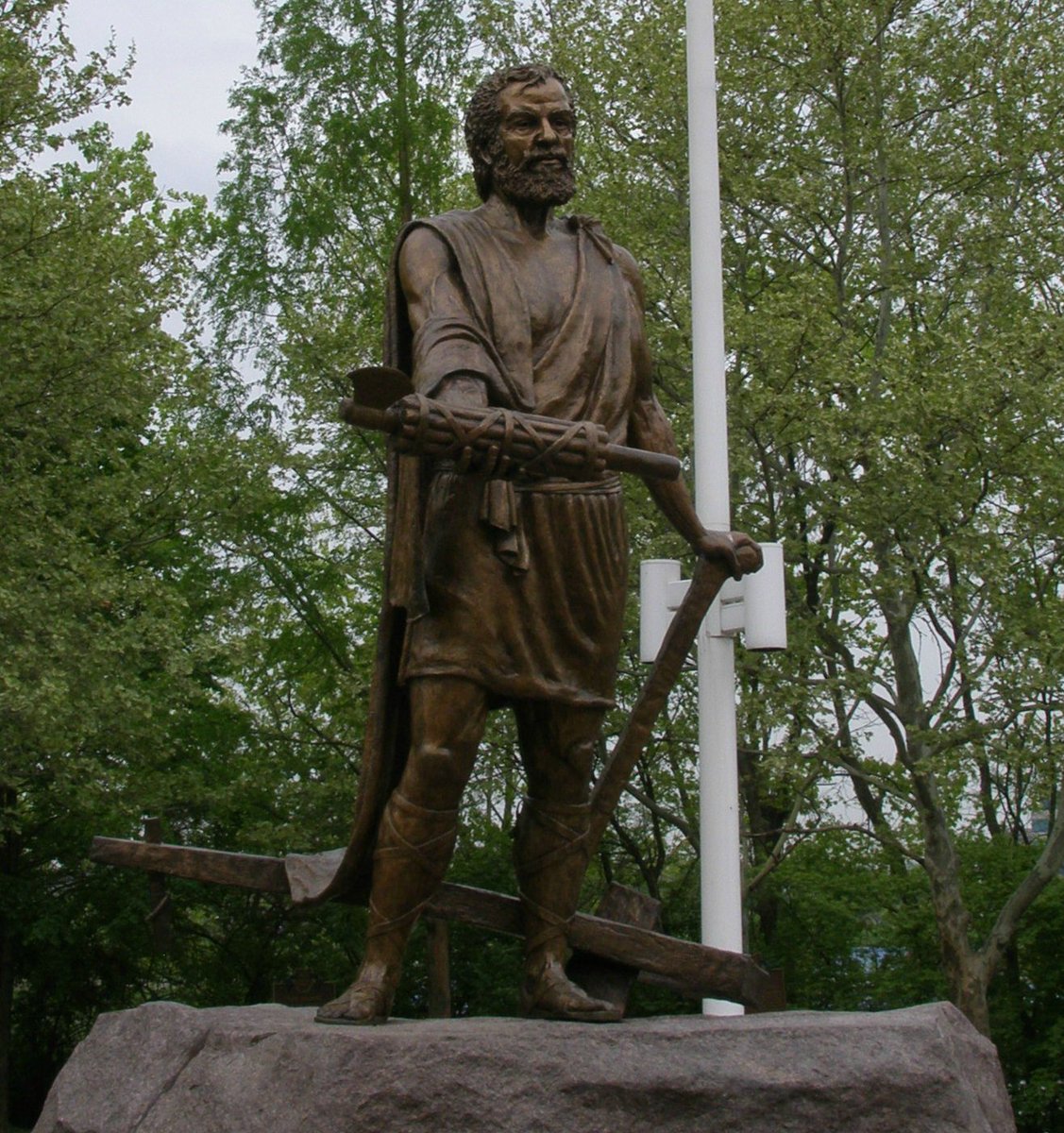
In 458 BC, Rome was on the brink of collapse.
An invading army had trapped the Roman consul and his legion in a mountain pass. Panic spread through the city. The Senate did the only thing they could think of:
They sent messengers to find a 60-year-old farmer plowing his field.
His name was Lucius Quinctius Cincinnatus. He had once been a senator, then lost his fortune paying his son's bail. Now he worked his own four-acre plot just to feed his family.
When the Senate's envoys arrived, they found him sweating behind a plow. They asked him to put on his toga so they could deliver an official message.
The message: Rome was making him dictator. Absolute power. Total command of the army. No checks. No oversight. No term limit.
He accepted.
Within 16 days, Cincinnatus had raised an army, marched out, surrounded the enemy, and forced their surrender. The republic was saved.
He had legal authority to rule for six months. He could have stayed. He could have expanded his power. He could have done what every other ruler in human history did when handed unlimited control.
Instead, he resigned on day 16.
He took off the toga, walked back to his farm, and finished plowing the field he'd left half-done.
Twenty years later, when Rome faced another crisis, they called him back. He was 80 years old. He took command, crushed the conspiracy, and resigned again, this time after just 21 days.
He died poor. On his farm.
2,200 years later, when George Washington was offered a kingship after winning the American Revolution, he refused and went home to Mount Vernon. The reason he was hailed as "the American Cincinnatus" is because Europeans literally could not believe a man who had won would willingly give up power.
King George III, on hearing Washington would resign rather than rule, said: "If he does that, he will be the greatest man in the world."
The lesson isn't that Cincinnatus was humble.
The lesson is that for most of human history, the people most qualified to lead were the ones who didn't want to. And the moment a society starts rewarding those who chase power instead of those who flee from it is the moment the republic begins to die.
Cincinnati, Ohio is named after him.
Most people who live there have no idea why.
948
14,831
48,829
1,242,974
Karashani Davis ©️ retweeted

If you’re a corporate lawyer or you engage in corporate litigation, you need to read the case of F.C.M.B. v. Abdul Gafaru & Co. Ltd. (2026) 6 NWLR (Pt. 2038) 179.
In this case, the Supreme Court held that although a registered company upon incorporation becomes a legal entity and acquires a separate and distinct personalty from its owners, such company cannot claim damages for injured feelings and emotional distress like a natural human being. The implication is that when seeking damages on behalf of a company, you restrict it to pecuniary or proprietary damages but not anything that has to do with feelings and emotions.
The court held as follows:
“Upon incorporation, a company becomes a separate and distinct legal entity, different from its shareholders, who are its owners and from its directors who are its managers. Such a company enjoys perpetual succession and continues to exist notwithstanding any changes in its shareholders or
management. As a legal person, it can own property, enter contracts and conduct business in its own name. The Directors of the company are its human
managers but they are distinct and separate from the personality of the company. The respondents who were the plaintiffs, being registered companies are not natural persons with body, mind, feelings or emotions. Therefore, they cannot suffer pain,
humiliations, trauma or emotional distress in the human sense. They, as companies can claim other pecuniary or proprietary damages but not anything that has to do with feelings and emotions. This is apt because they are artificial personalities without
flesh, blood and soul.”
The above position is logical considering the fact a company is an artificial entity without flesh, blood and soul. In fact, this remains the law until set aside.
Learned colleagues, just for academic purpose, if a company has been given rights of a natural human being and it subsequently acts through its officers and directors, why can’t the same company, “through its directors and officers” claim emotional damages? Kindly share your opinion on this.
Thank you.
Kindly follow for more legal tips and contents.
16
190
543
30,783
Karashani Davis ©️ retweeted

Apr 27
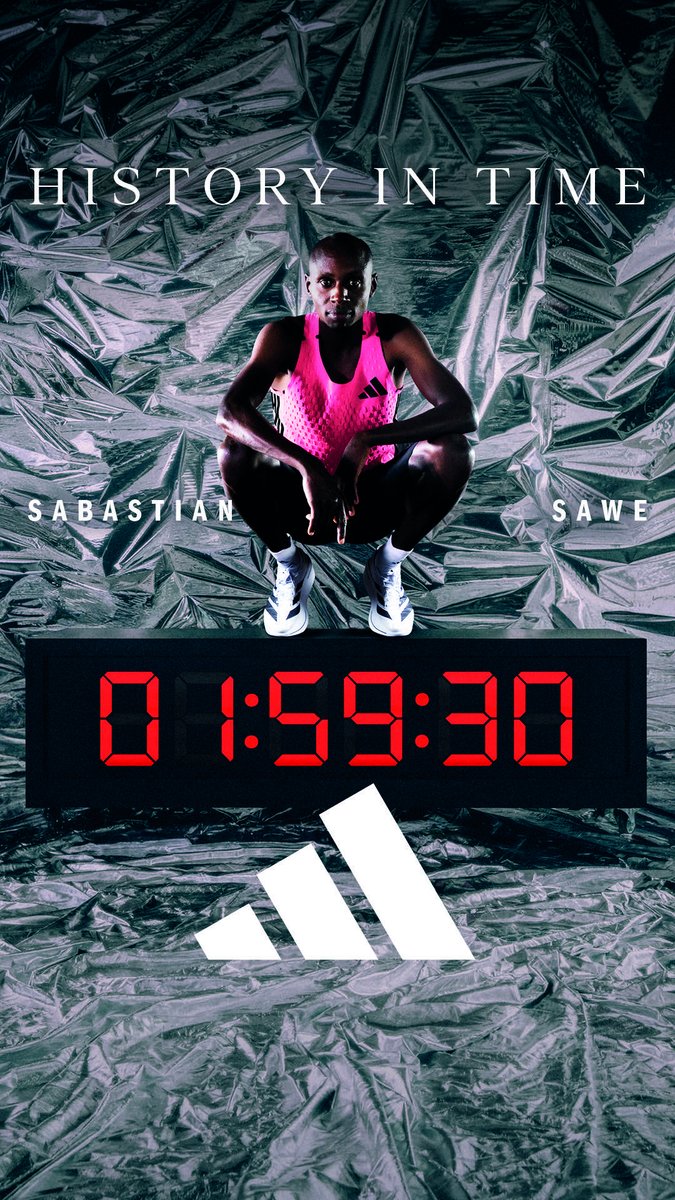
Nike spent ten years trying to break the 2-hour marathon. They named a project after it. They built special shoes. They paid the greatest marathoner alive to chase it. Yesterday, a Kenyan runner finally did it in 1:59:30, wearing Adidas.
Sabastian Sawe used to be a pacemaker. A pacemaker is the kind of runner you hire to set the speed for the first few miles of a race and then drop out before the finish. In January 2022, Sawe got booked to do exactly that at a half-marathon in Spain. He'd never raced more than three miles in his life. He stayed in for the full 13 and won the whole thing. Adidas signed him not long after. Four years later, he became the first human ever to run an official marathon under 2 hours.
Nike, meanwhile, started this whole project in 2016 with a public goal called "Breaking2." They paid for the shoes, the pacemakers, the science labs, and Eliud Kipchoge himself. Kipchoge ran 1:59:40 in Vienna in 2019, but the event was a closed-course exhibition with rotating pacemakers and a pace car projecting a green laser line onto the road. The sport's governing body never recognized it as a real race. It didn't count.
Then Nike's running business cratered. Digital sales fell 26% in one quarter. Their share of footwear sold at Dick's Sporting Goods went from 39% to 32% in five months. On Running grew from $330 million to $1.8 billion between 2020 and 2025. Hoka nearly quadrupled. Roger Federer left Nike for On. Nike's board fired the CEO in October 2024.
Adidas spent the same period building a better shoe. The new Adizero Adios Pro Evo 3 took three years to develop. It weighs 97 grams, about 3.4 ounces, lighter than a deck of cards. A Wall Street Journal-cited study found that wearing a shoe 3.5 ounces lighter saves a runner around 57 seconds across a marathon. Sawe beat the third-place finisher by 58 seconds.
Adidas also did something Nike never did for Kipchoge. They wrote a $50,000 check to the official anti-doping body for track and field, asking it to test Sawe more aggressively than any other runner alive. He got tested 25 times in the two months before last year's Berlin Marathon, and Adidas signed up to fund this for the length of his contract. The logic: the moment Sawe ran a marathon this fast, the world was going to ask if he cheated, especially after his countrywoman Ruth Chepngetich got a 3-year doping ban in 2025. Adidas got out ahead of it.
The shoe retails at $500 and is barely available. Adidas's Adizero shoes won half of all major marathon races in 2024. Yesterday in London, four of the top five finishers wore the same Adidas shoe. Yomif Kejelcha crossed the line 11 seconds after Sawe and also broke 2 hours. The top three runners all beat the previous world record.
Nike's only response was an Instagram post. Three sentences long: "The clock has been reset. There is no finish line." That was their entire public reaction to losing a 10-year moonshot to their biggest rival.

272
4,431
27,934
4,745,891
Apr 27
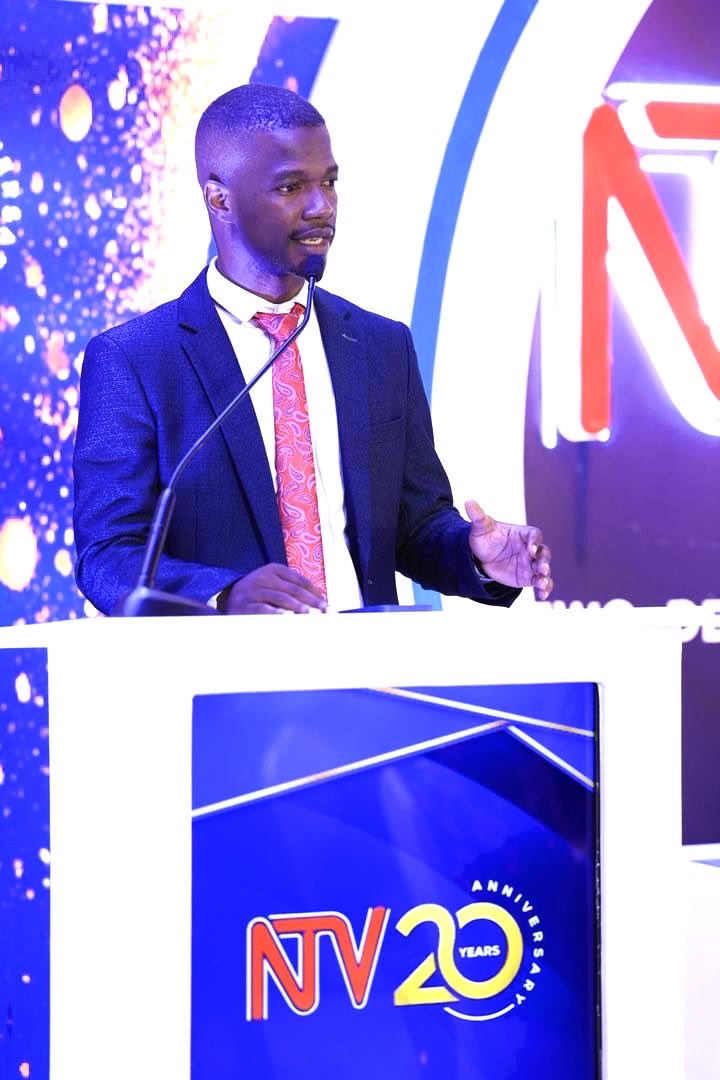
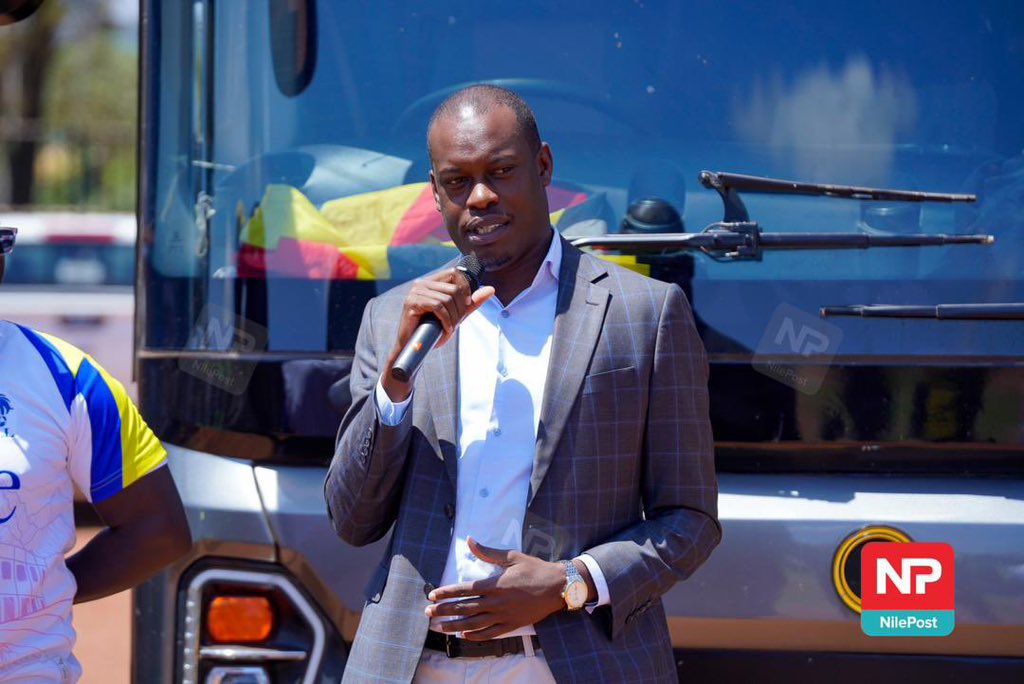
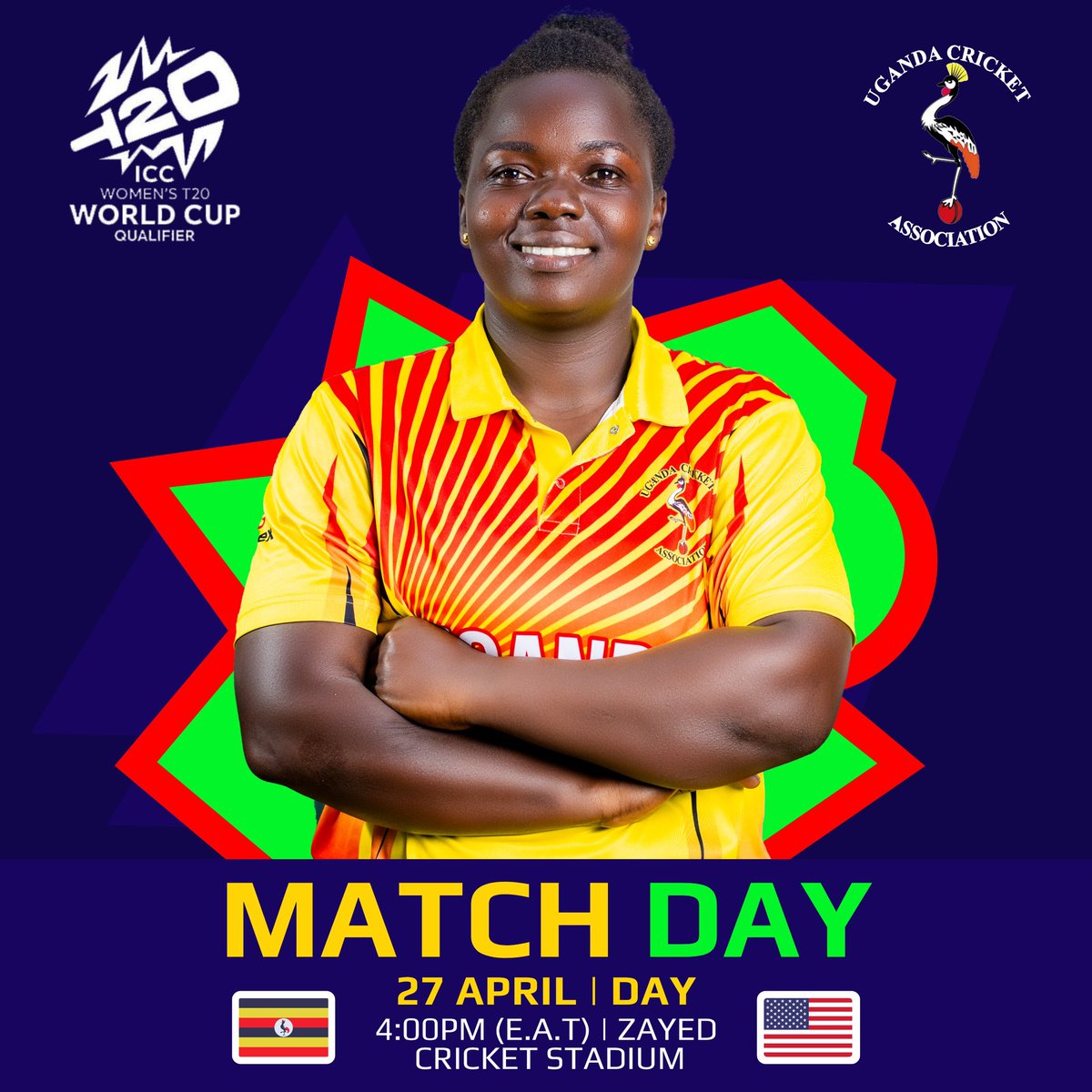
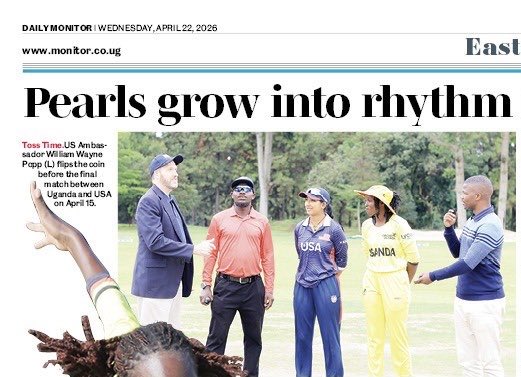
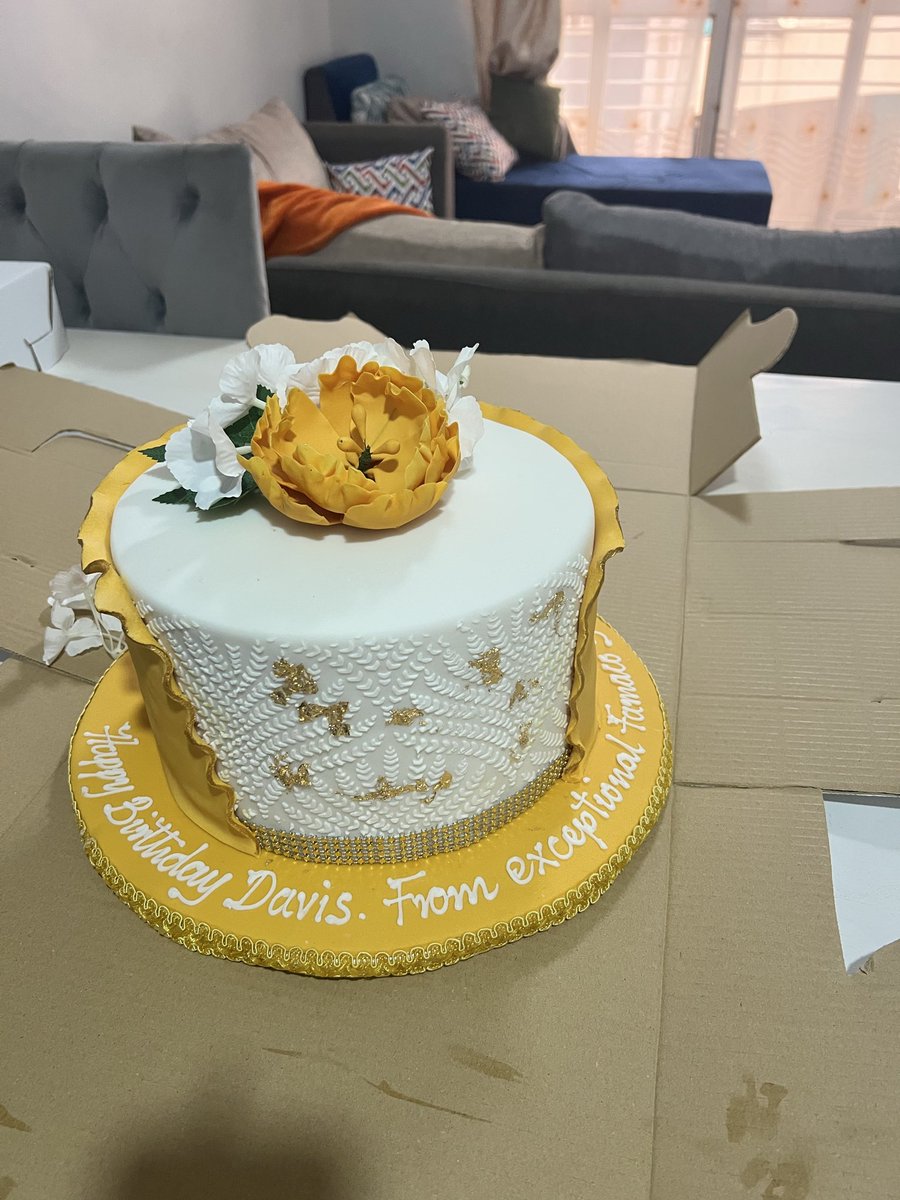
What a month…from officiating the toss between USA v Uganda alongside the ambassador, a surprise birthday treat from my FUFA family to giving the keynote address on behalf of the sports sector at the celebration of 20 years of NTV…blessings galore 🙏

3
12
43
2,592
Karashani Davis ©️ retweeted

Apr 14
In 2004, LEGO was on the brink of bankruptcy.
A $230 million loss the year before. Global sales had fallen 29% in a year.
The board brought in a 34-year-old to save it.
His first move was not a strategy deck. It was something most CEOs would never do.

74
427
4,802
3,105,793

Karashani Davis ©️ retweeted

Mar 30
A Visual Breakdown of The 48 Laws of Power by Robert Greene:
8
934
2,340
125,958
Karashani Davis ©️ retweeted

Mar 25
There's a small island in Norway called Sommarøy, and it doesn't follow time.
40
582
3,344
178,075
Karashani Davis ©️ retweeted

Mar 22
🚨 HOW DID THEY END UP ON THE ISLAND ACTUALLY....
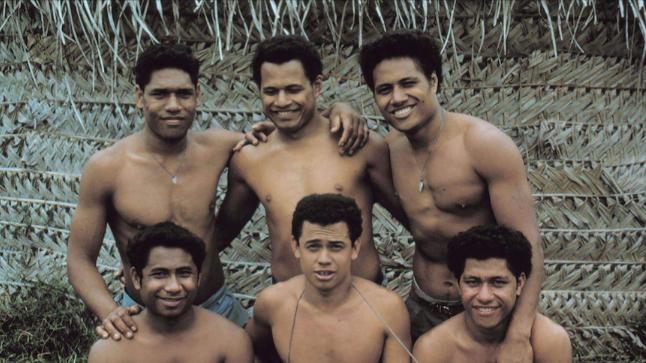
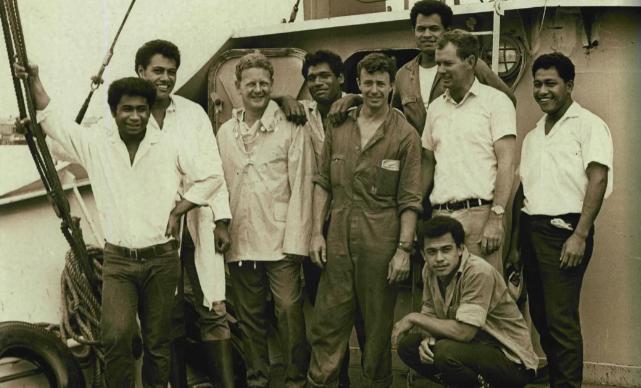
In June 1965, six Tongan teenage boys, Sione, Stephen, Kolo, David, Luke, and Mano, aged 13 to 19, grew tired of the strict life at St. Andrews boarding school in Nuku'alofa.
Craving adventure, they "borrowed" a small fishing boat one night and set sail, dreaming of reaching Fiji or even New Zealand. A fierce storm struck almost immediately.
The boat's sail tore, the rudder broke, and for eight agonizing days they drifted helplessly across the Pacific with no food or fresh water, surviving on rainwater and sheer willpower.
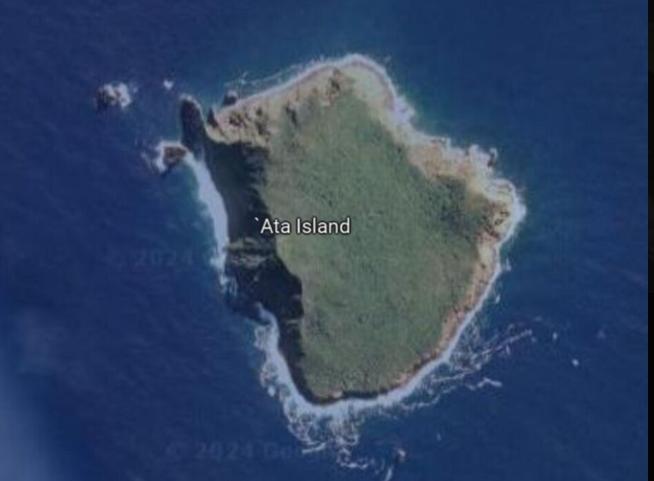
On the eighth day, they spotted land: the remote, uninhabited volcanic island of ʻAta, about 100 miles south of Tonga. Exhausted but alive, they swam ashore and began rebuilding their lives.
They quickly organized a cooperative system far removed from the chaos of Lord of the Flies. They made a pact never to quarrel, divided chores fairly, did gardening, fishing, cooking, and rotated duties.
They built a thatched hut, started a garden with what they could grow, caught birds and fish, and even tamed feral chickens descended from earlier inhabitants.
To stay sane and connected, they held nightly sing-alongs with homemade instruments, said prayers together, and kept a constant fire burning on a high point as a signal for rescue.
They maintained discipline, mutual support, and hope, emerging healthier and stronger, physically fit from labor and emotionally bonded.
Back home, their families mourned; funerals were held, believing the boys lost at sea forever. Fifteen months later, in September 1966, Australian lobster fisherman Peter Warner sailed near ʻAta and spotted smoke rising from the cliffs. Approaching, he saw the boys waving wildly.
One shouted in perfect English: "We're from Tonga!" Stunned, Warner took them aboard. They were remarkably healthy and cheerful. The reunion in Tonga was emotional; families who had buried empty coffins wept with joy.
Warner, impressed by their maturity, later hired some as crew on his boat. Their story, later shown by Rutger Bregman in Humankind, stands as a powerful counterpoint to assumptions of human savagery, showing that cooperation, resilience, and kindness can triumph in isolation.
7
89
964
37,586
Karashani Davis ©️ retweeted

Mar 16
Can an affidavit validly be commissioned over Zoom?
In VJS v SH (19578/2024) [2024] ZAWCHC 333, the issue was whether an affidavit signed and sworn via Zoom, with identity verified virtually by a Commissioner of Oaths, satisfied statutory oath requirements. The court accepted that the deponent had taken the oath via audiovisual link, emphasising that virtual oath-taking could fulfil the purpose of the statutory requirement (i.e., ensuring solemnity and truthfulness).
Practice Tip:
Ensure real-time audiovisual interaction, proper identity verification, clear documentation of the remote process, compliant signatures, and adherence to applicable legal requirements to safeguard the affidavit’s validity.
#LegalPractice #DigitalJustice
Visit & Subscribe: pmlawhub.com

67
133
7,948
Karashani Davis ©️ retweeted

Mar 4
THE TRAIN STATION THEORY :
THREAD 🧵

17
391
1,629
678,028
Karashani Davis ©️ retweeted

Feb 18
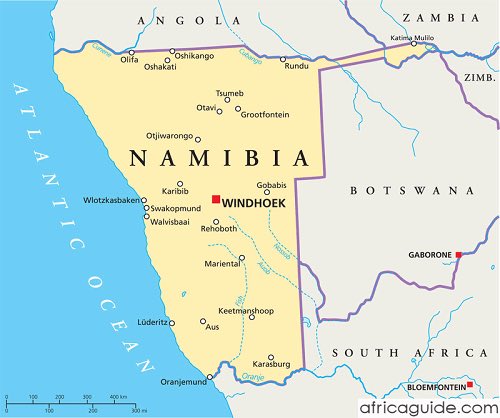
Every time I see Namibia playing, I think about this weird map they have with a strip called Caprivi Strip.
This strip has a hilarious piece of history behind it.
1/
38
296
2,783
999,984
Karashani Davis ©️ retweeted

Jan 28
🚨BREAKING LEGAL ALERT: Why every spouse needs to keep receipts for home improvements!!
The Court of Appeal in Resma Commercial Agencies v Ngattah [2025] KECA 2214 (KLR) has overturned a High Court decision that had cancelled the sale of a family home, ruling that a spouse does not acquire a beneficial interest in property simply by the fact of marriage or long term residence in the property.
The Court emphasized that for a spouse whose name does appear in the ownership documents eg a title deed to claim ownership in property registered to the other, they must provide credible, documented proof of their direct or indirect contribution to its acquisition or improvement.
Key Takeaways from the Decision:
Descriptive terms like our matrimonial home or family property do not automatically grant a spouse legal rights to the property one must prove contribution and not marital status.
The burden of establishing beneficial ownership lies squarely on the spouse claiming an interest to provide documentary evidence where available to establish the fact and amount of their contribution. Such evidence includes payment receipts, bank statements establishing contribution in payment of a mortgage etc
The Court upheld the principle of indefeasibility of title or the sanctity of the title, ruling that a purchaser who conducts a proper search & finds a sole registered owner, and pays valuable consideration is protected even if the property was a family home.
Spousal Consent not a requirement where one has failed to prove beneficial interest (trust) in the property through contribution.
Implications:
This decision is a significant win for registered property owners and bona fide purchasers, as it reinforces the finality of ownership of the person registered in the title.
However, it serves as a stern warning to non titled spouses that they must keep records of their contributions to family property to protect their interests in the event of a secret sale or dispute.
@joshuamalidzo @quincygitahi @Ndonglaw043
10
72
172
26,818
Karashani Davis ©️ retweeted

Jan 18
The fact he gave this speech while dying tells you all you need to know about him 🕊️
153
6,864
41,960
417,905
Karashani Davis ©️ retweeted

9 Dec 2025
This is the poorest president in the world ‼️‼️
230
5,544
40,371
733,058
6 Dec 2025
RT @GWANJEZ: Facts about the Moors you didn't know. Erased from history books 🤷🏿♂️
2,254