Joined December 2013
- Tweets 140,702
- Following 1,374
- Followers 1,073
- Likes 108,807
632 Photos and videos










steve beams retweeted

Pauline Hanson complaining about people not speaking English properly is peak hypocrisy.
#NPC

8
26
62
436
steve beams retweeted

Hanson started her National Press Club Address by deliberately misrepresenting what Welcome to Country is & announcing those groups of persons she considers should be honoured as nation builders. Went rapidly downhill from there as she mangled Australian population statistics👎
1
5
8
98
steve beams retweeted

“The gay law reform campaign is an important part of Tasmanian history from which today’s young people can draw important lessons about the damage inflicted by hate and how they can contribute to positive social change." - Yours Truly
Book here: trybooking.com/events/landin…

1
1
3
34
steve beams retweeted

This week is refugee week, here in Australia.
Timely, with the @socceroos including several.
Here’s another extraordinary story of an Afghan woman, who suffered displacement and tragedy, yet just peaked Everest.
Incredible resilience, determination. abc.net.au/news/2026-06-16/a…
5
32
101
1,270

steve beams retweeted

Breaking news; 🇮🇱 According to a poll conducted in Israel, Netanyahu is predicted to lose the elections with a 24% drop in support. If he loses the elections, Netanyahu will face trial in The Hague for war crimes.

1,049
6,344
48,876
2,869,509
steve beams retweeted

Australia isn’t “on the ropes” because workers have annual leave, sick leave, penalty rates, workers compensation and safety laws.
Those things weren’t handed down by generous employers. Workers and unions fought for them over generations. The 38-hour week, annual leave, superannuation, parental leave, workplace safety standards and unfair dismissal protections all exist because people organised and demanded them.
The claim that productivity has stalled because wages are “forced up” doesn’t stack up. For years, wages grew slower than productivity and slower than company profits. In fact, one of Australia’s biggest economic problems has been weak wage growth, not excessive wage growth.
If employment laws were making business “almost impossible”, Australia wouldn’t have thousands of profitable businesses, record company profits in many sectors, or unemployment near historic lows.
As for offshoring, companies offshore work because it is cheaper. That’s a business decision made by boards and executives trying to reduce costs and increase profits. Blaming unions for decisions made in corporate boardrooms is like blaming firefighters for house fires.
Australia absolutely faces challenges: housing affordability, productivity growth, energy transition, infrastructure bottlenecks and an ageing population. But the answer isn’t to strip away worker protections and return to some mythical past that never existed.
The countries with the highest living standards in the world generally have strong worker protections, strong institutions and productive economies. Those things are not mutually exclusive.
If we want a stronger Australia, let’s have an honest conversation about tax reform, skills, innovation, infrastructure, housing supply and competition policy. Blaming workers, unions and employment laws for every problem is simply looking for an easy scapegoat.
1
6
8
60

One Nation seeking millions from the NRA in exchange for softer gun laws .
abc.net.au/news/2019-03-26/s…
3
1
46
RT @call_me_tomasso: Stollen from Tony Shepherd, to poke the cooker bears. And because it matters:
"The party of ‘Aussie jobs for Aussies’…
9
steve beams retweeted

Fleeties
A bowl to have with your bowl.
Get charged up to fuck nazis up!
#SmokeFleet #FleetiesBreakfast
@theliamnissan @MarkleResists @realmackmiller
I forgot who made the meme first. sorry.

3
11
47
3,043

Do you think he called Israel’s attack on Gaza’s Great Omari Mosque deplorable? Or any Israeli attack on men, women, and children?

Russia’s attacks on Kyiv’s Pershka Lavra are deplorable.
Attacks like this are why I have announced sanctions to target the vessels, the money and the actors propping up Russia’s war economy, and in turn, threatening European security.
We will increase the pressure on Putin and his circle of collaborators until Russia’s war machine is brought to a halt and peace returns to our continent.
1
36
132
4,083
steve beams retweeted

Any woman would feel intimidated with #TimWilson narcissistic behaviour. Using abuse to control & intimidate. Name calling to hurt. “Grow up Amanda.” “Amanda needs to get a breathalyzer.” Not to mention BL. teeth baring, yelling talking over the top, threatening finger pointing.
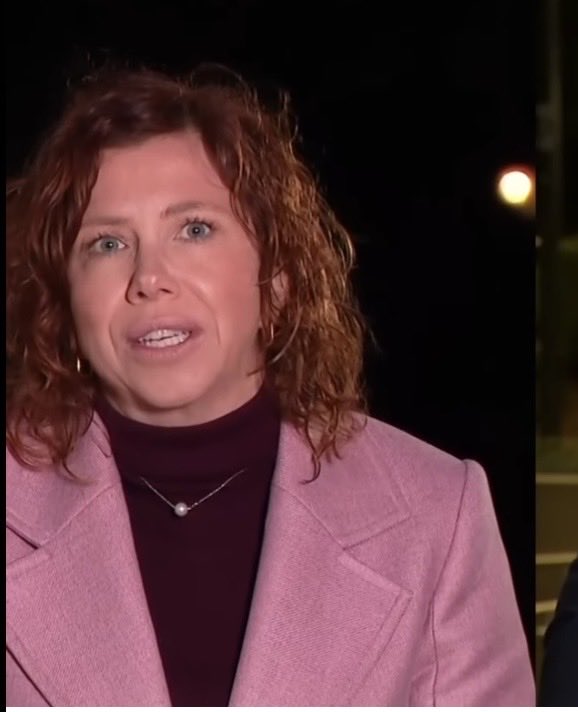
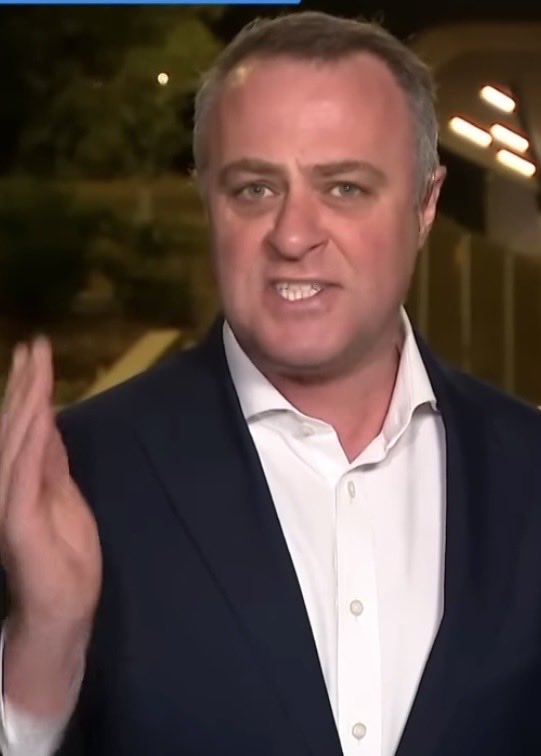


51
156
549
7,234
steve beams retweeted

BREAKING: Pauline Hanson's National Press Club speech delayed after her Philippines based speech writer failed to send the speech in time. #auspol

9
24
77
949
steve beams retweeted

Pauline Hanson always votes against wage rises here, now we know why. She wants to send Aussie jobs to the Philippines
news.com.au/national/politic…
4
9
12
572
steve beams retweeted

Poor James - dipping his toe into economics in the same way Eddie the Eagle participates in the Winter Olympics.
Sorry mate: The facts show of the 2.5% annual GDP growth recorded in the March qtr, 2.6ppts of it was private demand.
Fancy that!
21h

RBA holding rates but Bullock sounds like this is all punishing consumers/households for government profligacy. That's where the overheated demand is coming from.
23
40
170
12,453
steve beams retweeted

How the explosion of the ultra-wealthy risks democracy abc.net.au/news/2026-06-17/d… via @ABCaustralia
3
83
steve beams retweeted

The coronavirus vaccine reduced the risk of major cardiovascular events linked to covid-19 — strokes, heart attacks, and hospitalization from heart disease — by about 40 percent, according to new research. wapo.st/43EOal9
547
1,125
3,669
193,060
steve beams retweeted

Israel’s ethnic cleansing of West Bank Palestinian communities
Amnesty Report amnesty.org/en/latest/resear…
14
23
272
steve beams retweeted

Even in Mordor where the evil eye of Sauron watched over the Orcs, it didn't steal all their personal details, it didn't steal their medical history, it didn't record every single thing they ever did.
The evils of Palantir is far beyond anything Tolkien imagined
2
16
49
799