
Joined April 2022
- Tweets 2,095
- Following 1,807
- Followers 581
- Likes 7,597
236 Photos and videos







Deandre Levine 👉BIP-110👈 retweeted

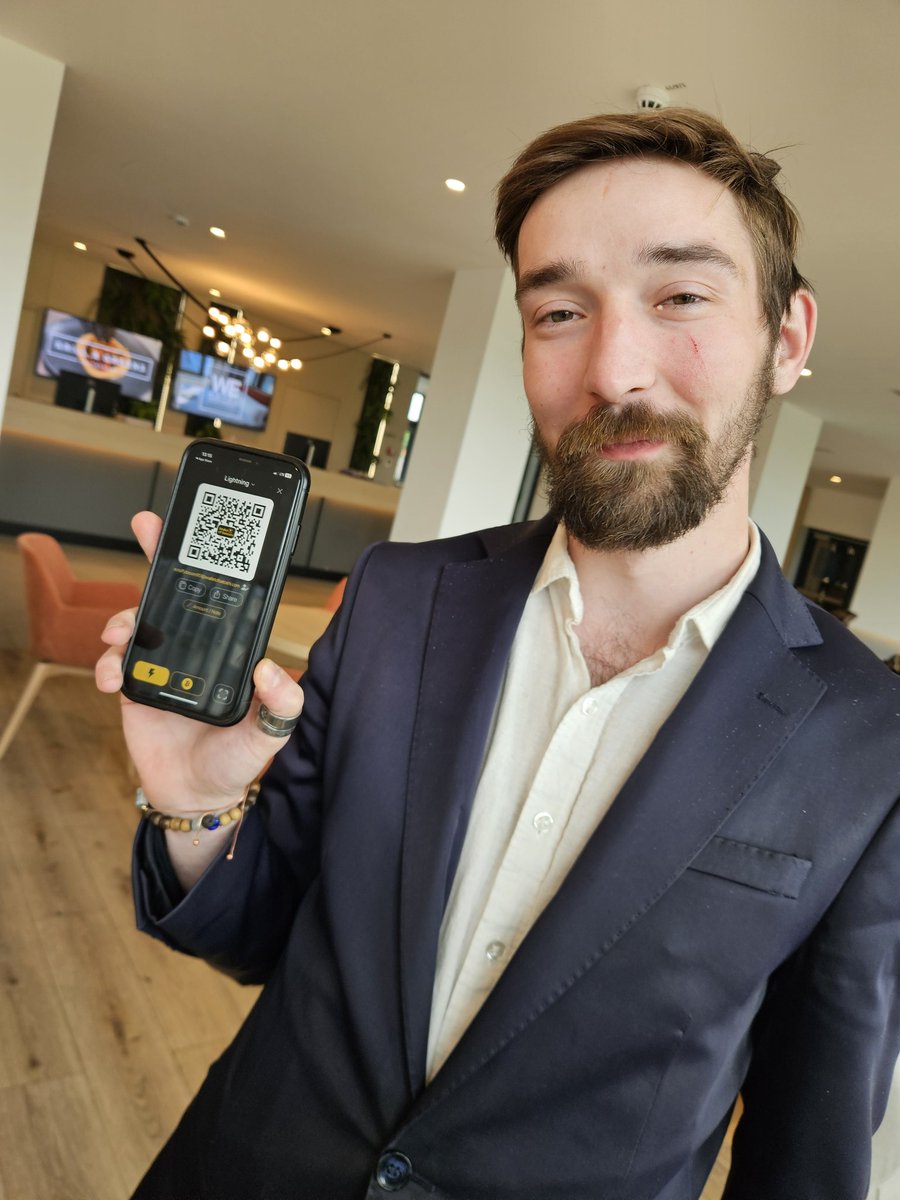
We have a new bitcoiner, can you help him along on his journey?
Met this amazing gentleman working at the hotel I visited in Prague
scruffybloom951@walletofsatoshi.com
4
3
26
678
Deandre Levine 👉BIP-110👈 retweeted

I have been employing hashers via braiins mining for a while now and I finally ran the numbers:
- I put in about 3,215,317 sats
- I got back about 2,967,376 sats
Spread over your ~4.5 months of real mining:
Keynesians think I suffered a loss of 247,941 sats
People that economically illiterate can see that I gained 1ph/sec that I pointed at my datum gateway signalling for bip-110 and 2,967,376 kyc free sats.
7
10
80
1,778
Deandre Levine 👉BIP-110👈 retweeted

Jun 13
🎉 BIP-110 SIGNALING BLOCK!
Block 953,488 signals for BIP-110
Miner: OCEAN (BIP110)
BIP-110 status: thebitcoinportal.com/live/no…
mempool.guide/block/00000000…
3
19
141
2,190
Deandre Levine 👉BIP-110👈 retweeted

Jun 12
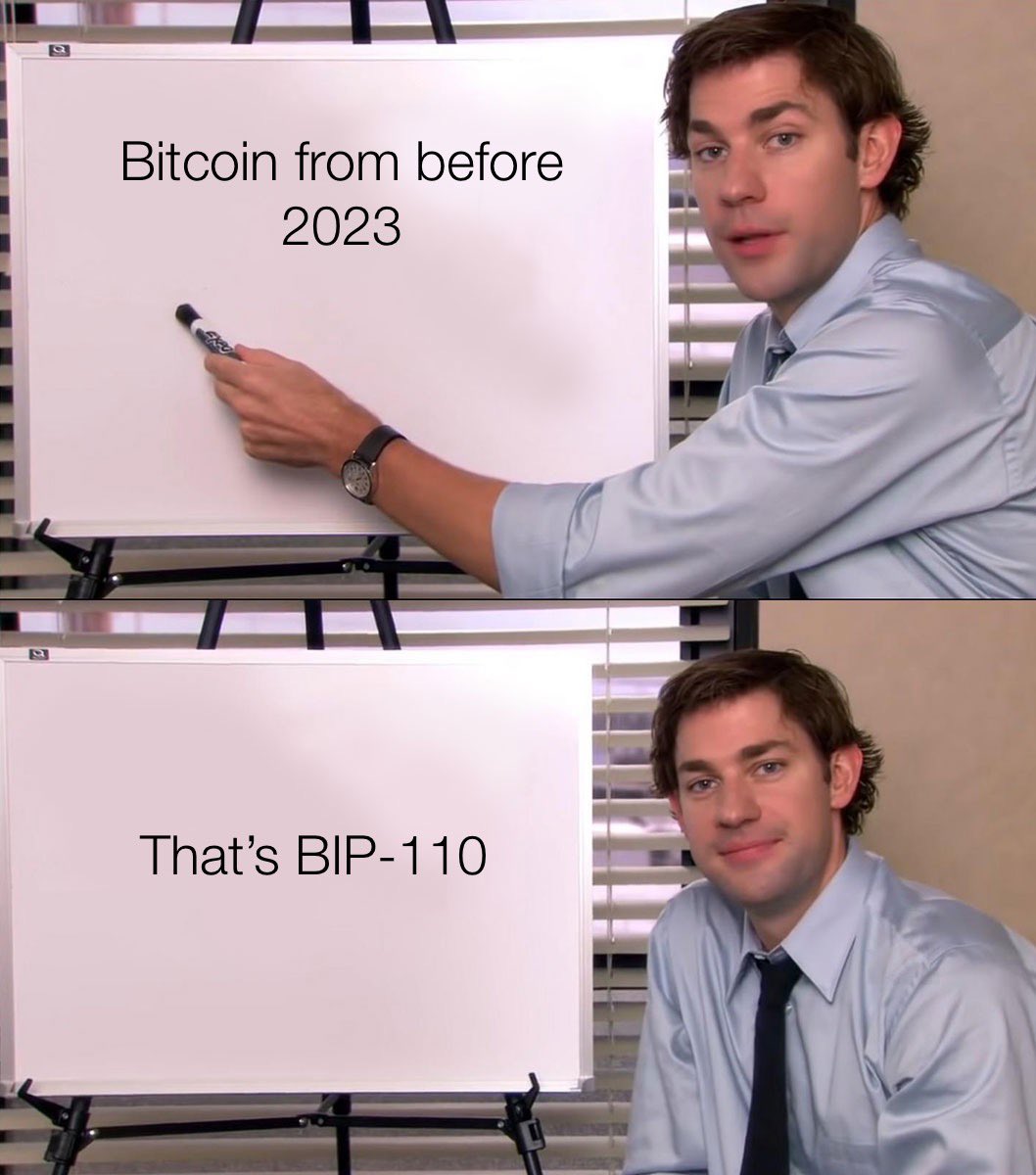
Bitcoiners that signal for BIP-110 are just maxis from 2022.
26
57
375
13,316
Deandre Levine 👉BIP-110👈 retweeted

Jun 14
NEW: Trump’s approval rating hits 28%. The lowest for any president in U.S. history.
904
4,554
29,739
1,046,471
Deandre Levine 👉BIP-110👈 retweeted

Jun 13
Reminder that 73% of Bitcoin nodes today support and enforce (to one degree or another) the rules made firm by BIP110; and until last October (2025), that was 99%.
19
77
385
15,034
Deandre Levine 👉BIP-110👈 retweeted
Jun 14
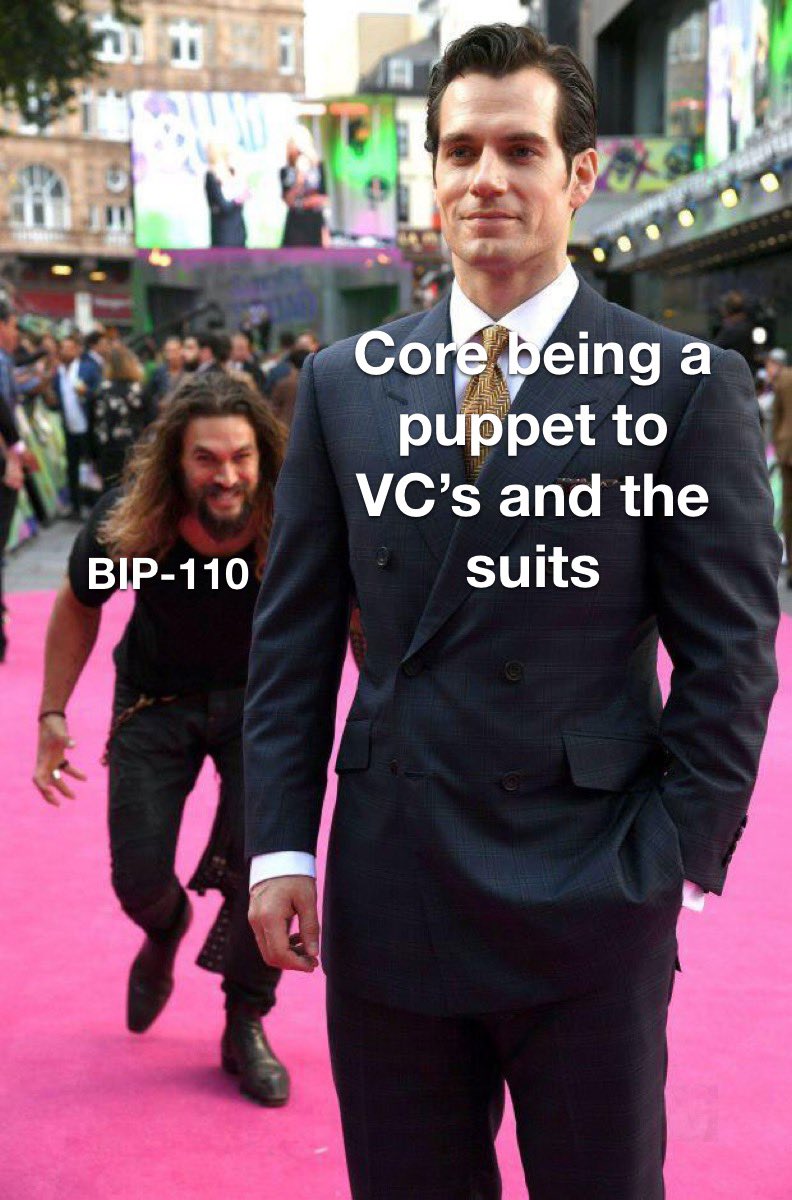
The reason BIP-110 makes sense is bc of who Core is controlled by
13
23
145
2,998
Deandre Levine 👉BIP-110👈 retweeted

People need to stop deferring to @giacomozucco for their opinions on BIP110. His stance is one long rationalization for inaction in a circumstance where it's deeply needed.
40
76
353
23,387

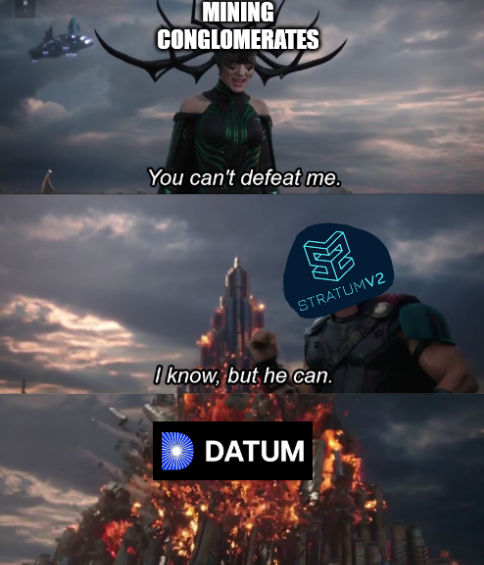
Tick tock...still no Sv2 blocks.
#FYFF
Jun 12

⛏️ New Ocean Block Mined ⛏️
Block Height: 953422
Fees: 0.019 BTC
Subsidy Fees: 3.144 BTC
Difficulty: 138.96T
Solver: BIP110
mempool.guide/block/00000000…
2
12
63
922
Deandre Levine 👉BIP-110👈 retweeted

Jun 13
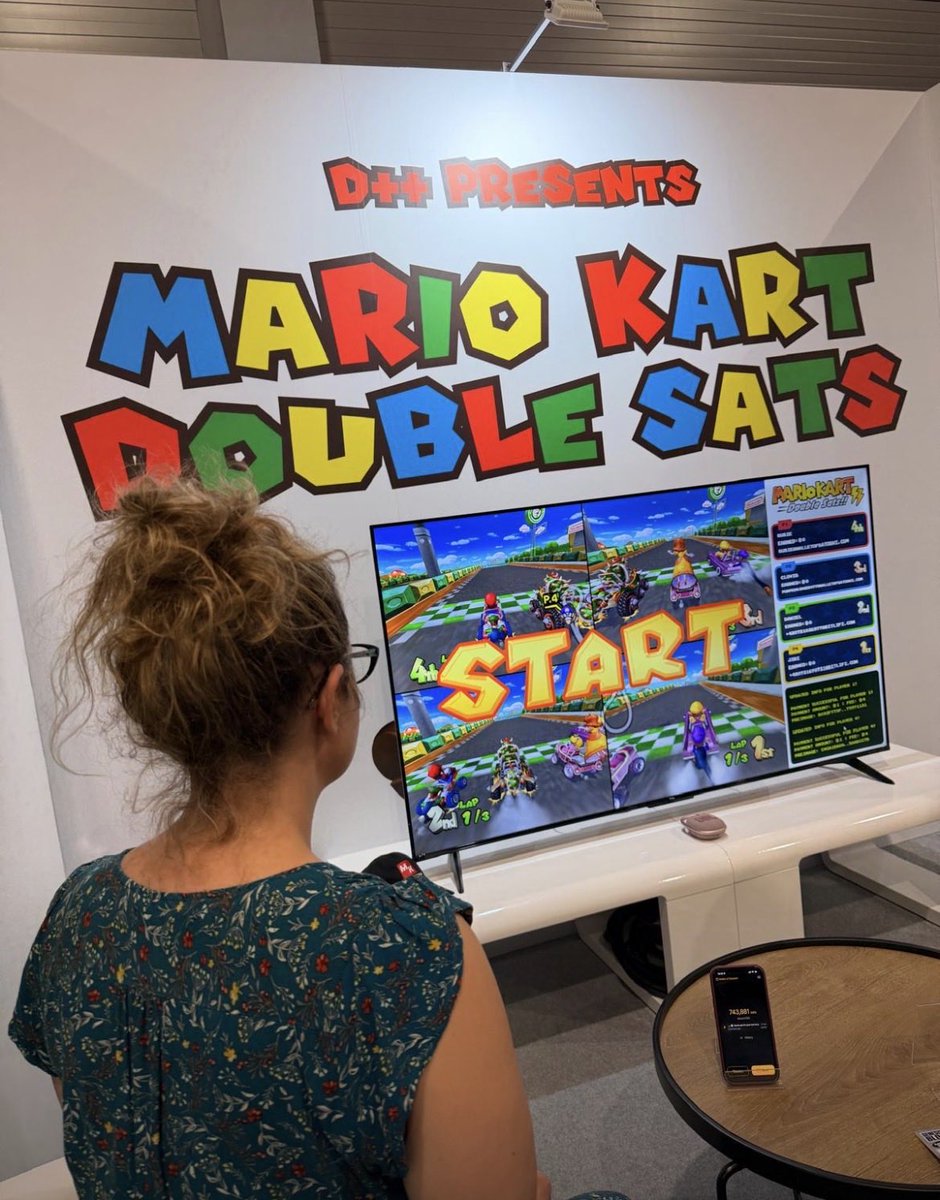
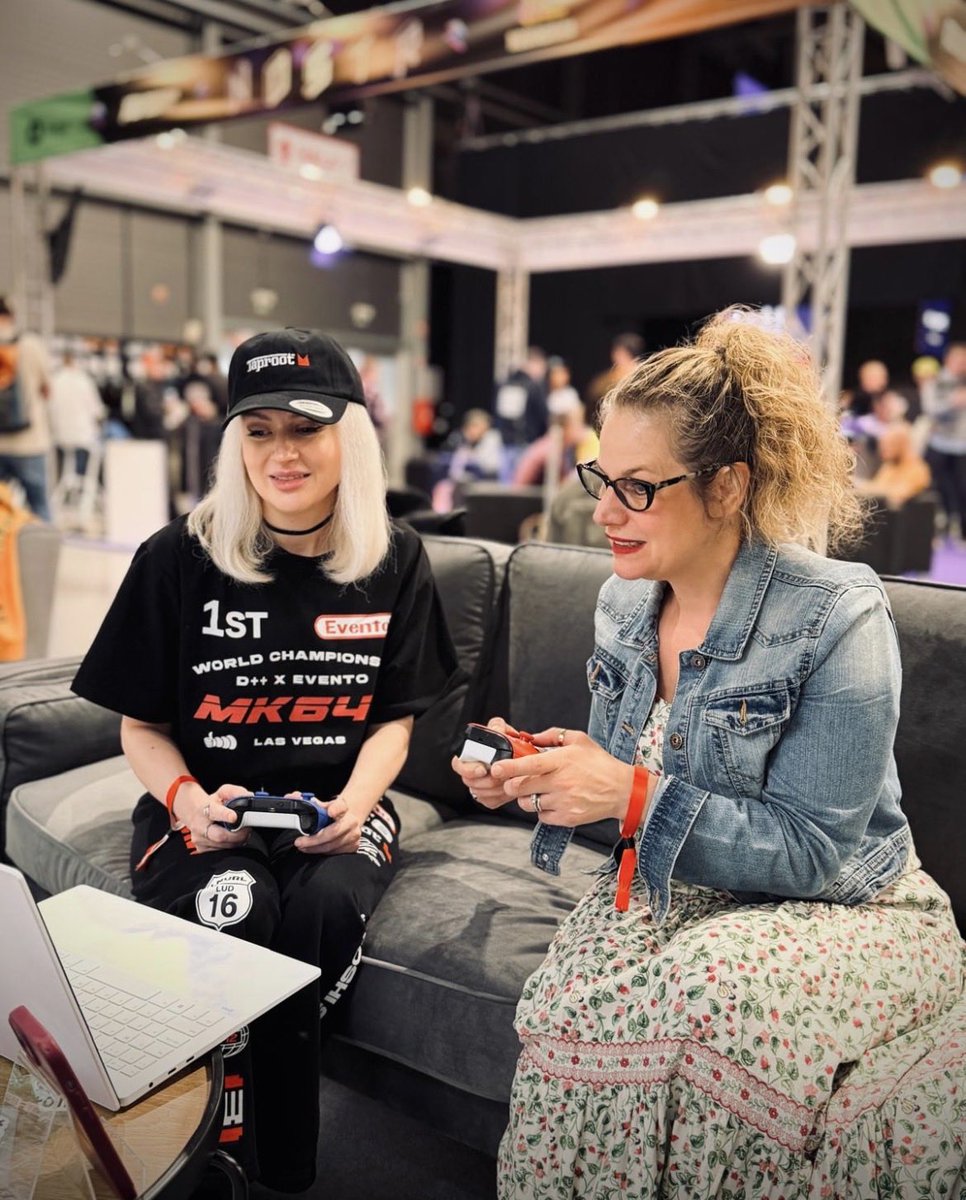
D is a genius.
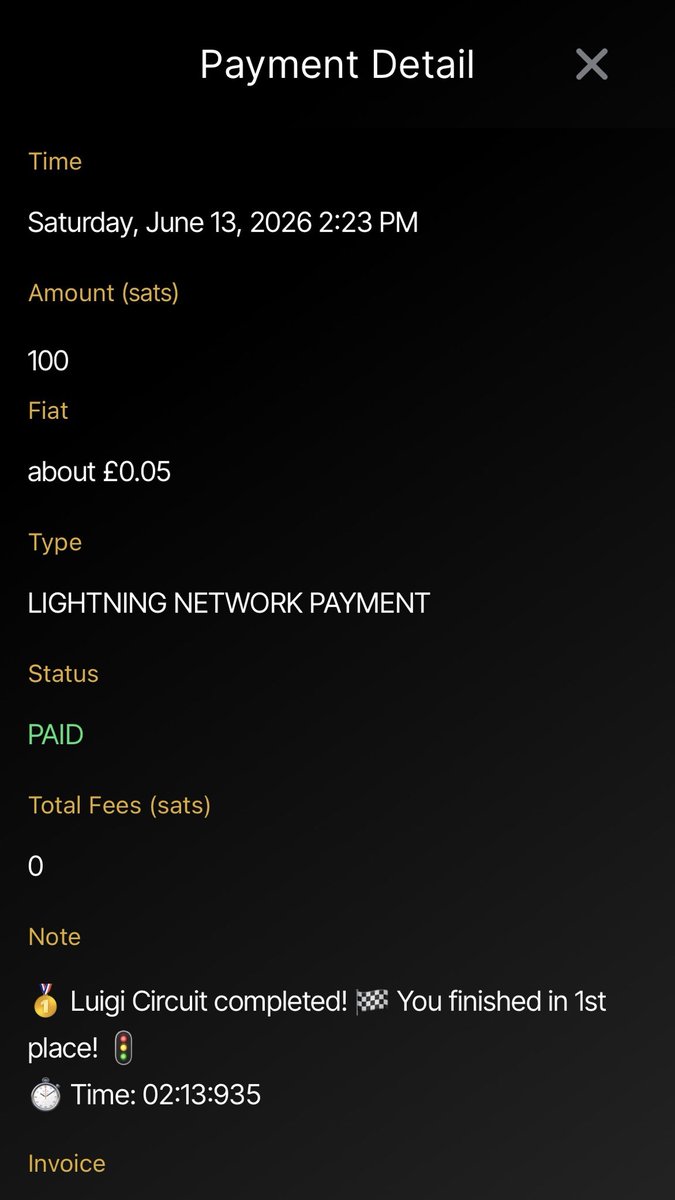
She reverse engineered (hacked) Mario Kart, read the game’s memory in real time, and connected gameplay directly to Lightning payments.
As you race, sats stream to your wallet. The leaderboard updates live. Payments happen automatically. Every lap, overtake and position change can be reflected through Lightning in real time.
What makes this so clever is that it transforms Bitcoin from something people are told about into something they experience.
For many people, especially in places where scams have damaged trust, learning about Bitcoin through a game is far more powerful than listening to a presentation or reading a guide.
Projects like this also help stress test wallets, uncover bugs, improve UX and show developers what’s possible when money becomes native to the internet.
The most important thing… it’s fun… and fun is one of the most underrated drivers of adoption.
This will inspire a new generation of builders to create games, educational tools and entirely new experiences powered by Lightning. ⚡️⚡️⚡️
17
41
216
8,421
Deandre Levine 👉BIP-110👈 retweeted

Jun 12
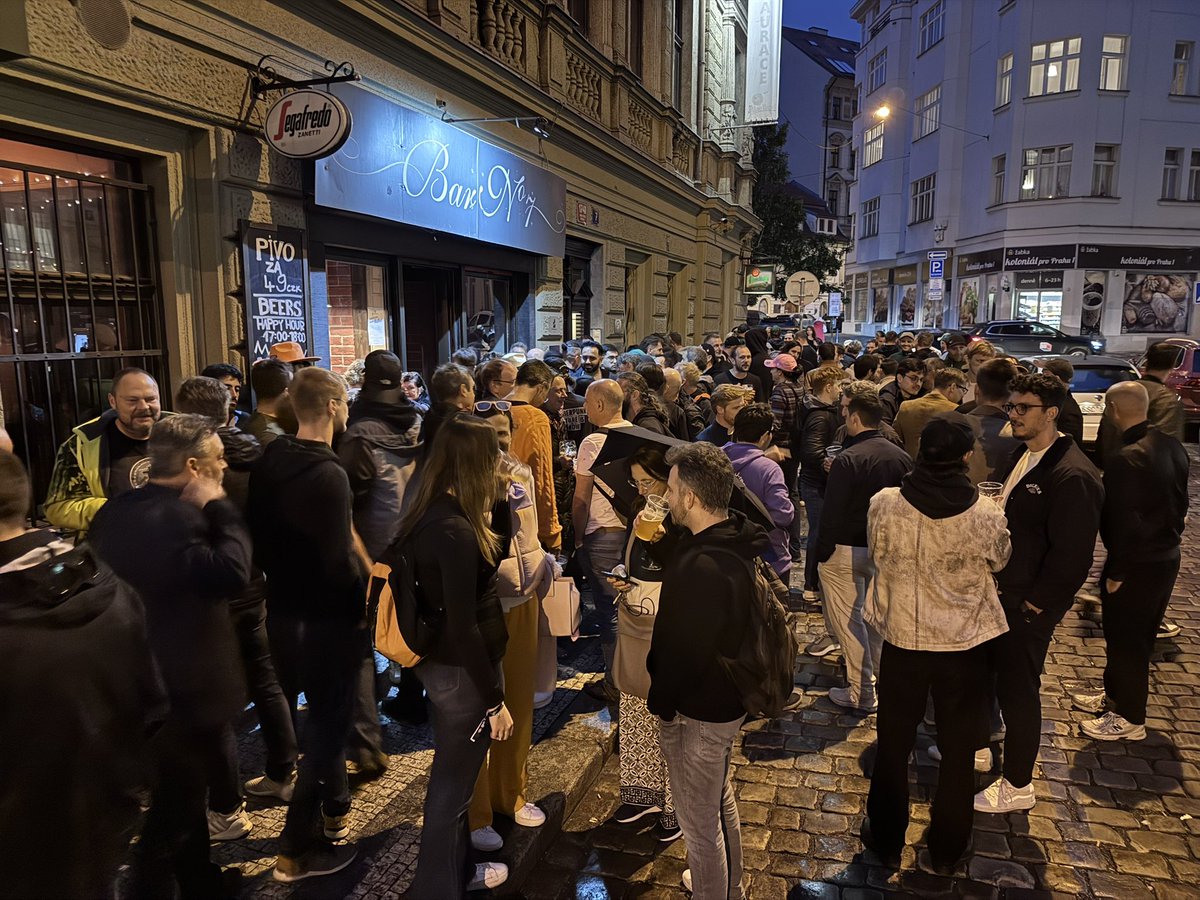
Bar 7 is 🔥
It accepts bitcoin since 2013 🚀🚀🚀
10
19
211
6,033
Deandre Levine 👉BIP-110👈 retweeted
🔥🔥🔥 #SOLOSUNDAYS SEASON 2 — WEEK 5 IS LIVE! 🔥🔥🔥
@sweetnessrose 🏆 @AndiBaa1 🏆 @UnhapplyAHseWif 🏆 @RobertEvo0vr4 🏆
4 winners. 4 Bitaxe Gammas LEFT.
Watch the video — this could be YOU next Sunday ⛏️💥
@SoloPoolBTC x @BasicMining keep giving back to the ₿itcoin mining community. No other pool does this 👊
🇺🇸 US winners get a FREE Bitaxe Gamma — miner stand power supply. Up to 1.2 TH/s.
🌍 International winners score a FULL WEEK of 120 TH from a S19K Pro — Solo, Prop , or Solo-Split. YOUR choice!
The ONLY truly hybrid ₿itcoin mining platform:
⛏️ Solo — swing for the block 🎰
📈 Prop — steady stacking 💰
🎯 Solo-Split — YOU set the %. NOWHERE else 🏆
⚡ Lightning fast stratum servers:
🇺🇸 stratum tcp://stratum.solopool.com:3333
🇪🇺 stratum tcp://eu.solopool.com:3333
Takes 10 seconds:
✅ Follow @BasicMining & @SoloPoolBTC
✅ Tag a friend! 🤝
✅ Repost & Like this post!
Winner randomly drawn this Sunday 🔥
🇺🇸 Bitaxe shipping limited to CONUS (lower 48 states)
🌍 Hashrate prize open worldwide!
Support a pool that GIVES BACK —
Mine ₿ Your Way ⛏️ solopool.com
Buy & Host Your Miners 🔶 basicmining.com
#SOLOSUNDAYS #Bitcoin #BitcoinMining #BitaxeGamma #Giveaway #HashrateGiveaway #SoloMining #BitcoinMiningPool #FreeBitaxe #MinerHosting #BTC #SoloSplit #Prop #MineYourWay
20
22
37
561
Deandre Levine 👉BIP-110👈 retweeted

Jun 13
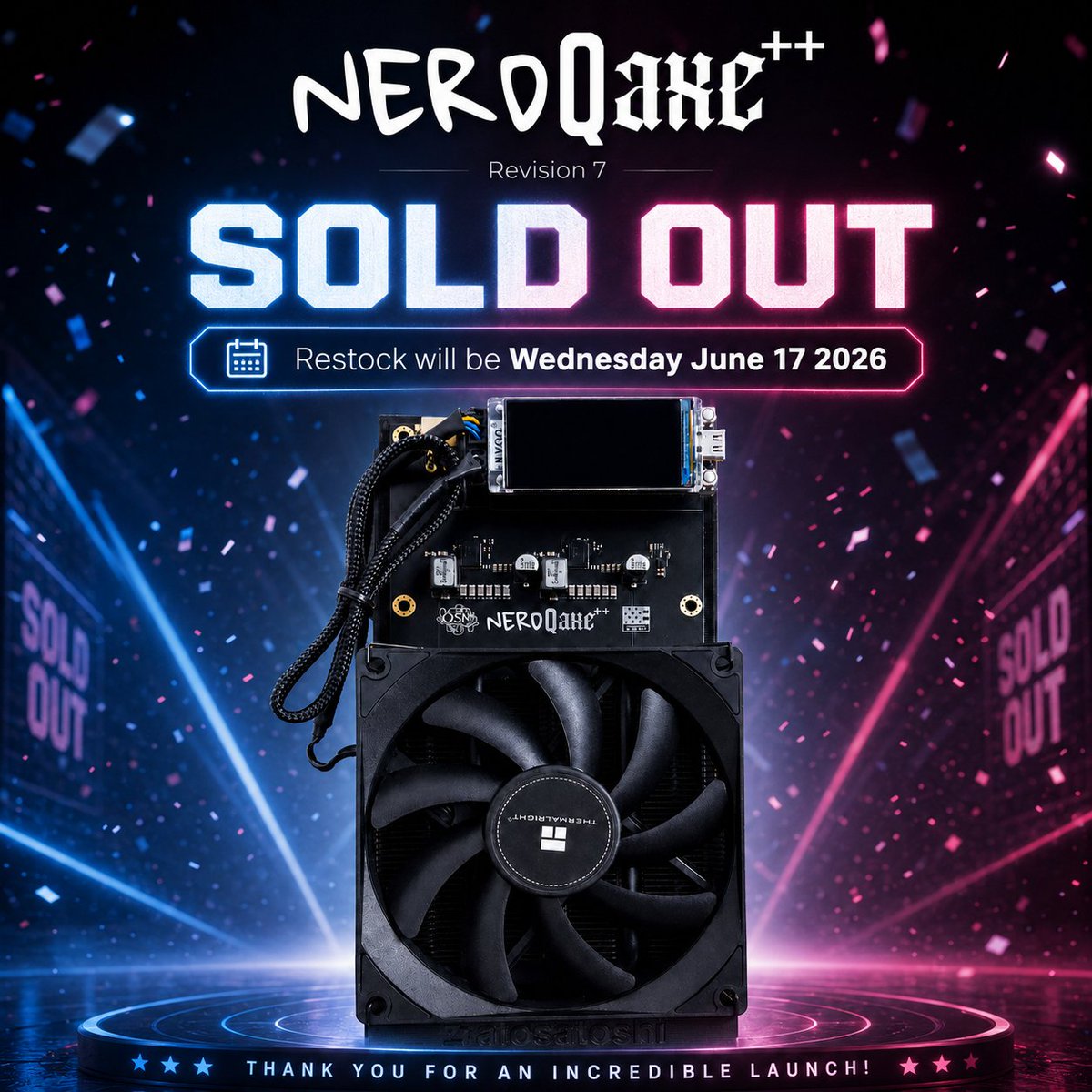
WE DID IT! 🎉 NerdQaxe Revision 7 is COMPLETELY SOLD OUT!
Wow. Just... WOW. We are absolutely blown away by the response to Revision 7. This launch exceeded every expectation we had, and it's all because of YOU, the most passionate, dedicated, and supportive community in the entire home mining space! 💙💜
From the first unit to the very last, you showed up in incredible numbers and proved once again that the open-source mining movement is stronger than ever. Every single NerdQaxe that ships out represents another hashrate warrior joining the fight. We couldn't be prouder to build alongside you.
For everyone who missed out, don't worry, we've got you! Restock is coming Wednesday, June 17, 2026. Mark your calendars, set your alarms, and get ready. Revision 7 will be back!
Thank you for an absolutely incredible launch. The best is yet to come. 🚀
18
23
131
6,195
Deandre Levine 👉BIP-110👈 retweeted

Jun 13
No bartender. No bank.
@kucharmartin_ walks up, taps his own drink, pays with Bitcoin Lightning and starts farming points – every beer, water or lemonade gets you closer to €40,000 in bitcoin at @BTCPrague ⚡️🍺
This is the kind of thing your bank will never show you. 🎉
2
10
34
3,652
Deandre Levine 👉BIP-110👈 retweeted

Jun 12
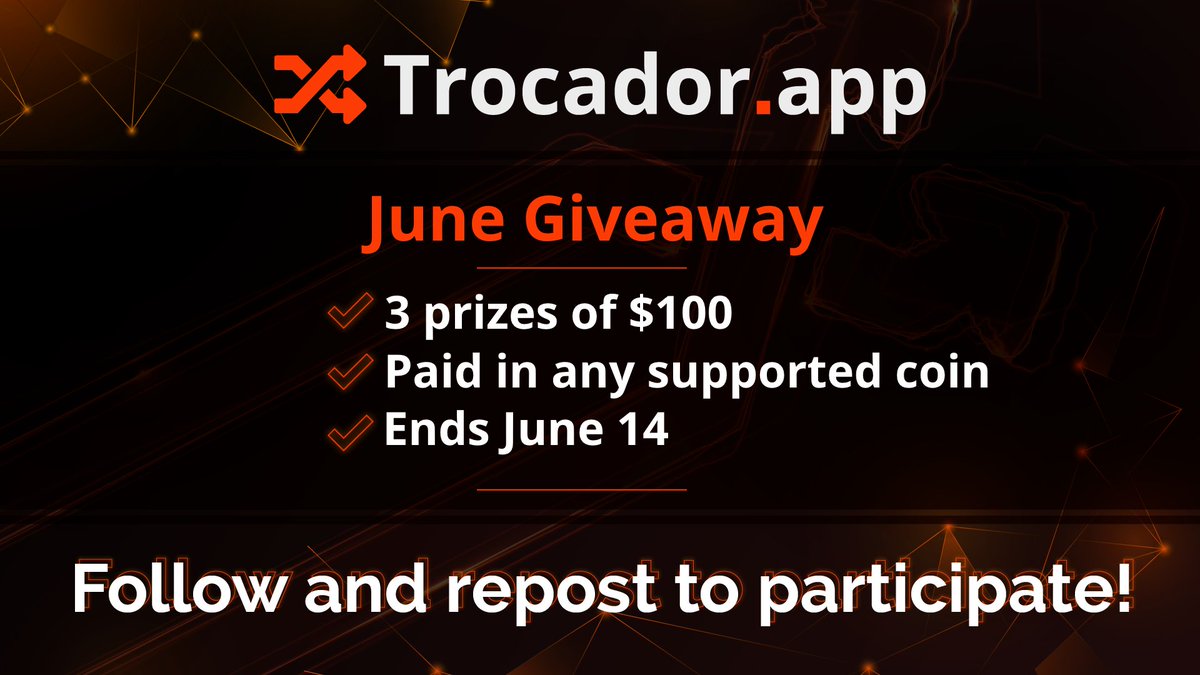
Trocador.app's June Giveaway 🎁
Rules:
- 3 prizes of $100💰
- Paid in your crypto of choice 🪙
- Follow @TrocadorApp✅
- Like and Repost 🔃
- Ends June 14⏲️
- Winners announced June 15 🏆
Good luck everyone!🍀
ALT Trocador.app Giveaway
832
1,655
1,741
31,627
Deandre Levine 👉BIP-110👈 retweeted

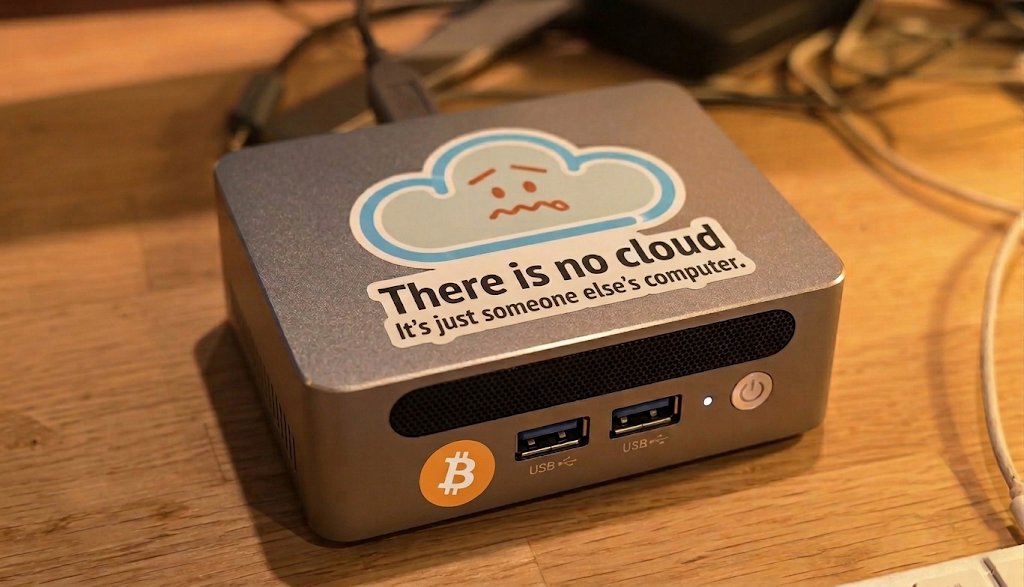
Don't abuse node runners.
Bitcoin is money, not a data cloud storage.
Fight back node runners.
BIP-110 to the rescue.
5
47
294
6,211
Deandre Levine 👉BIP-110👈 retweeted
Jun 8
🎉 BIP-110 SIGNALING BLOCK!
Block 952,819 signals for BIP-110
Miner: OCEAN (BIP110)
BIP-110 status: thebitcoinportal.com/live/no…
mempool.guide/block/00000000…
3
26
140
2,047
Deandre Levine 👉BIP-110👈 retweeted

Jun 6
BIP 110 debate between @cguida6 on the side of BIP 110 and @SuperTestnet on the side against BIP 110.
youtu.be/qz-VdXUK8hY
21
30
116
33,941

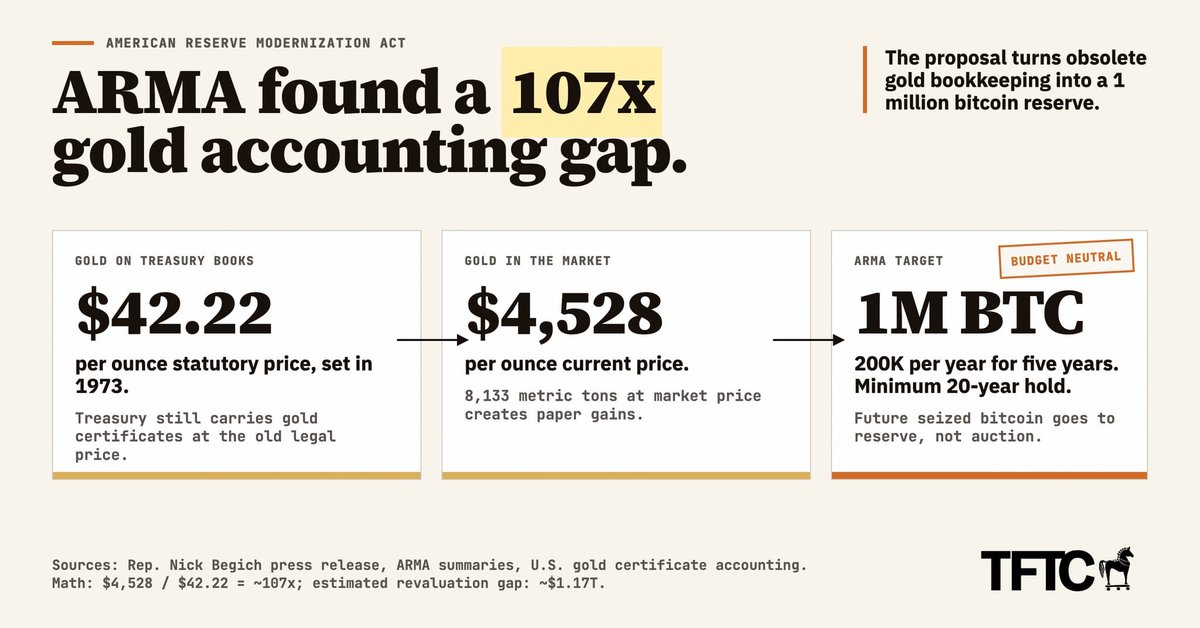
A new bill in Congress would fund a 1 million bitcoin reserve by closing a 107x accounting gap on U.S. gold.
Rep. Nick Begich (R-AK) and Rep. Jared Golden (D-ME) introduced the American Reserve Modernization Act of 2026 (ARMA) on Wednesday with 21 cosponsors.
The bill would authorize the U.S. Treasury to acquire up to 200,000 bitcoin per year for five years. It is a rebranding of the original BITCOIN Act co-introduced by Begich and Senator Cynthia Lummis, and would codify Trump's March 2025 Strategic Bitcoin Reserve executive order into permanent law.
The bill classifies bitcoin as a "Tier 1" strategic reserve asset, putting it on the same legal footing as gold. All acquisitions must be budget-neutral. The funding mechanism is revaluing Federal Reserve gold certificates from their statutory price of $42.22 per ounce, set in 1973, to current market prices. At today's gold price of $4,528, that revaluation would unlock over $1.17 trillion in paper gains on the government's 8,133 metric tons of gold without new taxpayer debt.
The bill ends the practice of auctioning seized bitcoin. All future seizures go directly to the Strategic Reserve instead of being liquidated by the U.S. Marshals Service. Bitcoin in the reserve would be held for a minimum of 20 years, with the only exception being sales to reduce the national debt.
Federal custody standards include geographic distribution of private keys across air-gapped facilities, multi-signature governance requiring authorization from the Treasury, the Fed, and an independent third agency, and investment in quantum-resistant cryptographic upgrades. This is the most technically detailed bitcoin custody language ever written into a Congressional bill.
The U.S. government has been carrying gold on its books at $42.22 an ounce for over 50 years while the market price surged past $4,500. ARMA would close that gap and use the difference to buy an asset that cannot be debased. Whether it passes is one question. That it exists with bipartisan support and 21 cosponsors on day one is the signal.
6
22
94
3,988
Deandre Levine 👉BIP-110👈 retweeted

Jun 7
🔥🔥🔥 #SOLOSUNDAYS SEASON 2 — WEEK 4! THE TRAIN DOESN'T STOP! 🔥🔥🔥
@sweetnessrose ✅ @AndiBaa1 ✅ @adolfo21m ✅
3 winners ALREADY or SOON TO BE holding prizes.
5 MORE Bitaxe Gammas to give away. WHO'S NEXT?! ⛏️💥
Meanwhile the @SoloPoolBTC community is CRUSHING IT:
🇺🇸 Best Share on US Pool: 81.95T 🤯
🇪🇺 Best Share on EU Pool: 72.83G 💪
THAT'S what happens when miners mine THEIR way!
🇺🇸 US winners get a FREE Bitaxe Gamma — miner stand power supply. Up to 1.2 TH/s.
🌍 International winners score a FULL WEEK of 120 TH from a S19K Pro — Solo, Prop , or Solo-Split. YOUR choice!
⛏️ Solo — swing for the block 🎰
📈 Prop — steady stacking 💰
🎯 Solo-Split — YOU set the %.
The ONLY pool that lets you do this 🏆
⚡⚡ Lightning fast stratum servers ⚡⚡
🇺🇸 stratum tcp://stratum.solopool.com:3333
🇪🇺 stratum tcp://eu.solopool.com:3333
Takes 10 seconds:
✅ Follow @BasicMining & @SoloPoolBTC
✅ Tag a friend! 🤝
✅ Repost & Like this post!
Winner randomly drawn this Sunday 🔥
🇺🇸 Bitaxe shipping limited to CONUS (lower 48 states) 🌍 Hashrate prize open worldwide!
Support a pool that GIVES BACK — Mine ₿ Your Way ⛏️ solopool.com
Buy & Host Your Miners 🔶 basicmining.com
#SOLOSUNDAYS #Bitcoin #BitcoinMining #BitaxeGamma #Giveaway #HashrateGiveaway #SoloMining #BitcoinMiningPool #FreeBitaxe #MinerHosting #BTC #SoloSplit #Prop #MineYourWay
105
125
142
4,581