
Manga addict, journalist & traveler. Co-host for Mangasplaining podcast. Writes about manga for Comics Beat, K-Comics Beat & Publishers Weekly.
Joined June 2008
- Tweets 172,152
- Following 10,360
- Followers 22,099
- Likes 12,778
15,225 Photos and videos




Deb Aoki retweeted

6月25日(木)5限の「マンガ論」(担当:西原麻里先生)では、ゲストスピーカーによる特別講義を開催いたします!
タイトル:
戦争、ジェンダー、セクシュアリティ、人種差別・・・マンガ『線場のひと』に込めた思いと創作活動
ゲスト:小宮りさ麻吏奈さん(マンガ家・現代アート作家)
(詳細)↓↓


1
12
71
9,454

Deb Aoki retweeted

Česká reprezentace, která během základní skupiny pobývá v texaském městě Fort Worth, přijala pozvání městské samosprávy k návštěvě místní čtvrti Stockyards. 🇺🇸
Český tým navštívil také tradiční rodeo. Čtvrť Stockyards hrdě odkazuje na místní tradici kovbojství a Divokého západu. Právě zde se v roce 1918 uskutečnilo první halové rodeo na světě. Děkujeme za pozvání! 🐂🫶




147
952
13,196
308,462
Deb Aoki retweeted

重なるベタフラ。
やり方は武井さんの職場で学んだかなと。
ちなみに僕は、一発で綺麗にやれる技巧派ではなく、ミスとリカバリーで何とかしてきた地道派です。
これもなかなか難しかったのですが、ミスとリカバリー含めて載せてます。やり方の参考までに。
一番の難関はホワイトペンでその理由は
2
212
793
52,810
Deb Aoki retweeted

미국 스튜디오 MAKE의 작품이다. 이집트 고양이 여신 바스테트에서 시작해 19세기 회화를 거쳐 현대까지, 고양이의 역사를 16초 안에 훑는 애니메이션이다.
시대는 바뀌었다. 고양이는 바뀌지 않았다. 그게 이 영상의 결론이다.
16
3,245
9,363
217,856
Deb Aoki retweeted

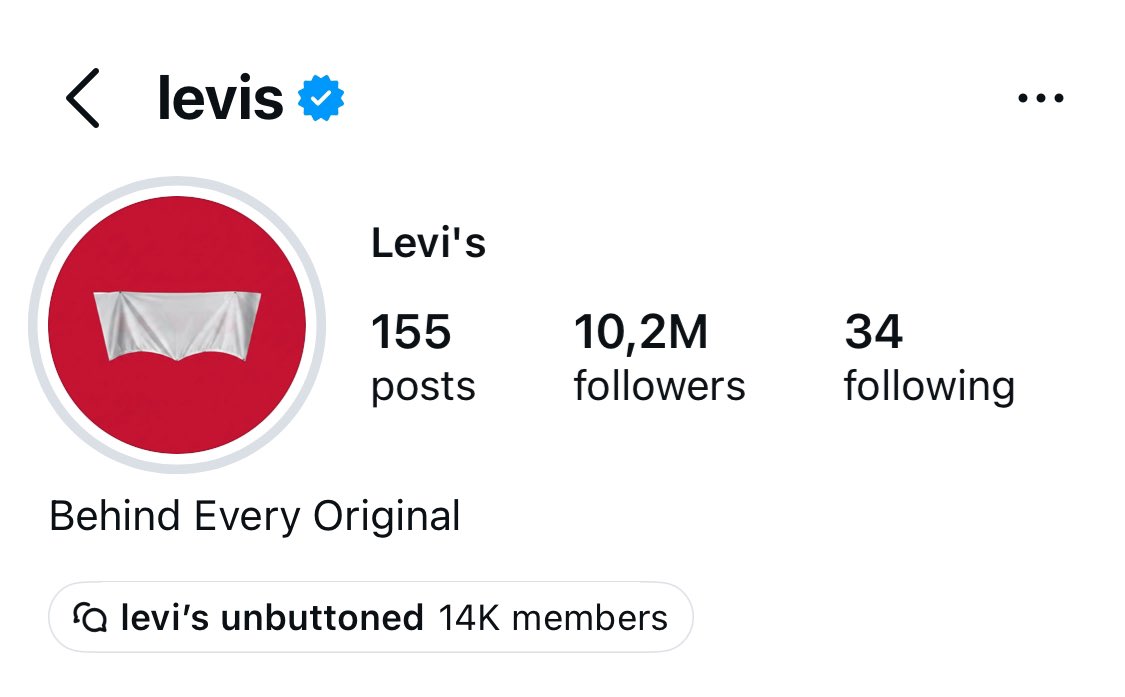
Levi’s is now using this “wrapped” logo as their Instagram profile pic 😄

Jun 12

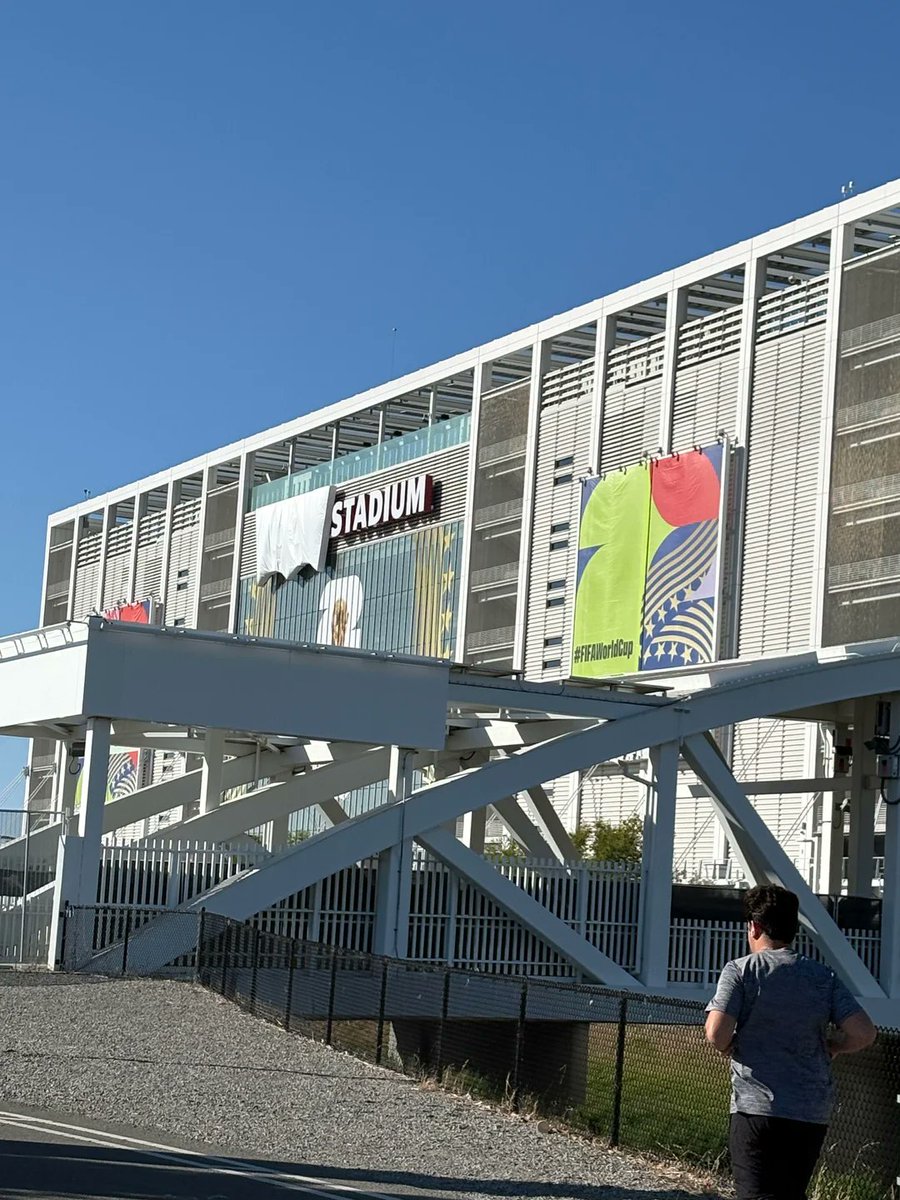
As it wasn't an official sponsor of the FIFA World Cup, Levi's was asked to hide its logo on Levi's Stadium (Santa Clara, California).
And they did it in the smartest way possible. #WorldCup #FIFAWorldCup #Levis

16
420
10,243
992,475
Deb Aoki retweeted

☝️【週刊連載のいいところって知ってる?】
『それは、こまわりがきくこと❗️』
週刊漫画は、
毎週すぐに読者の反応が届く。
新しい敵キャラを出した時、
人気が上がるのか、落ちるのか?
戦いが長くなることで、
読者が離れていないか?
主人公の行動に、
読者がちゃんと乗ってくれているか?
そういう小さな反応を見ながら、
『こっちじゃないな』
『ここを足そう』
『早めに畳もう』
と、右へ左へ舵を切れる。
道を間違えた時に、
すぐ修正できるんだ。
確かに週刊はきつい。
でも、これが週刊連載の強さなんだよね☝️
もちろん月刊には月刊の良さがある。
それは次回に…
64歳の元漫画家
#ワイの漫画レシピ
noteにて公開中〜🙌
1
9
42
1,570
Deb Aoki retweeted

書店勤務経験者から一言。いつまでも近所の書店があると思わないで。再版制度もいつまで持つやら。書店店舗の努力でどうにかなる状態ではなく、構造的に限界なのだと思う。大企業はどうにかなるかもだけど、中小は本当に限界がきていると感じている。
返品条件が緩いままだと、ひとつの書店が閉店すれば大量の返品が発生する。その返品は出版社の取次への売掛と相殺されることが一般的だ。つまりはその分、出版社の売り上げが減るのだ。
とはいえ、返品条件を厳しくすると書店からの注文が劇的に減る。委託に慣れている書店員は在庫管理できないから、売れたら追加、売れなければ返品と機械的に対応している。返品が容易でない本は怖くて取れないのだ。一部のエキスパートを除いて。
市中在庫が返品に傾くと、一挙に倒産ラッシュになると思う。
近くの書店で本を買おう。
私たちにはそれしかできない。

古本屋から見た新刊書店の問屋撤退とヴィレヴァン大量閉店
note.com/yngwie5150/n/nc1efa…
>新刊で売れた本が古本屋へ流れてくる。川上が細れば川下も細る。書店や出版社の倒産が続けば、一時的に在庫が中古市場に流出するが、最終的には入荷や買取自体が減るだろう。
2
142
214
22,946



Deb Aoki retweeted

本日発売、週刊少年ジャンプ29号より連載「HAL FORMULA(ハルフォーミュラ)」が始まります。
モータースポーツ漫画です!
また毎週楽しんでもらえるよう頑張りますのでどうぞよろしくお願いします!🙇♀️

27
367
1,072
62,374
Deb Aoki retweeted

Now let's talk about perhaps the most difficult issue of all.
There are some arguments that say:
"Oh, we would like to buy manga too, but we simply don't have the money."
Does it sound like I'm poking a hornet's nest?
Does this sound interesting?
It may sound provocative, but this is not a hornet's nest.
This is a story about compassion.
What should we say when someone tells us:
"We want to support comics and manga creators too.
But unlike people in Japan, we, readers, don't have money.
How can we possibly spend money on manga?"
The truth is that Steve and I heard this argument many times in South Korea nearly thirty years ago.
And we spent a great deal of time thinking about it.
In this particular field, Steve and I are probably old dinosaurs.
Back then, the people who argued that "free access is a right because we're poor" were often much more aggressive than they are today.
Their attitude was often something like:
"Anyone who tells us we should pay for comics deserves to be attacked forever."
And to be honest, many of them acted exactly that way.
Still, when someone says:
"Some readers say that they would like to support manga, but feel they cannot afford it because their primary responsibility is to provide for their families."
There is a sad misunderstanding hidden beneath those words.
A story of people who do not fully understand each other's circumstances.
Let's begin with something that may sound painful to Japanese readers.
Most Japanese readers do not have much money either.
Most Japanese mangaka do not have much money.
Most aspiring manga artists do not have much money.
On the side that creates manga, and on the side that buys and enjoys manga, there are countless people surviving on instant cup-ramen noodles, cheap gyudon, and determination.
Many readers carefully save a small allowance to buy a single tankōbon volume.
They do it because they want to support creators.
They do it because they want manga to continue existing.
They do it because if nobody pays, manga cannot continue to be made.
The same is true in South Korea.
I hope people can understand that.
When someone says:
"Well, people in Japan and South Korea can pay because they're rich,"
it can be painful to hear.
But perhaps those of us in Japan and South Korea should also consider something.
For some people in the world, a life sustained by instant noodles is already a dream of prosperity.
For some people, simply having clean drinking water come from a faucet is a sign of wealth.
For many people around the world, a monthly take-home income of ¥160,000(USD 1,000) would be life-changing.
For others, earning the equivalent of ¥1,000(USD 6.25) per hour would be enough to support an entire family.
Japan is a wealthy country.
South Korea is a wealthy country.
So are countries such as the United States, France, and Luxembourg.
In some countries, even having clean drinking water from a tap can be considered a luxury.
Well... even some relatively wealthy countries do not provide drinkable tap water.
Water comes out of the faucet—but you cannot safely drink it.
And there are still many people in the world who do not even have a faucet.
When I was a child, eating instant ramen noodles at home was not an everyday meal.
It was an occasional luxury.
But it is still too early to conclude: "Oh, I’m sorry."
Please allow me to continue the story a little further.
When I was young, there were times when even cup ramen noodles felt like a luxury.
And yet, I still bought manga.
In fact, many Japanese readers did the same.
Manga did not become successful because Japan was rich.
Manga grew during the 1950s, when Japan was still a very poor country.
It grew because people chose to buy manga.
Because they valued it.
Because they believed it was worth supporting.
And this is the point I want to make.
If you live in a country where clean water comes from a faucet, then in many cases, you can afford to buy manga.
You can support your family and still occasionally purchase a volume of a series you love.
And we should think carefully about what it means to read manga through piracy and to have unlimited access to comics for free.
It usually means the following:
You have a smartphone, a computer or a laptop.
You are connected to the global internet.
You, or someone else, can afford the cost of that connection.
You have enough access to consume an unlimited amount of manga.
And when someone posts on social media saying,
"Unlike Japanese people, we're poor,"
that also means they have the time, opportunity, and technology needed to make that post.
In many cases, it may suggest that the issue is not absolute poverty.
Of course, there are exceptions.
There are always exceptions.
Some people genuinely face circumstances far more difficult than most of us can imagine.
I do not want to dismiss those realities.
But I believe that, for many readers, the issue is often more complicated than simply having no money at all.
I began my career as a poor mangaka in a country that was still poor.
I care deeply about people who struggle financially.
I am on their side.
In fact, comics and manga themselves have always been on the side of ordinary people.
What I am talking about is your potential.
I believe you are capable of buying manga that you love.
And I believe it is important to understand the enormous value that comes from supporting creators directly.
When I lived in a Korea where tap water was available but not something we wasted freely, and where cup noodles were an occasional luxury, Korea's GDP per capita was between $2,000 and $5,000.
Today, countries such as Brazil, Vietnam, and Bolivia have levels of income that are comparable to—or in some cases higher than—South Korea's during the period when its modern comics industry was rapidly growing.
A great many people in these countries can afford to buy manga.
And if they do, they can begin building great comics industries of their own.
The potential is enormous.
We should not compare ourselves to today's Japan or South Korea.
We should compare ourselves to Japan and South Korea when they were still developing countries.
When manga was being born.
When those countries were still relatively poor.
When Dragon Ball was selling tens of millions of copies, South Korea's GDP per capita was only around $5,000.
People were not wealthy.
But they still bought manga.
A favorite manga volume was often considered more valuable than fashionable shoes or many other small luxuries.
It was worth sacrificing a few comforts to own.
I suspect many Japanese readers in the 1950s felt the same way.
That is what buying manga means.
If you love manga, a collected manga volume is not something you buy after every other desire has been satisfied.
It is something you choose to buy instead of something else.
Because the people creating manga often live the same way.
Many creators sacrificed comforts in order to draw manga.
When I was a first-year university student, my lunch was often nothing more than inexpensive instant noodles.
Not cup ramen noodles—those were expensive.
I spent nearly all of my money on manga, drawing reference books, and screentones.
During that year, I produced nearly 200 pages of personal work and five one-shot stories prepared for submission.
And I eventually made my professional debut with a manga I drew during my first winter break.
Some of the screentones used in that work had been given to me as a birthday present.
If you have a smartphone and an internet connection that allow you to read unlimited manga online, then you can probably afford to buy a manga volume once in a while and keep it on your shelf.
And that small act can become part of the foundation upon which a national comics industry is built.
Because creating opportunities is often the best solution.
But in truth, the real problem is not whether people have money to buy manga.
The real problem is that many people have no practical way to buy it.
And officially licensed foreign editions are often far too expensive for readers around the world.
I believe that is a genuine problem.
And so, the story about money continues.
To be continued...
18
94
429
20,381
Deb Aoki retweeted

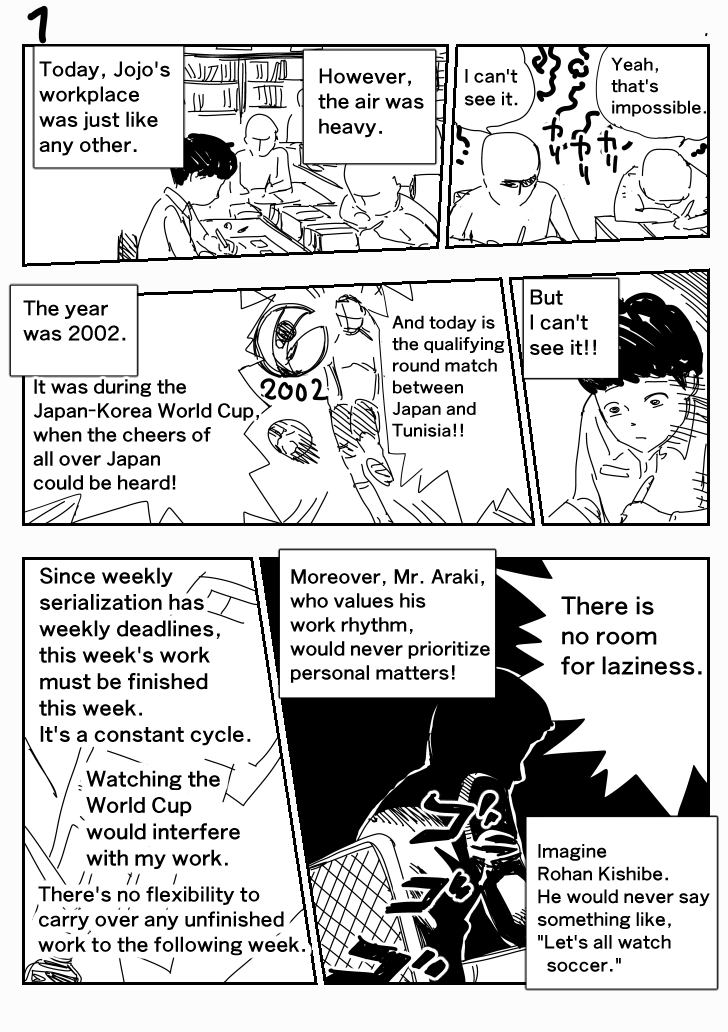
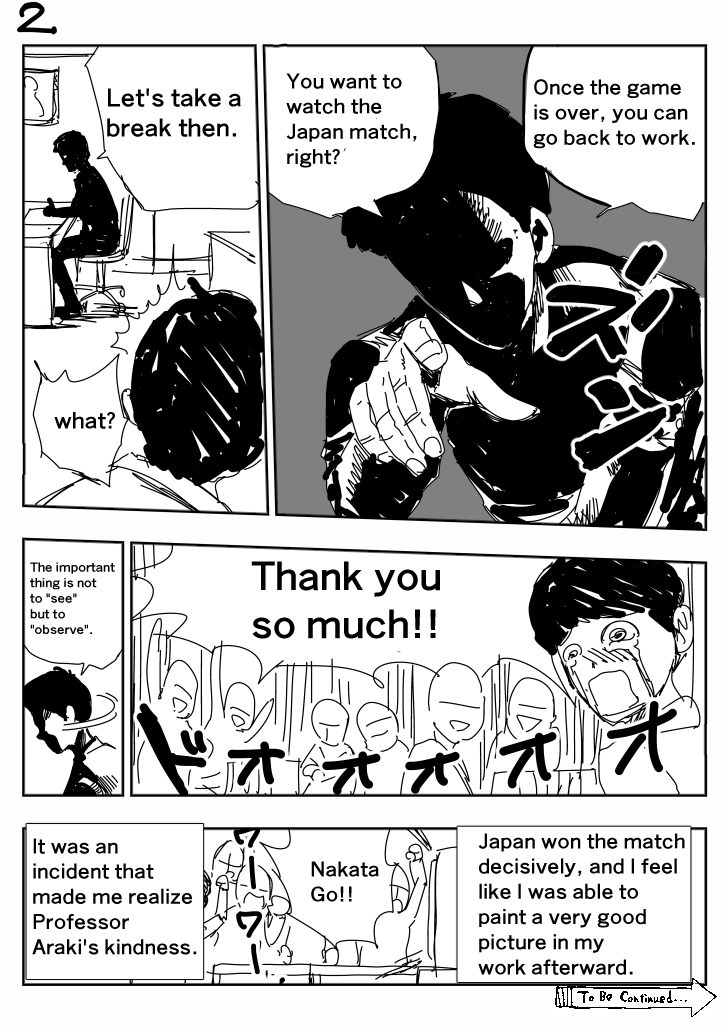
In commemoration of the World Cup.
"JoJo's Workplace Memories" (English Translation)
Episode: Memories of the World Cup
1
38
190
4,953
clearly, Mexico City is the *best* place to be a part of the World Cup party and S. Koreans are enjoying the ride
Jun 13

Las mexicanas en Guadalajara ya están haciendo más por resolver la crisis de natalidad de Corea del Sur que todos los programas gubernamentales coreanos juntos.
El Mundial es lo mejor que le ha pasado a la humanidad, JAJAJA. 🇲🇽🇰🇷
8
577



Deb Aoki retweeted

Jun 13
Last Friday, Pace Gallery announced it was cutting roughly 50 artists and 50 staff members. Reportedly, many of the staffers now out of jobs learned it from the announcement in the New York Times. The gallery spun it as a return to fundamentals.“It isn’t,” writes Jerry Saltz. “It’s an admission that one of the defining ideas of the contemporary-art world — scale for scale’s sake — has run amok at Pace.”
In 2010, after the patriarch Arne Glimcher handed over the keys to his son, Marc, things immediately went off the rails. Suddenly, the whole enterprise seemed to be about size: new offices, new departments, new initiatives, new artists, new ventures. The gallery website once listed more than 135 artists and estates!
“It was a regrettable era, one that saw Pace chasing immersive experiences, NFTs, blockchain platforms, experiential entertainment, a Silicon Valley expansion, and ‘Superblue,’” writes Saltz. “It was gallery as theme park, technology company, and Instagram backdrop. Pace chased almost every art-world fad and growth strategy of the last decade … The elder Glimcher built a great program rooted in passion for artists, art history, and culture. It was an aging gallery, but it was a gallery with a mission and ideas. That gallery is gone.”
The most devastating assessment of Pace’s announcement that it was dropping artists came from one of the ones cut loose, Glenn Kaino. He observed the gallery’s model had been “optimized for a vision of the art world that never materialized.”
Saltz writes about Pace’s “chaotic, careless, and a little undignified” move as it made significant cutbacks: nymag.visitlink.me/sei9VA

1
3
16
3,910
Deb Aoki retweeted

Come join the Graphic Novels & Comics Round Table for our 2026 Magical Comics Tea! Visit with creators and other comic-loving library staff as we hear about upcoming titles and projects from your favorite publishers!

ALT Graphic for GNCRT Magical Tea Saturday June 27th
1
2
3
149
Deb Aoki retweeted

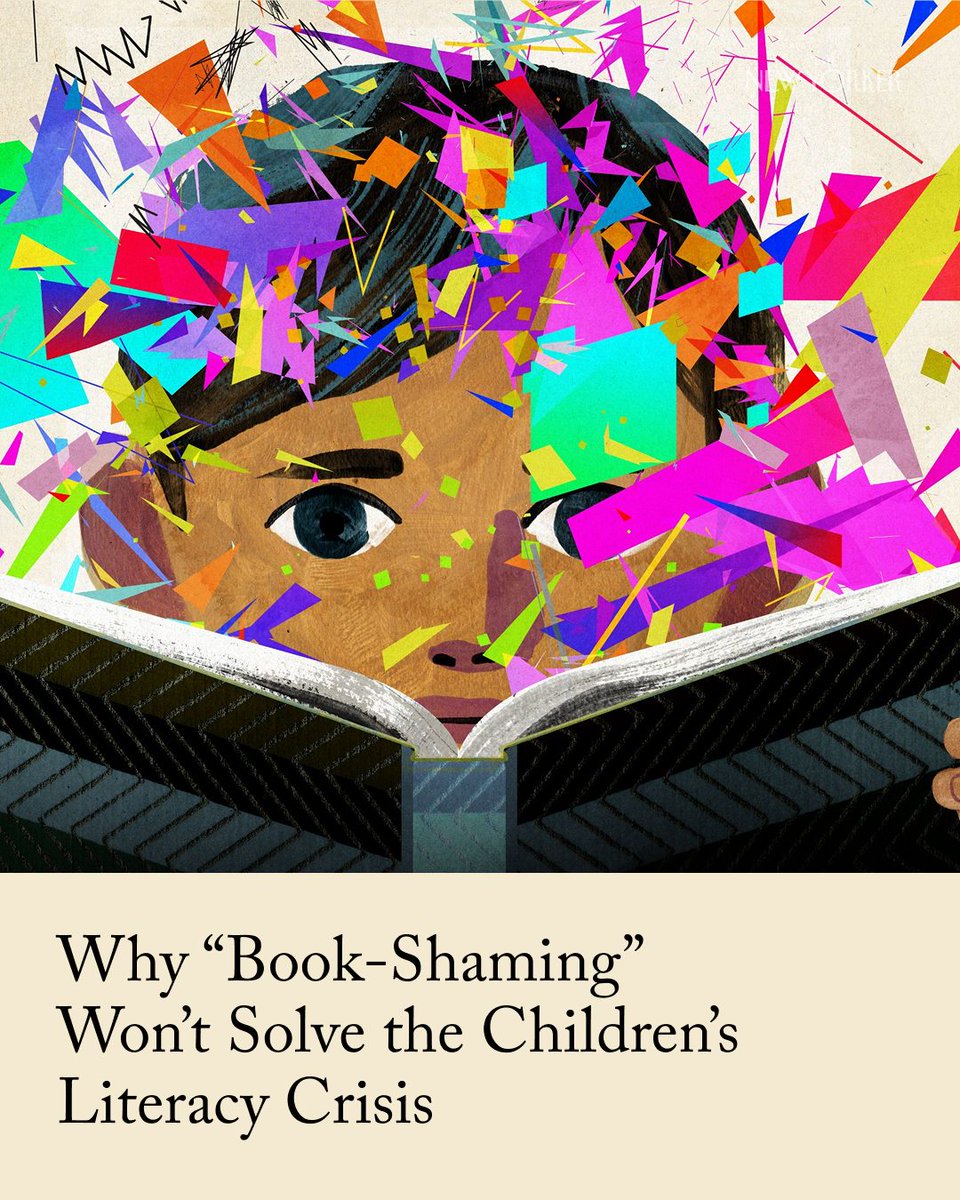
In 1984, eight per cent of 13-year-olds reported “never or hardly ever” reading for pleasure. Today, that number is up to 29 per cent. How did this happen? It’s not based on the recent quality of children’s literature, as librarians and educators stress that keeping kids reading at a crucial developmental moment is more important than matters of taste. Rather, ample research shows that multiple factors, including passive content consumption among kids and teens, as well as the defunding of school and library programs, are adversely affecting kids’ reading levels in the U.S. Read more about the state of the children’s literacy crisis: newyorkermag.visitlink.me/Hg…
6
94
248
28,867