Co-founder and CEO @nanograb (YC S23)
Joined January 2012
- Tweets 2,906
- Following 1,646
- Followers 428
- Likes 1,491
89 Photos and videos





Jun 12
Massive achievement in materials characterisation
Jun 11

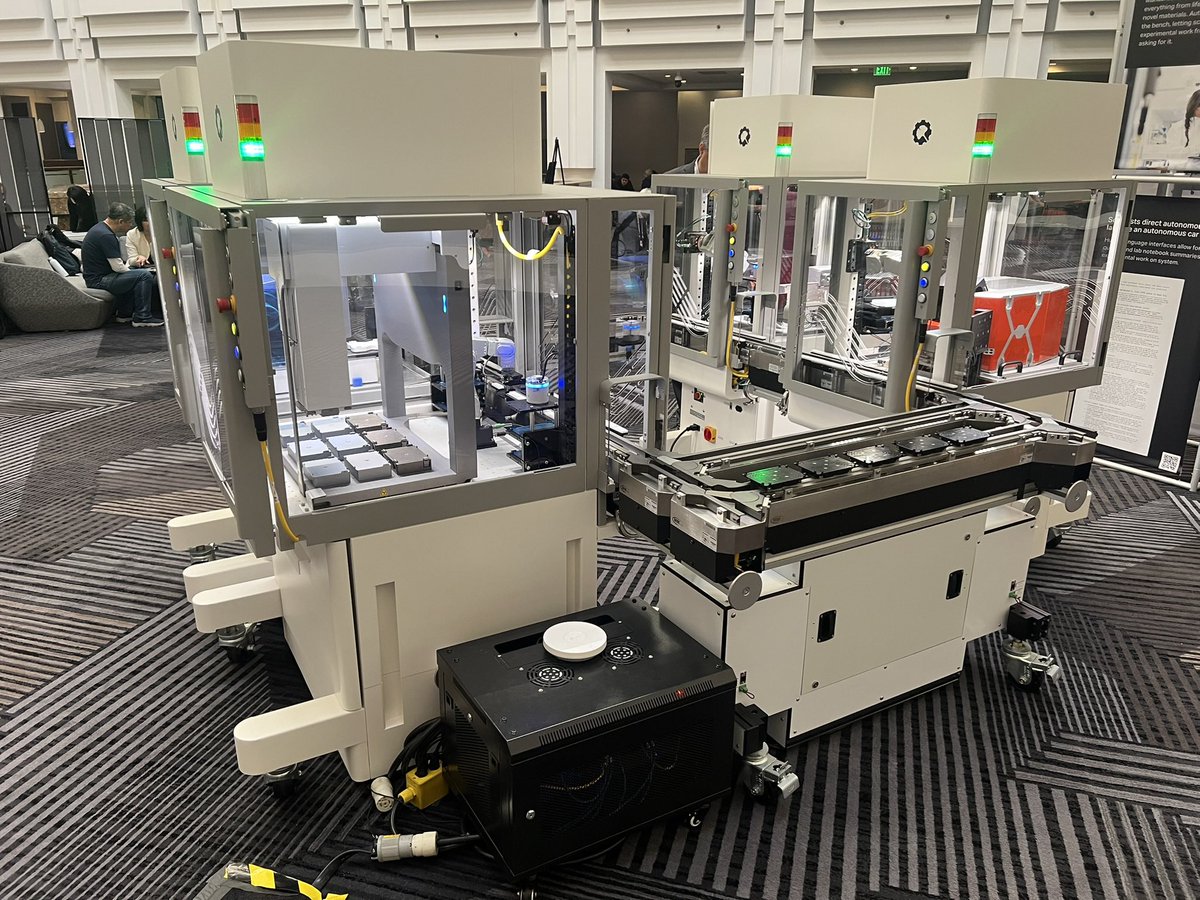
Together with UC Berkeley we are announcing the laser phase plate - a breakthrough in atomic resolution imaging. This is the brightest continuous wave laser in the world, 100 million times the intensity of the surface of the sun.
Phase contrast plays an important role in microscopy, but it was thought close to impossible for electron microscopy, where it would require interfering with an electron beam. Holger Mueller and Robert Glaeser proposed exactly this using a standing wave laser. It has taken over 15 years to make this a reality. Biohub partnered with UC Berkeley and Mueller to support this work and to engineer and build the technology.
Contrast has been the critical barrier to achieving atomic resolution imaging of the cell. In cryo-electron tomography, a cellular imaging technology that uses electron microscopy, the low contrast makes it impossible to resolve anything but the largest proteins within their cellular context. The laser phase plate removes that barrier.
With advances in AI this breakthrough in contrast will start to open up a new frontier in structural biology, that will allow us to see the molecular machines of the cell, and how they assemble into far more complex and dynamic systems, and understand how they work.
1
49
Jun 10
Truly incredible work
Jun 10

After 25 years of brave & brilliant work by hundreds of scientists in my lab to understand then safely reverse aging for the first time, it was moving to witness the first human dose being delivered 🥹 nature.com/articles/d41586-0…
42
Jun 10
"Simple baselines (PCA, logistic regression) often matched or beat the transformers"
Jun 9

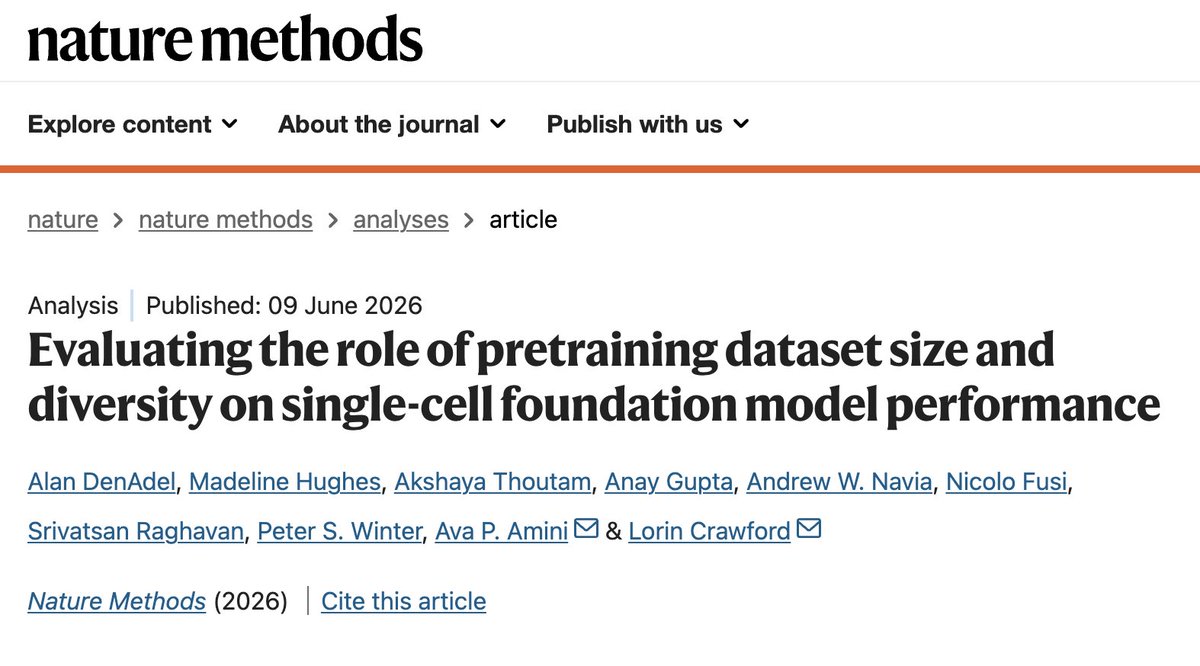
No scaling laws for single-cell foundation models: when bigger atlases stop teaching the model anything
In language and vision, the recipe has been simple: more data, bigger models, better performance. Single-cell biology borrowed that playbook. Foundation models for transcriptomics jumped from 1 million cells to atlases of over 100 million, on the assumption that scale would unlock the same gains. Alan DenAdel and coauthors put that assumption to the test, and the result is sobering.
Working from a 22.2-million-cell corpus, they pretrained 400 models across five architectures (from PCA and a variational autoencoder up to the Geneformer transformer) and ran 6,400 evaluation experiments. They varied not just dataset size (1% to 75%) but also diversity, using cell-type re-weighting and geometric sketching to deliberately enrich rare cell types and transcriptional states.
The finding: performance saturates almost immediately. On cell-type classification, batch integration, and perturbation prediction, most models hit their ceiling at roughly 1% of the corpus, about 200,000 cells. Beyond that, adding millions more cells changed essentially nothing. More diversity didn't help. Even spiking in genome-scale Perturb-seq data, to give the models perturbed phenotypes rather than just healthy ones, failed to move the needle. Larger models did score better overall, but they too plateaued early on data.
Two points stood out. Simple baselines (PCA, logistic regression) often matched or beat the transformers. And the strongest model, SCimilarity, won not because of size but because its contrastive training objective is aligned with the downstream task. For single-cell data, what you train on and how you frame the objective matters far more than how much you collect.
This reframes a quiet but expensive habit. In drug discovery, biotech, and any pipeline leaning on cell atlases, the instinct to keep scaling pretraining corpora may be burning compute for no return. The real leverage sits elsewhere: curating high-quality, task-relevant data and matching the training objective to the actual question you're trying to answer.
Paper: DenAdel et al., journal license | doi.org/10.1038/s41592-026-0…
1
61
Jun 10
At the end of the day ... everyone, even anthropic, is thirsty for those biobucks
Jun 10

sorry how exactly did u guys think this was going to go? u thought Anthropic was going to build the infinity machine that can cure all diseases and prevent aging... and then let fucking Eli Lilly extract that and get the patent?
*the labs are going to do all of it*
1
90
Debesh Mandal retweeted

Jun 9
Jevon’s paradox applies to companies too
Jun 9

cursor, lovable, cognition numbers all a big narrative violation. wasn’t everything in the path of agi labs (especially the #1 fight, coding agents) supposed to die, not accelerate
1
3
697
Jun 9
"it may be a while" meaning we'll wait until Anthropic announce their date and do it the day before

We recently submitted a confidential S-1. We expect it to leak so we’re just announcing it. We have not decided on timing yet; it may be a while because there are things we want to do that are likely easier as a private company. But it’s a complicated set of tradeoffs and this gives us the option to go public sooner if that ends up being best.
This announcement is being made pursuant to Rule 135 under the Securities Act of 1933, as amended, and does not constitute an offer to sell or the solicitation of an offer to buy any securities. Any offers, solicitations of offers to buy, or any sales of securities will be made in accordance with the registration requirements of the Securities Act.
7
Jun 8
Biotech would probably have better vibes if it renamed "cure" to something like "de facto cure" and let people have fun with the word cure.
Good vibes means more excitement, which means more money, which means more cures, which means more good vibes ...
10
Jun 8
Knew this would happen somehow, go science

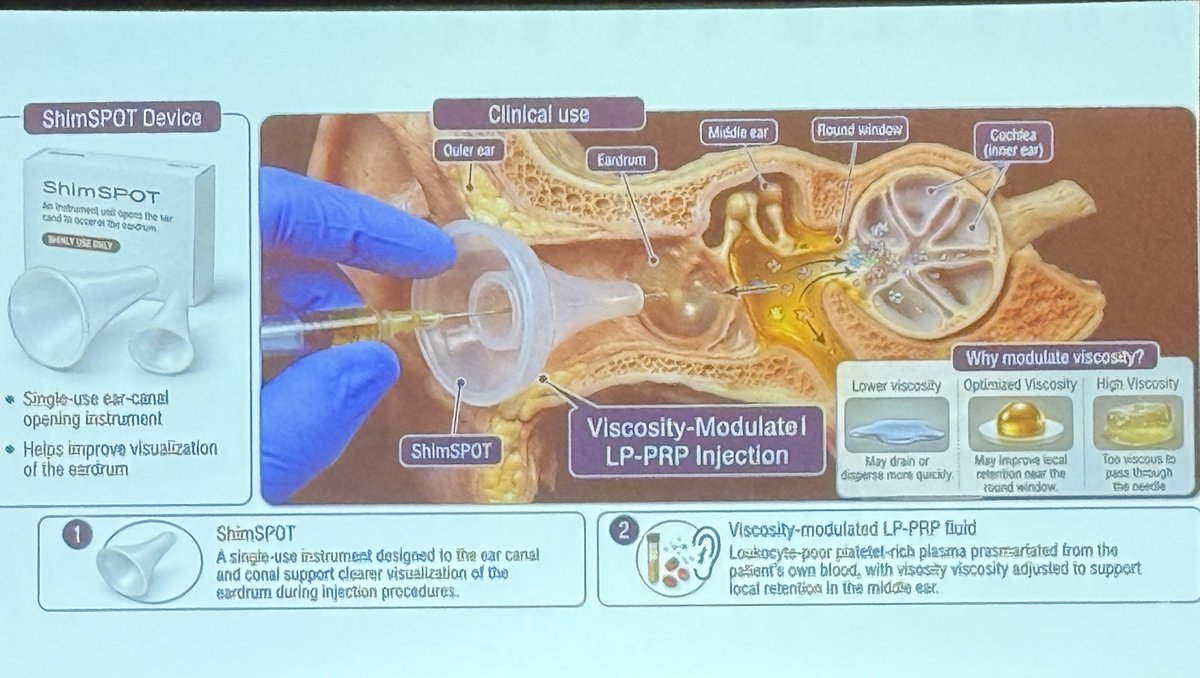
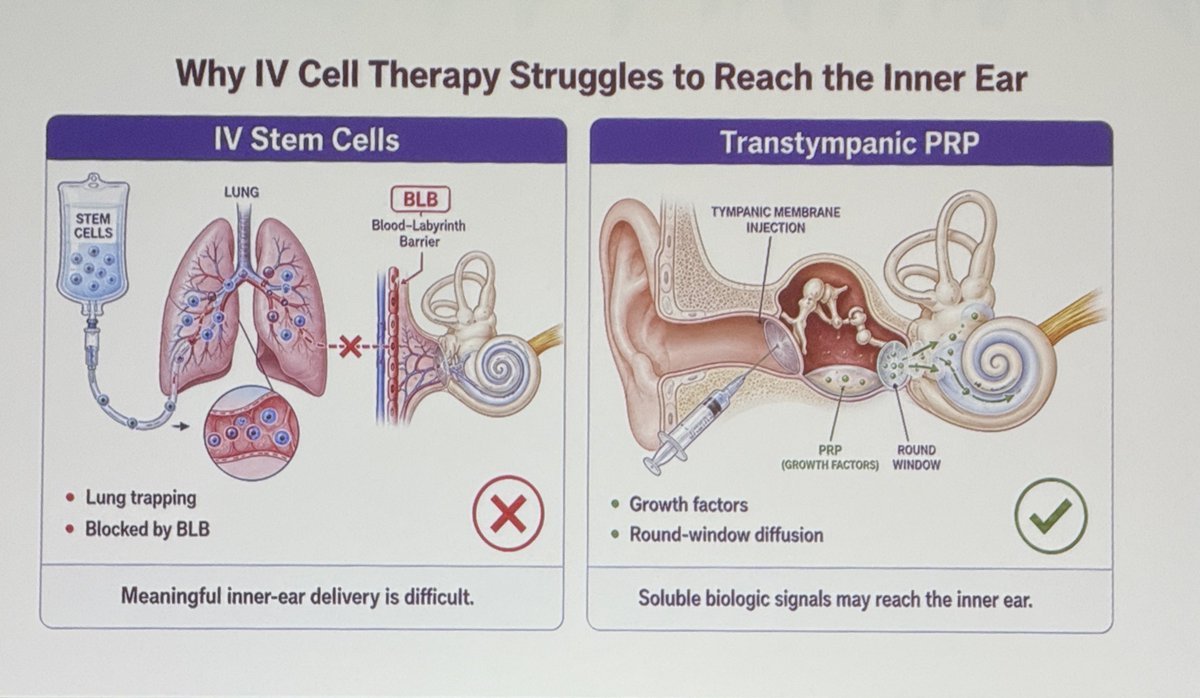
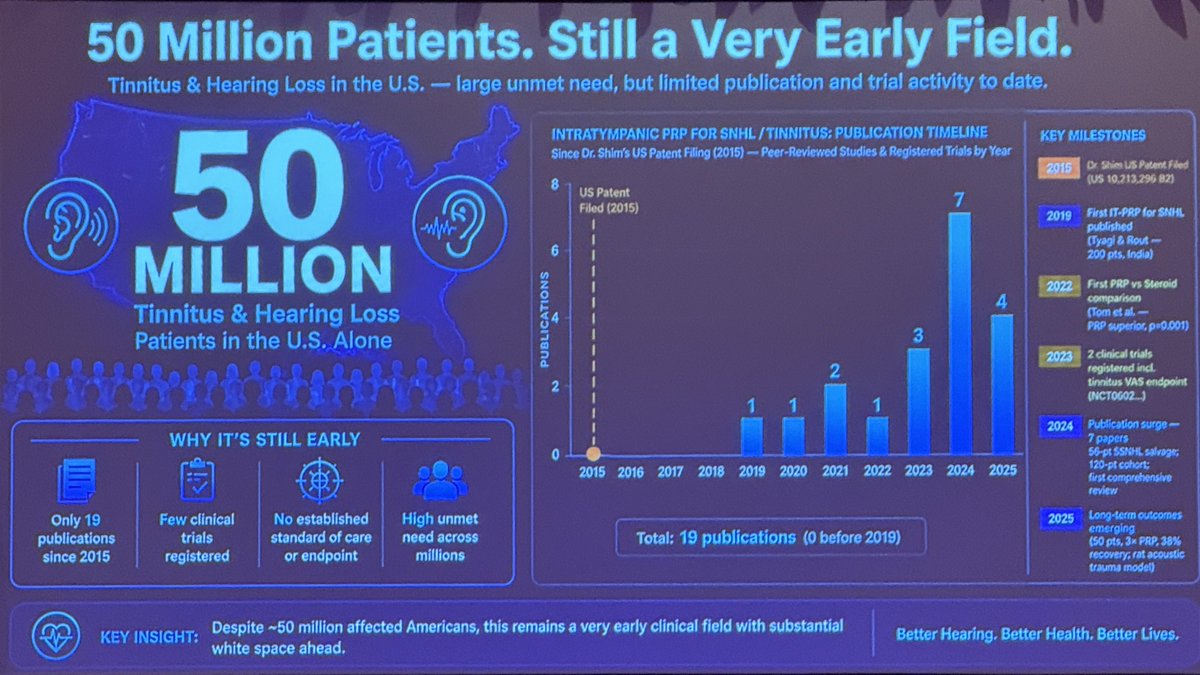
Hearing loss? Tinnitus?
Well I have really good news for you!
Yesterday there was a presentation of how PRP (blood) can help to treat and potentially reverse hearing loss and tinnitus.
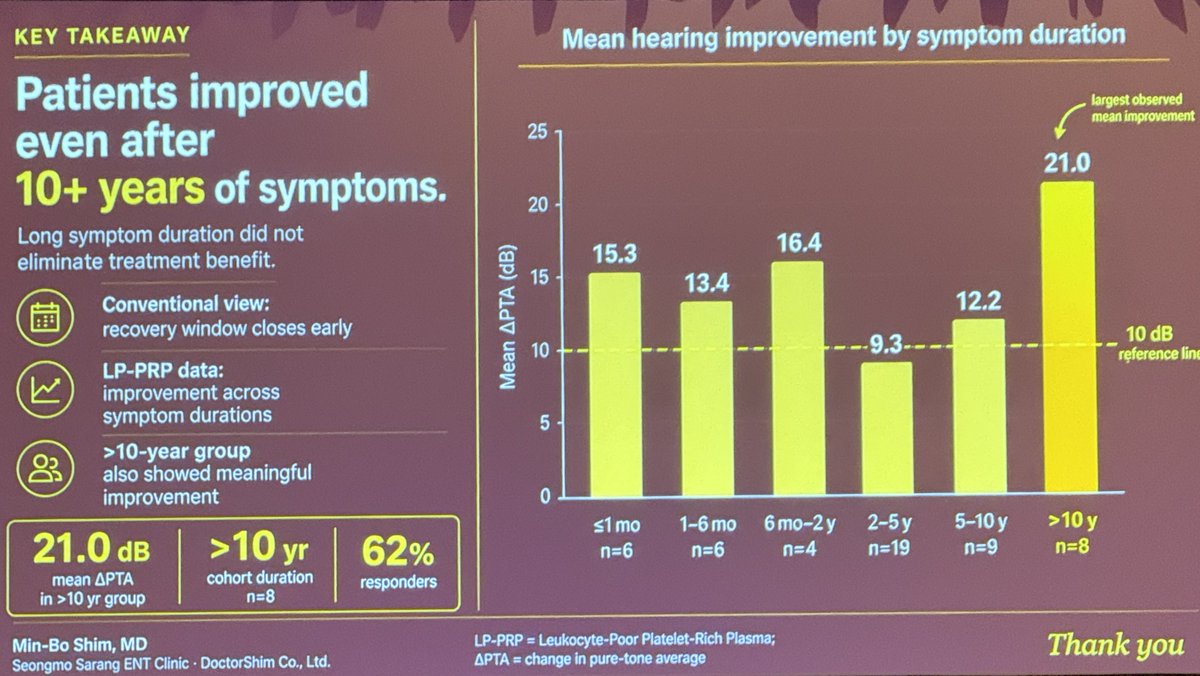
It was presented at The Stem Cell Conference by a Korean doctor named Dr. Minbo Shim who has been doing it for over 10 years!!
The results?
62% of patients responded positively
Several patients had 10 years of benefits
Mean benefit was 21 dB
This is super exciting!
Looks pretty easy to perform and very safe.
Any ENTs seen or performed this before?
I’ll be doing a full breakdown on this in an upcoming Substack article.
20
Debesh Mandal retweeted

Jun 4
Excited to launch Upstream and announce our $3M pre-seed round
AN INBOX DESIGNED FOR HUMANS AND AGENTS
Upstream's agents sort the noise, draft replies in your exact voice, follow up at the right time, and do what you ask, like finding receipts, scheduling meetings, or writing personalized messages
Thousands of people used it in our closed beta to handle their email. Now available to everyone
How it works: 🧵
37
30
156
33,350
Jun 5
Good but also @BBC traitors should be getting royalties from this
What is missing is the classic: "Well, I just know I'm a faithful, and I always have been"

32
Jun 5
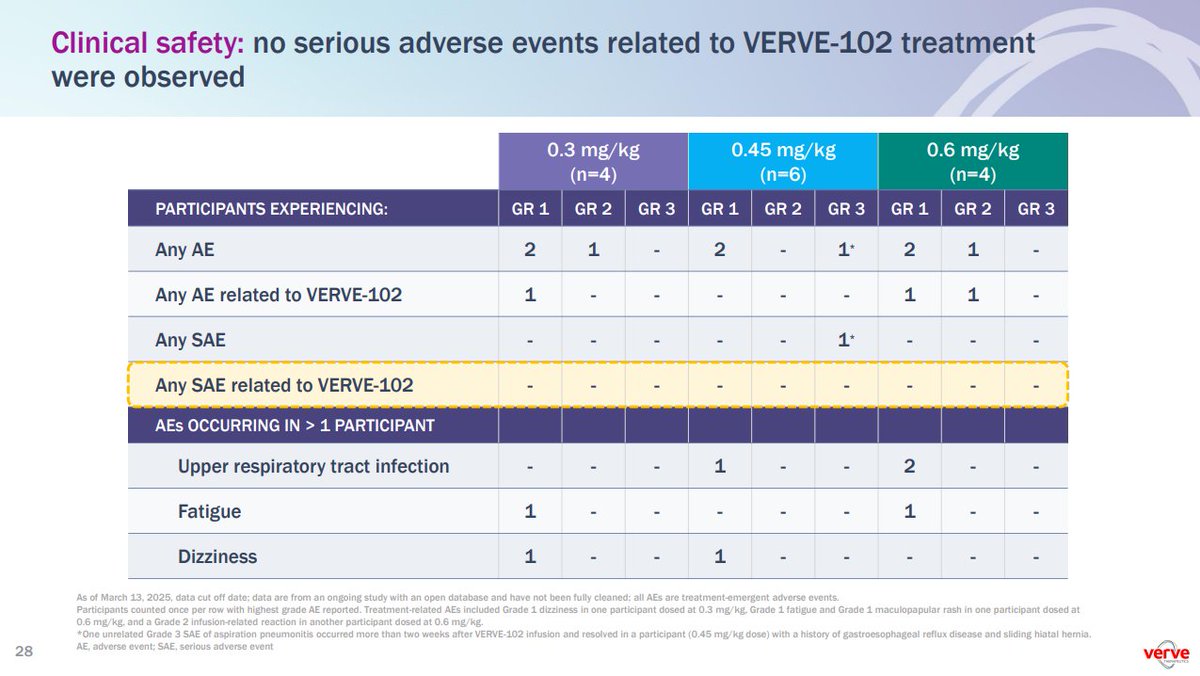
heart disease, kidney disease, lung disease
Many diseases to be significantly improved by gene editing-adjacent therapies over the next 20 years.
The number of diseases will grow *exponentially* once clinical and commercial derisking is demonstrate by the front-runners
Jun 4

Gene editing may mean a one-time treatment for heart disease will be available soon. Seems more important than a lot of other news but not getting a lot of attention.
18
Debesh Mandal retweeted

Adderall should be free and over-the-counter if you scored >1500 on the SAT
43
145
4,776
191,013
Jun 4
Wow, big if true
Jun 3

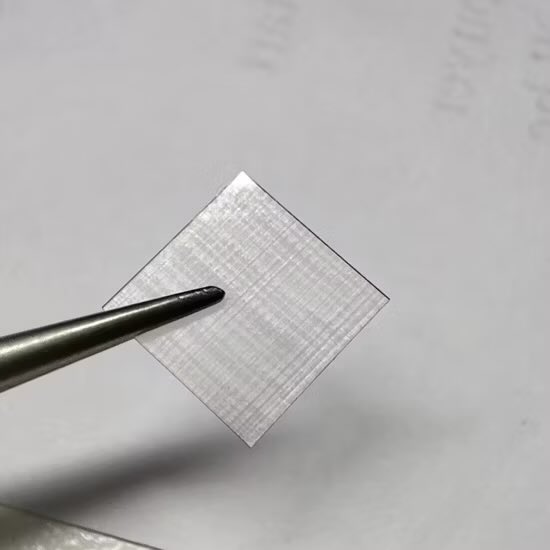
Single Crystal CVD Diamond
Have no doubt, you are at the dawn of an industrial revolution. There is a string of breakthroughs happening throughout upstream industries that all compound.
Diamond manufacturing is now able to produce CPU size single crystals wafers.
Currently these are marketed as heat spreaders because they have thermal conductivity of 2,200 W/mK which means they move heat incredibly effectively.
However, that somewhat misses the wood for the trees…
Diamond has physical and electrical properties that exceed traditional silicon, making it uniquely suited for high demand applications.
Thermal Conductivity: Heat is the enemy of electronics. Diamond conducts heat better than almost any other known material, about 5 times better than copper and over 10 times better than silicon.
A diamond chip can act as its own heat sink.
Ultra Wide Bandgap: Diamond can handle massive amounts of voltage and operate at incredibly high temperatures without electrical breakdown.
This makes it perfect for high power applications like electric vehicle inverters, power grids, and aerospace technologies.
High Frequencies: Electrons move very quickly through diamond, allowing chips to operate at much higher frequencies, which is ideal for advanced telecommunications and radar.
Radiation Hardness: Diamond is incredibly resilient to radiation, making diamond based chips ideal for satellites, space exploration, and nuclear facilities.
To make a material act as a semiconductor, you have to "dope" it. To do this you inject impurities into the crystal lattice to create a positive (p-type) or negative (n-type) charge.
Diamond's atomic structure is so tightly packed that forcing other elements into it is hard. While p-type doping (with boron) has been figured out, reliable n-type doping (with phosphorus) remains a massive hurdle.
Theoretical ceilings
Band gap
Silicon wafer = 1.1 eV
Diamond CVD wafer = 5.5eV
Clock speed
Silicon wafer = 5-6 GHz clock wall
Diamond CVD wafer = 1-2 THz clock wall
Max Running Temp
Silicon wafer = 150°C
Diamond CVD wafer = 1,000°C
Whilst we etch silicon with photolithography and Extreme UV light, this doesn’t really work with chemically inert diamond.
Diamond CVD is currently etched with oxygen plasma etching, but this lacks the precision of EUV.
However, we can etch diamond to extreme precision with electron projection lithography. EPL was invented in the 90s by Bell Labs, IBM and Nikkon but abandoned as it was harder than EUV.
Electrons repel each other so the beams blurrs too readily.
What if we built a femto electron beam?
What if we built it to extreme such that it was a ‘single electron’ pulse?
What if we build a microscopic "bed of nails" containing millions of nanoscale tungsten or silicon tips (photocathodes). You shine a massive, highly complex femtosecond laser system across the entire array.
Every time the laser pulses, millions of tiny tips each fire a single, perfectly straight electron at the exact same time.
Turns out, research teams at likes of MIT and Stanford are currently experimenting with exactly this, laser driven nanotip electron emitters.
Pair that tool with Diamond CVD substrate tech and we approach the material limits of both semiconductors and nanotechnology.
Would require asynchronous logic to escape fatal clock skew and operate at full capability.
But I think I will live to see it.
33
Debesh Mandal retweeted

Jun 3
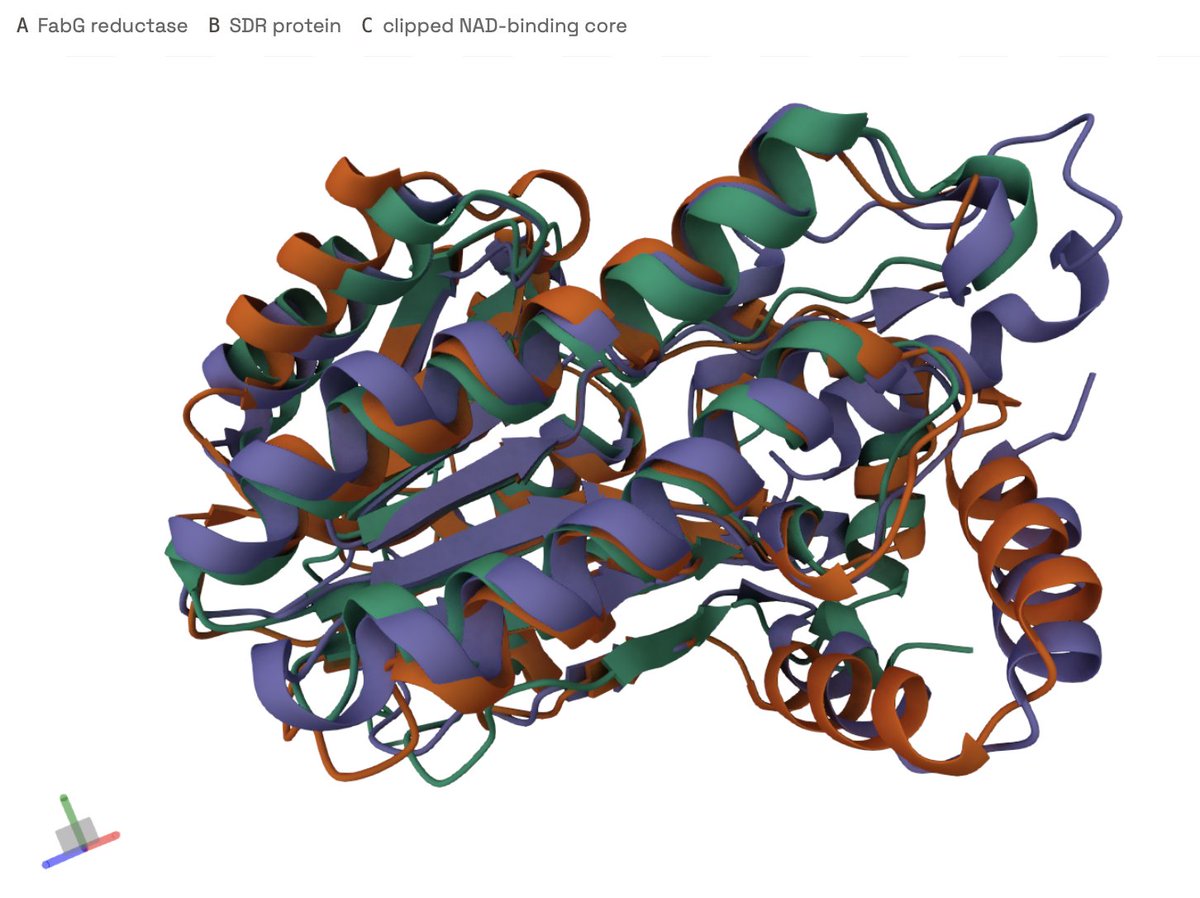
Today, we are launching our research blog!
We’ll use it for technical notes from our work building tools for enzyme and biomolecular design.
Our first post is about The Unreasonable Redundancy of Nature's Protein Folds.
TLDR: Please don't fold more sequences (1/n)
15
38
254
24,558
Jun 4
Exceptional gamesmanship, on par with Mythos suddenly being safe enough for full rollout the day after funding announcement

Sam Altman said AI budgeting has recently become a "huge issue" for some companies, something that "never came up" earlier this year. bit.ly/4uxIGnv
32
Jun 3
Assuming this is true, the next wave of aging research will be to extend this pre-peak window of mental acuity and neuroplasticity
Jun 3

Mathematicians and scientists often peak in their 20s. Why?
Maybe older scientists become stuck in their ways. Or maybe younger researchers feel free to be more creative.
But @jacobkimmel's hypothesis is that this isn't because of social factors at all - it's evolution:
40