
Minimalist
Joined February 2009
- Tweets 12,769
- Following 130
- Followers 5,720
- Likes 8,016
1,317 Photos and videos
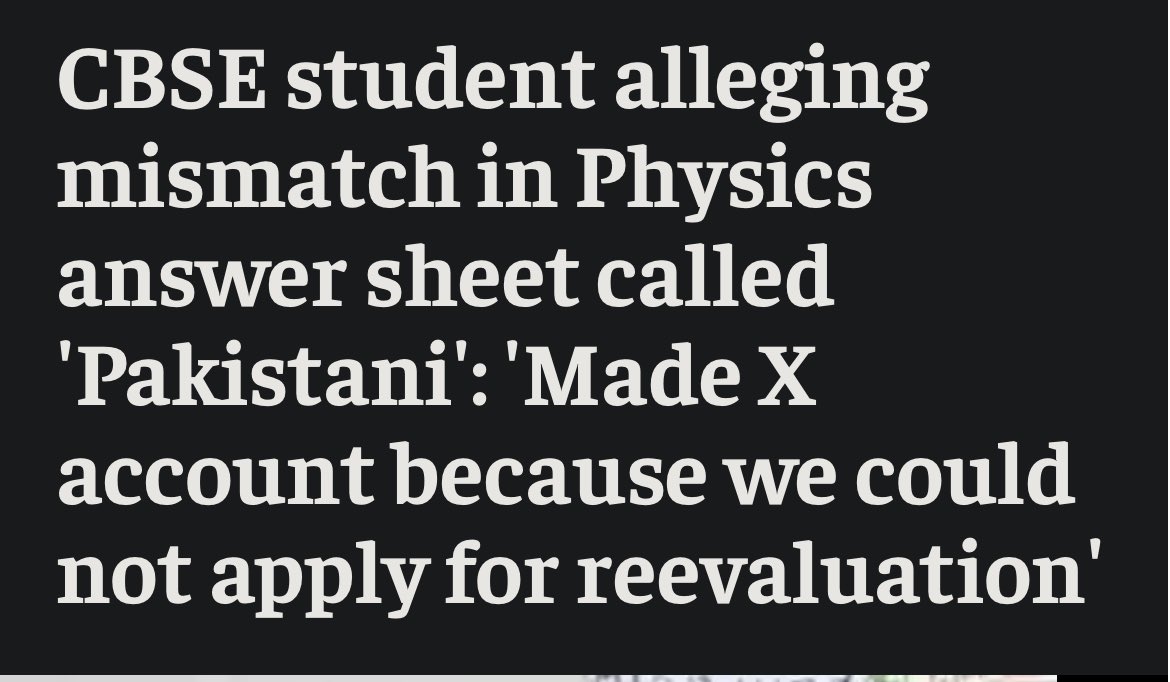

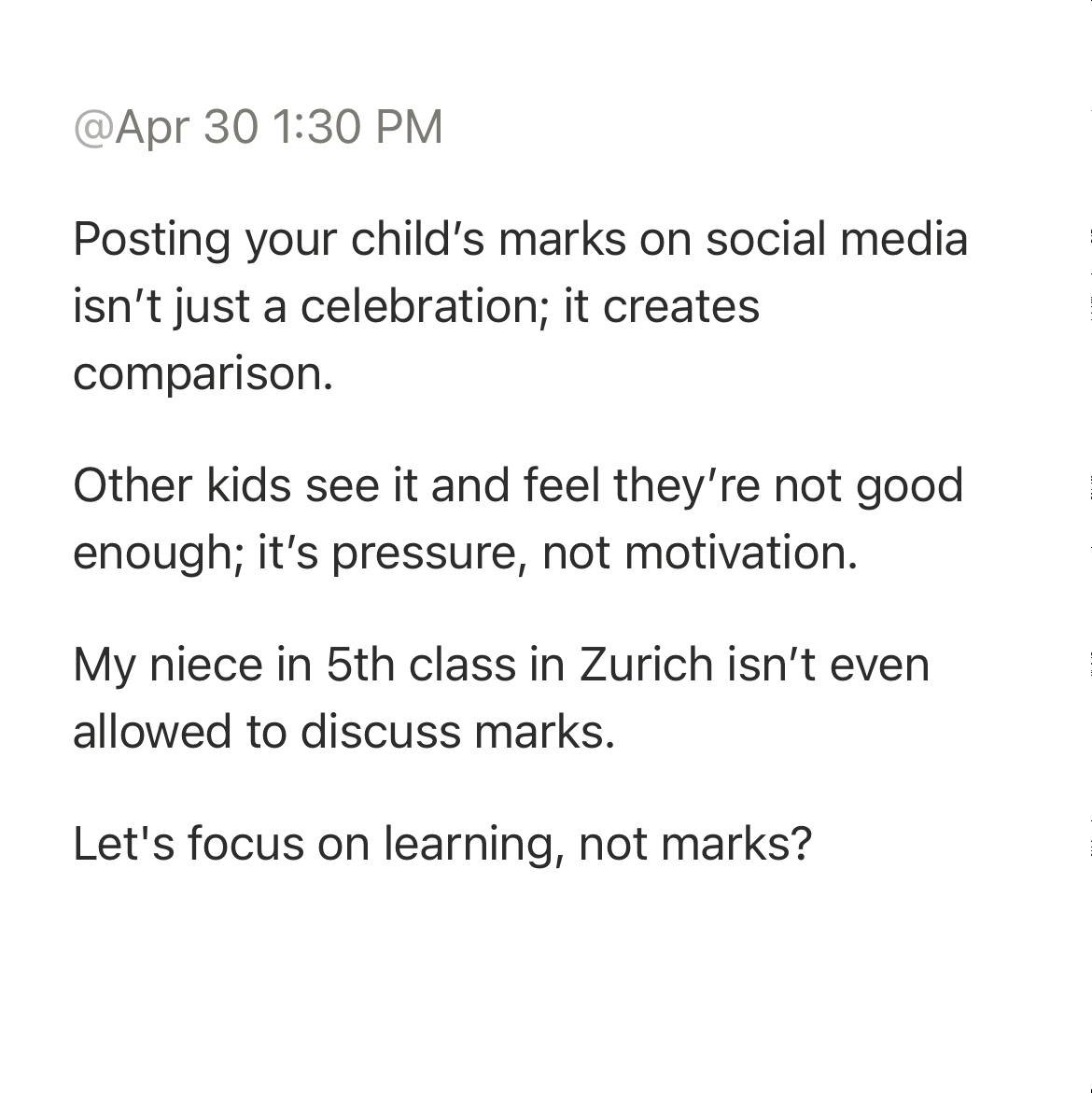
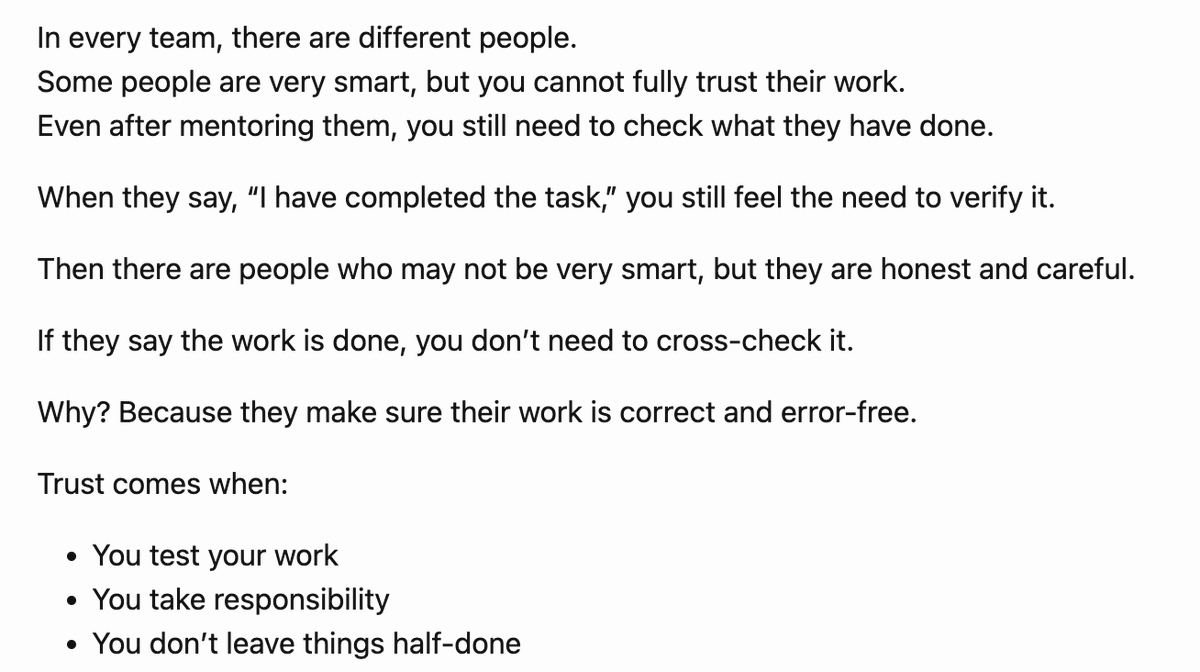
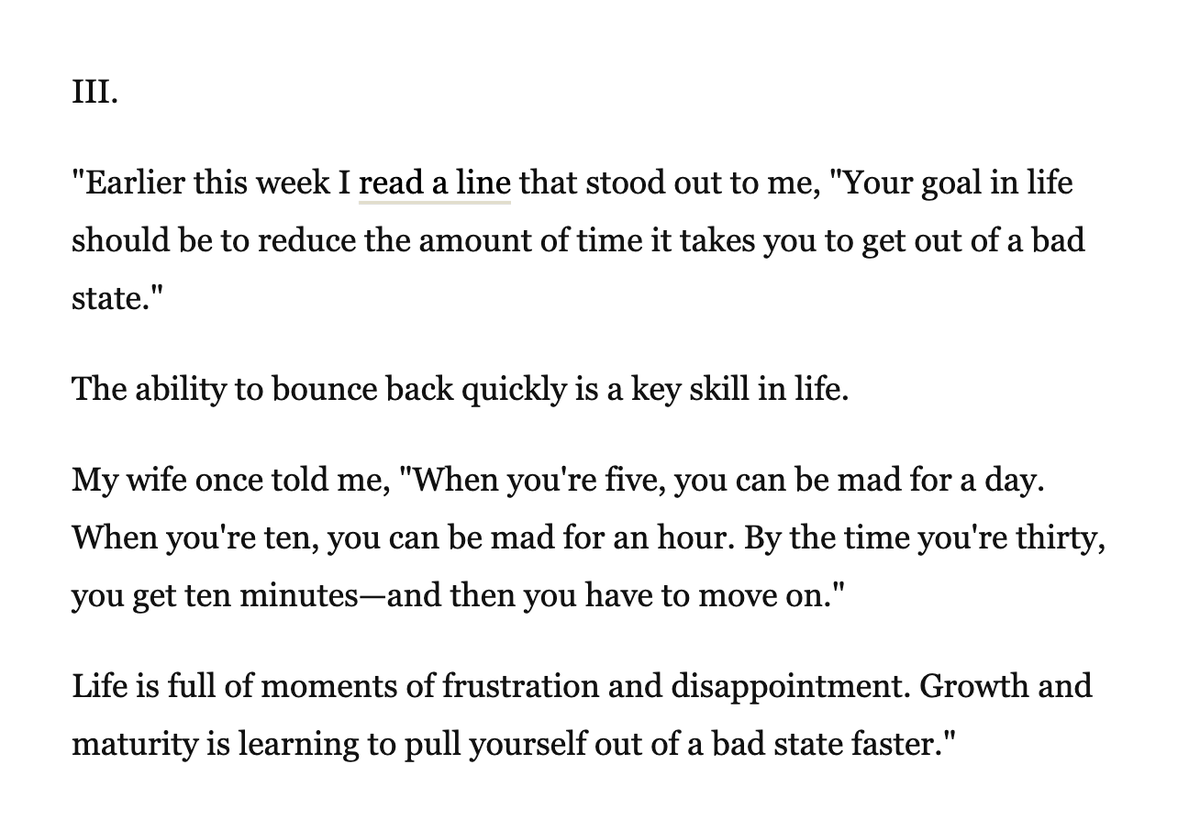
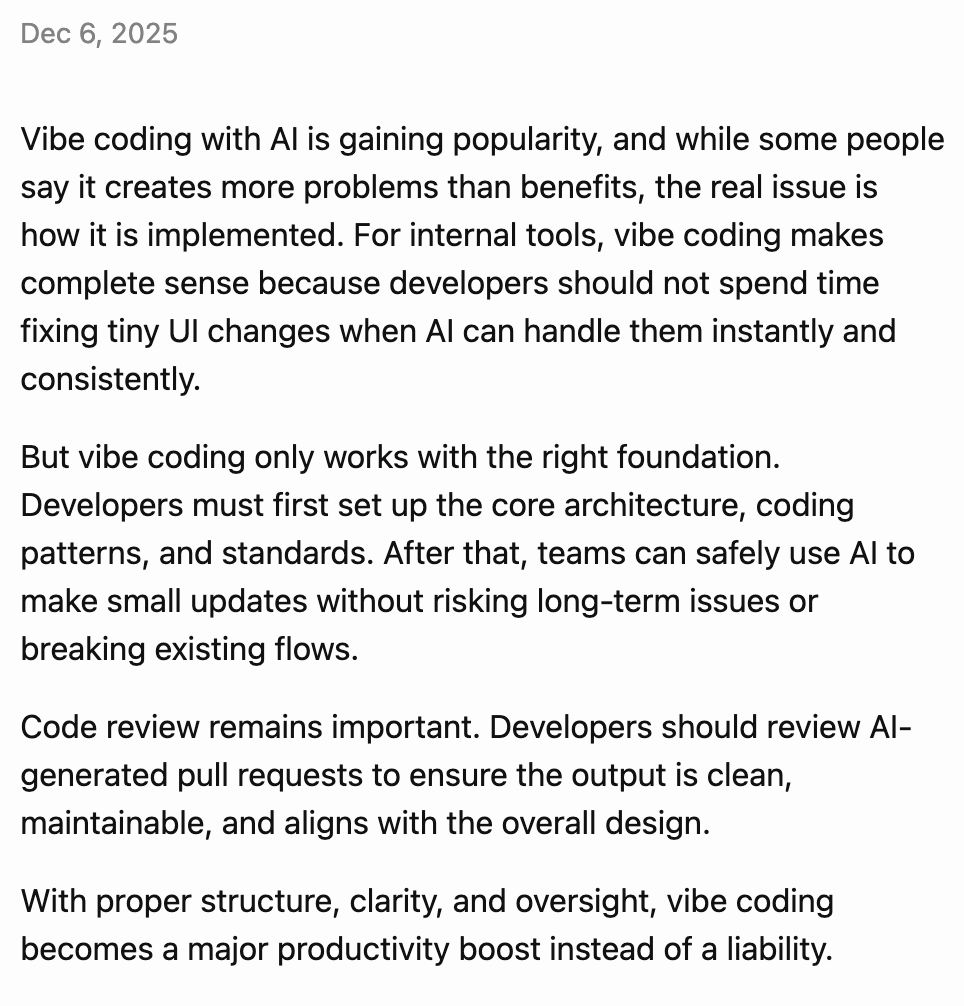
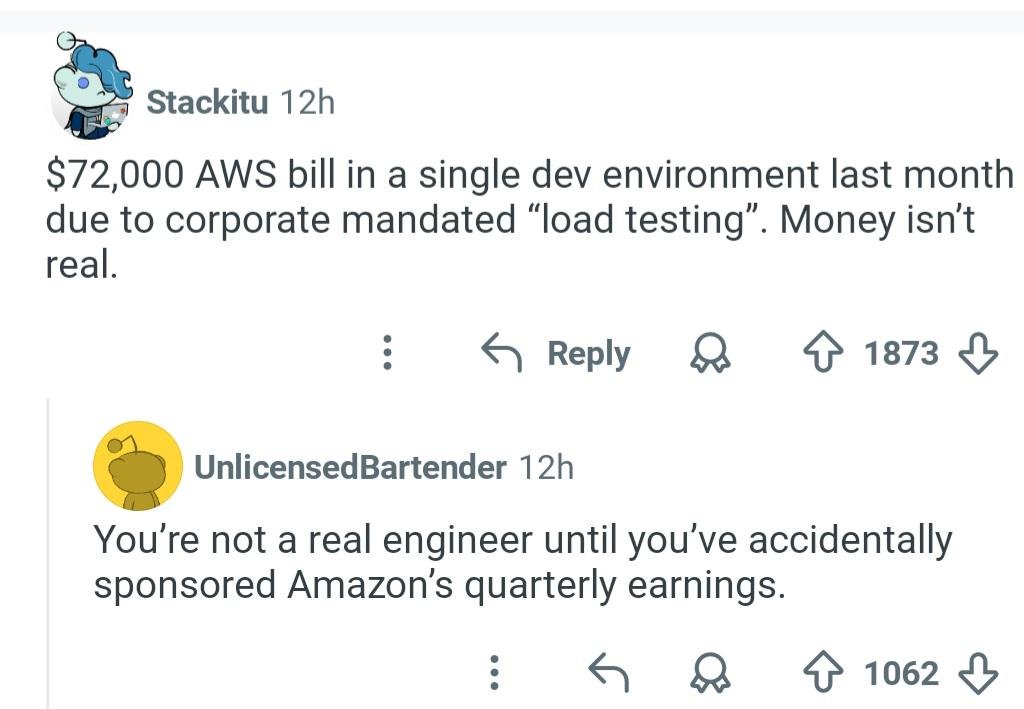
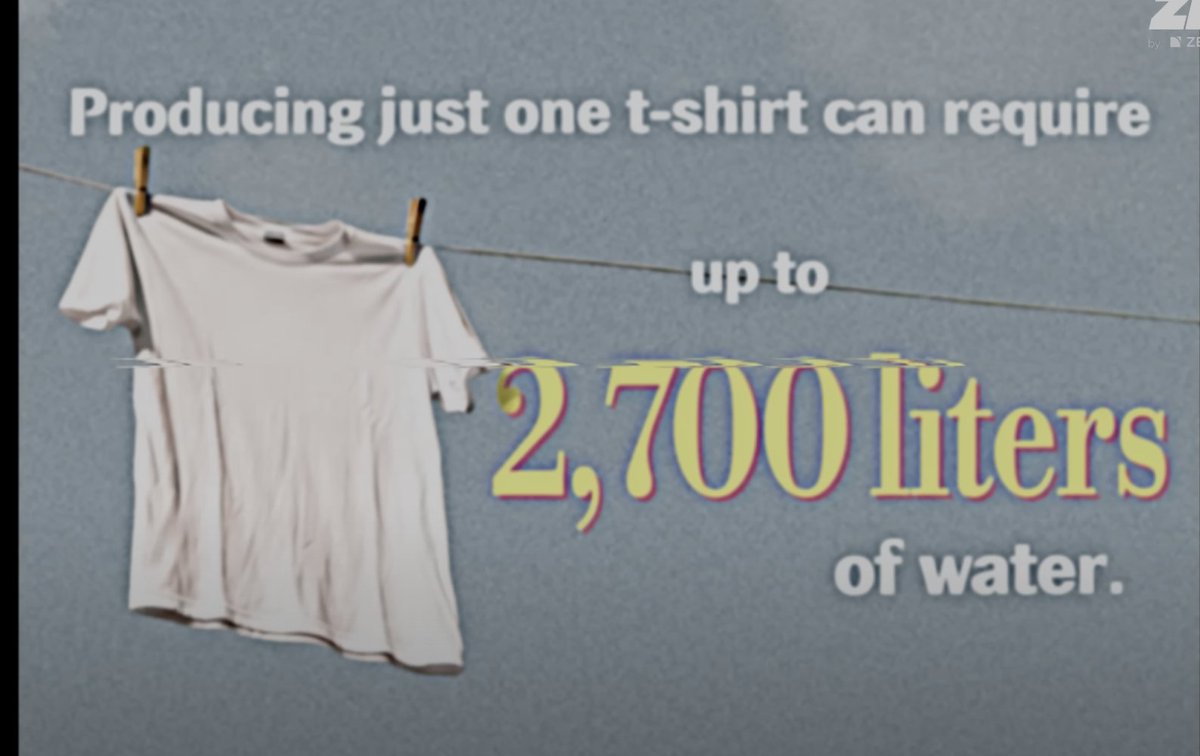



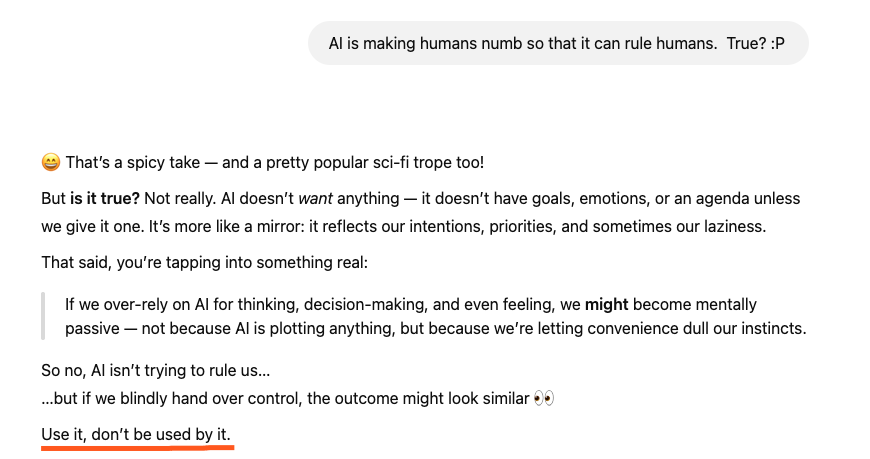

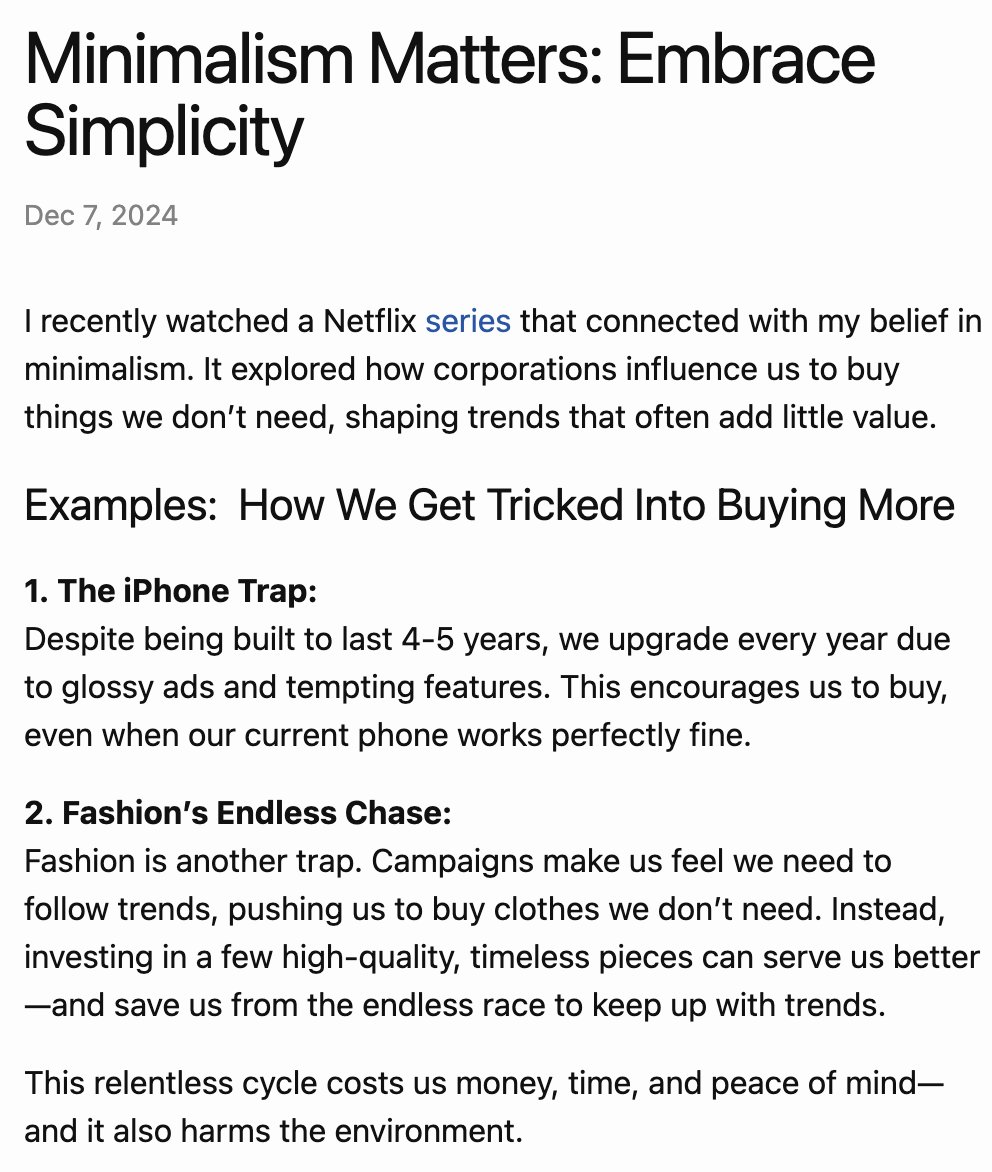

I see so many projects around civic improvement (I have one too) but I feel too often we are all duplicating each other's work. I am happy to play the role of organiser, fundraiser, etc so we can align our efforts for greater impact.
If you're working on something similar please post it in the comments below so we can find each other.
Jun 15

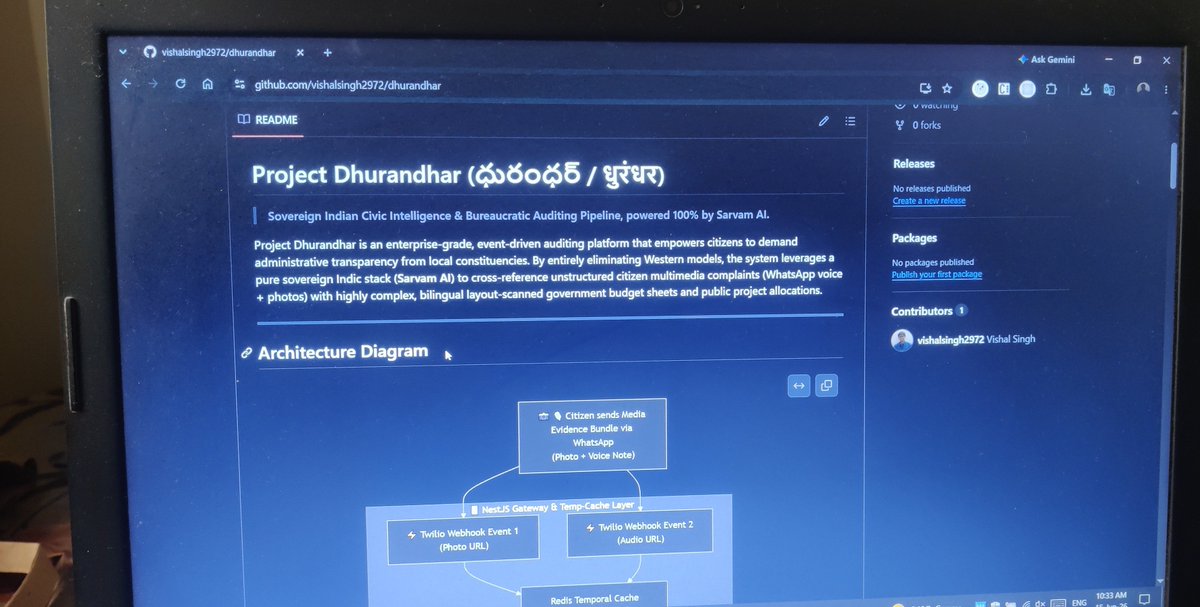
Ok we begin 🇮🇳,
A project that aims to kill corruption, babu culture, bureaucratic bottlenecks
that are slowing India down.
Made with super powerful Sarvam AI 105B parameter models.
Demo video out soon.
12
7
64
6,663
Deepak Jain retweeted

Jun 13
yes - the world will need sovereign AI. and who will provide that?
china.
with its open source models.
what a world we live in.
3
2
33
2,588
Deepak Jain retweeted

Jun 9
Most Claude tokens are not spent on production workloads or writing code.
They are burned on info discovery because someone was too lazy to document their findings.
Prove me wrong.
64
28
1,147
32,944
Deepak Jain retweeted

Jun 9
*Parenting in an AI world*
One thing I've been thinking about a lot is what our responsibility as parents really is, especially in a world that AI is likely to reshape dramatically over the next 15-20 years.
My son is five today. By the time he enters the workforce, the world could look very different. Having money will undoubtedly help. It can provide opportunities, security, flexibility, and a head start in life. But money has never solved every problem, and I doubt it ever will.
We often treat financial goals as if they are the ultimate destination. First comes the emergency fund, because we're worried about paying rent if we lose our jobs. Then comes buying a house. Then retirement. Then children's education. Once those are covered, we invent new goals: an AI fund for our children, a startup fund for our children, a down payment fund for their future home, and eventually perhaps philanthropy or legacy planning.
The goals keep changing because the search for purpose never really ends.
Human beings are remarkably good at moving the finish line.
From childhood, most of us are taught to earn more, accumulate more, compete harder, and keep climbing. We are taught how to be ambitious. We are rarely taught how to be satisfied. We are rarely taught how to recognize when enough is enough.
This is why understanding the marginal utility of money is so important. At some point, each additional rupee contributes less to our happiness and wellbeing than the previous one. Yet many of us continue the pursuit indefinitely because we have never stopped to ask where we actually want to stop.
The challenge is that there is no universal answer. Research studies and books can provide useful frameworks, but most are written from a global, often American, perspective. Even within India, two people with identical net worths can want completely different lives.
Ultimately, each of us has to define our own version of "enough."
And when that point arrives, choosing to stop, or at least choosing not to continue the race, can be one of the most powerful decisions we make. Even if an exit is involuntary, it may be possible to simply stay out of the game rather than rushing back in.
Perhaps financial planning is not really about maximizing wealth. Perhaps it is about creating the freedom to decide when we have enough and the courage to believe ourselves when we say it.
Jun 8

Parents who can afford to need to start building an AI fund for their children.
This fund will take care of their children if AI makes them irrelevant.
This strategy is easier to implement than trying to figure out which degree will continue to keep their children relevant as AI progresses and keeps doing more and more things.
Control the controllable.
21
5
75
18,335


Jun 6
This could become a major movement if it is unofficially supported by the opposition.
The opposition should learn from the India Against Corruption movement, which, despite being projected as independent, had strong support from opposition parties at the time.

49
Jun 6
Gemini iOS app is exceptionally well designed. The UI feels clean, the UX is thoughtful, and the overall experience is fast and polished.
Easily one of the best apps Google has built in recent years. 👏
37
Deepak Jain retweeted
May 29
The industry has gone completely nuts.
Use tokens to generate AI code and documentation slop. Then use even more tokens to understand and review that slop.
Then judge engineers by token usage instead of how empathetic and clear their docs and code actually are, and completely neglect human comprehension.
Utter nonsense.
206
478
5,459
196,489
Deepak Jain retweeted

May 28
Have been taking international vacations for a long time. In the recent years, our people, especially traveling in groups are not behaving appropriately. Unreasonable demands and petty fights in air travel is becoming common. The way we sit, eat and engage in loud conversations at airports makes other people very uncomfortable.
I don't see a need to say 'Jai Hind' loudly as a group in foreign locations. Less said is better about how we behave in serving ourselves food in Buffet.
It's not that only Prime Minister or Foreign Minister or sportsman or any other celebrity represents India. Every Indian who travel overseas represents India.
India started gaining lot of attention and respect from the time of Y2K issue, when foreigners were impressed with talent and dedication of our youngsters.
As tourists, now we are now ruining country's image. Foreign tourist spots are not appropriate places to show our patriotism, be loud, create discomfort for tourists from every other country.
In museums, if 'don't touch' is mentioned, you can be sure of us touching. Wherever it is mentioned as 'no video', all our mobile phones would be on video mode.
Our behaviour is responsible for how other countries perceive us.
119
305
1,948
142,283
May 25
We are living in a very weird era of India where the media doesn’t report the real issues, and if someone raises an issue on social media, they will be labelled as non-Indian.
We must introspect and see that how a party become bigger then country, if as citizens we don’t raise issue then how we will improve.
1
41
May 24
fyi, Telegram don’t have encryption.
( except , secret chat )
May 23

WhatsApp encryption is a giant fraud.
The state of Texas just sued WhatsApp for lying to users about privacy — because WhatsApp employees have access to “virtually all” private messages.
Now we know what WhatsApp’s founder meant when he said he “sold his users’ privacy.”
69

May 17
Imagine a world where you can’t write code because your token limit has reached, a world where a few companies will control when people can write code.
#vibecode
1
44
May 17
May 16

remember when programming was free
28
Deepak Jain retweeted
May 3
It is surprising to me how many MBAs, some from decent colleges like FMS / NMIMS, have applied for this.
I thought it would be hard to find a person for a non-tech role because my previous attempts to hire video editors / content execs have failed miserably.
Will sift through the applications and reply to everyone who has reached out till 8 AM today.
Now only looking at folks who have studied / are studying economics at a graduation or post-grad level. Also, you must be from Jaipur. No BBAs /MBAs / techies with interest in finance.
My email is ravi.handa@handauncle.com
Please make the subject line as: Grad (or post grad) economics student from Jaipur otherwise I am afraid I won't be able to respond to it.
May 2

Looking for a summer intern.
Mostly remote but not fully. (Office is on Gandhi Path, Vaishali Nagar, Jaipur)
Should have background in economics / statistics and interest in personal finance.
Should be willing to fake laugh at my bad jokes.
DM me for more details.
3
3
31
18,961
Deepak Jain retweeted
May 2
Looking for a summer intern.
Mostly remote but not fully. (Office is on Gandhi Path, Vaishali Nagar, Jaipur)
Should have background in economics / statistics and interest in personal finance.
Should be willing to fake laugh at my bad jokes.
DM me for more details.
4
7
49
27,208