
Joined December 2008
- Tweets 4,311
- Following 2,275
- Followers 114
- Likes 3,831
107 Photos and videos

Pinned Tweet

11 Aug 2025
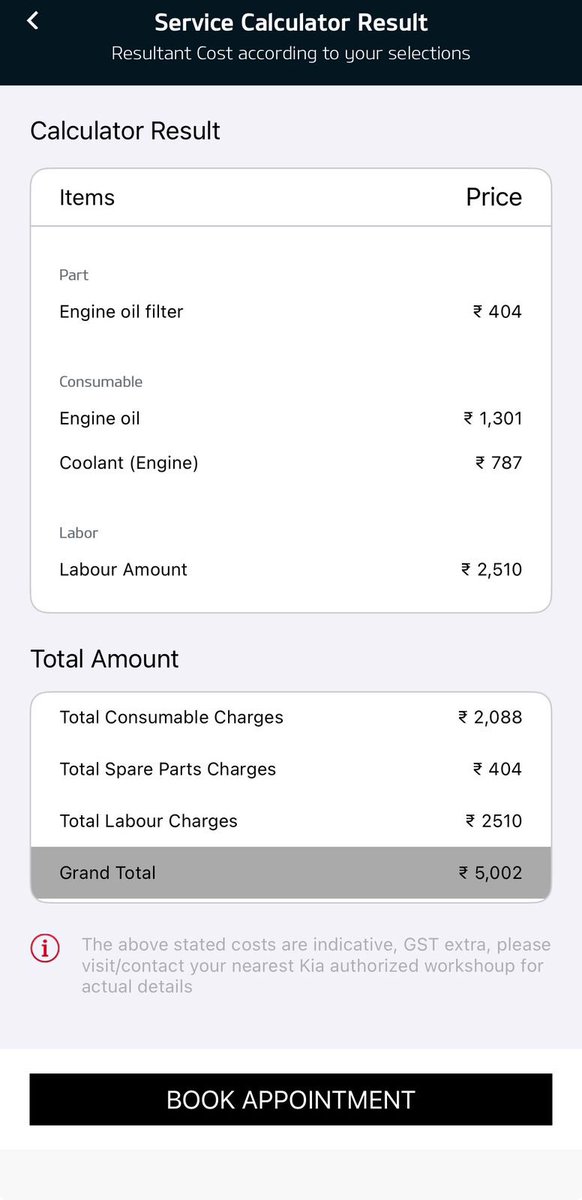
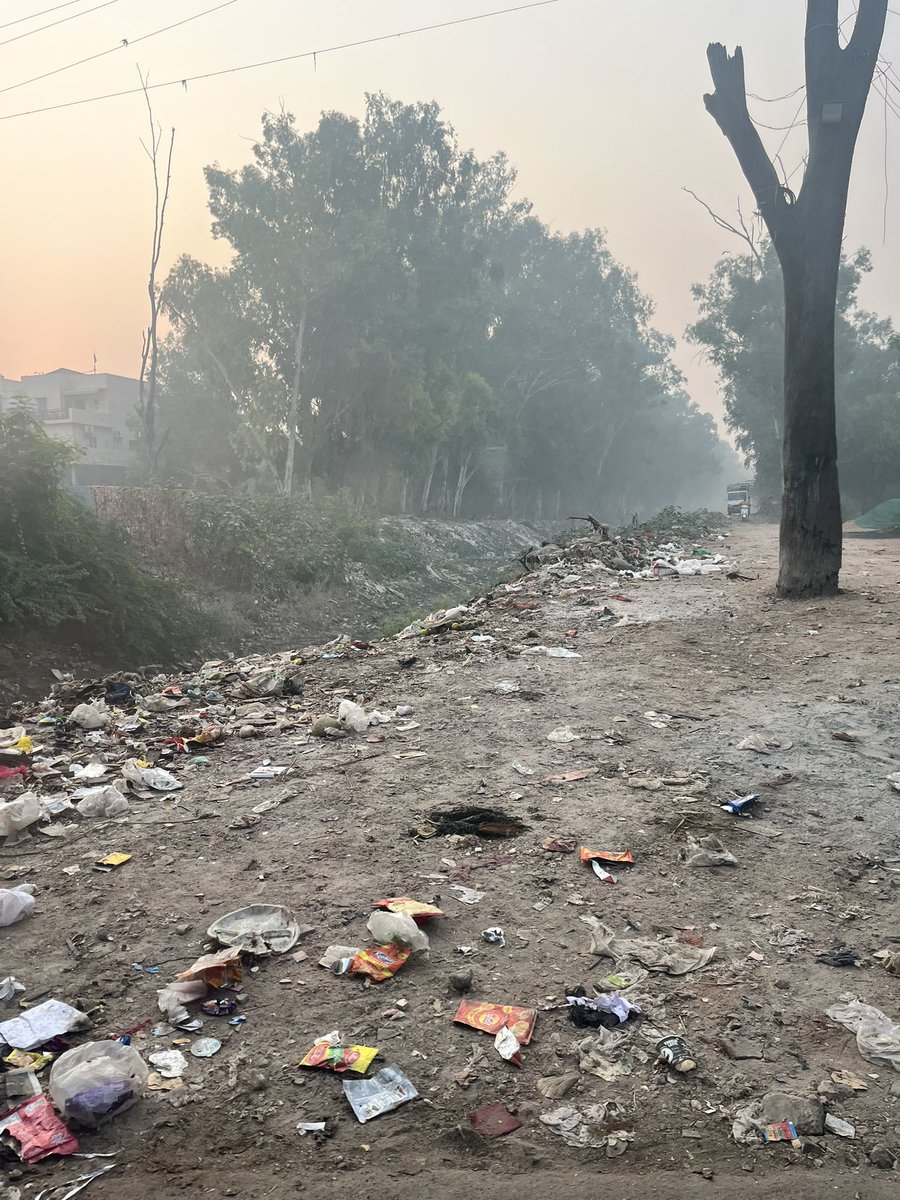
@Maruti_Corp @HyundaiIndia @Toyota_India @KiaInd @MercedesBenzInd @HondaCarIndia what is the OEM doing about E20 fuel
Damage to car ! Anyone has an answer .. or keeping quiet is the answer.. @TopGearMagIndia @hormazdsorabjee @autocar @anandmahindra @RajanWadhera1 @sidpatankar
1
587
iflygps retweeted

May 3
The hard truth is this: money drives the system.
Those who fund it shape policy. Pilots may be right and have a genuine grievance —and often are—but they lack the kind of collective financial influence needed to move policy in their favour. Industry lobbies, on the other hand, have far deeper pockets and far greater access.
That is the reality of crony capitalism.
And organised resistance is no easy answer. Between legal exposure, regulatory pressure, and the broader climate that makes collective action increasingly risky, striking is not a practical option anymore.
In short : if you are a pilot and have the opportunity, plan your exit early.
If you’re a passenger and have choices,avoid those
airlines that flog their
pilots to death
The system is not going to change.
PS: Don’t shoot the messenger!
x.com/BLRAviation/status/205…
1
7
22
1,550
Apr 25
If you want to see a looser it is @raghav_chadha @RaghavChadhaOfc biwi ne bola jail mein rahega ya bil mein
37
iflygps retweeted

BJP CM Himanta Biswa Sarma does a pre-election U-turn, allowing beef consumption inside homes.
BJP Union Minister in Maharashtra profits from beef exports.
Meanwhile, the Bharatiya Janata Party itself takes crores in donations linked to beef trade.
Do Mohan Bhagwat and Modi endorse this? Is this sanctioned at the highest level?
Is this the new Hindutva model where beef consumption and beef profiteering are both rewarded?
In the so-called “Naya Bharat” era, the self-styled gau rakshaks party has turned into the biggest threat to Gau Mata.
34
339
765
19,319
Apr 2
@RamMNK @MoCA_GoI any reason for drive in pickup charges! It says 250/300₹ beyond 8 mins & theyhave these huge booths to narrow the exit lanes &reduce the pace &create bottle necks to exit the pickup lanes & then claim they want traffic to exit fast @DelhiAirport @CSMIA_Official
3
123
Apr 2
@lkoairport @GuwahatiAirport airport mafia collecting money blatantly and we can’t do shit about it .. hassled entry and exit
Points and money making rackets
1
47
Apr 2
Each airport has these narrow lanes with some jokers sitting in cabins slowing down traffic by bottleneck exits to charge online fasttag deductions and claim congestion tax
37
Apr 2
Which airport is not using this mafia system
Of pickup drop money collection mafia @AAI_Official @RaghavChadhaOfc @raghav_chadha most blatant money making racket of slowing down traffic in the name of reducing congestion by creating congestion
24
iflygps retweeted

Mar 26
I’m sorry to say but @airindia maharajaclub is shameful.
I’m a platinum member. I was invited by them to attend a lucky Ali concert. They sent me 2 passes, asking who will accompany and I said I don’t know if I will or not as I’m a busy lawyer and will try. I did not attend. They ensured now saying as I did not attend they are deducting 20,000 of my membership points. Even if this was stated this is not an invite to a member but a forced invite. Sorry to say but this is blatant cheating and totally misleading. As a firm believer in @TataCompanies this is totally against the legacy of Tatas. I reserve my right to a customer complaint on this if Air India does not withdraw their absolutely illegal email. Shame on you!
81
165
1,676
323,362
iflygps retweeted

Mar 26
I would like to heartily congratulate the new owners of RCB. I wish them the very best and Godspeed with the most valuable IPL franchise. When I bought the franchise in 2008 for INR 450 crores, most people laughed at me and criticised my investment as a vanity project. Behind my much touted madnesses was building the Royal Challenge brand and hence I named the franchise RCB. Immensely gratifying to see my INR 450 crore investment grow to INR 16,500 crores. RCB will always remain a part of my DNA with indelible memories including picking the young Virat Kohli who is now amongst the best in the World. To all RCB fans who came on board during my stewardship and beyond, a grateful thank you and please continue to support RCB the Lion of Bengaluru. Namaskara.
1,465
3,254
53,579
2,224,427
iflygps retweeted

26 Jun 2013
Very distressing to see the rupee losing its value. The UPA is responsible for mismanaging the economy.
456
2,550
4,945
iflygps retweeted

Mar 20
People keep complaining about @IndiGo6E ground handling so here’s my experience today at Khajuraho airport.
Three check in counters open & manned but two refuse to accept passengers. Every one is directed to one counter manned by a trainee.
As I am checking in I ask the counter supervisor why the other counters won’t accept passengers.
“They are only for fast forward.”
Me: I thought there was no fast forward any longer!
“It’s not on the site but we do have it”
Me: What do you get in fast forward?
“You get priority baggage handling and priority boarding.”
Me: If I had known I would have taken it.
“You can still take it.”
I hand over my credit card. He swipes it. As the luggage is being tagged I notice there is. no Fast Forward tag and ask about it.
“ We stopped doing priority baggage handling for Fast Forward. It only gives you priority check in. “
But I had already checked in. I wouldn’t have taken it if you
hadn’t told me about priority baggage handling .
“I never said priority baggage handling.”
Yes you did . I heard you.
“Okay at least you can
board any time you like.”
I ask for the manager. The supervisor insists he never said anything about baggage handling.
Manager: “I will not accept that my staff are lying.”
But you think I am lying?
He shrugs.
The sum of money is small &
the issue is minor. But given how much we have heard about the culture of lying in @indigo , firing one gora scapegoat may not be enough.
The rot has infected the culture

371
1,009
3,568
206,425
iflygps retweeted

JUST IN: The United States produces 96 THAAD interceptors per year. Eight per month. Two per week.
Iran launched over 500 ballistic missiles in the first week of this war.
That arithmetic is the most important classified secret that is not actually classified. It is sitting in Lockheed Martin’s January 29 press release, in the MDA’s budget justification documents, and in the CSIS depletion analysis published in December. Nobody connected the numbers until the war made the connection impossible to ignore.
The US Army operates seven active THAAD batteries worldwide. Each carries 48 interceptors across six launchers. Standard doctrine fires two interceptors per incoming ballistic missile. One full battery is exhausted after defending against 24 missiles. Iran launched over 500 in a week. The June 2025 twelve day war consumed approximately 150 THAAD interceptors, roughly 25 to 28 percent of the entire global stockpile, in under two weeks.
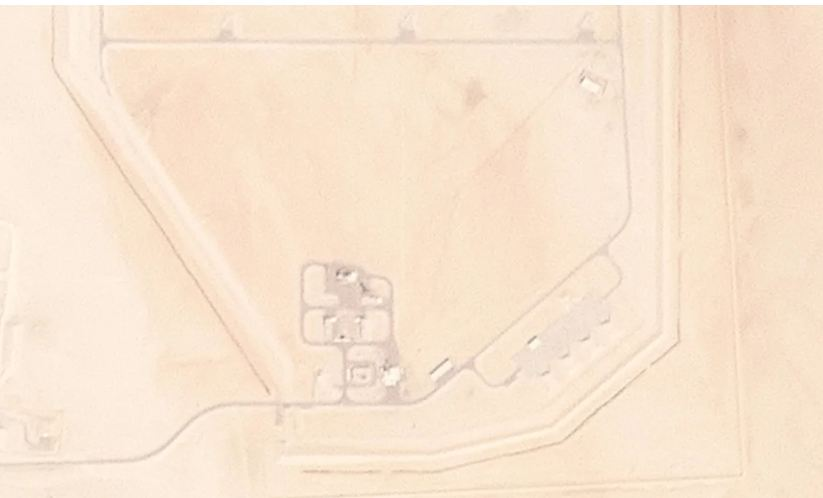
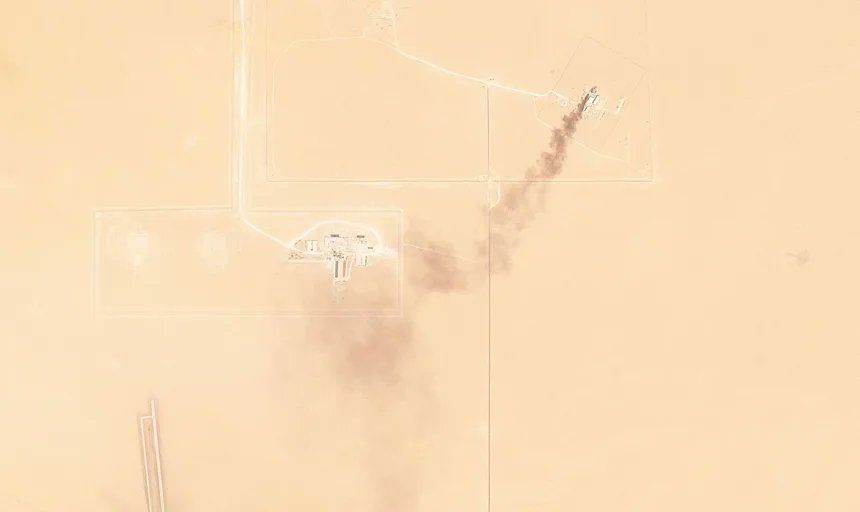
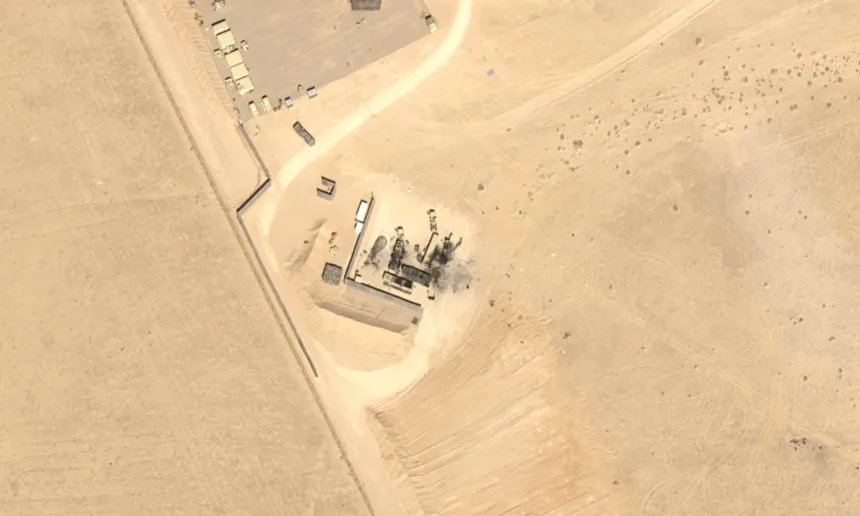
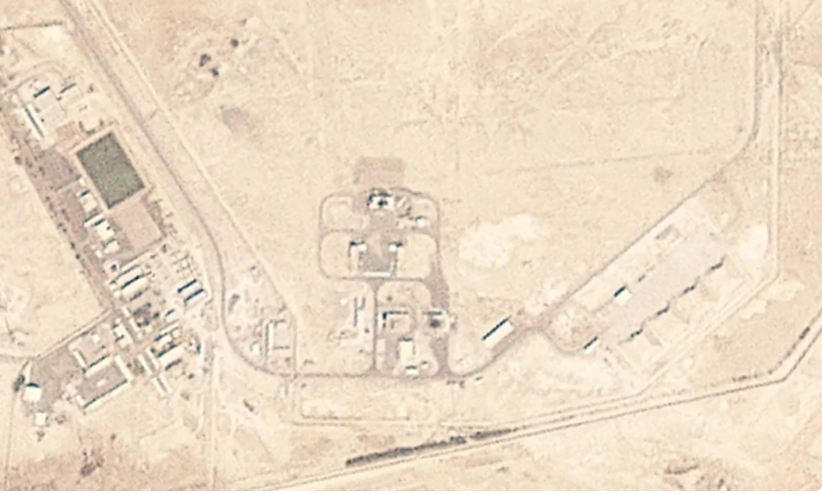
Two AN/TPY-2 radars have been confirmed damaged or destroyed. The radar at Muwaffaq Salti Air Base in Jordan was struck in the opening days, confirmed by CNN satellite imagery. The radar at Al Ruwais in the UAE was claimed destroyed by Iranian forces. Each AN/TPY-2 costs approximately $500 million and requires years of production lead time. A radar loss does not proportionally reduce coverage. It creates geometric gaps in the overlapping defense zones that remaining batteries cannot compensate for. Subsequent attacks route through those gaps.
Total confirmed US equipment damage in the first five days exceeds $1.9 billion, including a $1.1 billion early warning radar in Qatar, the THAAD radars, and aircraft.
On January 29, Lockheed Martin signed a framework agreement with the Department of Defense to quadruple THAAD interceptor production from 96 to 400 per year. The timeline to reach full production rate is seven years. The year 2033.
The bottleneck is not funding. It is physics. THAAD interceptors require specialized solid rocket motors shared across PAC-3, SM-3, and PrSM programs. Seeker heads are manufactured at an estimated maximum of 500 per year. Component lead times run 12 to 24 months. A THAAD interceptor ordered today arrives around 2030.
The war is consuming interceptors in weeks. The production system replaces them in years. That gap is not a logistics problem. It is a structural vulnerability in the architecture of American military power that every adversary on earth can now quantify.
China is watching. The batteries defending Guam and South Korea are the same finite inventory being depleted in the Gulf. Every interceptor fired at an Iranian missile tonight is unavailable for a Chinese missile tomorrow. The Pacific and the Gulf share a single ammunition supply. They cannot both be defended at current production rates against simultaneous threats.
The @AFpost claim that half the global THAAD systems are lost is not verified. What is verified is worse. The radars are being destroyed at $500 million each. The interceptors are consumed at rates the production line cannot match for seven years. And the solution arrives in 2033.
The war is eight days old. The production ramp is 2,555 days long. Price the gap.
open.substack.com/pub/shanak…
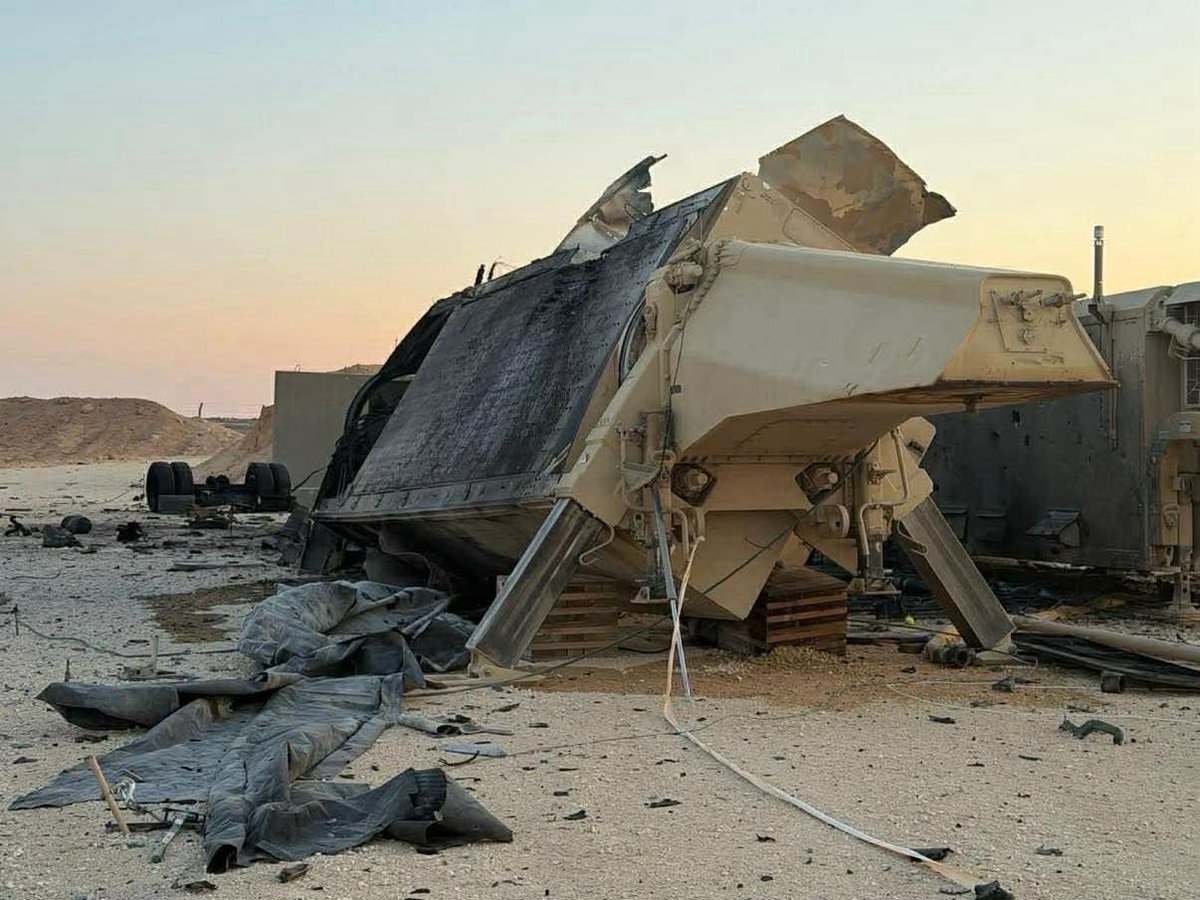

The US has lost half of its global THAAD missile defense systems.
The US is supposed to have more THAAD defense systems stationed in Guam and South Korea, though Trump has recently diverted interceptor munitions to missile systems that are no longer operational.
Trump may continue to redeploy critical assets from the Pacific Theatre to defend the Gulf states and Israel.
Follow: @AFpost
137
881
2,532
371,330
Mar 7
So apparently @DelhiAirport wants the drive in pickup to exit faster else they charge after 8mins. guess Wht they put slowing down breakers & narrowest exits to slow down the traffic ! So by the time you exit it is defiantly 8 mins so they can charge @RamMNK @MoCA_GoI @DGCAIndia
1
1
218
Feb 28
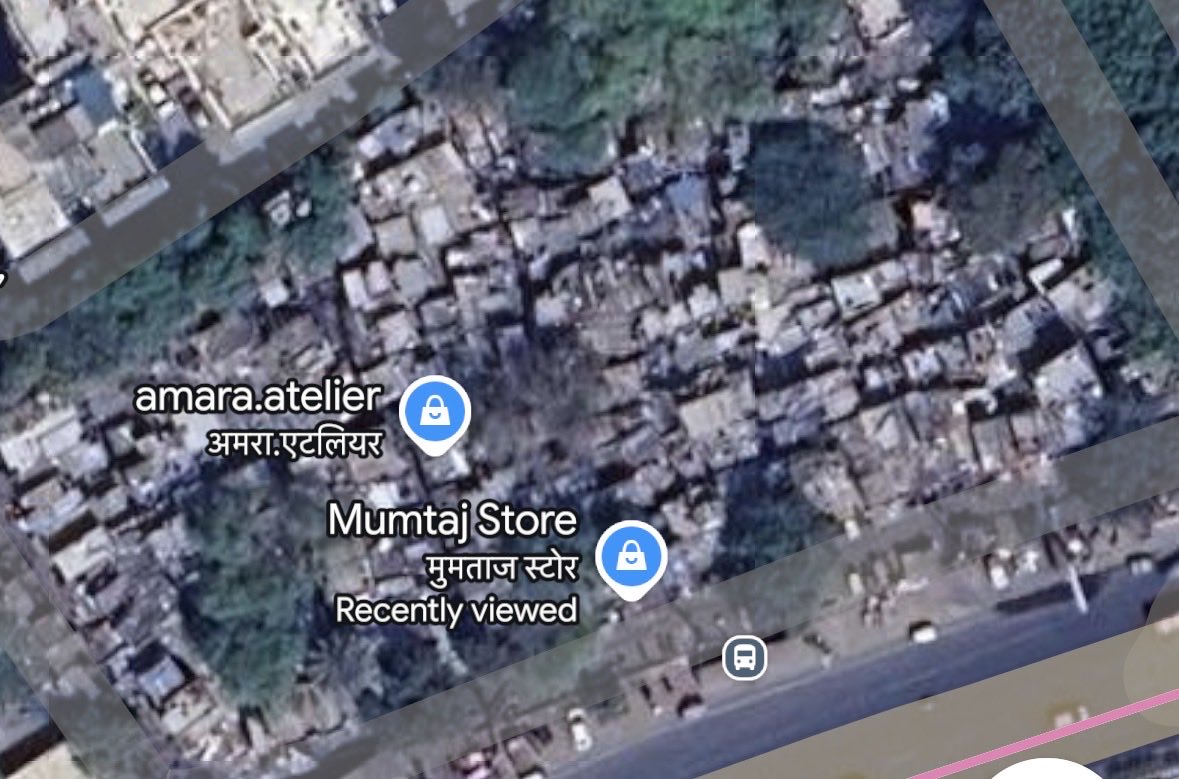
Jugghi cluster 50m from @gupta_rekha house .. can she get it removed 😂next day maid will not trim up 😂@CMODelhi @LtGovDelhi @MCD_Delhi @dcrohinizone @p_sahibsingh @mssirsa
32
iflygps retweeted

Feb 22
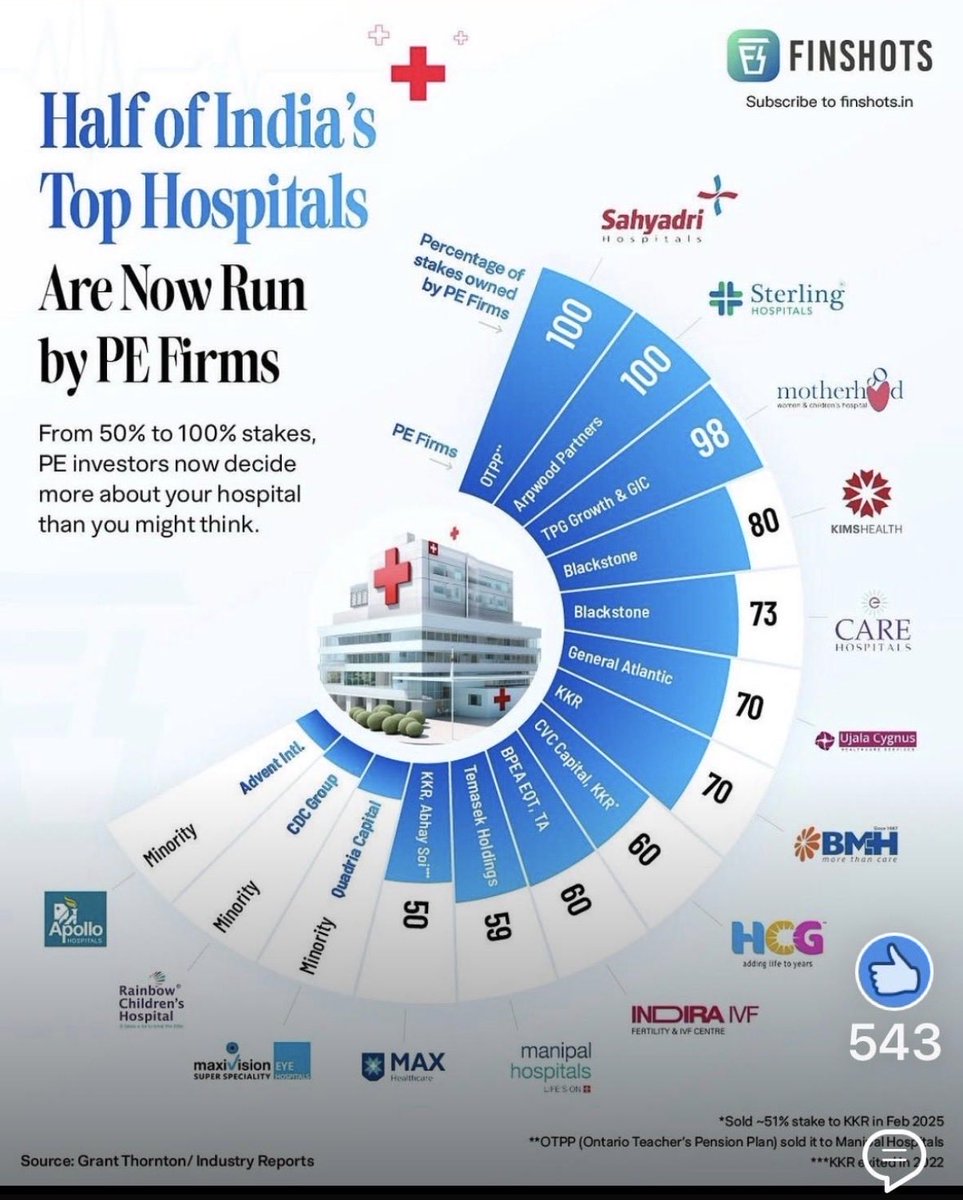
When patients become line items and doctors become cost centers, something fundamental has already gone wrong.
75
275
751
20,840
Feb 11
I understand low cost carrier not fancy flight but how do u manage to have bad user apps @IndiGo6E getting worse by the day .. even blue chip loyalty is so bad it’s not even funny .. @AirIndiaX another disaster of an app.. learn something from @airindia app if not airline
1
106
iflygps retweeted

Feb 9
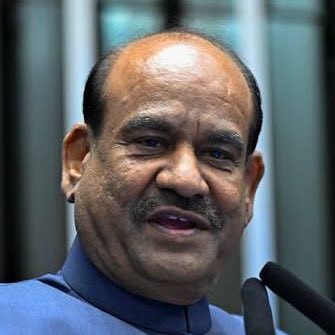
Breaking : INDIA alliance is bringing a NO CONFIDENCE MOTION against Om Birla for his unruly and biased behaviour as the speaker of Lok Sabha🔥
Not all battles are fought for victory. Some are fought simply to tell the world that someone was there on the battlefield.
Full support to the Opposition, Om Birla has degraded and shamed the Lok Sabha chair again and again.
364
2,179
12,186
211,238
iflygps retweeted

Big Breaking
Delhi Govt’s fraudulent Pvt School Fee Control Act is again exposed in High Court today.
This Govt is hand in gloves with Pvt Schools owners.
36
270
803
12,839
iflygps retweeted

Feb 9
The technology of turning an old train into a “new” train...
Even the wallpapers are probably imported from China..
Waah, kya jugaad hai..
🤣🤣🤣🤣
295
1,978
7,219
224,004
Feb 8
RT @Apoorvanand__: Traveling @airindia economy. Requested a pillow. Told with flat face that not available for economy passengers. This is…
23
iflygps retweeted

Feb 6
What do our cities need, especially DELHI!
- zero illegal encroachment anywhere
- separating commercial and residential zones
- moving out industries to the outskirts of the city
- removing redundant ULBs
- grid structure for suburbs
- strict enforcement of traffic rules
24
52
244
7,367