
Joined August 2021
- Tweets 392
- Following 193
- Followers 112
- Likes 581
41 Photos and videos









Devashish Patil retweeted

24 Jul 2025
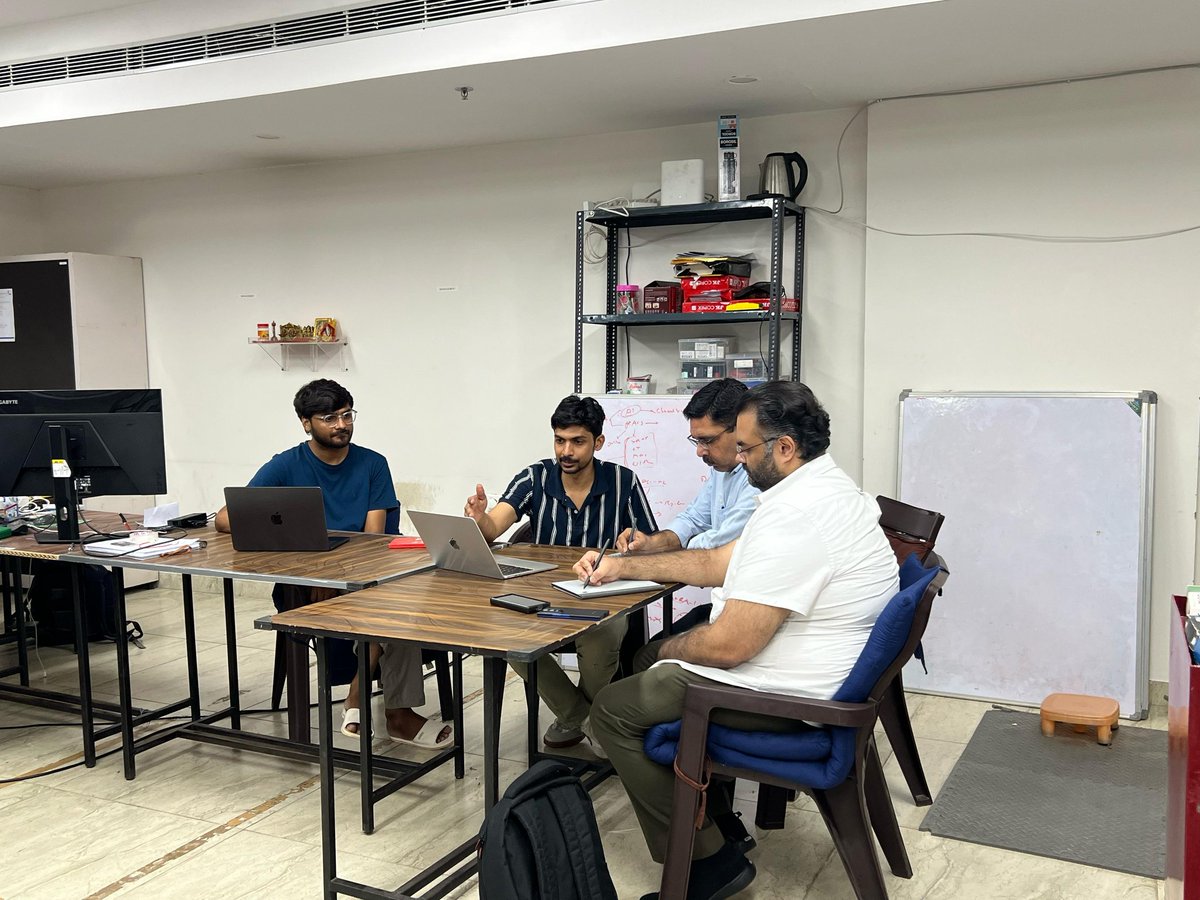
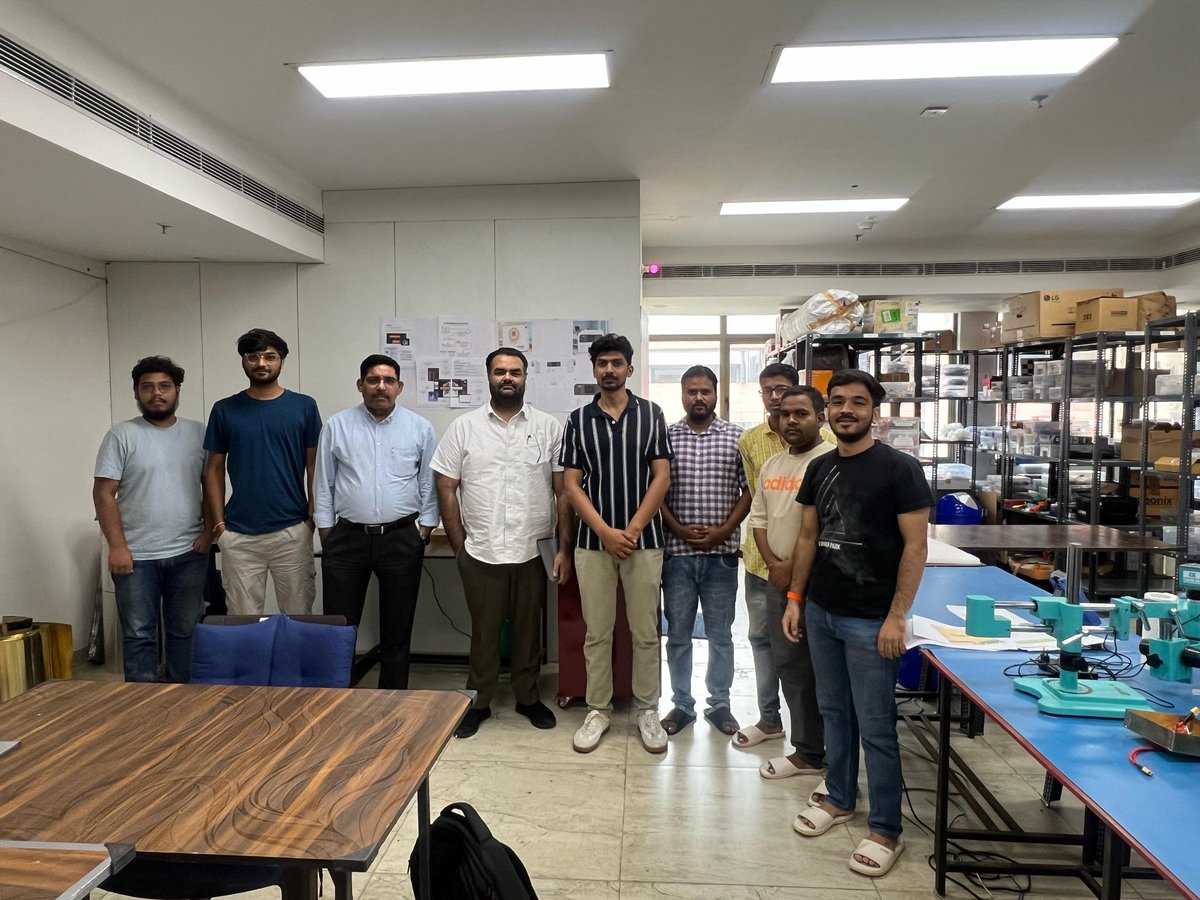
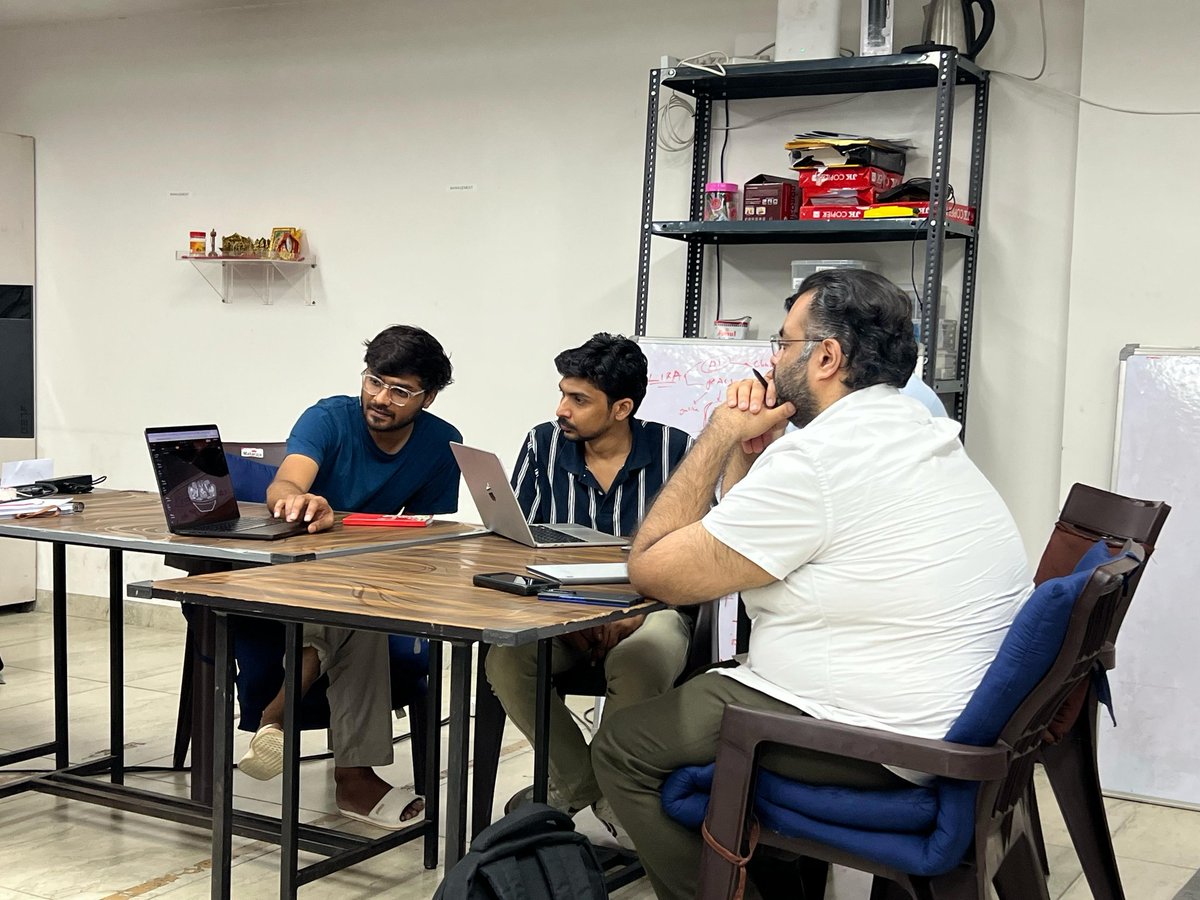
Had a great morning with @AllengersGroup's Mr Sanjiv Marjara and Mr Karan Sharma demonstrating LeXIS and LIRA, @LenekTech's handheld Xray generator and AI software for chest xray screening. Looking forward to collaborating and building together in India.
#MedTech #diagnostics #MadeInIndia #healthtech #radiography

1
3
6
153
Devashish Patil retweeted

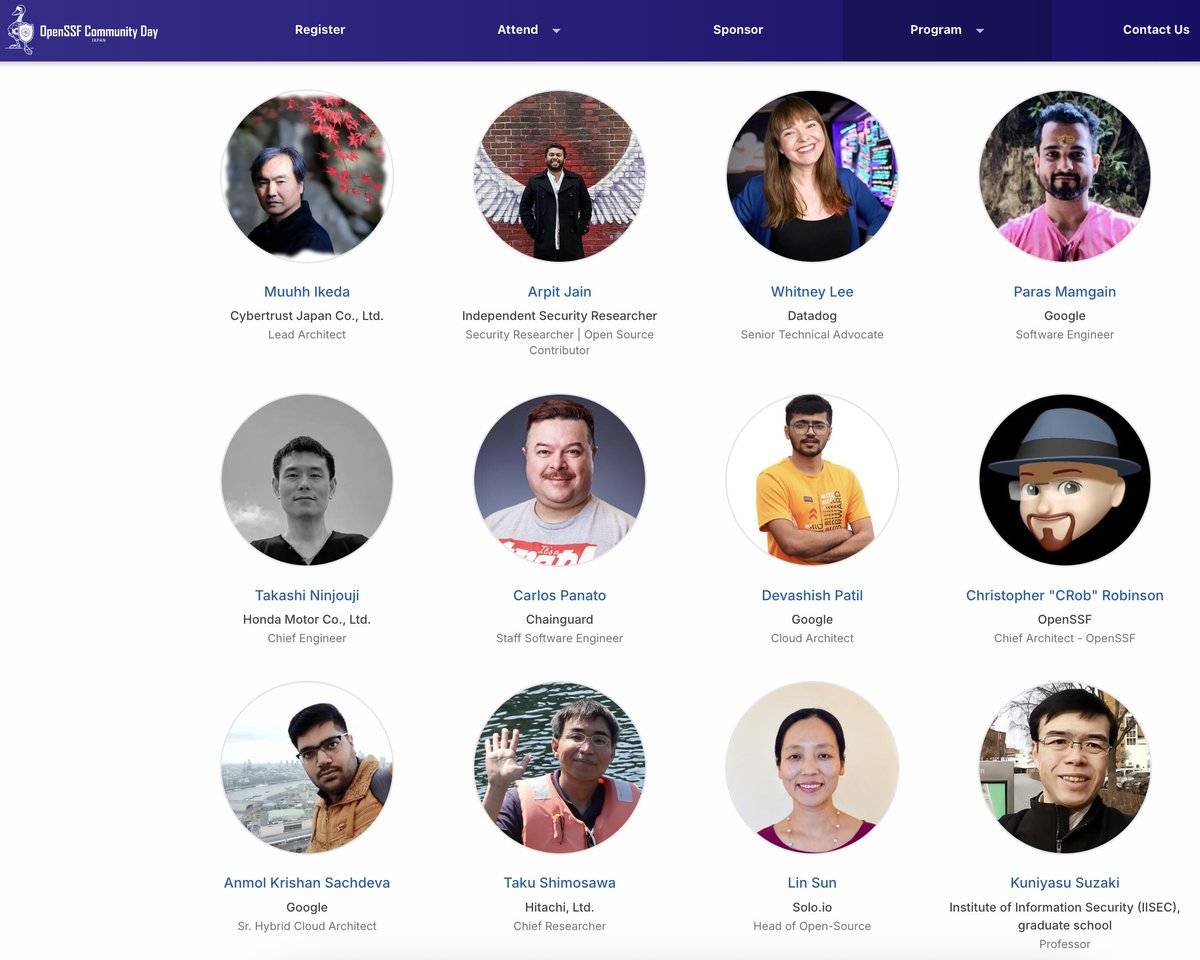
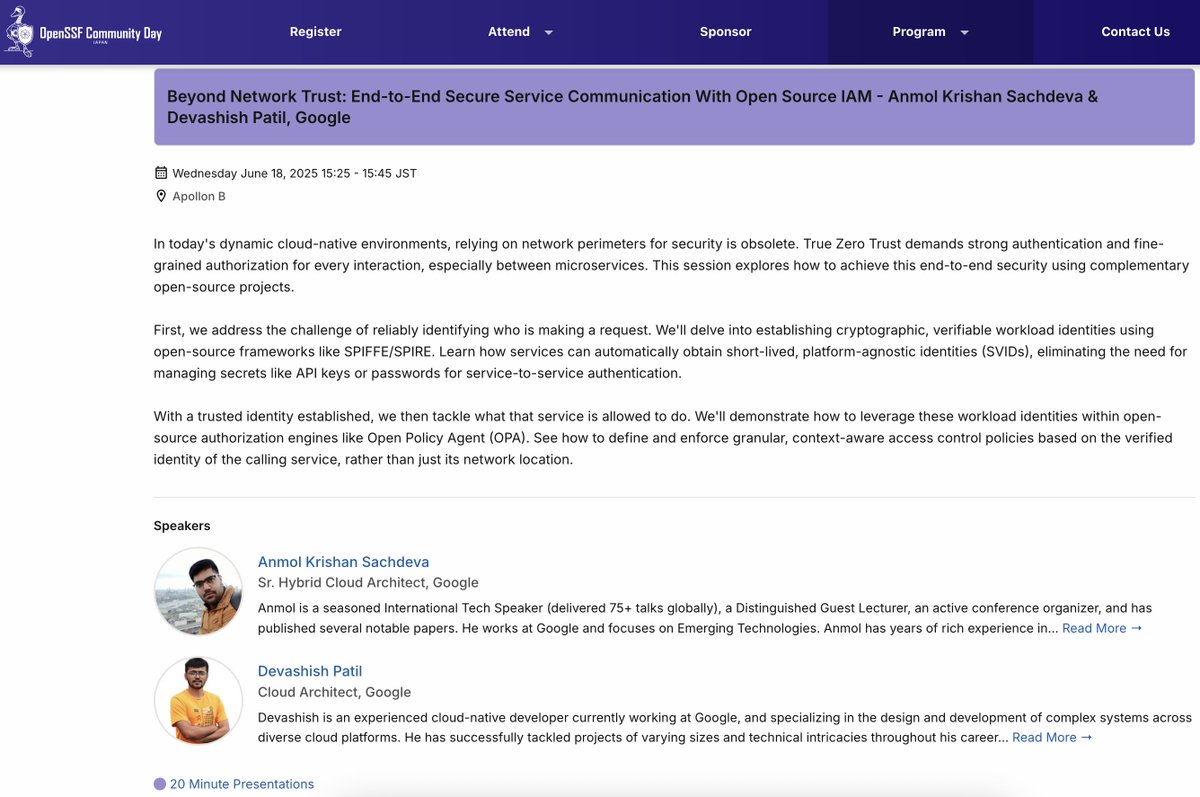
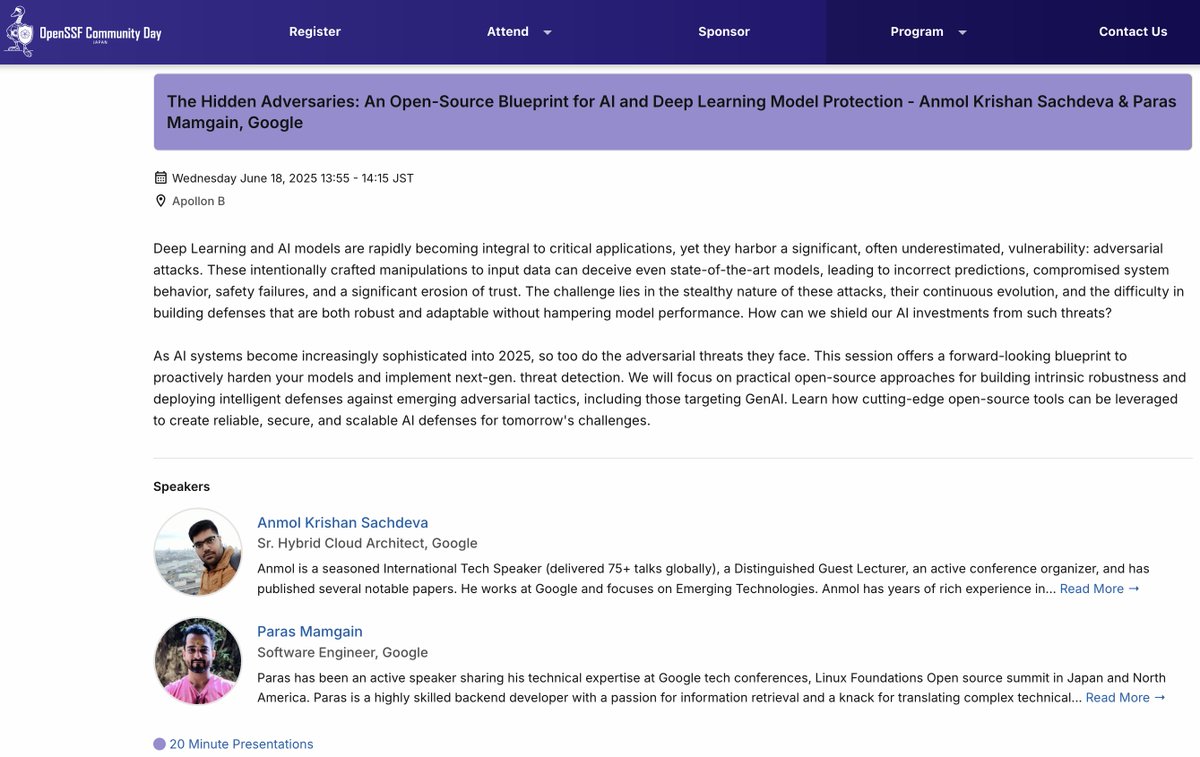
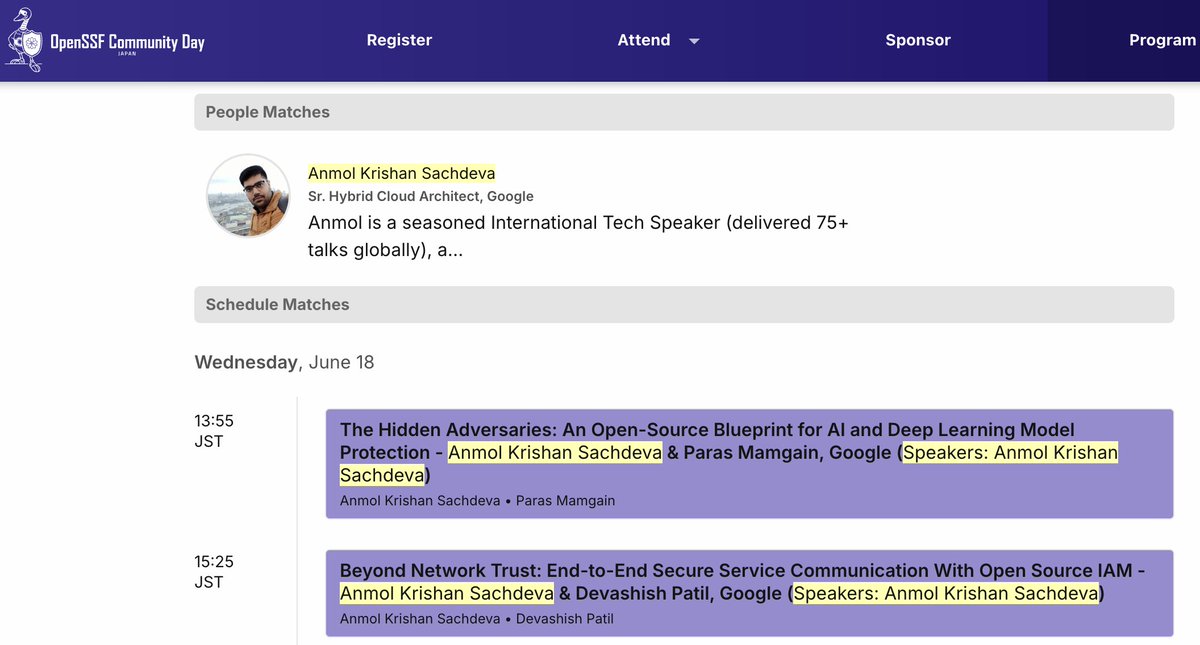
Absolutely honored to have had 2⃣ sessions selected for @linuxfoundation's @openssf, a @KubeCon_ co-located event! Humbled to be on a speaker list with inspirations like @linsun_unc, @wiggitywhitney, and others.
Congrats to my co-presenters @mamgainparas & @devashishpatil_ 🚀
1
2
3
201

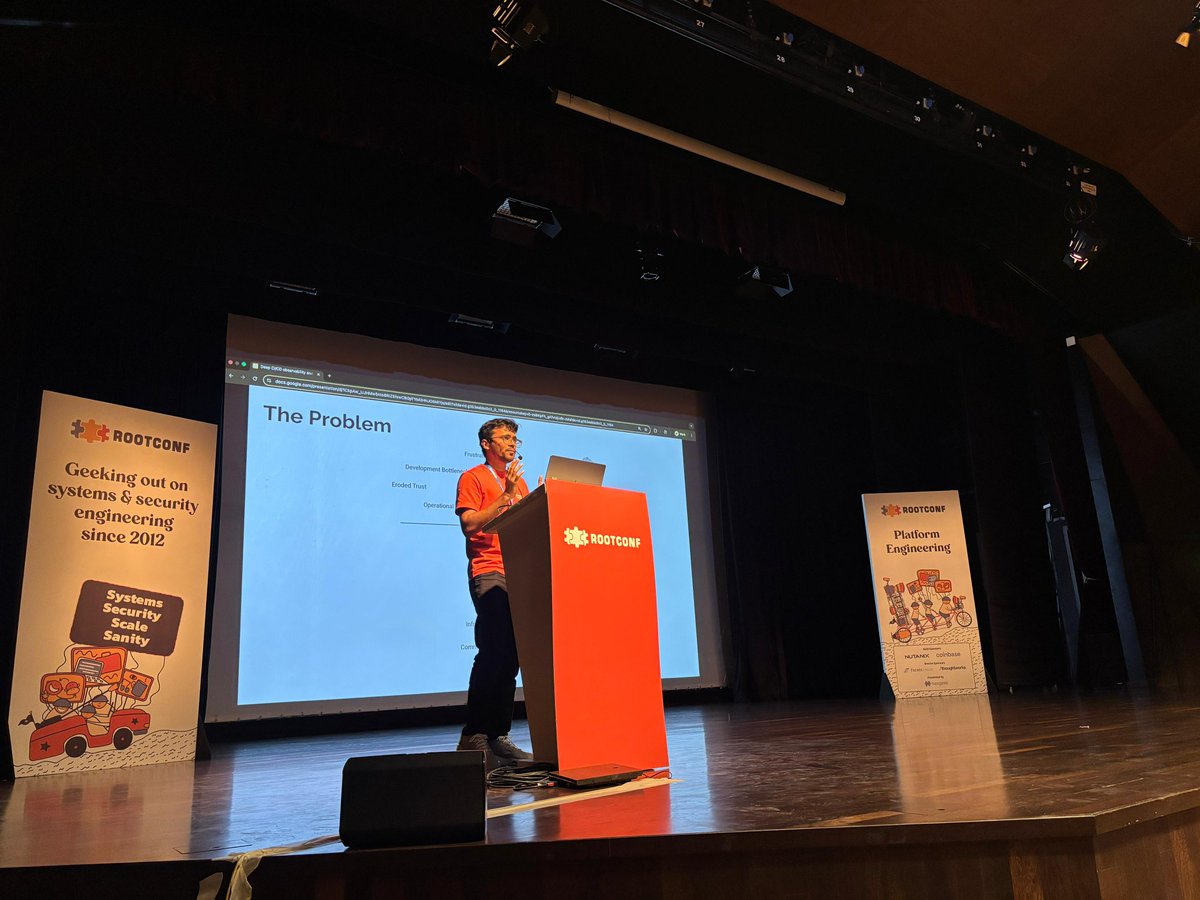
@devashishpatil_ is opening up the black box of CI/CD for end-to-end observability using open source at @rootconf's #PlatformEngineering track
1
1
35

15 May 2025
🚀 CI/CD pipelines shouldn’t be black boxes.
At Rootconf 2025, I’m talking about how to make your pipelines resilient, observable, and efficient using open-source tools.
📅 Catch my talk on 17 May
👉 Check out the full schedule here:
hasgeek.com/rootconf/2025/sc…
#Rootconf2025
2
27
23 Feb 2025
I came across this tool that emulated GitHub Actions locally. Good for running CICD pipelines locally for quick feedback loops.
Removes the need to push/create PR every time you want to test something small.
Link below 👇👇
1
28
11 Jan 2025
Over the past few years, I’ve been fortunate to work on some amazing Cloud and DevOps Engineering projects, solving challenging problems and learning every step of the way. 🚀
During this time, I’ve been sharing my thoughts, experiences, and solutions on Medium and I intend to do the same even more 📝
My blog focuses on:
• Simplifying Cloud Computing concepts
• Best practices in DevOps and Platform Engineering
• Real-world lessons in software engineering
📢 Check out my latest articles: lnkd.in/ggPuqDMG
🌟 Why I’m Writing:
I know how overwhelming the vast world of Cloud and DevOps engineering can feel. My goal is to break down complex topics, share insights, and help others navigate this field.
I’d love for you to check it out, share your thoughts, and let me know how you tackle similar challenges! Let’s grow and learn together. 🙌
2
40
3 Jan 2025
👇👇
3 Jan 2025

Whenever Prod goes down, there's often an insensitive reaction: Who pushed the code?
This finger-pointing culture places the blame directly on the developers, portraying them as the sole culprits for outages.
But is this approach fair? or even productive?
The reality is that production outages are rarely the fault of a single person or team.
Most of the time, it happens due to systemic issues, gaps in processes, or a lack of safeguards.
Blaming developers for production outages is an immature and shortsighted response to a complex problem.
It moves the focus away from the much-needed systemic improvements.
Instead of asking “Who broke it?” companies should ask, “What allowed this to happen?”
By embracing a blameless culture, and implementing stronger DevOps systems, companies can build systems resilient to unforeseen issues and human errors.
Lastly,
It's always good to remember that Outages are inevitable.
1
174
3 Jan 2025
Whenever Prod goes down, there's often an insensitive reaction: Who pushed the code?
This finger-pointing culture places the blame directly on the developers, portraying them as the sole culprits for outages.
But is this approach fair? or even productive?
The reality is that production outages are rarely the fault of a single person or team.
Most of the time, it happens due to systemic issues, gaps in processes, or a lack of safeguards.
Blaming developers for production outages is an immature and shortsighted response to a complex problem.
It moves the focus away from the much-needed systemic improvements.
Instead of asking “Who broke it?” companies should ask, “What allowed this to happen?”
By embracing a blameless culture, and implementing stronger DevOps systems, companies can build systems resilient to unforeseen issues and human errors.
Lastly,
It's always good to remember that Outages are inevitable.
206
2 Jan 2025
Today I am launching my newsletter on Substack where I'll be talking about Cloud Computing, DevOps, Kubernetes and many more things. Subscribe to stay updated.
substack.com/@devashishpatil…
26
25 Dec 2024
Cleaning up the old cloud resources gives you the real dopamine hit.
1
26
24 Dec 2024
To multi-cloud or not? Dive into the reality of multi-cloud. medium.com/the-plumber/multi…
1
349
11 Dec 2024
Must read for beginners!!
11 Dec 2024
Read my latest blog on DevOps toolchain. It'll help you plan your efforts to become a 10x DevOps Engineer. medium.com/the-plumber/under…
73
11 Dec 2024
Read my latest blog on DevOps toolchain. It'll help you plan your efforts to become a 10x DevOps Engineer. medium.com/the-plumber/under…
1
1
546
Devashish Patil retweeted

3 Dec 2024
Hi, I have found a semi furnished 2bhk in Indiranagar, 50m from 100ft road and Indiranagar metro station. I am seeking a male flatmate, interested folks pls DM for more details.
@BangaloreRoomi #Indiranagar
8
4
5
3,323
2 Dec 2024
⚡️⚡️Grow your income as a DevOps Engineer⚡️⚡️
⚠️Long Post Alert⚠️
If you are just starting as a DevOps engineer or are a seasoned engineer stuck in a low-paying job, this article will help you increase your earning potential.
This article doesn’t contain any shortcuts and will require your time and effort towards what I am talking about here.
Earning more requires both hard and soft skills. The former seems obvious while the latter is equally important, if not more.
⚡️Hard Skills
Hard skills are technical capabilities that you use to perform your day-to-day job. It is essential to develop and continuously refine these skills. Let’s see the major skillset that you need to be aware of.
📍Cloud Platform Expertise
Build Expertise in at least one major cloud platform (GCP, AWS, Azure). You can start with the basics of cloud computing and then build some expertise in one of the platforms.
📍Infrastructure as Code (IAC)
Master tools like Terraform, Ansible, Pulumi, and Crossplane to automate and standardize infrastructure deployments over the cloud. Of course, you don’t need to know all the tools at once, just start with a popular one like Terraform.
Learning these tools is one thing, but the ability to design modular and reusable IaC templates is the key to being a better DevOps engineer.
📍Containerization and Orchestration
Get hands-on experience with Docker and Kubernetes. Microservices and containerized applications have been all the rage for a couple of years.
▶️Learn to design, deploy, and manage scalable and secure containerized applications
▶️Learn advanced Kubernetes concepts like Helm Charts, Service Meshes(Istio, Linkrd etc) and multi-cluster management.
▶️Specialize in at least one managed Kubernetes offerings like GKE, EKS, AKS or OpenShift.
📍CICD and Automation
CICD is one of the core things that a DevOps engineer works on a day-to-day basis.
▶️Learn to set up robust CI/CD pipelines using tools like Jenkins, GitHub Actions, GitLab CI, or ArgoCD.
▶️Focus on the word robust here, you should be able to cover everything that is done as part of the application development and deployment lifecycle such as things like static analysis of the code, unit and integration tests, linting etc.
▶️Learn concepts such as GitOps, Blue-Green Deployments, Canary deployments, Rolling updates, etc.
▶️Focus on pipeline optimization to reduce build and deployment time and improve reliability.
📍Monitoring and Observability
Monitoring and observability is one of the most crucial parts of an application lifecycle and is a continuous process.
Observability concepts you should know:
👉Monitoring(Learn to build dashboards)
👉Logging
👉Alerting
👉Tracing (Distributed Tracing)
👉Profiling
Tools and technologies to learn:
👉Prometheus
👉Grafana
👉Datadog
👉SigNoz
👉OpenTelemetry
📍Programming Skills
Strengthen your knowledge of programming languages like Python, Go, or Bash.
Find unique problems from your day-to-day tasks, and try to automate those and create custom tools/scripts to solve those.
📍Security Best Practices
Learn DevSecOps principles to integrate security into every phase of the DevOps lifecycle and then in turn every phase of the software development lifecycle.
Understand tools like HashiCorp Vault, Kubernetes RBAC, OPA and cloud-native security offerings.
📍Specialization
Explore niche solutions like specific Industry domain-based solutions or DevOps for specific types of applications such as MLOps, FinOps etc.
By focusing on specialization, you can position yourself as an expert in that area and will be able to command better pay.
⚡️Soft Skills
Hard skills can help you crack your first job but what if you are already there? It is the soft skills that help you climb the ladder and allow you to seize better opportunities. I have listed down a few below:
📍Communication Skills
▶️Learn to clearly explain complex technical ideas to technical and non-technical stakeholders. If you can’t explain it with clarity, you don’t understand it yourself.
▶️Develop the ability to document your work and share knowledge effectively within your team.
📍Collaboration and Teamwork
▶️DevOps thrives on cross-functional collaboration as it involves multiple teams and personas working towards the same goal and you as a DevOps engineer are the bridge between all those. Build good rapport with developers, QA, and operations teams.
▶️Be proactive in sharing new ideas, finding pain points in the system or addressing team concerns
📍Problem-Solving Attitude
Be it a technical or a non-technical problem, have a solution-oriented approach. Companies value people with such an attitude.
Lots of people realize this very late and you’ll have a lot of peers coming up with problems or complaints, try to also find a solution for a problem when you face it.
And lastly, be open to learning from failures and continuously improving yourself.
📍Negotiation skills
When asking for a raise or negotiating contracts, back your requests with data. Highlight your contributions to cost savings, reliability improvements, or faster deployment cycles.
▶️Words are cheap, talk in numbers.
📍Networking
Networking requires talking to other people and initiating conversations yourself. This may seem daunting to a lot of people but it can open doors to better opportunities and higher paying jobs.
Actionable steps to follow:
▶️Upskill continuously: Stay updated with the latest tools, trends and technologies in DevOps. Allocate time on your calendar to learn and experiment.
▶️Build and Contribute: Tutorials and documentation are good resources for understanding the basics. Start building projects with the tools that you want to master or try to contribute to open-source projects.
▶️Build a personal brand: Share your knowledge through social media, blogs and tutorials. Organize hands-on sessions within your company or external conferences. It’ll help you with networking as well.
▶️Transition Strategically: If your current role lacks growth, explore higher-paying sectors or positions. For instance, SRE roles often pay more than traditional DevOps roles.
▶️Diversify Income Streams: This is more of a financial advice than technical. Consider freelancing, content creation or building SaaS tools to generate additional income.
------------------------
Growing income in any sector requires both consistency and good strategy. You can be consistent from day one, but building strategic thinking will require time and multiple iterations.
1
2
283
1 Dec 2024
Understand the challenges in DevOps, read this article: devashishpatil.medium.com/de…
1
353
26 Nov 2024
For all the DevOps Engineers out there, I wrote this article to help you Grow your income as a DevOps Engineer.
Do give it a read.
medium.com/codebyte/grow-you…
2
498
Devashish Patil retweeted
If you are in Jaipur this weekend, this event is for you 💯
I will talk about some of the emerging trends, the foundational skills to focus on, and some learnings from my past experience of speaking at conferences and being part of the conference organisation/volunteer teams.

2
3
9
271