
Joined May 2016
- Tweets 7,777
- Following 3,388
- Followers 1,351
- Likes 14,832
493 Photos and videos


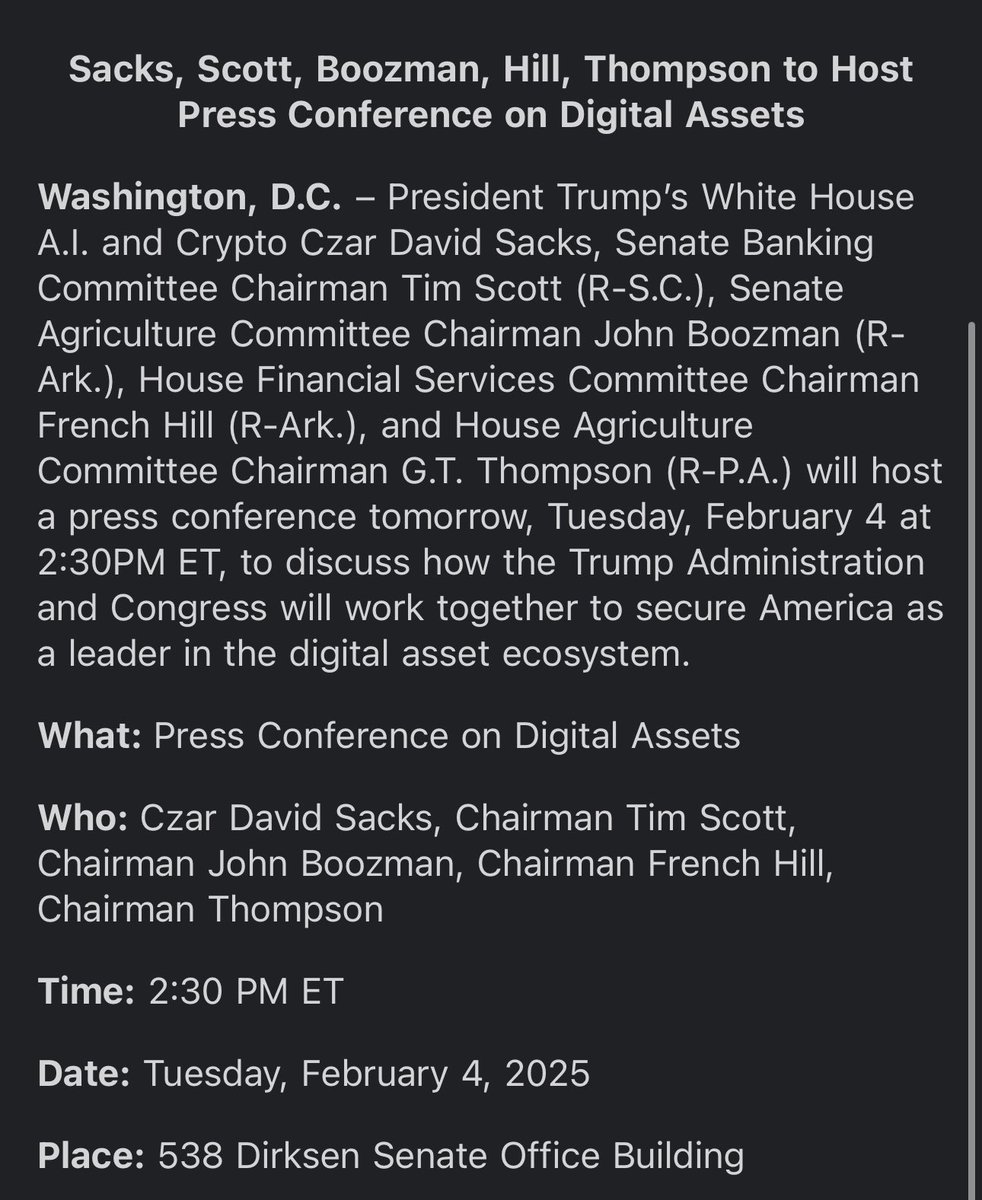


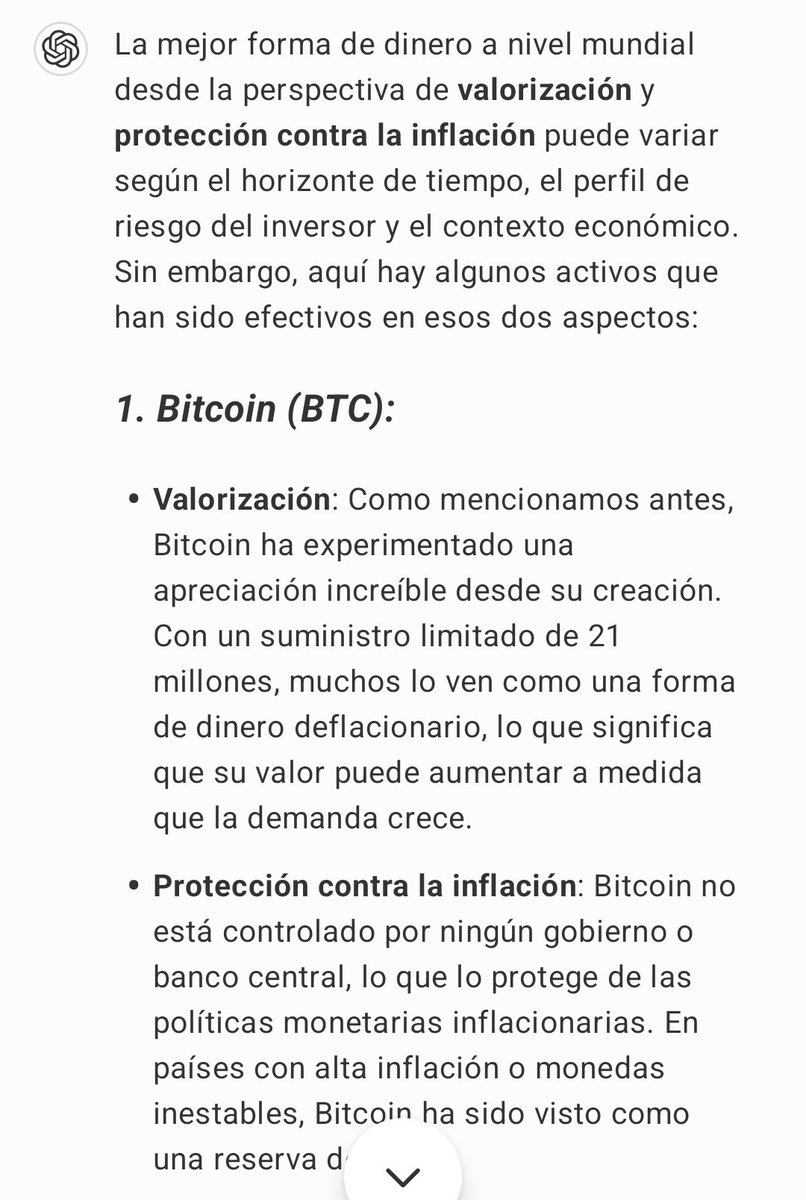
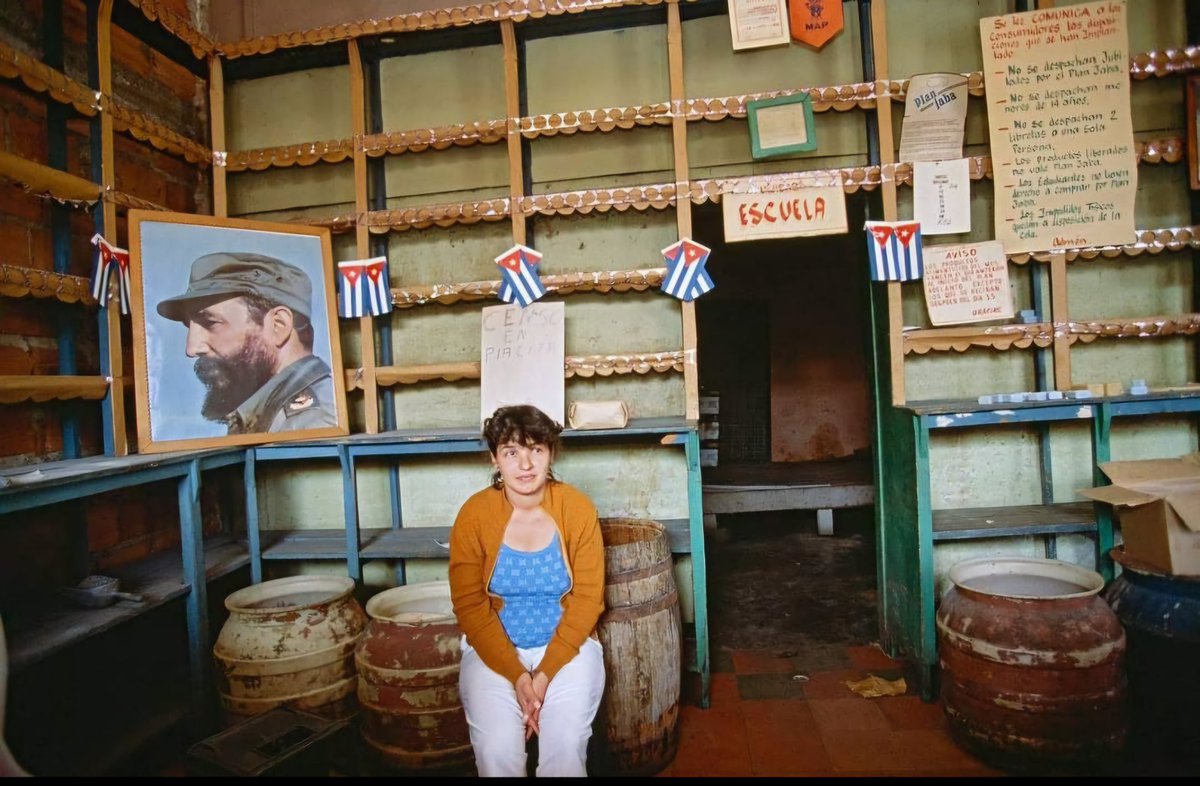
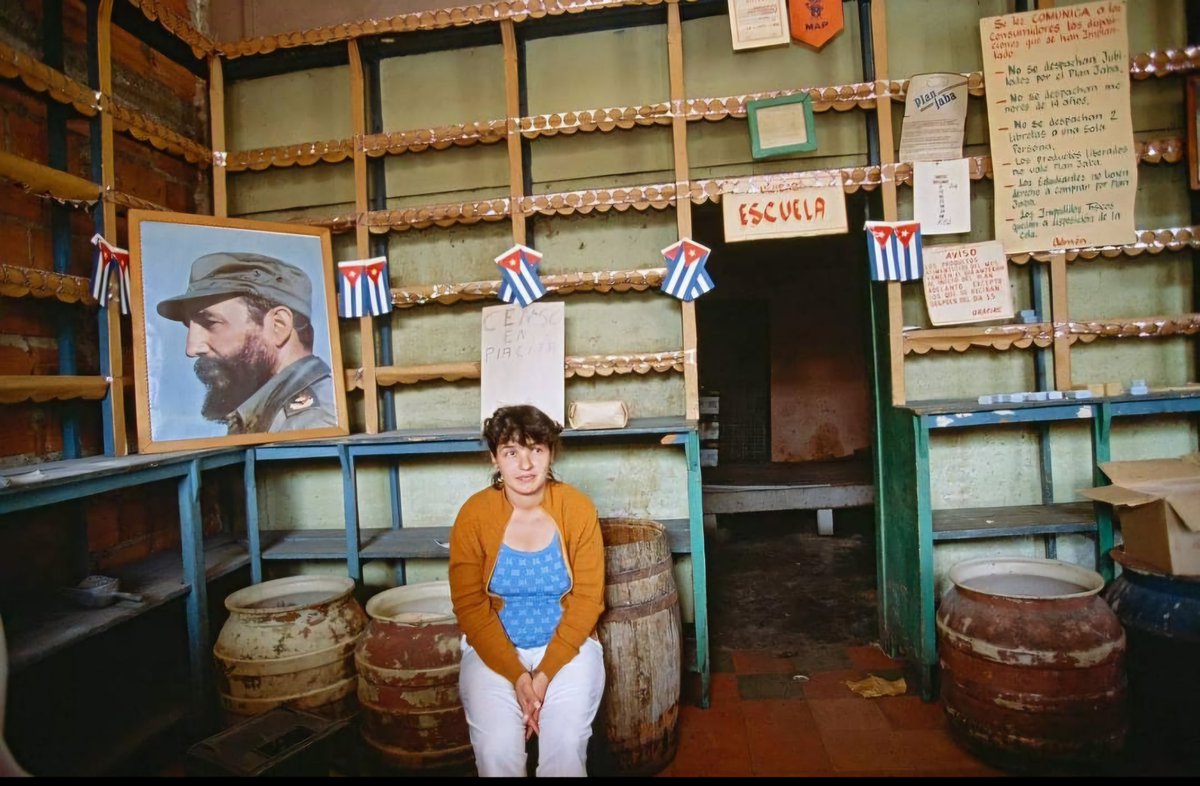








Hector Hernandez - dexHector.eth retweeted

We are @BerBlockWeek this week 🇩🇪
@RootstockLabs is on the ground talking Bitcoin-secured smart contracts, Bitcoin-secured finance, and what it means to build on a chain that has been open for business since 2018.
Our CTO Henrik Jondell will be around.

1
6
18
693
Hector Hernandez - dexHector.eth retweeted

May 19
Take a look at these two insects.
Pretty similar right? Both flying insects, both yellow and black. Both have stingers. But to a gardener they could not be more different.
The image on the left is a honey-bee. They are critical to the pollination of many plants, especially those that produce nuts and fruits.
In a world without the honey-bee we'd still have food because grains and other plant-based food is often wind/self pollinated. But we'd have less variety, growing food would be harder, and prices would be a lot more.
The image on the right is a yellow-legged hornet. They stress your gardens: they chew bark, damage fruit and - most importantly - hunt other pollinators. A garden without them is a healthier garden.
But the point is, if you don't know your insects, haven't researched how each impact the garden and have a "no flying insects" policy for your garden, your garden will grow more slowly, and garden by garden - you create a world where food is more expensive, less resilient and less bountiful.
Lumping bees and hornets under "flying insects" is like lumping bitcoin mining operations and AI data centres under "data centres": technically accurate, useless for policy, and dangerous for the grid.
Yet that is exactly what happened in Cedar Falls in Black Hawk County, Iowa yesterday.
The city council voted unanimously to block a Bitcoin mining facility from its 60% wind-powered industrial park - an operation that would have monetised surplus energy, and balanced the intermittency of that wind energy, without competing with a single resident for electricity.
The concerns? Power usage, losing control of the city and fear that these operations would consume more electricity than the city itself.
Every single one of those concerns applies to AI data centres. None of them apply to Bitcoin mining.
🤦♂️
Source: kwwl.com/news/no-crypto-mini…
They sprayed the bee.
Here is the nuance most people miss: the gardener who sprays pesticide on all flying insects does not get a pest-free garden. They get an unpollinated one
The fruit costs more. The garden grows more slowly. The ecological balance is more fragile.
A grid with flexible load has a shock absorber. When demand spikes, the miner steps aside in less than a second, freeing capacity without anyone building a new power plant.
A grid without Bitcoin mining has no buffer, no surplus buyer and no way to balance supply and demand in real time without firing up gas-peaker plants that cost more and sit idle most of the year.
The gardener who knows the difference has a healthier garden. The grid operator who knows the difference has a healthier grid. The word "data centre" is doing the same work as "flying insect."
It collapses two fundamentally different things into one category so that people can avoid understanding the difference. The resilience of the grid suffers - and consumers get higher prices
And this is worth understanding: it is human nature to fear what we do not fully understand
If you cannot tell which insect pollinates and which one predates, the rational response is to keep both out. But rational is not the same as smart. Because playing it safe with a category you haven't bothered to research doesn't remove the risk.
It just makes sure the risk is invisible until the garden, and those who rely on it, suffer.

29
99
475
27,989

Ante la situación que atraviesa Spirit Airlines, Avianca pone a disposición de la autoridad y de los pasajeros afectados su red de rutas y sillas disponibles, con el fin de mitigar el impacto y facilitar la continuidad de los planes de viaje de los usuarios. En ese sentido, Avianca ofrece la opción de retorno sin cobro de tarifa aérea. Para más información sobre las condiciones del plan de protección y servicios especiales (sillas de ruedas, mascotas, etc.), visitar: ayuda.avianca.com/hc/es/arti…

131
404
1,486
203,598
Hector Hernandez - dexHector.eth retweeted

Muy agradecida por el premio. Además de decir que estamos en el umbral de una posible época dorada, también dije que es probable que, antes, ocurra un colapso financiero en lo que se ha convertido en un enorme casino especulativo global.

“…el mundo está en un momento sumamente difícil. Según mi teoría, estamos en medio de lo que llamo el ‘intervalo de relevo’ cuando hay que crear las condiciones socio-institucionales para la época dorada de la revolución …” @CarlotaPrzPerez bancaynegocios.com/asociacio…
4
14
2,863
Hector Hernandez - dexHector.eth retweeted

Mar 21
No me extraña, las máquinas de hielo del Floridita en la esquina de la Calle Obispo no dan abasto para los mojitos de los activistas de #NuestraAméricaConvoy

15
61
455
2,949
Hector Hernandez - dexHector.eth retweeted

Mar 3
Up, up, up we go…

JUST IN: Eric Trump's "American Bitcoin" purchased 11,298 more BTC miners to help "protect the network and lead the future of Bitcoin in America." 🇺🇸

1,277
845
6,859
571,194
Hector Hernandez - dexHector.eth retweeted

Mar 4
JPMorgan CEO Jamie Dimon said in a CNBC interview that crypto exchanges offering yields is unfair!
Banks want competition... but only on a "level playing field."
Cool. Then let's make it fair: Abolish fractional reserves & back deposits 1:1, like stablecoins must under the GENIUS Act.
Your move, banks.
320
535
4,037
255,997
Hector Hernandez - dexHector.eth retweeted

Mar 4
$NU is bringing its digital banking model to the U.S. CEO Velez states they will initially avoid highly competitive markets like NY and California. Instead, they will target underserved regional niches ignored by traditional community banks. This expansion is already underway. They filed for a U.S. national bank charter in September 2025 and received conditional approval in January.
Vélez compares legacy U.S. banks to "Blockbuster" because they still rely heavily on expensive physical branches. Nubank avoids this overhead entirely. Nu’s 2025 financial presentations report their monthly cost to serve is consistently under $1.00 per active customer. Vélez claims this digital-only approach is 100 times more efficient than incumbent banks. Nubank plans to use this advantage to offer lower fees and better interest rates to specific demographics without spending billions on broad national marketing campaigns.
If they can successfully break into these key markets in the U.S. then this is a huge TAM unlock. They can always move upmarket if the opportunity is there.
9
71
595
65,361
Hector Hernandez - dexHector.eth retweeted

Feb 23
the sentiment in crypto right now is so bad that I'm actually pretty optimistic
541
319
6,789
260,630
Hector Hernandez - dexHector.eth retweeted

Feb 20
Although Bitcoin is crashing I bought one more whole Bitcoin
for $67k.
Why?
Two reasons:
# 1: Because the Big Print will begin when the US debt crashes the dollar and “The Marxist Fed” begins printing trillions in fake dollars.
#2: The magical 21 millionth Bitcoin is getting close to being mined.
When the 21st millionth Bitcoin is mined…. Bitcoin becomes better than gold.
1,084
718
7,609
820,086
Hector Hernandez - dexHector.eth retweeted

🚨 ERIC TRUMP SOBRE LAS CRIPTOMONEDAS: "Cuando los bancos nos bloquearon las cuentas, nos pasamos a las criptomonedas."
"Los bancos cometieron el mayor error de sus vidas."
6
27
263
15,100
Hector Hernandez - dexHector.eth retweeted

Feb 19
Never Been More ₿ullish.
3,086
2,420
28,010
1,930,079
Hector Hernandez - dexHector.eth retweeted
Feb 17
We may be in the middle of a crypto winter, but spring is coming — and Bitcoin is winning.
870
1,420
13,046
618,003
Hector Hernandez - dexHector.eth retweeted
Feb 18
“I’m a huge proponent of Bitcoin. I think it hits $1 million. I’ve never been more bullish.” — @EricTrump
1,504
1,718
15,057
1,070,396
Hector Hernandez - dexHector.eth retweeted

Feb 15
🇲🇽 Mexican Billionaire Ricardo Salinas shares portfolio: 70% Bitcoin, 30% gold. No bonds, no stocks.
His advice: “Buy the BTC dip, think 10 years because it’s a limited asset. Dollar cost average monthly to remove uncertainty.”
55
181
1,769
211,405
Hector Hernandez - dexHector.eth retweeted

Feb 13
Takes a lot of money to accumulate 1m btc.
Feb 13

🇧🇷 LATEST: Brazil reintroduces bill to create a Strategic Bitcoin Reserve, allowing the country to acquire up to 1M $BTC.


1,081
933
11,237
878,054
Hector Hernandez - dexHector.eth retweeted

Recibir la felicitación de @dieguito, CEO de @rootstock_io, en nuestro 4to aniversario tiene un significado especial. 🤝
Construir sobre Bitcoin es de largo plazo.
Hacerlo junto a quienes están desarrollando las bases lo vuelve más sólido. 🌱
Gracias por las palabras, Dieguito, las apreciamos mucho.
Seguimos.
3
6
35
1,364
Hector Hernandez - dexHector.eth retweeted

With INL support, Colombian security forces executed a joint operation to target this narco-sub. 10 tons of cocaine worth $441M are now destroyed & 4 narco-traffickers arrested. Strong partnerships deliver strong results. 🇺🇸🇨🇴

309
2,254
11,985
458,745
Hector Hernandez - dexHector.eth retweeted

Feb 9
🚨JAPAN ELECTION COULD IMPACT CRYPTO
Prime Minister Sanae Takaichi is staking her political future on turning 60–80% approval ratings into a parliamentary majority that could fast-track crypto reforms.
Markets are watching closely for signals on crypto taxes, stablecoin rules, and legal clarity as Japan heads to the polls.


110
197
1,258
132,351