
Joined November 2018
- Tweets 11,777
- Following 3,501
- Followers 1,237
- Likes 31,479
722 Photos and videos




Piotr Gaczkowski retweeted

23 Jul 2024
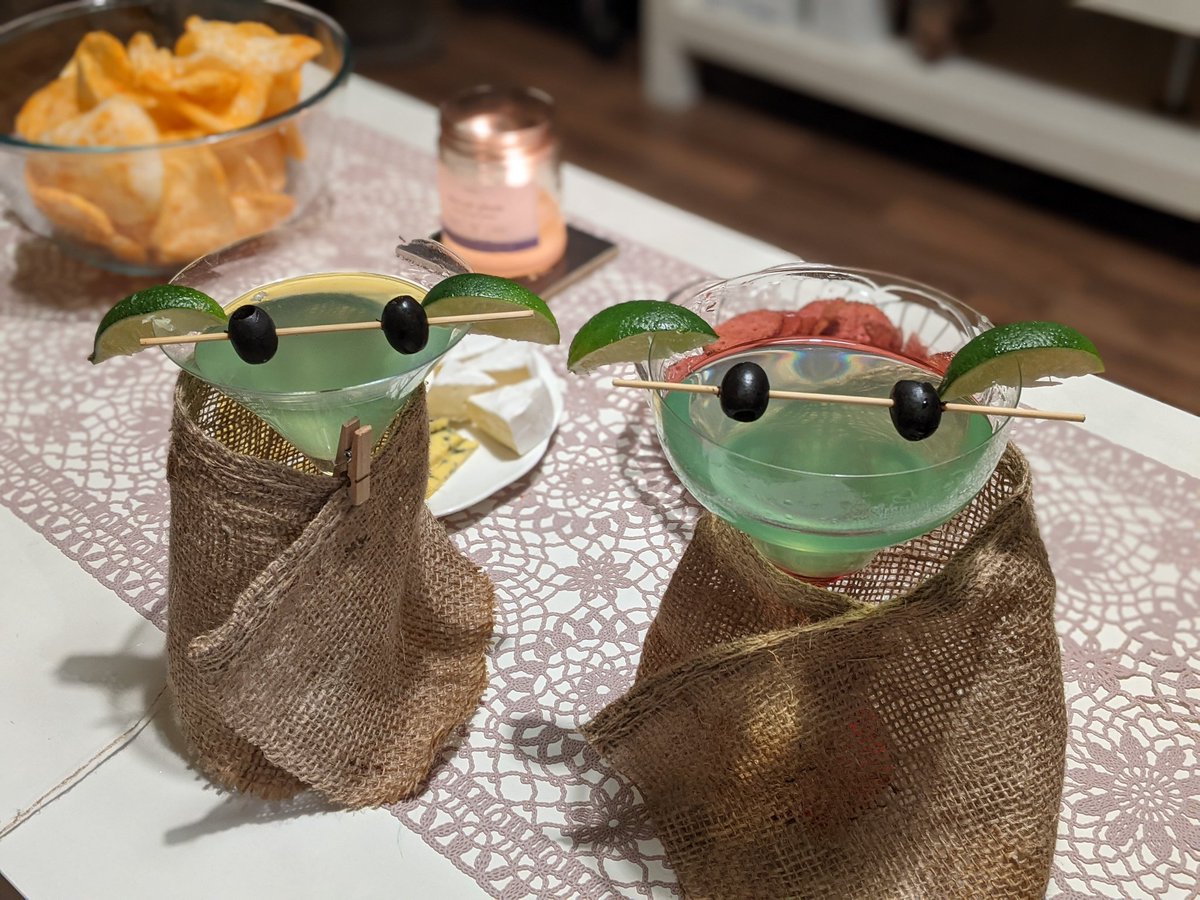
Gough - Starry Night, PCB version

3
99
845
28,906
Piotr Gaczkowski retweeted

25 Jun 2024
Just finished reading an amazing article on open source by @DoomHammerNG .
This is hands-down the best piece I've come across.
It covers everything you need to know about open source.
freecodecamp.org/news/the-de…
1
3
143
Piotr Gaczkowski retweeted

28 May 2024
Well done @adr_ostrowski! "Software Architecture with C " is featured in the list of best Software Design books of all time! bookauthority.org/books/best…
1
2
3
151
Piotr Gaczkowski retweeted

12 Mar 2024
Consider this. Pre-AI internet content is akin to pre-atomic era shipwreck steel. Metals from before Hiroshima are not radioactive, they're clean and can be used in tech and science – hence, they're expensive.
The scarcity of human-generated content in an AI-dominated future could make pre-AI content valuable for research and trust purposes, similar to pre-atomic era steel's purity and lack of contamination.
In the same way that steel from before the atomic era is valued for its purity and lack of radioactive contamination, internet content from before the widespread use of AI tools could be seen as "pure" or "uncontaminated." This pre-AI content was created entirely by humans without the assistance or influence of AI algorithms.
As AI becomes more prevalent in content creation, it may become increasingly difficult to find content that is guaranteed to be 100% human-generated, just as it's now challenging to find steel that hasn't been exposed to atmospheric radiation post-1945. This scarcity could potentially make pre-AI content more valuable or desirable for certain purposes.
For example, in fields like linguistics or anthropology, researchers might prefer to study human-generated content to get a more authentic understanding of natural language patterns or cultural trends. Pre-AI text could be seen as a more reliable or "clean" data source.
Additionally, as concerns grow about the potential for AI to be used in spreading misinformation or biased content, some people may come to trust and prefer content that they know was created by humans. In this sense, pre-AI content could become a sought-after commodity.
2
3
10
980
Piotr Gaczkowski retweeted

29 Feb 2024
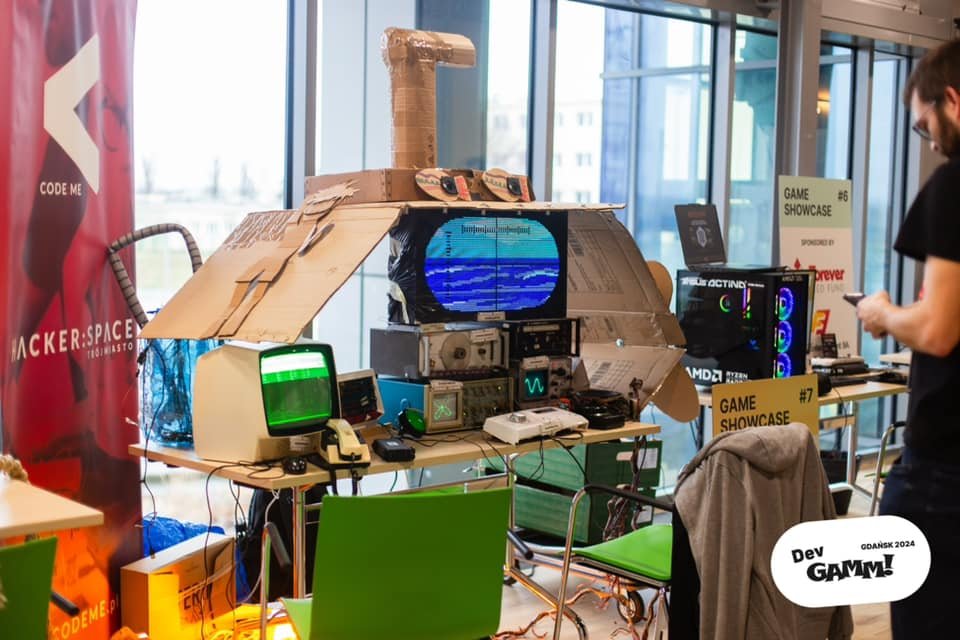
ohhhh @DoomHammerNG you made it to @DevGAMM? IIRC this piece of engineering is from Gdansk @globalgamejam chapter
2
4
14
841

Piotr Gaczkowski retweeted

21 Feb 2024
biggest productivity gain has been making my phone automatically go into Do Not Disturb all day
I may make this the permanent setting
1
2
35
8,439
Piotr Gaczkowski retweeted

15 Feb 2024
When I started working on AI four decades ago, it simply didn’t occur to me that one of the biggest use cases would be derivative mimicry, transferring value from artists and other creators to megacorporations, using massive amounts of energy.
This is not the AI I dreamed of.
15 Feb 2024

OpenAI just released a model that can generate 1-minute videos.
You simply cannot argue that these models don't / won't compete with the content they're trained on, and the human creators behind that content.
What is the model trained on? Did the training data providers consent to their work being used? The total lack of info from OpenAI on this doesn't inspire confidence.
Across the AI industry, people's work is being exploited without consent to build products that compete with that work. This must be controlled by regulators.
198
2,485
15,461
821,318
Piotr Gaczkowski retweeted

16 Feb 2024
We don’t need AI videos. Not a fan.
96
61
820
135,133
Piotr Gaczkowski retweeted

14 Feb 2024
Roses are red
Violets are blue
Can you pay your invoice?
It’s 35 days overdue
1
1
8
789
Piotr Gaczkowski retweeted

14 Feb 2024
Do you make cool digital or pixel art? Would you like to showcase works from your public portfolio in PO!? Contact us at articles@pagedout.institute
#pixelart #digitalart
3
20
3,256
Piotr Gaczkowski retweeted

13 Feb 2024
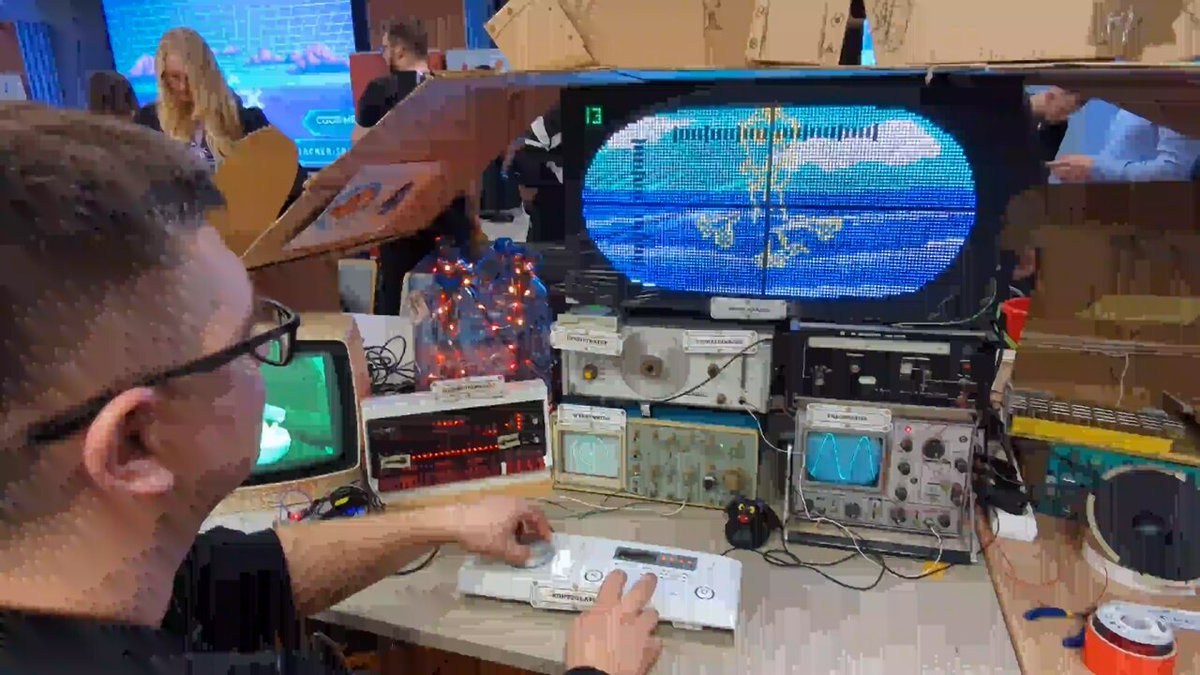
A Submarine Hunting Game with C and CircuitPython #Gaming #RaspberryPi @Raspberry_Pi @HackSpaceMag
blog.adafruit.com/2024/02/13…
1
4
15
2,960
Piotr Gaczkowski retweeted

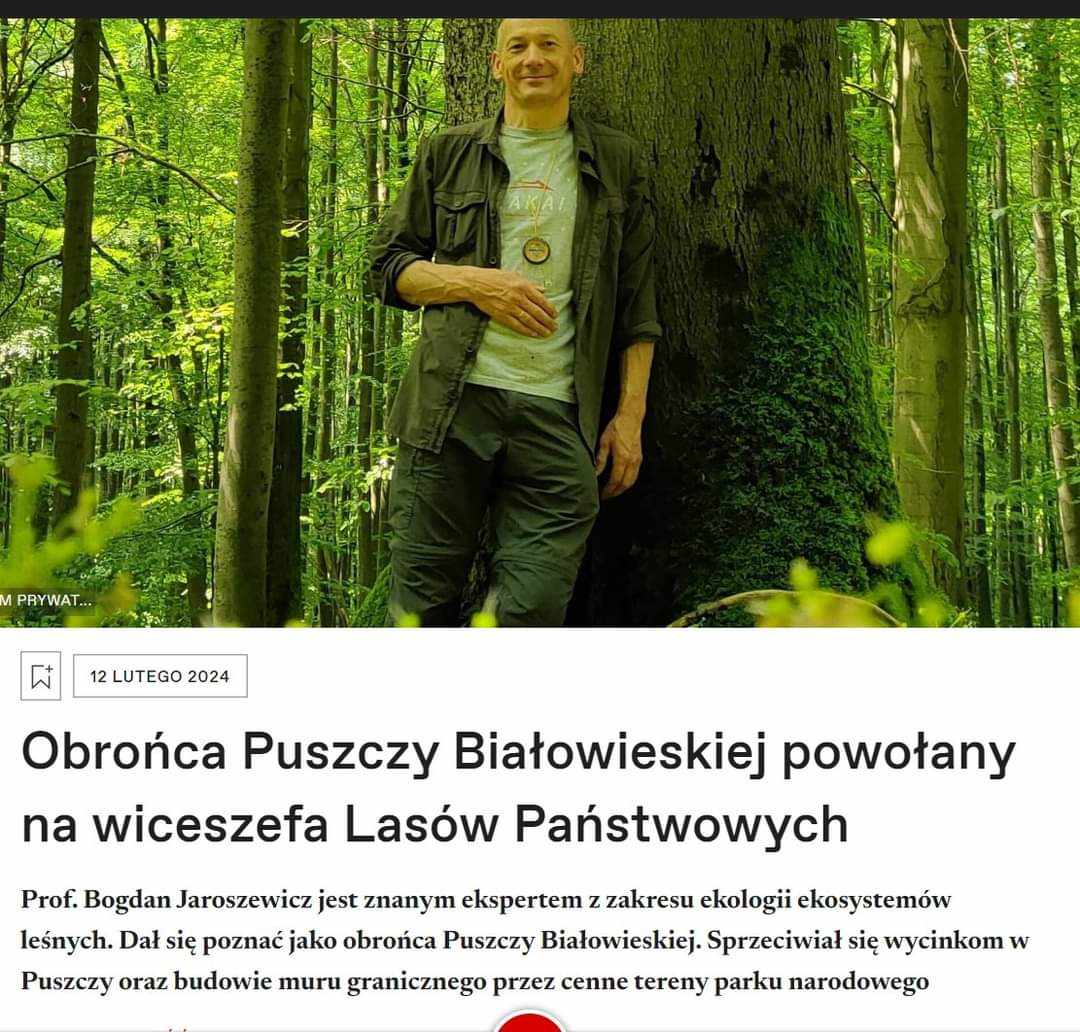
If you played Werewolf: The Apocalypse - Heart of the Forest, you probably know about Puszcza Białowieska and how it faced an ongoing threat of deforestation.
One of its biggest defenders is now responsible for national forests in Polish government!
Our votes matter 🙌🏻
7
27
164
6,459
Piotr Gaczkowski retweeted

10 Dec 2023
To celebrate the 30th birthday of DOOM, here's a thread of everything that I've found that DOOM can run on. Some are real, some... maybe not. It's up to you to figure out which 😉
Let's begin with:
DOOM... on an ultrasound scanner.

386
6,866
44,749
6,500,096


@Oscar_CEDS
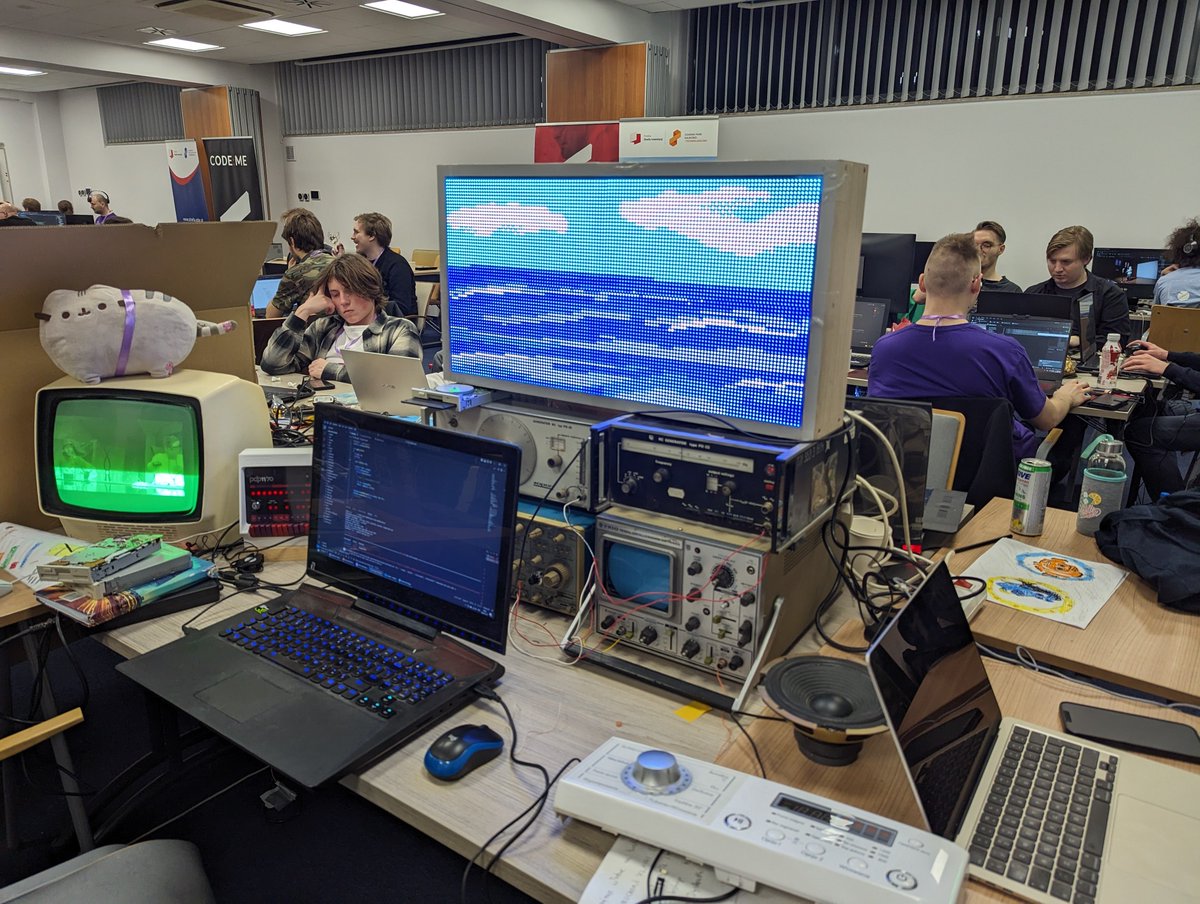
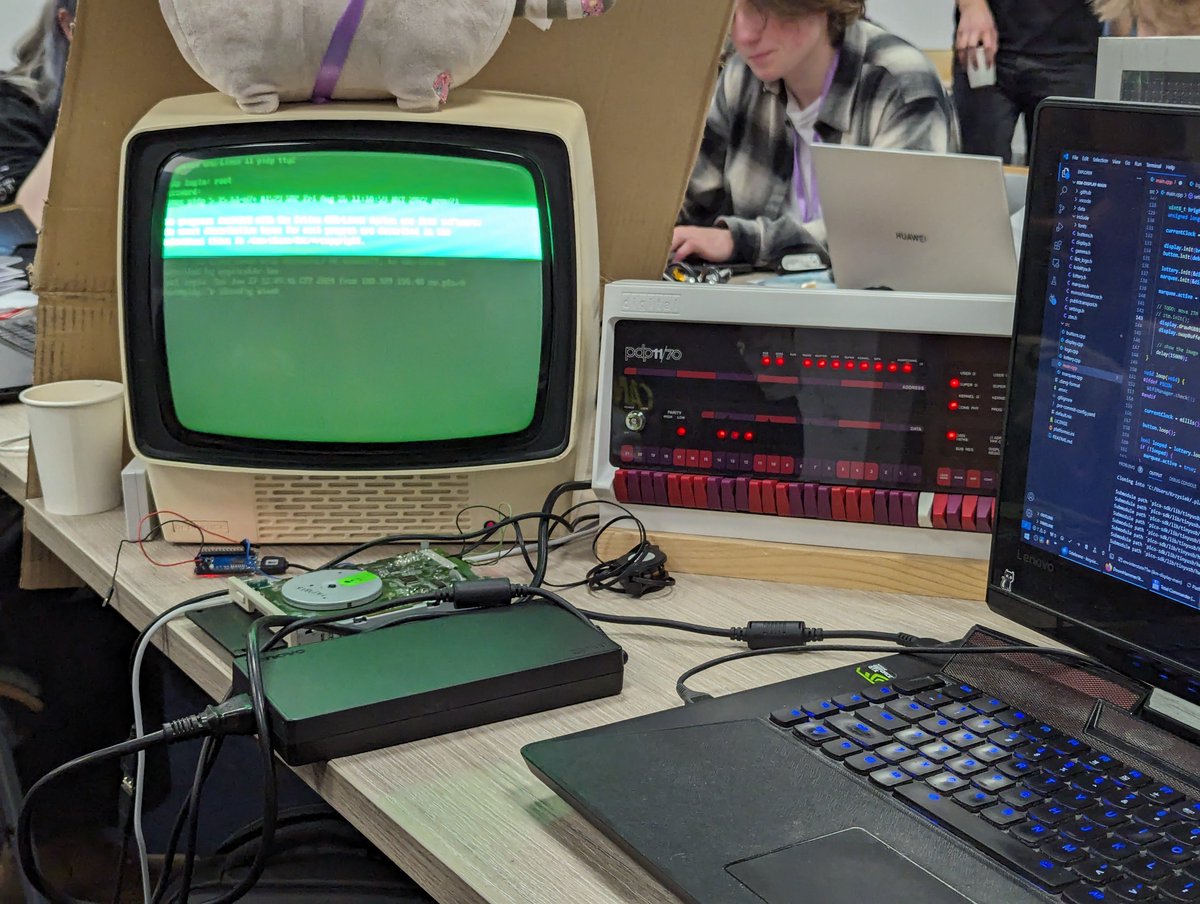
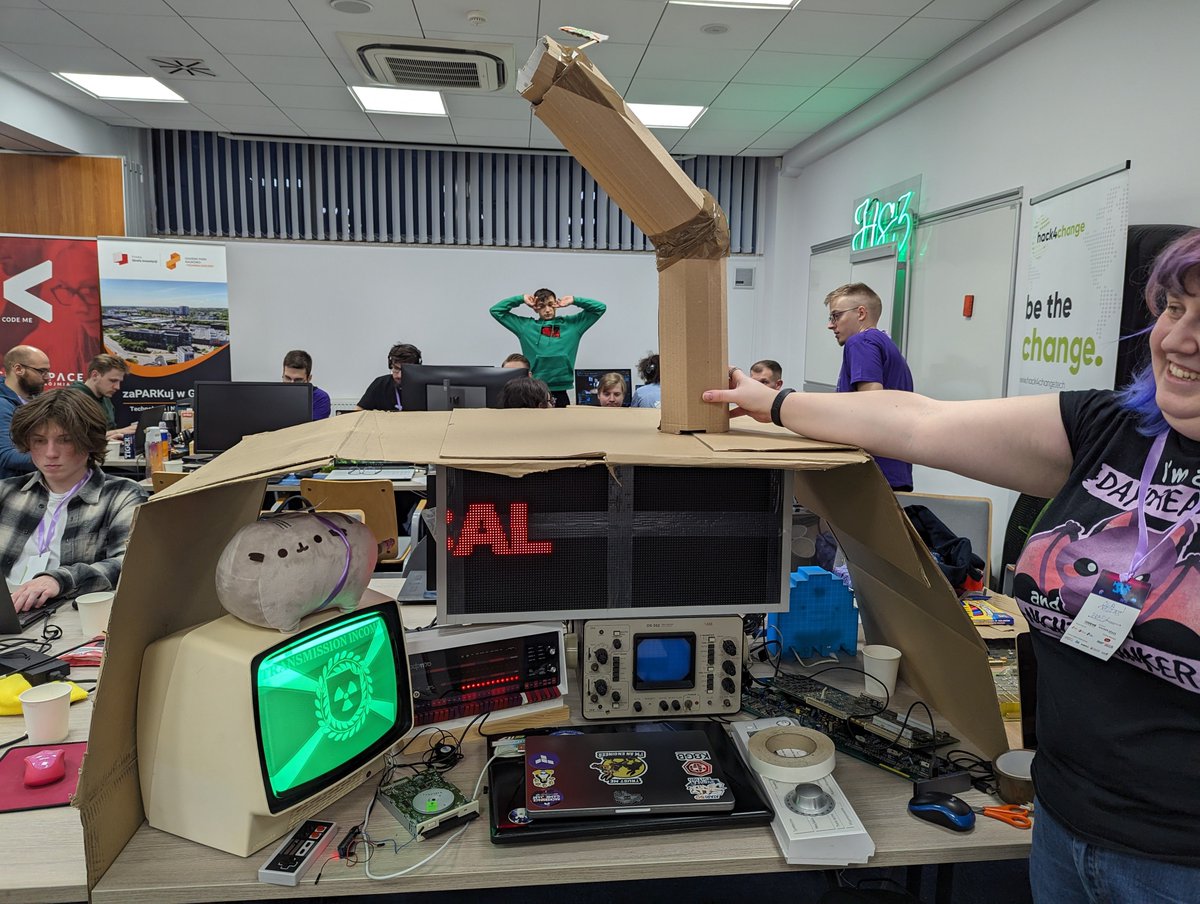
PiDP11 as part of game on @globalgamejam "Evil Submarine"
1
5
13
1,102



I once read about an 800 year old church in Norway that was built entirely of wood without using a single nail and it was celebrated as a masterpiece of ingenuity and craftsmanship, but you make one Boeing 737 Max that way and everyone loses their shit
95
1,378
15,598
1,226,712
Piotr Gaczkowski retweeted

5 Feb 2024
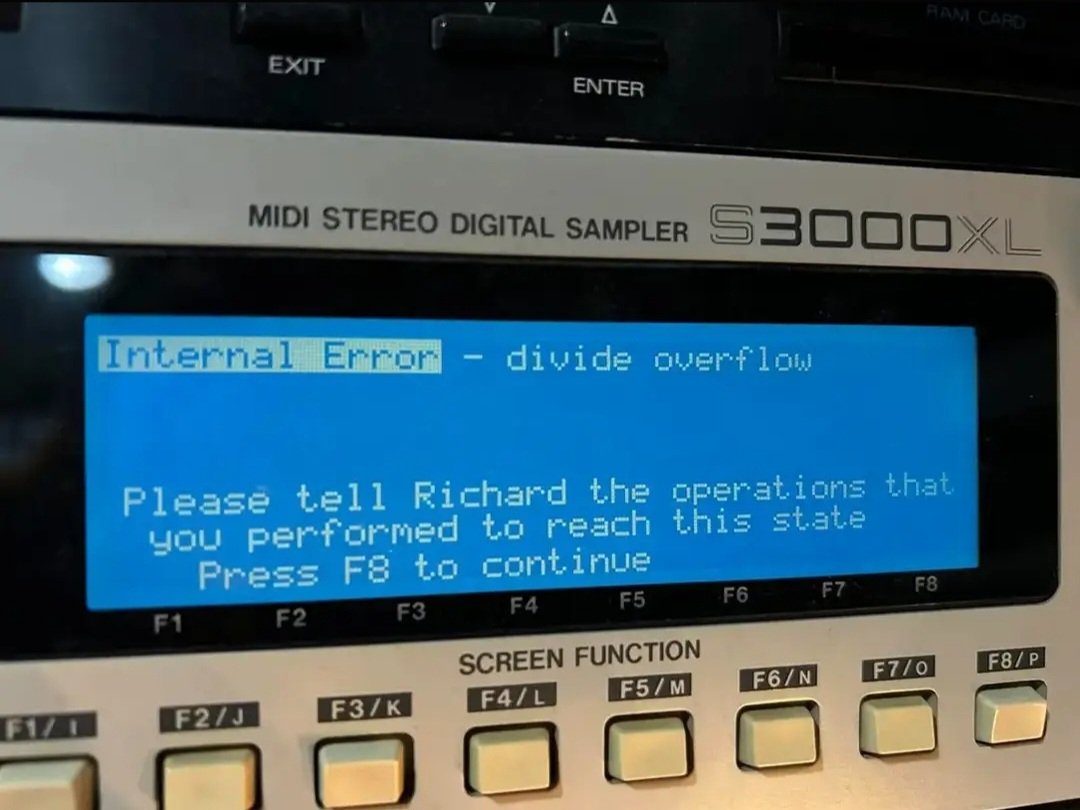
Another @KevlinHenney.
Do you know who Richard is, by any chance?
16
24
250
27,161