Attorney, fitness, NFL Fan, movie buff. Opinions are my own. A retweet is not necessarily an endorsement. Coffee is for closers. #FONZ
Joined October 2009
- Tweets 6,272
- Following 606
- Followers 619
- Likes 2,185
794 Photos and videos






Ok ok. I’m happy for Lee.

LFGK! Such a long time coming. Even though we all thought those 90s team would be able punch it over, it only makes this Knicks win now that much sweeter. Brunson. OG. So clutch. Such an amazing team. It’s no longer 0-0.

1
2
213
DC retweeted

My most controversial middle aged sportswriter take:
Bob Seger has better songs than Bruce Springsteen
2,027
332
10,069
320,769
DC retweeted

Jun 12
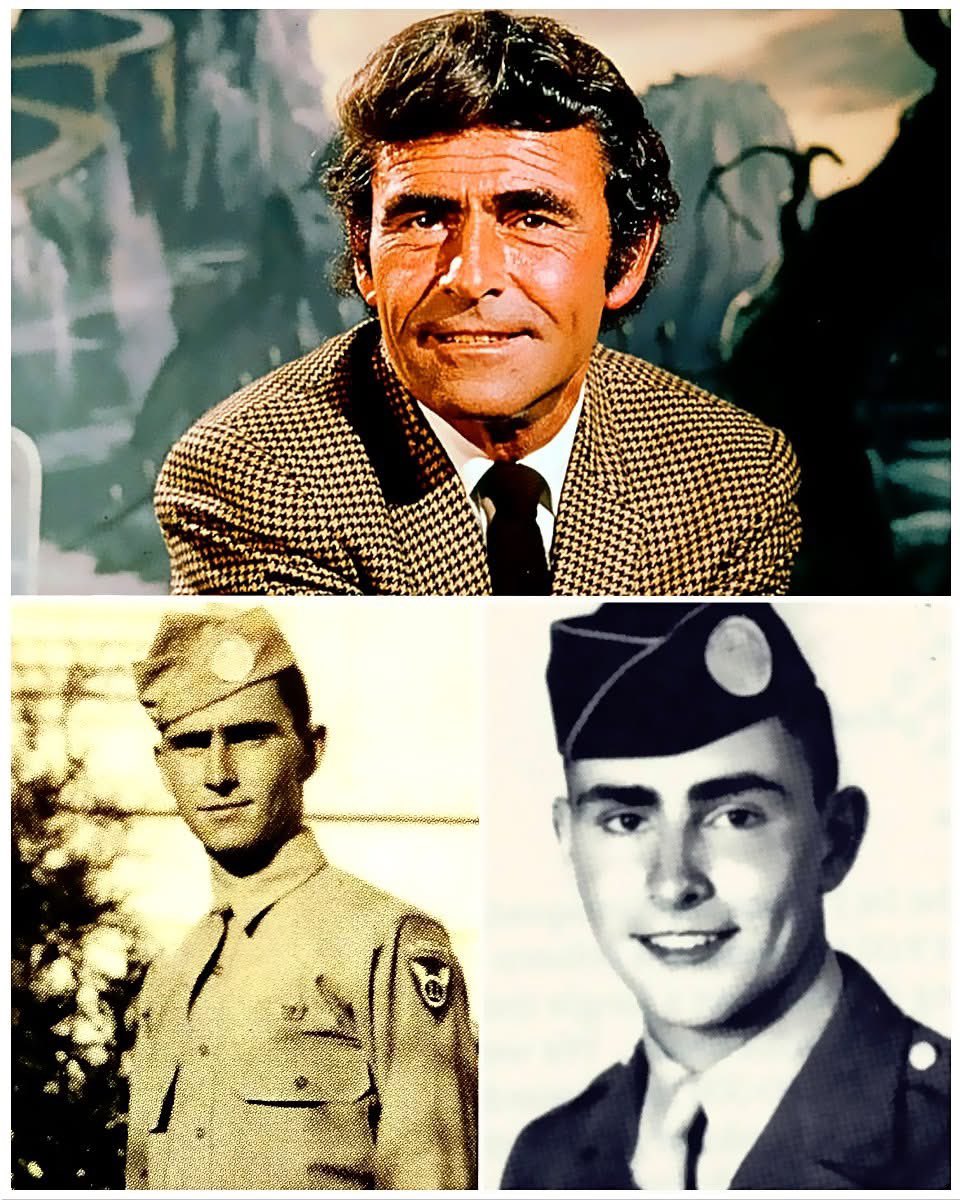
Rod Serling died on June 28, 1975, at Strong Memorial Hospital in Rochester, New York, two days after open-heart surgery. He was only 50. A heart attack had shaken him in May, another crisis followed, then surgery tried to give him more time. It did not. The man who had warned America about fear, cruelty, war, prejudice, and the darkness inside ordinary people was gone far too soon.
But Rod Serling had been carrying death long before that hospital room. He had met it as a young paratrooper in World War II, when he served with the 11th Airborne Division in the Philippines. He came home with a Bronze Star, a Purple Heart, and memories that did not salute and leave. They stayed. They woke him. They followed him into scripts. They stood behind him whenever he wrote about a man trapped by terror, a town poisoned by hatred, or a soldier who already knew too much about dying.
His daughter Anne later remembered the boy before the battlefield broke the illusion. “He was just barely 18 when he enlisted and sounded like a kid at summer camp in his letters to his parents.” That line hurts because it shows the distance between the boy who left home and the man who returned. Rod did not come back as a loud hero. He came back as a writer with a wound, and that wound learned how to speak.
After the war, he studied at Antioch College and fought his way into radio and television. Rejection did not stop him. Hunger did not stop him. The industry’s cold little doors did not stop him. By the 1950s, he had become one of television’s brightest young voices with "Patterns" (1955) and "Requiem for a Heavyweight" (1956). Those dramas proved that television could hit the heart like theater and still reach a living room.
Then came "The Twilight Zone" (1959), and suddenly America was watching morality dressed as mystery. Monsters appeared, but the real monster was often mankind. Aliens came down, but the ugliest danger was fear turning neighbors against neighbors. That was Serling’s genius. He did not lecture. He led people into a strange room, locked the door, then made them recognize themselves.
He knew exactly what he wanted writing to do. “The writer’s role is to be a menacer of the public’s conscience. He must have a position, a point of view.” That was not a slogan for him. It was a duty. When sponsors and network executives feared controversy, he found another road. If they would not let him speak directly about racism, war, censorship, and injustice, he would put those truths on another planet, in another town, behind another face.
He also understood that television could be more than noise. “I stay in television because I think it’s very possible to perform a function of providing adult, meaningful, exciting, challenging drama.” He believed the screen should not only distract people. It should disturb them in the right way, wake them up, and leave them thinking after the room went quiet.
His war never fully ended. One of his haunting lines about combat said, “These are the faces of the young men who fight, as if some omniscient painter had mixed a tube of oils...” That was the artist and the soldier standing together. He could see beauty in language, but he never forgot the mud, fear, hunger, and sudden loss behind it.
Serling went on to write, produce, narrate, teach, and shape American television with courage. He worked on "Planet of the Apes" (1968), later created "Night Gallery" (1969), won six Emmy Awards, and became a voice people could recognize before they even saw his face.
Rod Serling did not simply create a classic show. He turned pain into warning, memory into art, and trauma into truth.
The battlefield followed him, but his words still lead us home.
15
75
362
8,166
DC retweeted

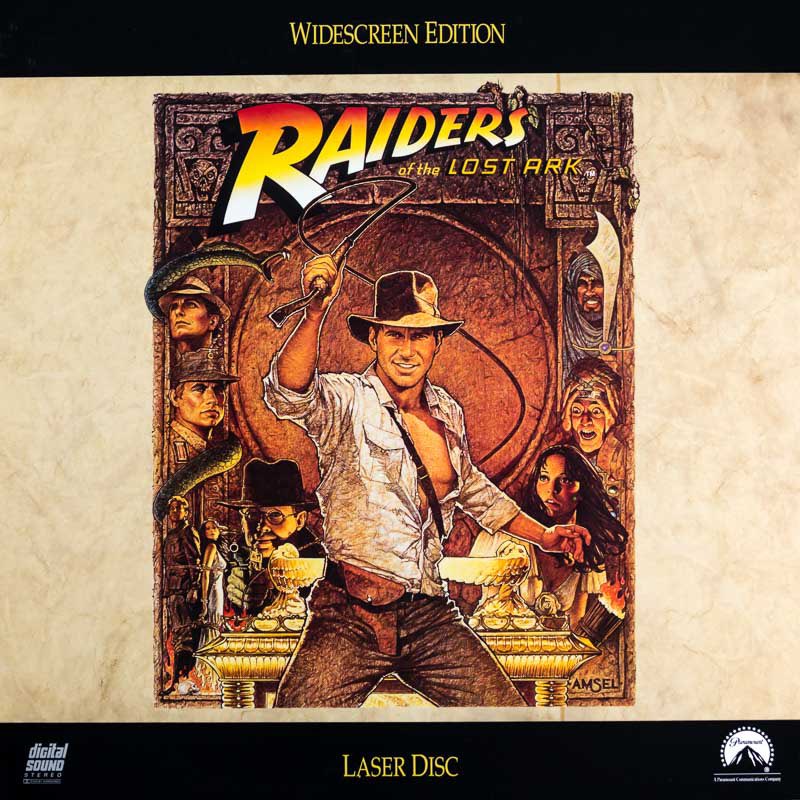
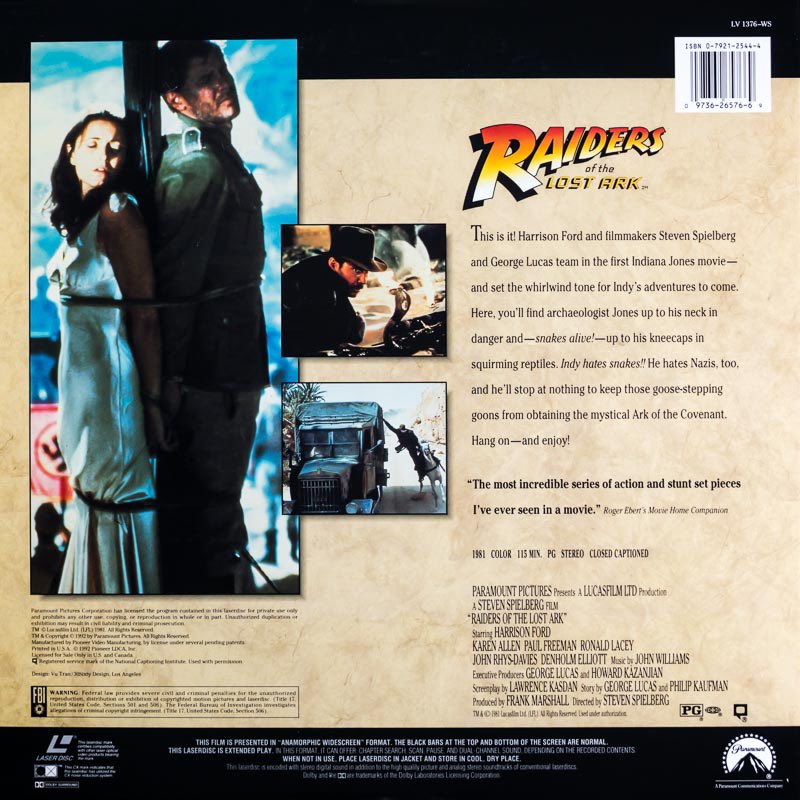
The only official way to see Raiders on its 45th anniversary without ANY changes in a widescreen transfer with the best audio mix is STILL the 1992 Laserdisc. The quiet revisionism that has gone on with the trilogy is excessive. #indianajones
Jun 12

Raiders of the Lost Ark was released in theaters on this day in 1981 🪨
17
14
247
55,225
Why Your Next Great Meal May Be at a Gas Station - WSJ wsj.com/arts-culture/food-co…
1
2
2,703
“Your vest does not give you any authority” makes me laugh so hard. @MaineWireJon
Jun 12

One simple trick to become above the constitution...? Put on a yellow hi-vis vest
2
207
Bob Seger - Shakedown (From "Beverly Hills Cop II") youtu.be/B8hL12fVHbA?is=gTwY… via @YouTube
1
1
244
DC retweeted

Jun 12
Character witness enters the chat
Jun 11

POLITICO: Hunter Biden defends Graham Platner on Newsom podcast
Most Americans would fail a “show me your phone” test of their past. “If that’s the standard to judge people — especially in elected office — then we won’t have many people left in elected office.”
politico.com/news/2026/06/11…

60
164
1,631
49,723
DC retweeted

Jun 11
Do it. Have the big family. Devote your life to raising them well. This the dream and we are so lucky to be living it. ❤️




11
6
294
29,221
DC retweeted

On the night of September 11th, Congressional leadership held a press conference on the steps of the Capitol to reassure the nation. After they were done speaking and holding a moment of silence, as everyone is shuffling away, someone started singing. In a few seconds, everyone—Republican and Democrat—joins in together to sing "God Bless America."
When @TheFP asked me to write about a Great American for their 250th series, I thought of that moment. And then I wrote about Irving Berlin, the man who loved America enough that this was the song our leaders reached for to express their hope in one of our darkest hours.
I hope you'll read it 👇
thefp.com/p/great-americans-…
19
128
897
136,019
It’s not the “district structure.” He’s erroneously referring to the 13 Circuit Courts.

Buttigieg: Nowhere in the Constitution does it say that there have to be nine Supreme Court justices. That one doesn't even take a constitutional amendment. It just takes a readiness to set up a court that fits this country.
We could have 13 seats matching the district structure of the federal judiciary, but also a process that makes it less partisan. We cannot have partisan warfare every time there's an opening on the court
2
173
DC retweeted

Jun 11
Take a look…
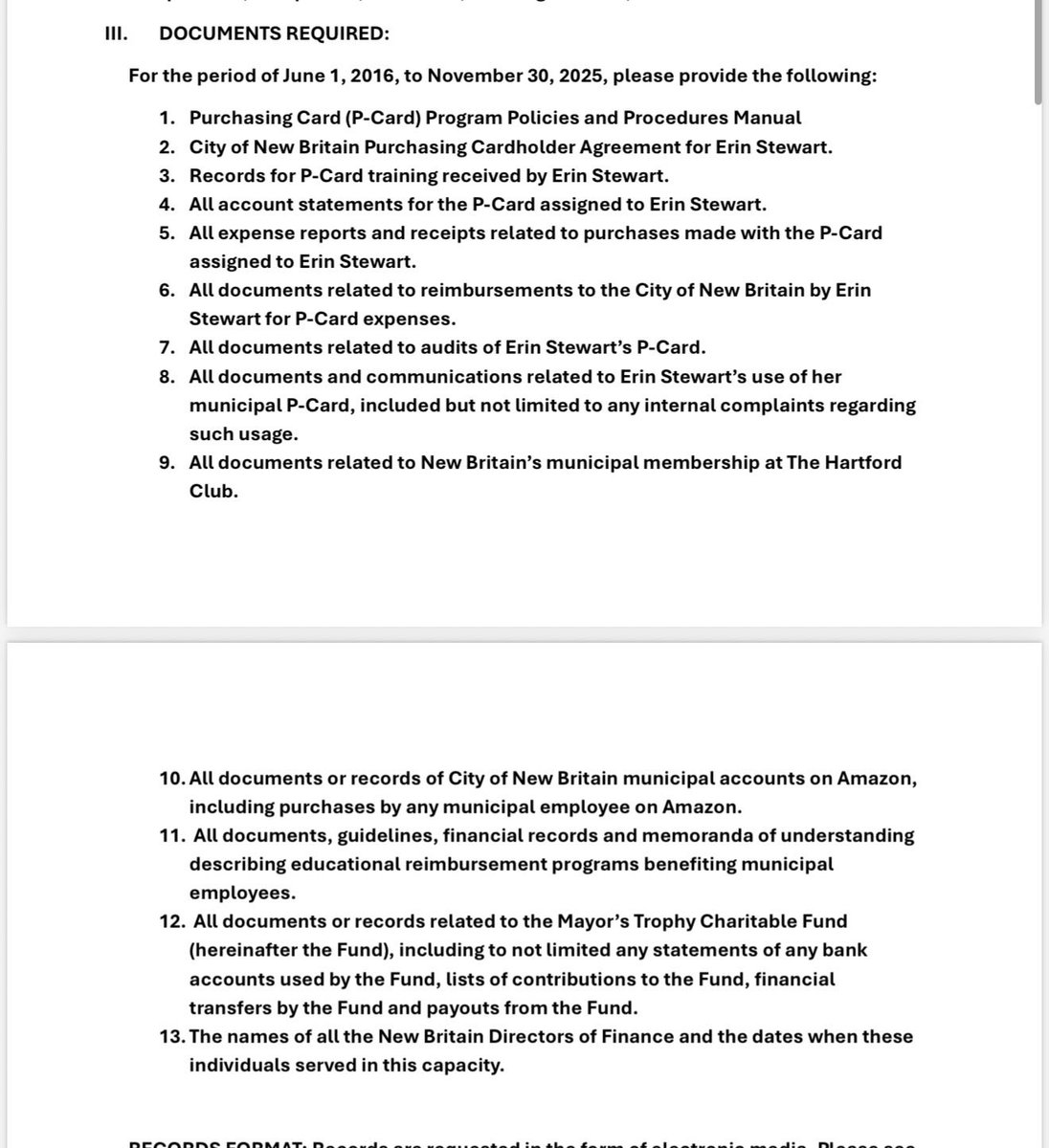
Feds subpoena New Britain for Stewart docs.
On the job: a senior federal prosecutor who worked on the DiMassa and Galante cases a veteran FBI agent who helped build the case against Kosta Diamantis.
2
5
12
1,993

DC retweeted

Jun 11
Charles Barkley:
"We saw the dumbest basketball team in the history of civilization... The San Antonio Spurs helped the New York Knicks win this game by doing some of the stupidest ass stuff I’ve ever seen on a basketball court."
224
1,105
13,426
755,423
DC retweeted

Jun 11
Pure Saturday morning greatness …
25
118
1,372
58,806

Speechless
Jun 10

Klain is a former U.S. Holocaust Memorial Museum board member...
1
289