Dermatologist and Imaging Informaticist @MSKCancerCenter, Board of Directors @SIIM_tweets, 🇦🇷🦇 ⚽ fan, formerly @dukebme and #columbiaderm, views my own
Joined July 2023
- Tweets 72
- Following 185
- Followers 179
- Likes 226
1 Photos and videos
Veronica Rotemberg, MD PhD retweeted

30 Oct 2024
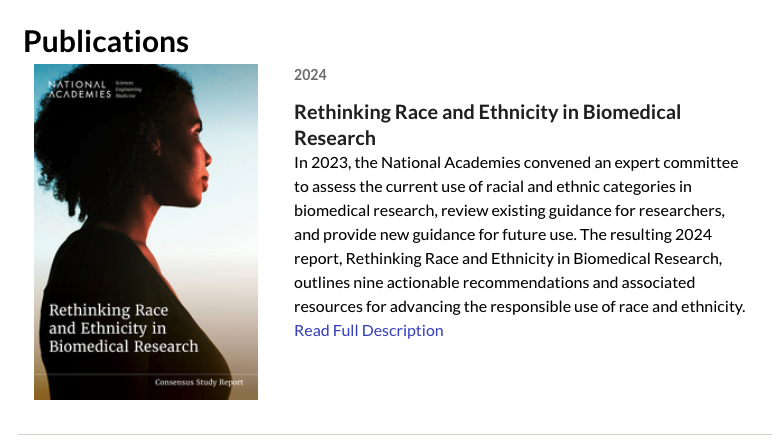
Important report out of the @theNASEM: Rethinking Race and Ethnicity in Biomedical Research. This document may be huge in guiding future work across biomedicine. Take a look here: nationalacademies.org/our-wo…
5
8
1,422

11 Oct 2024
Congratulations!!! This is such a fascinating pathway

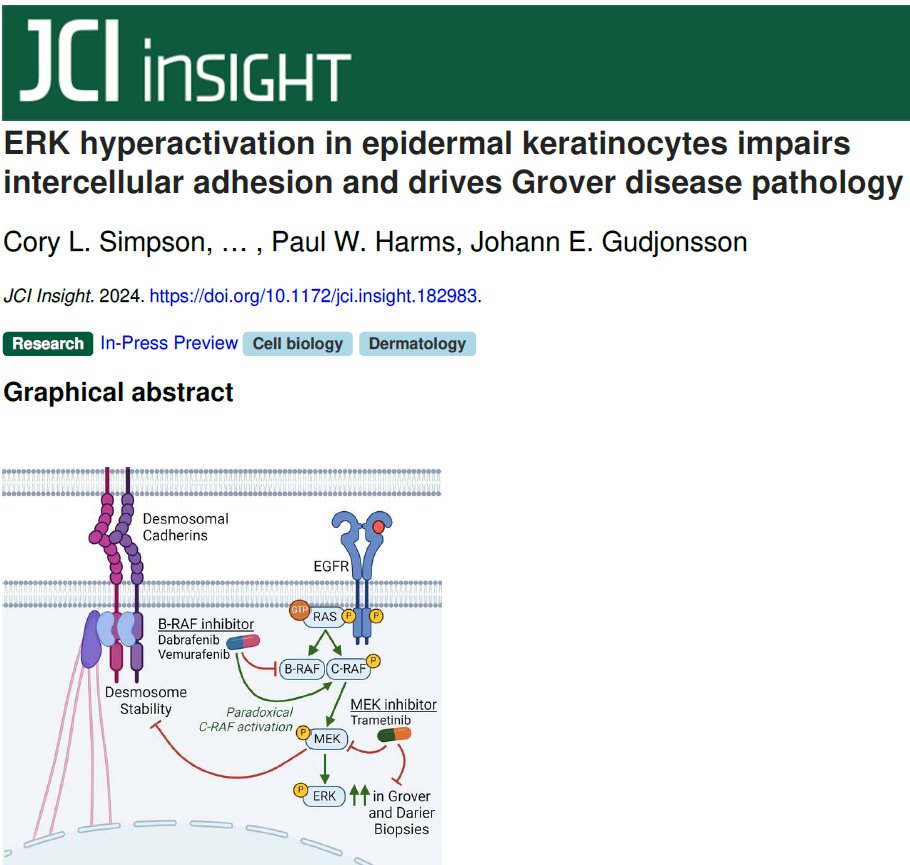
New paper from @SimpsonLabUW @DermatologyUW is online @JCI_insight🍾We found ERK hyperactivation disrupts cell-cell adhesion in epidermis, linked this pathway to both drug-induced & spontaneous Grover disease & identified MEK inhibition as a novel therapy: insight.jci.org/articles/vie…
3
429
Veronica Rotemberg, MD PhD retweeted

10 Oct 2024
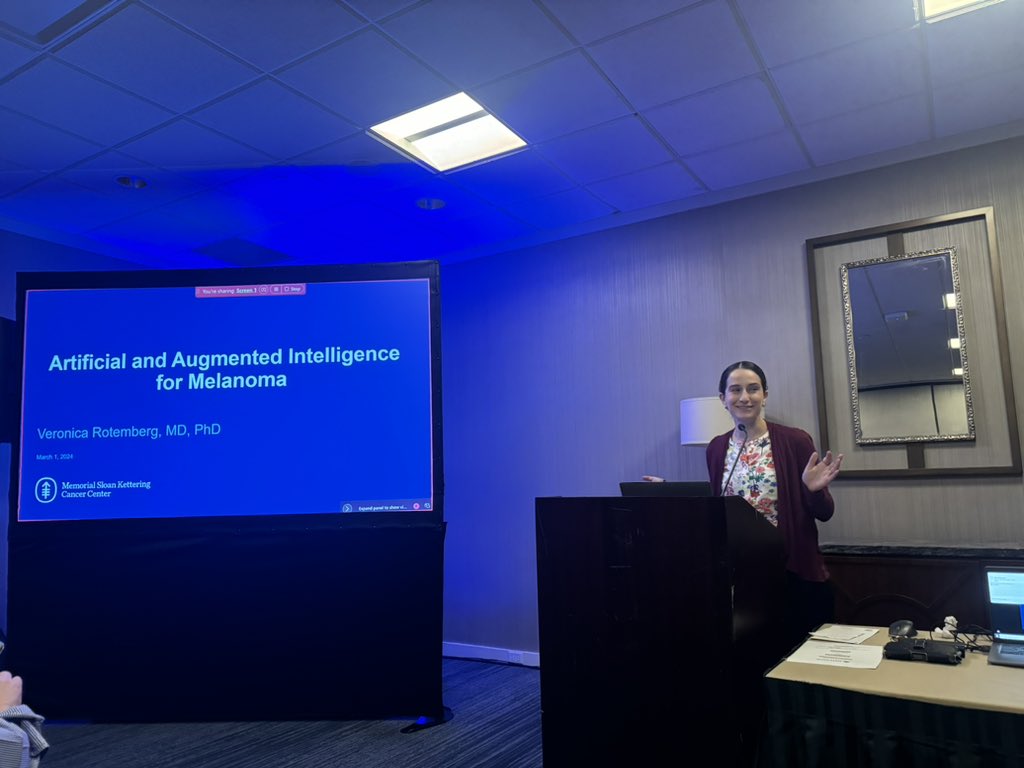
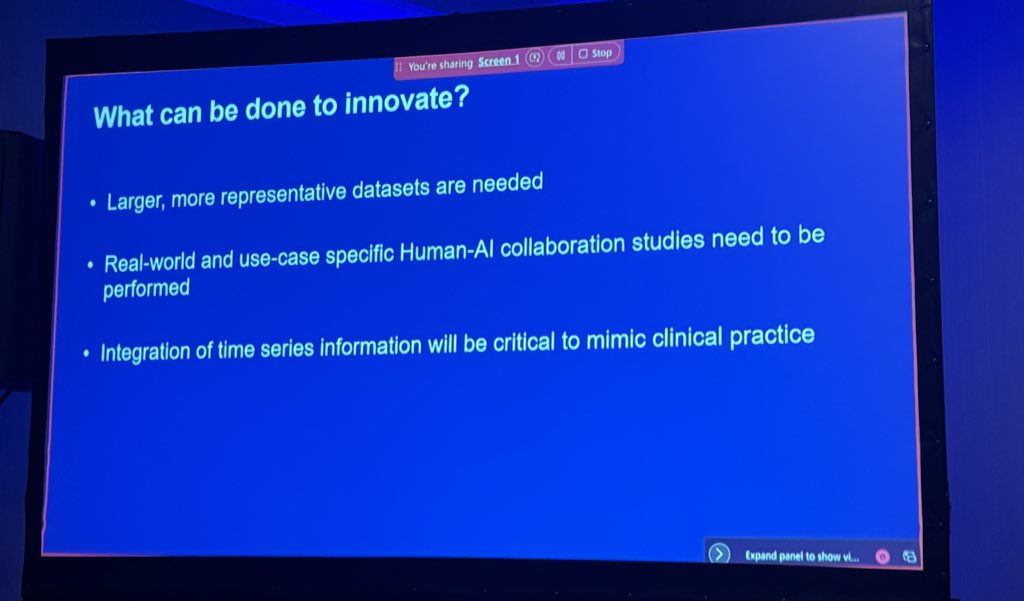
Brilliant talk by @Dr_vron on #SMR24 on artificial and augmented intelligence in the detection of melanoma. Her key points to improve: larger/broader data sets, real world human-AI collaboration studies, integrating series of data over time as we do in the clinic. @SocietyMelanoma @MSKCancerCenter
3
10
1,059
Veronica Rotemberg, MD PhD retweeted

28 Aug 2024
Thank you for the shoutout, Dr. Meskó!
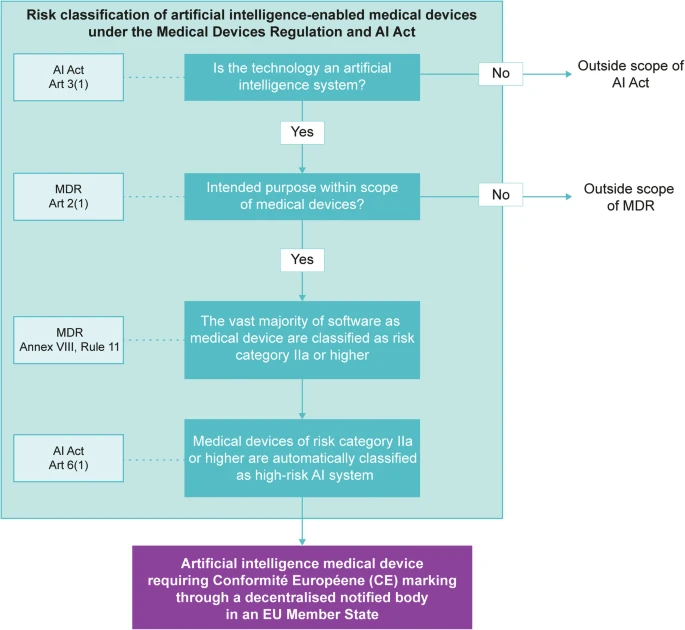
ICYMI, we published a synthesis of 141 binding policies applicable to AI in healthcare and population health in the EU and 10 European countries:
nature.com/articles/s41746-0…
28 Aug 2024

Finally, there is a great summary of how the European Union regulates medical/healthcare AI. Kudos to the authors!
They analyzed 141 binding policies in the EU and 10 European countries.
1
3
530
10 Aug 2024
This is great. While this is specifically about students, I find microaggressions often happen with other members of the care team, and it's very helpful in the 1:1 debrief to also work on identifying preferences for future situations.
1
3
219
6 Aug 2024
Agree with this 100% except that both(/all hats) are my vibe
5 Aug 2024

When I say "sunhat" I don't just mean straw hats like the one on the left (I don't like straw, it's not my vibe), I *also* mean floppy bucket-style hats like the ones on the right (specifically in cotton/linen).


182
Veronica Rotemberg, MD PhD retweeted

1 Aug 2024
One of the key outputs of the @HIMSS @SIIM_Tweets Enterprise Imaging Community is their freely available #openaccess whitepapers.
Over the past decade, the community has published 1️⃣7️⃣ whitepapers on a variety of topics.
link.springer.com/collection…
2
1
228

Veronica Rotemberg, MD PhD retweeted

28 Jul 2024
I'm shopping for a sunhat, and it should go without saying, but, I MUST emphasize: do NOT buy a something meant to protect you from the sun/heat/sweating made out of polyester, lol.
I am not anti-polyester. But I am when it comes to that. You might as well wear a plastic bag.
9
26
453
12,603
Veronica Rotemberg, MD PhD retweeted

24 Jul 2024
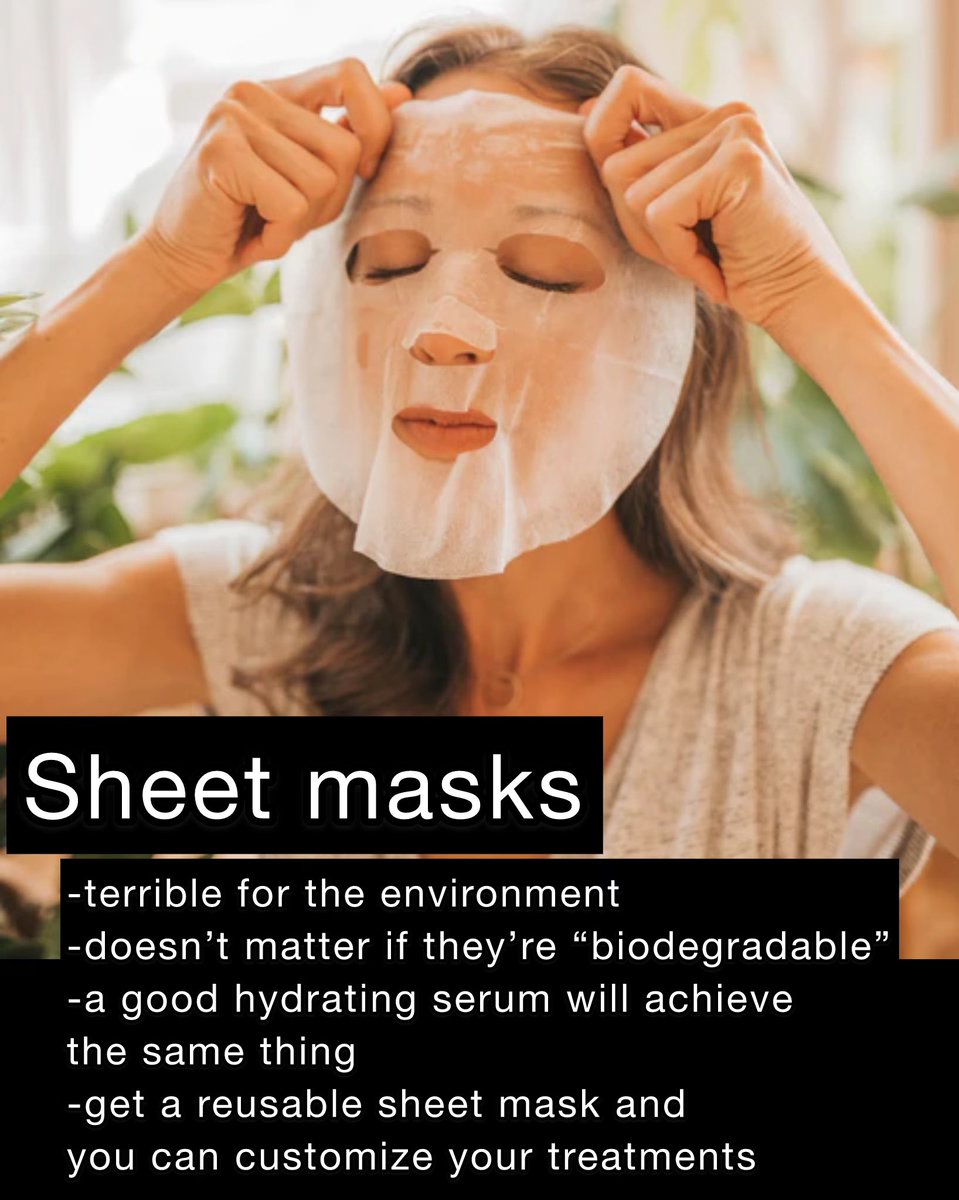
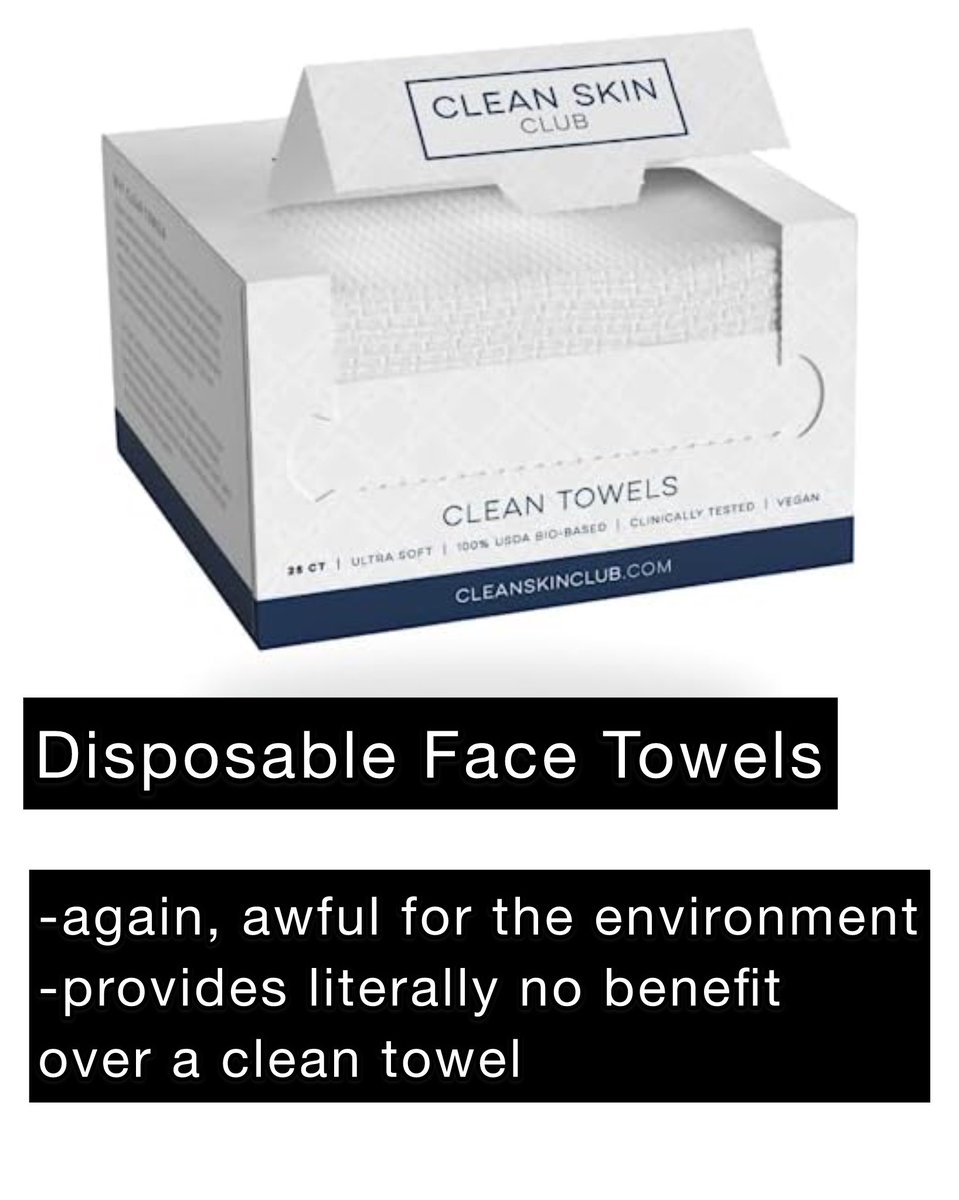
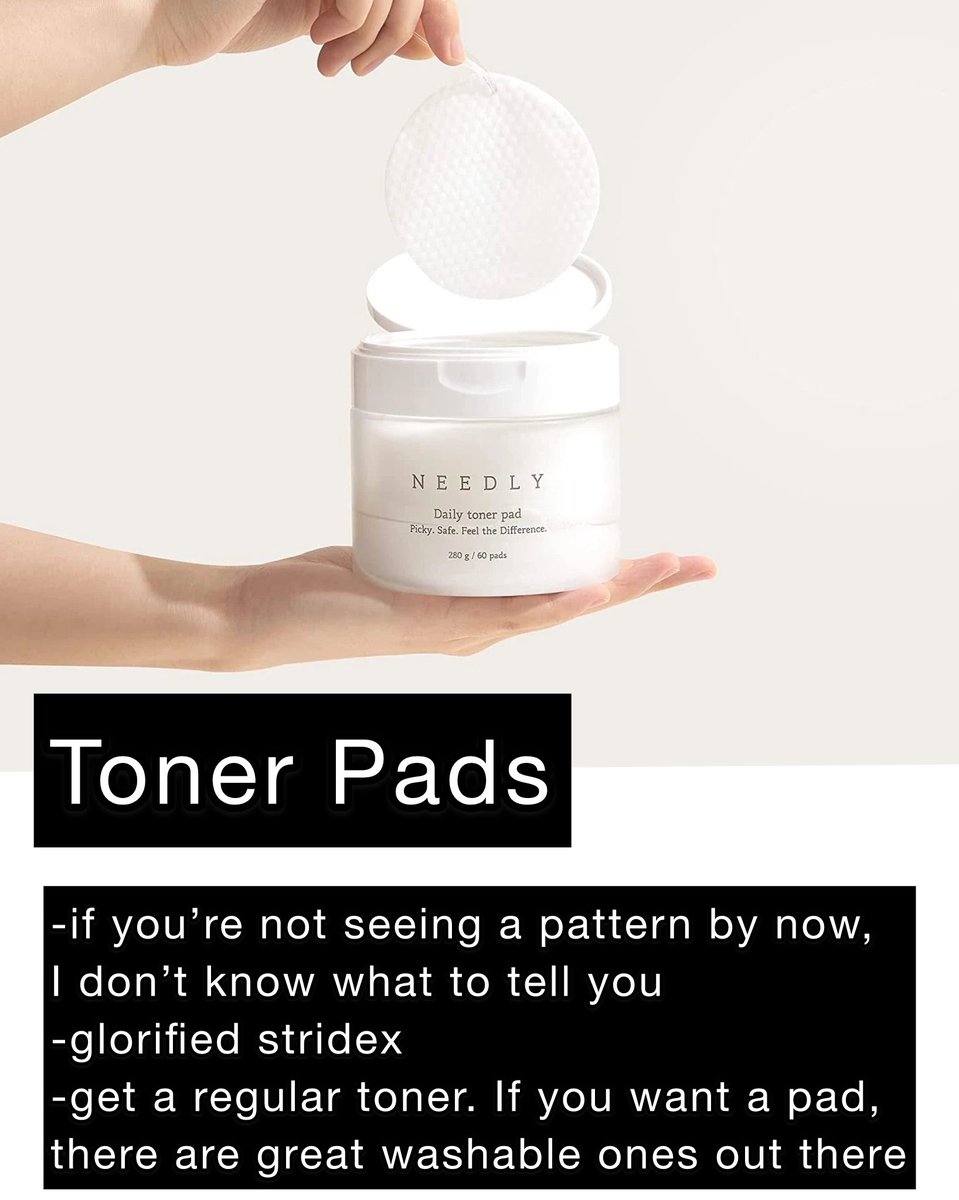
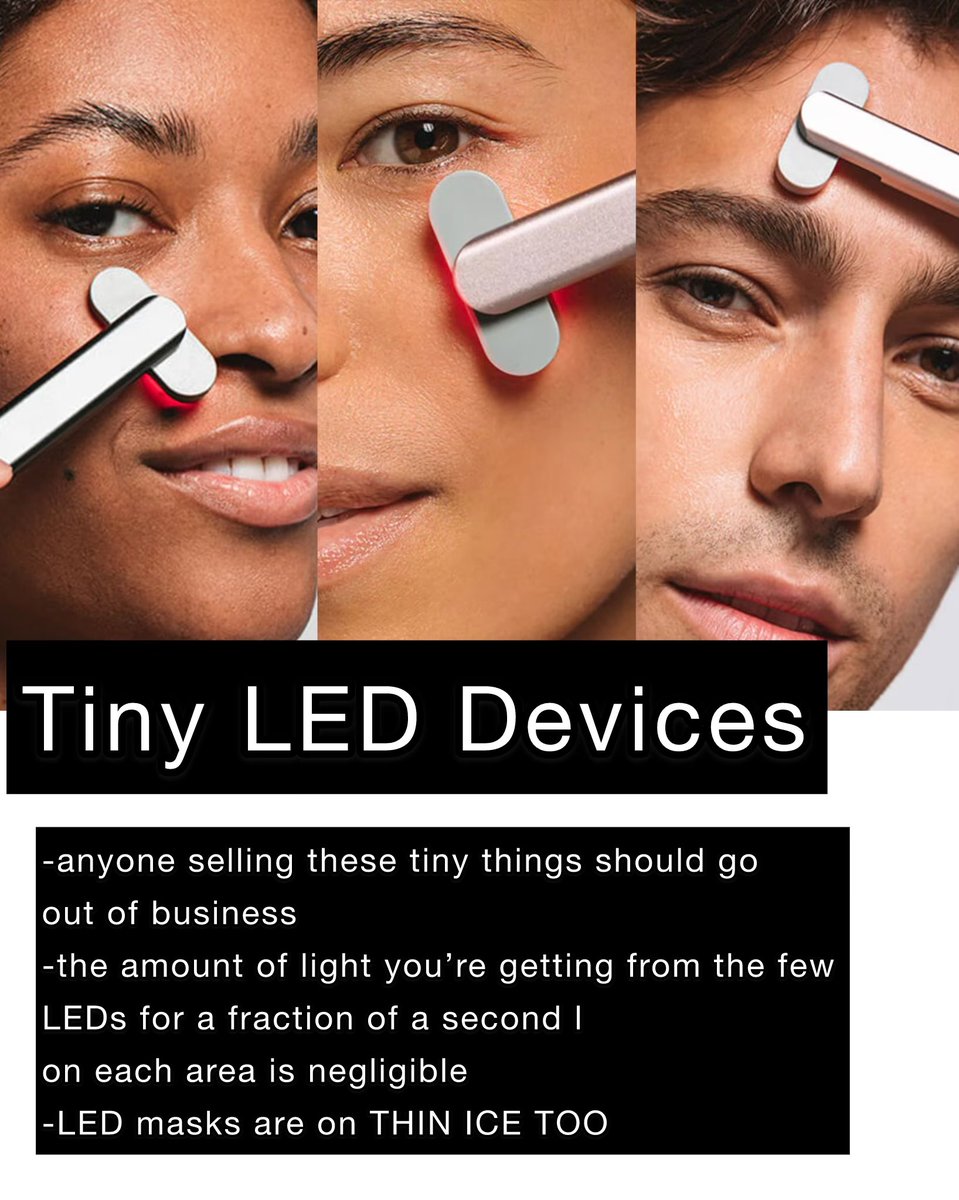
In the spirit of #underconsumption, don’t buy these:
2
4
20
2,657

Veronica Rotemberg, MD PhD retweeted
17 Jul 2024
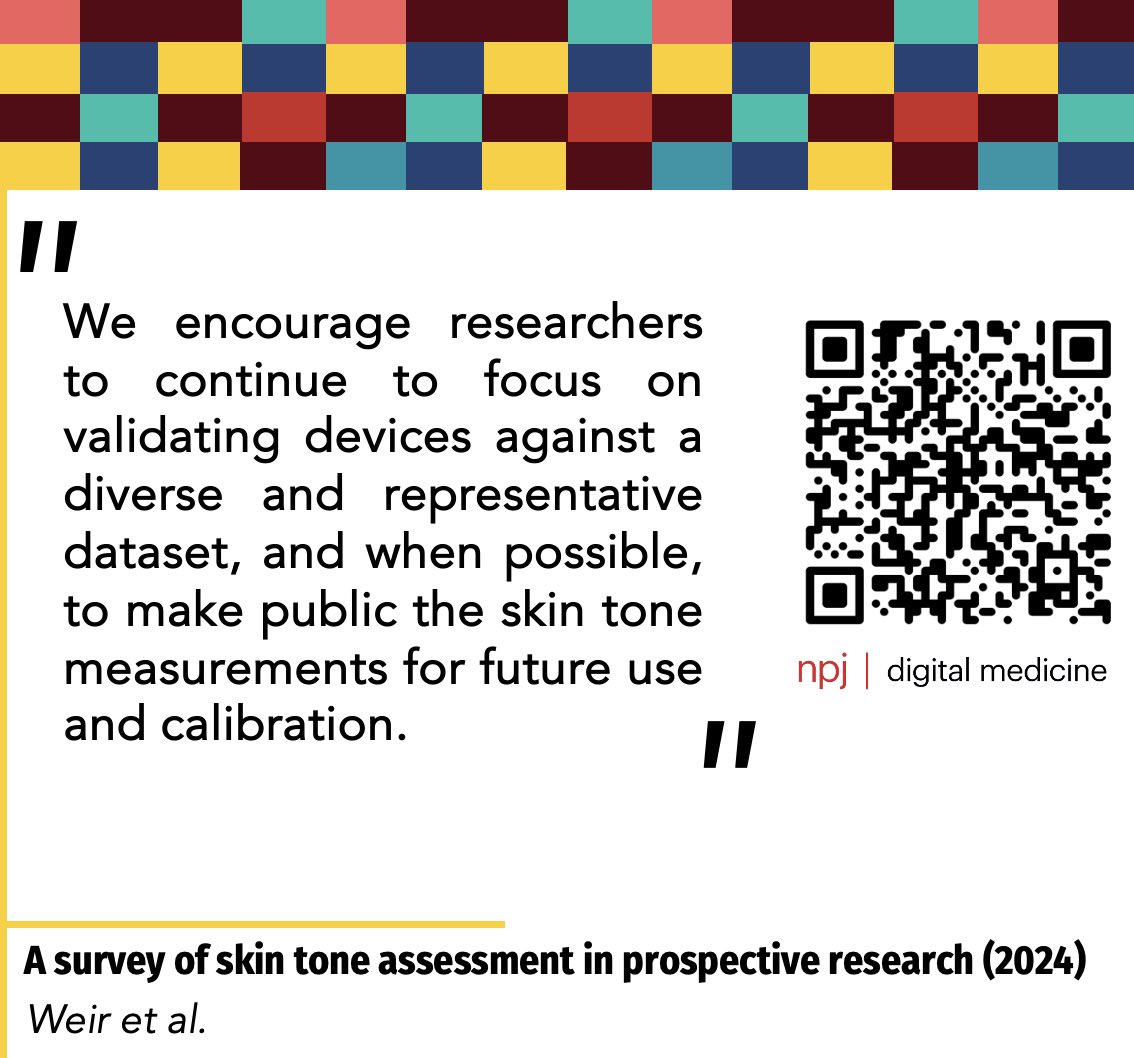
Just in! Weir et al. propose considerations that researchers must take in order to improve device robustness to skin tone bias. Scan the QR code below or follow the link to learn more!
nature.com/articles/s41746-0…
3
2
629
17 Jul 2024
Excited to share the results of a fun multidisciplinary collaboration! We know that skin tone measurement is important to evaluate technologies across domains - and we just published the results of a review of those methods! nature.com/articles/s41746-0…
1
2
13
1,287
17 Jul 2024
There is so much work to do to evaluate the potential for bias in medical technologies and I'm so grateful for the amazing collaborators and our patients who participate in this research as we are trying to do better.
1
1
88
15 Jul 2024
Yes. I understand that it can be very challenging to evaluate AI and especially LLMs, but our priority is protection of patients and improvement of health. If we can't figure out whether something will help patients, and it has a large potential for harm, we should not use it.
3
369
27 Jun 2024
I'm so thrilled to announce the latest #ISIC2024 challenge with OVER 400,000 images of a new modality!!!

📣 Competition Launch Alert! ISIC 2024 - Skin Cancer Detection with 3D-TBP hosted by ISIC.
🎯 Develop image algorithms to identify skin cancer from 3D TBP.
💰 $80,000 Prize Pool
⏰ Entry Deadline: August 30, 2024
🙏 @dr_vron and @ISICArchive
kaggle.com/competitions/isic…
1
5
498
Veronica Rotemberg, MD PhD retweeted

11 Jun 2024
New CME in DEEP, “Augmented Intelligence in #Dermatology.” AI in Health: Closing the gap or increasing disparities? w/ @RoxanaDaneshjou How do we advance enable fair AI for dermatology? w/ Dr. Veronica Rotemberg. Mbrs free w/ code, public for fee. bit.ly/3UHeR4W
5
17
1,487