CRUK-funded Clinician-Scientist @uclcancer, Paediatric Haematologist @GreatOrmondSt. Researching childhood leukaemia.
Joined March 2010
- Tweets 384
- Following 511
- Followers 520
- Likes 1,139
29 Photos and videos
Pinned Tweet

16 Jan 2024
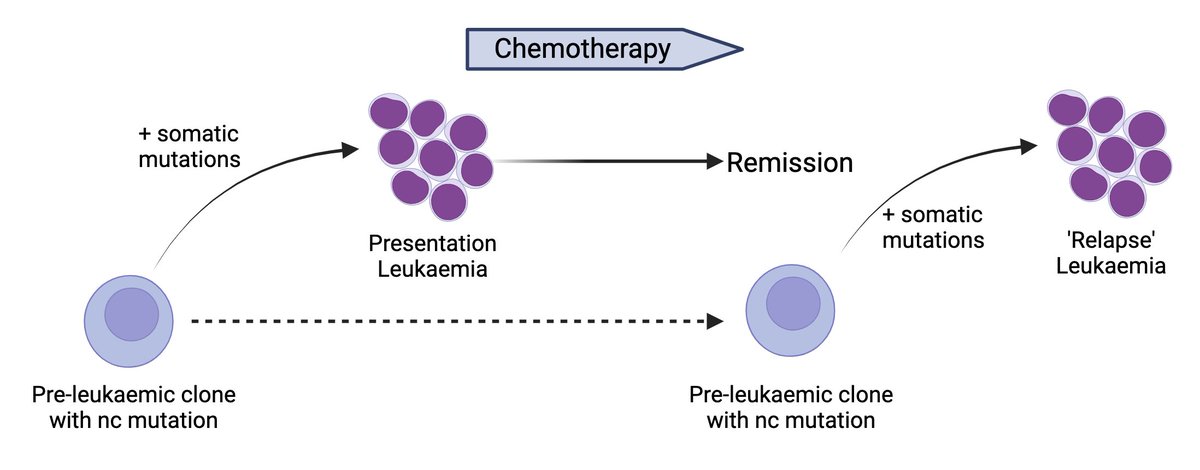
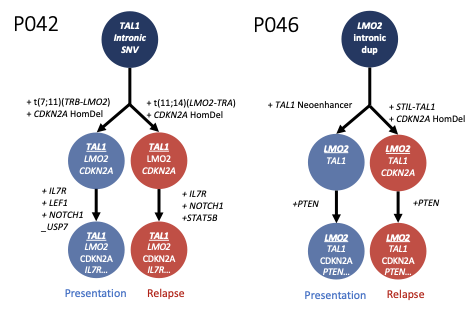
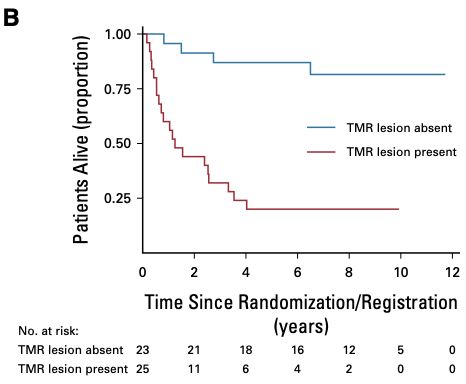
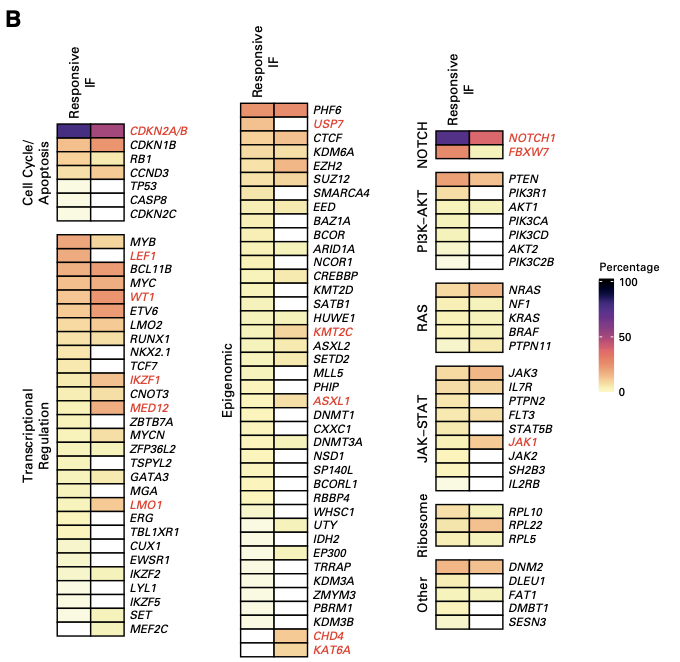
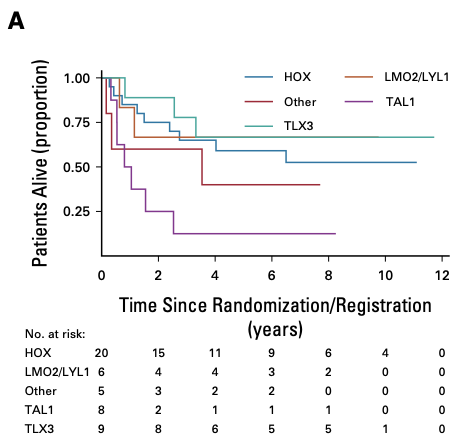
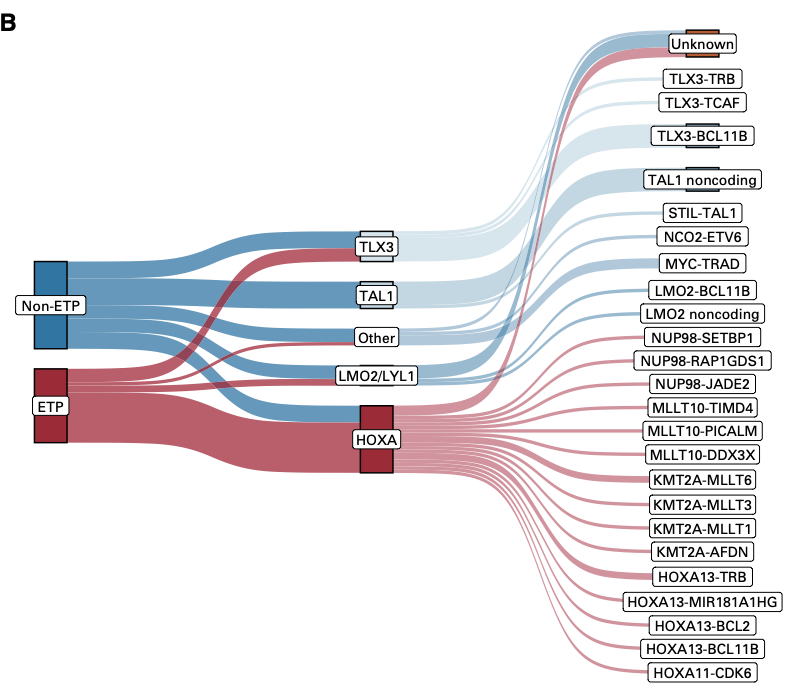
Just out in @BloodJournal – our study exploring the origin of late relapses in T-ALL. Here's a short thread with our unexpected results!
ashpublications.org/blood/ar…
8
25
91
13,323
3 Oct 2024
Beautiful work by @minimolecule to dissect oncogene activation in T-ALL
26 Sep 2024

Focal deletions of noncoding regions in cancer genomes can have unexpected consequences. Out now in @BloodJournal, we’ve discovered an intriguing mechanism of oncogene activation whereby focal deletion of a ‘promoter tether’ leads to aberrant expression of IRX3 in T-ALL. Thread👇
1
6
611
David O'Connor retweeted

8 Sep 2024
Liza is a dedicated paediatrician who lost her husband (another well respected and loved neonatologist) to COVID. Please read and consider signing and sharing this:
change.org/p/keep-the-harry-…
3
2
397
9 Jul 2024
Time to bid a fond farewell to @uclcancer having completed my @CRUKresearch Clinician Scientist Fellowship. It’s been an incredible 6 years working on some great projects that I hope have progressed our knowledge of childhood leukaemia
1
37
2,381
9 Jul 2024
Huge thanks to my supervisor @Marcrmansour for endless patience and support, and the many members of the lab. Particular shout-outs to the amazing scientists willing to help an incompetent medic and who made it all so enjoyable! @minimolecule @VLlombs Joana Costa @there_leon
1
4
319
9 Jul 2024
And definitely not the end – several projects ongoing and hopefully a big story to share later this year! Update on new job coming soon! 👀
4
274
3 Jul 2024
Really important work out in @NatureMedicine demonstrating the power of whole genome sequencing to improve treatment for children with cancer. Led by @DrJackBartram & Sam Behjati @GreatOrmondSt @sangerinstitute @addenbrookes

'Whole genome sequencing is special because we can look at the entire genome instead of parts of a genome.'
Genome expert @AngusHodder says 'if we know a child has a less risky form of cancer, we can give them less intensive treatment'
#SJUK trib.al/1DqoA75
📺 Sky 501
5
24
2,836
David O'Connor retweeted

2 Jul 2024
Thank you to all the patients and families involved in this pivotal study which proves the real time, real world evidence for the benefit of whole genome sequence in childhood cancer.
'Whole genome sequencing is special because we can look at the entire genome instead of parts of a genome.'
Genome expert @AngusHodder says 'if we know a child has a less risky form of cancer, we can give them less intensive treatment'
#SJUK trib.al/1DqoA75
📺 Sky 501
9
28
2,247
5 Apr 2024
Massive cuts in clinician scientist fellowships over the last few years and an overlong application process that engenders attrition suggests this is less of a CRUK priority than this article would have you believe
5 Apr 2024

Following the success of @CRUKresearch’s Clinical Academic Training Programme over the past 5 years, this is an important further investment in the next generation of clinician scientists across Scotland and England. Clinician scientists play an essential role in bridging the gap between discovery research and clinical research involving patients, and this funding will help accelerate the development of cancer treatments in the future.
news.cancerresearchuk.org/20…
1
2
10
1,565
David O'Connor retweeted

17 Jan 2024
I love this 👇🏾- great work from @drdavidoconnor @Marcrmansour
16 Jan 2024

Just out in @BloodJournal – our study exploring the origin of late relapses in T-ALL. Here's a short thread with our unexpected results!
ashpublications.org/blood/ar…
1
1
8
2,475
16 Jan 2024
Just out in @BloodJournal – our study exploring the origin of late relapses in T-ALL. Here's a short thread with our unexpected results!
ashpublications.org/blood/ar…
8
25
91
13,323
16 Jan 2024
To complete the story we were lucky to be able to go back to the stored neonatal blood spot sample for one patient, showing the same LMO2 non-coding lesion was present at birth confirming that it had occurred in utero – the first time this has been shown for a non-coding lesion
2
4
439
16 Jan 2024
Huge thanks to everyone involved including @minimolecule @DrJackBartram @JavierHerrero7 @isidrolauscher @Marcrmansour @uclcancer @DBC_ICH @emblebi and funders including @CRUKresearch @GOSHCharity
And particular thanks to the patients and families who donate samples for research
8
445
David O'Connor retweeted

18 Dec 2023
This isn't just good leaflet copy, this is why politics matters and different parties aren't all "just the same".
Here's a collection of similarly devastating graphs
🧵 (1/11)
18 Dec 2023

The longer the Tories are in power, the longer patients will wait.
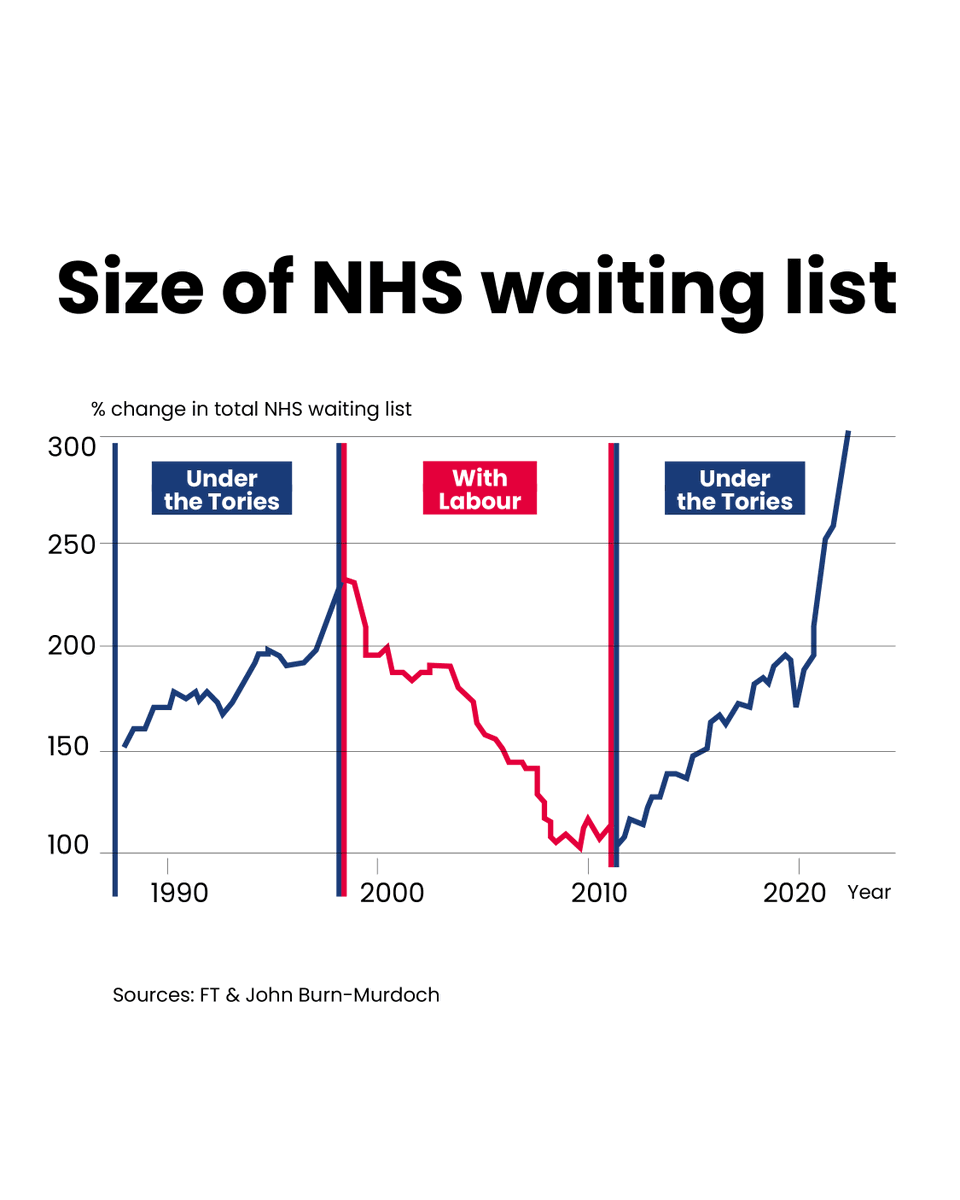
ALT Graphic with copy 'Size of NHS waiting list' underneath that is a graph which shows the NHS waiting list getting bigger under Conservative governments and smaller with Labour.
99
2,217
10,231
3,142,107
David O'Connor retweeted

12 Dec 2023
Academic clinician–scientists risk becoming an endangered species.
World View from @StephenORahilly @Cambridge_Uni
nature.com/articles/s41591-0…
21
286
588
225,623
1 Dec 2023
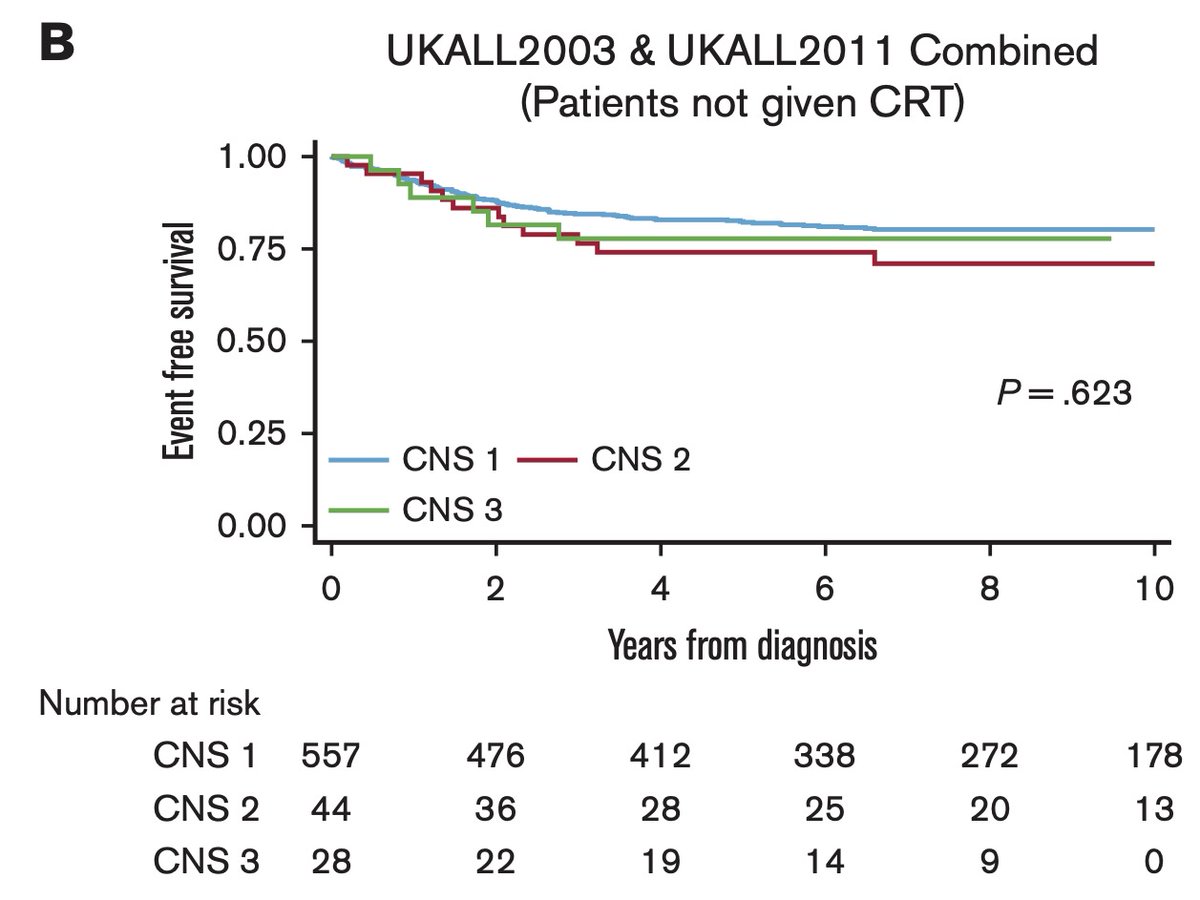
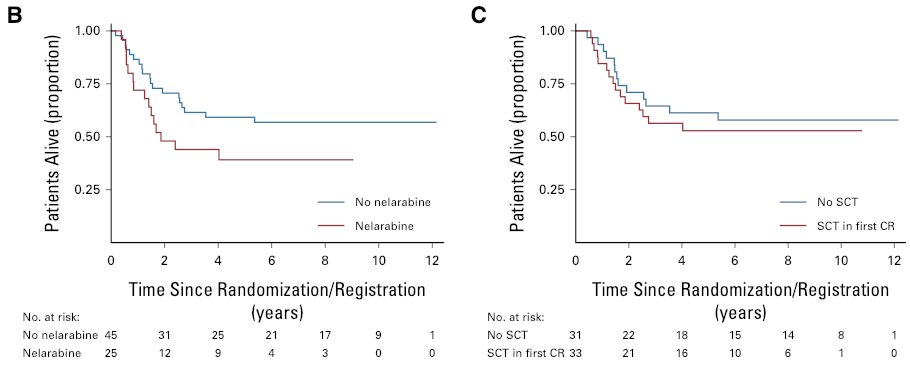
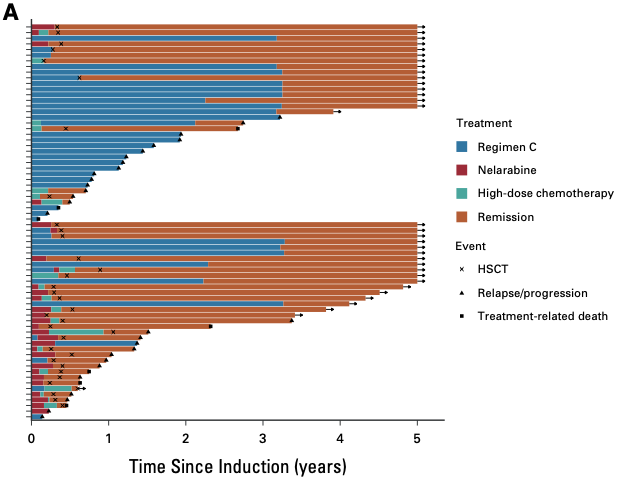
Just out in @BloodAdvances - our data strongly suggest cranial radiotherapy is unnecessary in children with T-ALL, even those with CNS involvement at diagnosis (1/3)
ashpublications.org/bloodadv…
2
12
47
3,874
1 Dec 2023
This is something of a companion piece to the recent COG paper showing CRT had little benefit in children with T-ALL and CNS-1 or CNS-2 at diagnosis. Our data suggest same is true even in those with CNS-3 at diagnosis. (2/3)
ashpublications.org/blood/ar…
1
1
171
1 Dec 2023
Although CNS status still impacts on outcome, this is not overcome through the use of CRT - it simply increases toxicity. Alternative approaches are needed (3/3)
1
2
142