
Joined August 2014
- Tweets 84,822
- Following 3,276
- Followers 4,019
- Likes 83,938
12,802 Photos and videos
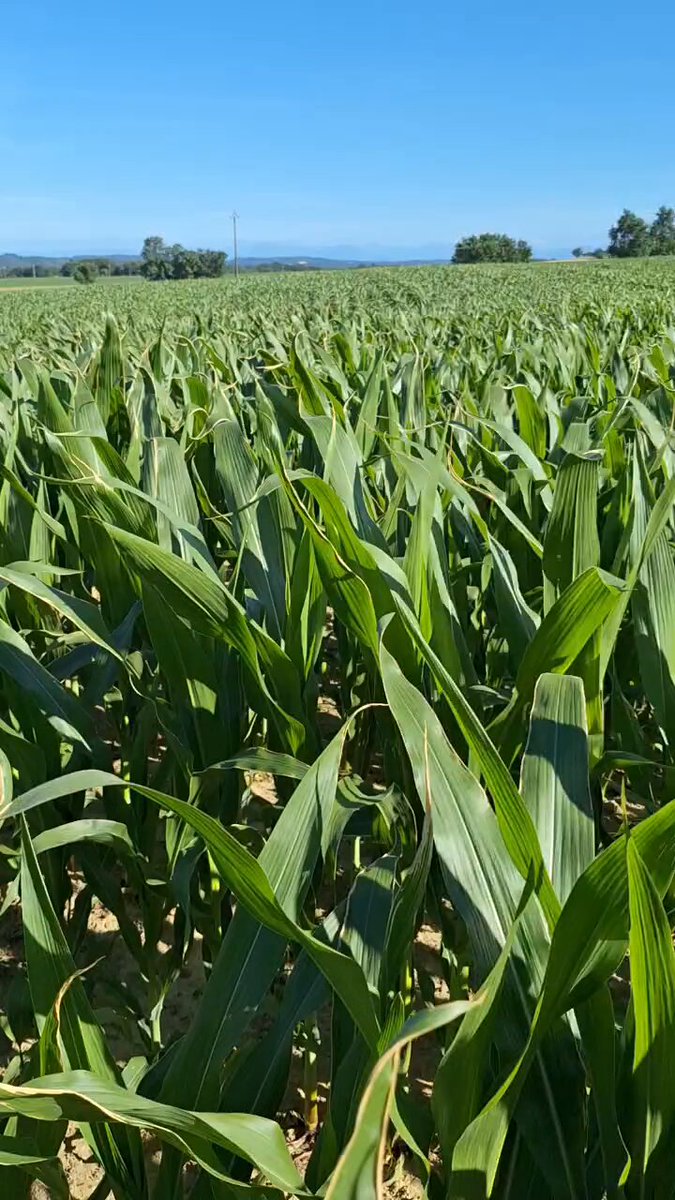
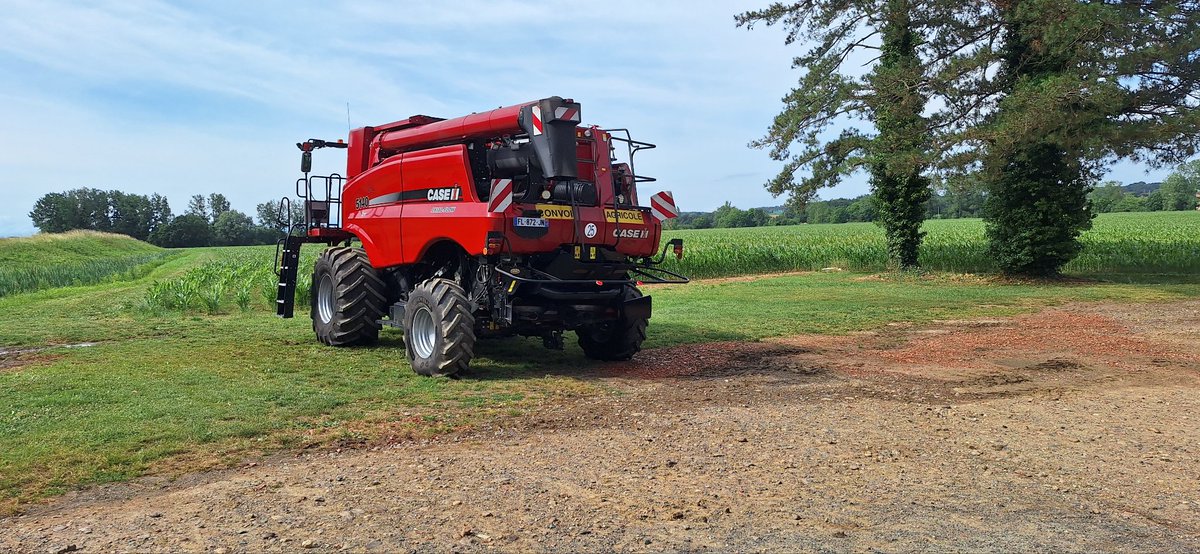
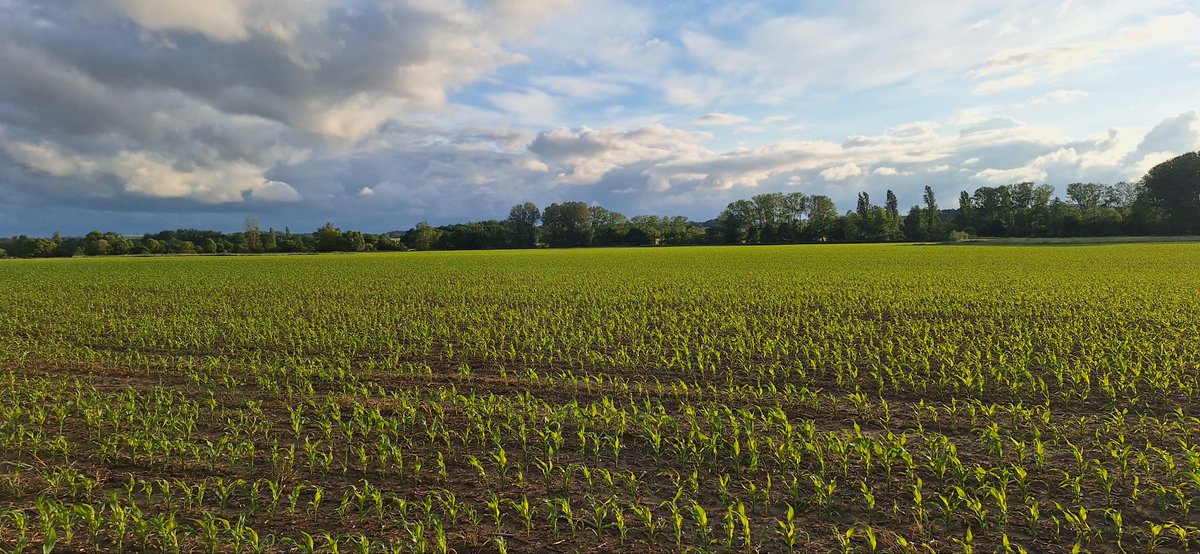
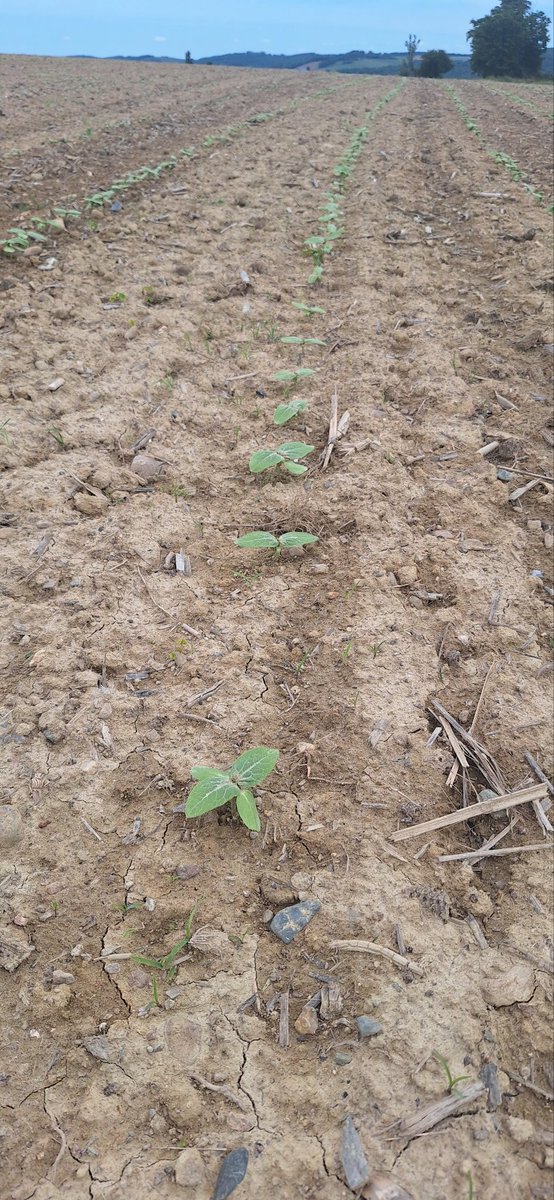

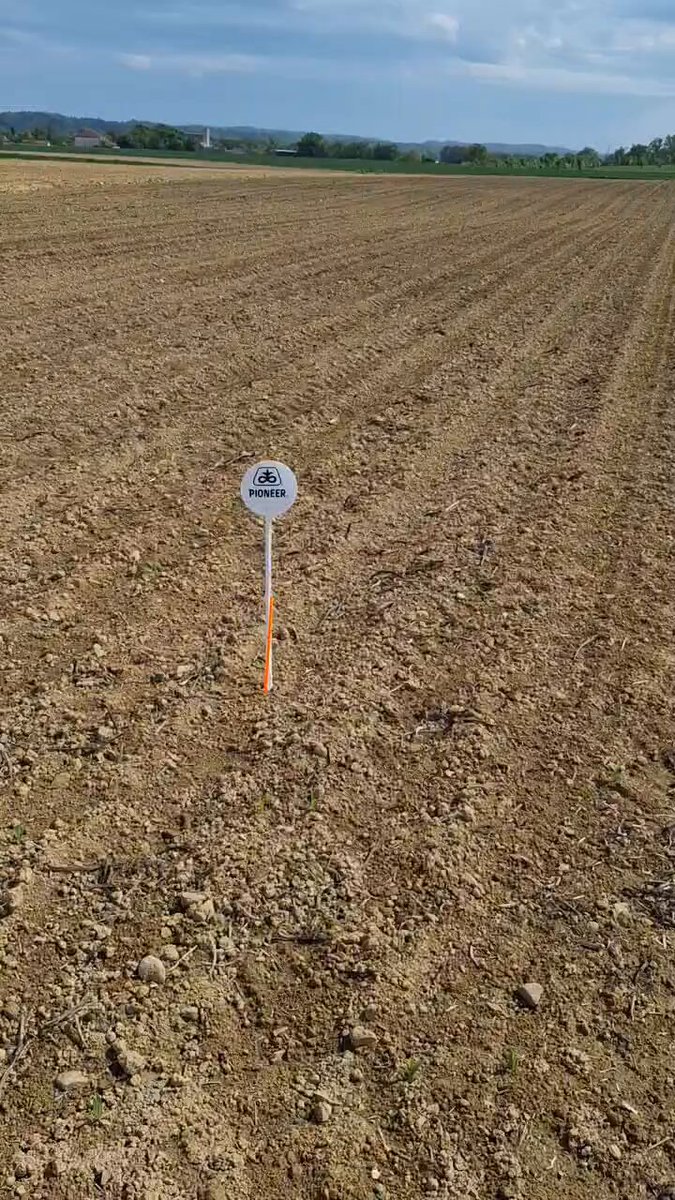
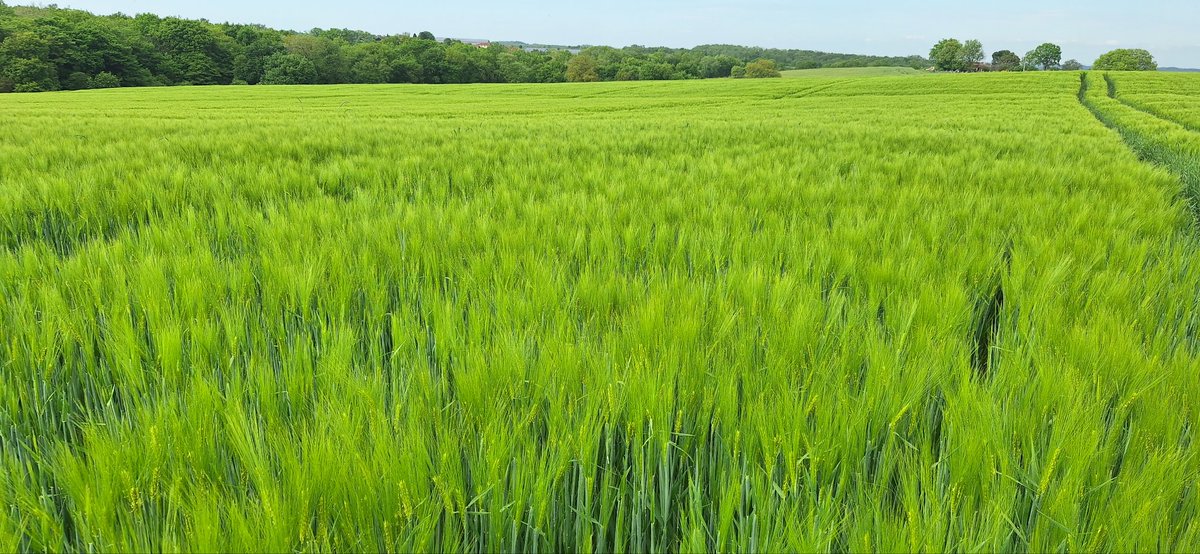
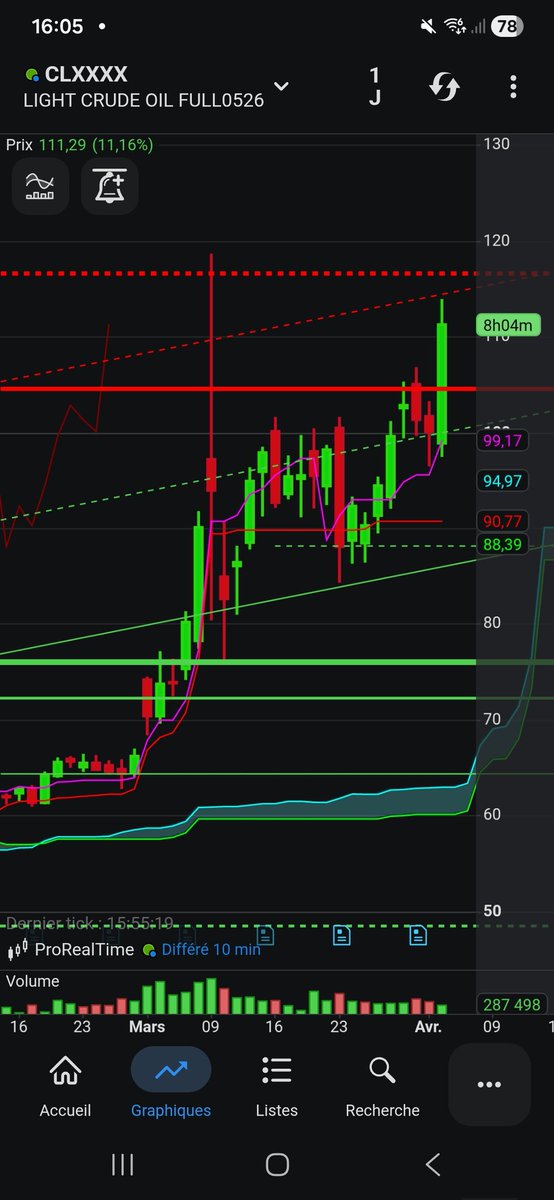
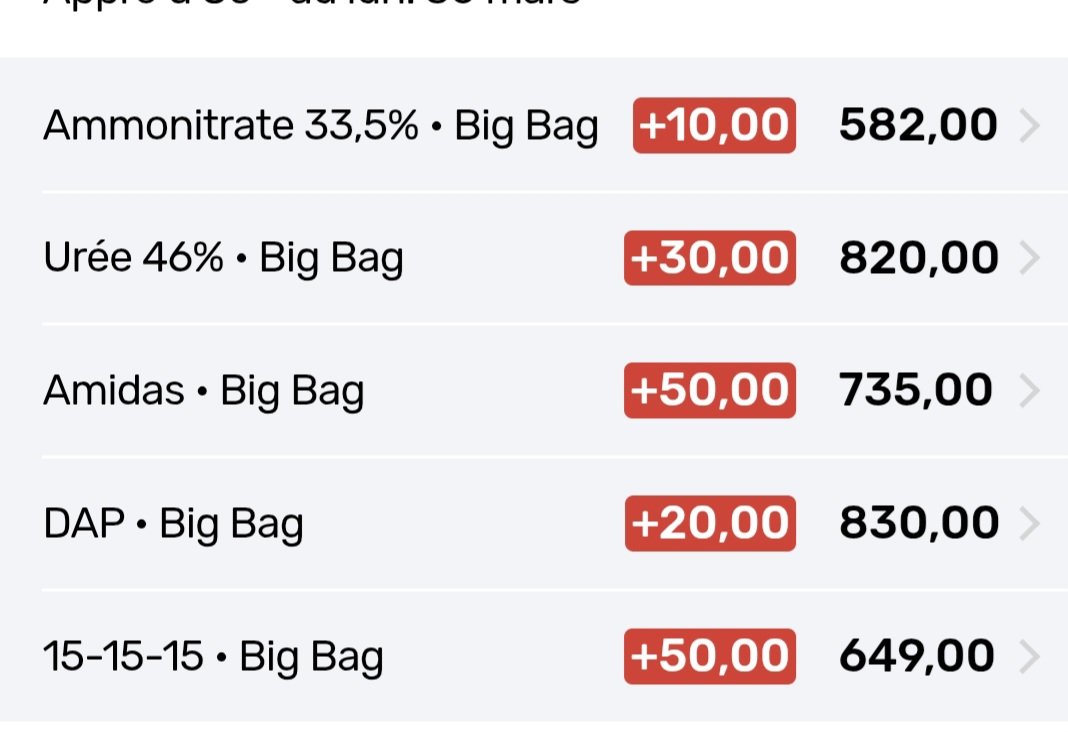
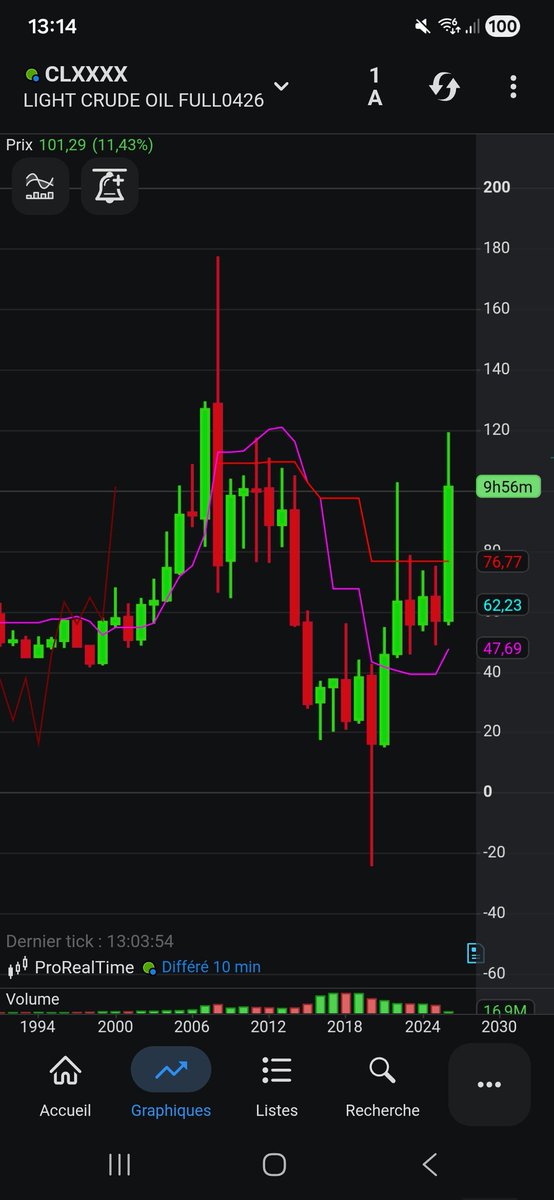
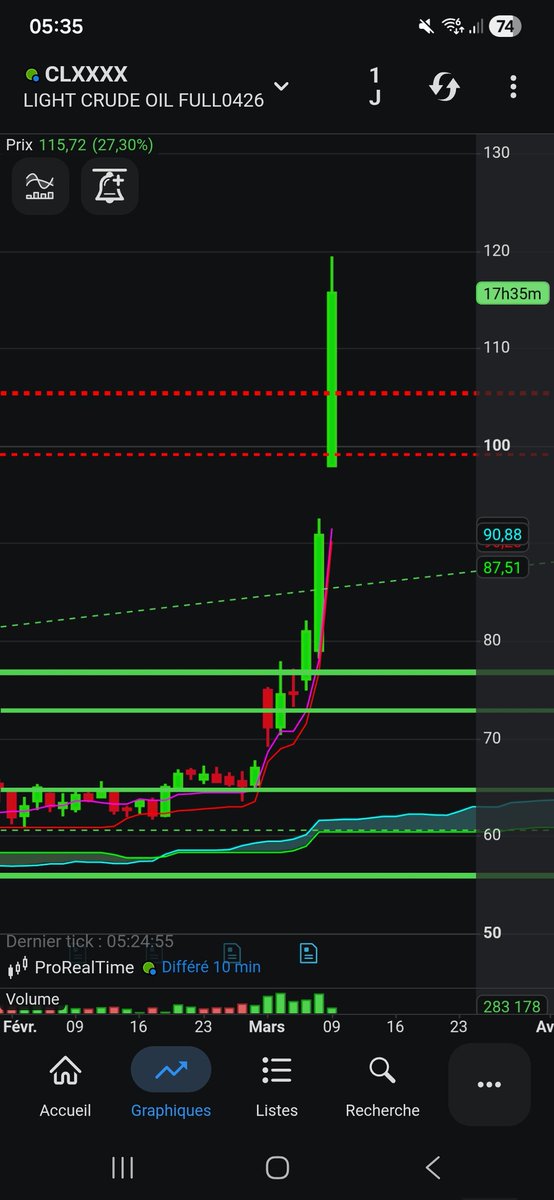
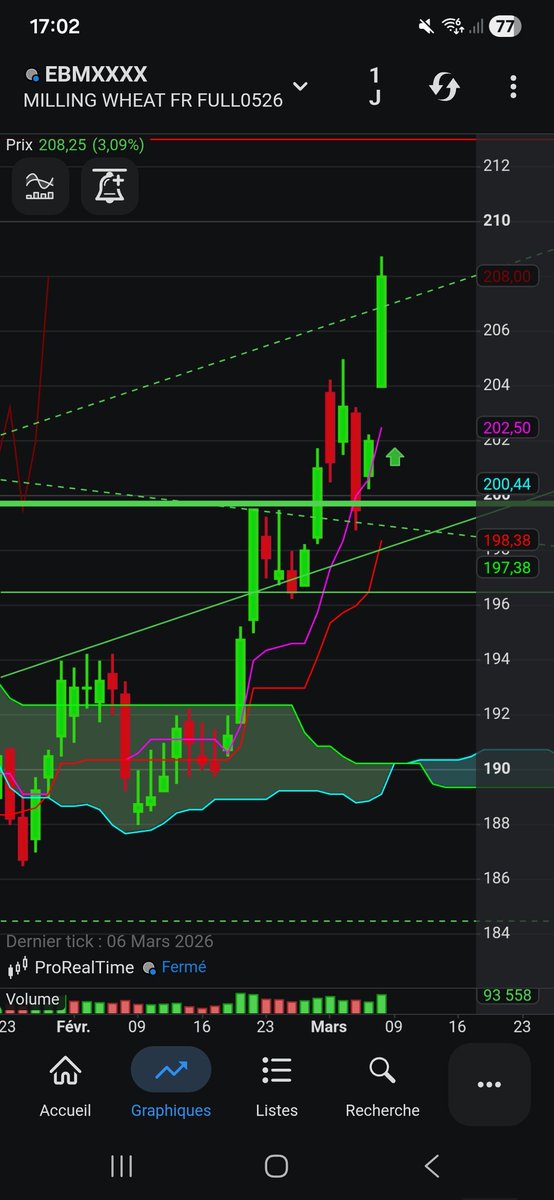

Déjà ici sur les orges y a qq déconvenue....
x.com/i/status/2066371439767…

Le Coceral revoit à la baisse la récolte 2026 de céréales en Europe dlvr.it/TT2gHn #farming #Agriculture #agronomy
1
1
9
1,297

▶️ La France, leader du blé, importe de la farine
📺 L'édito de @NicolasDOZE dans la matinale LCI.
2
24
49
4,540
dugers éric retweeted

Jun 4
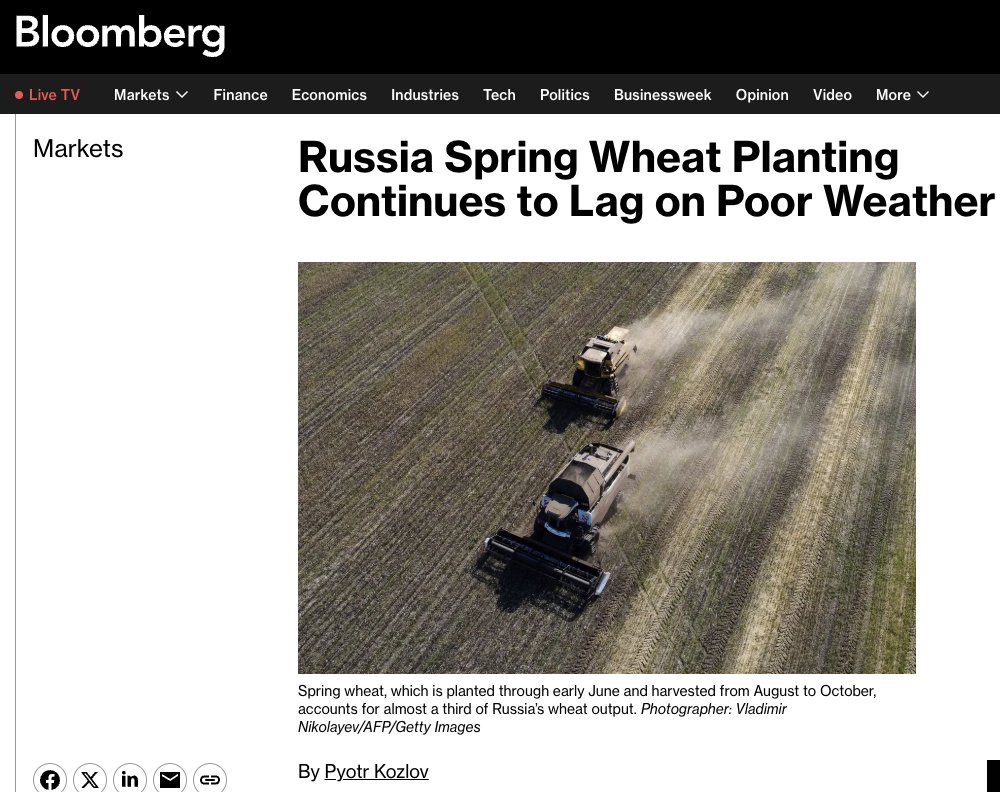
Russia’s spring #wheat area may be the smallest in decades.
As of late May, Russian spring wheat area was at its smallest level in many years.
The key reason is not just delayed planting. Farmers are shifting hard into crops with better economics, especially oilseeds.
Interestingly, even Siberia - where the climate is broadly similar to Canada - is trying to plant more sunflowers instead of wheat.
That is negative for the new wheat crop. In May, we (@SovEcon) forecast Russian spring wheat area at 10.5 mln ha, down 0.5 mln ha year on year, but that number now looks too optimistic.
Bloomberg: “This is the slowest planting pace since 2018,” Andrey Sizov, head of consultancy SovEcon, said by phone, with the largest delays in the Volga and Siberian regions. Spring wheat acreage could fall even lower.
#sizovreport #oatt #agwx
7
19
78
9,387
dugers éric retweeted

Jun 2
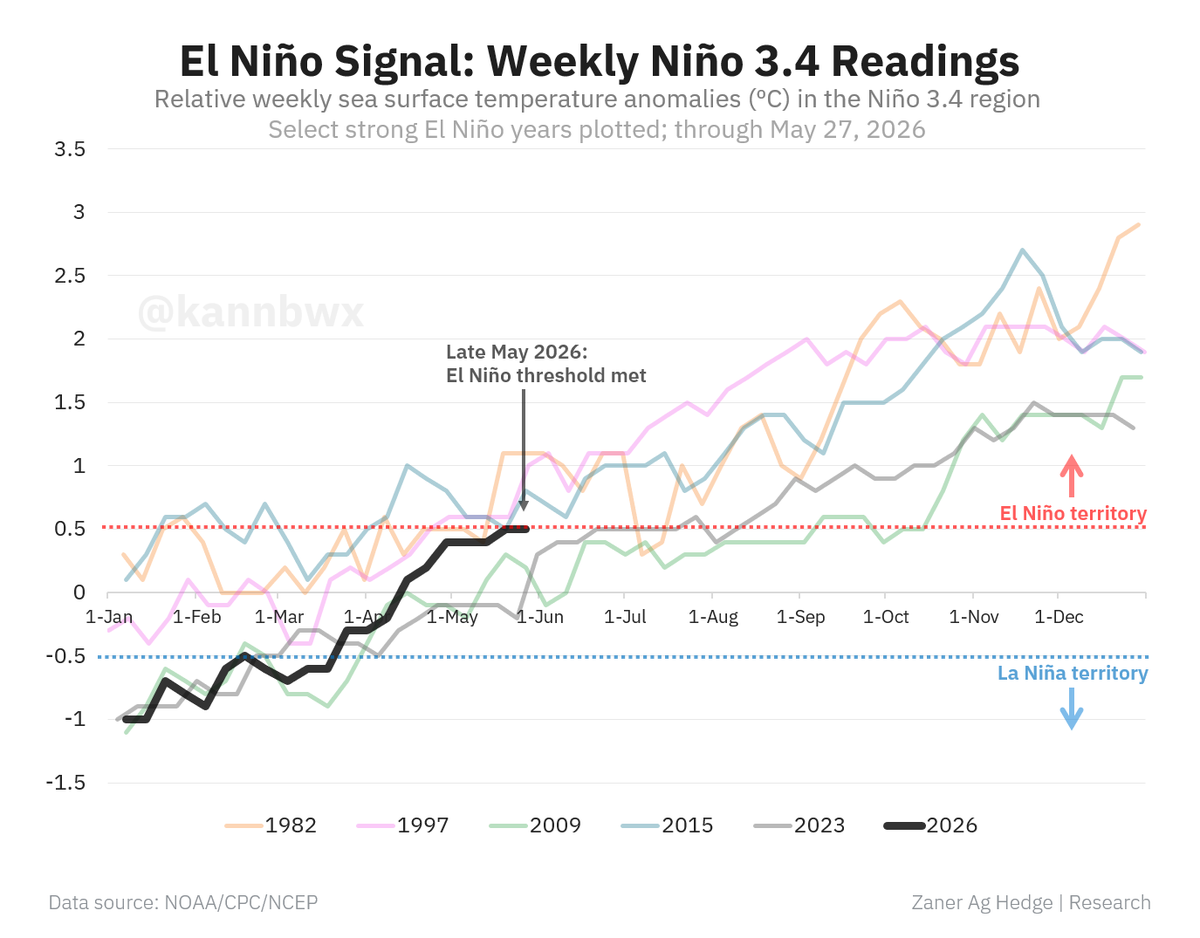
🌡️In late May, sea surface temperatures in the equatorial Pacific reached El Niño territory for the first time in more than two years. That's a major flip from March's La Niña regime.
The warming pace is tracking with other strong El Niño years. Will 2026 live up to forecasts?
3
35
129
31,024
dugers éric retweeted

May 25
🌽ETANOL: MATO GROSSO DEVE AMPLIAR PRODUÇÃO EM 16% EM 2026/27 COM AVANÇO DO MILHO
Mato Grosso deverá ampliar em 16,08% a produção de etanol na safra 2026/27, alcançando 8,44 bilhões de litros, impulsionado principalmente pela expansão do etanol de milho e pela entrada de novas plantas industriais no Estado. A projeção é do Sindicato das Indústrias de Bioenergia do Estado de Mato Grosso (Bioind-MT), com elaboração do Instituto Mato-Grossense de Economia Agropecuária (Imea)
1
9
94
4,650
dugers éric retweeted

May 23
🎙️🧑🌾Have you started purchasing fertilizer for your 2027 crop production?
10%
Yes, partly
0%
Yes, fully
90%
Not yet
10 votes • Final results
2
2
2
1,147
dugers éric retweeted
May 21
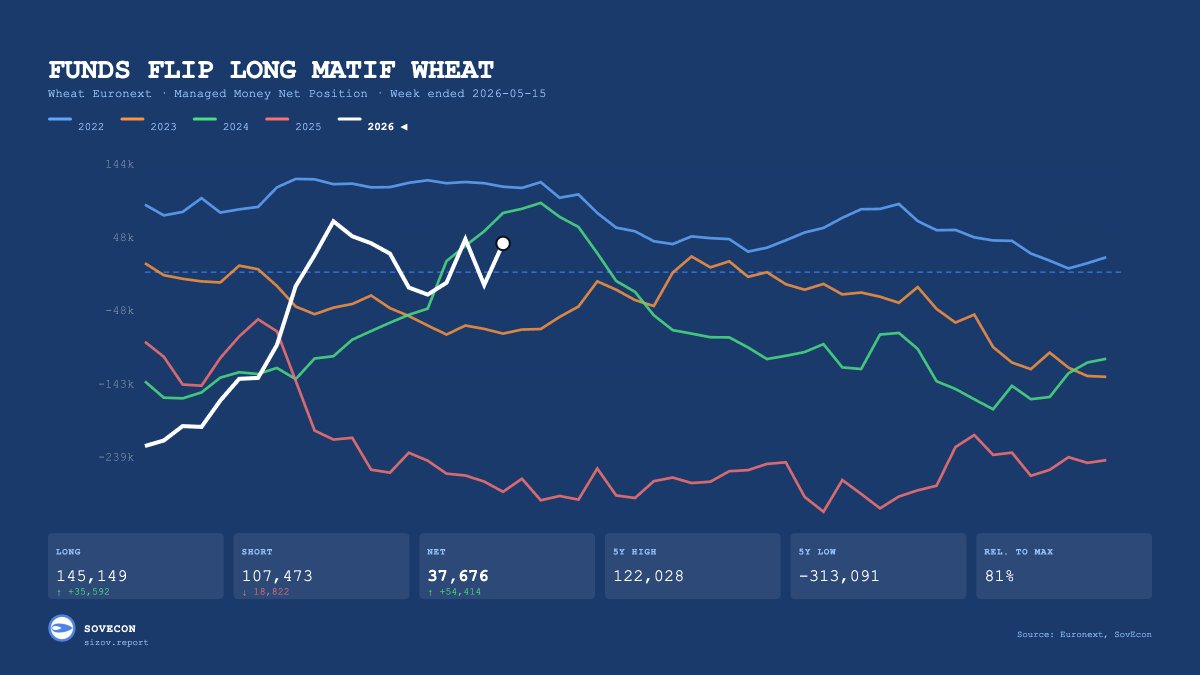
Funds flip long MATIF #wheat again.
EU wheat looks cheap vs the US. Or maybe the US is too expensive...
Watch the France-US spread. Could it be the best trade in wheat right now?
More:
sizov.report/?utm_source=twi…
#oatt #sizovreport
10
37
4,660


May 21
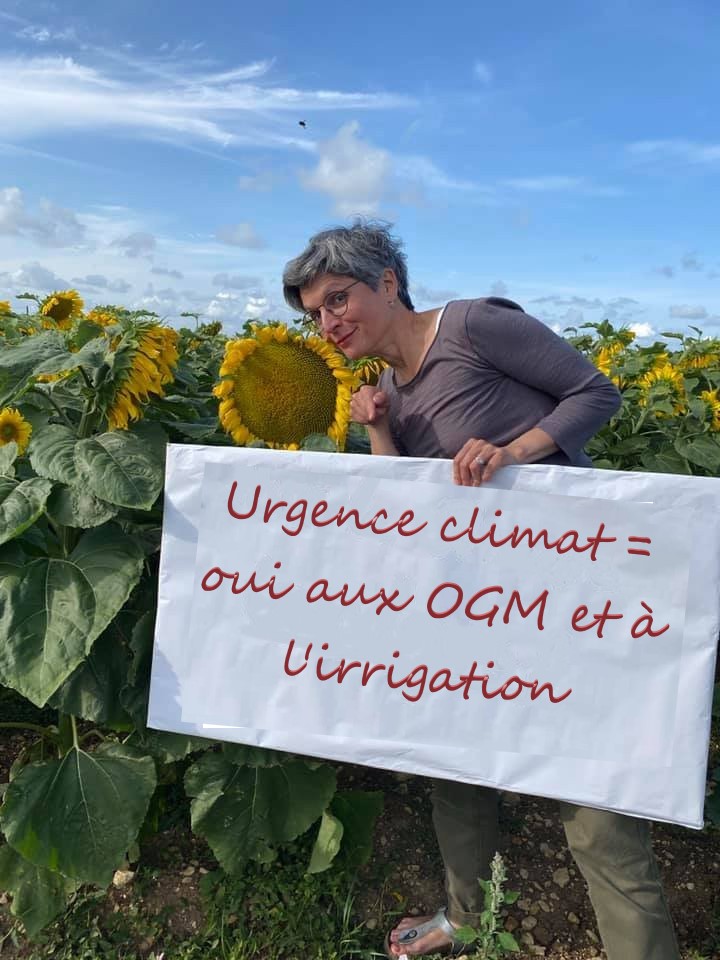
#maïs article spécial éduquation #écologistes ! Oui le maïs 🌽 est une culture d'avenir
seppi.over-blog.com/2026/05/…
2
4
199
dugers éric retweeted

May 21
Victoire magnifique !
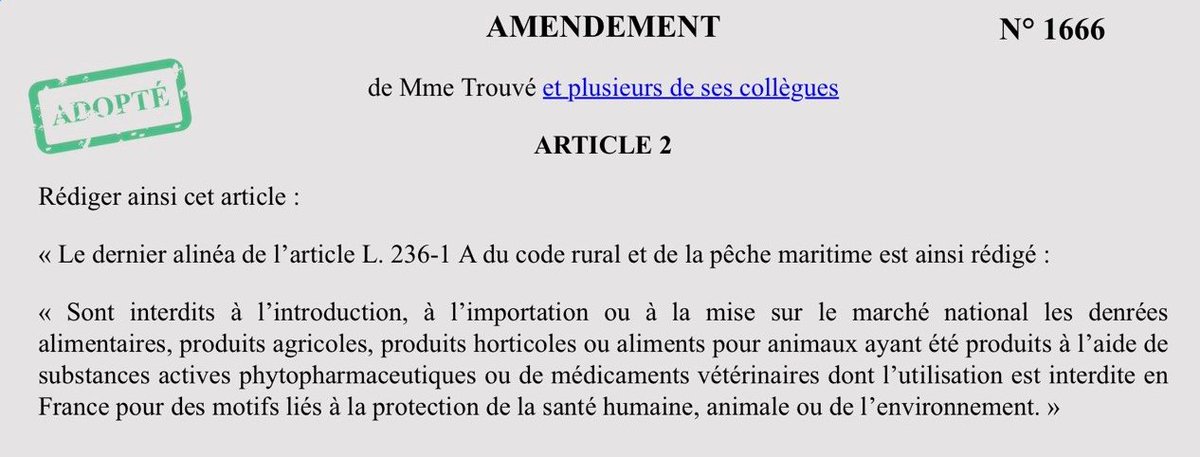
Nous ne trouverons plus en France de riz, de thé, plus de noisettes ni de paprika, plus de soja bien sûr, plus de café ni de chocolat... Nous paierons 40% plus cher (et devrons rationner) les fruits et légumes que nous n'importerons plus.
Joie !✊
May 21

Victoire magnifique. Un amendement LFI adopté interdit d'importation en France tout produit agricole traité avec un produit interdit en France. Macronistes et PS unis ont échoué à faire le jeu de l'agriculture chimique.
327
741
2,827
321,438
dugers éric retweeted
May 20
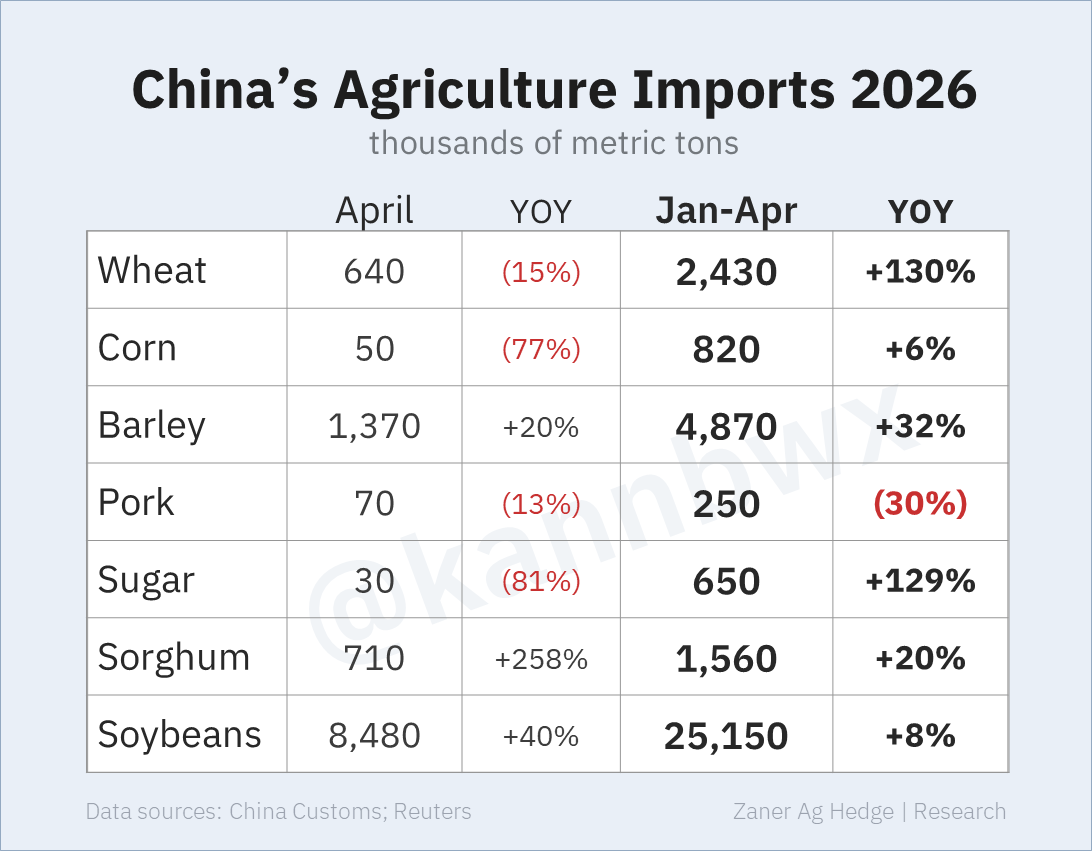
🇨🇳China's grain imports in the first four months of 2026 were up from the same period last year, especially in wheat. Meanwhile, pork imports fell 30% amid strong domestic output.
Soybean imports were up 8% year-on-year but below the period's 5-year average.
1
22
82
9,474
dugers éric retweeted
May 20
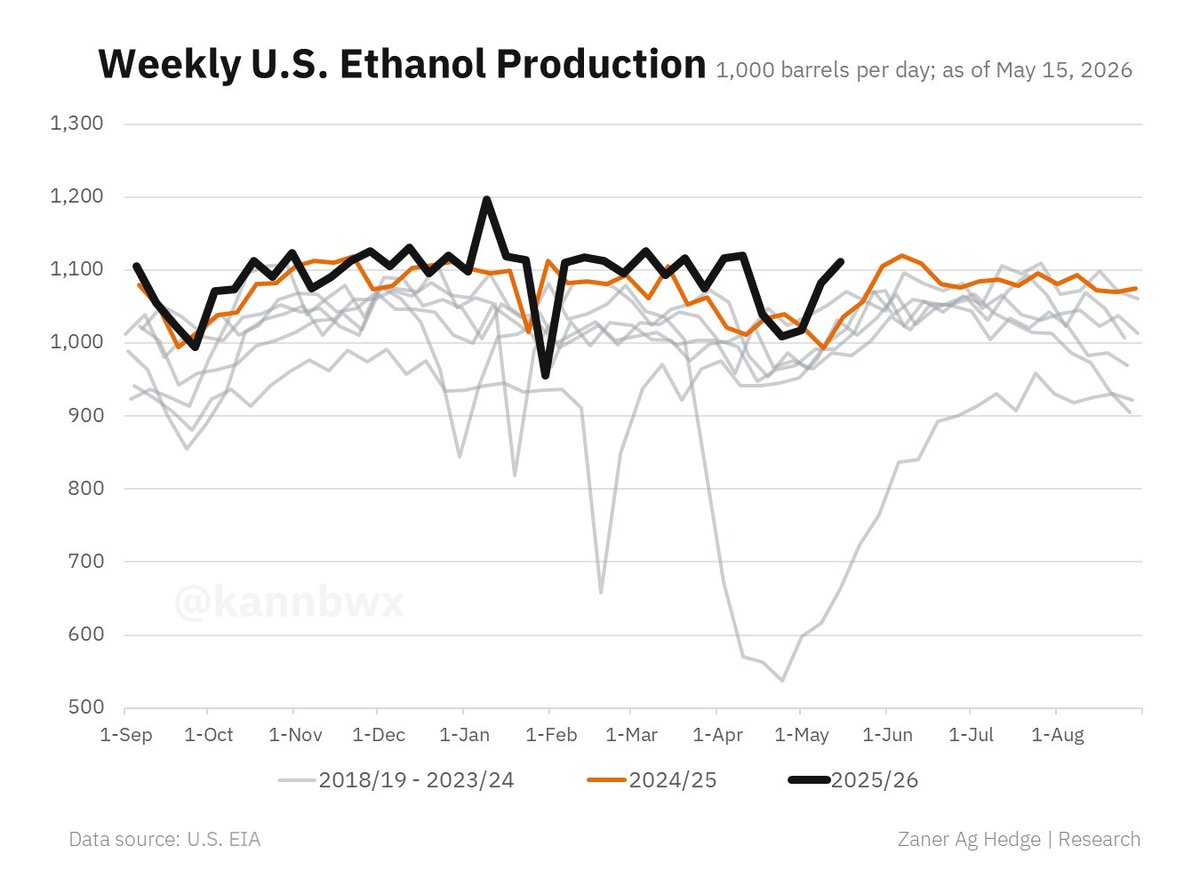
🇺🇸After a seasonal lull in April, U.S. ethanol production has sharply rebounded in May. Output hit a five-week high of 1.11M barrels per day last week, which is record-high for the date.
17
64
7,924
May 20
La #récolte2027 les #écologistes et les #ong #environnementales en ont rêvés on va probablement produire à intrants minimum , si c cas je pense que vous allez réviser vos positions , cette fois-ci il n y aura pas que l #ue de concernée .....
1
8
652
May 20
La production #agricole faire plus avec moins fini tjrs par faire moins , on peut vouloir prouver l inverse..... le résultat est tjrs le même....
1
112
dugers éric retweeted
May 19
Europe is now trying to repair the competitiveness damage caused by its own policies.
First, EU farmers were squeezed by regulation. Now Brussels is easing some restrictions and offering extra euros.
That may help at the margin. But without a broader deregulation shift, the direction for European industry still looks the same: weaker competitiveness, more state support, more dependence on Brussels.
#oatt #eu #policy
May 19

Europe's food security depends on fertilisers.
With this Action Plan, we are investing in a stronger European fertiliser industry, supporting European farmers and accelerating innovation in sustainable, home-grown solutions.
Securing the future of farming in Europe.
link.europa.eu/vNkf6w
8
17
58
9,827
dugers éric retweeted
May 20
🎯🌾Here is another point supporting my view.
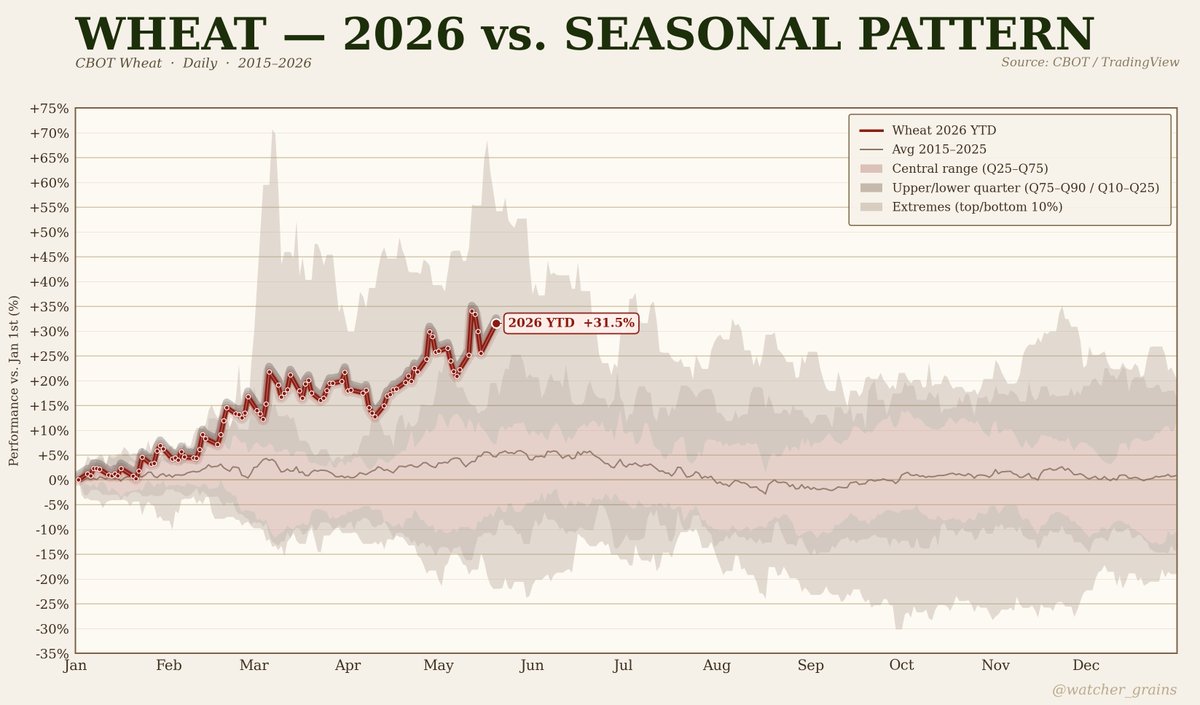
This year, the wheat market has rallied by 31.5%!🔥
Since 2015, this ranks among the best annual performances.
Of course, context matters a lot. I know the past two years were difficult. But for producers who need to commercialize their production over a two-year window, not taking advantage of such a strong annual performance could be regrettable.
And I’m not saying producers should sell everything far ahead, just start taking advantage of these price levels progressively.
✅It doesn’t mean prices can’t move higher from here, but it does mean they can also move lower.
May 20

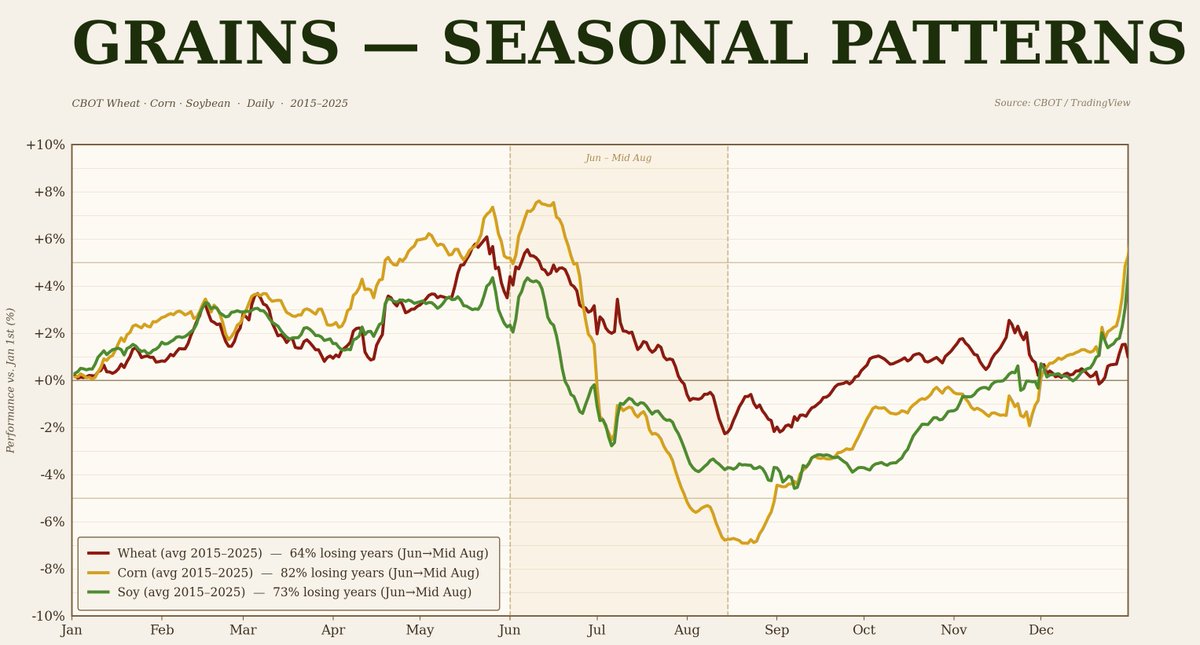
⌛️🔴Everyone is talking about a massive wheat bull run because of poor production prospects and soaring fertilizer costs. Those arguments make sense, and they are part of the reason why I’ve been bullish on wheat since the beginning of the year.
But agricultural markets are rarely that simple.
Long-term trends can remain bullish while corrections still happen along the way, and we may be entering one now.
One key factor is seasonality. Agriculture is probably the most seasonal market of all because production cycles are annual. Historically, the June–August period tends to be bearish across grains as harvest approaches, yield visibility improves, and farmers become more active sellers.
Every year, the market says “this year is different.” Sometimes it is, but caution remains important, especially after a 30% rally in wheat over the past year.
We also shouldn’t forget that early USDA reports are often the most pessimistic of the campaign and can later improve as production prospects evolve.
🎯For farmers, commercialization is not only about selling at the highest possible price. It’s also about reducing risk. Waiting indefinitely for a price explosion without securing part of the 2026 crop after such a rally may not be the most responsible strategy.
5
22
3,948