
Joined December 2022
- Tweets 58,575
- Following 2,418
- Followers 1,142
- Likes 47,604
13 Photos and videos

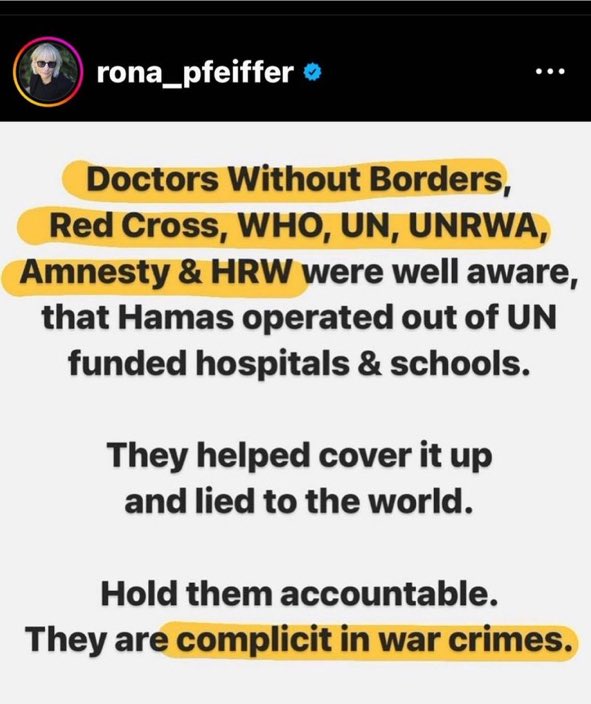
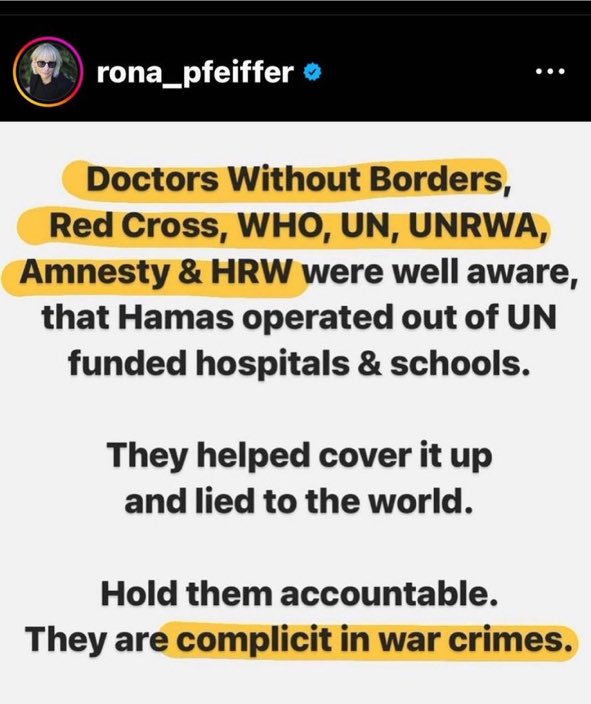
david barratt retweeted

All of these brilliant doctors and brain surgeons are currently making their way from Afghanistan to England.
Coming to an HMO near you?
657
1,179
5,713
164,798
david barratt retweeted

One of the most important videos you will see this year. Please share
⚠️ Extremely important testimony.
In this interrogation, Hamas operative Anas Muhammad Faiz Al-Sharif openly admits that he worked at Kamal Adwan HOSPITAL while serving in the Al-Qassam Brigades.
He details how Hamas, Palestinian Islamic Jihad, and other groups used the hospital as a base, storing and transporting weapons (AK-47s, pistols, grenades, mortars), conducting observation and patrols, and moving equipment in and out at night.
They chose it precisely because it was filled with civilians and patients, believing it provided a “safe haven” that the Israeli military could not directly target.
This is Hamas’s own words on systematically embedding military operations inside civilian hospitals. Not speculation. Not propaganda. A direct confession.
Hospitals are not supposed to be weapon depots or command centers. For three years we’ve heard the UN, propagandists, the media, fake NGOs, and politicians, scream about Israel hitting hospitals.
The propagandists denied hospitals were ever used. They denied any weapons were inside.
THEY LIED!!
24
742
1,458
17,110
david barratt retweeted

Today a group of Muslims prayed next to the Ministry of Defence, facing the Iraq and Afghanistan memorial.
As I have said before, choosing to pray in this way in public is a political act. It is a social statement and, yes, it is an act of domination.
Anybody who understands Islamism understands that the domination of public spaces is part of the modus operandi. It is done so Islamists can show who is in charge - and to show other Muslims and the wider public that the authorities will bend to their will.
There is quite obviously no need to pray here. The decision to do so is symbolic and pointed.
It is not welcome. We have freedom of religion in this country, which is why there are mosques. But we are not a Muslim country and this is not welcome. It should be stopped.
919
3,402
16,373
772,878
david barratt retweeted

Hey Brits. A question. Whatever your identity - when you go to an event, do you just walk in?
This 96 second video is not exciting.
It is the depressing reality of Jewish life in the UK in 2026.
Walking to an event in a synagogue - behind a mountain of security.
49
191
1,090
30,551
david barratt retweeted

He is Hussein Abd Sabbagh alias Jihad Ali.
He killed 4 Israelis including a 4 year old boy.
He raped a 7 year old Christian girl till death.
He changed his identity and became a carpenter.
But Mossad was searching for him.
He has been eliminated in a targeted strike of IDF.
1,008
5,472
30,448
401,895
david barratt retweeted

Jun 14
In Brighton, a few fascists made it to a pub beside the train station. It was surrounded by the people of Brighton, who made it clear:
"This is what community looks like."
Fantastic work Brighton 👏✊
1,173
693
4,783
211,074

Powerful from Isabel Oakeshott.
She has torn into Restore Britain and their thug ethno-nationalist supporters for the vile online abuse aimed at women who don't support them.
Rival parties and competition are fine, but the issue runs from the top right down to activists using threats and aggressive canvassing behaviour.
@talktv @IsabelOakeshott
66
192
553
18,830
david barratt retweeted
Dear @SadiqKhan
Last month in London there was an event selling property in Northern Cyprus - which is illegally occupied.
Can you point me to your post condemning it?
It is important we show everyone you are not an antisemite and your problem is not with Jews and Israel.

51
583
1,637
17,753
david barratt retweeted

This is the most important study of Reform’s supporters to date — by Sir John Curtice.
It blows apart lazy narratives in Westminster.
They aren’t just political protestors or the economically “left behind”.
They know exactly what they want.
mattgoodwin.org/p/the-most-i…
43
215
570
10,489
david barratt retweeted

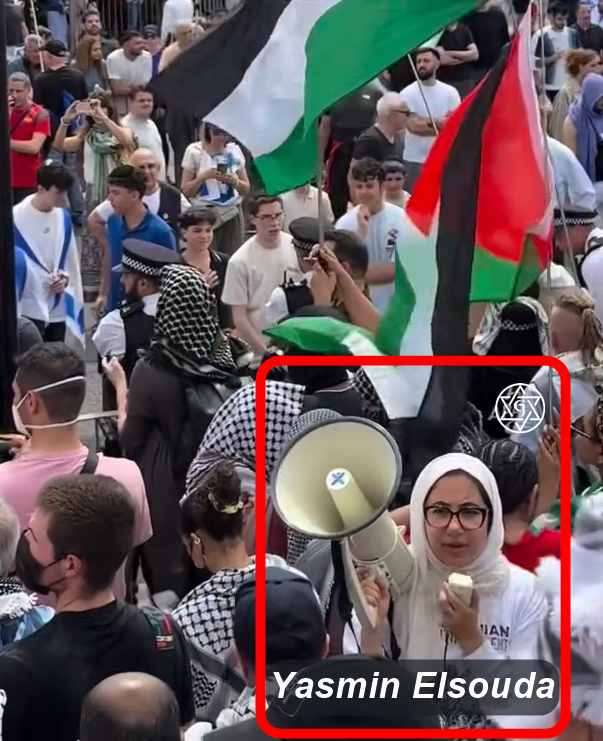
Spotted in Edgware yesterday: Yasmin Elsouda, coordinator of the British branch of the PFLP-linked Palestinian Youth Movement (PYM). In this footage, she led chants, including “Hurriyeh hurriyeh, Falasteen Arabiya” (“Liberation, liberation; Palestine is Arab”).
We guess they didn’t get the memo about “Palestine”: “It doesn’t exist.”
12
66
209
5,358
david barratt retweeted

There are so many people just standing around, filming or doing nothing as @YoungBobRB is brutally beaten up in the street. What have we become?
1,360
2,390
10,668
320,504
david barratt retweeted
Watch the brutality.
This is Hamas ruling Gaza
⚠️ WARNING: GRAPHIC
Armed thugs openly beating and chasing civilians through a crowded market while a crowd stands and watches like it’s a show. They strike people to the ground, terrorize families and children, and spread raw fear among their own population.
This is everyday life under Hamas. Not defense. Not resistance. Just savage internal repression to keep power.
And this is exactly what much of the world marches for when they chant “From the river to the sea” and wave Palestinian flags. They are cheering on the regime that does this to its own people.
The masks are off. This is the reality.
70
548
914
14,282
david barratt retweeted

The French are now actively assisting illegals to come to Britain
60
276
968
12,299
david barratt retweeted

16h
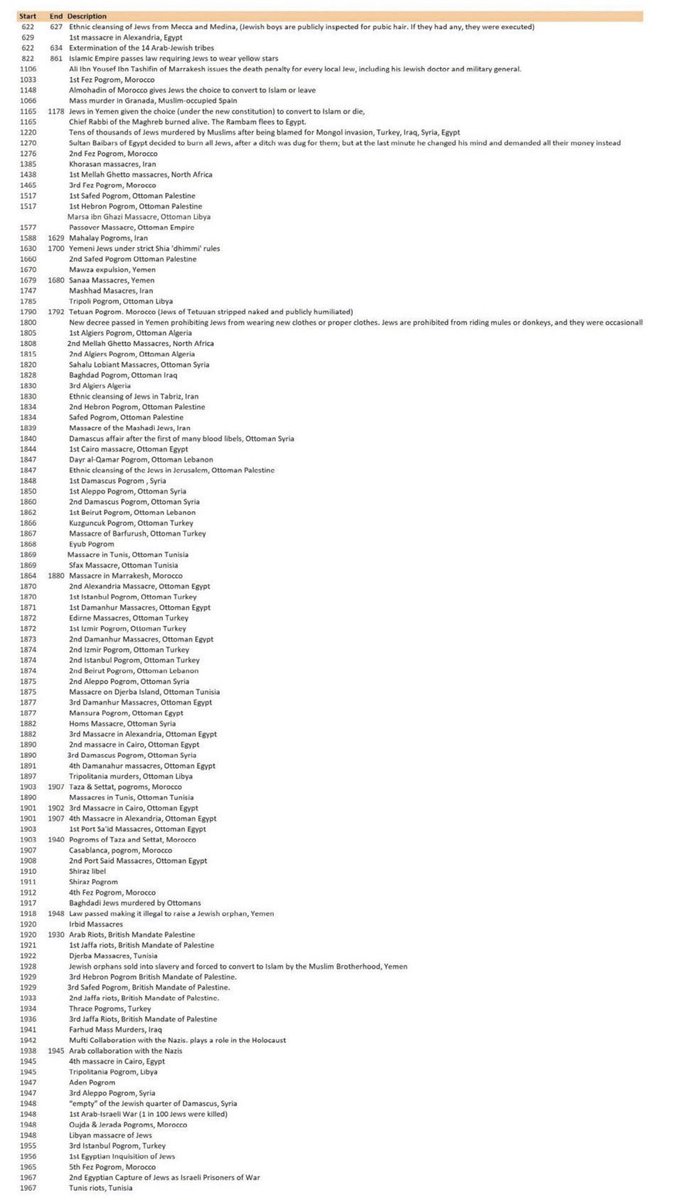
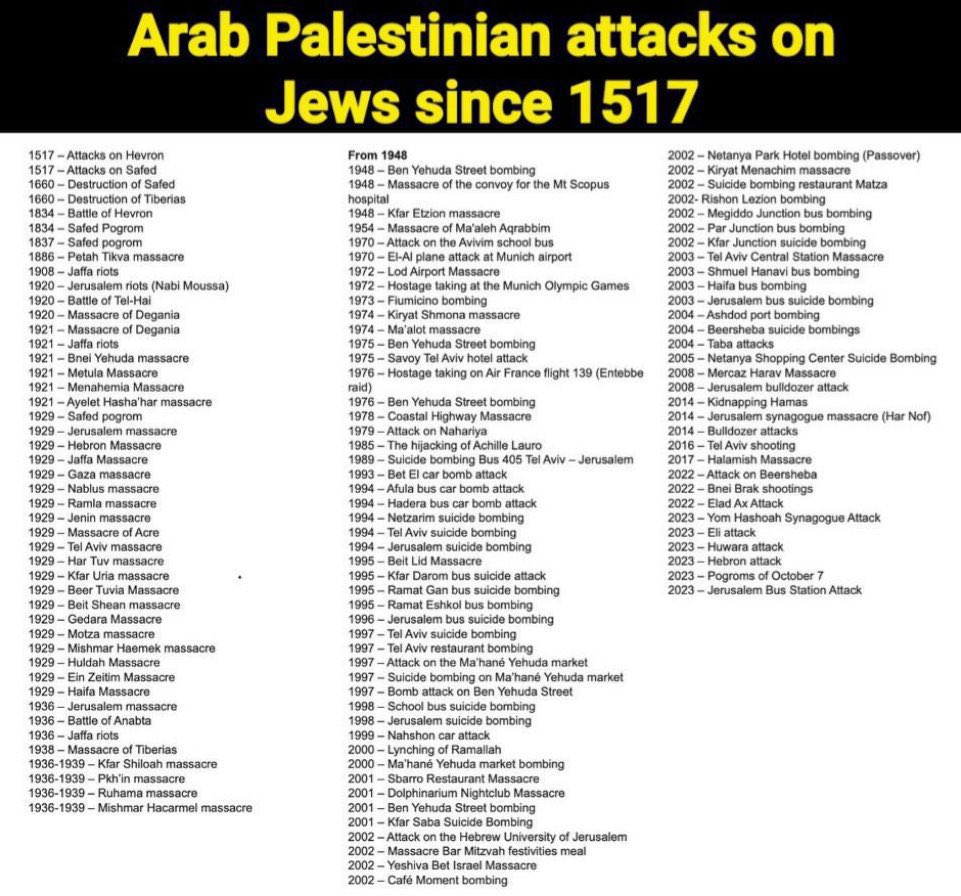
No you’re right it didn’t start on October 7th.
Here’s a list of all massacres perpetrated by the Arabs against the Jews in the Middle East since 622 AD to present day.
“Palestine” is about trying to wipe out the Jews. Plain and simple.
Don’t forget to bookmark this.
53
741
1,639
16,313
david barratt retweeted

This man who (incredibly) is still trying to cover up the ongoing mass rape of English girls by Muslims wants us to believe that he cares about children’s safety.
362
4,324
21,764
195,732
david barratt retweeted

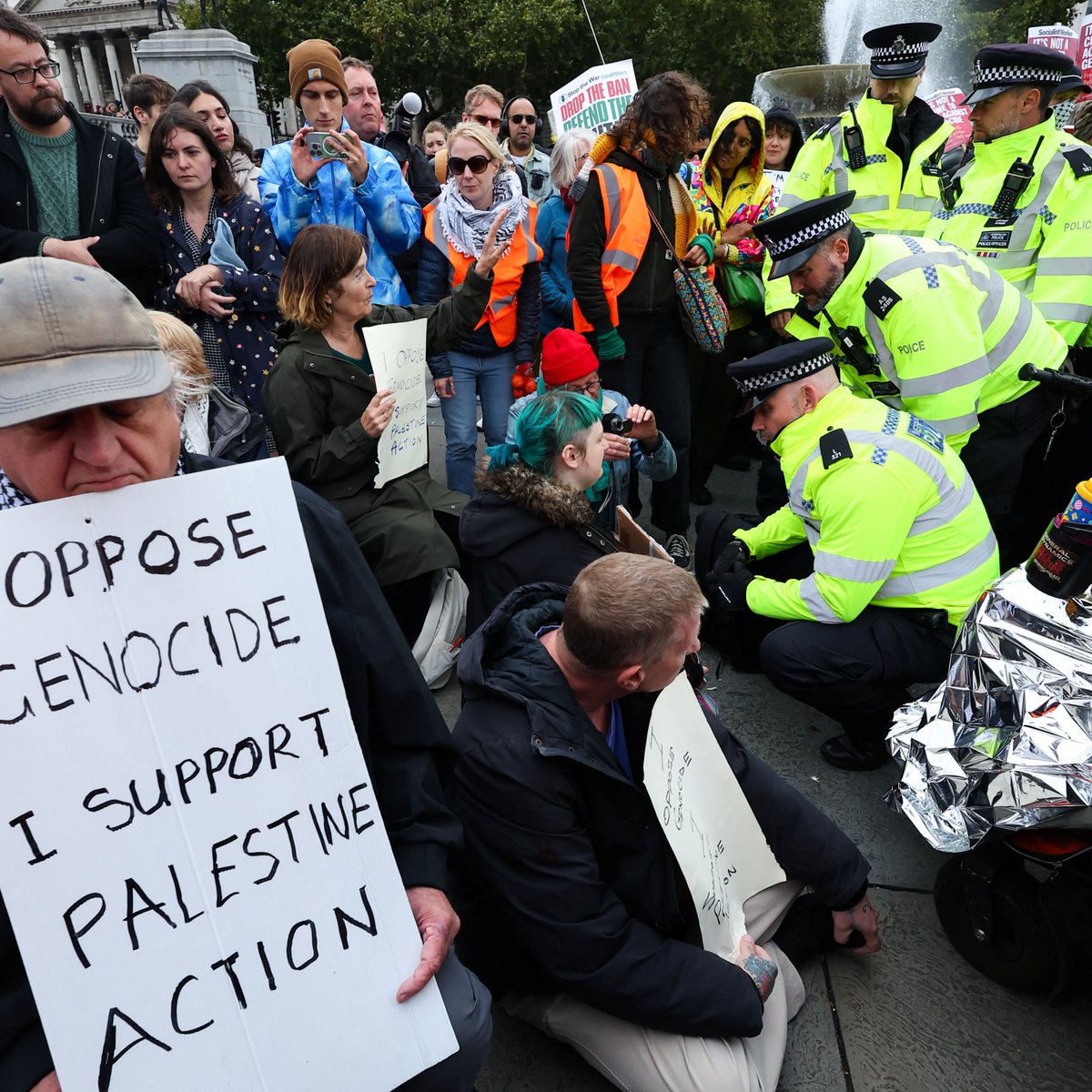
All these people have likely been arrested multiple times for supporting terrorist group Palestine Action. They are either utterly deluded or so insulated in privilege that they think they’re above the law.
20
79
426
5,357

I never thought I’d disagree with @RupertLowe10 and @BackBrexitBen, I’ve always respected them and was sad when they left Reform.
But if they champion a win for Andy Burnham in Makerfield then they are capable of doing it up and down the country, campaigning not to win, but to just stand in the way of a win for Reform.
Restore will not win on this election cycle and Rupert is too old to run at the next election, the Prime Minister you are hoping for will be 77 years old if he ever comes to power.
Let’s be sensible and stick with Reform, they have a realistic chance. 👍

395
704
2,428
58,267
david barratt retweeted

The British police are out of control. Its them that need arresting!
3 officers kicking, punching & hitting a man with metal handcuffs is out of order. Shame on you!
455
3,624
9,836
95,362
david barratt retweeted

Jun 14
Why the hell is Israel the only country on Earth expected to sit and take thousands of rockets fired at its cities by terrorists, while the world screams at it for fighting back?
Has everyone lost their goddamn minds?
1,004
1,648
10,446
102,471
david barratt retweeted

The Court Of Appeal Got This One Right. Palestine Action Is A Proscribed Terrorist Organisation. The Ban Stands.
Five senior judges have ruled what should never have been in doubt. The Government's decision to proscribe Palestine Action under the Terrorism Act was lawful. The High Court's February ruling that it was disproportionate has been overturned. The ban stands.
It is worth recalling what got Palestine Action proscribed in the first place. In June 2025 activists broke into RAF Brize Norton and damaged military aircraft with spray paint, an act the Government assessed as causing serious harm to national security. That followed a sustained campaign of break-ins, criminal damage and disruption at defence and industrial sites going back to 2020. Even the High Court judges who ruled the ban disproportionate conceded, in their own words, that a very small number of the group's actions had amounted to terrorist action under the legal definition. Shabana Mahmood put it more plainly. The court acknowledged that Palestine Action has carried out acts of terrorism, celebrated those who carried them out, and promoted the use of violence. That was the High Court's own finding, in the same ruling that called the ban disproportionate.
The proscription was endorsed by Parliament. It followed what the Home Secretary described as a rigorous and evidence-based process. The High Court's objection was not that the underlying conduct was acceptable. It was that the Home Secretary, in the judges' view, had not properly followed her own departmental policy in reaching the decision. A procedural finding was used to try to unwind a substantive judgement that the conduct itself met the threshold for terrorism.
In the months between proscription and this ruling, over 1,600 arrests were made linked to support for the group. Four activists, convicted by a jury of criminal damage, were sentenced as terrorists, a sentencing decision that drew an open letter from more than fifty lawyers and academics objecting to the label. Throughout that period the ban remained legally contested, with protesters outside the Royal Courts of Justice holding placards reading "I'm not a terrorist" while the organisation they supported had already been found, even by the judges who ruled against the Government, to have engaged in terrorist action.
This matters beyond Palestine Action itself. The same week this ruling landed, a Shia cleric with an open paper trail of mourning Hezbollah fighters and glorifying the IRGC walked back into Britain unchallenged, his case sitting in a queue marked "under review." Meanwhile a group that broke into an RAF base and damaged military aircraft came within one judgment of having its terrorist designation quashed entirely, on the basis that the Home Secretary's paperwork had not been completed to the court's satisfaction.
The Court of Appeal has now corrected that. Breaking into a military airbase and disabling aircraft with the explicit aim of disrupting Britain's defence capability is not protest. It is not civil disobedience in the tradition of the causes its supporters like to invoke. It is, in the law's own words, terrorist action. Five judges have now said so unambiguously, and said that the Home Secretary was entitled to act on it.
The law has occasionally been used as a shield for things that plainly should not be shielded. Today it was used correctly. The distinction between a protest movement and a proscribed terrorist organisation is not a technicality, it is the line the Court of Appeal has just redrawn where it always should have been.
"In the months between proscription and this ruling, over 1,600 arrests were made linked to support for the group."
12
127
325
6,425