
3,439 Photos and videos






Pinned Tweet

10 Jan 2021
Please subscribe my YouTube channel: bit.ly/2DWogkJ
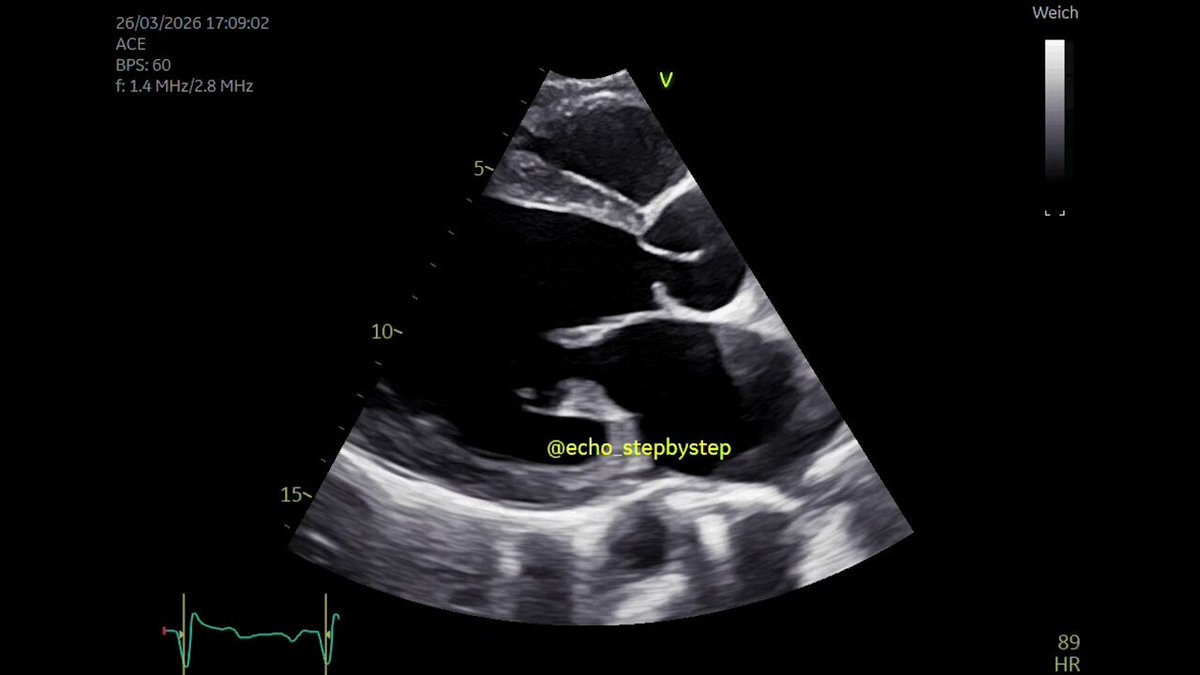
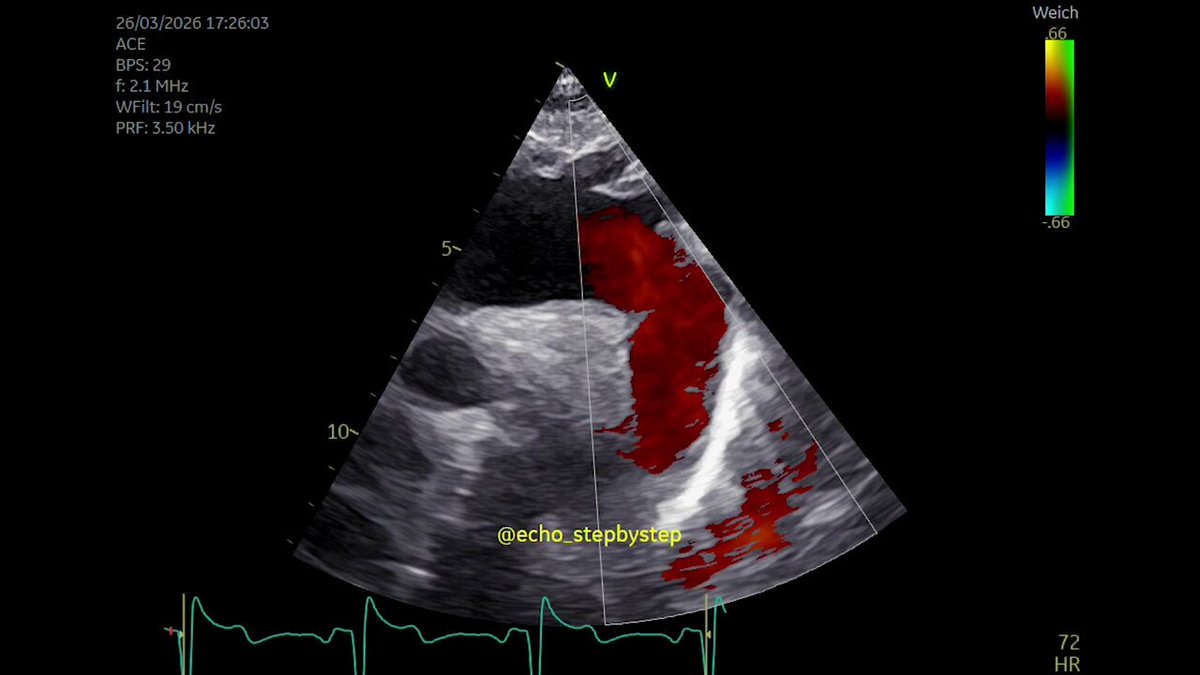
I would like to present my project (echocardiography step by step®). With my project, I want to take you into the world of echocardiography through the prism of my experience.
7
37
185
Vladyslav Kavalerchyk 🇺🇦 retweeted

#EHJCVI 🫀 More cancer survivors = more CV risk focus. Cardiac imaging must be tailored to unique clinical circumstances and individual patient characteristics. Don't overlook PAD in baseline assessments❗ #CardioOncology 👉 doi.org/10.1093/ehjci/jeag10…
2
5
77
Vladyslav Kavalerchyk 🇺🇦 retweeted

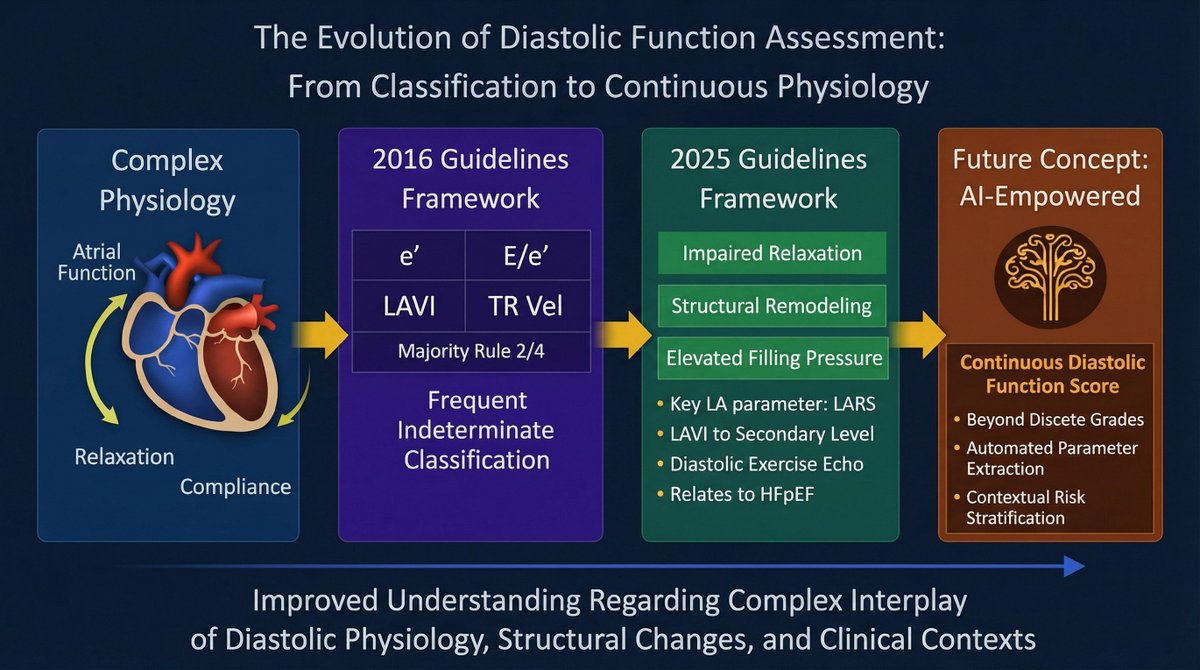
Assessment of left ventricular diastolic function remains one of the most persistent challenges in echocardiography.
Read our @JournalASEcho article, "Reframing Diastolic Function: From Classification to Continuous Physiology." bit.ly/4xrrH8U
3
30
77
3,786
Vladyslav Kavalerchyk 🇺🇦 retweeted
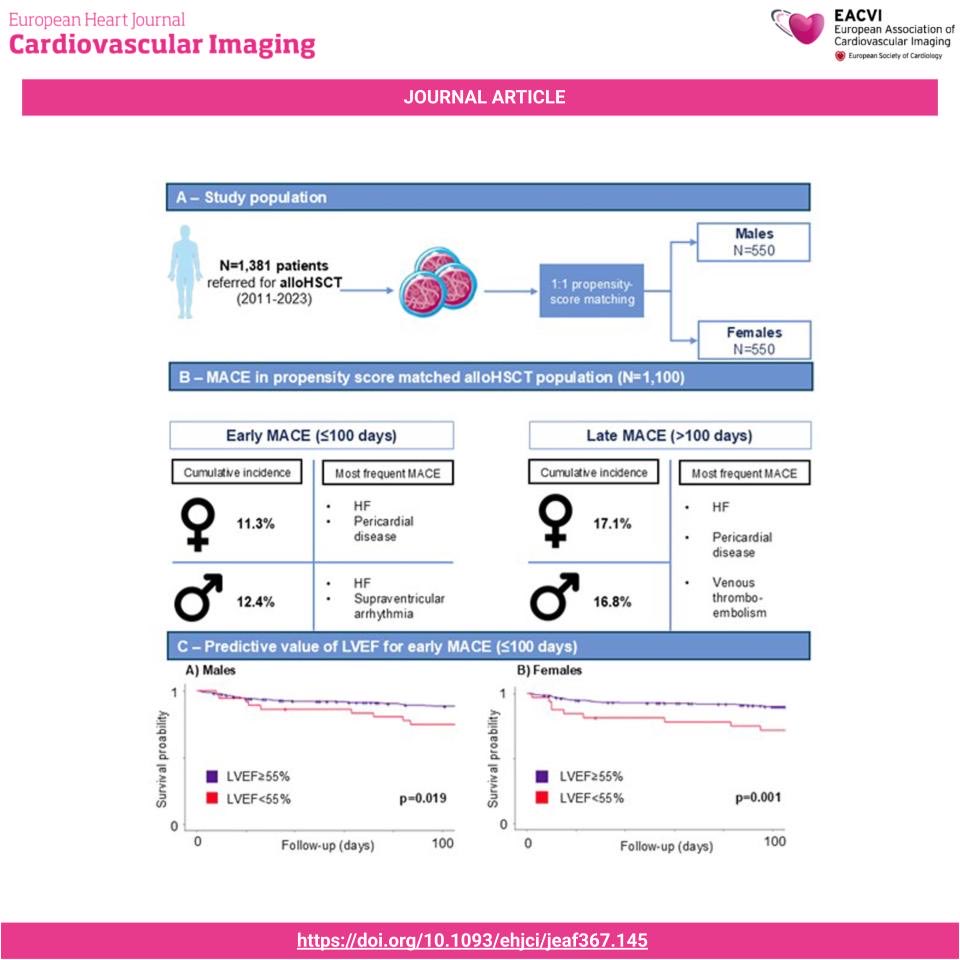
#EHJCVI 🫀 Sex differences in alloHSCT outcomes: same MACE, but rLVEF independent predictor of early MACE ONLY in females. ♀️HF & pericardial disease ♂️HF & SVT ⏳TIME for sex-specific risk stratification. Read more 👉 doi.org/10.1093/ehjci/jeaf36… #CardioOncology
4
6
928
Vladyslav Kavalerchyk 🇺🇦 retweeted

Jun 11
Don’t miss this Opportunity
#echofirst finest masterclass
Online or also onsite
Sunday 28.06.2026
echokardiographie-leipzig.de…
Jun 8

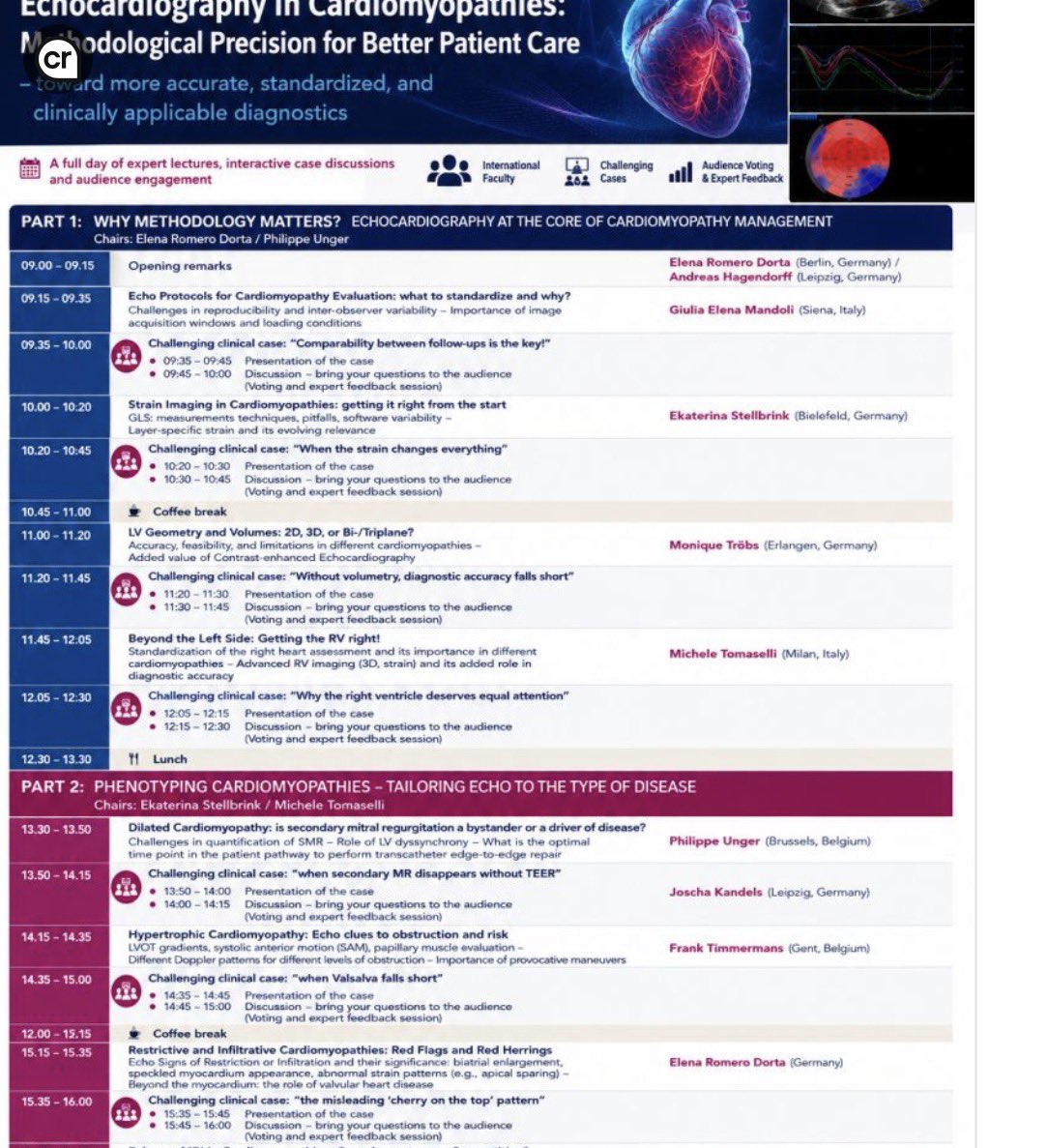
🌟 The International Highlight of the German Echocardiography Congress 2026 🌟
Dear #echofirst Enthusiasts,
We are delighted to invite you to what will undoubtedly be one of the highlights of this year’s congress: an outstanding international symposium bringing together renowned experts in cardiovascular imaging from across Europe.
A special thank you to @eromerodorta, whose initiative made this unique collaboration possible.
📅 29 June 2026
🌍 AG5/DGK meets EACVI (European Association of Cardiovascular Imaging)
🎓 Teaching Course & Masterclass
✅ Officially Endorsed by the EACVI
This exclusive session will provide state-of-the-art education, practical insights, and expert perspectives from internationally recognized faculty:
🔹 @PhilippeUnger
🔹 @DrGEMandoli
🔹 @StellEkaterina
🔹 @DrTrobs
🔹 @michetomaselli
🔹 #JoschaKandels
🔹 @echo_batman
🔹#RubénFernándezGalera
1
4
11
2,709
Vladyslav Kavalerchyk 🇺🇦 retweeted

Jun 11
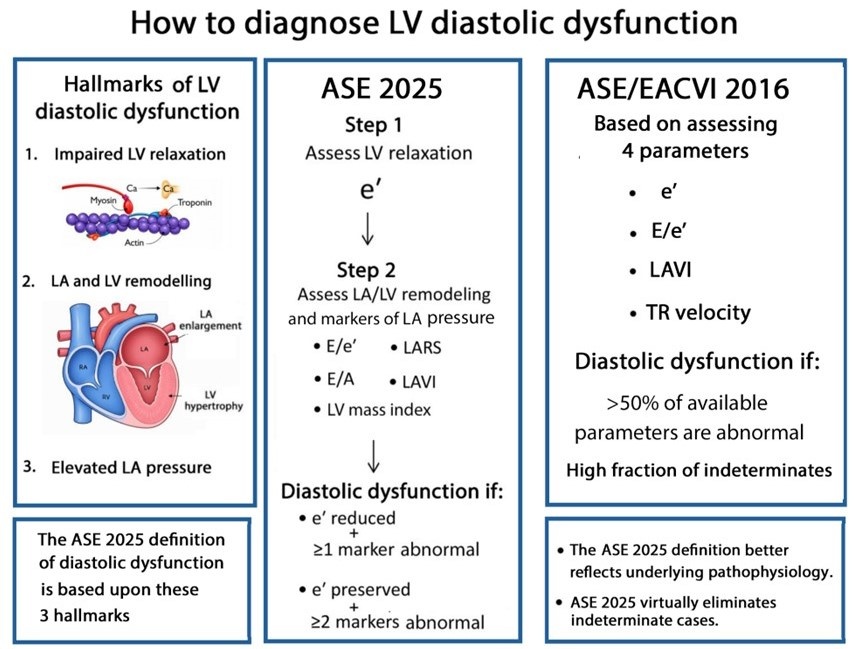
Most echocardiography laboratories have adopted the 2016 diastolic guidelines. With the release of the 2025 update, an important question arises:
What are the key conceptual differences between the 2016 and 2025 approaches to diagnosing diastolic dysfunction?
academic.oup.com/ehjcimaging…
@JGrapsa
12
82
250
16,657
Vladyslav Kavalerchyk 🇺🇦 retweeted
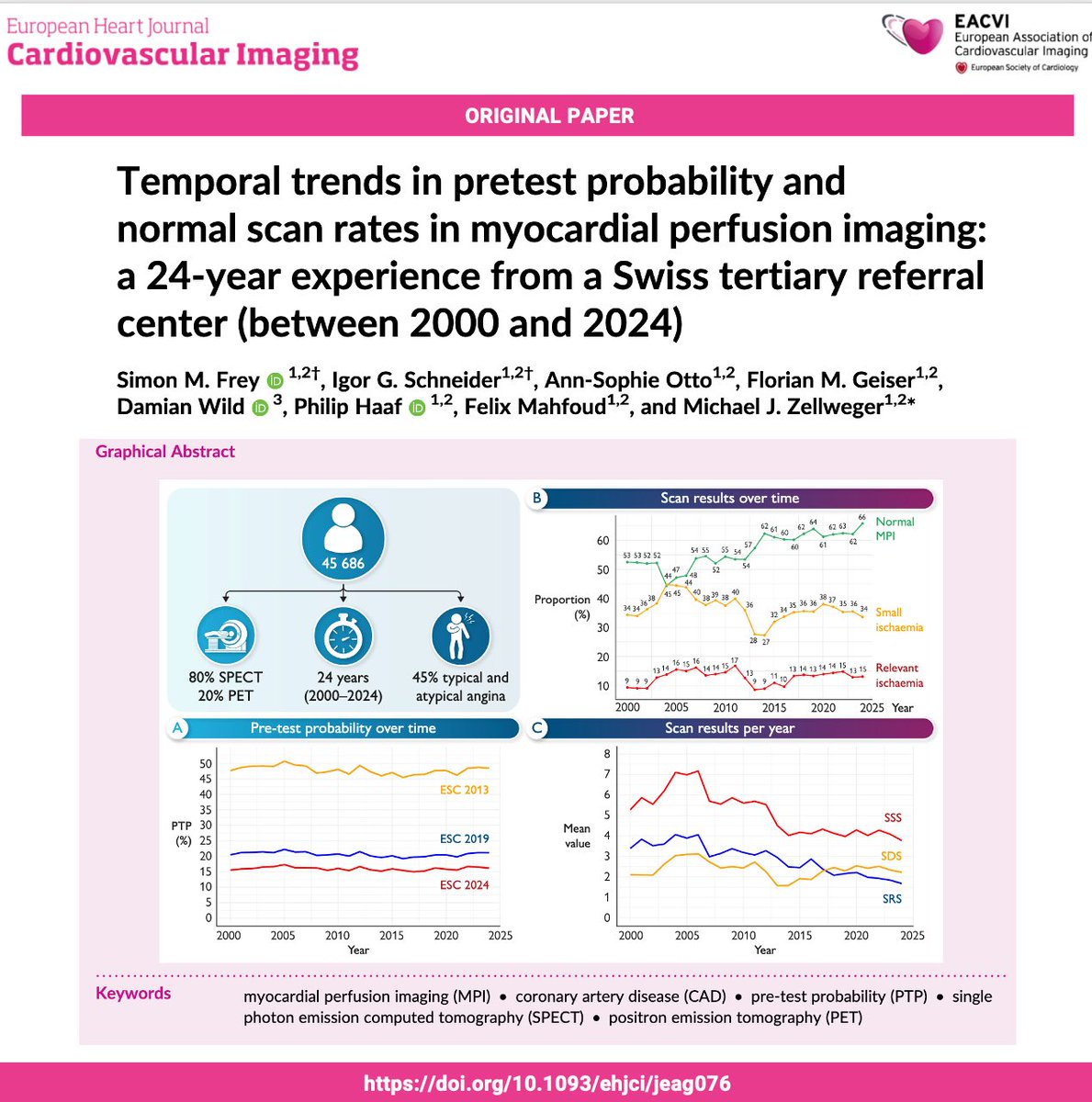
#EHJCVI 🫀| Over 24 years, normal myocardial perfusion imaging scans #CVNuc increased (53% -> 66%) at a Swiss tertiary center. Read more about possible reasons why 👉 doi.org/10.1093/ehjci/jeag07…
5
10
560
Vladyslav Kavalerchyk 🇺🇦 retweeted
Jun 9
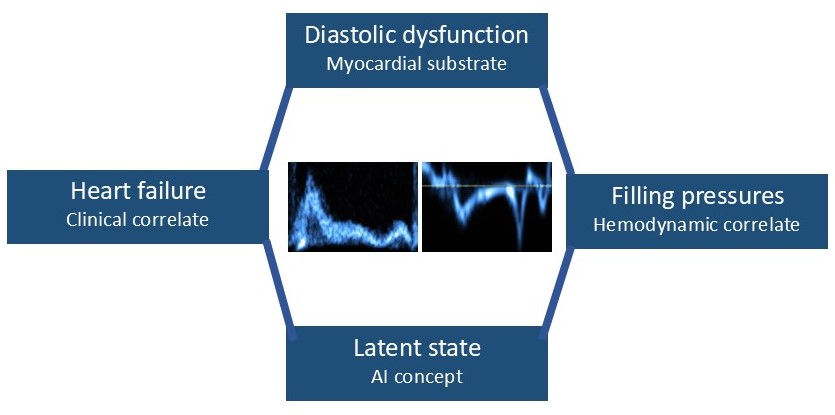
Assessment of diastolic dysfunction remains one of the most challenging areas in echocardiography. Our new manuscript highlights key challenges, practical solutions, and common misconceptions in diastolic function evaluation.
academic.oup.com/ehjcimaging…
One of the central concepts is the “diastolic dysfunction framework,” which places the traditional echocardiographic definition of diastolic dysfunction into a broader clinical and pathophysiologic context.
@JGrapsa @EHJCVIEiC
4
35
103
6,204
Vladyslav Kavalerchyk 🇺🇦 retweeted

#echofirst
✅ For all those who like 3D echo- how was this 3DE acquired & what does it show?
@iamritu
@argulian
@NMerke
@echo_batman
@alex1708ander
@DavidWienerMD
@PWesslyMD
@Hragy
@DrRajeshG1
@KemalogluOz
@BryanTanMD
8
8
33
2,601
Vladyslav Kavalerchyk 🇺🇦 retweeted
Jun 8
🌟 The International Highlight of the German Echocardiography Congress 2026 🌟
Dear #echofirst Enthusiasts,
We are delighted to invite you to what will undoubtedly be one of the highlights of this year’s congress: an outstanding international symposium bringing together renowned experts in cardiovascular imaging from across Europe.
A special thank you to @eromerodorta, whose initiative made this unique collaboration possible.
📅 29 June 2026
🌍 AG5/DGK meets EACVI (European Association of Cardiovascular Imaging)
🎓 Teaching Course & Masterclass
✅ Officially Endorsed by the EACVI
This exclusive session will provide state-of-the-art education, practical insights, and expert perspectives from internationally recognized faculty:
🔹 @PhilippeUnger
🔹 @DrGEMandoli
🔹 @StellEkaterina
🔹 @DrTrobs
🔹 @michetomaselli
🔹 #JoschaKandels
🔹 @echo_batman
🔹#RubénFernándezGalera
2
8
19
3,969
Vladyslav Kavalerchyk 🇺🇦 retweeted

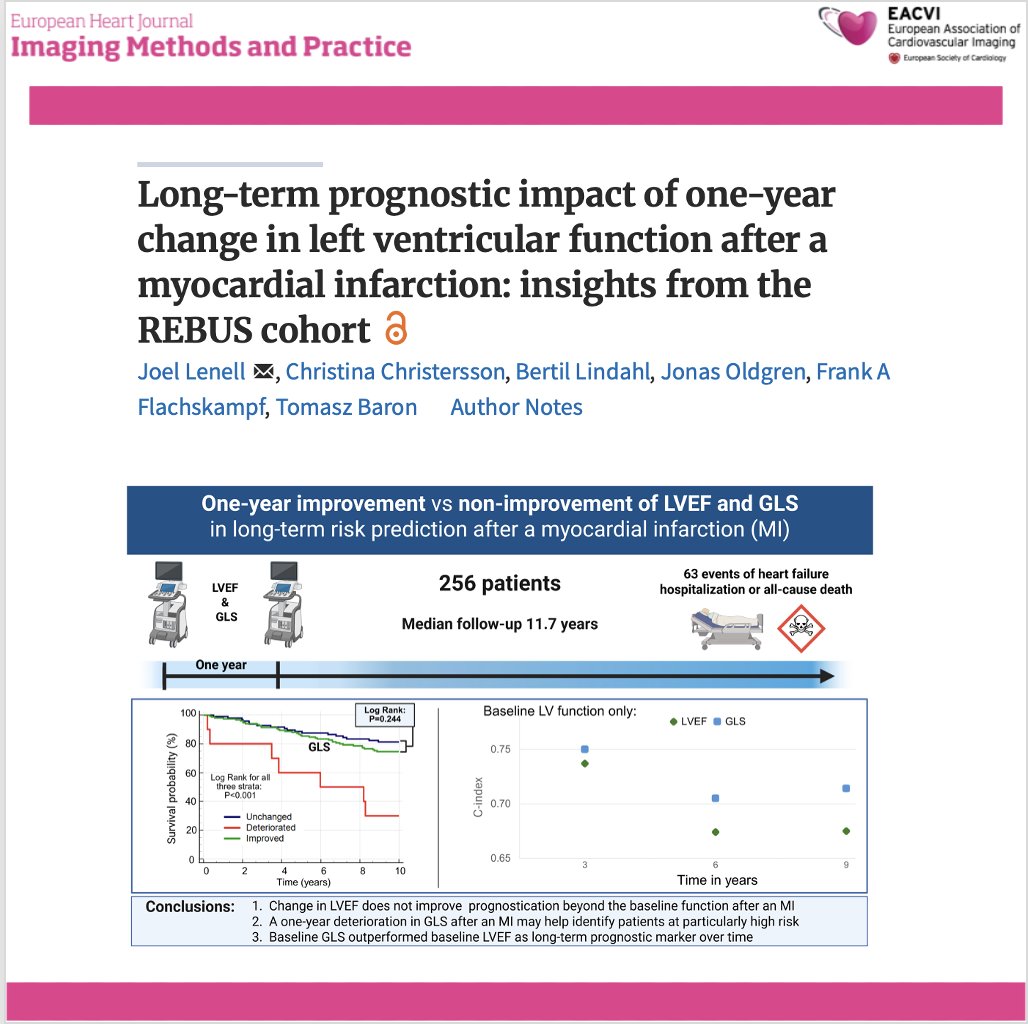
📄 Does improvement in LV function after MI really matter for long-term prognosis?
🔗 doi.org/10.1093/ehjimp/qyag0…
🫀 In the modern era of early revascularization and optimal medical therapy, most patients survive myocardial infarction with preserved or near-normal LV function.
👉 But one key question remains:
Is it still useful to reassess LV function after 1 year?
🔍 This study from the REBUS cohort (n = 256) explores the long-term prognostic value of changes in:
✔ LVEF
✔ Global Longitudinal Strain (GLS)
📅 Follow-up: ~12 years
🎯 Endpoint: HF hospitalization or all-cause death
📊 Key findings:
❌ Improvement in LVEF or GLS at 1 year
➡️ Did NOT improve long-term risk prediction
⚠️ Deterioration in GLS
➡️ Strongly associated with worse outcomes
➡️ HR ~5.6 for HF/death
💡 Baseline GLS outperformed LVEF
➡️ Better long-term prognostic accuracy
🧠 Important insight:
👉 Not all recovery is equal
➡️ Improvement may reflect:
✔ Resolution of myocardial stunning
✔ Not necessarily true prognostic benefit
👉 While deterioration in GLS may signal:
❗ Ongoing myocardial damage
❗ Higher long-term risk
📈 The graphical abstract (page 2) clearly shows:
✔ No added value of LVEF change over time
✔ Strong separation of outcomes with GLS deterioration
🚀 Clinical implications:
👉 Focus on:
✔ Baseline GLS for risk stratification
✔ Identifying patients with worsening GLS
👉 Routine “recovery” of EF alone:
❌ May not be enough for prognostic decision-making
⚠️ Take-home message:
🧩 GLS is not just a nicer number than EF—
it may be the key to long-term risk after MI.
#Cardiology #Echocardiography #GLS #MyocardialInfarction #HeartFailure #CardiacImaging #StrainImaging #EvidenceBasedMedicine 🫀📊
1
18
36
2,561
Vladyslav Kavalerchyk 🇺🇦 retweeted

Next-level scary #echofirst 🦠 Enterococcus faecalis in the blood🩸culture 👉 underwent double valve replacement @NephroP
@iamritu @CASivaram1 @NMerke @OungSavly @StellEkaterina @alexsfelixecho @KemalogluOz @echo_stepbystep
Jun 6

Interesting and scary #echofirst image (TEE)
A case of infective endocarditis caused by Tropheryma whipplei.
#POCUS #FOAMed
From 🔗 IDCases. 2023;32:e01800. doi: 10.1016/j.idcr.2023.e01800.
5
22
79
12,713
Vladyslav Kavalerchyk 🇺🇦 retweeted
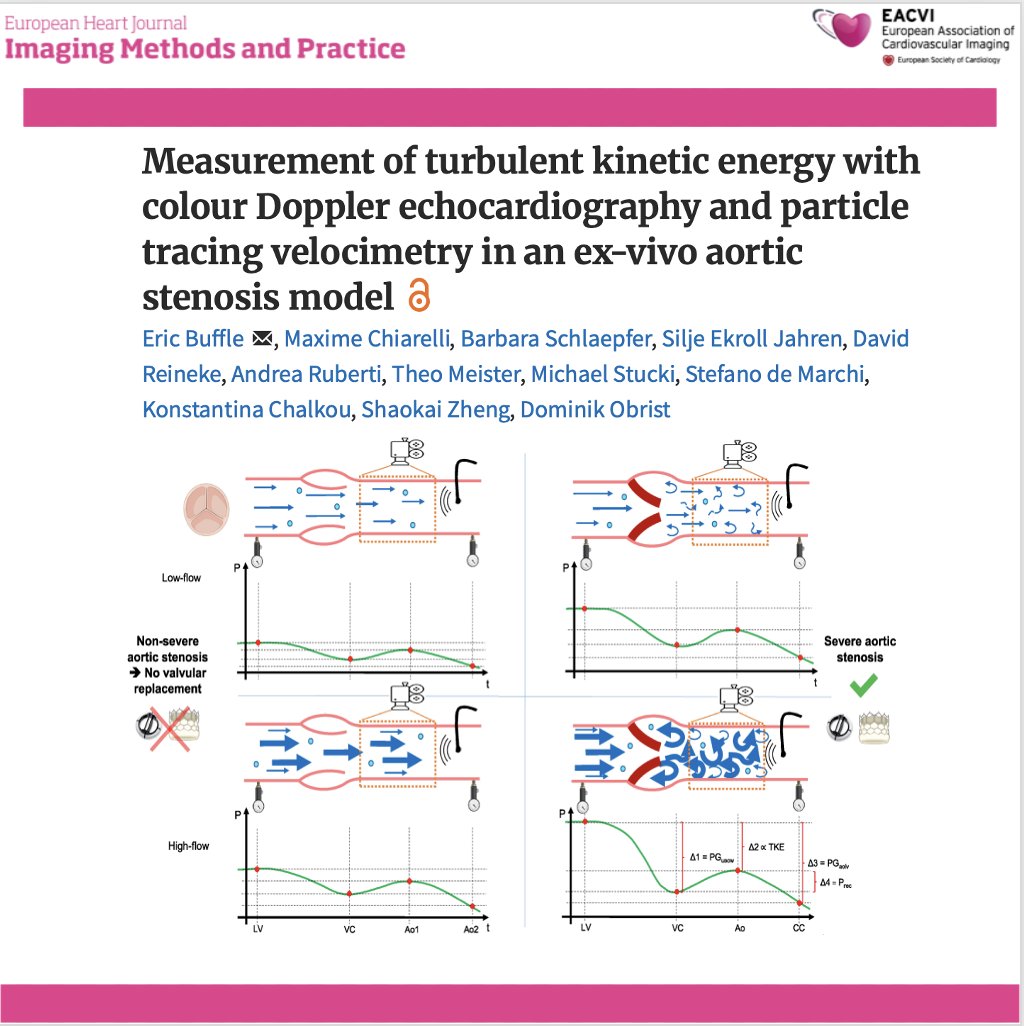
📄 Can turbulence improve how we assess aortic stenosis?
🔗 DOI: doi.org/10.1093/ehjimp/qyaf1…
🫀 Aortic stenosis (AS) grading still relies heavily on pressure gradients…
❗ But gradients are flow-dependent
❗ And can mislead us in low-flow, low-gradient AS
👉 So—are we missing something more fundamental?
✨ This study explores a novel concept:
👉 Turbulent kinetic energy (TKE) as a marker of AS severity
🧠 Why TKE?
➡️ Turbulence downstream of the valve reflects:
✔ Energy loss
✔ Haemodynamic inefficiency
✔ “Wasted work” not contributing to forward flow
👉 Potentially a flow-independent marker
🔬 Study design:
🧪 Ex-vivo model with porcine aortic valves
🔁 Different flow rates: 1 – 4 L/min
⚙️ Three stiffness grades:
SGa → normal
SGb → moderate
SGc → severe
📊 Two methods to measure TKE:
✔ Reference: particle tracking velocimetry
✔ Test: colour Doppler echocardiography
📈 Key findings:
🔥 TKE increased with:
✔ Higher flow
✔ Higher valve stiffness
👉 Both methods:
➡️ Successfully distinguished severe vs non-severe AS
📊 At high flow (4 L/min):
➡️ Severe AS showed gradients ≈ 41 mmHg
💡 The key message:
👉 TKE reflects energy loss, not just velocity
➡️ A completely different dimension of valve haemodynamics
🚀 Clinical implications:
👉 Could help in:
✔ Discordant AS cases
✔ Low-flow, low-gradient AS
✔ Situations where gradients underestimate severity
👉 And importantly:
✔ Can be estimated with standard colour Doppler
⚠️ Limitations:
❗ Ex-vivo model
❗ Needs clinical validation
🚨 Bottom line:
Turbulence (TKE) may become a new, flow-independent marker of aortic stenosis severity—potentially transforming how we assess difficult cases.
#Cardiology #Echocardiography #AorticStenosis #CardiacImaging #Hemodynamics #Innovation #Echo #ValvularHeartDisease #MedTech 🫀📊
23
56
14,449
Vladyslav Kavalerchyk 🇺🇦 retweeted

The large, uncorrected Atrial Septal Defect, more than 40 mm.
Older woman, 65 years old
Images are inverted ❗️
More images ⬆️⬆️⬆️⬆️⬆️
2
8
28
1,233
Vladyslav Kavalerchyk 🇺🇦 retweeted
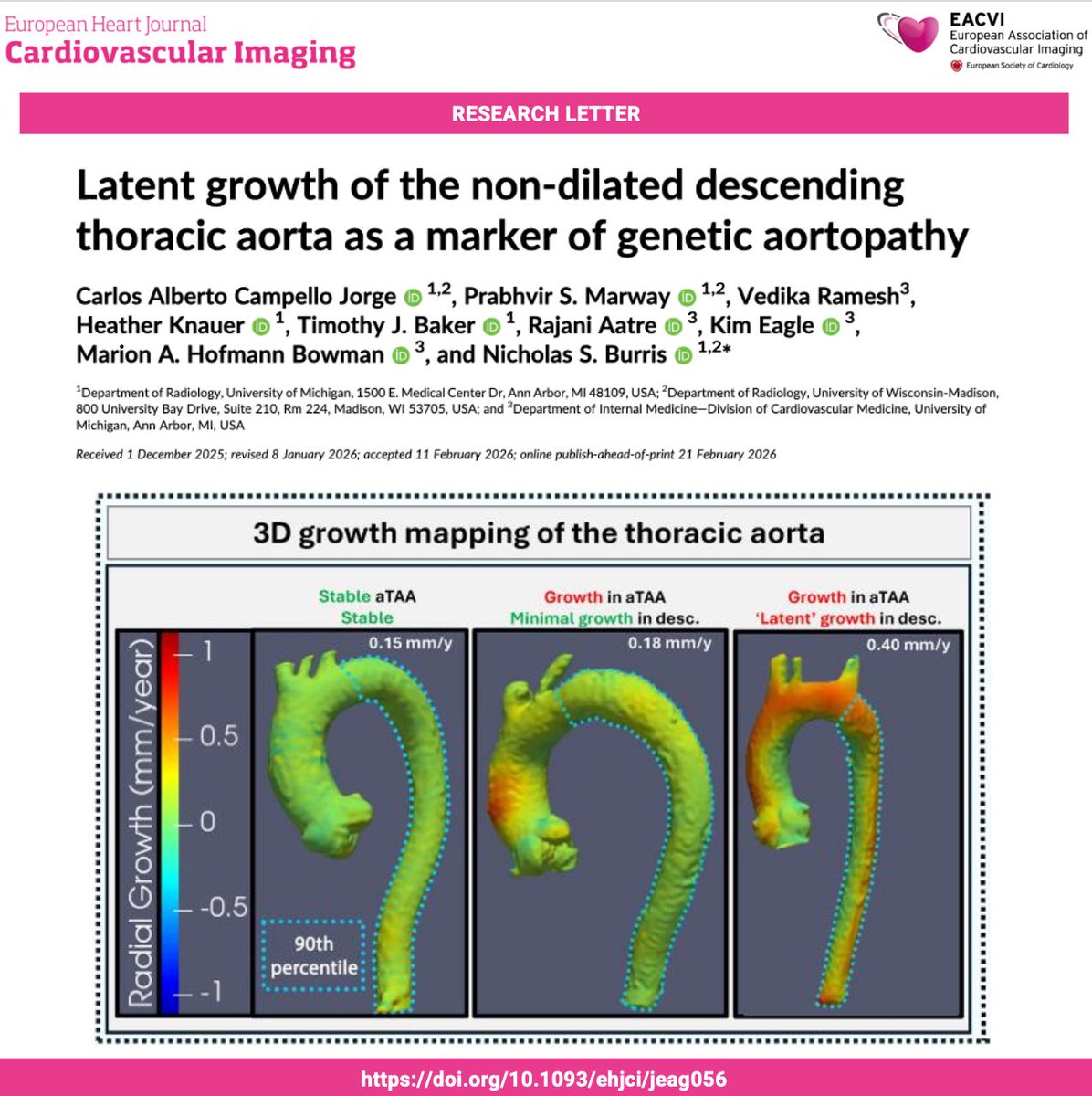
#EHJCVI 🫀| Using vascular deformation mapping on #yesCCT, latent aortic growth in ascending aortic aneurysms may represent an imaging biomarker of diffuse genetic aortopathy. 👉 doi.org/10.1093/ehjci/jeag05…
10
18
1,002
Vladyslav Kavalerchyk 🇺🇦 retweeted

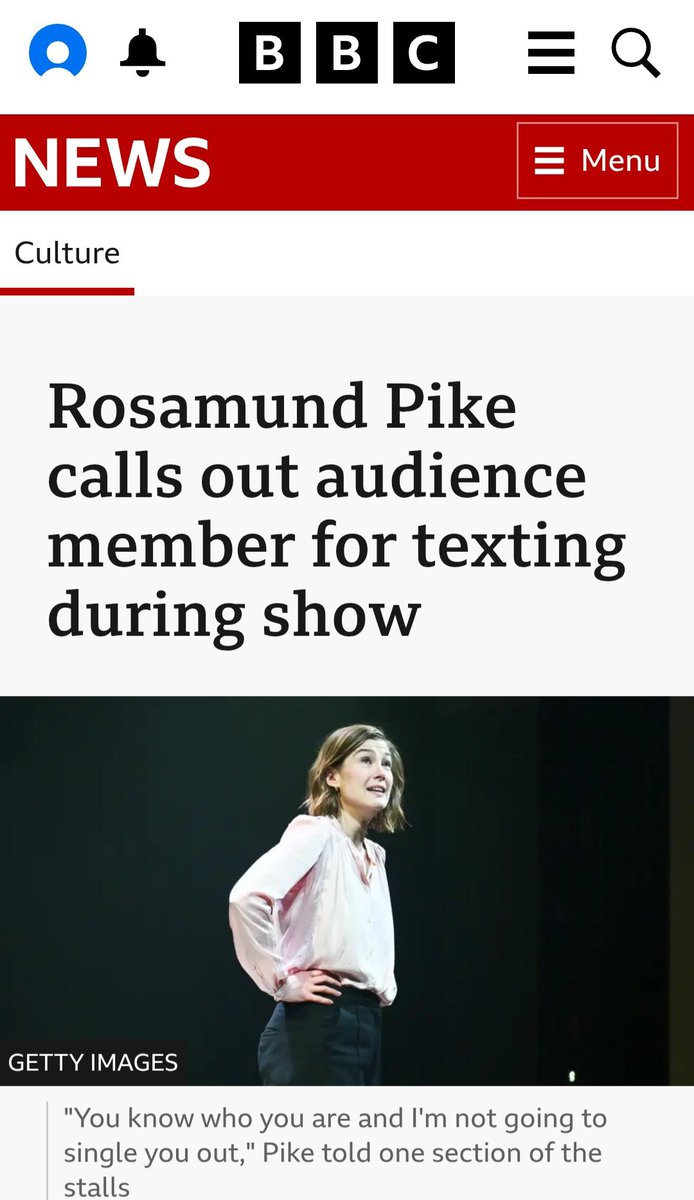
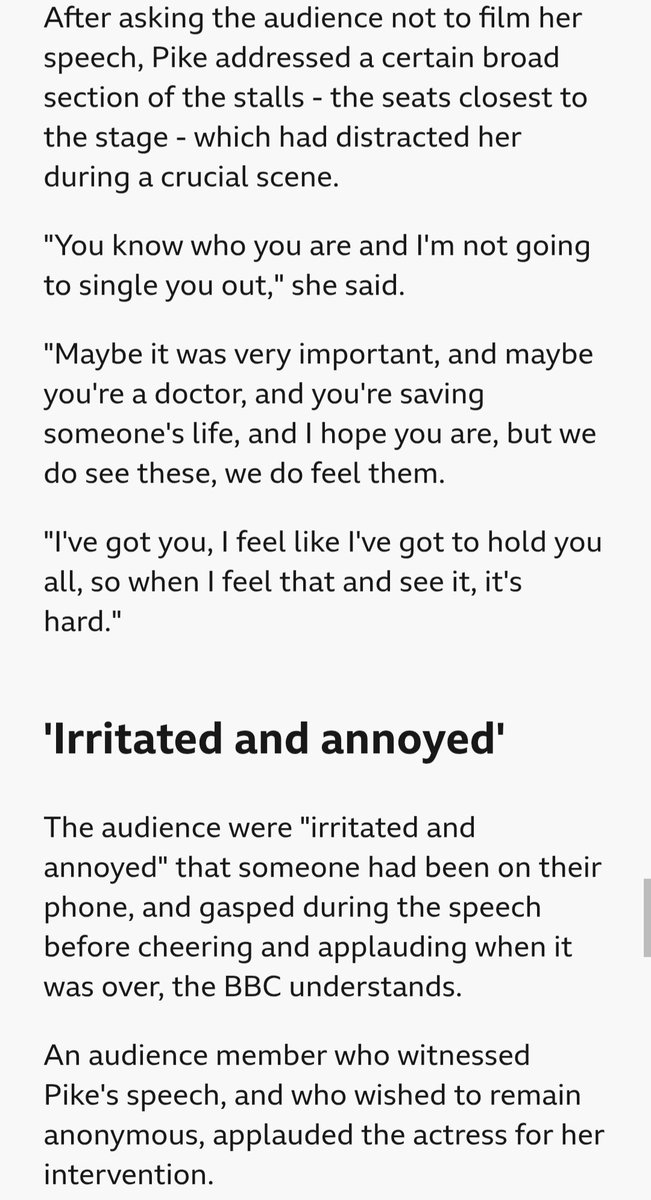
When I saw this it got me thinking about phone use in medical conferences too
At a recent meeting, of 12 people in the FRONT row, 5 were on their mobiles instead of listening to the speaker. 3 were fellow speakers!
When did we become so uninterested? So distracted?
1/3
3
7
28
4,122
Vladyslav Kavalerchyk 🇺🇦 retweeted
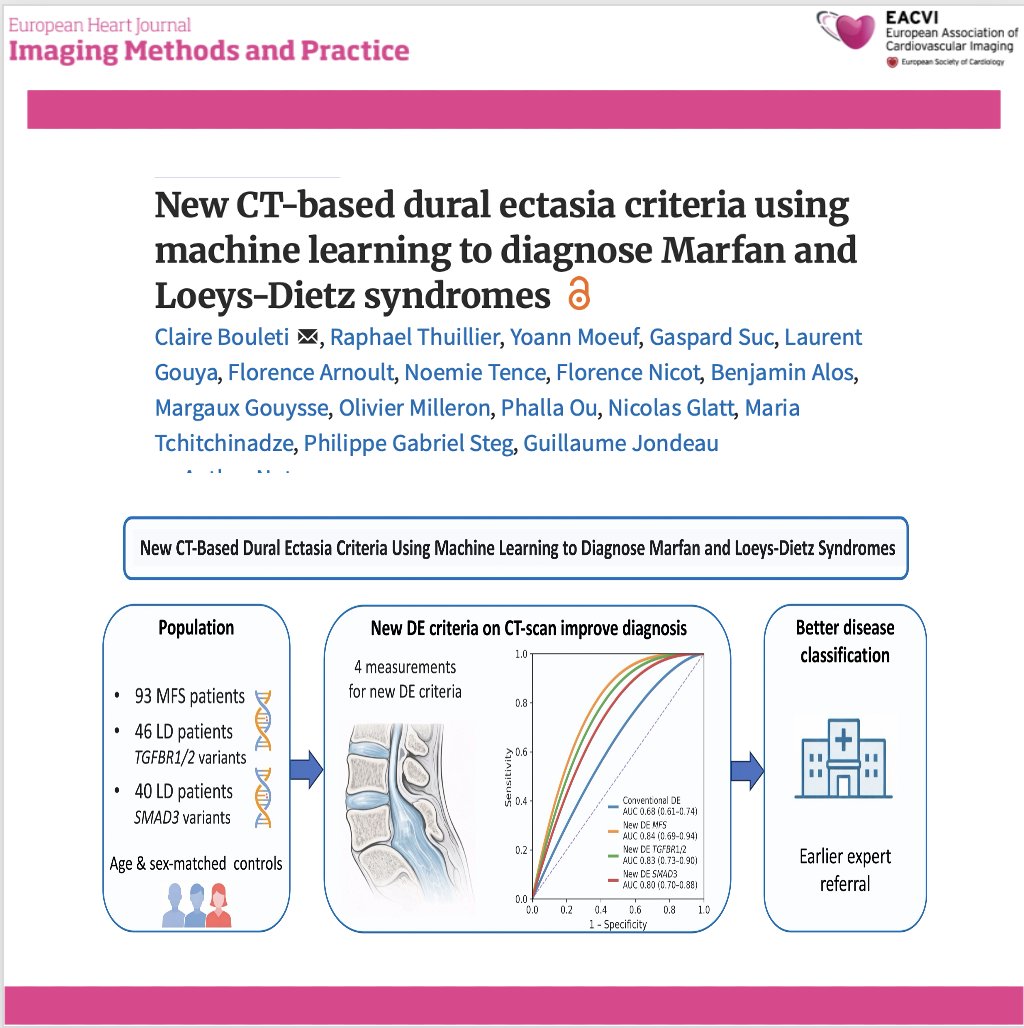
📄 Can CT AI improve the diagnosis of Marfan and Loeys-Dietz syndromes?
🔗 DOI: doi.org/10.1093/ehjimp/qyag0…
🧠 Diagnosing heritable thoracic aortic diseases (HTAD) remains challenging—especially when classical criteria are inconsistent or delayed.
This study introduces a machine learning–based CT approach to redefine dural ectasia (DE) and improve diagnostic accuracy.
✨ Why this matters:
👉 Dural ectasia is part of the Ghent criteria, but:
❗ No standardized definition
❗ Poor specificity
❗ Limited diagnostic value in practice
✨ Study highlights:
📊 Cohort:
93 Marfan patients (FBN1 variants)
Loeys-Dietz cohorts (TGFBR1/2, SMAD3)
Matched controls
🔍 Key innovation:
👉 A machine learning algorithm based on just:
✔ 3 vertebral levels (L1, L2, S1)
✔ 4 simple CT measurements:
Spinal canal diameter
Vertebral scalloping
➡️ Designed for accuracy clinical usability
📈 Results:
🔹 Conventional DE criteria → poor performance
➡️ AUC ≈ 0.68
🔹 New ML-based criteria:
➡️ AUC 0.84 for Marfan
➡️ Accuracy up to 94%
➡️ Outperformed modified Ghent criteria
🔹 Also effective for Loeys-Dietz:
➡️ AUC 0.83 (TGFBR1/2)
➡️ AUC 0.80 (SMAD3)
💡 Clinical implications:
👉 A simple CT scan (already done for aorta evaluation) can now:
✔ Improve early diagnosis
✔ Reduce reliance on delayed genetic testing
✔ Enable earlier referral and management
🚀 Bonus:
👉 A user-friendly online tool provides probability of diagnosis based on CT measurements
🚨 Bottom line:
Machine learning transforms dural ectasia from a weak criterion into a powerful, practical diagnostic tool for Marfan and related syndromes.
#Cardiology #CardiacImaging #CT #ArtificialIntelligence #MarfanSyndrome #LoeysDietz #Aortopathy #PrecisionMedicine #MedicalInnovation 🧠🫀📊
13
16
1,490
Vladyslav Kavalerchyk 🇺🇦 retweeted
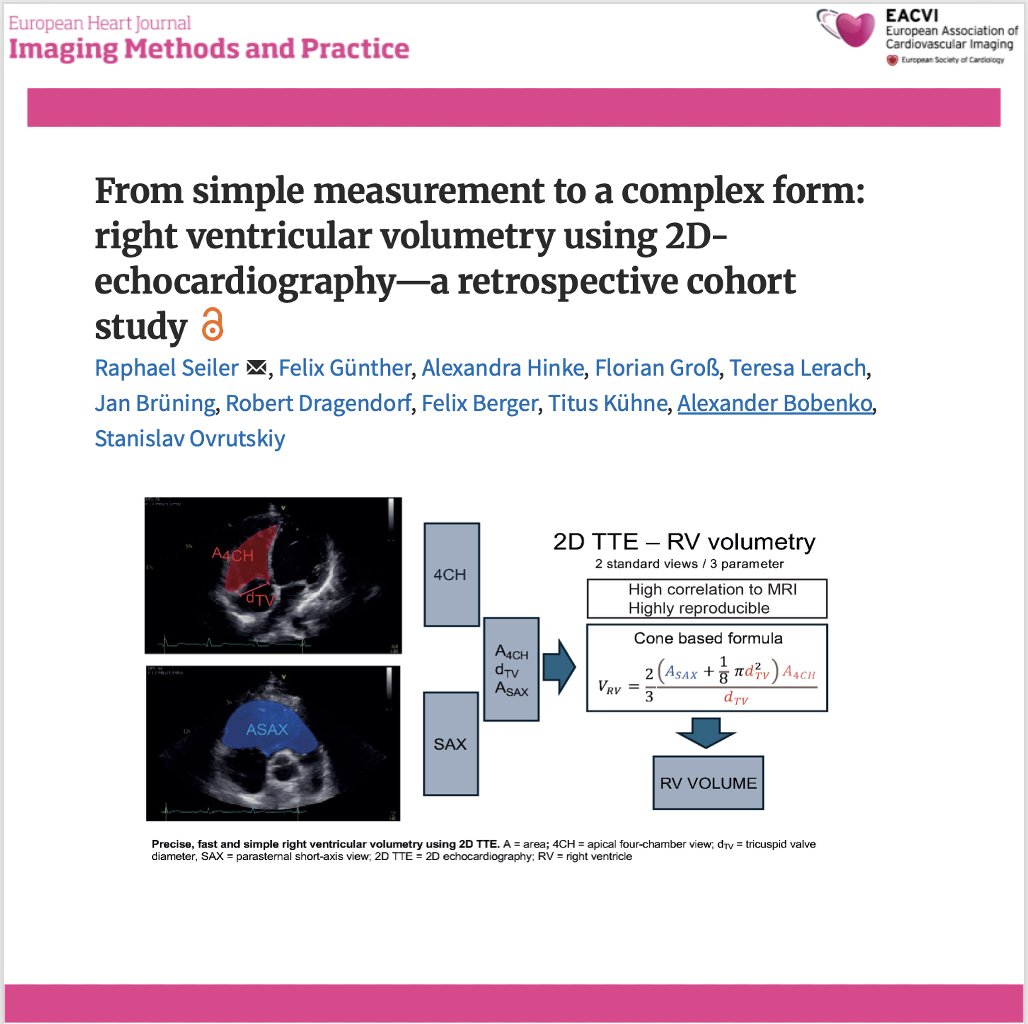
📄 Can we finally measure RV volume accurately with simple echocardiography?
🔗 DOI: doi.org/10.1093/ehjimp/qyaf1…
🫀 The right ventricle (RV) remains one of the most challenging chambers to assess—especially in congenital heart disease (CHD).
👉 Gold standard? Cardiac MRI
❗ But: expensive, time-consuming, and often requires sedation
✨ This study proposes a simple, fast, and accurate 2D echo-based method for RV volumetry—bringing us closer to true bedside quantification.
✨ The key idea:
👉 Model the RV using a cone-based geometric approach
➡️ Using only 2 standard echo views:
Apical 4-chamber (A4CH)
Parasternal short-axis (SAX)
📐 With just a few parameters:
✔ Cross-sectional areas (A4CH, ASAX)
✔ Tricuspid valve diameter
📊 Performance vs MRI:
🔥 Excellent agreement:
Systolic volume → ICC 0.98
Diastolic volume → ICC 0.96
📉 Minimal bias:
Δ systolic volume ≈ 0.1 mL
Δ diastolic volume ≈ 5.2 mL
➡️ Clearly outperforms traditional 2D models
💡 Why this matters clinically:
👉 Enables:
✔ Rapid bedside RV assessment
✔ Reduced need for repeated MRI
✔ Easier follow-up in paediatric & CHD patients
👉 Particularly valuable in:
Post-operative monitoring
Serial evaluations
Resource-limited settings
🚀 Key innovation:
👉 A mathematically robust yet practical model
➡️ Balancing accuracy simplicity
➡️ Adaptable to different RV shapes
🚨 Bottom line:
2D echocardiography—when combined with smart modelling—can approach MRI-level accuracy for RV volumetry.
#Cardiology #Echocardiography #RightVentricle #CongenitalHeartDisease #CardiacImaging #CMR #Innovation #MedTech #PediatricCardiology 🫀📊
39
91
4,748
Vladyslav Kavalerchyk 🇺🇦 retweeted
Jun 2
Why is there a number in the left atrium?
23
25
156
139,083
Vladyslav Kavalerchyk 🇺🇦 retweeted
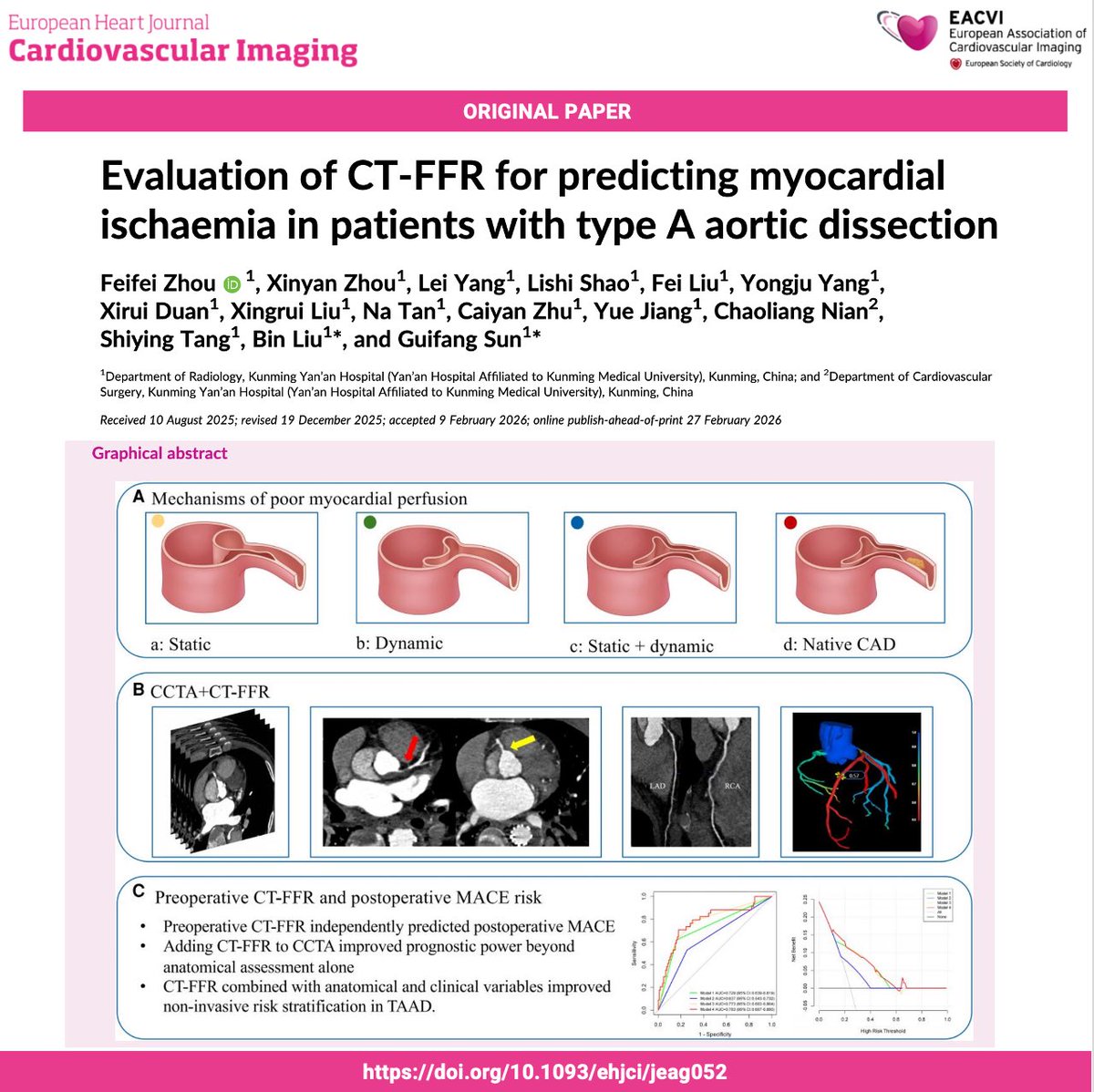
#EHJCVI 🫀| In type A aortic dissection, CT-FFR #yesCCT may help identify high-risk patients and optimize post-operative management strategies beyond anatomical CCTA assessment. 👉 doi.org/10.1093/ehjci/jeag05…
11
23
1,231
Vladyslav Kavalerchyk 🇺🇦 retweeted
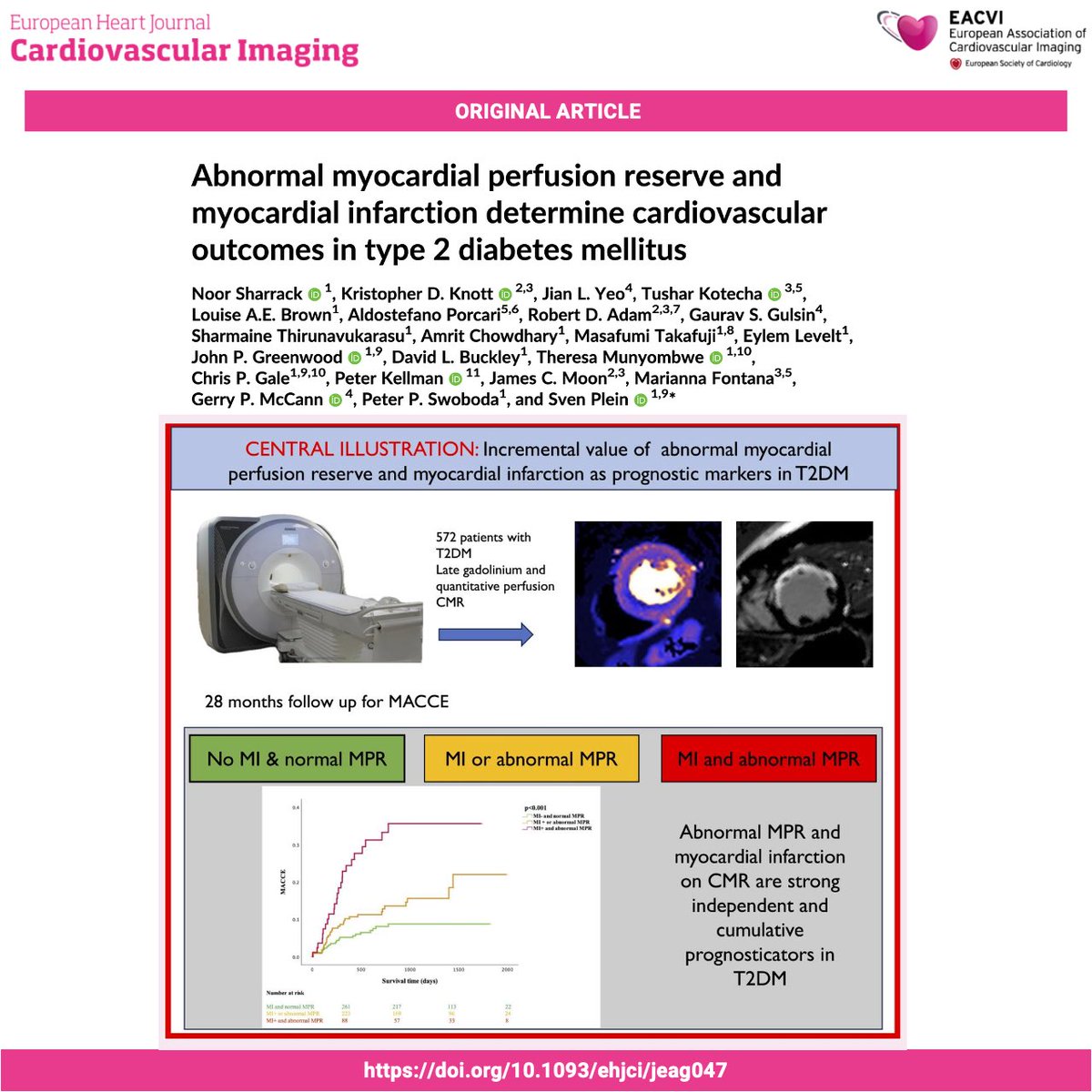
#EHJCVI 🫀| Does combining abnormal myocardial perfusion reserve and myocardial infarction on #WhyCMR improve risk stratification in type 2 diabetes mellitus? Find out 👉 doi.org/10.1093/ehjci/jeag04…
8
19
1,357