digital assets! tweets and retweets are my personal opinion and definitely not financial or legal guidance.
Joined April 2009
- Tweets 827
- Following 478
- Followers 44
- Likes 865
19 Photos and videos





19 Jun 2025
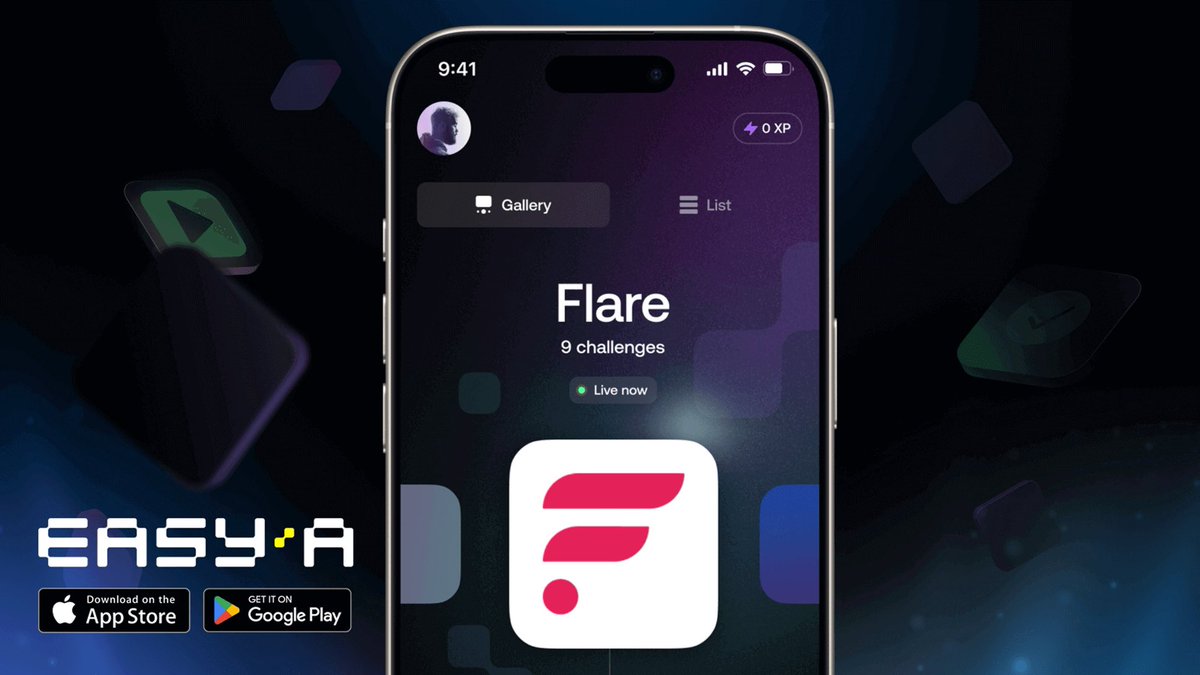
I'm learning about @FlareNetworks with @EasyA_App on my #60DaysOfFlare!
Exploring how Flare's enabling XRPFi.
Basically, allowing people to use XRP in DeFi.
1
39
28 Jan 2025
I’m learning about @RippleXDev with @EasyA_App.
Learning the history of the #XRPL and how it was purpose-built for payments. It’s easy to forget blockchain’s killer use-case has always been exactly that.
The #XRP Ledger is making the transfer of value as cheap as sending email!
2
144

Retweet if you want to see @Ripple CEO Brad Garlinghouse on the Joe Rogan Show
What do you think @bgarlinghouse @joerogan 🇺🇸
350
4,415
10,109
578,882
23 Oct 2024
I’m learning about @StellarOrg with @easya_app for #60DaysOfStellar!
Discovering how Stellar now has smart contracts and building my own custom Kickstarter for startup ideas. LFG! 🔥
3
26
23 Oct 2024
I’m building on @Solana with @Easya_App!
Rn I'm learning about:
🌎 Proof of History
🧑💻 Writing custom Solana programs
📲 Connecting up to my front-end
What could be more dope than that?
Where my other @solana_devs at! 🥳
28
17 Mar 2024
Ready to catch the next and only All-in-One DeFi App on cosmos ? Dive into Elys Network Incentivized Quests and start earning rewards today!
elys.bonusblock.io?r=chTVHx4…
37
echobasethree retweeted

28 Oct 2023
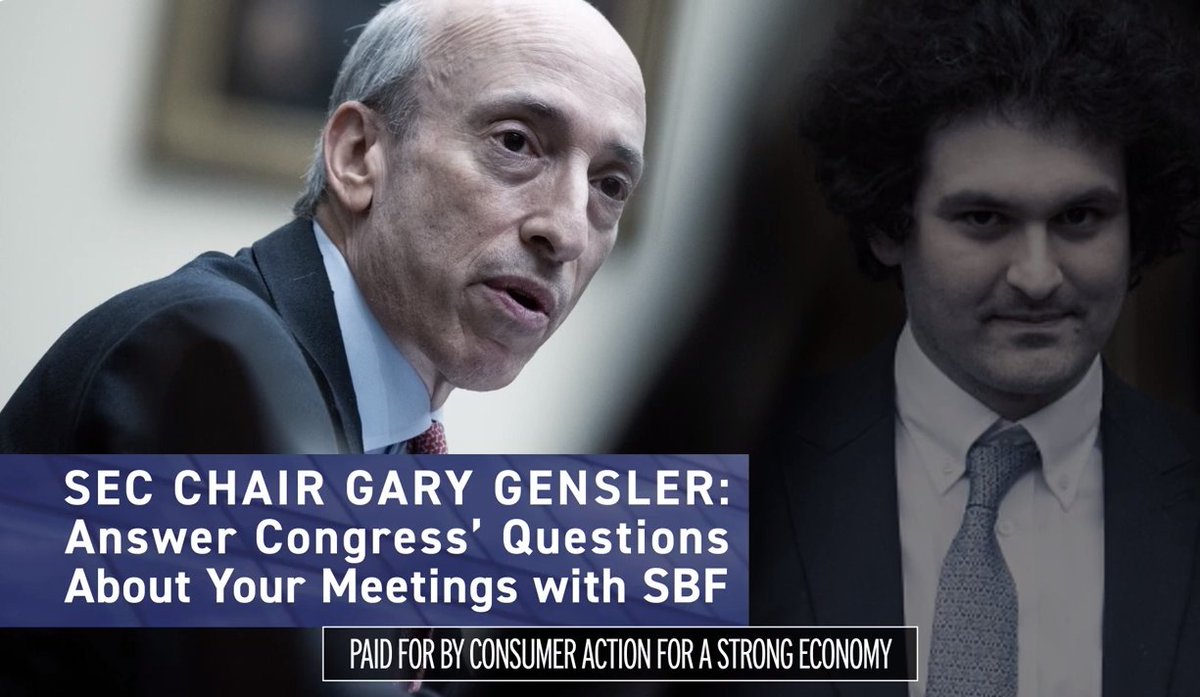
👀Sneak peek at 60-second version of TV ad CASE is running on Sunday morning news shows asking, "What is @SECGov Chairman Gary Gensler Hiding?"
@PatrickMcHenry @GOPMajorityWhip #CryptocurrencyNews #cryptocurrency #crypto
youtube.com/watch?v=6N8yyKPO…
31
110
288
23,890
echobasethree retweeted

27 Oct 2023
(3/3) Now @CASE_forAmerica does a ‘major ad buy’ to ask what Gensler is hiding from a Congressional oversight committee about his interactions with @SBF_FTX.
It’s time. #GaryGenslerResign
27 Oct 2023

CASE makes major ad buy on Sunday news shows asking: What is @SECGov Chairman Gary Gensler Hiding?
youtube.com/watch?v=duQ9_tRu…
20
73
5,697
echobasethree retweeted

22 Sep 2023
John Deaton Live x.com/i/broadcasts/1lDxLPvkR…
653
1,360
3,464
538,590
echobasethree retweeted

7 Sep 2023
Kids are making $20K/month with ChatGPT
But most people still don't understand how
So I curated 117 ChatGPT Business Ideas to help you make money too
Normally $25, but next 24 hrs it's FREE!
To get it:
1. Follow me (so I can DM you)
2. Like & RT this tweet
3. Reply "GPT"

306
224
317
24,669
echobasethree retweeted
28 Aug 2023
Here’s the point to consider: on June 13, 2018 Clayton and Hinman receive the #XRP Howey Memo 📝, written by SEC enforcement lawyers. The Memo does not conclude by making any recommendations of any nature. It certainly does not recommend an enforcement action against @Ripple @chrislarsensf or @bgarlinghouse.
The next day, on June 14, 2018, Hinman gave his speech and said the the top two Crypto assets, #BTC & #ETH, were not securities, but he failed to mention #XRP in any way. As expected, #ETH skyrockets on the news. Considering #XRP and #ETH had battled for the number two spot for years, everyone starts asking Clayton and Hinman and the SEC staff: “What about #XRP?”
Less than 3 months after the Hinman speech was given, and the secret #XRP Howey 📝 written, @bgarlinghouse and @JoelKatz asked that same question to both Hinman and Clayton in a private meeting at the @SECGov.
We have the actual meeting notes from Hinman’s Special Counsel who was assigned to him by the SEC and attended the meeting. The 📝 written by this SEC attorney tell us A LOT.
This meeting, between Ripple’s CEO and CTO with Clayton, Hinman and SEC senior staff, was regarding the regulatory status of #XRP. In other words, why was #XRP not mentioned in the speech along with #BTC & #ETH?
At this meeting, I’m sure the Ripple CEO reminded Clayton and Hinman of the following:
#XRP was created two years BEFORE #ETH. In fact, @chrislarsensf had a meeting with the @SECGov, @CFTC, @federalreserve, #FinCEN, and @USTreasury in 2013 where he discussed his vision for #XRP - a year before the #ETH ICO.
The following year, 2014, @USGAO listed #XRP as a “virtual currency utilized in a decentralized payment protocol called Ripple.”
In 2015, Ripple settled with FinCEN, along with the DOJ’s approval, signed by then Assistant U.S. Attorney Kathy Haun, who later went to @a16z. Ripple was directed to comply with the Banking laws of the U.S. and agreed to provide the U.S. Government with an auditor’s report, approved by the DOJ, regarding all sales of #XRP for five years. The SEC had entered into a evidence sharing agreement with FinCEN a few years prior and had access to all of these #XRP transactions.
In fact, the 📝 from this meeting shows that the Ripple CEO, usually a cool and calm man, exhibited frustration over the lack of regulatory clarity for #XRP, especially considering how #ETH was given a regulatory free pass. Garlinghouse spoke out and said: “Ripple is living in purgatory” because the SEC is being so vague and unclear regarding its status.
The #XRP Howey Memo, analyzing whether #XRP satisfies the Howey test, had just been written two months prior and given to Clayton and Hinman. If that Memo had concluded #XRP was a security, you would expect Clayton and/or Hinman to respond to Garlinghouse something like:
“We didn’t say #XRP was a non-security like #BTC & #ETH because we believe it is a security”, or “our lawyers believe #XRP is being sold as a security”, or “we think you may be in violation of Section 5” or “you need to register #XRP”, or similar words to that effect.
But they did not respond that way. The notes from the meeting indicate that Clayton said something like “I encourage you to keep talking to the staff about that” and moved the meeting forward to discuss Ripple’s business model. 🤔
28 Aug 2023

Secret XRP Memo Resurfaces in Ripple's Clash with the SEC - Could the Price Surge to $1?
Legal expert John E. Deaton points to a 2018 SEC memo that might have absolved Ripple’s XRP token sale.
ethnews.com/secret-xrp-memo-…
33
192
750
199,083
echobasethree retweeted
11 Aug 2023
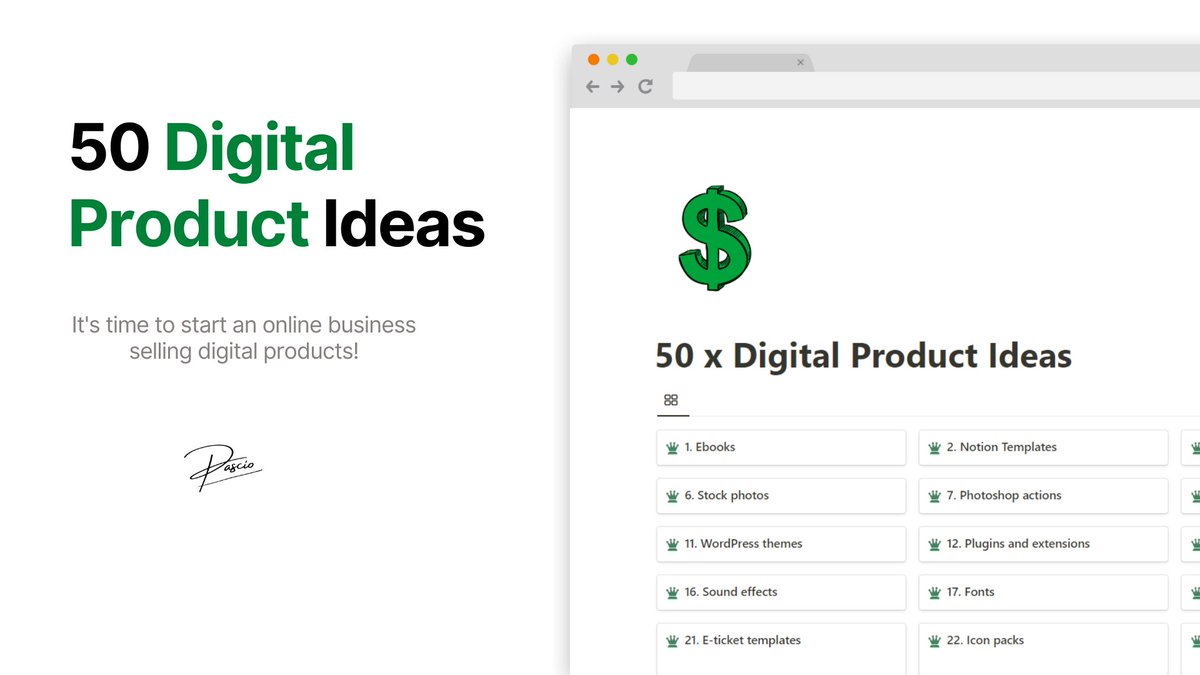
Digital products are the best way to make money online.
But 98.8% don't know how to get started.
That's why I created a list of 50 most profitable digital product ideas.
And for the next 24 hrs, it's FREE.
Retweet Reply "👋" to receive it.
(Follow so I can DM you)
385
295
260
38,843
echobasethree retweeted

19 Jul 2023
Don’t think 👩🏽⚖️ Judge Torres’ $XRP ruling was the BIG news… It was just an initial impetus for the announcements we’ll be seeing.😍 Since $XRP is not a security, here’s what I think we can expect to see in the months ahead:
1) $XRP added to Ripple’s Liquidity Hub. 🌊 🙌🏼
1/6
77
504
2,339
288,026
echobasethree retweeted
18 Jul 2023
I made $100,000 selling Notion templates.
So I wrote a complete step-by-step guide on how you can do it too.
Normally costs $47, but next 24 hrs, it's FREE.
To get it:
1. Follow me (so I can DM you)
2. Like & Retweet this tweet
3. Reply "SEND" below

562
404
642
55,778
echobasethree retweeted

13 Jul 2023
A lot of scammers are taking advantage of the recent good news to try to cheat and steal. There are no airdrops, giveaways, or special offers associated with this ruling.
298
2,335
8,082
1,461,295
echobasethree retweeted

13 Jul 2023
#XRP #XRPCommunity
Both @coinbase and @krakenfx have relisted XRP.
I find myself being a bit overwhelmed with emotion at this time. It's been such a long fight with so much FUD along the way. Vindication is my word of today.
13 Jul 2023

W.
W for @ripple.
W for the industry.
W for the builders.
W for a clear rulebook.
W for updating the system.
Oh, and XRP is now open for trading.
19
112
578
29,258
echobasethree retweeted

13 Jul 2023
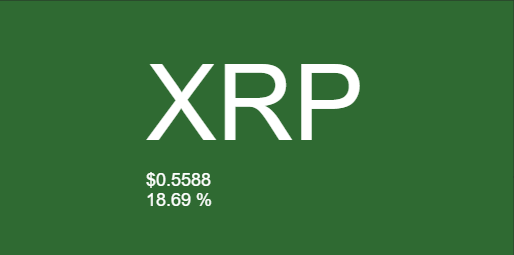
Congratulations and thank you to everyone who had faith in John, Stu, and ALL the attorneys that supported the XRP Army and the Company Ripple --- and most of all, those who fought the good fight to the end.
Soar #XRP Soar. You so deserve it.
105
768
3,870
149,987
echobasethree retweeted

13 Jul 2023
Hey $XRP Community! 👋
Uphold has never removed #XRP.
Thank you for the trust you have placed in us at @UpholdInc all this time. 💚
It has been an honor for us to walk this path with you, & it will be an honor for us to go into the future with you! 🔮
Let’s go #crypto! 🥂
41
86
745
20,021
echobasethree retweeted

13 Jul 2023
🚨 WARNING 🚨
#XRPL & $XRP
In light of the recent jump in twitter traffic, there are bots acting as @bgarlinghouse, @JoelKatz, and a few others to SCAM!
Please be careful and alert at all times
🚨 There are no airdrops
🚨 There are no giveaways
🚨 There are no reward programs
10
246
506
33,662