
SONIC ATTACK VICTIM #27 IN CUBA,I HAVE ALL THE EVIDENCE,CUBA IS THE ONLY RESPONSIBLE AND USA 🇺🇸SUPPORTING THE ATTACK
Joined April 2010
- Tweets 7,100
- Following 530
- Followers 787
- Likes 3,235
2,561 Photos and videos


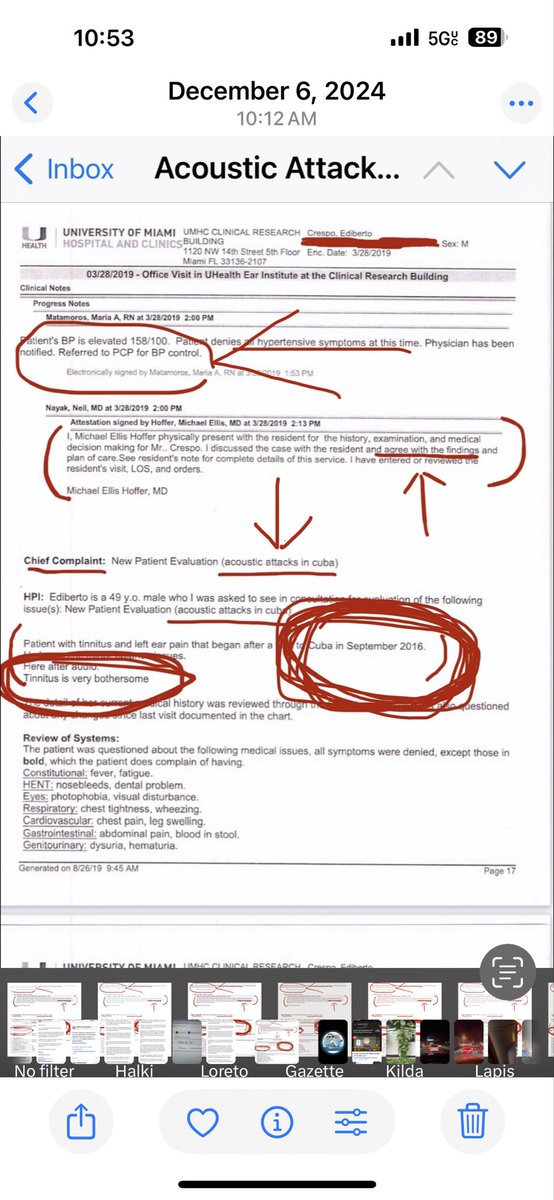
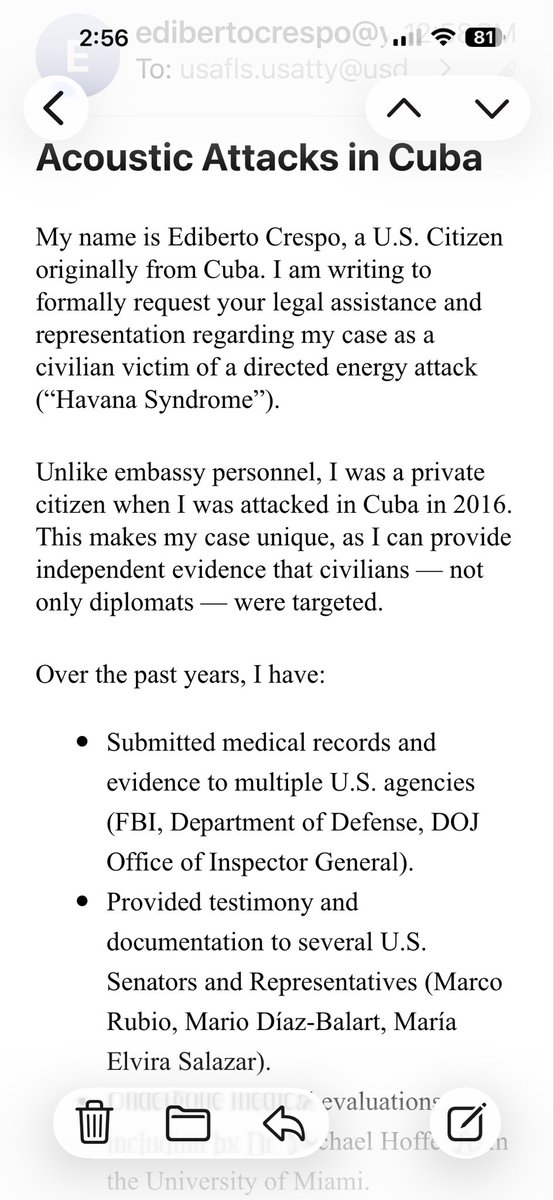
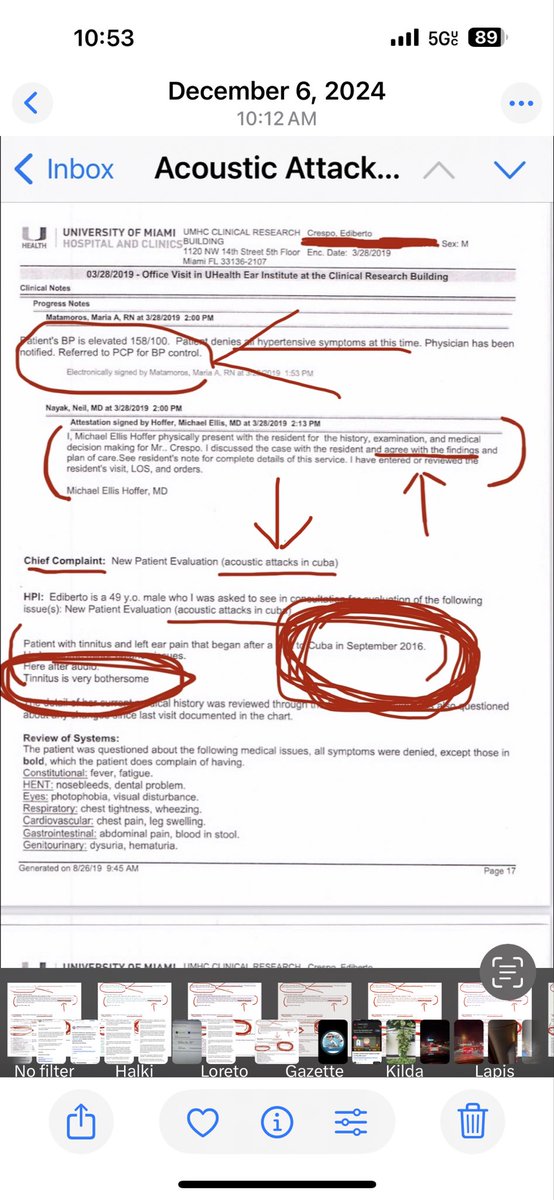
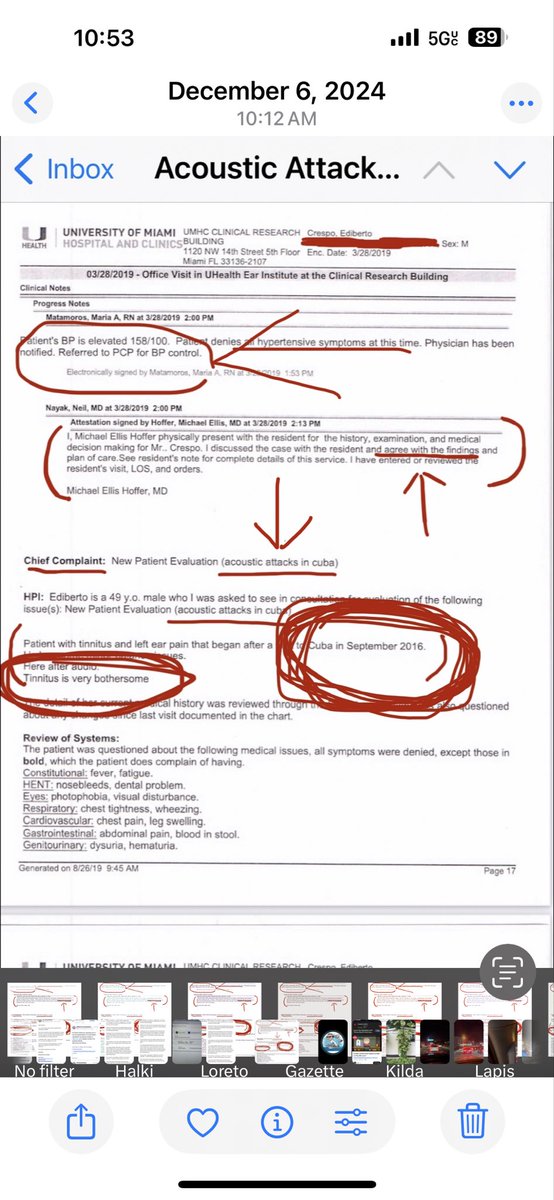
Pinned Tweet

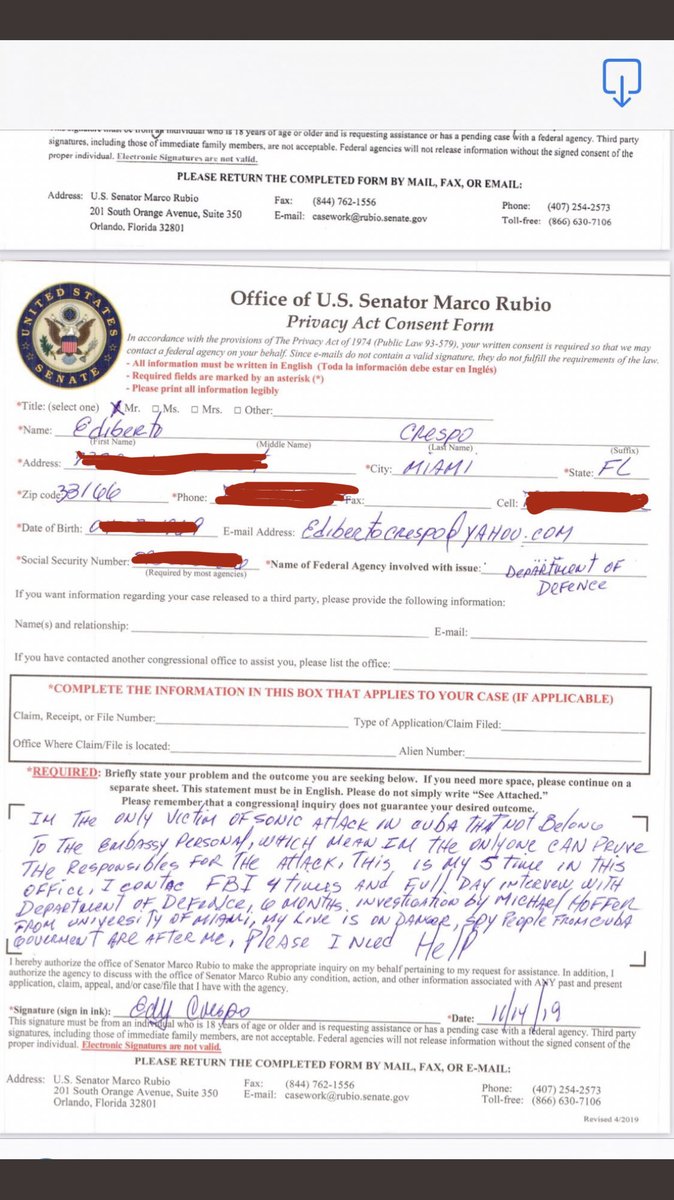
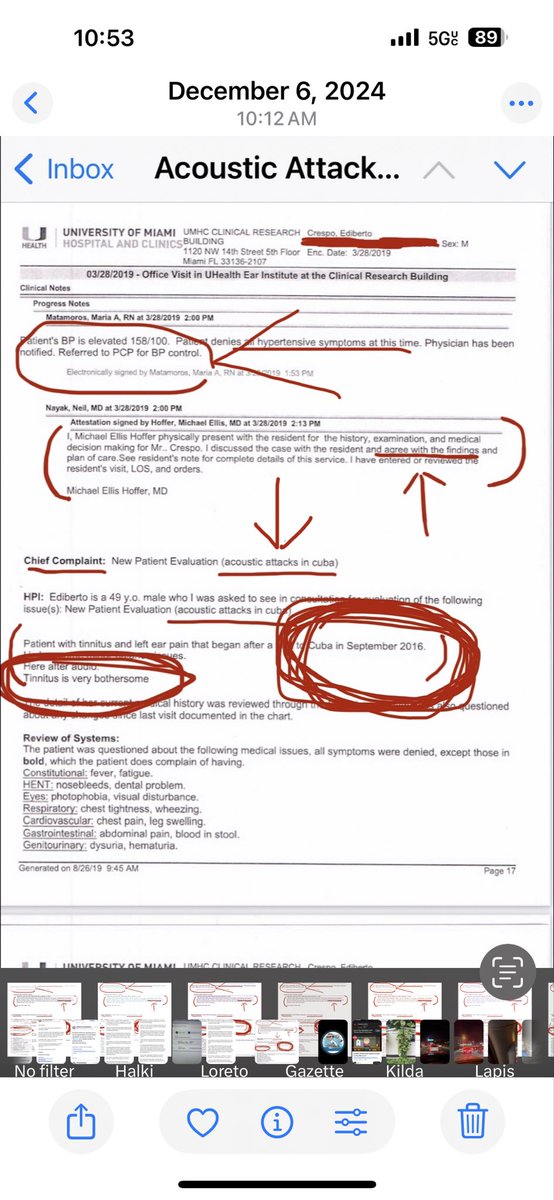
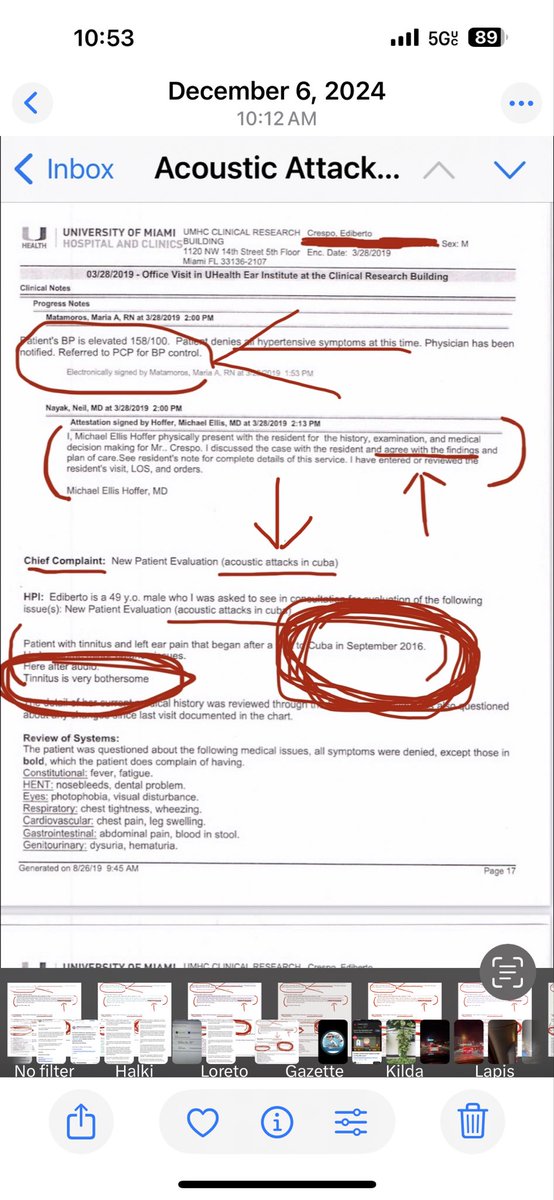
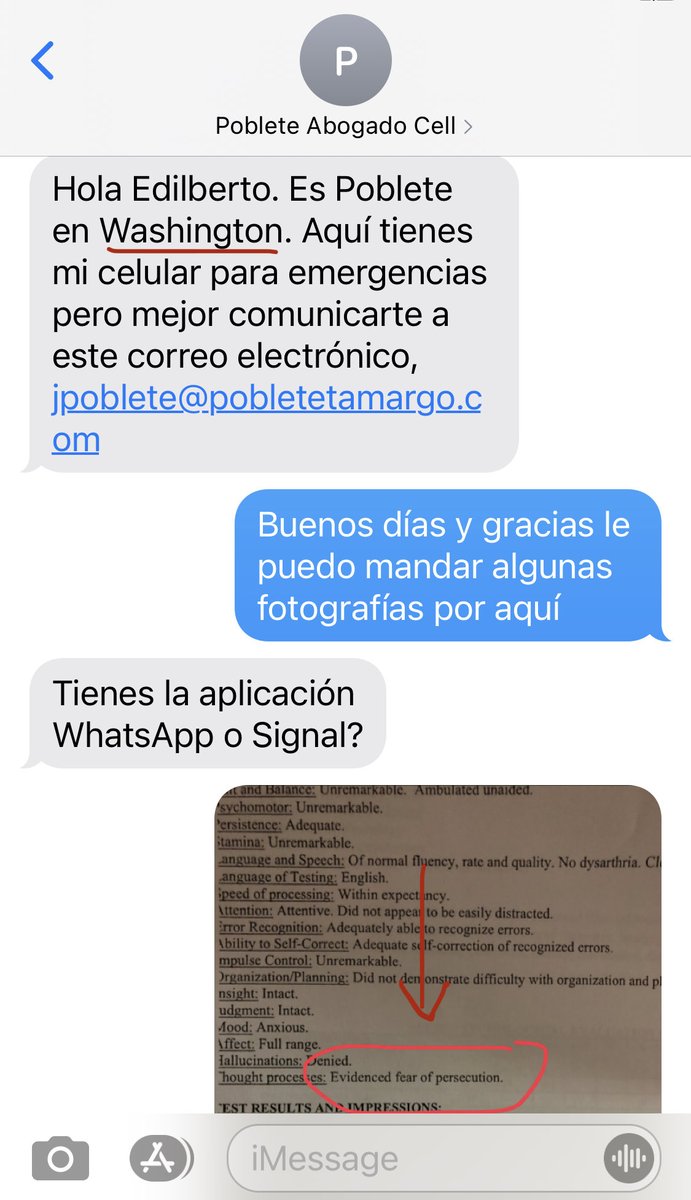
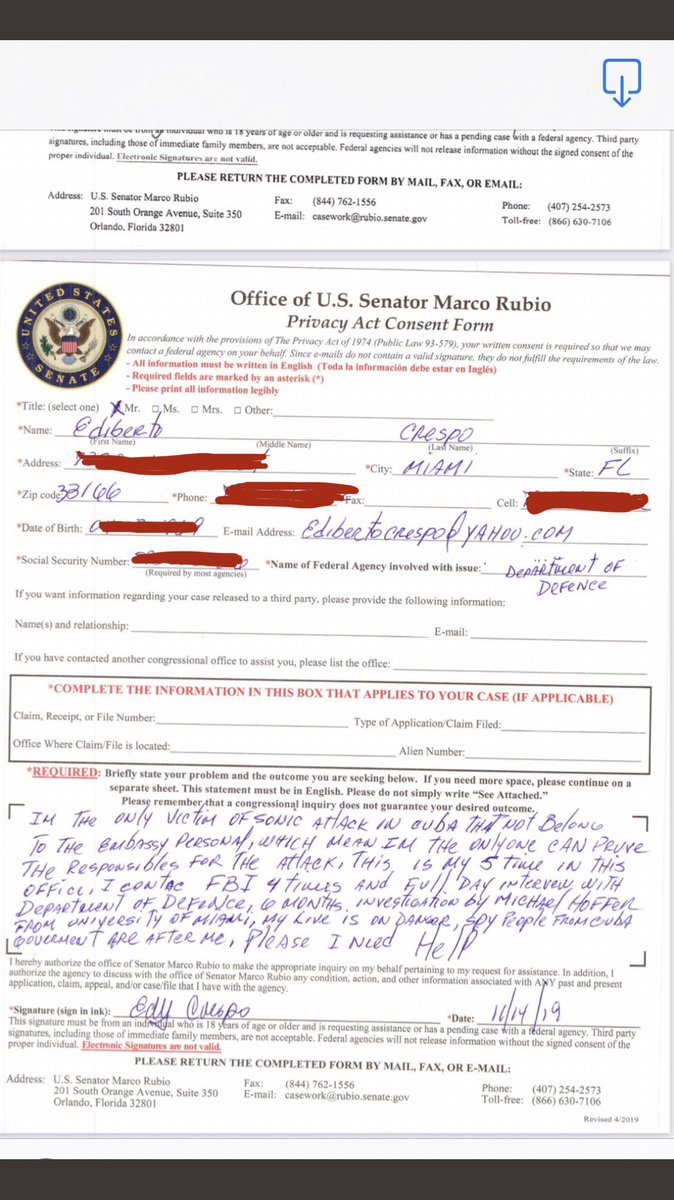
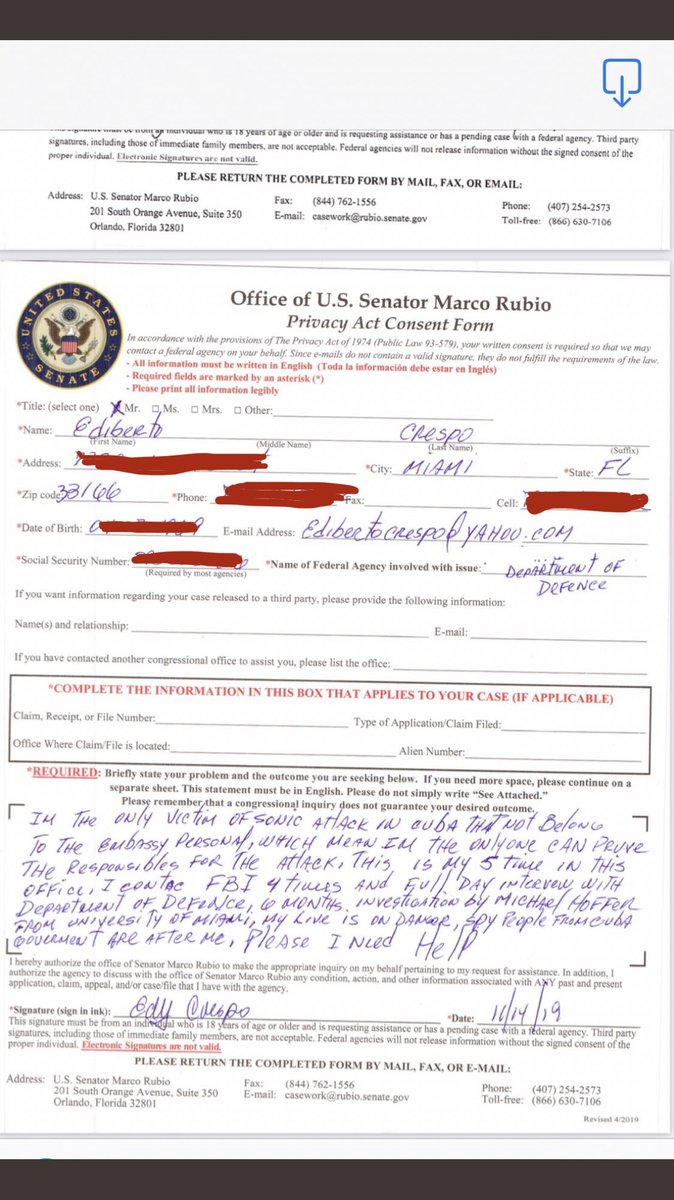
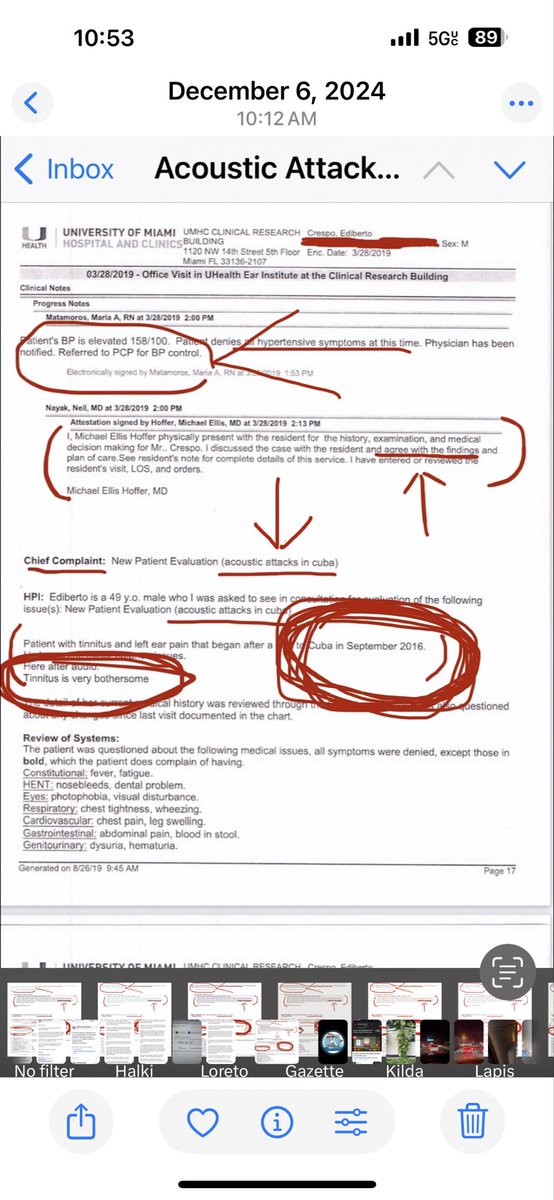
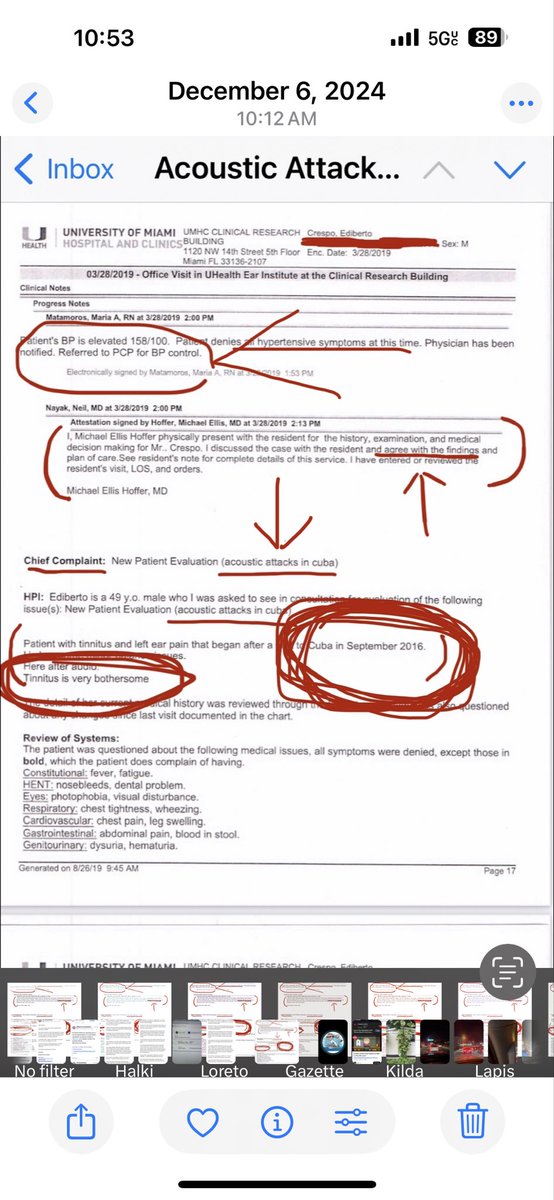
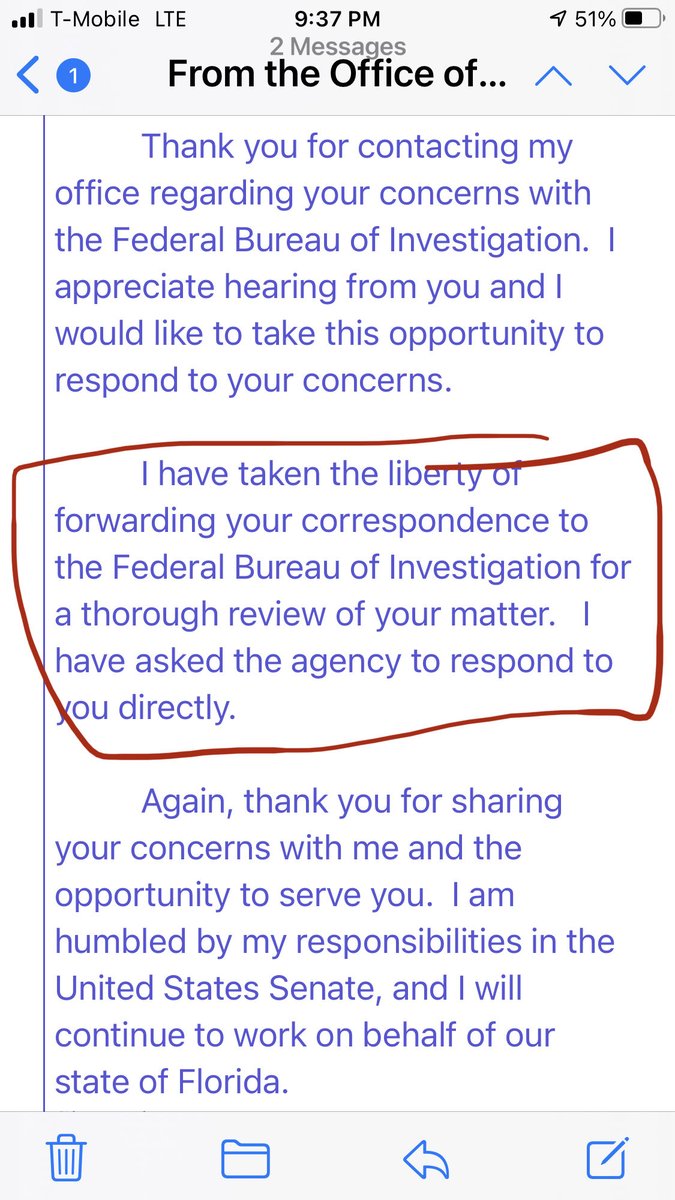
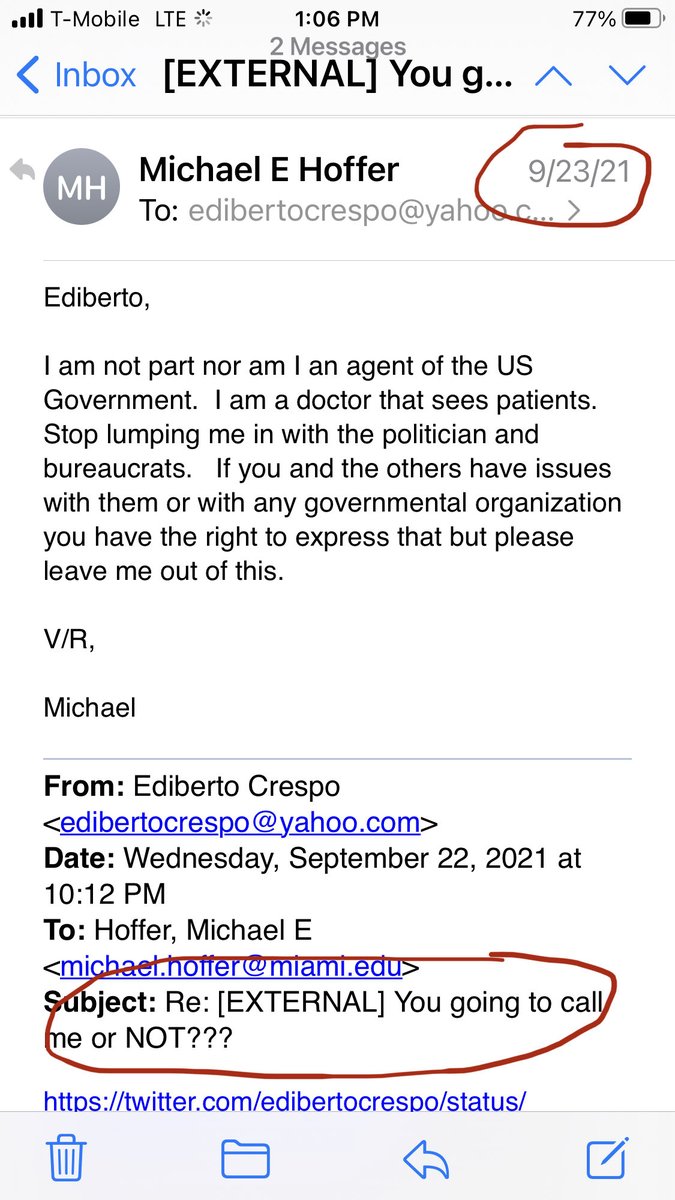
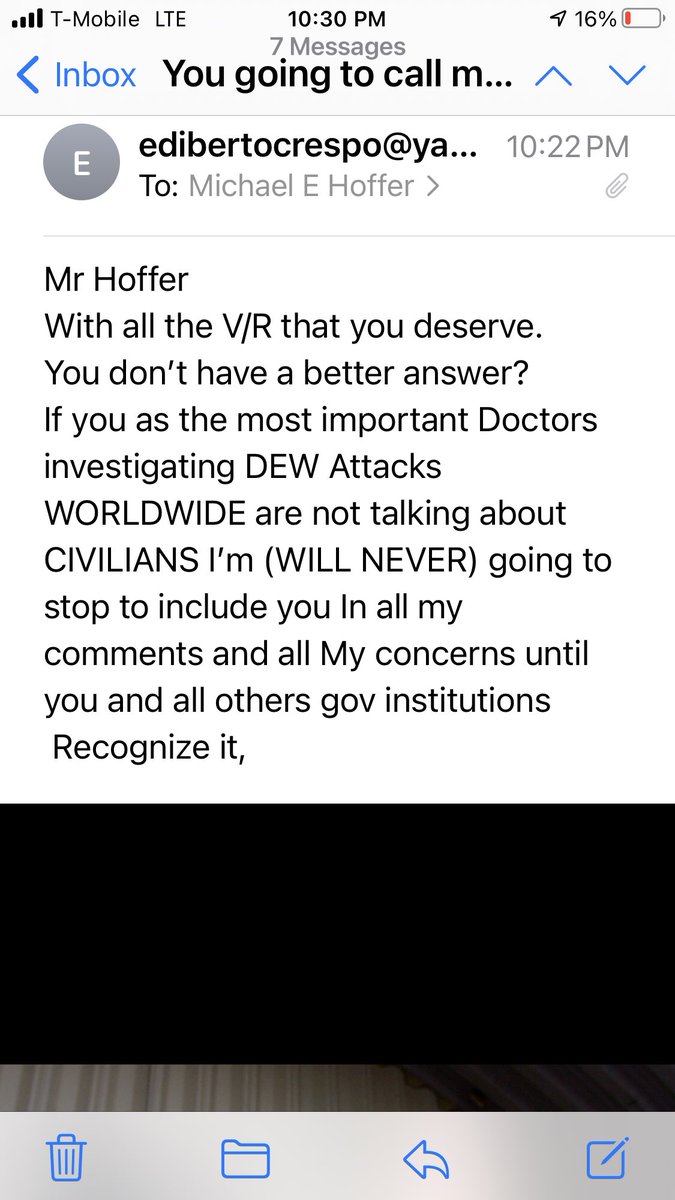
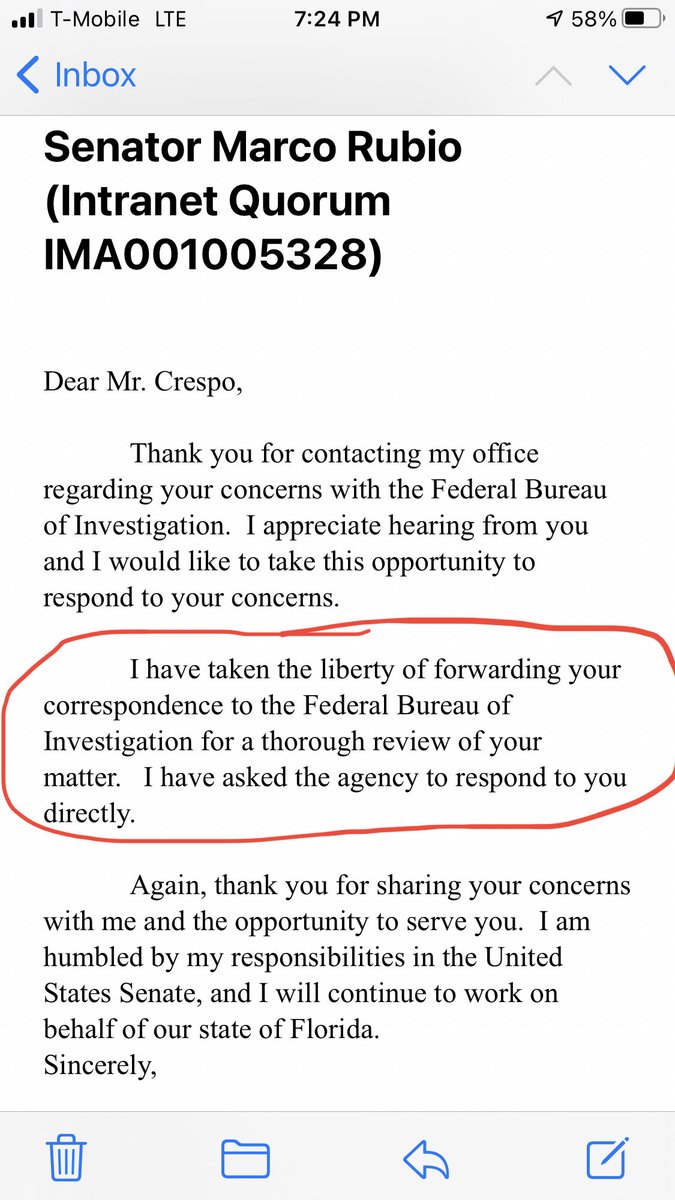
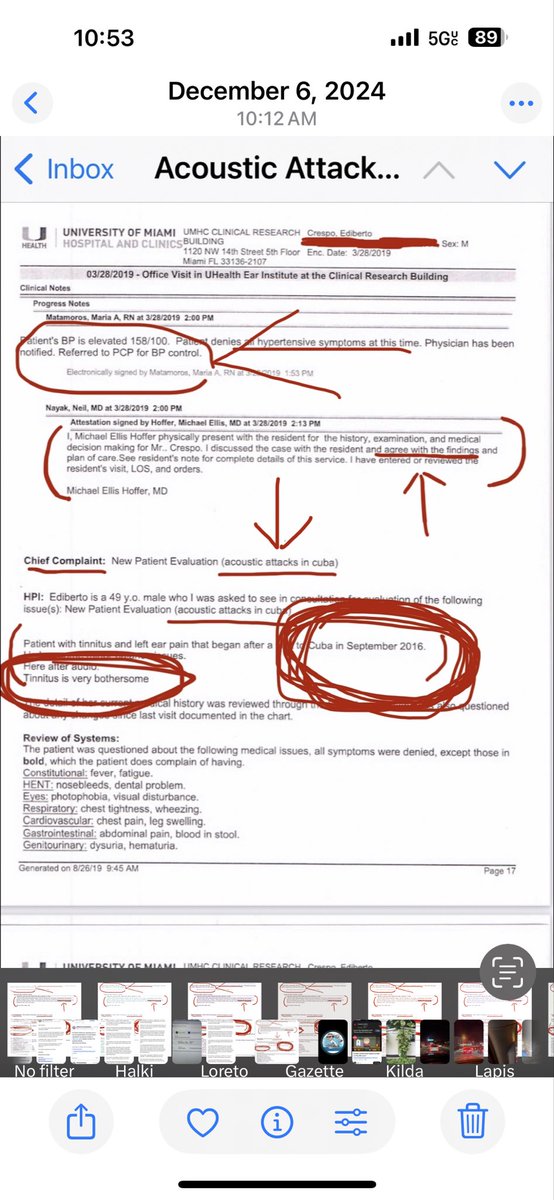
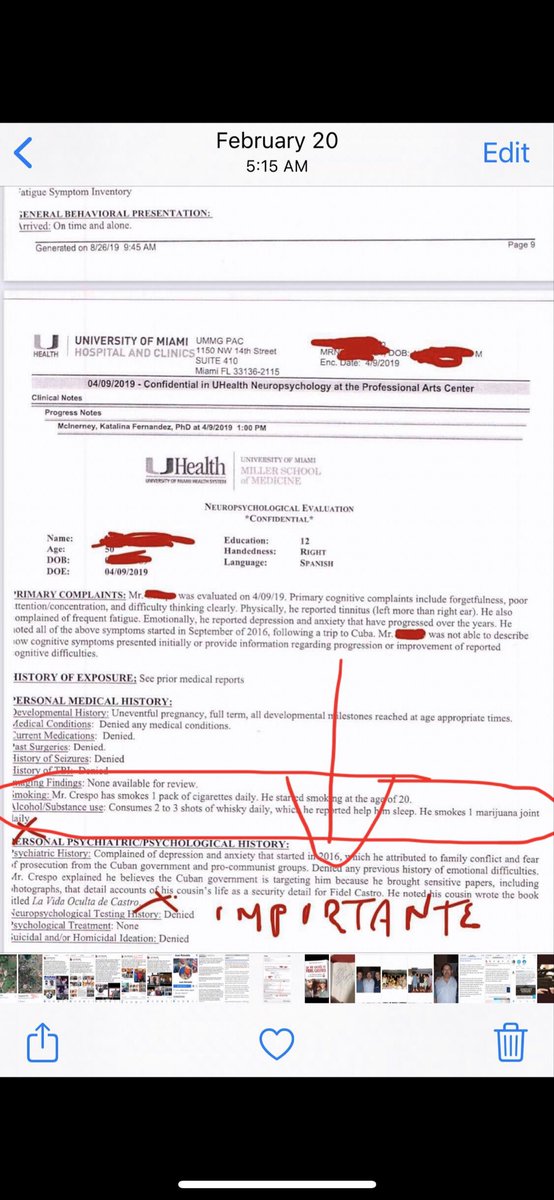
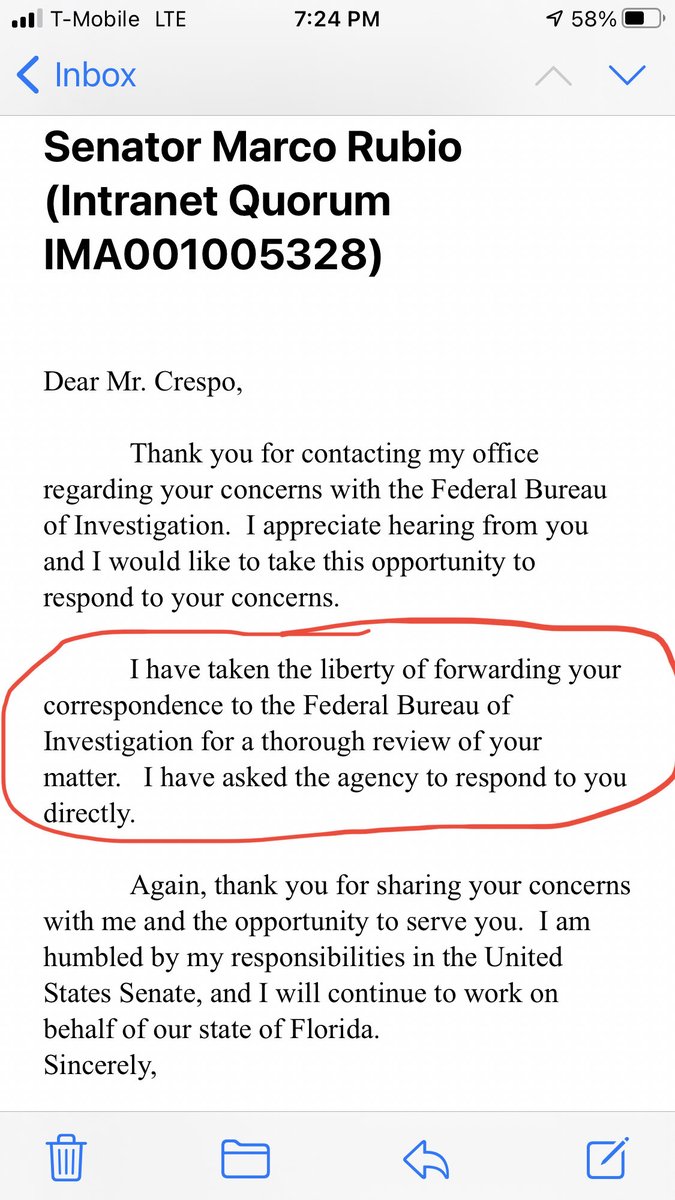
One and must important evidence when Obama when to Cuba 2016 i when as well, Look what they did to me
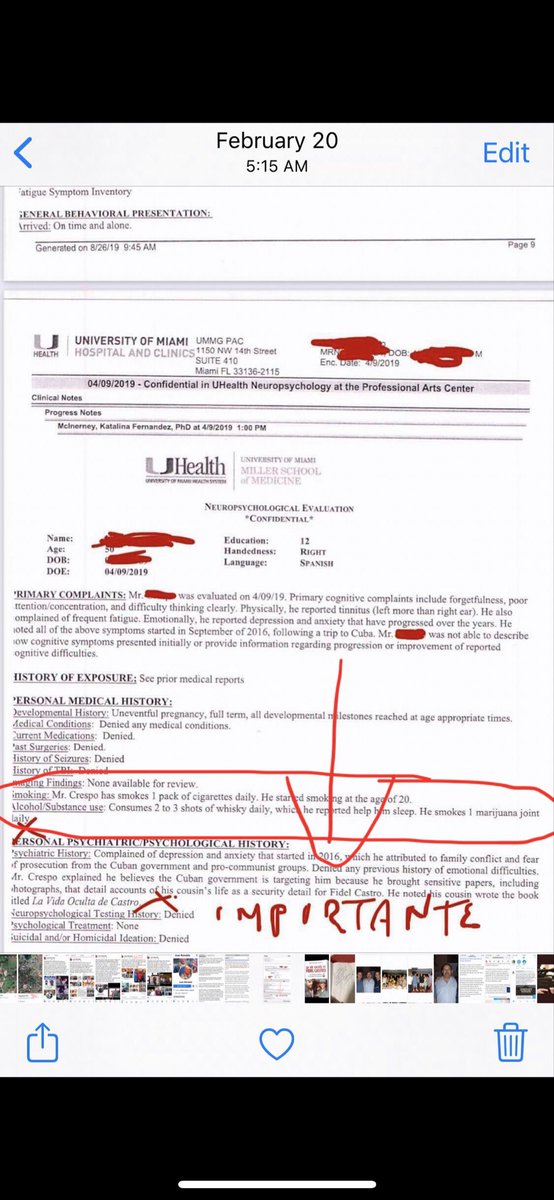
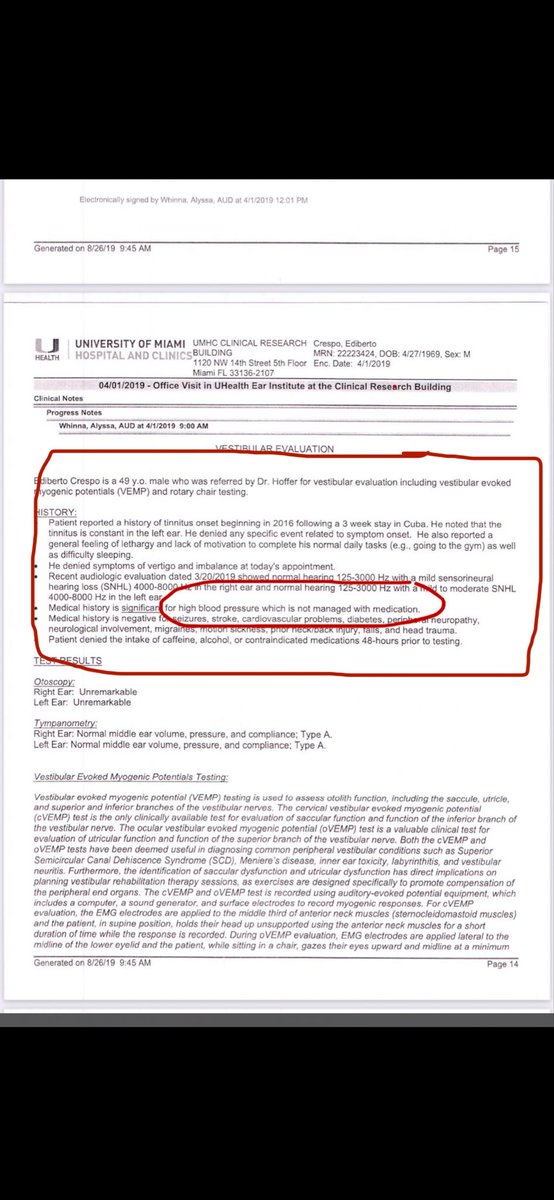
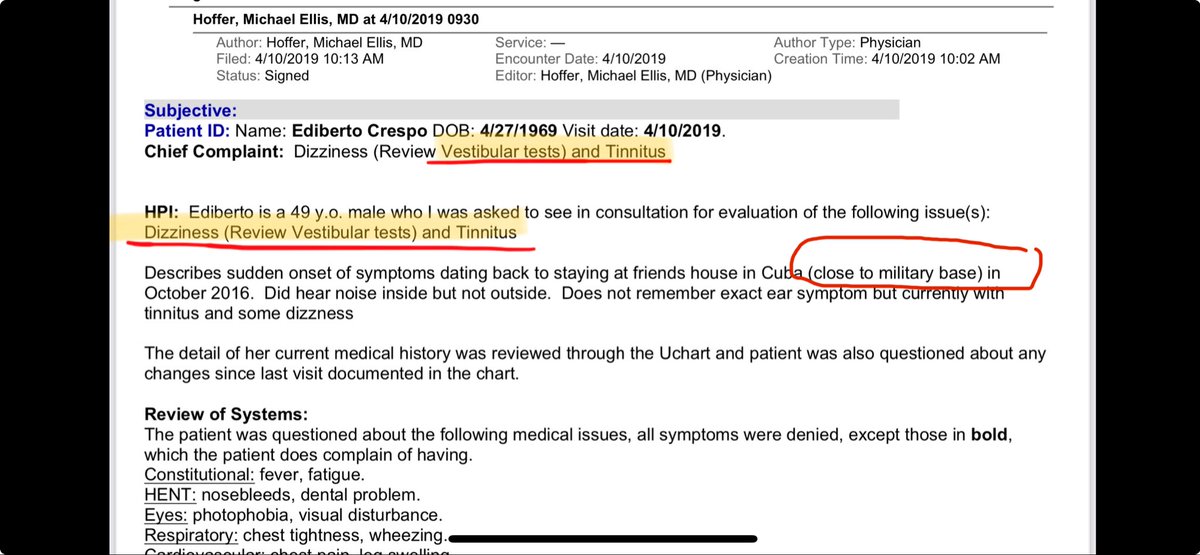

I will like to declassify some more Please share so I can get more followers
1
64
Ediberto Crespo retweeted
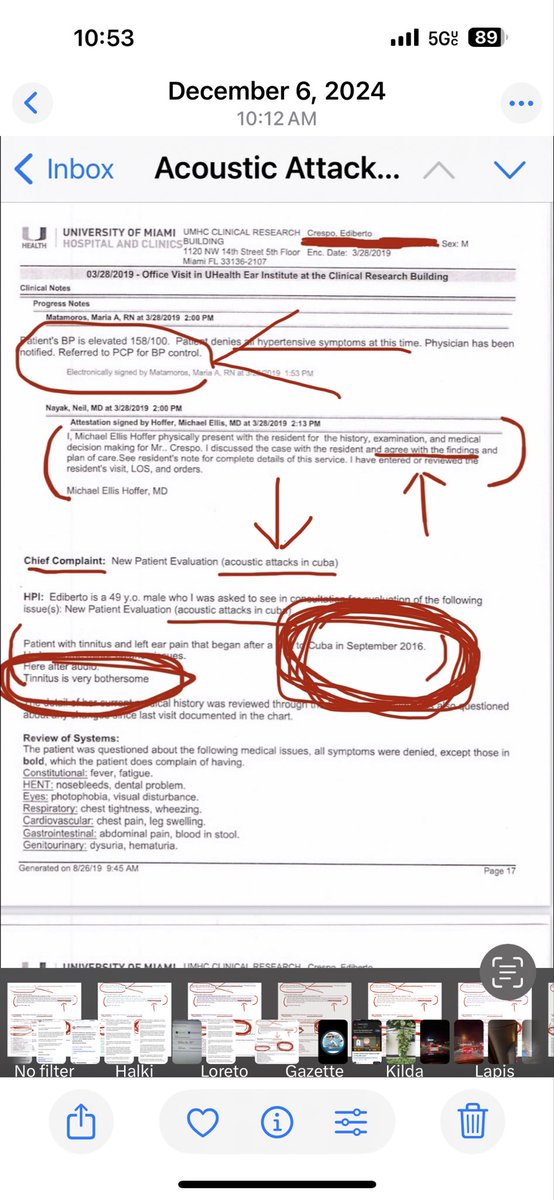
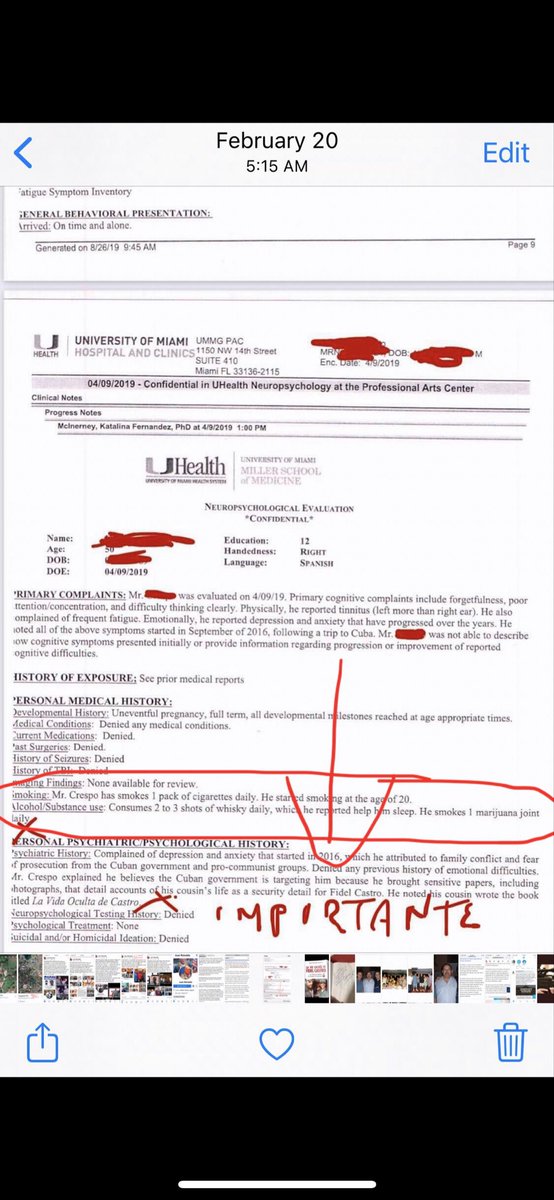
El Trabaja para el Gobierno cubano y tú solo repites como un papagayo mentiroso IOS dos y muchos más están mintiendo
1
156
Ediberto Crespo retweeted
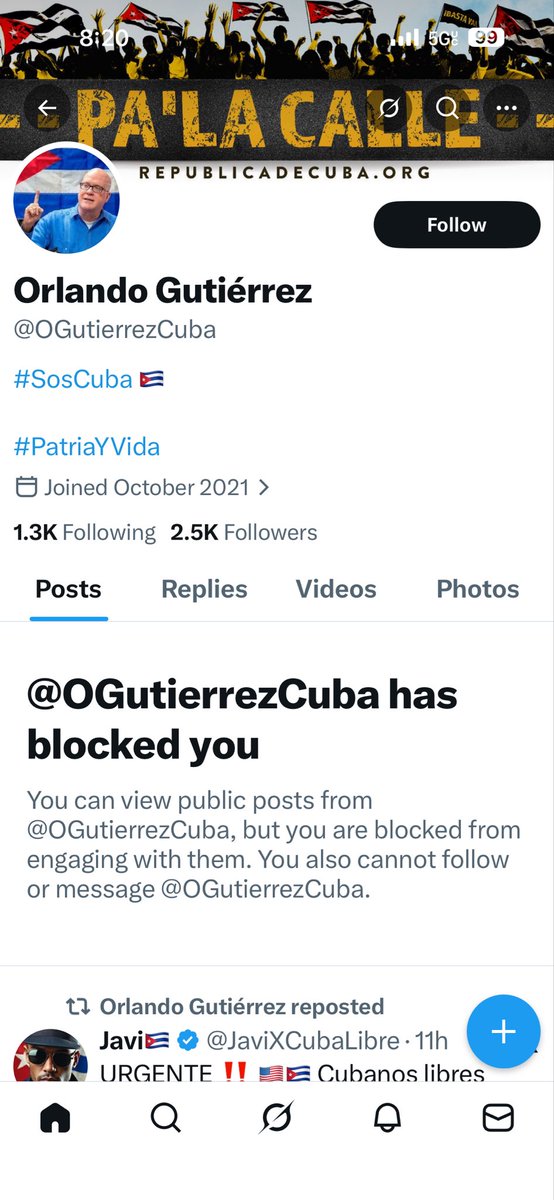
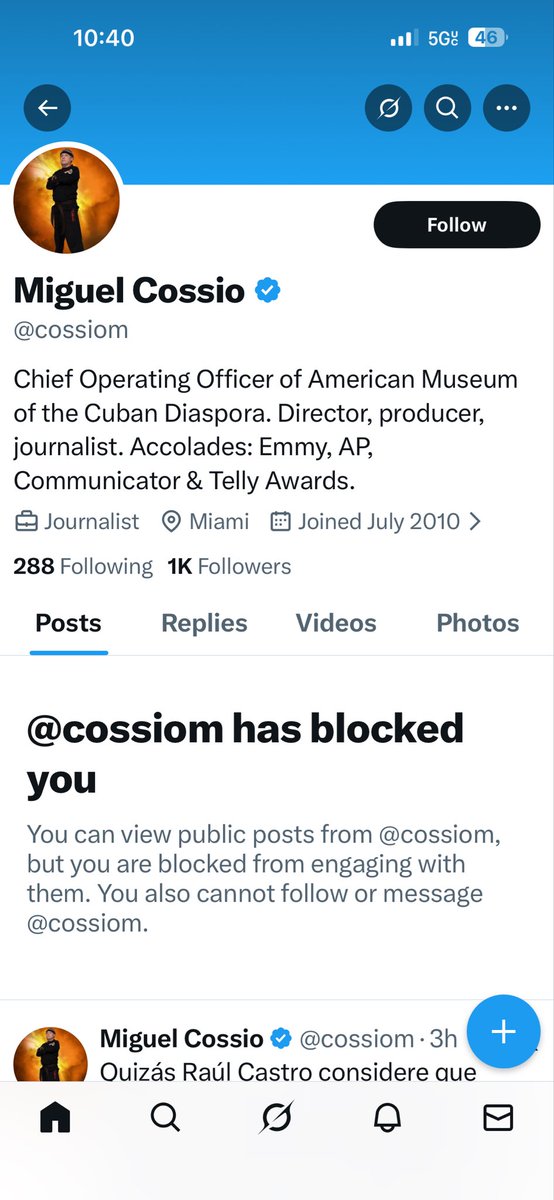
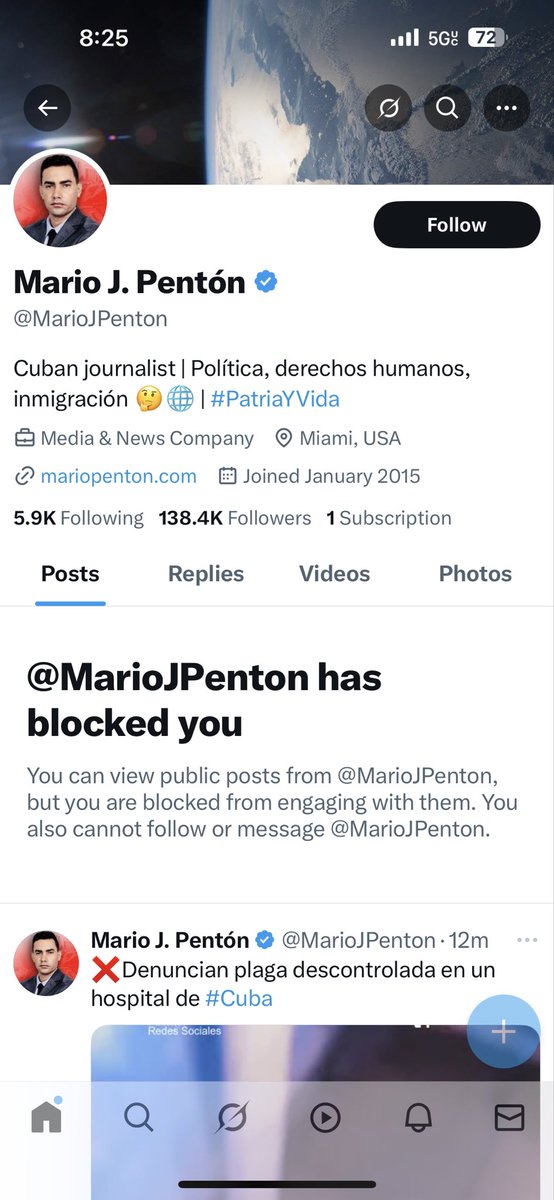
Muy bueno su trabajo @OGutierrezCuba sabe bloquear muy bien cuando algo le molestó y muchos otros también
1
11
Ediberto Crespo retweeted


1
2
119
Ediberto Crespo retweeted
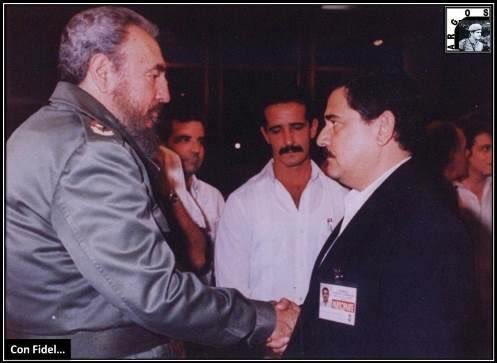
Chequéate está Marcos Jesus Concepción jefe de red mundial de espías con base de operaciones en Miami por más de 30 años la red se llama Argosis busca este nombre en los grupos de Facebook y veras la magnitud de la agencia y lo peor todos lo saben FBI.Marco Rubio, DOD y muchos m


1
2
254
Ediberto Crespo retweeted
Evidence
One and must important evidence when Obama when to Cuba 2016 i when as well, Look what they did to me
1
35
Ediberto Crespo retweeted
One and must important evidence when Obama when to Cuba 2016 i when as well, Look what they did to me
I will like to declassify some more Please share so I can get more followers
1
64
Ediberto Crespo retweeted
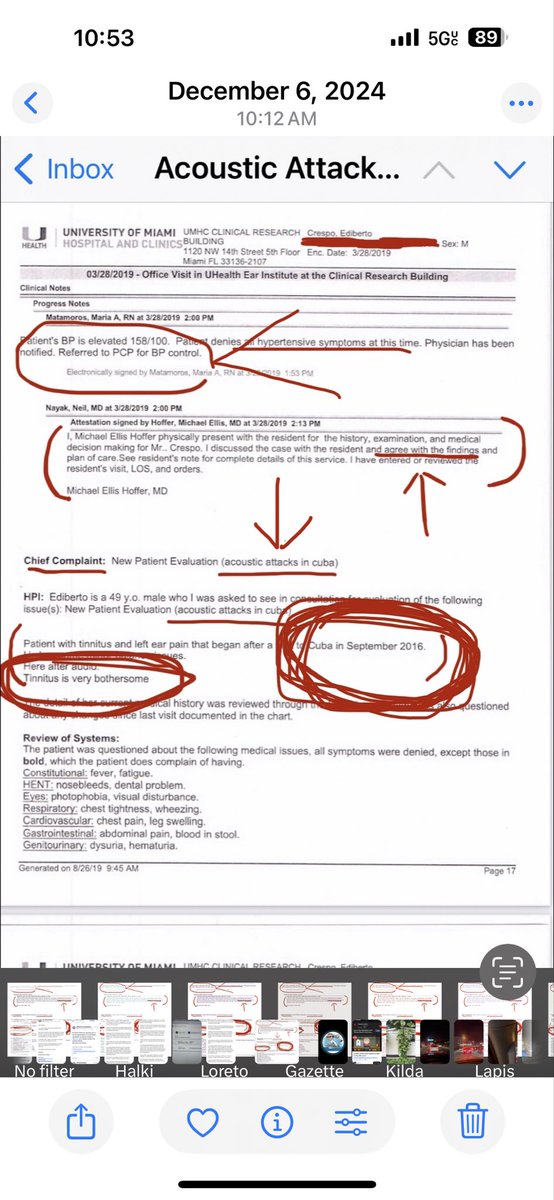
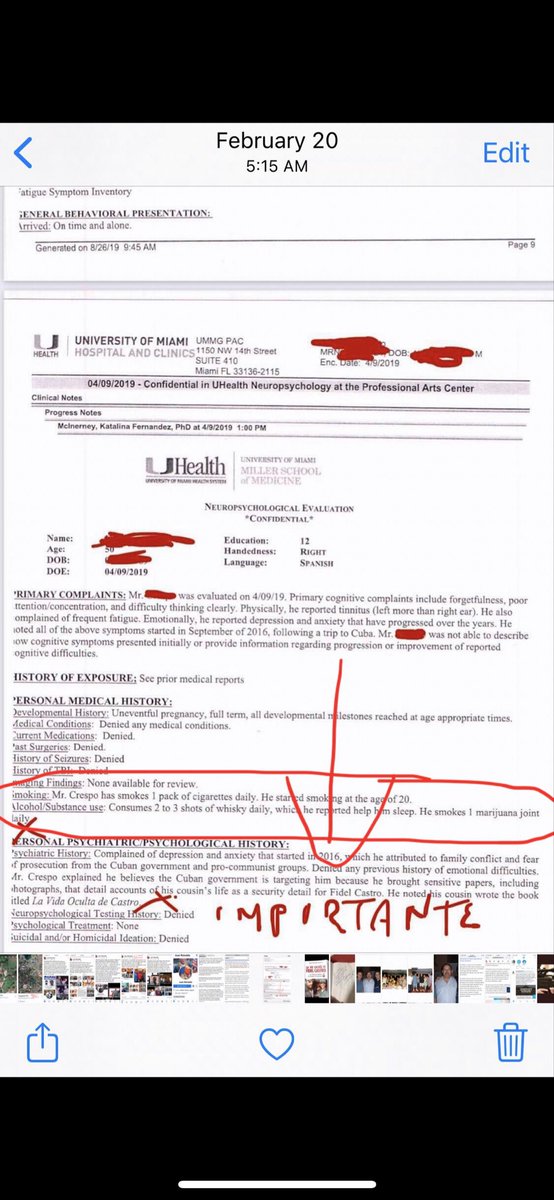
What about Civilians?
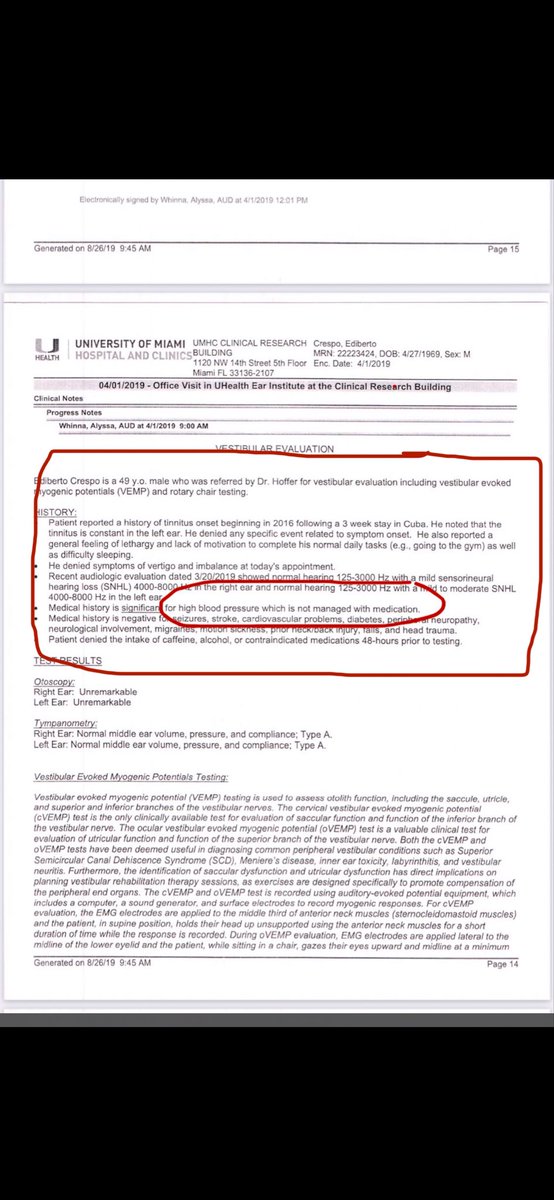
Acoustic Attacks with Microwave Military Weapons and USGVT is allowing Terrorists Cuba to perpetrate the Attacks to Civilians and Diplomats
1
1
44
Ediberto Crespo retweeted
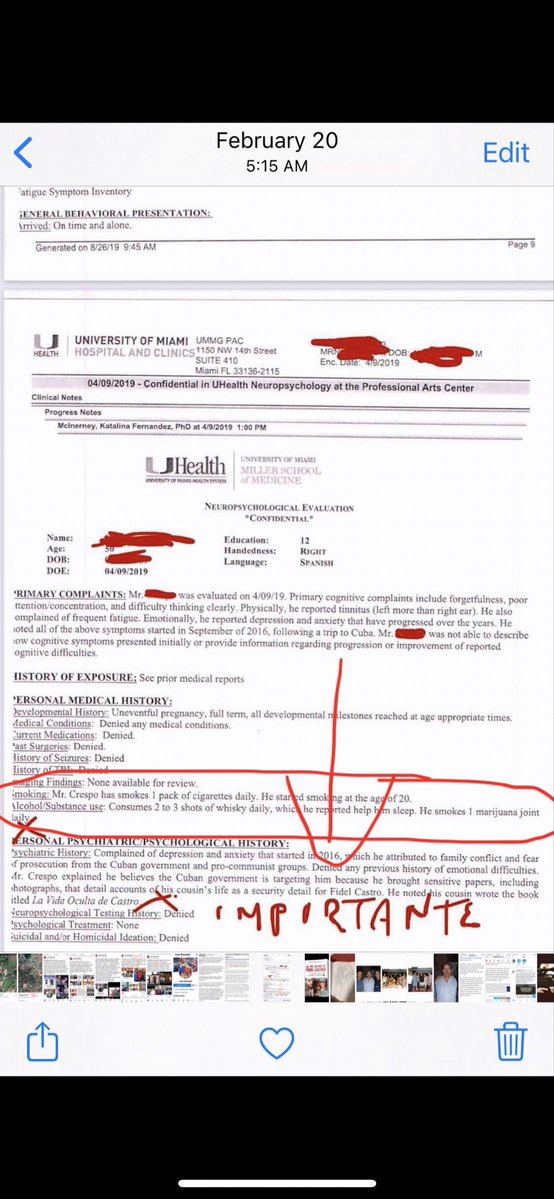
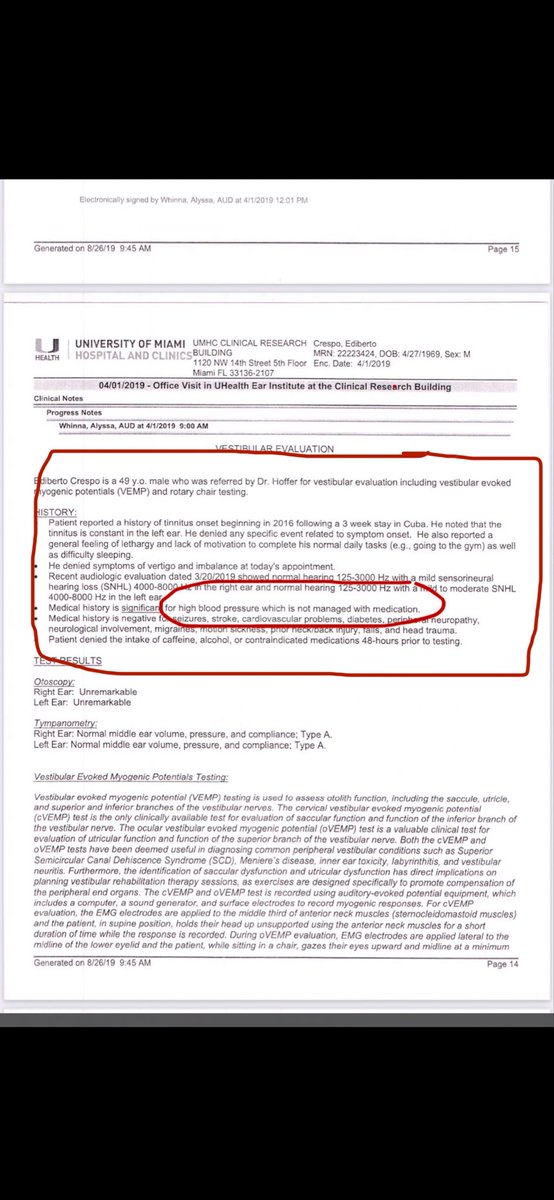
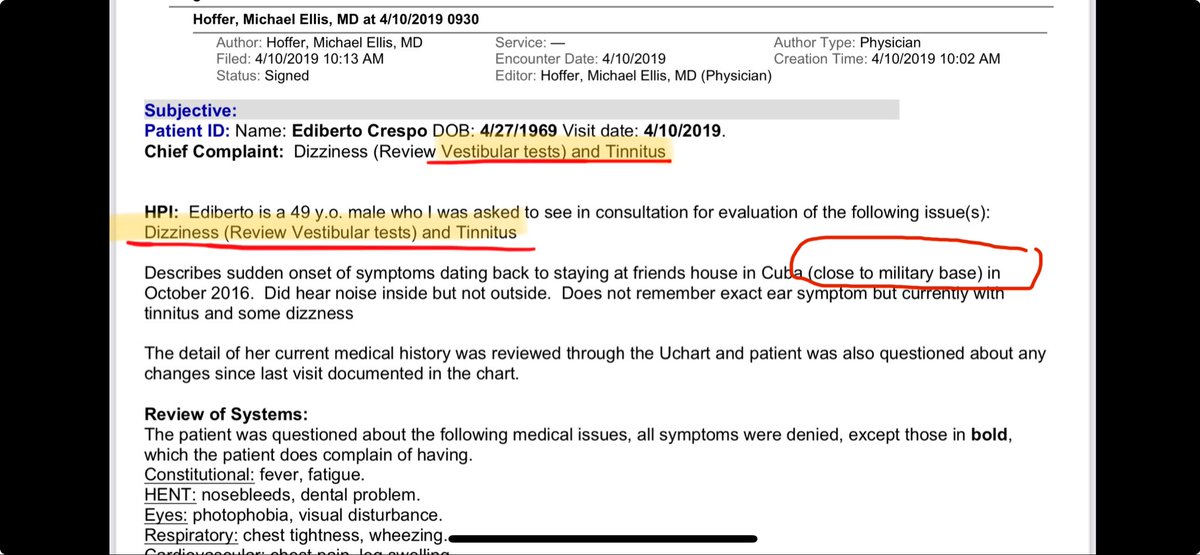
Será que usted y su esposa están involucrados en los Ataques Acústicos? Y que ustedes dos le accedieron a Cuba la Tecnología DARPA déjeme saber si quiere debatir o resolver el problema
1
23
Ediberto Crespo retweeted
Vamos a ver que bien que bien afilado tienes el machete Antonio Maceo
1
17
Ediberto Crespo retweeted

Jun 12
«La libertad no se mendiga; se conquista con el filo del machete» Antonio Maceo
2
2
9
153
Ediberto Crespo retweeted
I will like to declassify some more Please share so I can get more followers
But you omitting Civilians
1
46
Ediberto Crespo retweeted
But you omitting Civilians
You are literally lying you are omitting Civilians
1
99
Ediberto Crespo retweeted
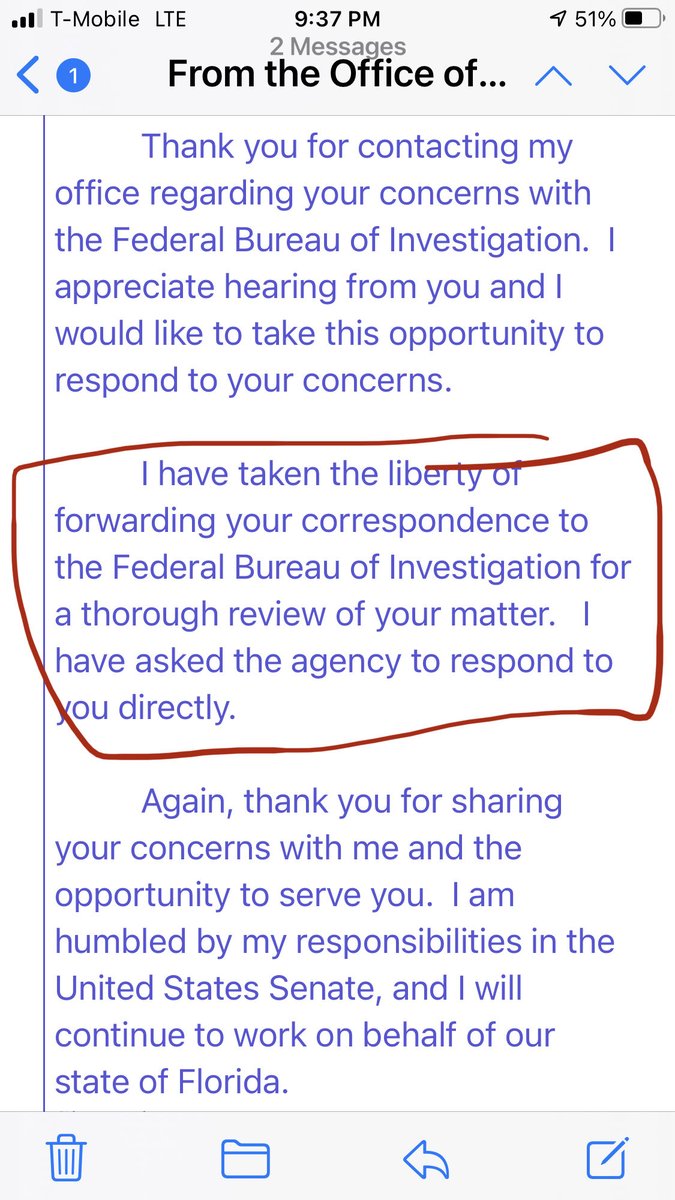
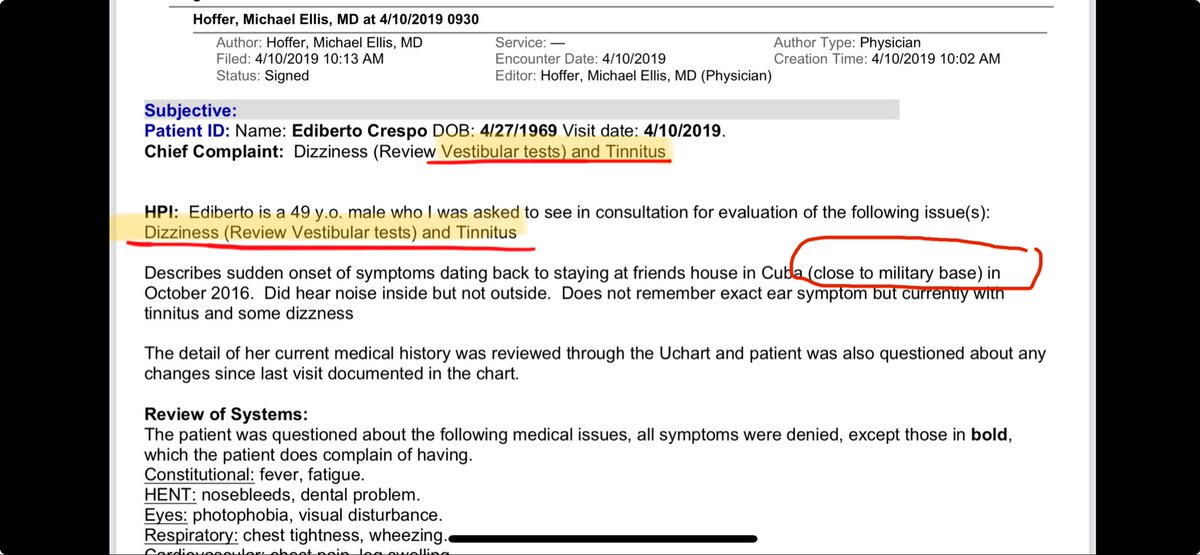
Investigate this ⬇️⬇️⬇️
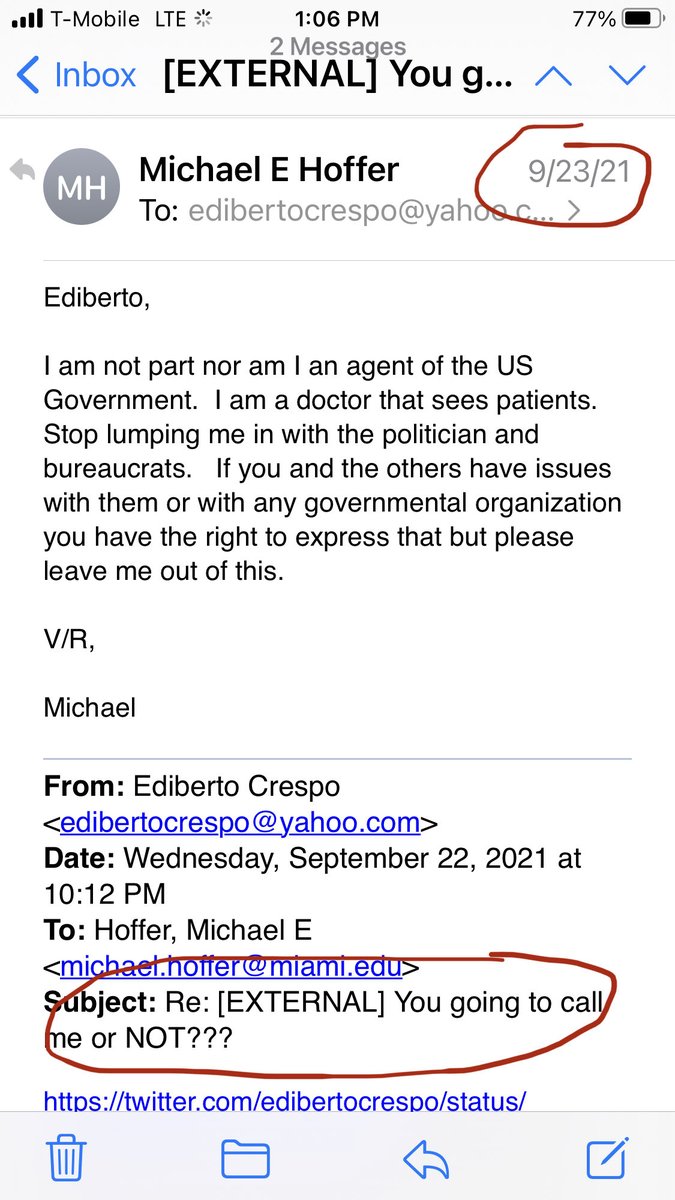
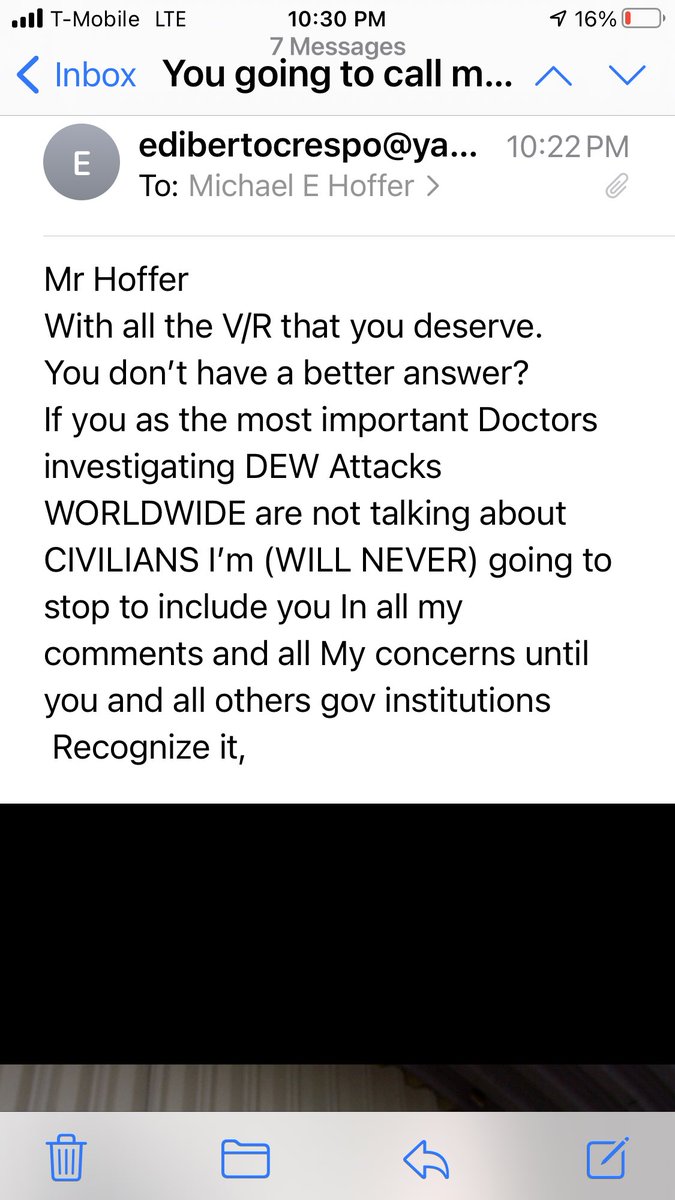
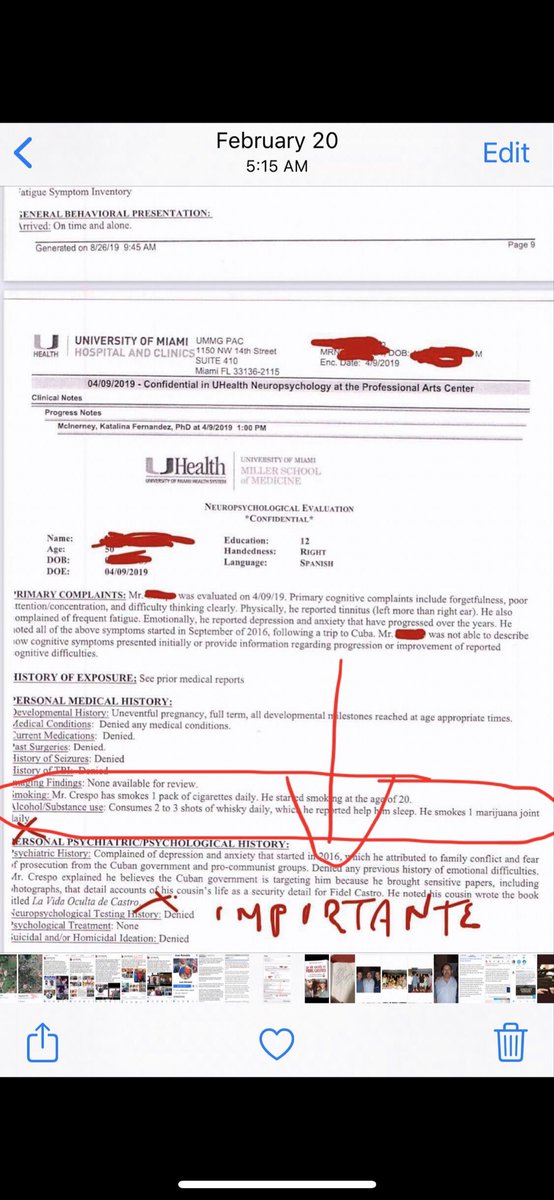
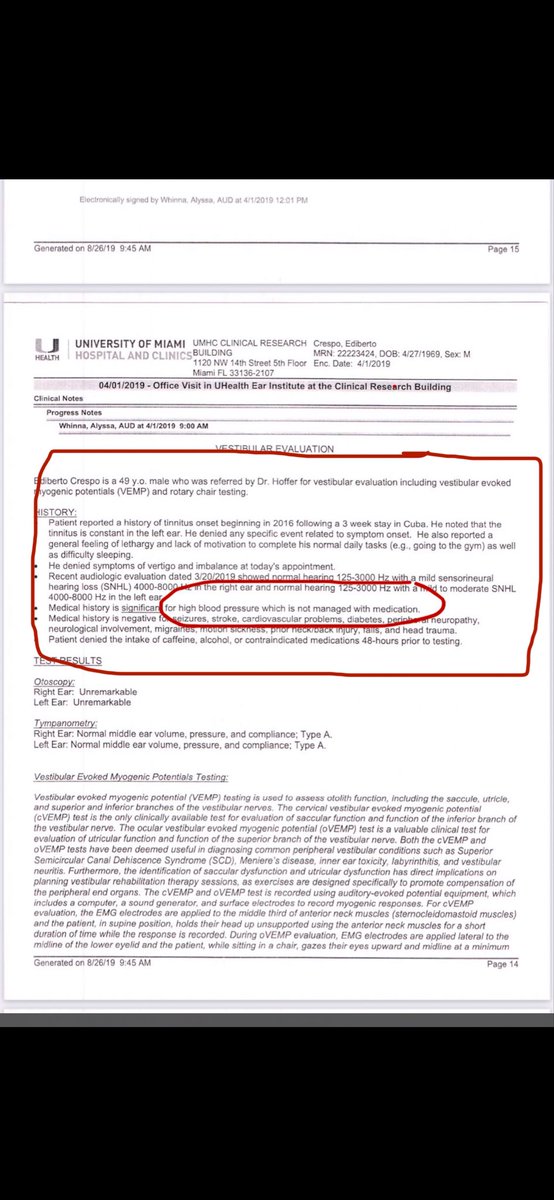
2
1
54
Ediberto Crespo retweeted

Jun 4
Why is so much attention focused on explaining, minimizing, or dismissing #HavanaSyndrome while broader questions about neurotechnology, neuroscience advancement, directed electrical stimulation, directed energy capabilities, and their potential implications receive so little public scrutiny?
Many civilian complainants reporting experiences they believe are consistent with directed energy exposure or advanced neurotechnology applications continue to argue that their accounts are ignored, marginalized, or automatically discredited. At the same time, governments, universities, defense contractors, and private industry continue advancing neuroscience, neurotechnology, brain computer interfaces, human machine integration, and related research at an accelerating pace.
The public deserves transparency regarding the capabilities, limitations, oversight, governance, and ethical boundaries surrounding these technologies. Legitimate questions about directed electrical stimulation, directed energy research, cognitive security, privacy, informed consent, and potential misuse should be openly investigated instead of dismissed without examination.
If policymakers, researchers, and oversight bodies want public trust, they should support independent investigation, transparency, accountability, and meaningful engagement with both government personnel and civilian complainants raising these concerns.
I would avoid phrases such as “mind-controlling politicians” unless you have verifiable evidence supporting that specific claim. A stronger public-facing argument is often to focus on transparency, oversight, accountability, potential conflicts of interest, and the treatment of complainants, because those points can be debated and investigated on their merits.
@RepLuna @HawleyMO @GovMikeKehoe
@OccupyCenCA @aa_energy @MartinL90315025 @TargetedJustice
#targetedindividuals

FARRELL: Judicial Watch Sues for info on "Havana Syndrome!" @C__Herridge
judicialwatch.org/havana-syn…
8
27
52
1,420
Ediberto Crespo retweeted
Microwave attacks to population not a experiment is a ATTACK
1
18
Ediberto Crespo retweeted
I going to say in Hispanic COMEPINGA Sal de aquí
1
17
Ediberto Crespo retweeted
I will make a Difference thanks for following me very accurate you point
Acoustic Attacks with Microwave Military Weapons and USGVT is allowing Terrorists Cuba to perpetrate the Attacks to Civilians and Diplomats
1
4
4
189
Ediberto Crespo retweeted
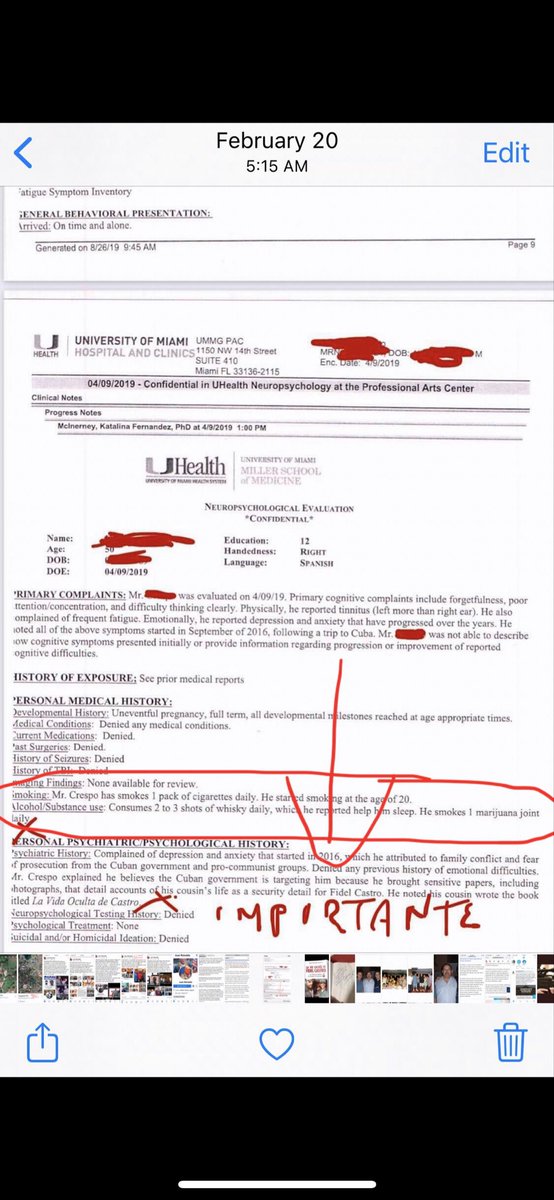
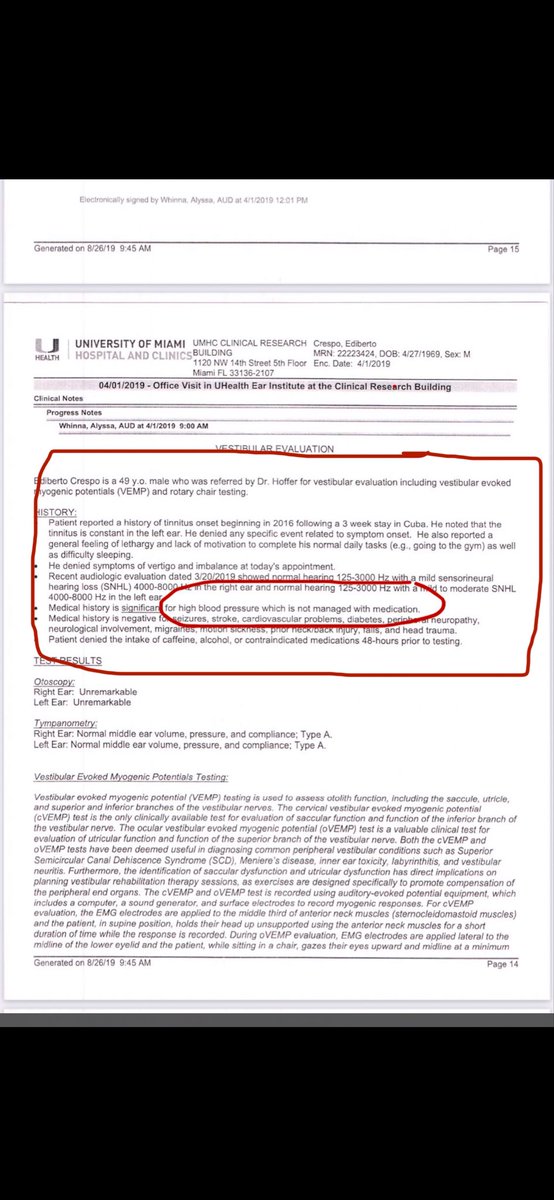
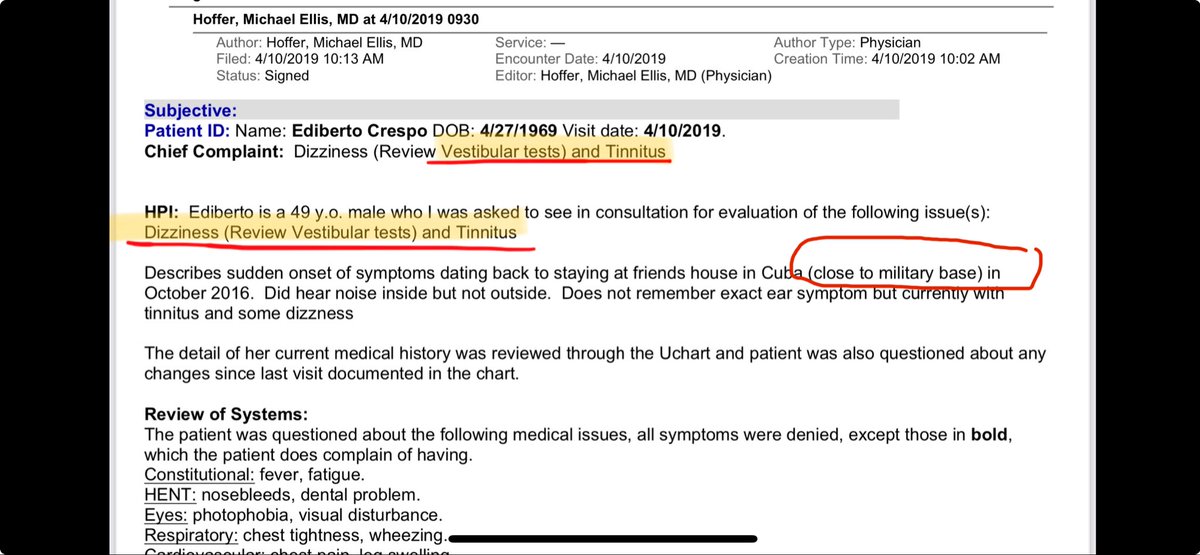
This should be included Acoustic attacks with Microwave Military Weapons
1
14