
OSS Engineer → Creator of @fluentbit & Maintainer @fluentd | Founder @CalyptiaInc | Now @Chronosphere
Joined February 2008
- Tweets 11,892
- Following 962
- Followers 1,727
- Likes 2,030
779 Photos and videos


Pinned Tweet

22 Jan 2024
Here we go!!! ,💪🚀🚀🚀. @CalyptiaInc joins @chronosphereio !!!!
22 Jan 2024

Chronosphere acquires Calyptia to extend its observability platform tcrn.ch/48IUwkf
4
6
1,513
Jun 13
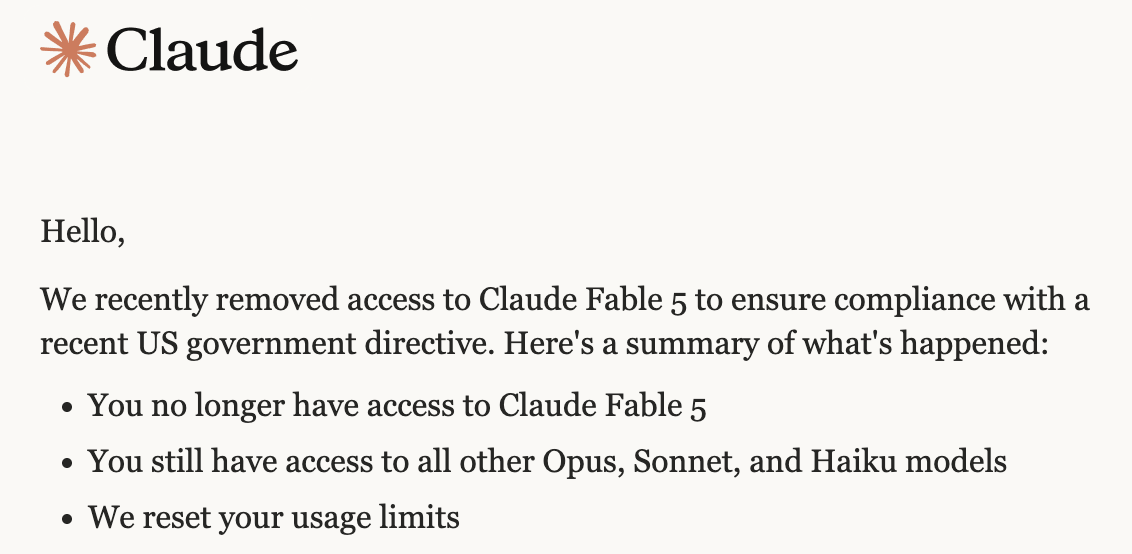
ohhh @AnthropicAI "There's an issue with the selected model (claude-fable-5[1m]). It may not
exist or you may not have access to it. Run /model to pick a different model"
1
99
Eduardo Silva retweeted

Mar 27
When I worked in the Kubernetes ecosystem, I had the interesting perspective in that I had tried to write so many orchestration systems historically. The majority of them were terrible, but I understood the domain very well by the time Kubernetes popped up. Unknowingly I've done a similar thing with agents. OpenClaw is the bleeding-edge architecture of agents. But I have built so many agent frameworks. That I know this crap so well. All the dumb nuances.
On the one hand agents are very simple. It's just a loop. But it's very similar to Kubernetes orchestration. It's just a reconciliation loop. But these loops in practice end up being sort of complex. I'm honestly really excited to work in this agent realm. I don't care so much about models. I take that for granted. But how do you build an agent on top of a model? It's almost like I have 20 years of experience that make me perfectly suited for this domain. And the agent is the new unit.
We went from servers to virtual machines to containers. The new unit is Agent. Which is weird; that doesn't necessarily make sense but it's because AI is different. The new unit is not Sandbox; it's Agent. That is our new unit of compute. Infrastructure always had three tiers. Storage, networking, compute. We've added a fourth tier, which is models. The Agent is the unit that ties together storage, networking, compute, and models.
With every unit there's some corresponding asset. A server is obviously a physical thing. A virtual machine had VMDKs, AMIs, OVF. Containers have Docker images, Docker files. An Agent is just a file system. It can be stored in git. It can be a zip. It's really just a collection of files, largely markdown files.
9
7
78
8,803
Eduardo Silva retweeted

Mar 27
was so swamped this week forgot to share we published the latest @CloudNativeFdn tecumentary this week "Backstage: From Spreadsheet to Standard" #kubecon #cloudnativecon youtube.com/watch?v=gJHYTlO0… - thank you to the Backstage folks and Spotify for lending their office for this!
1
4
694
Eduardo Silva retweeted
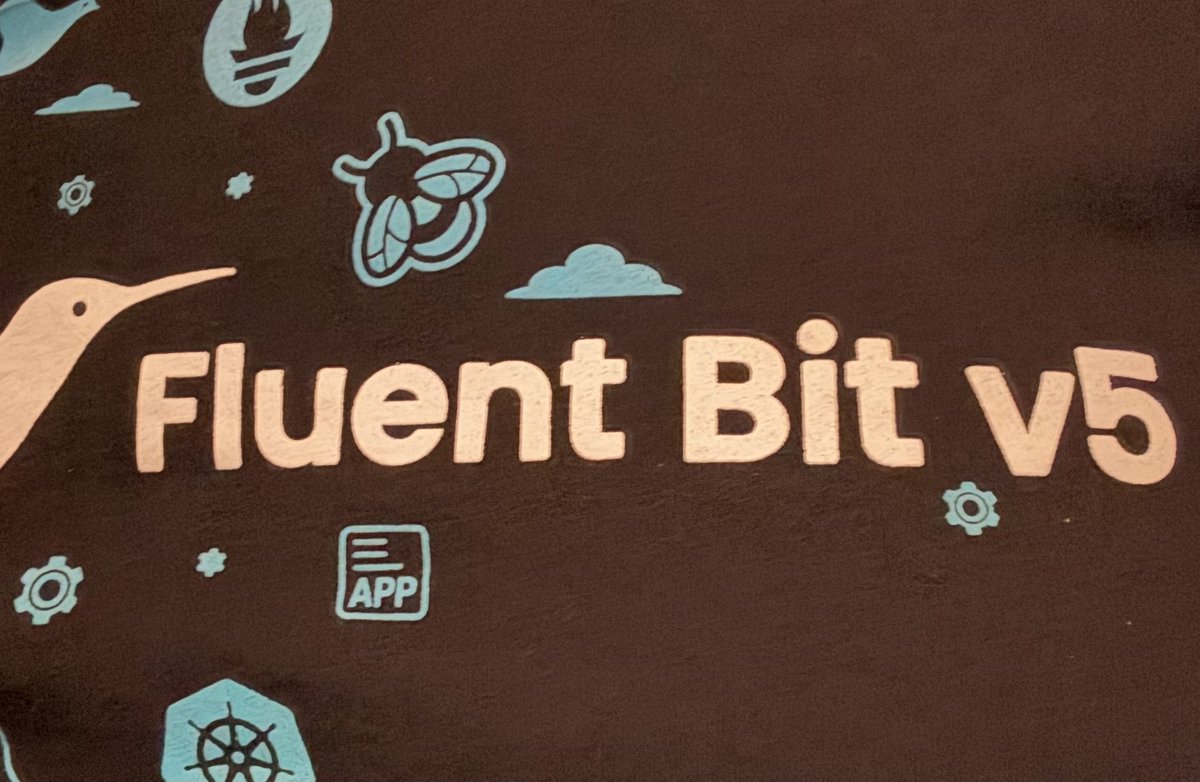
Preview: 🚨🚨🚨
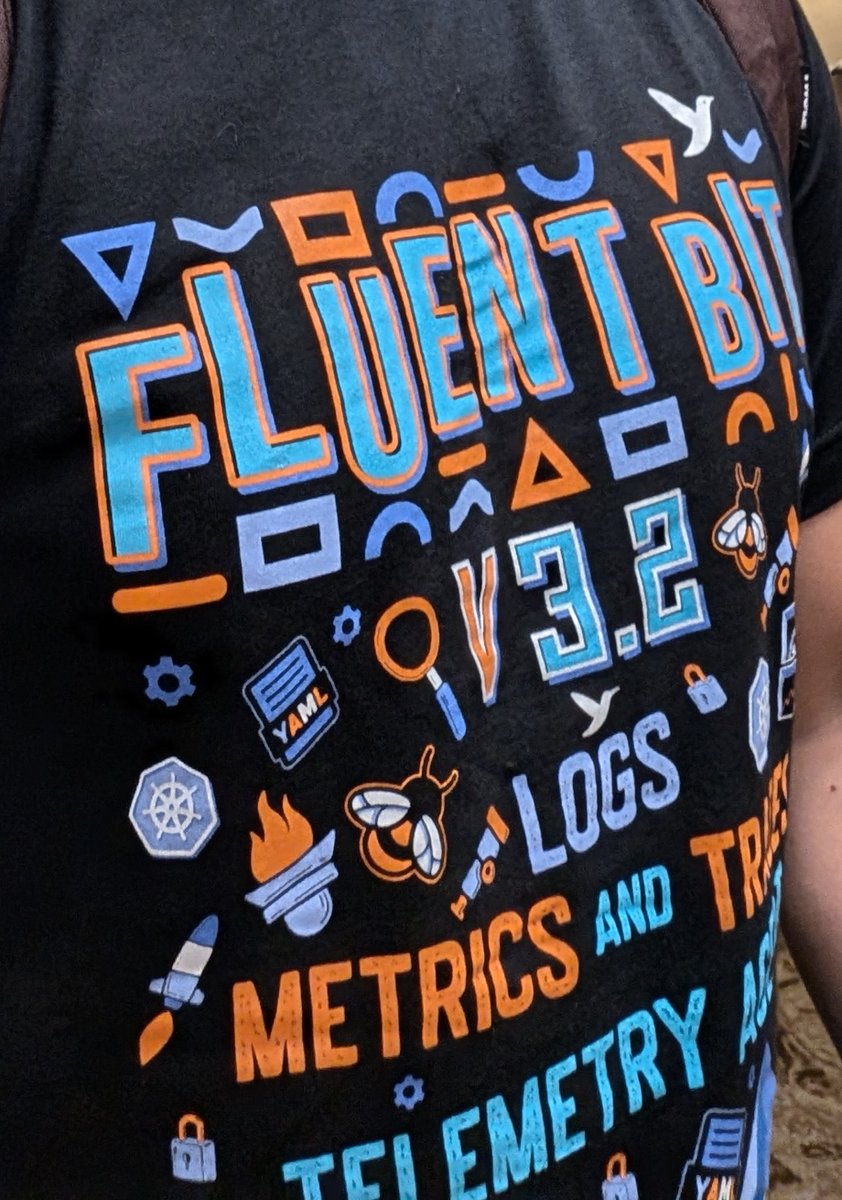
Coming very soon…. @fluentbit v5 is on the way my friends!
Shhhhhh, secret for you only: stop by the @CloudNativeFdn Project Pavilion at #kubecon EU and ask about the new t-shirts! #cloudnative #observability #o11y
1
1
170
Eduardo Silva retweeted
Mar 24
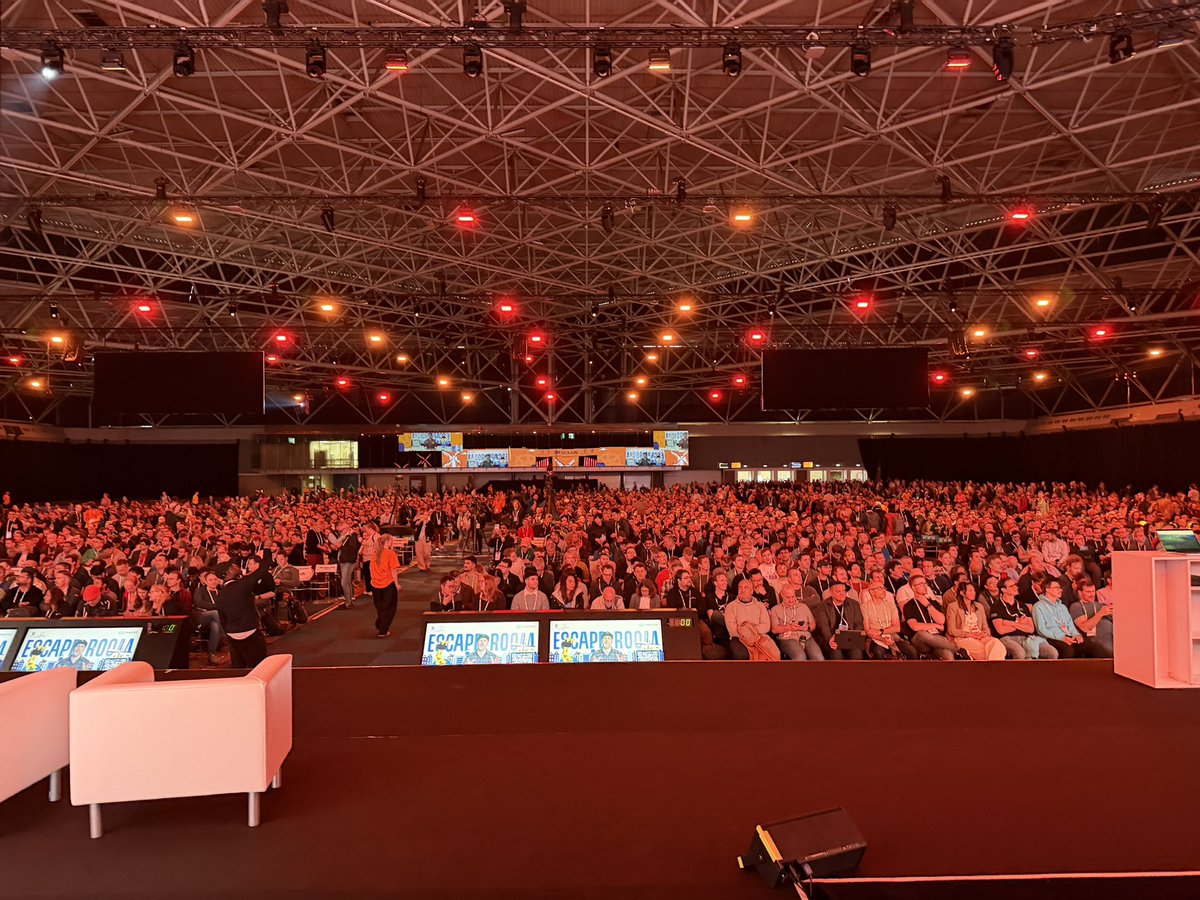
welkom #kubecon #cloudnativecon Europe! glad to have 13,500 of you here sharing in open source and cloud native in Amsterdam!
2
8
48
2,086
Eduardo Silva retweeted
31 Dec 2025
nice progress: "CloudNativePG in 2025: CNCF Sandbox, PostgreSQL 18, and a new era for extensions" gabrielebartolini.it/article…
2
5
462
Eduardo Silva retweeted

23 Dec 2025
Just in time for the holidays🎄, learn about how telemetry routing works in @fluentbit. From tag-based, conditional, to label-based routing, it's here in a hands-on free online workshop lab released today! @chronosphereio #cloudnative #observability #o11y o11y-workshops.gitlab.io/wor…

2
1
129
6 Dec 2025
The Eternal Return of Abstraction: Why Programming Was Never About Code generativeai.pub/the-eternal…
60
Eduardo Silva retweeted

2 Dec 2025
In my experience of life across personal, professional, and open source, I’m amazed at how many people kind of wait for things to happen to them instead of going out and making things happen for them. It’s a consistent difference between a certain level of success (not just financial).
43
69
1,531
120,710
Eduardo Silva retweeted

13 Nov 2025
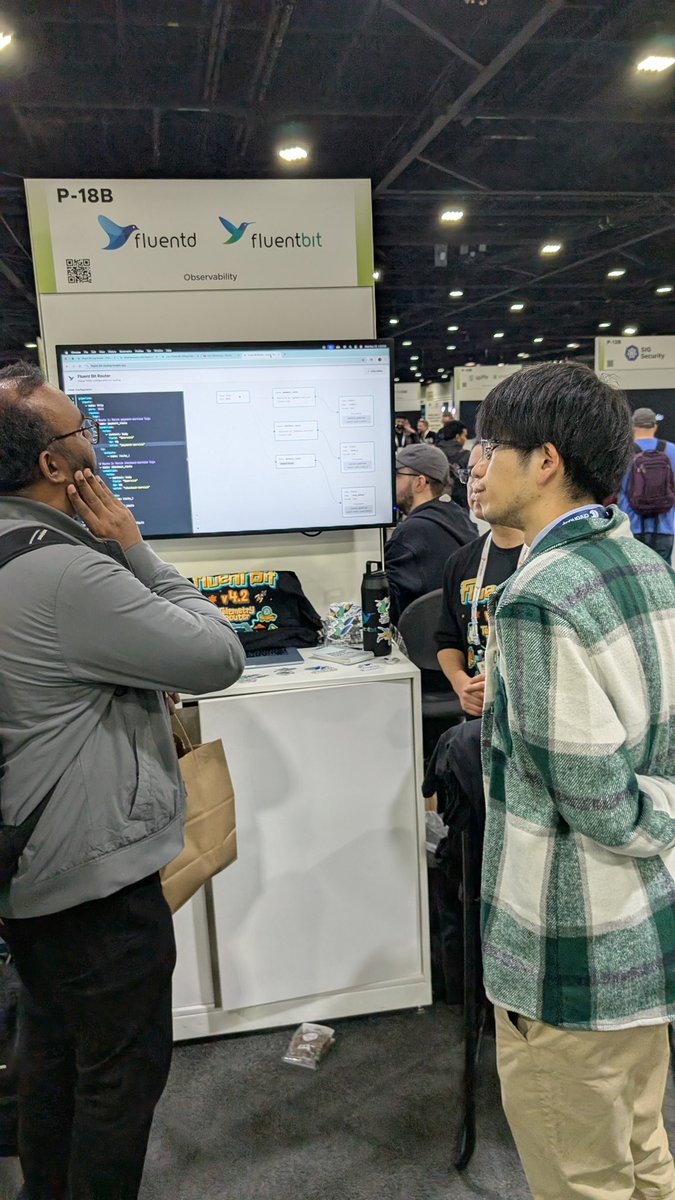
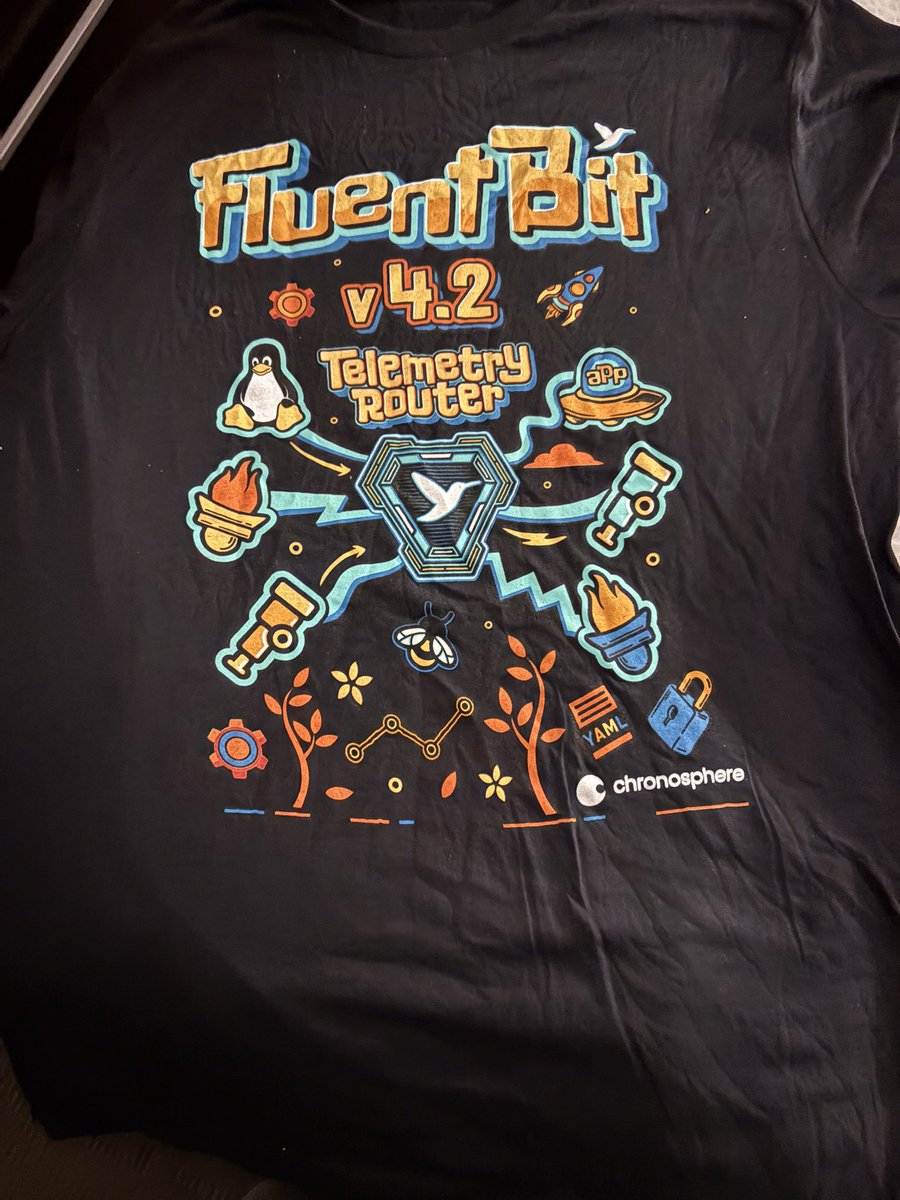
Hey #kubecon attendees! It's been great to see you all, before we wrap up, don't forget to stop by the Fluent Kiosk in Project Pavillion and ask for your @fluentbit v4.2 t-shirt
1
1
206
Eduardo Silva retweeted
12 Nov 2025
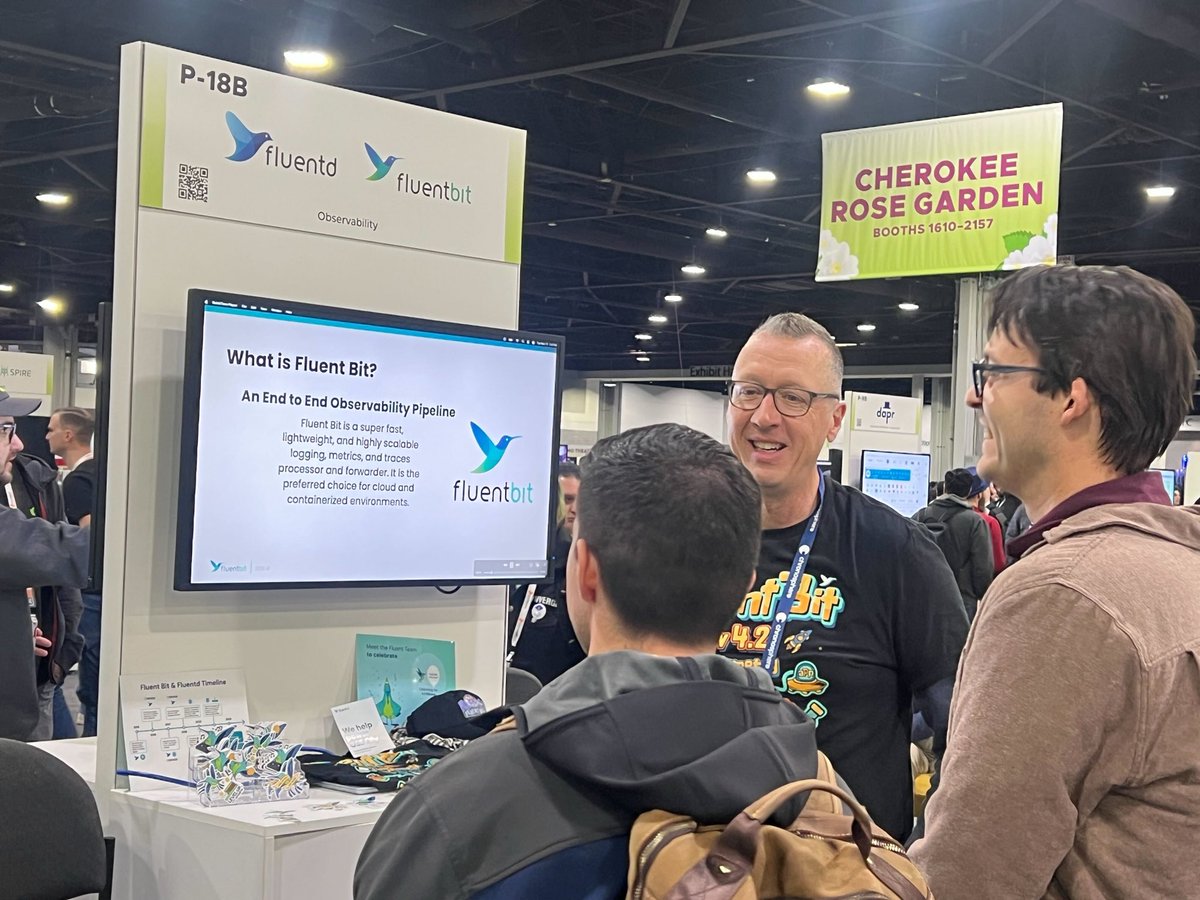
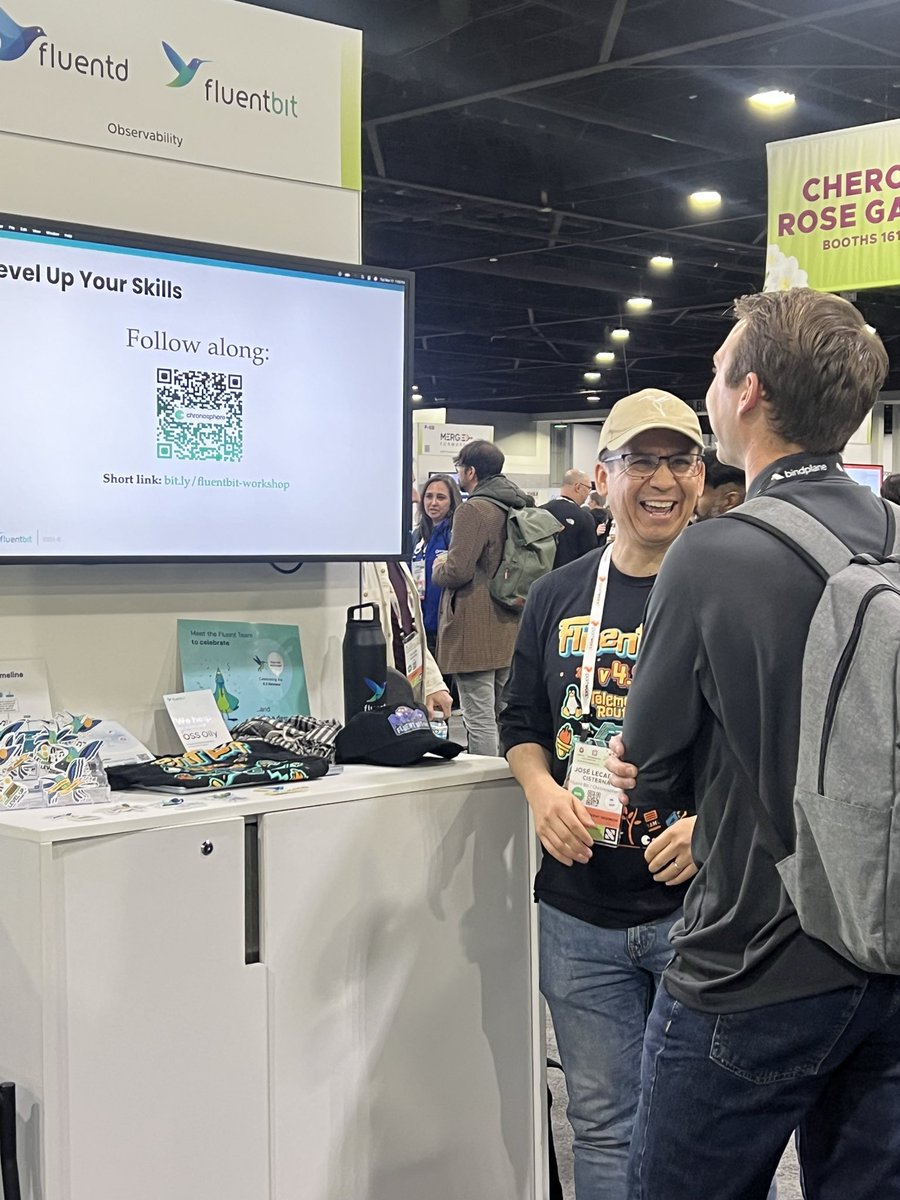
Day 2 #KubeCon NA, we’re demoing how to leverage @fluentbit for more efficient telemetry collection as shown by @OpenAI in the keynote! Stop by the project pavilion kiosk and meet the maintainers, grab a shirt, make a new friend! @chronosphereio #cloudnative #observability #o11y
2
1
157
Eduardo Silva retweeted
19 Oct 2025
1
1
539
Eduardo Silva retweeted
12 Oct 2025
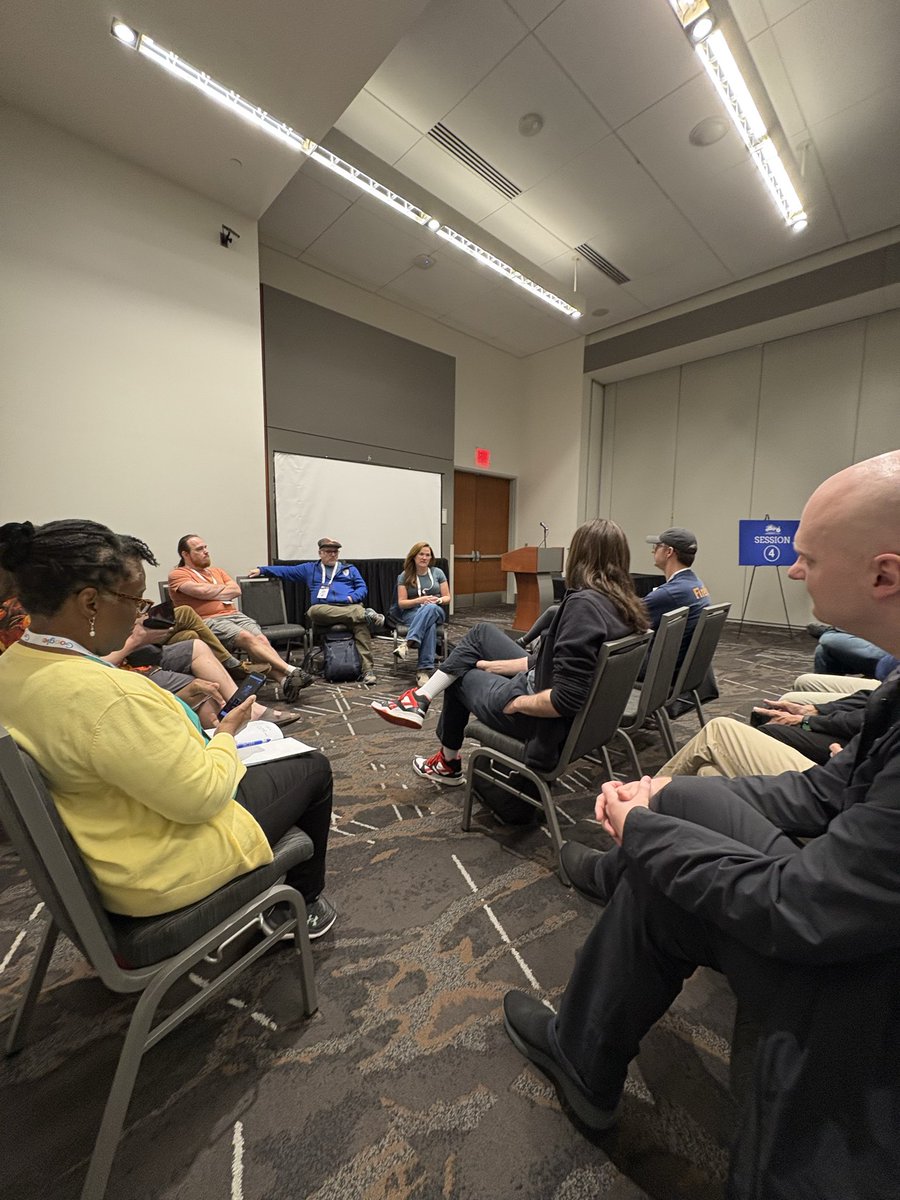
Hosting a side session at Community Leadership Summit at @AllThingsOpen, @k8tgreenley3 from @fluentbit with the @fedora community leaders talking about keeping their OSS projects thriving in a modern world! @chronosphereio
2
5
388
Eduardo Silva retweeted
29 Sep 2025
🔥 Level up your logs! Learn how to use @fluentbit processors to build smarter, conditional log pipelines that fit your app & infrastructure. 🚀
Check out the guide on @thenewstack: buff.ly/OgkLyzD
#FluentBit #Observability #DevOps #Logging
2
1
466
21 Aug 2025
Great talk! "The Experimental Mindset: A Faster Way to Learn and Grow"
Haven’t read her book “Tiny Experiments” yet, but it looks really interesting. @neuranne @remarkablepaper
youtube.com/watch?v=zs2jR38l…
1
1
11
3,400