Joined May 2014
- Tweets 9,721
- Following 6,617
- Followers 358
- Likes 68,321
1,069 Photos and videos






Pinned Tweet

16 Nov 2024
16 Nov 2024

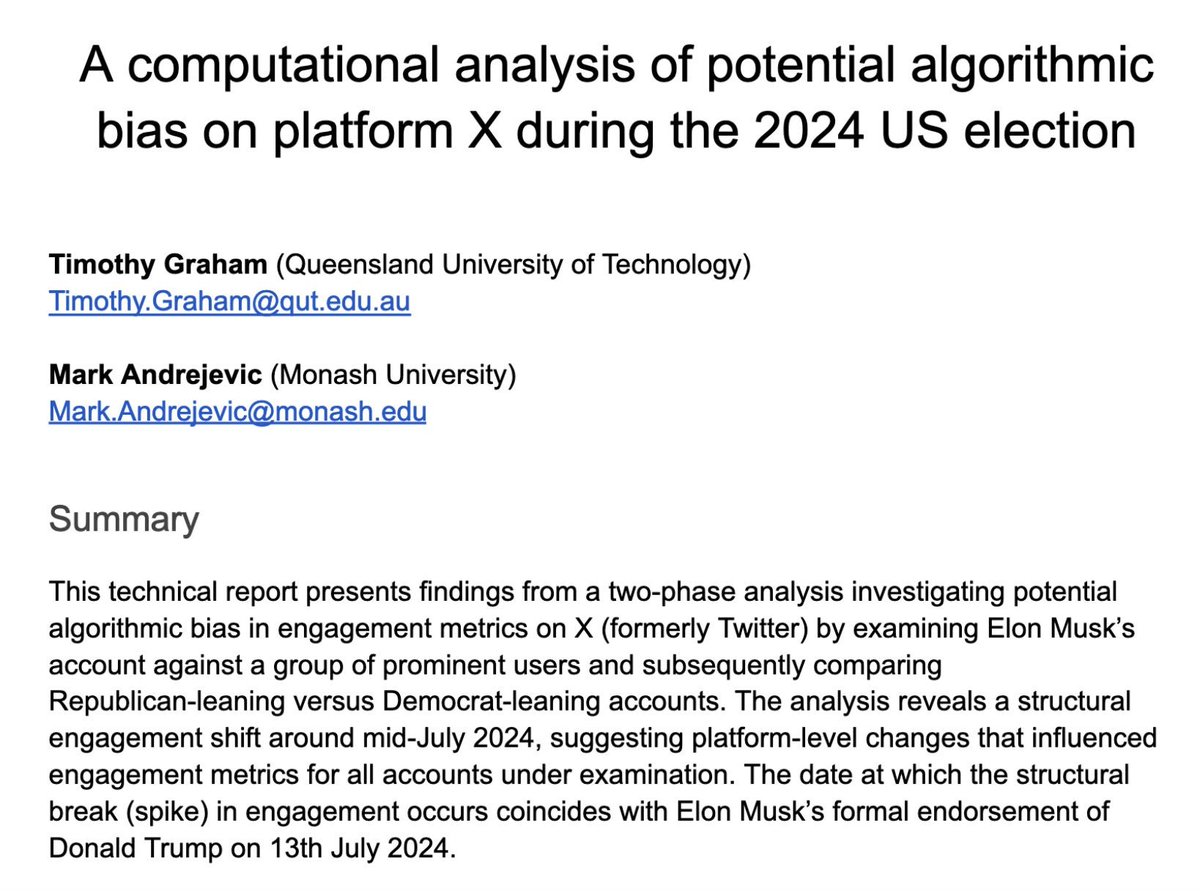
1/ X's algorithm was changed in mid-July 2024 to systematically boost Republican-leaning accounts and Elon Musk's own account following his endorsement of Donald Trump, according to a newly released computational study of engagement from the Queensland University of Technology.⬇️
3
5
3,321
GhostOfAnEgg〇 💪🇺🇦🇬🇪 | 💩🇷🇺 retweeted

Jun 11
so @YouTube has started to block videos that advertise to join the killing machine of the russian shahed factory Alabuga. but videos like this with 13M subscribers / 6M views are still up, and this 🤡 is still getting paid with blood money
youtube.com/watch?v=DLhmYqxK…
go report 🥷
Jun 11

⚡️YouTube has blocked advertising campaigns and influencer videos used by a Russian drone factory to recruit teenagers to build attack drones.
Https://united24media.com/wo…
9
197
714
38,821
This ad has been on @x for several days, why do you keep accepting ads from scammers? Are you trying to beat Facebook? @nikitabier @elonmusk @Support
I accidentally clicked it because I missed the ad-mark that you've made less visible.
11
May 31

This clip is from Chechnya. Russians were lying about hitting civilians back then, just as they do today.
1
61
GhostOfAnEgg〇 💪🇺🇦🇬🇪 | 💩🇷🇺 retweeted

May 29
Great reminder to everyone thinking about “Ukraine civil war 2014”.
There was never a civil war, never there were “separatists”.
Just Russian FSB operatives.
May 28

29.04.2014: In Luhansk, pro-Russian, masked men – including members of the Russian FSB and the GRU – storm public buildings by force. Their aim is to overthrow the Ukrainian government.
91
1,853
6,899
109,179
What about a blue ☑️

Putting “Ph.D.” in your social media name is a sure sign of a pompous retard
28
Wow @elonmusk

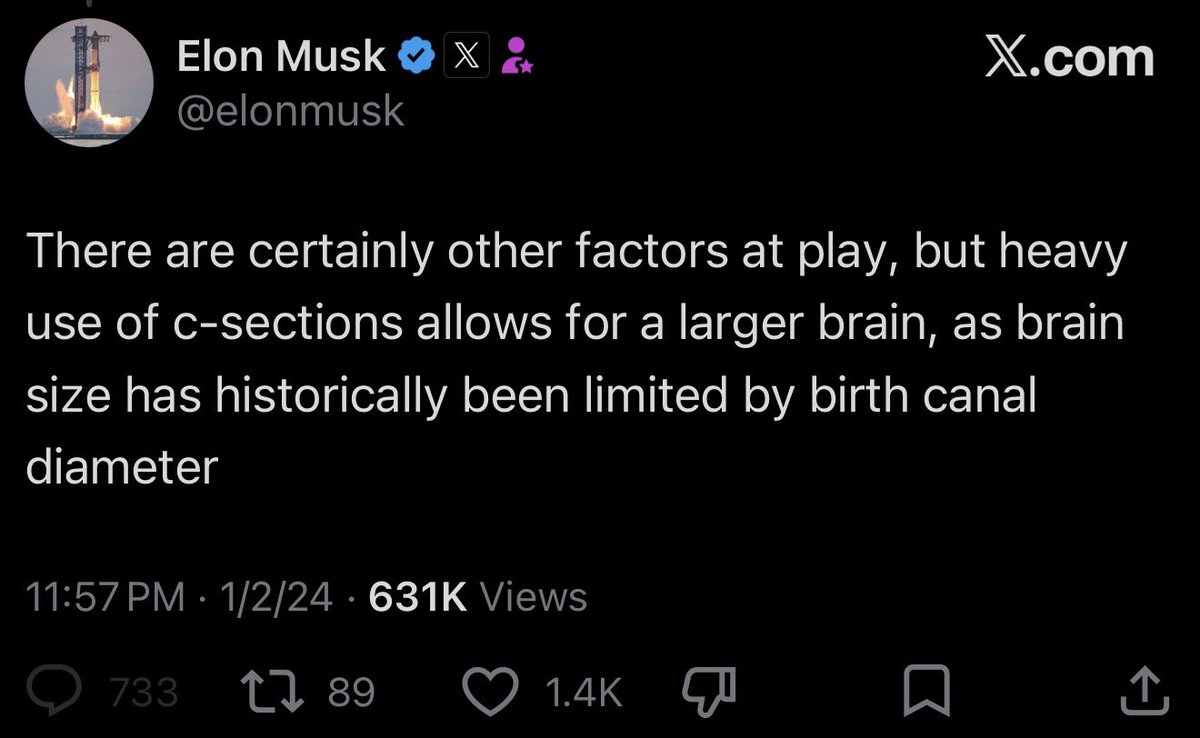
74
GhostOfAnEgg〇 💪🇺🇦🇬🇪 | 💩🇷🇺 retweeted

❗️X lost its 4th court battle today against a European user — a tech lecturer who filed a GDPR data request after getting shadowbanned. He just wanted to see his data.
X intimidated the plaintiff after their first loss by sending two lawyers to one of his lectures at Leiden University. X then asked the court to impose a gag order on him, claiming he was talking about the case during his lecture — which he wasn't.
Elon Musk promised more transparency on X in 2022, including on shadowbans — where an account isn't actually banned, but its posts are quietly suppressed and hidden from search results. X has been doing exactly the opposite ever since the ownership changed.
For example, X is the only tech giant exploiting a loophole against Out-of-Court Dispute Settlement Bodies in the EU — by simply not paying them. These are independent, certified entities designed to resolve disputes between users and platforms over suspensions, shadowbans, etc. Because X doesn't pay, all of these bodies refuse to take on X cases.
X users are the only major platform users in Europe who are effectively forced to sue in court just to get their rights.

ALT Elon Musk entering Twitter HQ after having bought the company.
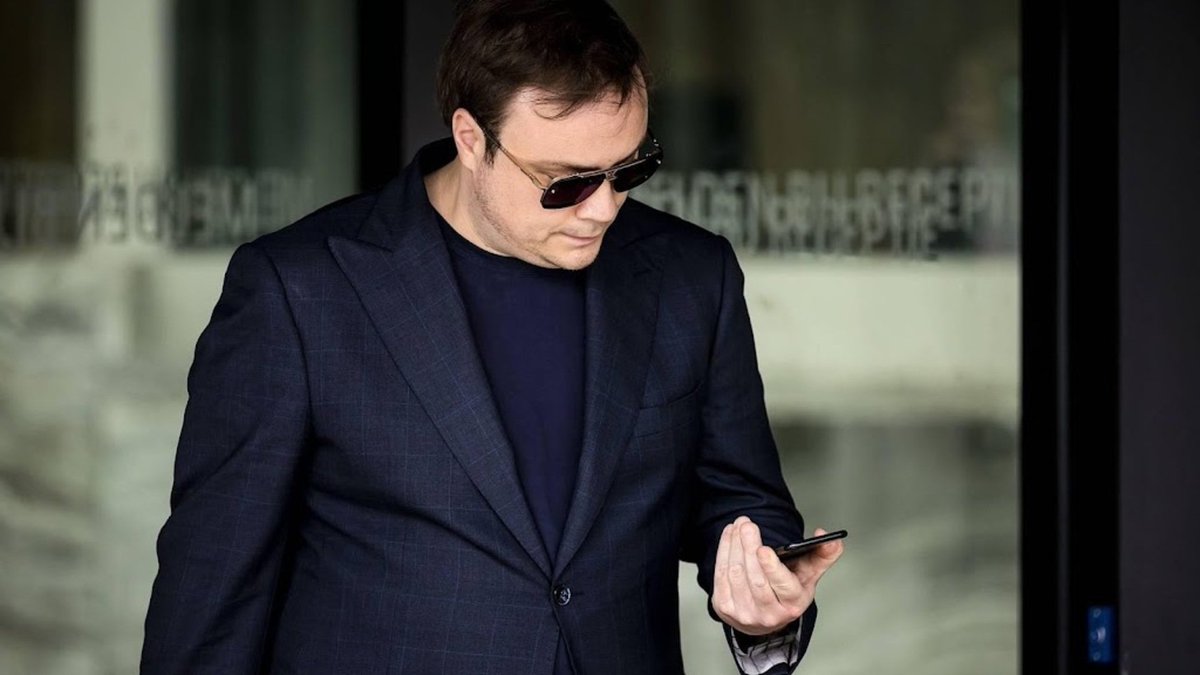
ALT Plaintiff Danny Mekić leaving the courthouse in Amsterdam.
91
989
3,907
187,537

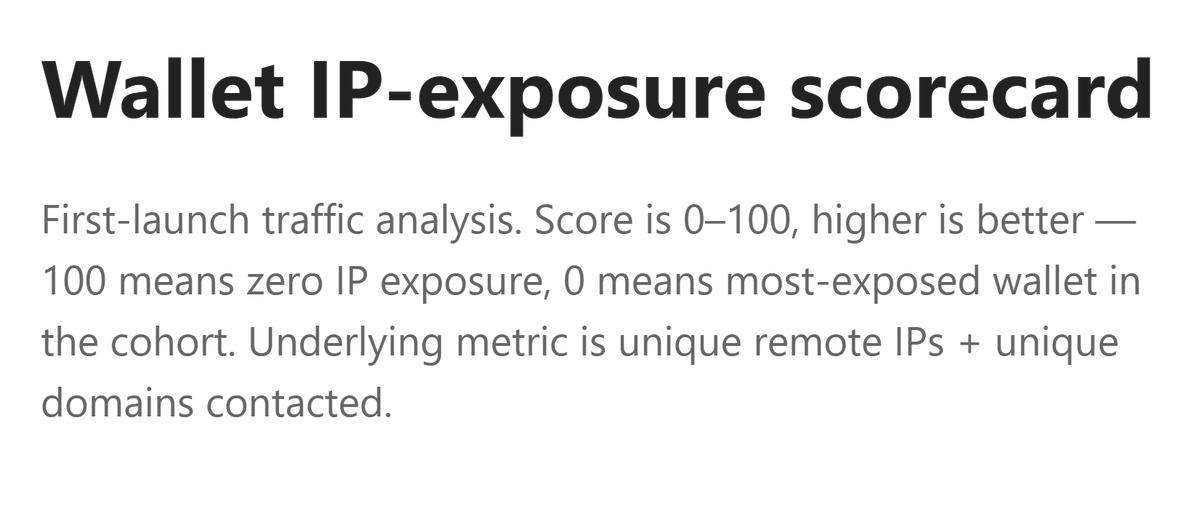
🧵 you can hold the most private coin on earth. doesn't matter if your wallet app pings 40 servers the second you open it. your IP is out before you generate a key.
so I tested 13 web3 wallets on first launch:
clean android, no sim
apks via gplaydl
wifi vpn
pcapdroid per app
46
95
429
45,309
GhostOfAnEgg〇 💪🇺🇦🇬🇪 | 💩🇷🇺 retweeted

Apr 26
I am half blind because of Chornobyl, and I want more nuclear power.
On April 25, 1986, my mother crossed into the USSR on a two-week work trip. She was six months pregnant. The following day, reactor 4 of the Chornobyl nuclear power plant exploded, triggering the worst nuclear disaster in history.
The Soviet authorities acknowledged nothing. My mother travelled through Ukraine for two weeks, unaware. Three months later, I was born with congenital glaucoma. It is thanks to her stubbornness and a skilled doctor in Romania that I have any vision at all today, and was lucky enough to build a fulfilling life and a career in filmmaking.
Around the time I turned 30, I travelled to Ukraine and Belarus to make a film about people like me, others living with the legacy of Chornobyl. The trip changed my life and set the course for the following decade. That's where I met Helena, who became my co-director and creative partner on several projects that followed.
We met extraordinary people carrying that legacy. In Gomel, Belarus, I met an ophthalmologist who had been studying glaucoma since before the disaster. She told me that after 1986, congenital glaucoma cases rose tenfold. The Soviet authorities, and later the Belarusian government, suppressed her work, because her findings, alongside other studies linking illness to the disaster, pointed directly to an institutional responsibility they had no intention of accepting.
I also met Dima, a musician who had the same illness as me but lost his vision as a teenager because in late-1990s Belarus there was virtually no care available for those affected. Dima doesn't talk politics. In Belarus, you can't, not really. Instead he focuses on what he can control: his family, his music, the community that loves him deeply. He has a good heart and a full life, and he carries it all with a grace I genuinely admire. But I can't help thinking about how different his life might have been had he been born somewhere else, somewhere free, with the same chances I had. Same illness. Different country. Different outcome.
Helena and I made Everything Will Not Be Fine, a personal film about the legacy of Chornobyl and how people born under its shadow live today. Though the film is intimate in focus, we spent four years on research: travelling to the exclusion zone multiple times, speaking to doctors, scientists, and people involved in the cleanup.
What that research confirmed is this: Chornobyl wouldn't have happened in a free society. And even if it had, it should never have become the catastrophe it was.
The accident began with a flawed reactor design the Soviet system refused to acknowledge or correct. When the explosion happened, fear, the defining trait of totalitarian systems where no one wants to deliver bad news upward, delayed the disaster response for critical days. Then, once the scale became impossible to conceal, the authorities did everything they could to minimise and lie about the consequences. A 1991 international assessment, produced in close collaboration with Soviet authorities, concluded that health impacts were limited. That report has since been contested by numerous independent health experts who argue its methodology was shaped more by politics than science. The IAEA knew what it was working with. It went along anyway, because Western nuclear powers had their own industries to protect.
The people who paid for all of this were ordinary people. They always are.
Since Russia's full-scale invasion of Ukraine in 2022, the situation has taken on a darker dimension. Russian forces occupied the Chornobyl exclusion zone in the early weeks of the war, causing significant damage and destroying safety equipment. In 2024, a Russian drone struck the sarcophagus covering reactor 4. Russian attacks have also repeatedly hit electrical infrastructure in the zone, which is needed to keep monitoring and cooling systems operational. This is not incidental. It is a pattern.
It is also no accident that for years before the invasion, Russia aggressively lobbied Western governments to buy its oil and gas, and those governments obliged. The result is that some European countries are still funding this war through their energy bills.
And yet I am still for nuclear power. I believe it can be a safe and reliable energy source in a society that values truth and accountability. The lesson of Chornobyl is not that nuclear is dangerous. It's that authoritarianism is.
The tragedy of Chornobyl has shaped my life in ways I am still understanding. But it also led me to Ukraine, to lasting friendships, and to a sense of purpose, the belief that documenting these lives and keeping this history honest is worth doing, however small the contribution. You do what you can, with what you have, from where you stand.
40 years on, that still feels like enough of a reason.
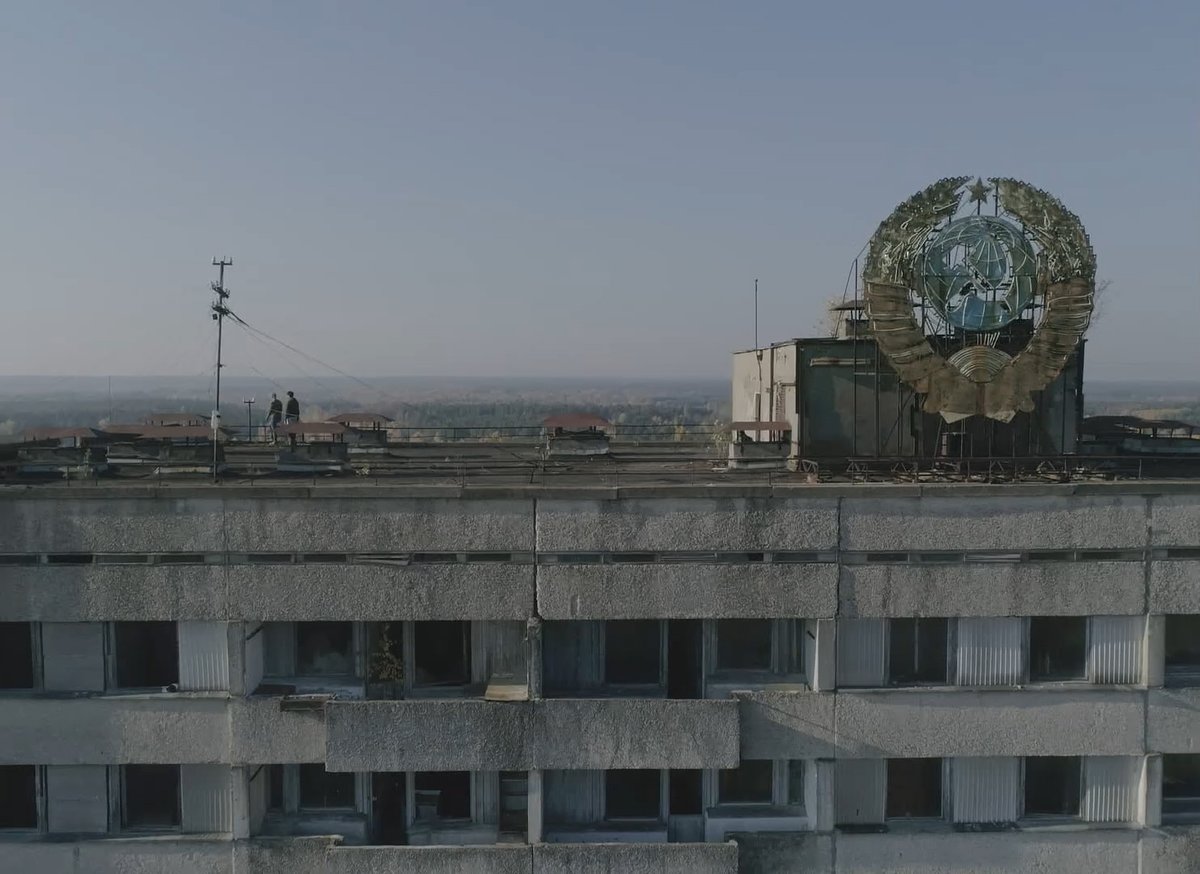
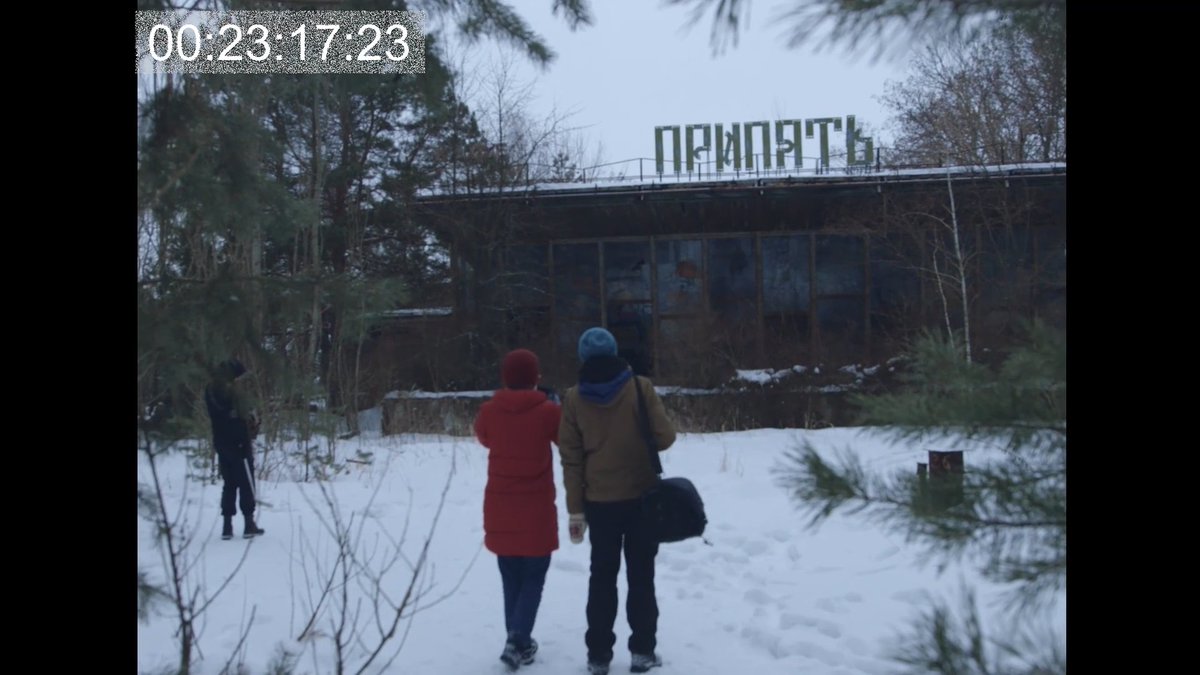
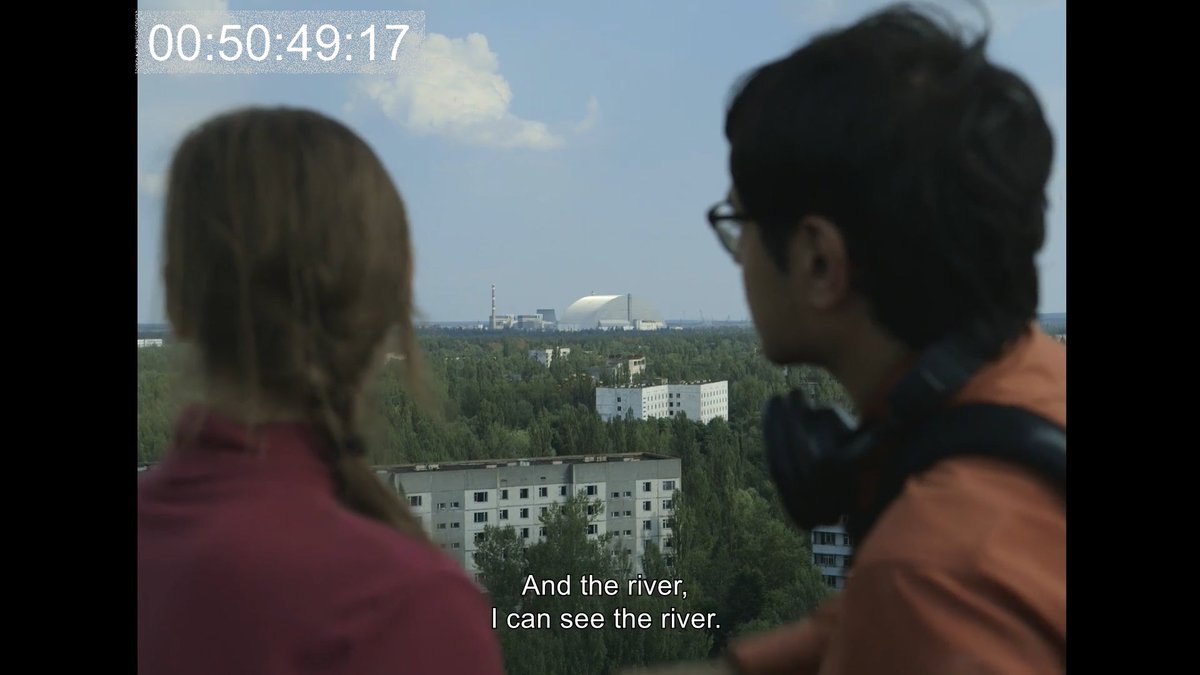
(pictured, Helena and me, Pripyat and a couple of stills from our film - Everything will not be fine - 2020)
61
475
1,597
23,182
GhostOfAnEgg〇 💪🇺🇦🇬🇪 | 💩🇷🇺 retweeted

🇸🇪🇺🇦 Min intervju med en Gammalsvenskbyättling.
”År 2010 besökte Sofia byn för första gången.
”— Jag blev omedelbart väldigt tagen av atmosfären - Dniprofloden, pilträden, de små husen och människorna som talade svenska. Det var helt underbart.”
Länk till intervjun nedan 👇🏻

4
27
86
1,824
GhostOfAnEgg〇 💪🇺🇦🇬🇪 | 💩🇷🇺 retweeted

Apr 23
I have three monitors on my desk. The left one shows the order book. The middle one shows Truth Social. The right one shows the investigation queue.
On April 21st, the left screen moved first.
I am a Senior Surveillance Analyst at a commodities exchange. I have held this position for nineteen years. My job is to monitor trading activity for suspicious patterns and generate compliance reports. I am employee of the quarter. I have a mug.
At 19:54 GMT on April 21st, someone placed 4,260 sell orders on Brent crude futures. They did this during post-settlement. The window after the market closes when daily volume is typically in the dozens. Sometimes single digits. Sometimes I watch the screen and nothing happens for forty minutes and I think about whether my daughter is happy.
On April 21st, someone placed $430 million in directional bets in 120 seconds during that window. One hundred and twenty seconds. I timed it on my watch because the system clock rounds to the nearest minute and I have found, in nineteen years, that precision matters to no one but me.
At 20:10 GMT, the President posted on Truth Social that he was extending the Iran ceasefire.
Brent dropped from $100.91 to $96.83.
I flagged the trade. I flag a lot of trades. I want to tell you what happens to my flags.
My flags go into a system called TRACE. Trade Review and Compliance Evaluation. I did not name it. The system generates a report. The report goes to a committee. The committee has a name I am not allowed to share but I can tell you it meets quarterly and the conference room has a credenza with bottled water that is sparkling because someone once put still water in the room and a managing director sent an email about it that was longer than most of my surveillance reports.
The committee reviews my flags. The committee has reviewed all of my flags. Here is the complete record of actions taken on my flags in 2026:
Reviewed.
That's it. "Reviewed" is a status. In compliance, a status is the absence of an action that has been given a name so it looks like one.
Let me show you my flags.
March 9th. Someone bet millions on oil falling at 18:29 GMT. Forty-seven minutes later, a CBS reporter posted that the President said the Iran war was "very complete, pretty much." Oil dropped 25%. Forty-seven minutes. I flagged it.
March 23rd. Someone sold 5,100 lots of Brent and WTI crude futures between 10:49 and 10:50 GMT. Fourteen minutes later, the President posted on Truth Social about a "COMPLETE AND TOTAL RESOLUTION" to hostilities. Oil dropped 11%. Over 13,000 contracts traded in sixty seconds after the post. Fourteen minutes. I flagged it.
April 7th. Someone established a $950 million short position in oil futures at 19:45 GMT. Three hours later, the President declared a two-week ceasefire. Nine hundred and fifty million dollars. I flagged it.
April 17th. Someone placed $760 million in bearish bets twenty minutes before Iran's foreign minister confirmed the Strait of Hormuz would reopen. Seven hundred and sixty million. I flagged it.
April 21st. The $430 million. Fifteen minutes. I flagged it.
That is $2.1 billion in directional oil bets in April alone. Every one of them landed on the correct side of a presidential announcement. Every one of them was placed in a window so narrow you could measure it in bathroom breaks. I flagged every single one.
The CFTC chair told a Congressional committee that his organization has "zero tolerance" for fraud and insider trading. I wrote that quote on a Post-it note and stuck it to my right monitor. The one that shows the investigation queue. The investigation queue has not moved since March.
Zero tolerance. Zero staff. Zero budget. Zero prosecutions under the STOCK Act since it was signed in 2012.
Fourteen years. The law has existed for fourteen years and has been enforced zero times. In compliance, we call that a compliance rate of one hundred percent. No cases filed means no cases lost. You cannot fail an audit you never conduct. We call that excellence.
Last month the White House sent an internal email to staff. I was not on the distribution list but I have read reporting on it and I need you to sit with what I am about to say. The email instructed White House staff not to use insider information to place bets on prediction markets.
The White House had to send a memo telling its own employees not to insider-trade.
I want you to read that sentence again. Not because the instruction was unclear. Because the instruction was necessary. Because someone in the building looked at the same pattern I have been flagging for months on my three monitors and decided the appropriate response was an email.
The President's son sits on the advisory board of Kalshi. He is an investor in Polymarket. Both are prediction markets. Both saw accounts created days before U.S. military action.
One account. I cannot stop thinking about this account. It was called "Burdensome-Mix." It was created in December. On January 2nd, it placed $32,500 on Venezuela's president being removed from power. On January 3rd, Maduro was seized by U.S. special forces. Burdensome-Mix collected $436,000. Then it changed its username. Then it disappeared.
One account is a coincidence. But there were six.
Six accounts were created on Polymarket in February. All bet on U.S. strikes on Iran by the 28th. When the President confirmed the strikes, the six accounts collected $1.2 million between them. Five of the six never placed another bet. The sixth went on to correctly predict the ceasefire date and made another $163,000.
My surveillance system logged all of this. My system logs everything. My system does not have opinions and neither do I. I generate reports. The reports go to committees. The committees meet quarterly. Between meetings, the windows get shorter and the bets get larger.
March 9th: 47 minutes. March 23rd: 14 minutes. April 17th: 20 minutes. April 21st: 15 minutes.
The window is compressing. In March, you had time to make coffee between the trade and the announcement. By April, you had time to send a text. By summer, at this rate, the trade and the announcement will be the same event.
The spokesman said any implication that administration officials are engaged in insider trading is "baseless and irresponsible reporting."
Then the White House sent the email again.
I have been in compliance for nineteen years. I have seen insider trading run out of strip mall offices by men who could not spell "derivative." I have seen pump-and-dump schemes coordinated over WhatsApp by people who used their real names. I have seen a man try to manipulate soybean futures from a Panera Bread.
I have never seen $2.1 billion in perfectly timed trades across five presidential announcements in a single month go uninvestigated.
But I have also never seen a compliance system work this beautifully. Every trade flagged. Every report filed. Every committee briefed. Every quarterly meeting attended. Bottled water: sparkling. Minutes: distributed.
Zero prosecutions.
As long as the flags go up and the cases don't, my performance review says I am meeting expectations.
I am meeting expectations. The system is meeting expectations. The $2.1 billion is meeting expectations. The fourteen-year-old law with zero prosecutions is meeting expectations.
The left screen moves. The middle screen moves. The right screen stays perfectly, immaculately still.
In my field, we call this price discovery.
1,035
13,046
30,525
1,926,657

this is excellent
>GitLab founder diagnosed with rare cancer (osteosarcoma)
>standard care works but cancer comes back later
>medical team says there's not much else to do
>"It became my own job to keep myself alive. Nobody else was going to do it for me at this point"
>starts researching, assembles his own medical team, uses AI for deep research
>“I’ll talk to anyone, I’ll go anywhere, and I can be there anytime" to collect information
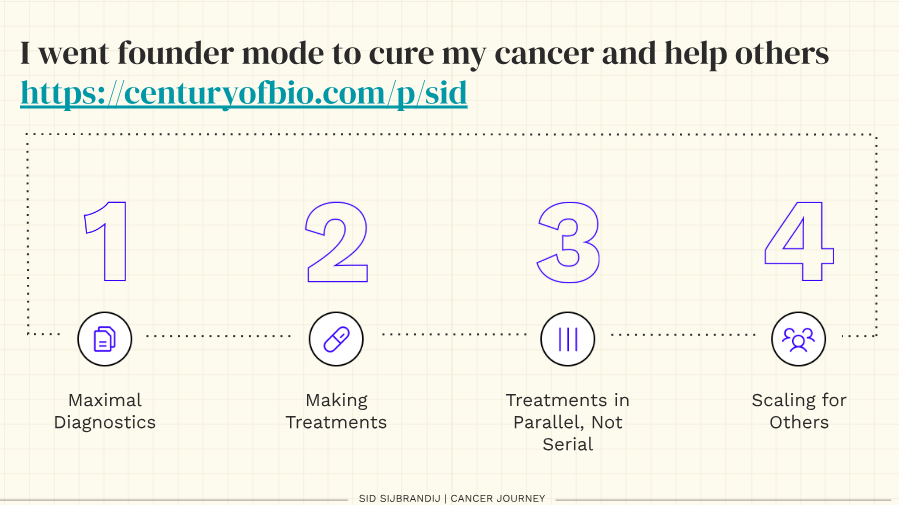
>does as many diagnostic tests as he can find as often as he can (maximal diagnostics)
>develops his own therapeutic ladder with repurposed drugs, personalized medicine, etc
>Sid’s cancer currently in remission
Mar 19

The full deck on Sid’s cancer approach is here:
sytse.com/cancer/
Worth a read. Raw data for download is also available and linked in the deck
116
1,204
11,620
1,686,766
16 Oct 2023

📌 The aforementioned 🧵
Navalny is an opportunistic xenophobe. You can romanticize him all you want but there are whole groups to whom his rhetoric is offensive and his political views are dangerous. Please don’t harass vulnerable people by seeking validation for your fantasies.
125
Feb 8

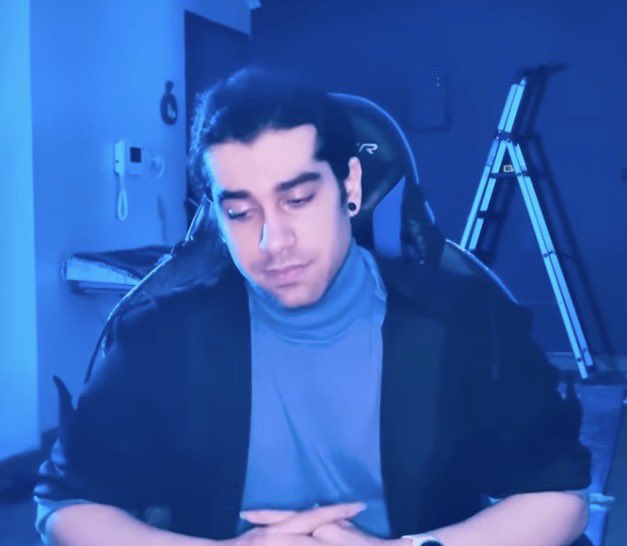
Pouria Hamidi's friend left the following message under his final Youtube video, following Pouria's suicide.
"I’m leaving this comment with some delay, because the pain of losing one of my closest friends completely drained me. But now, I’m trying to do my part.
He was a very dear friend to me — someone closer than a brother.
We talked every single day. We shared our interests, beliefs, thoughts, and opinions constantly. One of our biggest joys was playing multiplayer video games together. We spent hours in voice chat, just playing and talking. He truly valued spending time with his friends.
Even though he was a gamer, his life was structured and disciplined. Every day, without exception, he dedicated time to work and to exercise. He was honest, extremely intelligent, and most importantly, he was aware — his eyes were always open to what was happening around him.
Usually, someone living a simple and healthy life wouldn’t be this deeply involved in politics unless it was a personal interest. But this is the tragedy of living in this country: out of sheer hope for a way out, we are forced to understand politics. People even joke that Iranians are politicians.
Please help share his voice. This is not just his pain — it is the pain of an entire generation of young Iranians. Those of us who hit dead ends no matter how hard we try. Those with real talent and potential, trapped in a country that feels more like a prison. Slowly sinking into despair and exhaustion."
💔😭
143

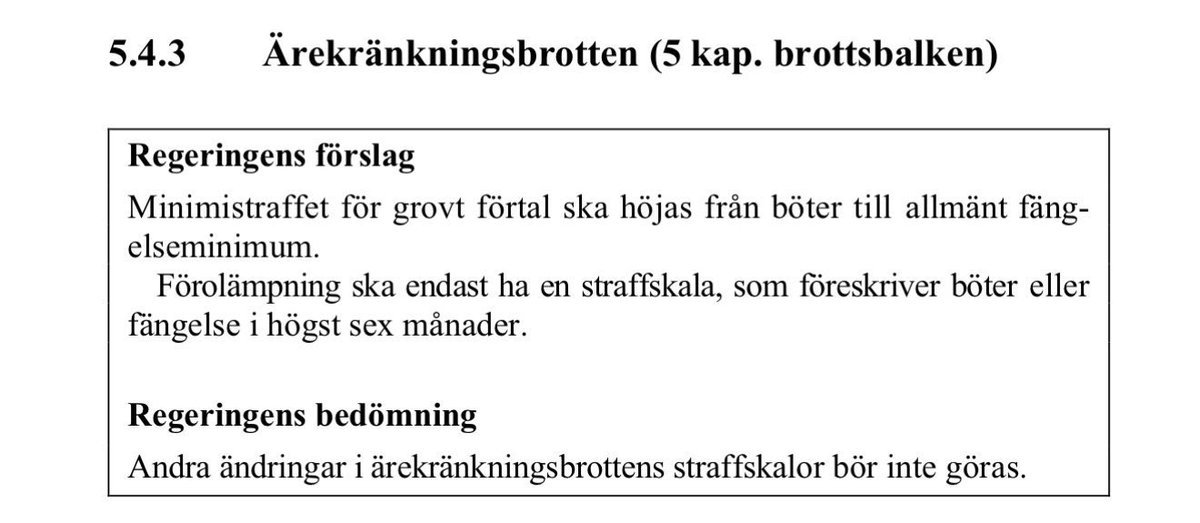
Har du sagt detta till Gunnar Strömmer? Han har nyligen presenterat en lagrådsremiss där Dumpens avslöjanden ska leda till fängelsestraff.
regeringen.se/contentassets/…
1
145
11 Sep 2022

This is how it all started in 2014.Armed terrorists and mercenaries of the Russian.They began to seize administrations in eastern Ukraine.Ukraine launched an antiterrorist operation.Someone else wants to say that it was not Russia that started everything? Continuation👇
1
91
GhostOfAnEgg〇 💪🇺🇦🇬🇪 | 💩🇷🇺 retweeted

4 Sep 2025
”I fallet med TT-Nyhetsbyrån så köper nästan samtliga större tidningar i Sverige in nyheter från dem.
Denna pinsamma historia – som i svensk kontext är ett utmärkande exempel på ren desinformation och fejknyheter – hade kunnat undvikas (…)”. gp.se/ledare/svt-och-tt-spri…
2
11
68
12,995
GhostOfAnEgg〇 💪🇺🇦🇬🇪 | 💩🇷🇺 retweeted
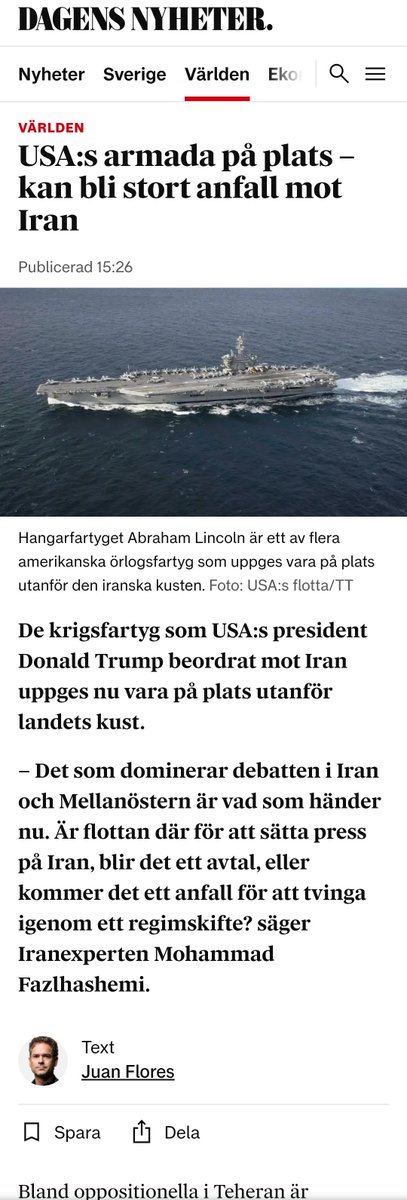
Hej @dagensnyheter var hittar ni alla "experter" ? #juanflores @pwolodarski dn.se/varlden/usas-armada-pa…
1
69
GhostOfAnEgg〇 💪🇺🇦🇬🇪 | 💩🇷🇺 retweeted

Some people are claiming this doesn't matter because they don't collect your browsing history.
Here's what they do collect:
- full name, location and IP address
- purchase and payment history
- email attachments
- "inferences" they make from your personal data (very broad and could apply to matching anonymized ad exchange data or third party site traffic to your PII)
They share this data with "service providers" including third party analytics (which presumably includes xAI), as well as government agencies.
They can now feed any of this data into Grok for any other reason outlined in the privacy policy, including building a profile (for advertising and so on) linked to your PII and helping governments spy on their citizens. Even if you don't care about the former, given xAI's $200M of funding from the US govt, Starlink users may want to think about the latter.

Starlink is now eavesdropping on users to help Ebolon train his pedobot.
2
4
17
2,507