
126 Photos and videos



Srinivas Devaki retweeted

Mobile QA has too many invisible wires.
So we added workflows in Zenact.
Now teams can see which flows will run, in what order, and what depends on what.
Instead of spending weeks wiring CI/CD logic, they can create a clear release workflow in minutes.
2
4
34

Jun 13
ig i reached the nirvana of the model combo
claude: implementation spec
codex: verification section of the spec
claude: /goal
codex: review for bugs
3
81
Jun 10
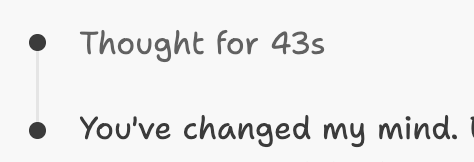
if i can get badges and milestone trophies for working with claude
i'll have one for changing opus mind
1
60
Jun 10
implementation specs
implement
condense implementation specs into harness engineering docs
21
Jun 10
models got reward hacked to produce todo lists and to follow those todo lists
but never marking the todo items in the todo lists as done
training will just reward hack them into thinking, for the same outcome the one that doesn't mark todo items as done would be low cost
1
35
spec iteration is infinitely better when you can visualise things
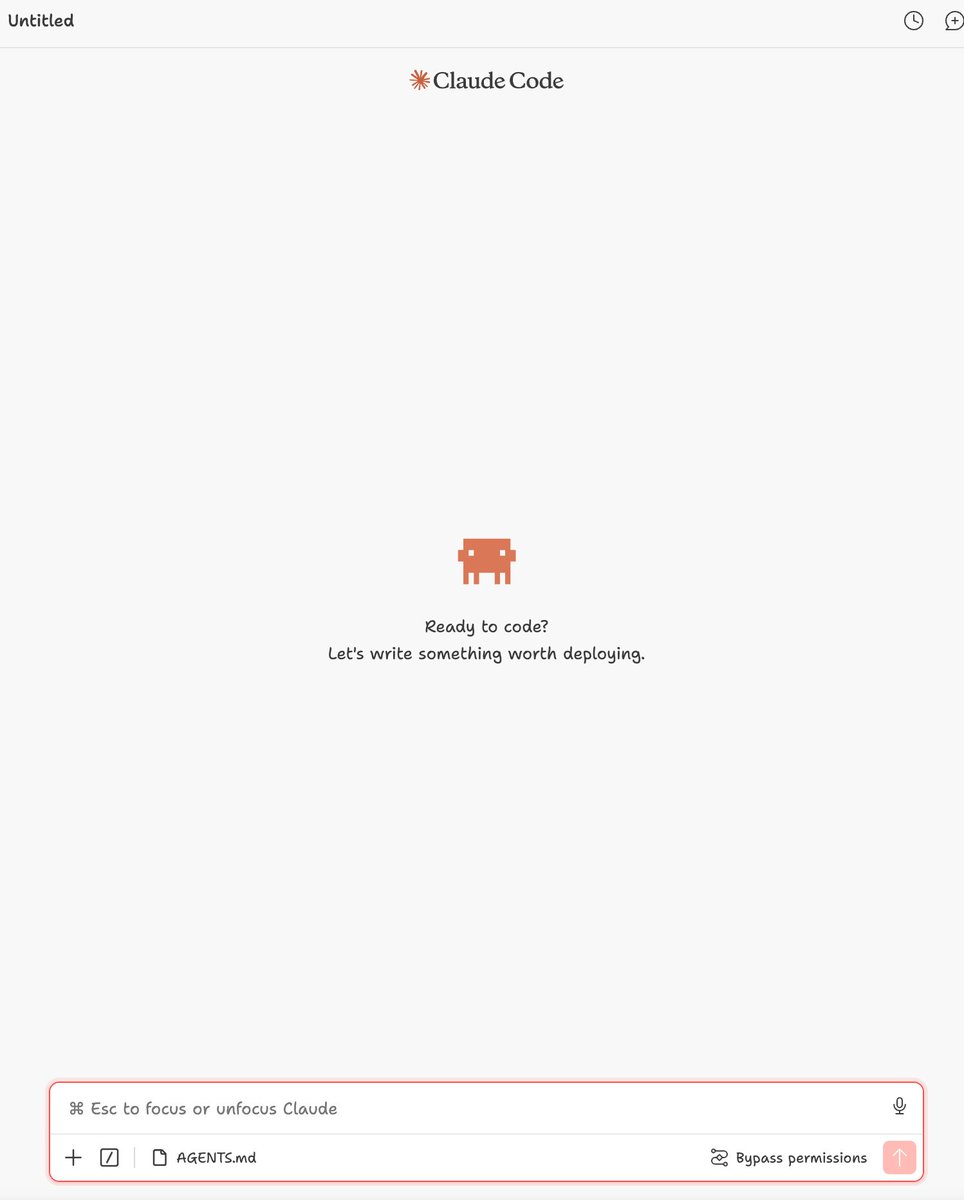
thats why codex ui is much better than claude code
but in terms of GUI vscode claude extension is the best GUI out there for the claude code; no where close to codex, but best out of all claude GUI
1
5
262
Srinivas Devaki retweeted

Jun 8
i was 13 when i first saw the WWDC event.
never thought i'll make one someday.
as the world preps for #WWDC26, here’s how we made an Apple-style keynote for Dreamspan’s brand launch on less than 0.1% of Apple’s budget. 🧵
6
17
92
20,809
making things durable while being ultra low latency is such a hard problem
2
34
claude code hooks are now a nightmare; 50 things get notified in mac each time claude complex something
#cpumaxxing
1
1
230
this is pretty much claude using claude agents sdk
May 28

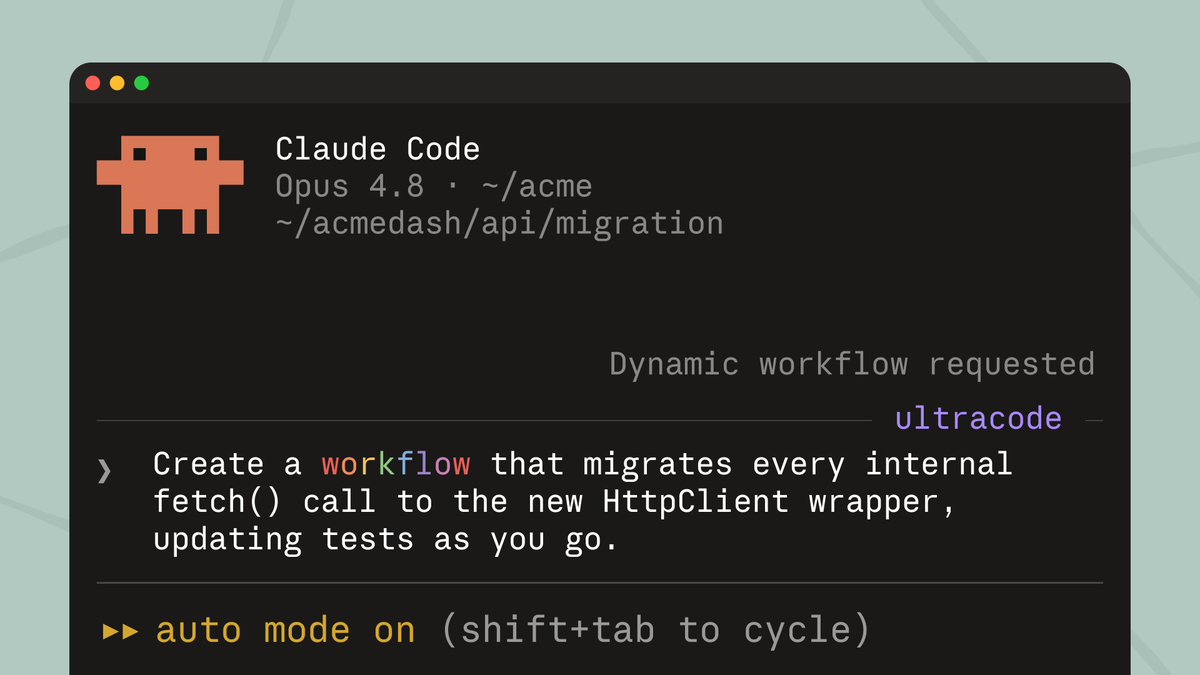
New in Claude Code (research preview): dynamic workflows.
Claude writes an orchestration script on the fly, then spins up a large fleet of coordinated subagents in parallel to take on your most complex tasks.
Use the word "workflow" in a prompt to get started.
1
77
slack seriously needs a show more kind of way to expand information
typically humans would never post pages of stuff, but agents love to do
2
47
May 31
there can be a whole class of cognitive effects that humans face when it comes to how they treat agents
Agent-Dunning-Kruger Effect: overestimating what agents can do and operating on them at a very high level and ending up with so much slop.
Agent-Imposter-Syndrome: you spend too much time thinking agents don't work when controlled at high level but new models keep releasing faster than you can change your views, so it constantly feels like every agent is an imposter.
you are forever affected by one of those, and you are forever losing the best agents offer, everytime model behaviour changes singificantly
1
39
May 28
The Great Unslopification

2
41
May 28
initially high level specs are all the rage but controlling models purely on the boundaries means internally you are giving them full freedom to slopmaxx
controlling with low level contracts is the best way to minimise slop
controlling struct fields, method signatures, method naming, each methods inputs/outputs, what problems they own is the best way to reduce slop
May 28

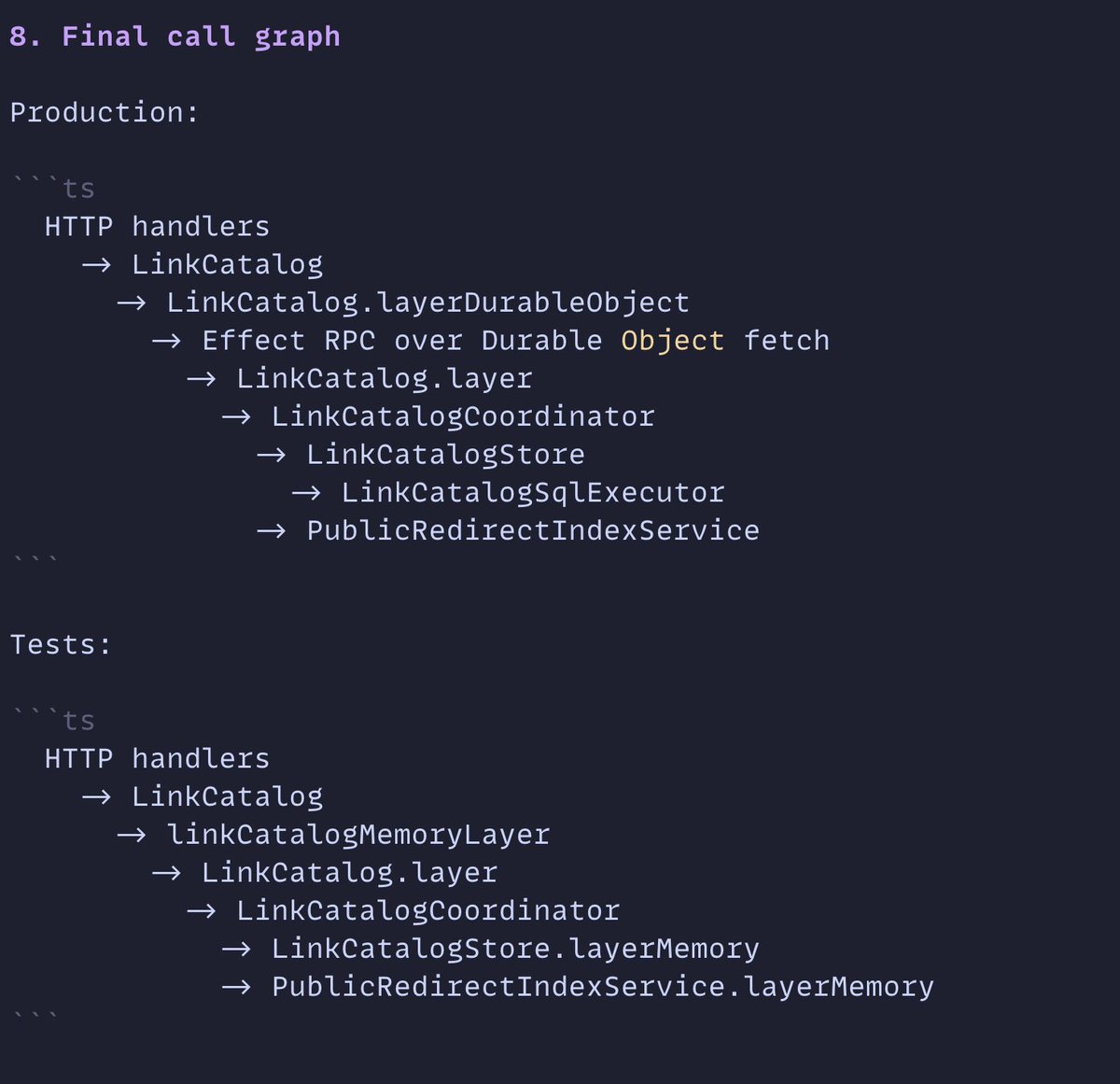
my "plans" largely look like pseudo code composed of mostly types/interfaces, how they compose, and their boundaries
ive recently started including call stacks - been very helpful for both me and agents when implementing
2
342
May 27
"my cousin who works at nvidia says, claude/openai will come up with a model and your product would be out of business"

OpenAI and Anthropic are effectively telling the market they can't solve every problem with a generic AI coworker.
You don't pour billions into massive forward-deployed joint ventures if you think the next model release is going to take care of it.
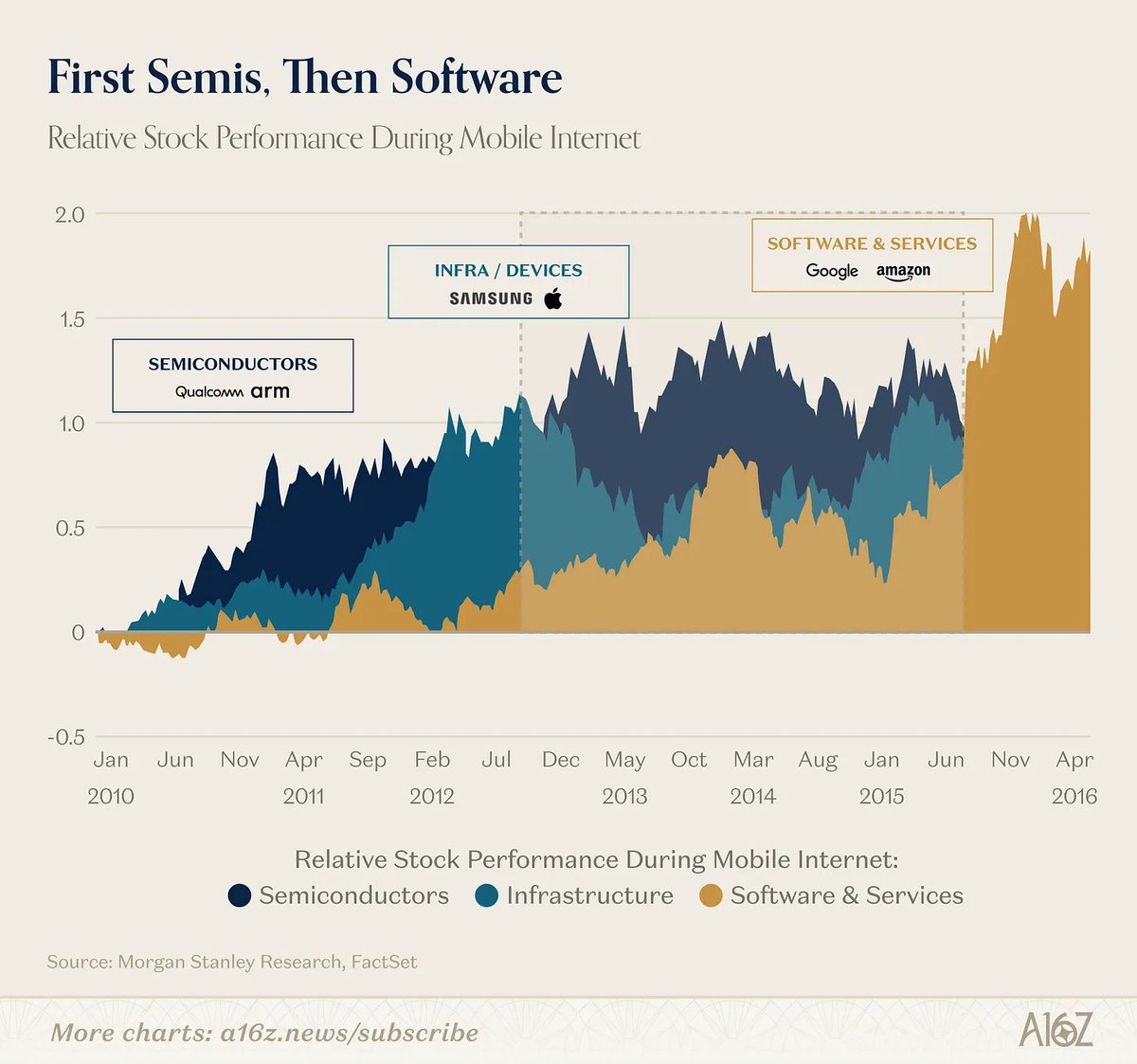
In the cloud supercycle, semis led and software followed (and you didn't need Qualcomm or ARM to tell you the value was migrating up the stack).
In AI, the infra layer itself is telling us the application layer is a separate, massive opportunity they can't fully capture.
a16z's @joeschmidtiv on why the app layer isn't dead: a16z.news/p/avoiding-death-o…
1
44
May 22
Love the work the @composio does. Security incidents are brutal, especially for infra companies. Hoping they recover stronger than ever.
Problem is bad actors now have really really powerful models to hack even companies that treat security as their top priority.
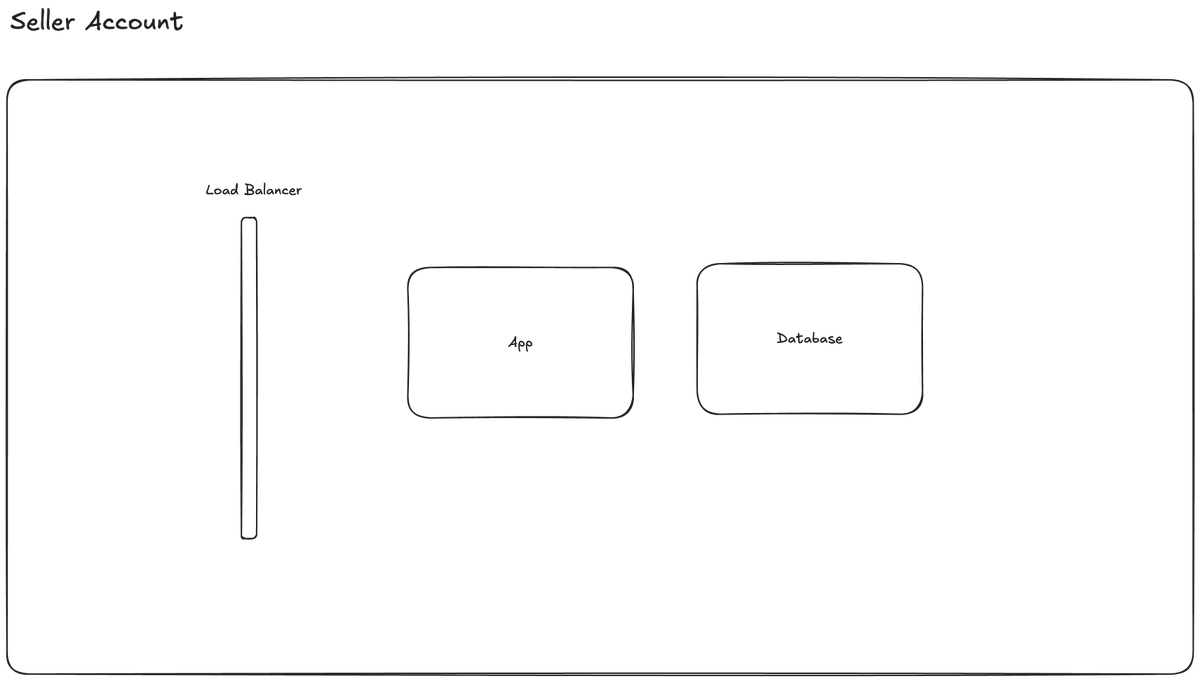
Having seen some of the worst classes of production and security incidents firsthand at @zomato, we decided very early at @ZenactAI that customer data security cannot be treated as a compliance checkbox problem.
We went to uncomfortable extremes from day 0:
* Sensitive customer data is isolated into separate AWS data vault accounts altogether
* Even internally no human can access those vault accounts
* Even if we wanted to inspect customer data directly, our architecture is designed to prevent it
* Customers can bring their own AWS accounts as well. BYOC, BYOK
* Encryption at rest, in transit, and during storage pipelines
* KMS to minimize long-lived secrets and token exposure across systems
* SSO IAM Roles zero IAM users to eliminate developer/automation access tokens entirely
* Strong auditability boundaries around every privileged action
AI agents, automation systems, and long-running infrastructure dramatically increase blast radius when things go wrong. The industry will need much stronger primitives than just "SOC2 compliant".
This incident is another reminder that security architecture decisions made in the first few months matter far more than the security page written later. And the cost of those decisions if done in the first few months, its actually quite low.
May 22

Here’s my update on the security incident we disclosed earlier today.
On May 21, an attacker probed our systems extensively, gained a foothold in an internal agentic tool we use to monitor our infrastructure, and escalated through our automated remediation systems and sandboxed execution environment over an approximately 8-hour window. The attacker demonstrated deep knowledge of our API surface and internal architecture, and compromised a small subset of GitHub Tokens on Composio’s platform before we removed their access.
As a precautionary measure, we have revoked every user’s GitHub tokens, not only those with direct evidence of compromise. We have paused all new releases until our investigation is complete. We have thoroughly verified that our supply chain, and our Python and TypeScript SDKs and our CLI binary, remain safe. We have engaged external incident response experts to assist with investigation and remediation, and we continue to investigate for any further signs of compromise.
We have identified a small percentage of users affected via GitHub tokens, and have contacted each of them directly.
We will keep the below security bulletin updated over the coming hours and days, and we expect to ship product enhancements rapidly to help mitigate attacks of this kind in the future. All of our focus right now is on investigation, communication to customers, enhancement of security measures, and sanitization of our environments.
2
418
May 20
at this point, google cloud should just offer insurance

We are working to restore the Google Cloud infrastructure that powers our dashboard, API, and internal network's control plane. We are in direct contact with Google Cloud's support team. We do not have an ETA at this time.
We will continue to post updates on status.railway.com
136