
i build sustainable clouds; father of four; PhD; engineering leader, do-er, & mentor; practitioner of innovation & inclusion; he/him; my heart is in the work
Joined January 2008
- Tweets 31,794
- Following 4,345
- Followers 2,660
- Likes 149,372
2,138 Photos and videos




Pinned Tweet

24 Jan 2023
I am happy to make a similar offer - have been on all sides of this ~a dozen times in my career - key advice “it’s us, not you” & “it’s them, not you” - absolutely minimal relationship at times like this to your personal work, work effort, or value - corporations gonna corporate
24 Jan 2023

I've worked at Microsoft, Facebook and Google (and elsewhere) during the good times and the bad times. If you're "impacted" I think it is important to talk to your friends and support network. I'm happy to talk to any of my former colleagues (or anyone really) that was at these
3
1,421
Dr. Erik Riedel retweeted

18 Jul 2023
In 2007, I was 1 of 2 designers on Google Maps.
The app was growing like wildfire.
But it was becoming a cluttered mess — new features were being shoved into every pixel.
Here’s the 4-step process we used to redesign Google Maps into one of the most loved apps in the world: 🧵
–––
But first, it’s important to understand it is normal to build a product based on the underlying technical structure.
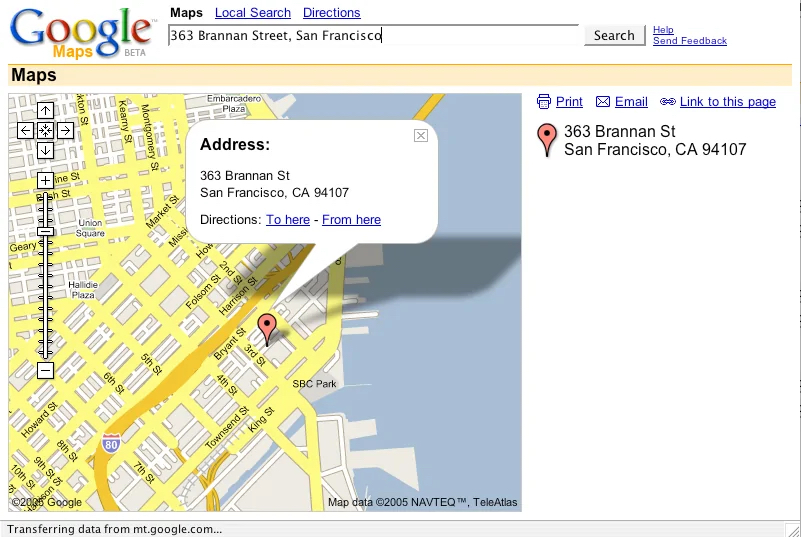
In 2005, Google Maps queried one of three databases for any search:
• Maps data
• Local business data
• Directions data
Not surprisingly, the first version of the website had three tabs, one for each of these databases: Maps, Local Search, Directions.
–––
By 2007, Google Maps still wasn’t the dominant mapping application.
But it had hit PMF, its user base was growing quickly, and we were rapidly adding new content and features like:
• Satellite and Terrain views
• Streetview, 3D buildings, Traffic
• Editable map data, Reviews, Photos
• Transit Data
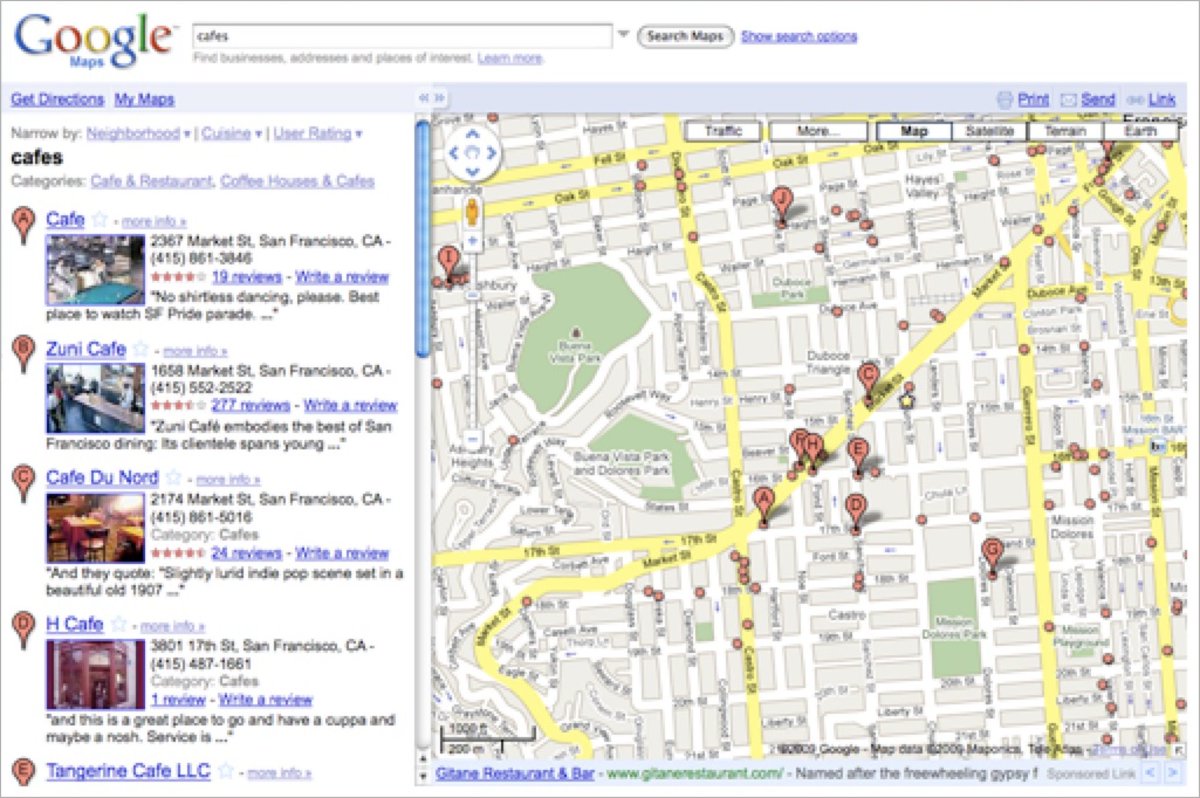
We were wedging new features into any space we could find in the UI.
It became clear the user experience was suffering and the product was growing increasingly complicated.
At that time, our VP, Marissa Mayer likened Google Maps to a Christmas tree that we kept adding more and more ornaments to until it started to fall over…
We tried many different ways to rearrange the UI to accommodate new features.
Eventually we had to step back and rethink Google Maps based on what we knew was working, what brought people to the product, and what we believed the future might look like.
–––
These were the 4 key steps we took to simplify the design of Google Maps to be the intuitive, durable, much-loved product that 1B people still use today:
1. Deconstruct
We wrote down all of the product’s current and upcoming content, features, and functionality and loosely grouped them into categories:
• Core features — The most common tasks people came to do (search, get directions, find businesses)
• Aspirational use cases — Tasks we wanted people to start doing (adding their own content, correcting inaccurate information, using Maps to explore new places, etc.)
• Global actions — Actions that impacted the entire page (print, share, save, etc.)
• Use case specific actions — Actions that were relevant only within a specific use case (eg while getting directions, being able to drag a route or add a destination)
• Related features — Things that weren’t a part of Google Maps at the time, but existed and were closely related. (eg transit information, business searches on Google.com)
–––
2. Reframe
We leveraged a combination of user research, business goals, and our own intuition to make the product better, simpler, and scalable over time. We focused on understanding:
• What brought people to the product
• How they navigated through the product
• What was working well
• What flows were confusing
• What things were missing
• What information was valuable when
• What functionality was redundant
We emerged with several key points:
• “Searching” was the most pivotal task in Maps
• Searching addresses, businesses, parks, mountains, cities, etc could all be thought of as searching for “places”
• Getting directions was important, but rarely happened between two specific addresses. Directions searches usually had a known start or end point, like home or work. It was also more intuitive to be able to search for directions by a place name e.g., Carmel Library rather than having to look up the address first.
• It was strategically important for people to be able to contribute content to Google Maps and to be able to explore the world around them.
–––
3. Reconstruct
Based on what we learned, we then explored ways to reshape the product.
We held these general usability principles in mind:
• Entry points to core use cases should be prominent
• Flows within core use cases should be intuitive
• Common actions, interactions, and views should be consistent
• Contextual actions should be accessible when relevant
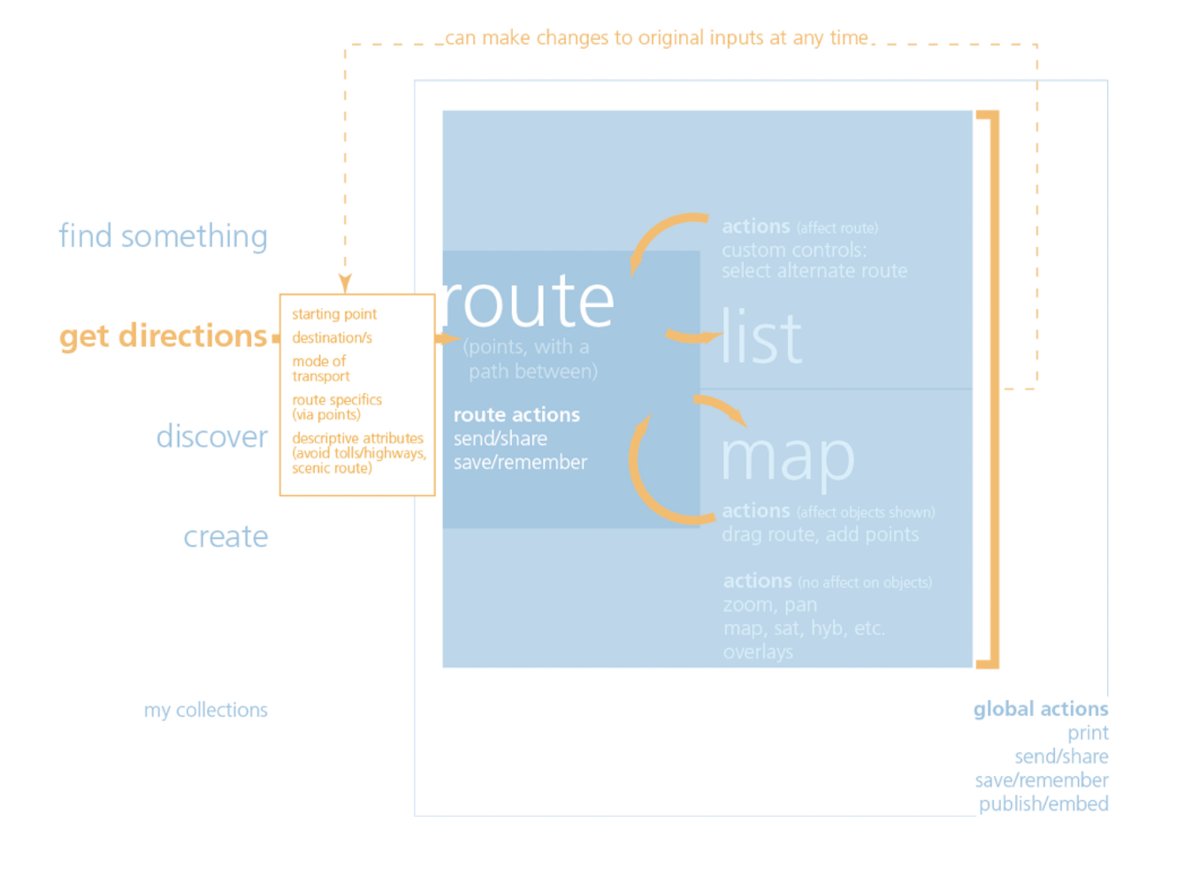
This is one exploration of clustering tasks and connecting relevant content:
Our explorations of how to reconstruct the site around people’s needs and flows led to several key design changes:
• There would be only one search box for everything
• Directions would live as a secondary feature
• Other features would appear in context (eg, transit became a mode within directions)
–––
4. Scale for the future
This was 2007. We knew the product would continue to evolve, the information set would grow exponentially, and the feature set would continue to expand.
But by focusing on key use cases and folding information in to the UI where it was relevant, we created a framework to support future growth.
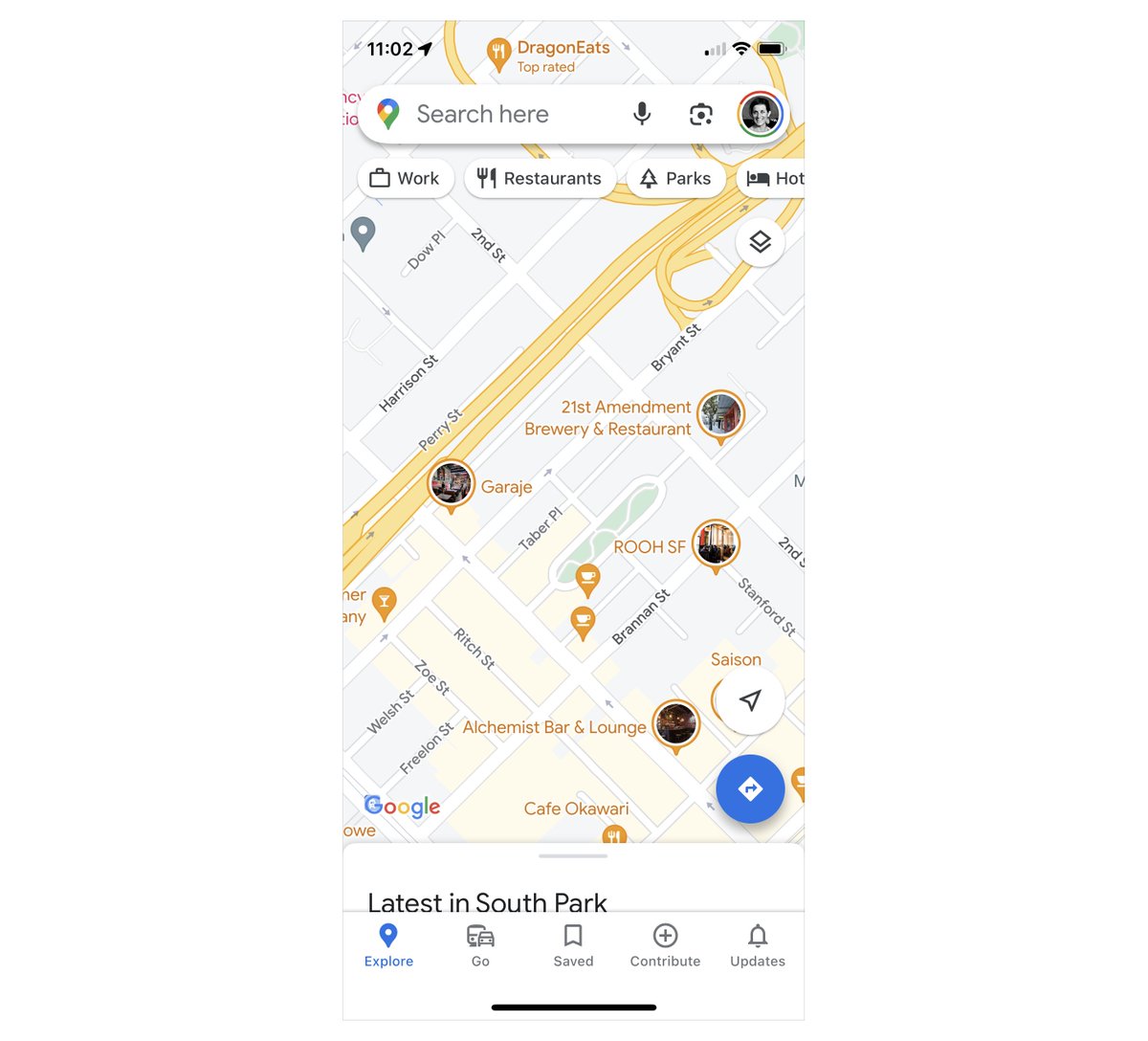
16 years later, Google Maps has continued to evolve, yet is still a simple, intuitive, much-loved product that 1B people use around the globe.
For more on design, follow @elizlaraki
94
642
3,999
873,439
Dr. Erik Riedel retweeted

14 Jul 2023
If you missed my #fossy talk about Contributor Growth Strategies for OSS Projects, you can see the slides (and videos of versions of the talk presented at other conferences) on my website: fastwonderblog.com/speaking/
4
11
882
14 Jul 2023
14 Jul 2023

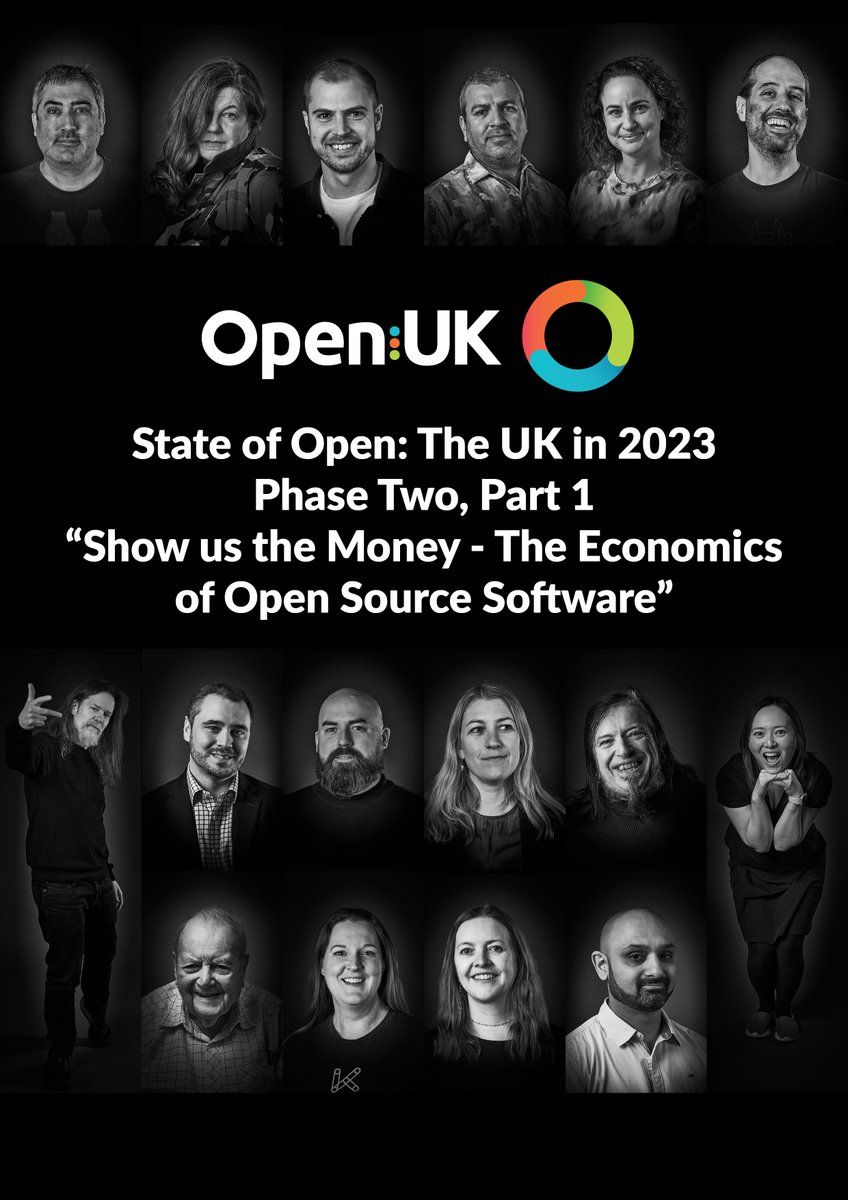
OpenUK State of Open: The UK in 2023 Phase Two Report "Show us the Money" 2 Parts, Part 1 shares survey outputs, demonstrating in '22, £13.97bn GVA contribution by UK open source businesses to our UK economy being 27% of UK Tech sectorhttps://openuk.uk/stateofopen/ #opensource
1
1
502
Dr. Erik Riedel retweeted

6 Jul 2023
the twitter clones will continue until morale improves
4
97
554
45,352
Dr. Erik Riedel retweeted

28 Jun 2023
Who in Boston has resources/advice for becoming confident enough to bike on the roads (asking for me, an anxious person who nevertheless needs to use her bike)?
68
9
222
53,363
Dr. Erik Riedel retweeted

28 Jun 2023
Anyone recommend any lovely restaurants in #Dubrovnik please?
2
2
2
867
Dr. Erik Riedel retweeted

28 Jun 2023
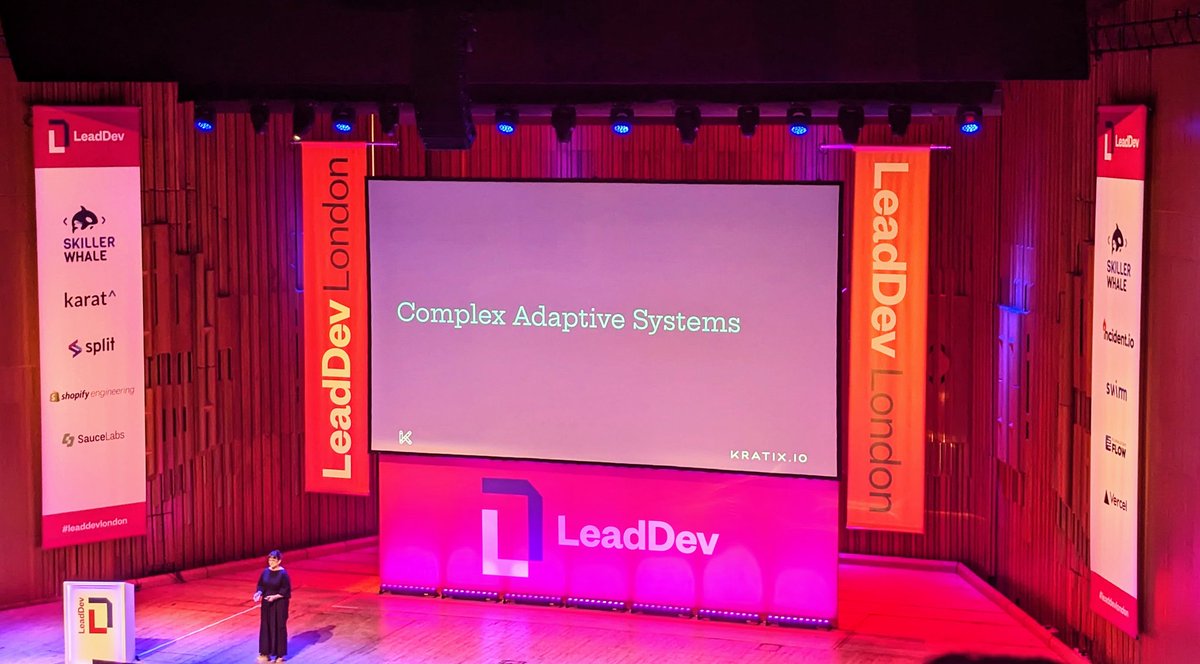
It's so validating and downright amazing to see talks like this reaching the mainstream tech leadership conferences. My favourite talk so far by .@thepreviewmode at #LeadDevLondon. #ResilienceEngineering #HumanFactors
3
14
2,875

Dr. Erik Riedel retweeted

25 Jun 2023
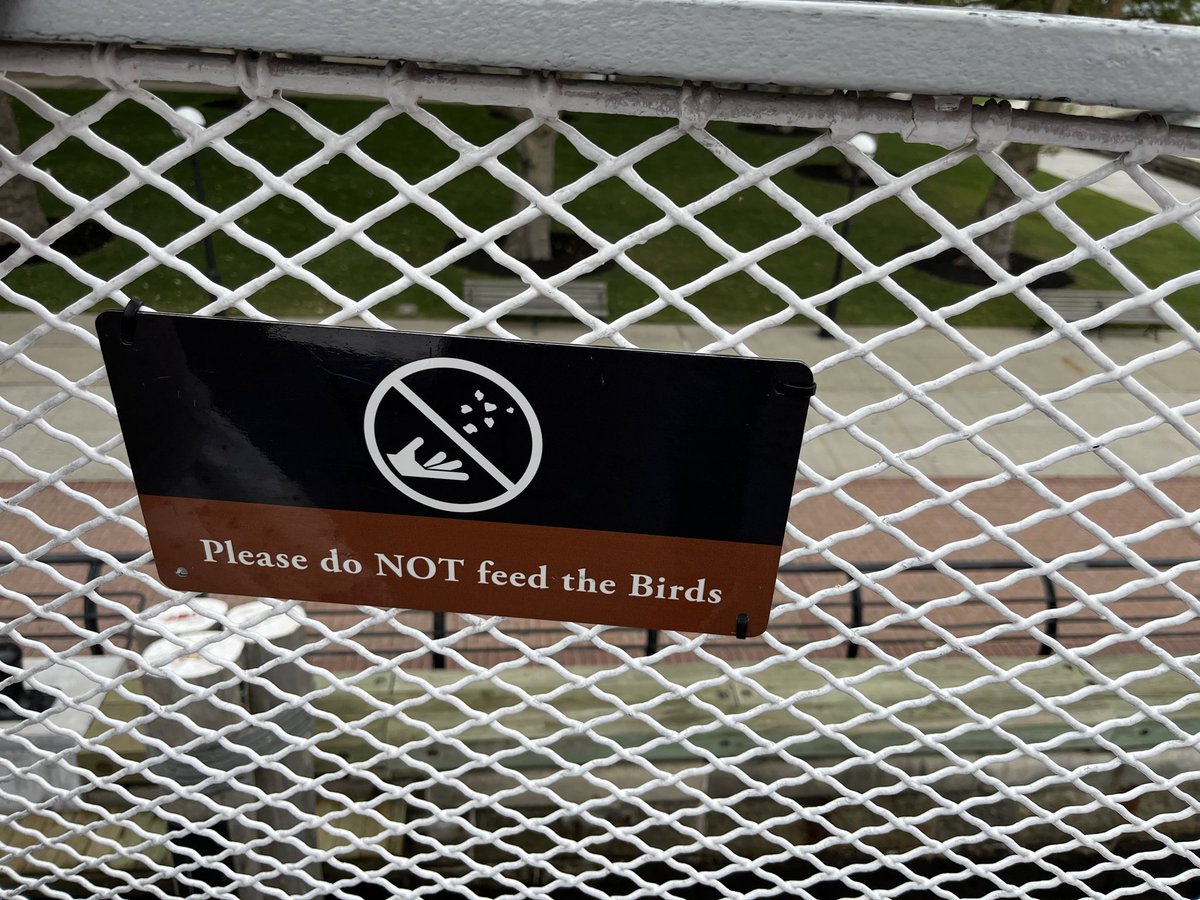
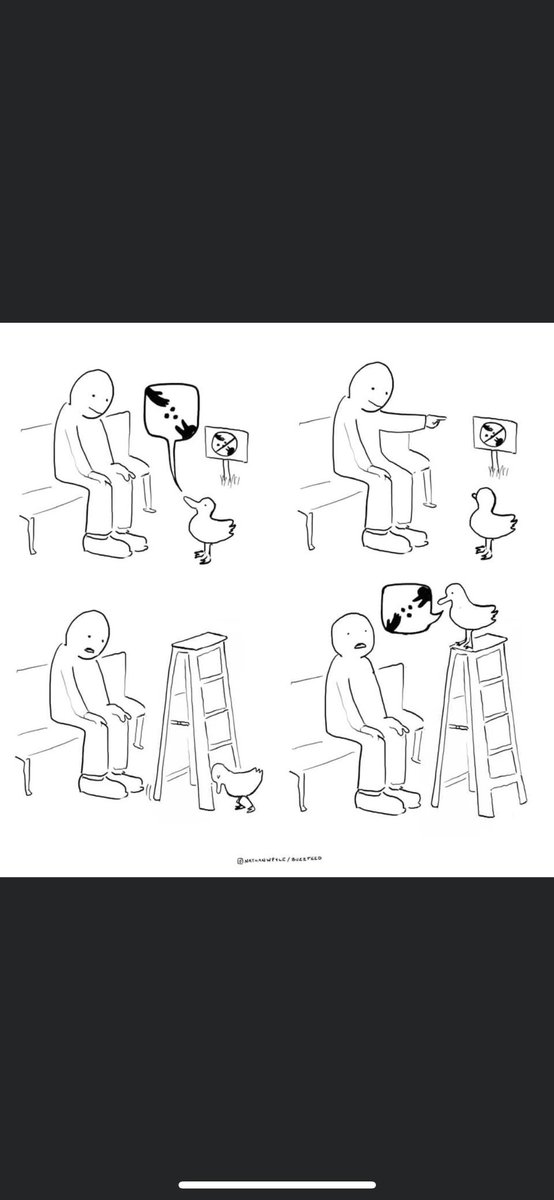
my not yet literate child: the sign says you’re not allowed to eat anything that makes lots of CRUMBS
me: there’s a @nathanwpyle comic about this!
1
30
468
46,259
Dr. Erik Riedel retweeted

25 Jun 2023
Celebrating one month of our brand-new website at Ethical Digital!
If you haven't had a chance to explore it yet, now's the perfect time! Discover the sleek design, user-friendly interface, and comprehensive services offered by Ethical Digital:
shha.re/xfBJI
2
3
277
Dr. Erik Riedel retweeted

25 Jun 2023
I was showing kiddo some photos and telling her things about the family and she said “Your memories are my history.”
I found that so poignant and insightful.
9
15
190
8,042
Dr. Erik Riedel retweeted

25 Jun 2023
Aww that is awesome! The dean of @FHMLmaastricht calls our event a "Beautiful initiative".
#MaastrichtUniversity #Research #Teamwork
25 Jun 2023

Thank you to everyone who signed up already. I am so looking forward to tomorrow evening and our "Data Science meets Brain Science & microscopy" event: Fun research pitches, networking & hopefully new collaborations will start afterwards. 😍
#BrainScience #DataScience #Microscopy
1
4
1,184
Dr. Erik Riedel retweeted

22 Jun 2023
Since there is no manual for starting as faculty, could you share with me the biggest mistake you made in your early years and what you learned from it? @AcademicChatter
135
64
520
478,357
Dr. Erik Riedel retweeted

22 Jun 2023
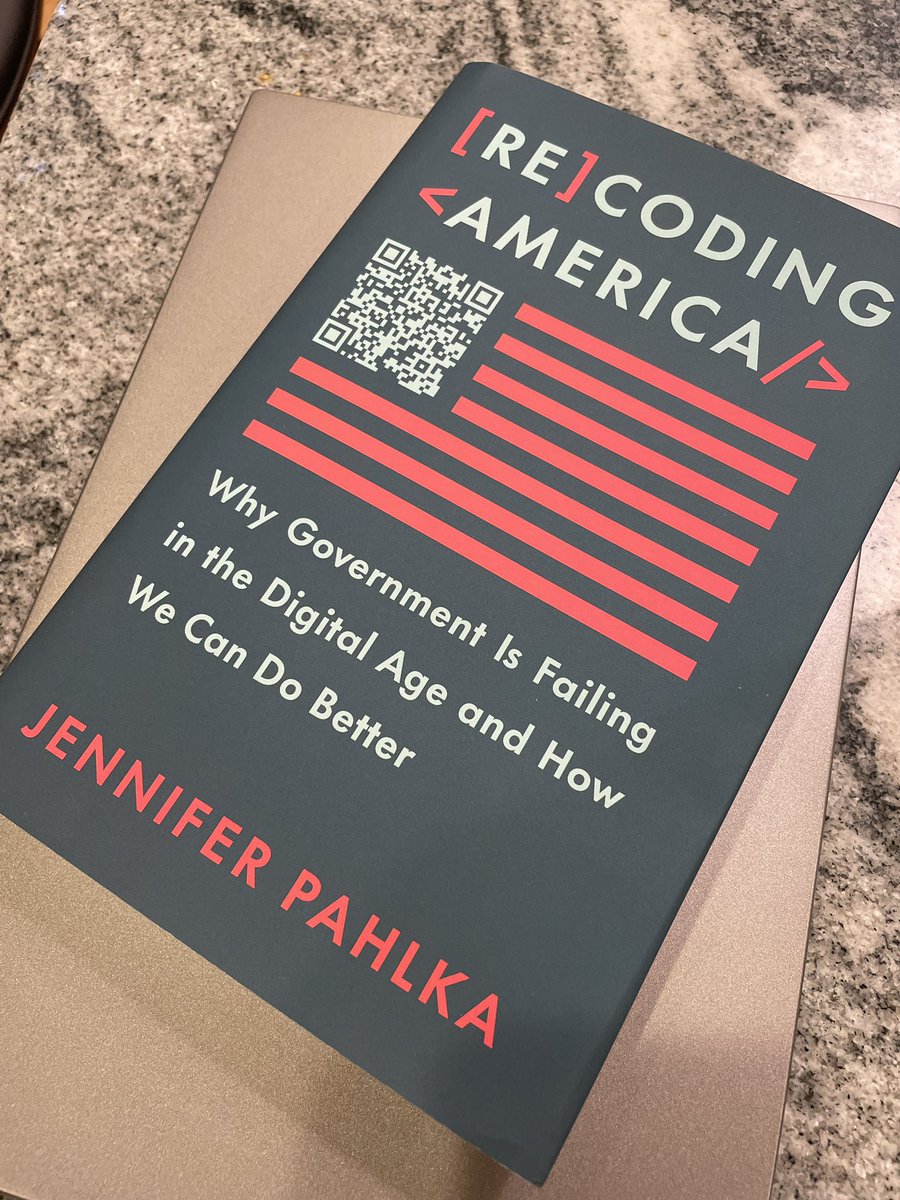
We are all at the same conclusion. Fix hiring. Fix promotion criteria. Invest in people. It is jobs 1, 2, and 3 at this point.
“Our infrastructure for recruiting, hiring, promoting, and retaining them has been sorely neglected.”
22 Jun 2023

I’ve been getting asked a lot what we can do to address the issues raised in @pahlkadot’s book, including, as commonly: “What’s the *one* thing we can do?” As she observes in the great thread following this post, “there is no silver bullet;” however… (1/2)
2
22
101
22,206
Dr. Erik Riedel retweeted

16 Jun 2023
In our research we found that women were told they were too young to lead, too old to lead...and middle age wasn't quite right either. As it turns out no age is the right age to be a woman leader. See my latest @HarvardBiz article for solutions.
hbr.org/2023/06/women-in-lea…
132
2,654
8,592
1,070,822
Dr. Erik Riedel retweeted

17 Jun 2023
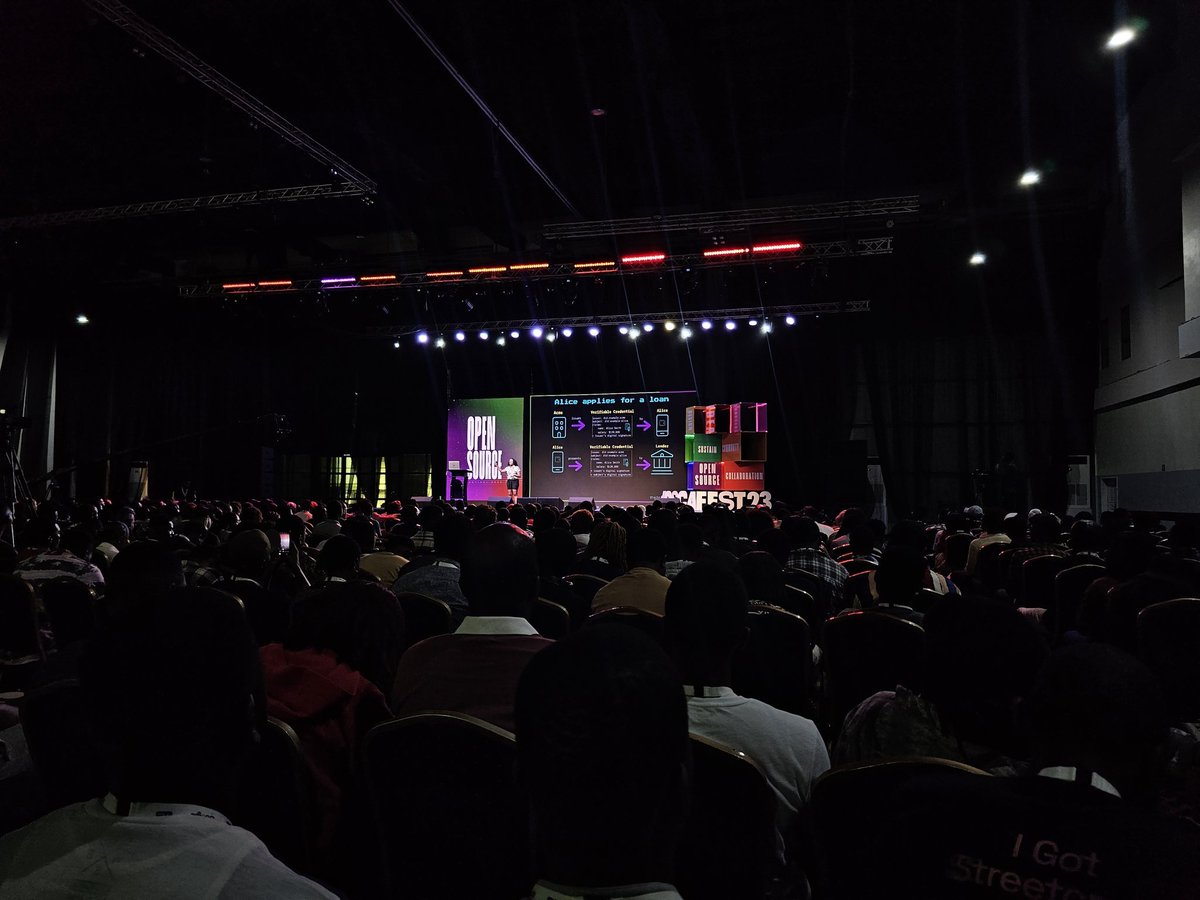
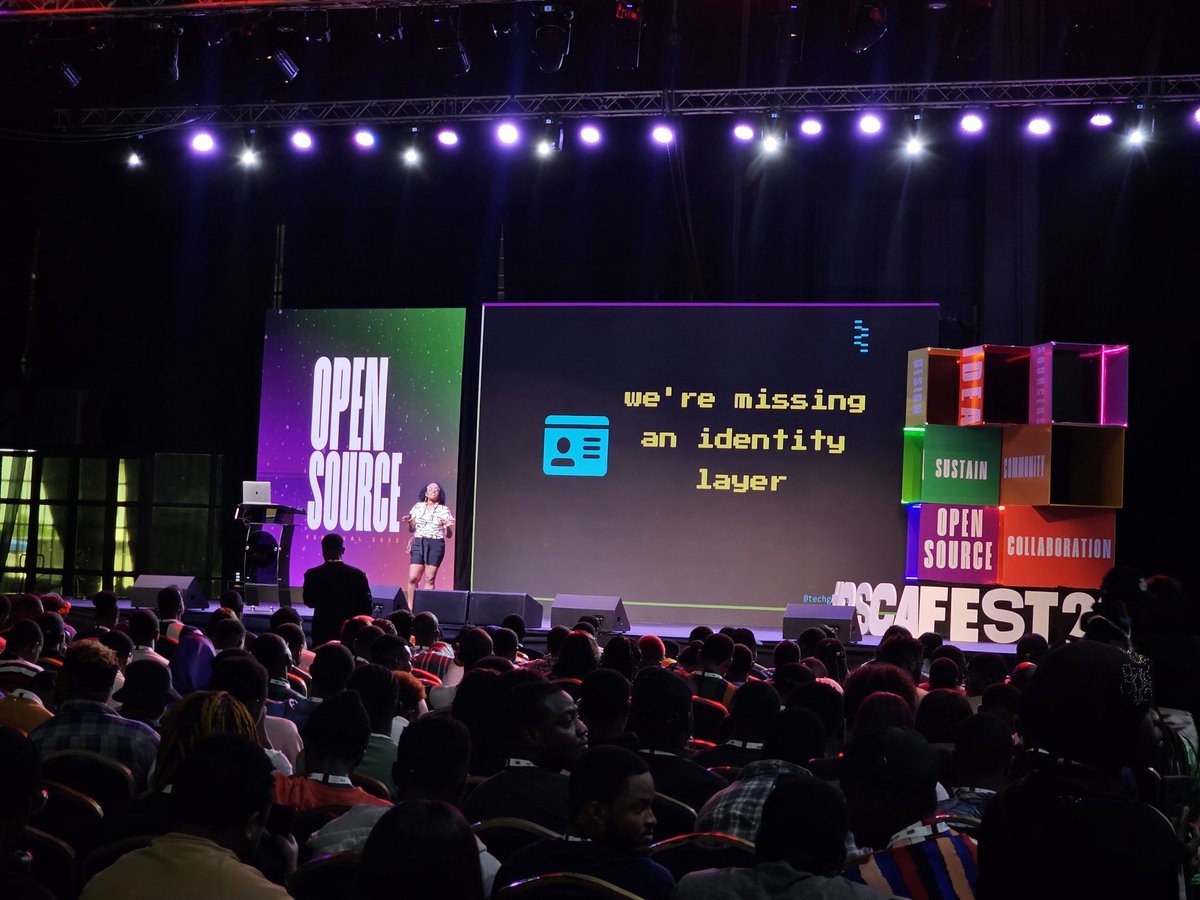
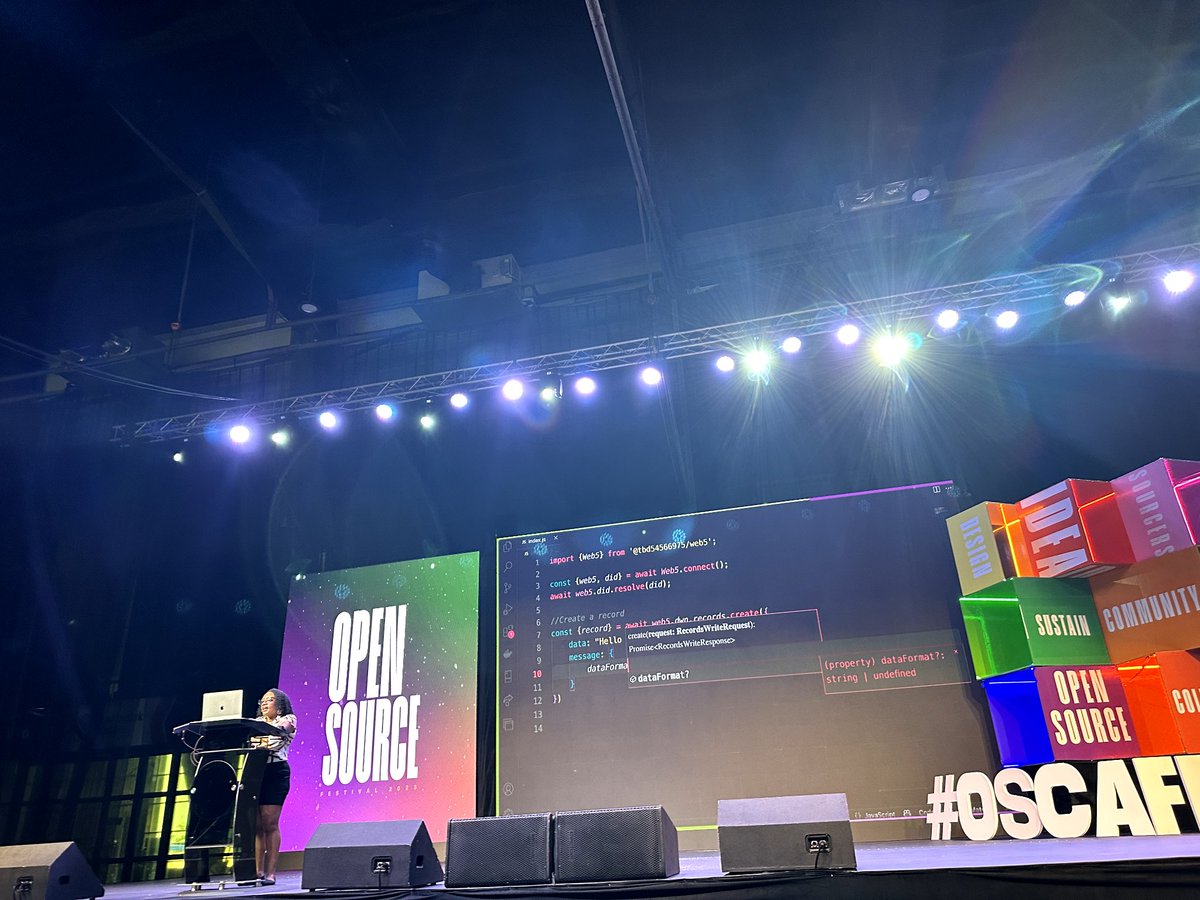
Today, I had the honor of keynoting the largest open source festival in Africa, #oscafest23!
The Nigerian Tech community is on 🔥🔥🔥 and I'm so happy you all saw fit to allow me to join this special event.
From the bottom of my heart, thank you for the sincere love 🙏🏾❤️🙏🏾
47
188
1,272
121,127