
Physician-scientist-entrepreneur. Biotech CEO/CSO. Genetics, biotech, birds (mostly raptors), books.
Joined January 2011
- Tweets 366
- Following 559
- Followers 530
- Likes 3,457
22 Photos and videos

Eric Green retweeted

Jan 29
OK, so the $ bio ai assistants are:
Ascent Bio - ascentbio.ai/
Bio Protocol BIOS - ai.bio.xyz/
Edison Scientific - edisonscientific.com/
K-Dense - k-dense.ai/
Potato - potato.ai/
SciSpace - scispace.com/biomedical/
Did I miss any?
23
39
340
32,134
Eric Green retweeted

24 Jun 2024
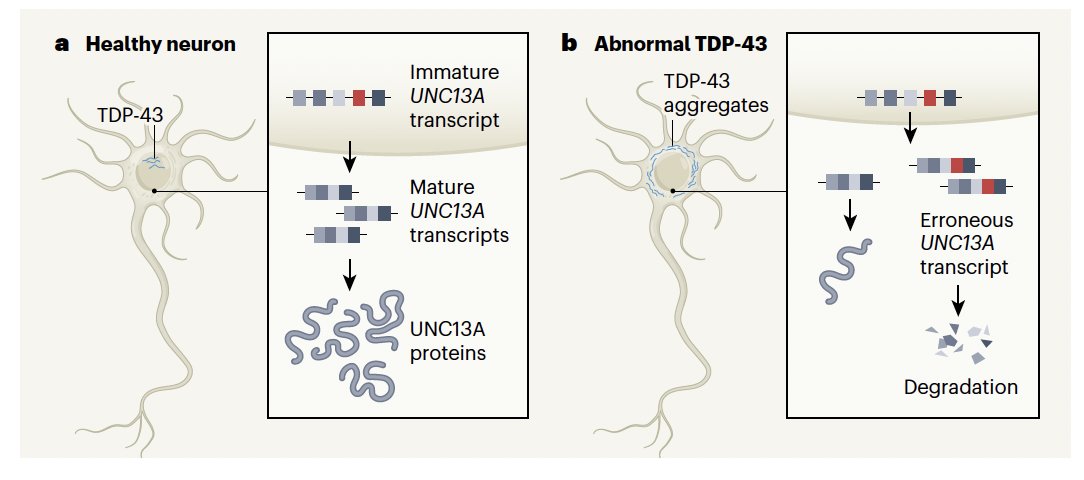
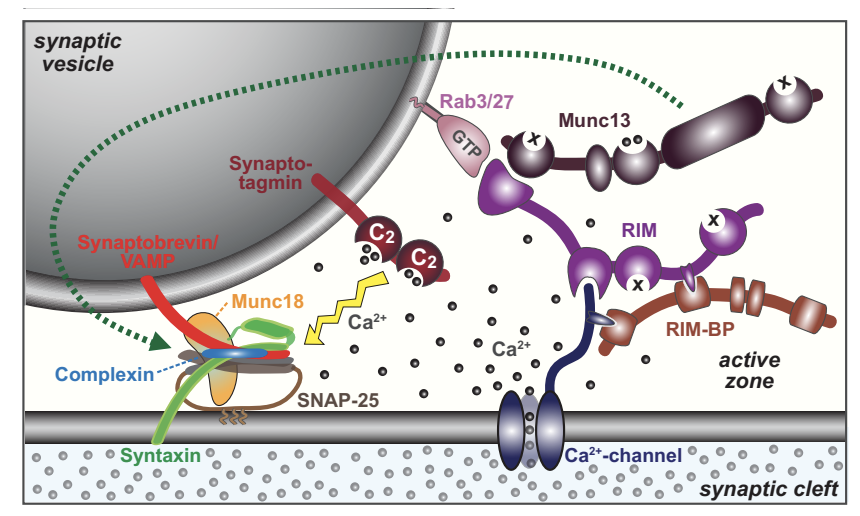
We find TDP-43 loss to cause presynaptic defects, which are rescued by ASOs correcting a single cryptic exon in UNC13A.
Surprising effect of just one cryptic exon and promising strategy for ALS!
Matt Keuss @PeteHarley95 in great collaboration with @jbneuro
biorxiv.org/content/10.1101/…
3
29
97
13,044

24 Jun 2024
Beautiful work from Pietro Fratta, Juan Burrone groups linking TDP-43 to synaptic function with UNC13A as key mediator. Combined with human genetics, strengthens case for UNC13A as promising target for patients with ALS.
24 Jun 2024

Loss of TDP-43 induces synaptic dysfunction that is rescued by UNC13A splice-switching ASOs biorxiv.org/cgi/content/shor… #bioRxiv
9
1,610
22 May 2024
Nice example of integrating human genetics, functional genomics and protein structure to understand disease biology. Congrats @artwuster @karls_es and team.
22 May 2024

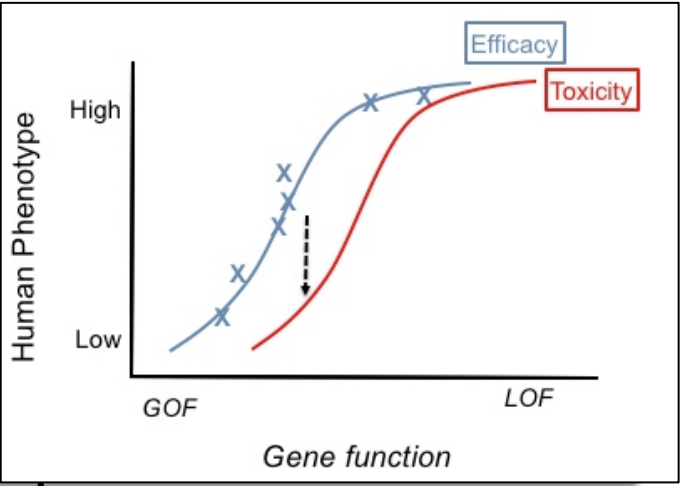
There are haploinsufficiencies that are caused almost entirely by missense variants instead of truncating mutations. Those genes are more vulnerable to missense variants disrupting their function, and SLC6A1 is an example. Here's our paper: cell.com/ajhg/fulltext/S0002…
1
7
723
3 Mar 2024
Fascinating NYTimes article on quest to understand causes of Kawasaki nytimes.com/2024/02/27/healt…
3
140
Eric Green retweeted

19 Jan 2024
If there was only one scientific practice I could teach to every scientist regardless of stage or field I think it would be: look at the data. Spot check it. Find a few data points and trace them through to see if they make sense. Look at the raw data. Don't just do analyses.
23
212
1,193
215,287
18 Jan 2024
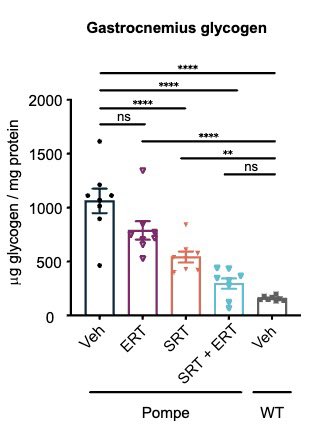
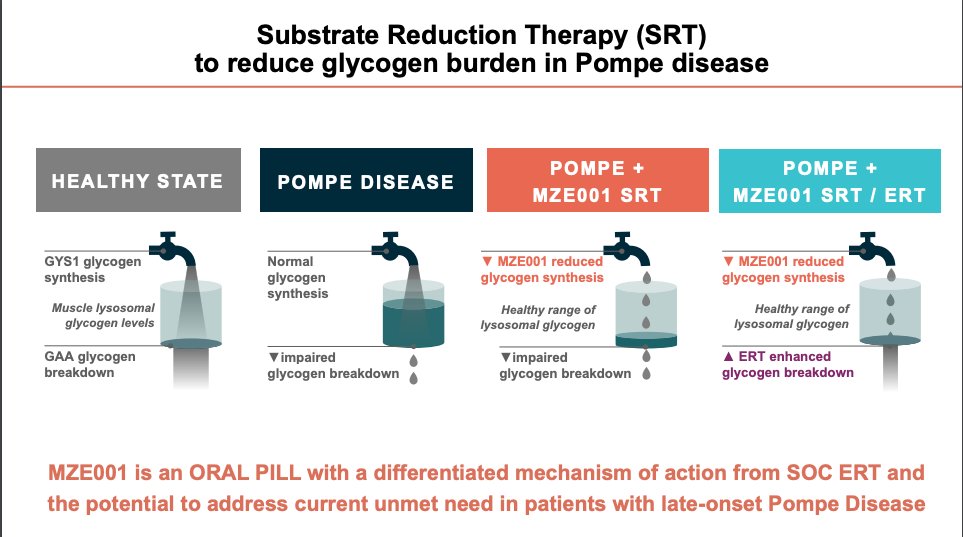
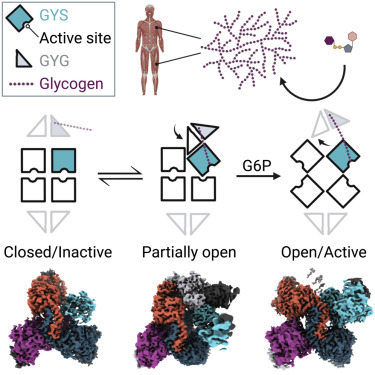
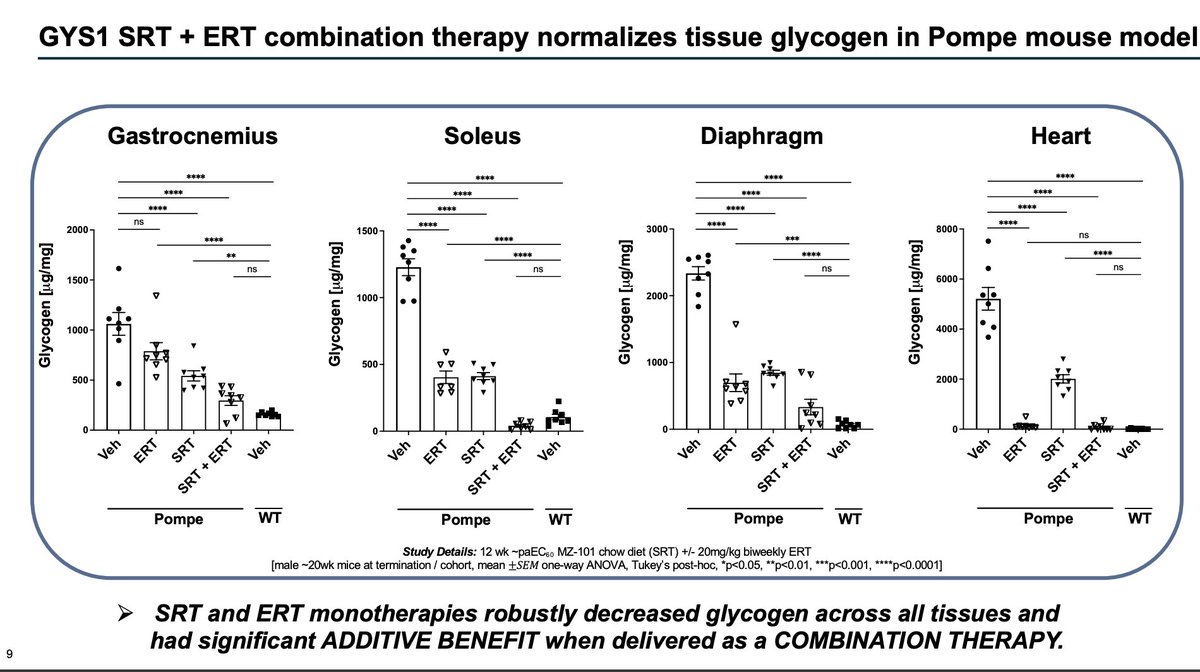
We show that inhibiting glycogen synthase (SRT) reduces glycogen accumulation and corrects muscle metabolism in a mouse model of Pompe, as monotherapy or combined with enzyme replacement (ERT).
2/3
1
2
162
18 Jan 2024
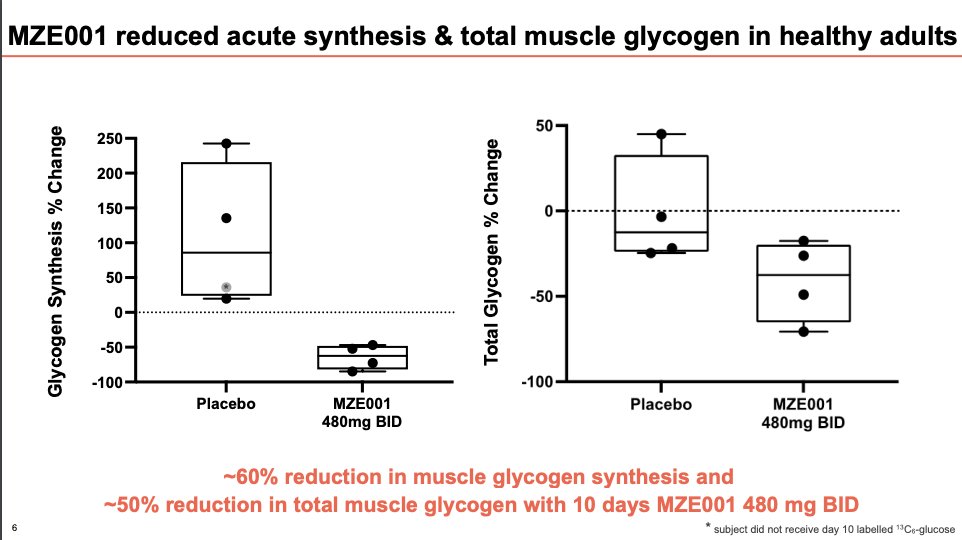
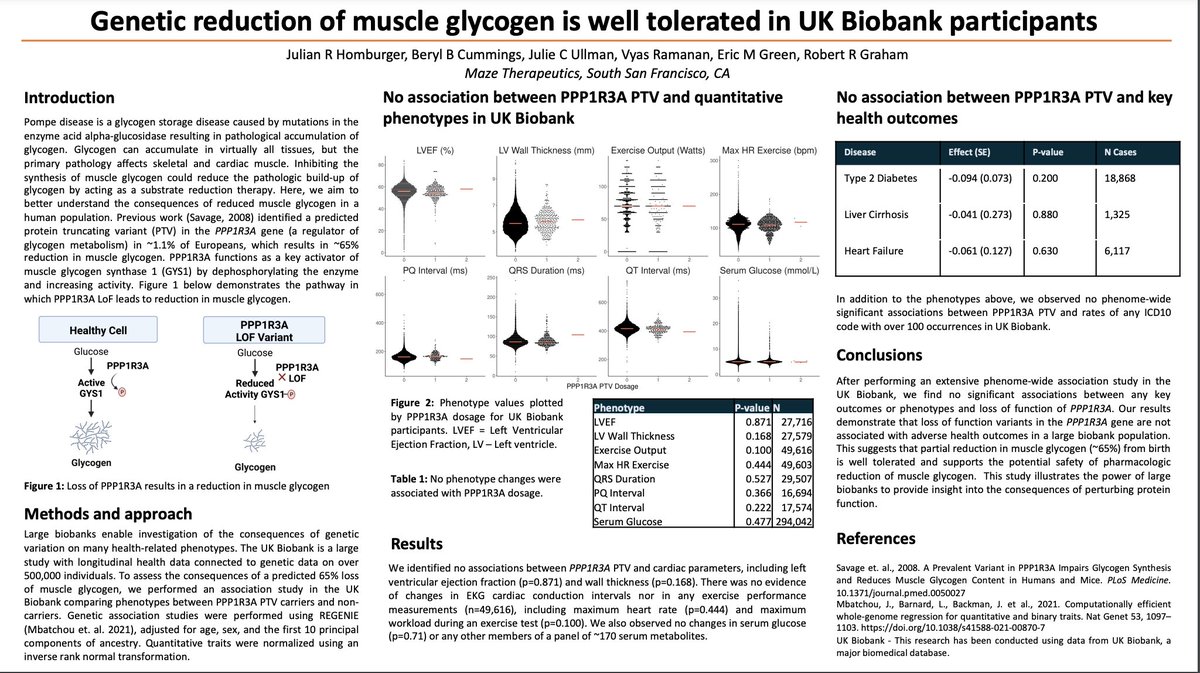
Complements exciting phase 1 clinical data showing gys1 inhibition reduces glycogen in muscle and peripheral blood in healthy volunteers and supports advancing to patients.
mazetx.com/maze-therapeutics…
3/3
4
124
18 Jan 2024
Now out in @ScienceTM
A novel small molecule approach to treat patients with Pompe disease (who have impaired glycogen breakdown) by blocking the production of glycogen.
science.org/doi/10.1126/scit…
1/x
2
8
32
4,283
Eric Green retweeted

17 Jan 2024
Here, substrate reduction therapy with GYS1 inhibition may be a promising therapeutic approach for Pompe disease and other glycogen storage diseases @ScienceTM science.org/doi/10.1126/scit…
1
15
2,893
Eric Green retweeted

12 Oct 2023
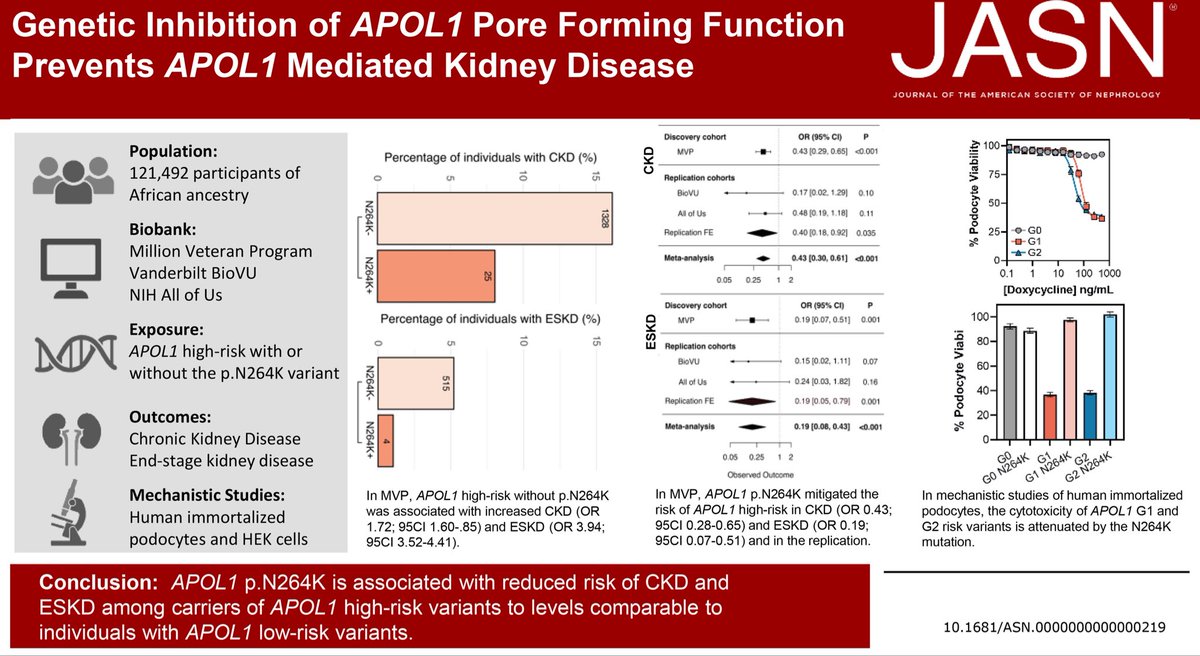
A variant of APOL1, p.N264K, is associated with reduced risk of CKD and ESKD among carriers of APOL1 high risk variants to levels comparable to individuals with APOL1 low-risk genotypes bit.ly/JASN0219
@DrFlashHeart @MichaelEMatheny @KSusztak @Eddiesiew2 @CassyRCohen
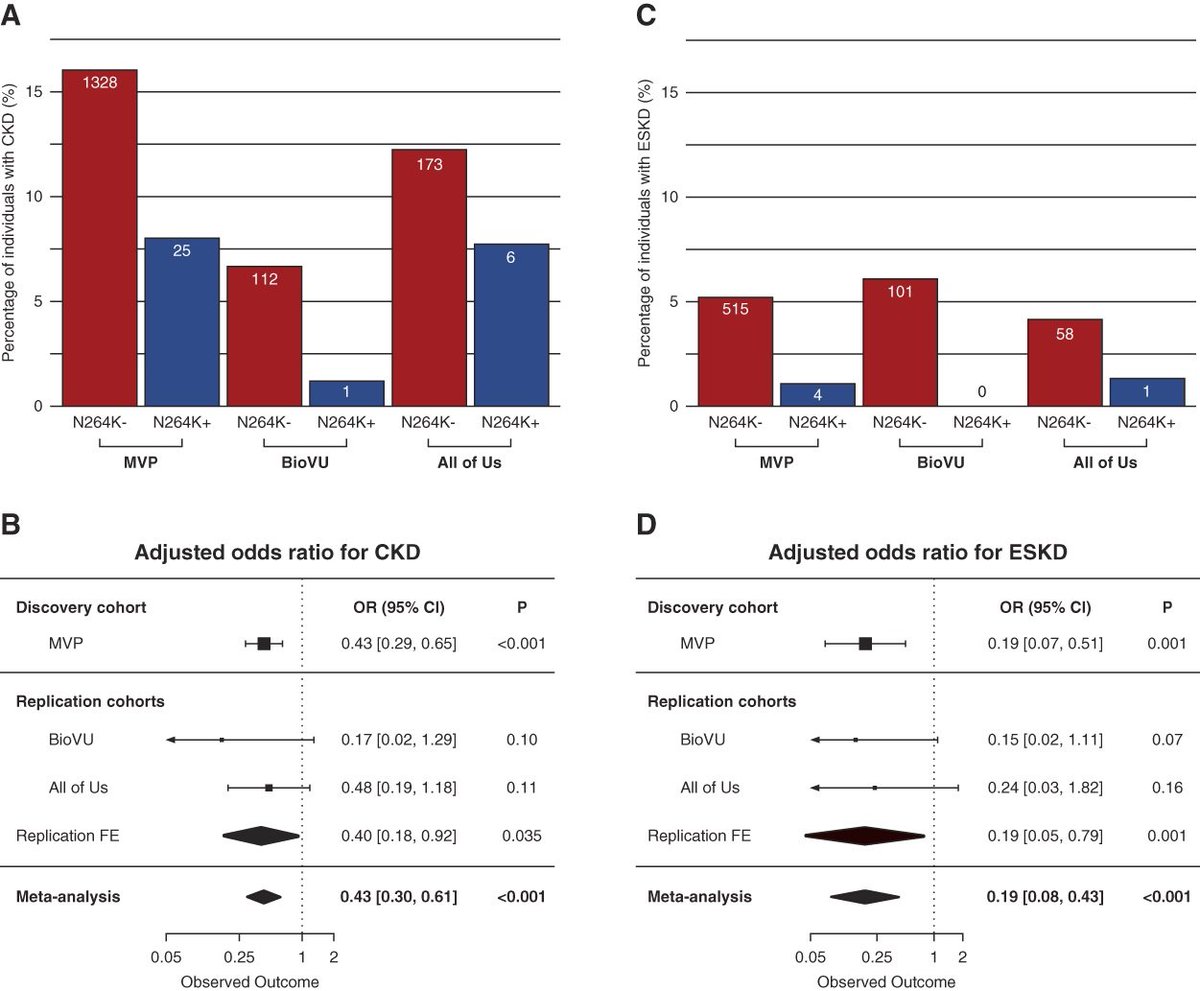
ALT Association of APOL1 HR (homozygous for G1 or G2 or compound heterozygous for G1/G2) with and without p.N264K allele with CKD and ESKD among MVP participants, BioVU and the All of Us. APOL1, apolipoprotein L1; BioVU, Vanderbilt University Biobank; CI, confidence interval; FE, Fixed effect; HR, high risk; MVP, Million Veteran Program; OR, odds ratio.
8
28
3,193
6 Oct 2023
New pub from our team @MazeInBiotech with VA MVP demonstrating key piece of our approach:
human genetics -> mechanism -> medicine
See great thread below from @DrFlashHeart
6 Oct 2023

Sharing exciting new work led by Adriana Hung, Alex Bick (@AlexBickMDPhD) and Eric Green (@ercgrn):
Genetic inhibition of APOL1 Pore Forming Function Prevents APOL1-Mediated Kidney Disease
A brief 🧵:
journals.lww.com/jasn/fullte…
1
2
21
2,838
6 Oct 2023
Study ids and functionalizes a renal protective variant in APOL1, implicating ion conductance as pathologic mechanism for APOL1 kidney dz.
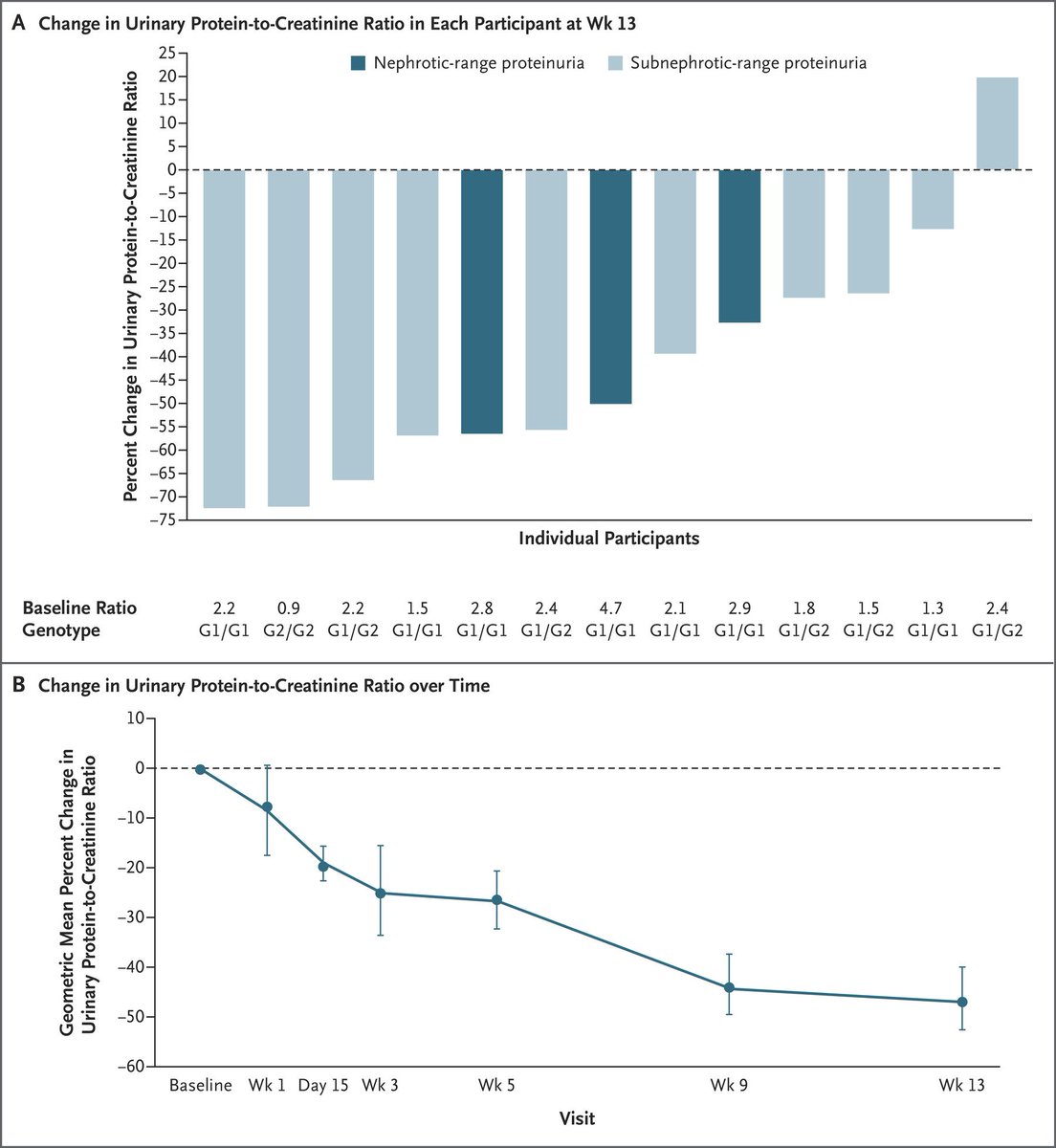
This mechanism has been further validated by @VertexPharma POC study of APOL1 pore inhibitor in FSGS @NEJM.
1
2
132
6 Oct 2023
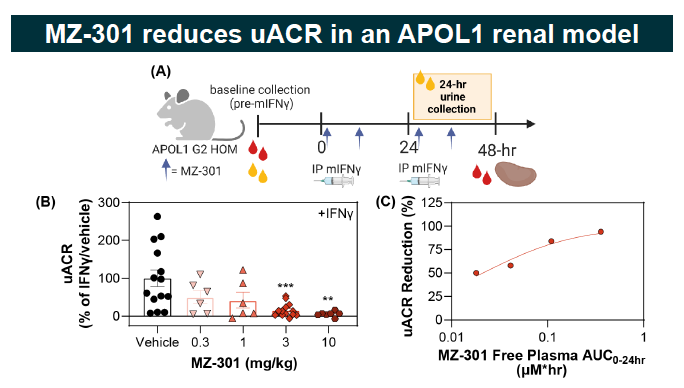
Initial data on our small molecule APOL1 pore inhibitor shared at @ASNKidney 2022 with exciting updates to come at Kidney Week 2023.
We expect to enter the clinic this year.
2
8
879
Eric Green retweeted

6 Oct 2023
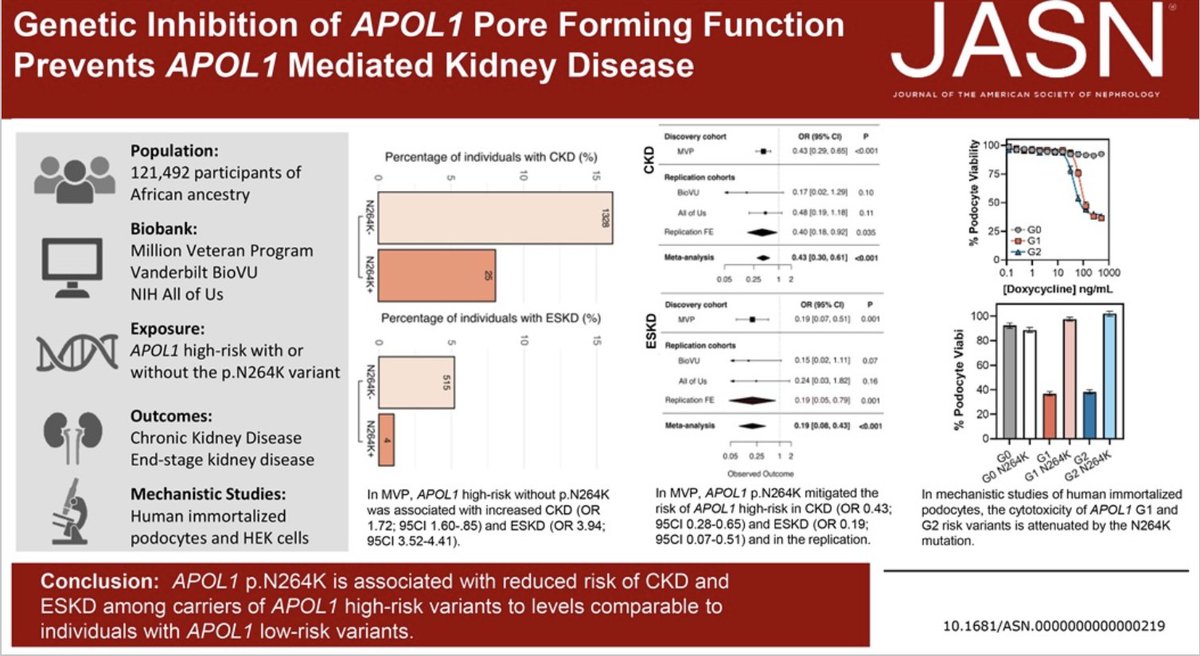
A mutation in APOL1 that protects against kidney disease.
How does it work? Seems to reduce APOL1 pore function
Cool new work integrating human genetics with cellular APOL1 function.
👏@alexbickmdphd @ercgrn @MazeInBiotech
journals.lww.com/jasn/fullte…
1
18
83
15,192
Eric Green retweeted

16 Apr 2023
A 🧵 on some of my intuitions/priors about the genetics of complex and molecular traits in humans (i.e. what I think of as typical), largely motivated by GWAS/QTL studies over the past decade [citing papers with nice figures where possible]
16
244
716
268,946
22 Mar 2023
We @MazeInBiotech release new human data today on MZE001, clinical compound to inhibit glycogen synthesis (GYS1) as rx for Pompe, other GSDs. mazetx.com/maze-therapeutics… 1/n
1
6
12
2,950
22 Mar 2023
Today @MDAorg we show data that GYS1 inhibition w MZE001 reduces glycogen synthesis, accumulation in human muscle! 3/n
1
4
247
22 Mar 2023
Now moving to test in pts with Pompe later this year. Great achievement for Maze R&D team - from concept to proof of concept in humans. @rda_pompe
2
172