
Big Tech - Senior QA engineer / Mentor
Joined April 2024
- Tweets 27
- Following 20
- Followers 186
- Likes 2
26 Photos and videos


24 May 2024
Secure your code with Checkmarx! 🛡️
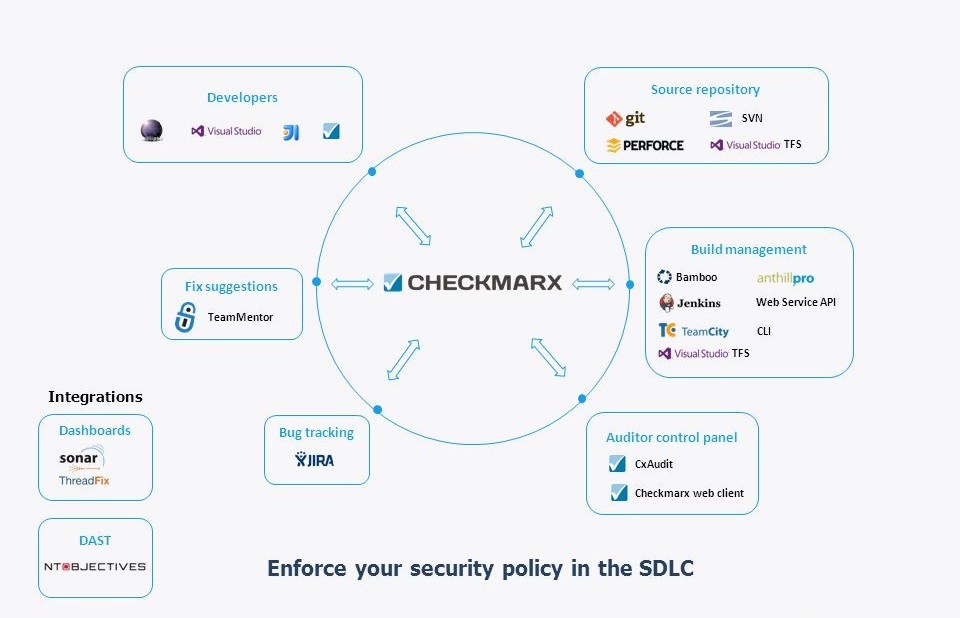
Checkmarx provides powerful static application security testing (SAST) to identify vulnerabilities in your code early in the development process. By integrating seamlessly into your CI/CD pipeline, Checkmarx ensures that security is a continuous priority, helping to catch and fix vulnerabilities before they reach production. This proactive approach to security helps prevent potential breaches, protecting both your application and your users.
Checkmarx supports a wide range of programming languages and frameworks, making it a versatile tool for diverse development teams. Its comprehensive analysis capabilities enable developers to detect issues like SQL injection, cross-site scripting (XSS), and other common vulnerabilities. The tool provides detailed reports and actionable insights, allowing developers to understand the root cause of issues and how to resolve them effectively.
One of the key benefits of Checkmarx is its ability to integrate with popular development tools and environments, such as Jenkins, GitHub, and Visual Studio. This integration streamlines the security testing process, making it an integral part of the software development lifecycle. By incorporating security checks into the early stages of development, teams can reduce the cost and complexity of fixing vulnerabilities later on.
Checkmarx also offers training and educational resources to help developers understand secure coding practices. This commitment to education fosters a security-first mindset within development teams, promoting a culture of continuous improvement and vigilance.
Incorporating Checkmarx into your development workflow not only enhances code security but also boosts overall code quality. With Checkmarx, you can confidently develop and deploy applications knowing that they are secure and robust. Embrace Checkmarx for a proactive approach to application security. #Checkmarx #SAST #CodeSecurity #DevSecOps #SoftwareDevelopment #SecureCoding #CyberSecurity
6
10
95
24 May 2024
Master version control with Git! 🚀
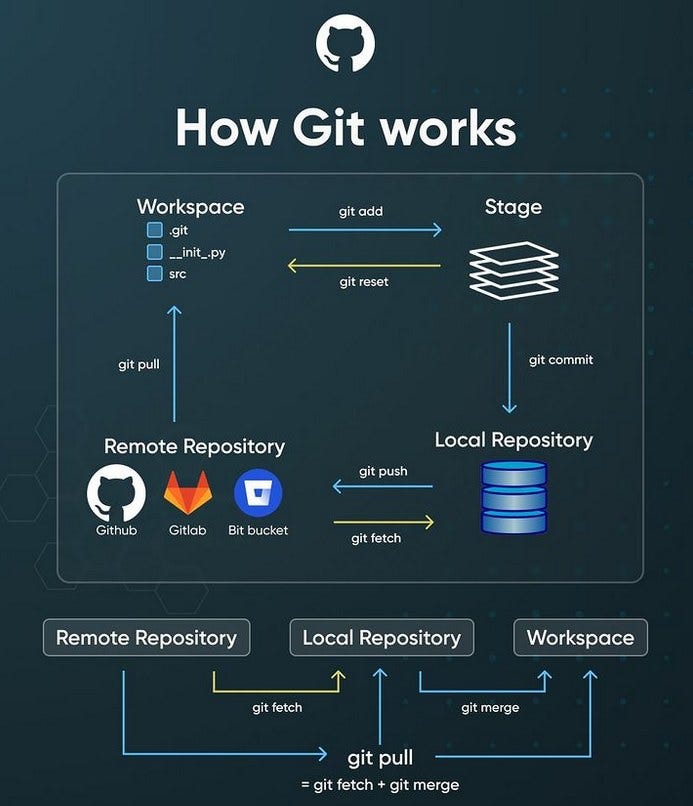
Git is an essential tool for modern software development, allowing teams to collaborate efficiently. Multiple developers can work on code simultaneously, track changes, and manage project history seamlessly. Its powerful branching and merging features support efficient workflows, enabling easy experimentation and integration of new features without disrupting the main codebase. Tools like GitHub and GitLab further enhance collaboration, offering robust platforms for code review, issue tracking, and CI/CD integration. Embrace Git to streamline your development process, improve code quality, and boost team productivity. #Git #VersionControl #DevOps #SoftwareDevelopment #GitHub #GitLab
1
3
8
87
19 May 2024
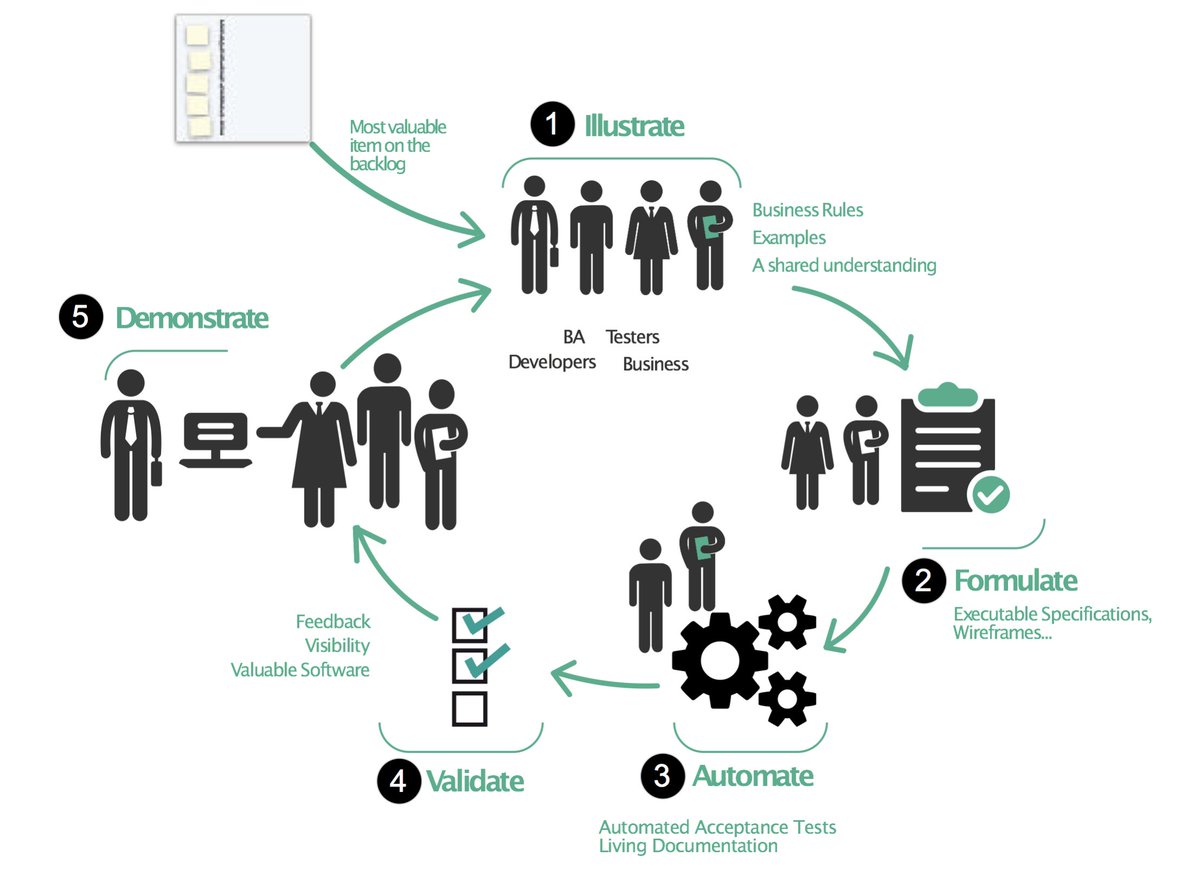
Behavior Driven Development (BDD) is a software development methodology that extends Test Driven Development (TDD) by emphasizing collaboration between developers, testers, and business stakeholders. The primary goal of BDD is to ensure that all team members have a clear understanding of the desired behavior of the application, leading to better alignment with business requirements and higher-quality software.
In BDD, development starts with defining the behavior of the application in plain language, using a structured format known as "Given-When-Then" scenarios. These scenarios describe the system's behavior from the user's perspective:
Given describes the initial context or state.
When outlines the action or event.
Then details the expected outcome or result.
These scenarios are written in a natural language that all stakeholders can understand, bridging the communication gap between technical and non-technical team members. Tools like Cucumber, SpecFlow, and Behave facilitate the creation and execution of these scenarios by converting them into automated tests.
BDD promotes a deeper collaboration and shared understanding of the project requirements. By involving stakeholders early and continuously throughout the development process, BDD ensures that the delivered software meets the actual needs and expectations of the users.
Moreover, BDD improves code quality and maintainability. The detailed, behavior-focused tests act as living documentation, providing clear and concise descriptions of how the system should behave. This not only aids in testing but also serves as a valuable reference for future development and maintenance.
#BDD #BehaviorDrivenDevelopment #SoftwareTesting #Collaboration #Cucumber #SpecFlow #Agile #DevOps #SoftwareQuality #UserCentric
4
13
27
279
18 May 2024
Test Driven Development (TDD) is a software development methodology that emphasizes writing tests before writing the actual code. This practice ensures that the codebase remains robust, maintainable, and bug-free, fostering a higher level of code quality and developer productivity.
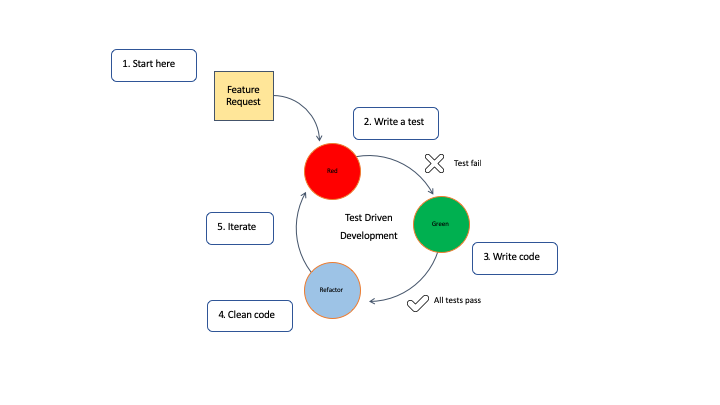
In TDD, developers start by writing a test for a specific functionality they want to implement. Initially, this test will fail because the functionality does not yet exist. Next, the developer writes the minimum amount of code necessary to pass the test. Once the test passes, the developer refactors the code to improve its structure and readability while ensuring that the test still passes. This cycle of writing a test, writing code, and refactoring is repeated for each new functionality.
One of the primary benefits of TDD is that it encourages developers to consider edge cases and potential issues upfront, leading to more resilient and reliable code. It also provides a safety net for future code changes; since tests are written before the code, any changes that break functionality are immediately detected by the failing tests.
TDD promotes better design decisions and cleaner code architecture, as the focus on passing tests leads to writing smaller, more modular pieces of code. Additionally, the comprehensive suite of tests created during TDD serves as thorough documentation of the codebase, aiding future development and maintenance.
Overall, TDD fosters a disciplined development approach, enhancing code quality, reducing bugs, and improving the overall development workflow.
2
16
42
370
18 May 2024
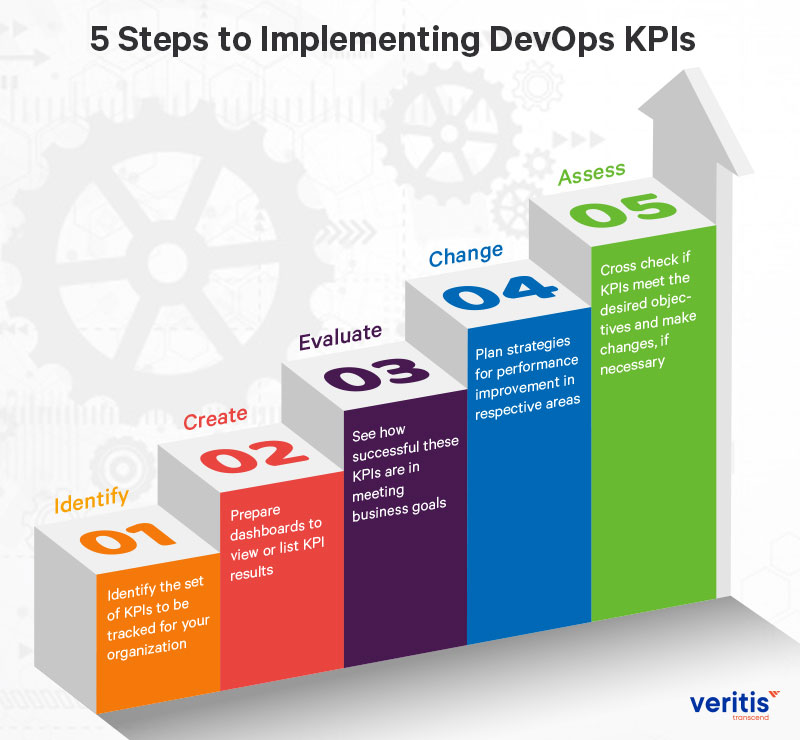
DevOps metrics and Key Performance Indicators (KPIs) are crucial for measuring the effectiveness and efficiency of DevOps practices within an organization. These metrics help teams understand their performance, identify bottlenecks, and drive continuous improvement.
One of the most important DevOps metrics is Deployment Frequency, which measures how often new code is deployed to production. High deployment frequency indicates a mature CI/CD pipeline and quick feedback loops. Lead Time for Changes, the time it takes from code commit to deployment, is another critical metric. Shorter lead times mean faster delivery of features and fixes.
Mean Time to Recovery (MTTR) measures the average time it takes to recover from a failure in production. A low MTTR reflects a team's ability to quickly address and resolve issues, ensuring high availability and reliability. Change Failure Rate, the percentage of deployments causing a failure, helps gauge the quality of deployments and the effectiveness of testing processes.
In addition to these, monitoring system health metrics like CPU usage, memory consumption, and response times is essential for ensuring application performance and stability. Tools like Prometheus and Grafana can visualize these metrics, providing actionable insights.
By tracking these DevOps KPIs, organizations can ensure they are delivering high-quality software efficiently, maintaining a robust and resilient infrastructure, and continuously improving their processes to meet business objectives.
1
5
26
284
17 May 2024
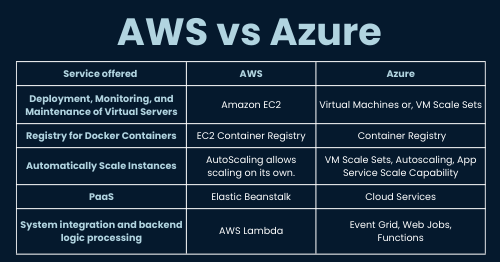
Azure and AWS are two of the most prominent cloud service providers, each offering a comprehensive suite of tools and services for businesses of all sizes. While both platforms provide similar functionalities, there are key differences that set them apart.
Azure, developed by Microsoft, integrates seamlessly with Windows-based environments, making it a preferred choice for enterprises already using Microsoft products. Azure's strong hybrid cloud capabilities allow for seamless integration between on-premises and cloud environments, offering flexibility and continuity. It also excels in PaaS (Platform as a Service) offerings, with robust tools for developers to build, deploy, and manage applications.
AWS, on the other hand, is the pioneer in the cloud computing space and offers the most extensive global infrastructure. Known for its breadth of services, AWS provides a wide range of IaaS (Infrastructure as a Service) and PaaS solutions, catering to diverse workloads and industries. AWS's mature ecosystem includes a vast array of tools for computing, storage, databases, machine learning, and analytics, making it a versatile choice for various use cases.
In terms of pricing, both Azure and AWS offer pay-as-you-go models, but AWS generally provides more granular pricing options, potentially leading to cost savings for specific workloads.
Ultimately, the choice between Azure and AWS depends on the specific needs and existing infrastructure of an organization. Azure's seamless integration with Microsoft services and strong hybrid capabilities make it ideal for enterprises in the Microsoft ecosystem, while AWS's extensive service offerings and global reach make it suitable for a wide range of applications and industries.
#azure #microsoft #qaengineer #aws #computerscience
4
19
132
17 May 2024
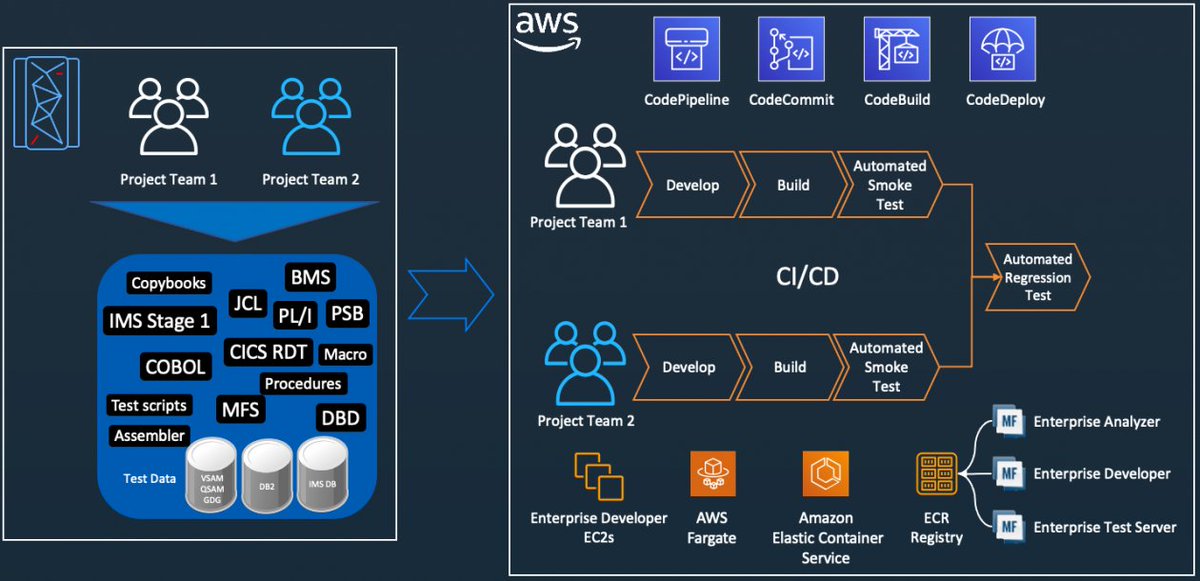
Cloud testing strategies in AWS (Amazon Web Services) offer powerful tools and frameworks for ensuring the quality and performance of applications in a cloud environment. Leveraging AWS's extensive infrastructure and services, organizations can perform various types of testing, including performance, load, functional, and security testing, in a scalable and cost-effective manner.
One of the core strategies in cloud testing with AWS is the use of AWS CloudFormation for infrastructure as code (IaC). This allows teams to define and provision their testing environments using code, ensuring consistency and reproducibility across different testing scenarios. Combined with AWS Elastic Beanstalk, teams can quickly deploy and manage applications for testing without worrying about the underlying infrastructure.
For load and performance testing, AWS offers tools like Amazon EC2 for scalable compute resources and AWS Lambda for serverless execution. By simulating real-world traffic with services like Amazon CloudWatch and AWS X-Ray, teams can monitor application performance, identify bottlenecks, and optimize resource usage.
Security testing is another crucial aspect, where AWS services like AWS Identity and Access Management (IAM) and AWS Security Hub provide robust frameworks for conducting vulnerability assessments and compliance checks.
Moreover, AWS Device Farm enables testing on a wide range of physical devices, ensuring that applications perform consistently across different platforms and devices.
In conclusion, AWS cloud testing strategies empower organizations to build, deploy, and maintain high-quality applications with greater agility and reliability. By leveraging AWS's comprehensive suite of tools and services, teams can streamline their testing processes and deliver superior user experiences.
#qa #engineering #COMPUTER_SCIENCE #cloud
2
10
115
15 May 2024
"Elevate your log analytics game with the ELK Stack!
Elasticsearch, Logstash, and Kibana work seamlessly together to ingest, parse, and visualize your log data. Gain valuable insights, troubleshoot issues, and streamline operations with this powerful solution. #ELKStack
2
8
80
15 May 2024
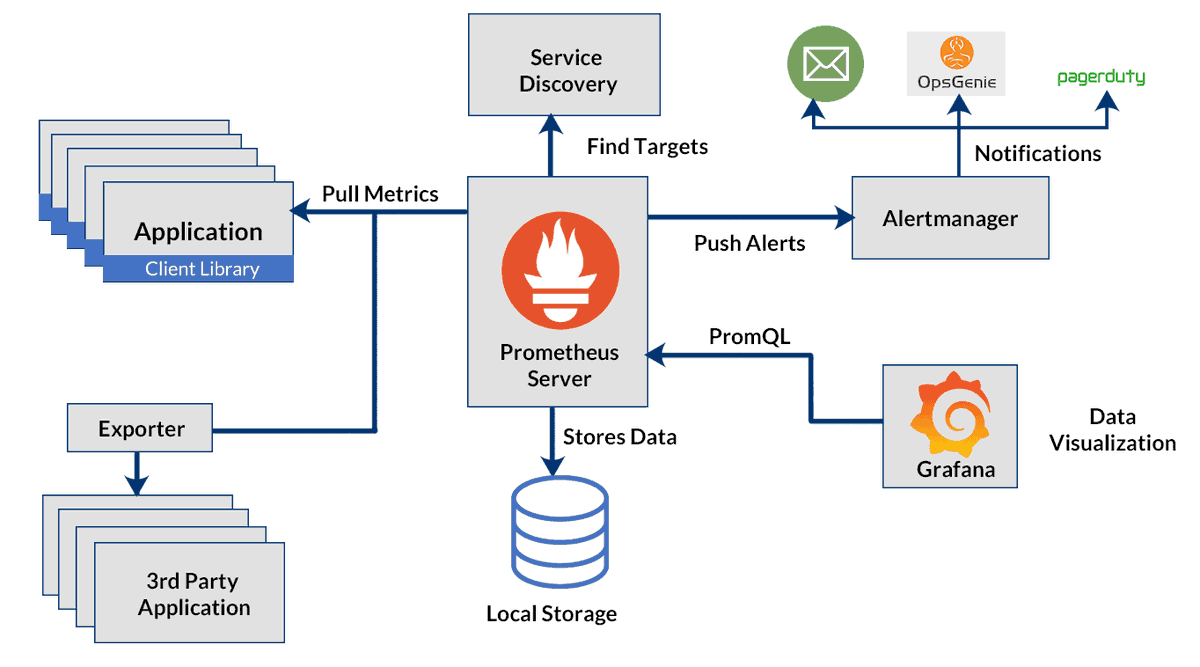
"Unlock the power of monitoring and alerting with Prometheus! 🚀
This open-source monitoring system helps you track metrics from your applications and infrastructure in real-time, empowering you to troubleshoot issues and optimize performance. Don't just monitor - #Prometheus!"
3
8
76
14 May 2024
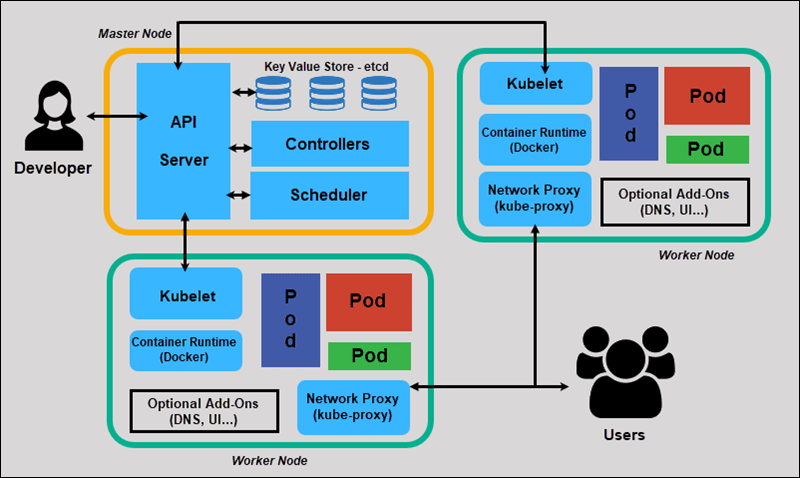
Kubernetes, often abbreviated as K8s, is an open-source container orchestration platform that automates the deployment, scaling, and management of containerized applications. Originally developed by Google and now maintained by the Cloud Native Computing Foundation (CNCF), Kubernetes has become the de facto standard for container orchestration in modern cloud-native environments.
At its core, Kubernetes provides a platform-agnostic framework for managing containerized workloads and services. It abstracts away the underlying infrastructure, allowing developers to focus on building and deploying applications without worrying about the intricacies of server provisioning or networking configuration.
One of Kubernetes' key features is its ability to ensure application reliability and scalability. Through concepts like pods, services, and deployments, Kubernetes enables developers to define desired states for their applications and automatically handle tasks such as load balancing, scaling, and service discovery.
Moreover, Kubernetes promotes a declarative approach to infrastructure management, where developers specify the desired state of their applications using YAML or JSON configuration files. Kubernetes then reconciles the current state of the cluster with the desired state, ensuring that applications are always running as intended.
With its robust set of features and vibrant ecosystem of tools and extensions, Kubernetes has empowered organizations to embrace cloud-native architectures and accelerate their journey towards digital transformation. Whether running on-premises or in the cloud, Kubernetes provides a scalable, flexible, and resilient platform for deploying and managing modern applications at scale.
7
131
14 May 2024
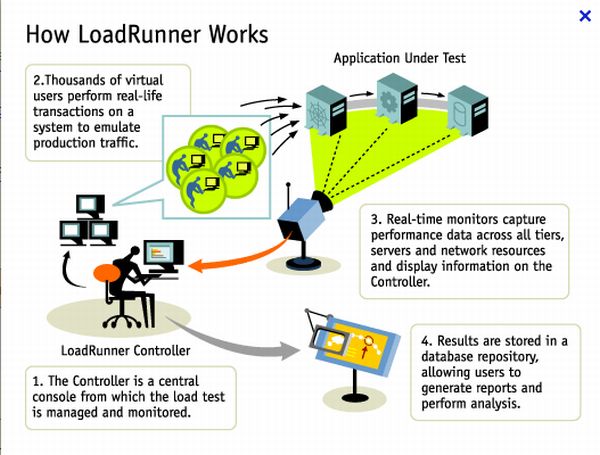
"Discover the ultimate tool for performance testing - LoadRunner! 🚀 Whether you're launching a new website, app, or system update, LoadRunner empowers you to simulate real-world user traffic, uncovering performance bottlenecks and ensuring your application can handle the load. From stress testing to scalability assessment, LoadRunner's comprehensive suite of features helps you optimize performance and deliver a seamless user experience. Don't let poor performance tarnish your reputation - supercharge your testing efforts with LoadRunner! #LoadRunner #PerformanceTesting #SoftwareTesting #DevOps
2
115
7 May 2024
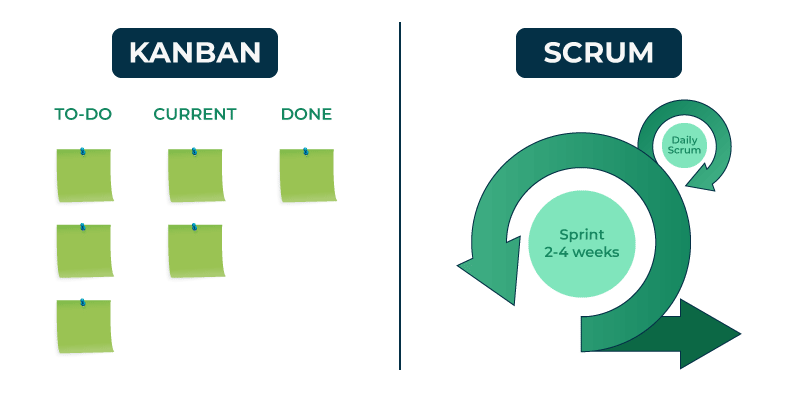
Kanban in Agile testing offers visual workflows, flexibility, and continuous improvement. By minimizing work in progress and focusing on flow, teams ensure efficient delivery of high-quality software. It's all about transparency, collaboration, and delivering value.
1
3
62
7 May 2024
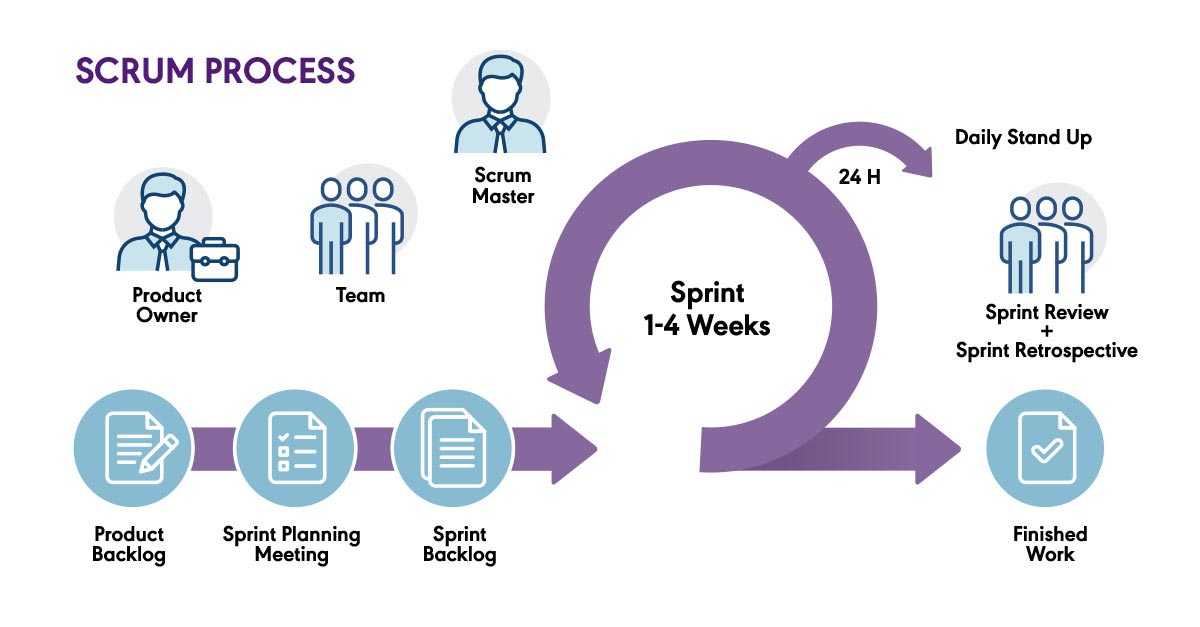
"Embracing Agile testing methodologies like Scrum means delivering quality software iteratively, adapting to change, and fostering collaboration between development and QA teams. It's about continuously improving the product while ensuring it meets customer needs.
2
4
88
6 May 2024
In today's rapidly evolving tech landscape, efficient software deployment is paramount for businesses aiming to stay ahead of the competition. Containerization and orchestration technologies, particularly Docker, have emerged as game-changers, revolutionizing the way applications are developed, deployed, and managed.
Containerization, spearheaded by Docker, involves encapsulating applications and their dependencies into lightweight, portable containers. These containers are isolated environments that ensure consistency across different computing environments, from development to production. With Docker, developers can package their applications along with all the necessary libraries and dependencies, eliminating the infamous "it works on my machine" dilemma.
One of the key benefits of Docker is its efficiency in resource utilization. Unlike traditional virtual machines (VMs), which require a separate operating system for each instance, Docker containers share the host OS kernel, resulting in faster startup times and lower overhead. This enables organizations to optimize their infrastructure usage and scale applications more efficiently.
Moreover, Docker's portability and consistency make it an ideal choice for microservices architectures. By breaking down monolithic applications into smaller, loosely coupled services, teams can iterate and deploy changes independently, accelerating development cycles and enhancing agility. Docker containers provide the perfect environment for deploying and managing these microservices, enabling seamless integration and deployment across distributed systems.
However, managing a fleet of containers manually can quickly become cumbersome. This is where container orchestration tools like Kubernetes enter the picture. Kubernetes automates the deployment, scaling, and management of containerized applications, allowing organizations to effectively manage their containerized infrastructure at scale.
With Kubernetes, developers can define desired states for their applications through declarative configuration files, and Kubernetes takes care of orchestrating the necessary resources to ensure that applications are running as intended. From load balancing and auto-scaling to service discovery and self-healing, Kubernetes provides a robust framework for building resilient, scalable applications in a dynamic environment.
In conclusion, Docker and Kubernetes have revolutionized the software development lifecycle by streamlining the process of building, deploying, and managing applications. By embracing containerization and orchestration, organizations can achieve greater agility, scalability, and reliability in their software delivery pipelines, ultimately driving innovation and competitive advantage in today's fast-paced digital landscape.
1
2
122
6 May 2024
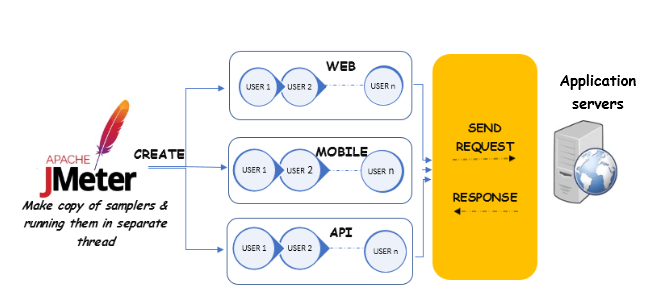
Apache JMeter is a versatile open-source testing tool primarily used for performance testing of web applications. It allows testers to simulate heavy loads on servers, analyze performance under various conditions, and measure the overall responsiveness and stability of web applications. JMeter supports a wide range of protocols, including HTTP, HTTPS, FTP, JDBC, and more, making it suitable for testing different types of applications. With its user-friendly GUI and extensible architecture, Apache JMeter is a popular choice among developers and testers for ensuring the scalability and reliability of web applications.
1
62
25 Apr 2024
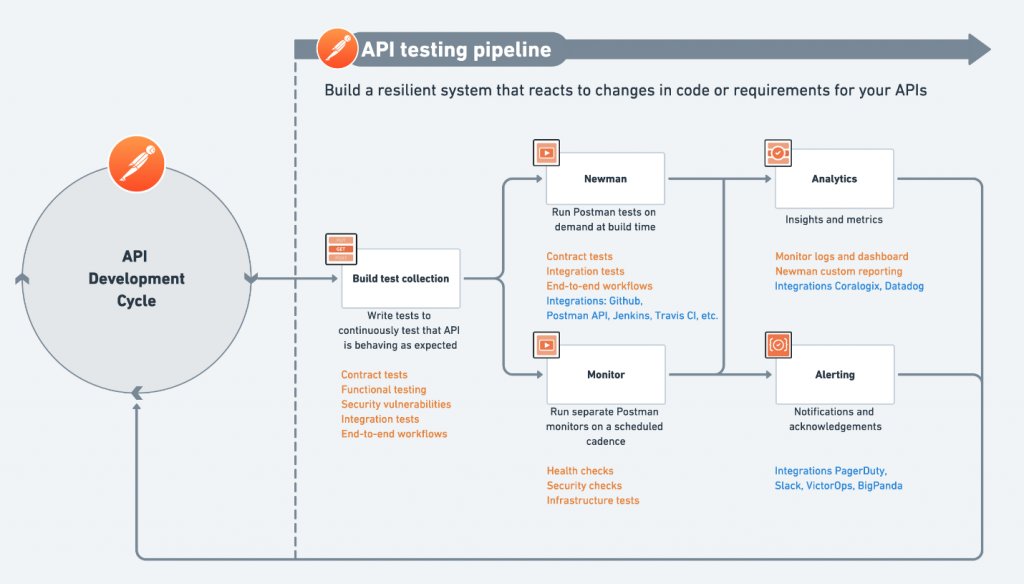
Postman is a widely-used API testing tool with features like request building, automated testing, and result analysis. Its user-friendly interface and robust capabilities make it essential for ensuring API reliability and functionality.
1
21
25 Apr 2024
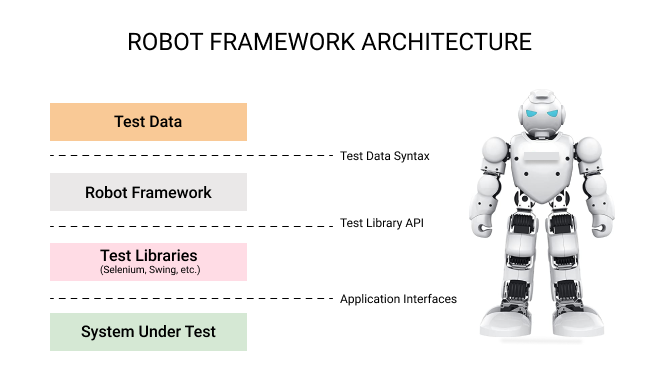
Robot Framework: a versatile automation framework for testing & RPA. Features easy syntax, keyword-driven testing, & built-in libraries. It integrates with external tools, making it popular for cross-platform test automation, with widespread adoption across industries.
1
20
25 Apr 2024
JUnit is a popular framework for Java developers. It simplifies the process of writing and executing unit tests, offering features like annotations, assertions, and test runners. JUnit is used in the Java community for its effectiveness in ensuring the quality of applications.

1
13
25 Apr 2024
PyTest is a popular testing framework for Python projects. It offers a simple and intuitive way to write and execute tests, with powerful features for test discovery, fixtures, and assertions. PyTest is widely used in the Python community for its ease of use.

1
2
60