Marine ecologist, science writer, @natgeo Explorer. Currently: Sharing stories of mesophotic & deep restoration in the Gulf with @NOAA & @marinesanctuary.
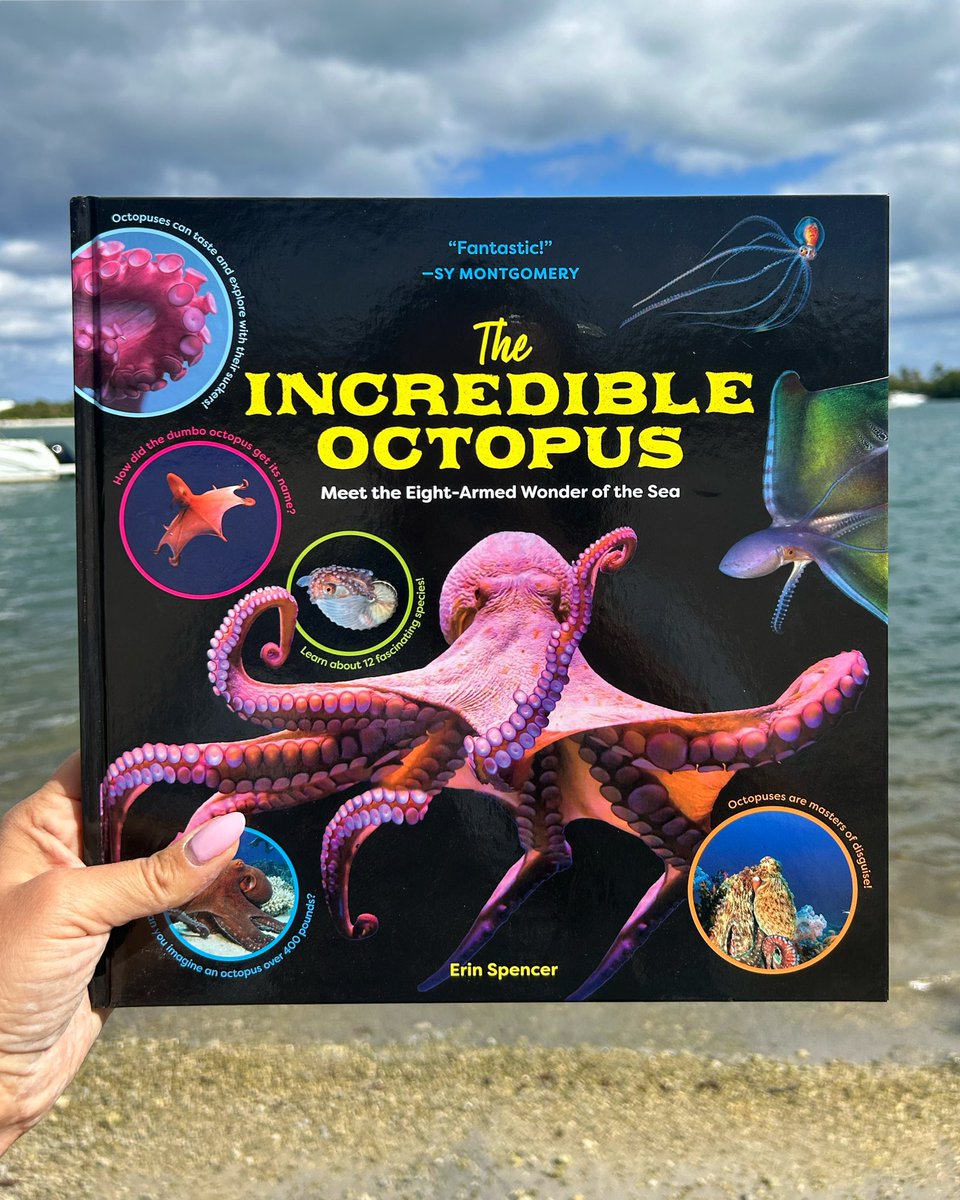
Today is the day! The Incredible Octopus is now on bookshelves.
Thank you to the incredible team at @StoreyPub for bringing this dream to life. Now available via Bookshop, Amazon, Barnes & Noble, Target, or wherever you get your books! @HachetteUShachettebookgroup.com/titles…
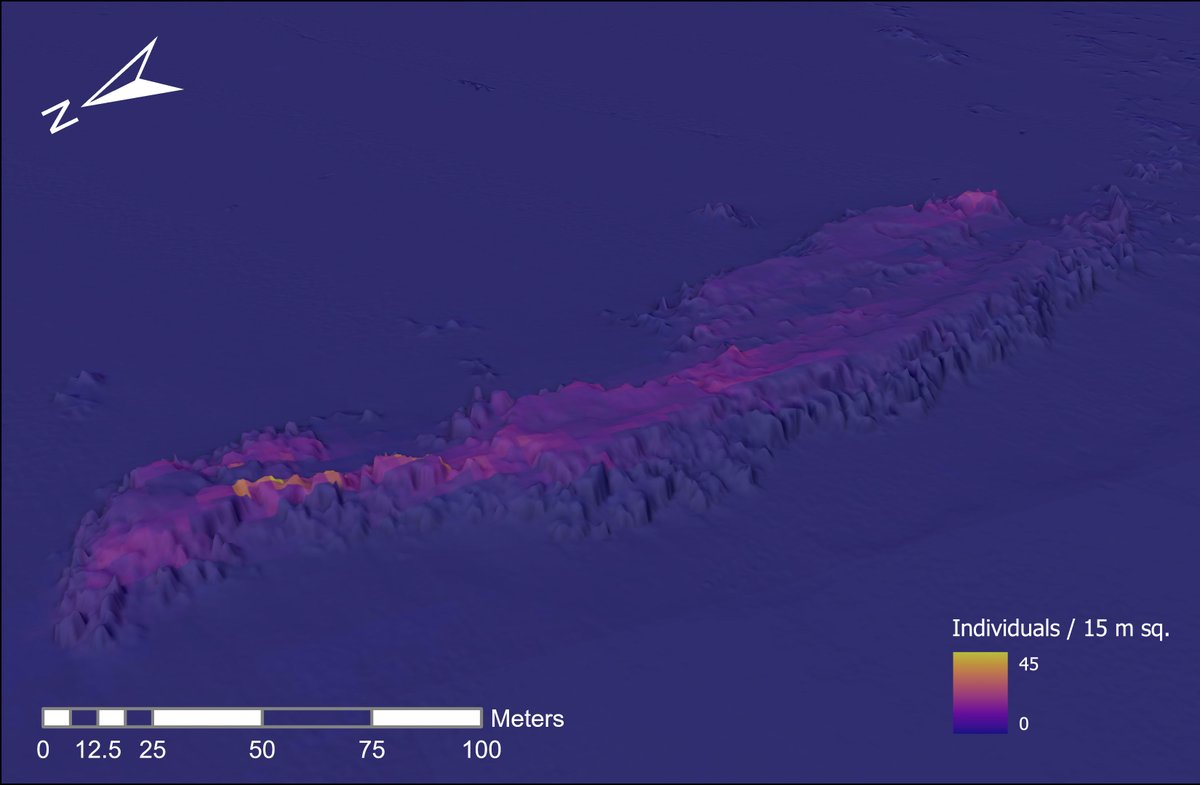
🪸 A NOAA-led team is developing a new suite of species distribution and habitat models that better predict where deep sea corals might be found in the Gulf. These high-resolution models will support more targeted restoration of deep coral habitats. coastalscience.noaa.gov/news…
ALT example prediction from a new suite of coral species distribution and habitat models showing bathymetry and coral density
Welcome Aboard!
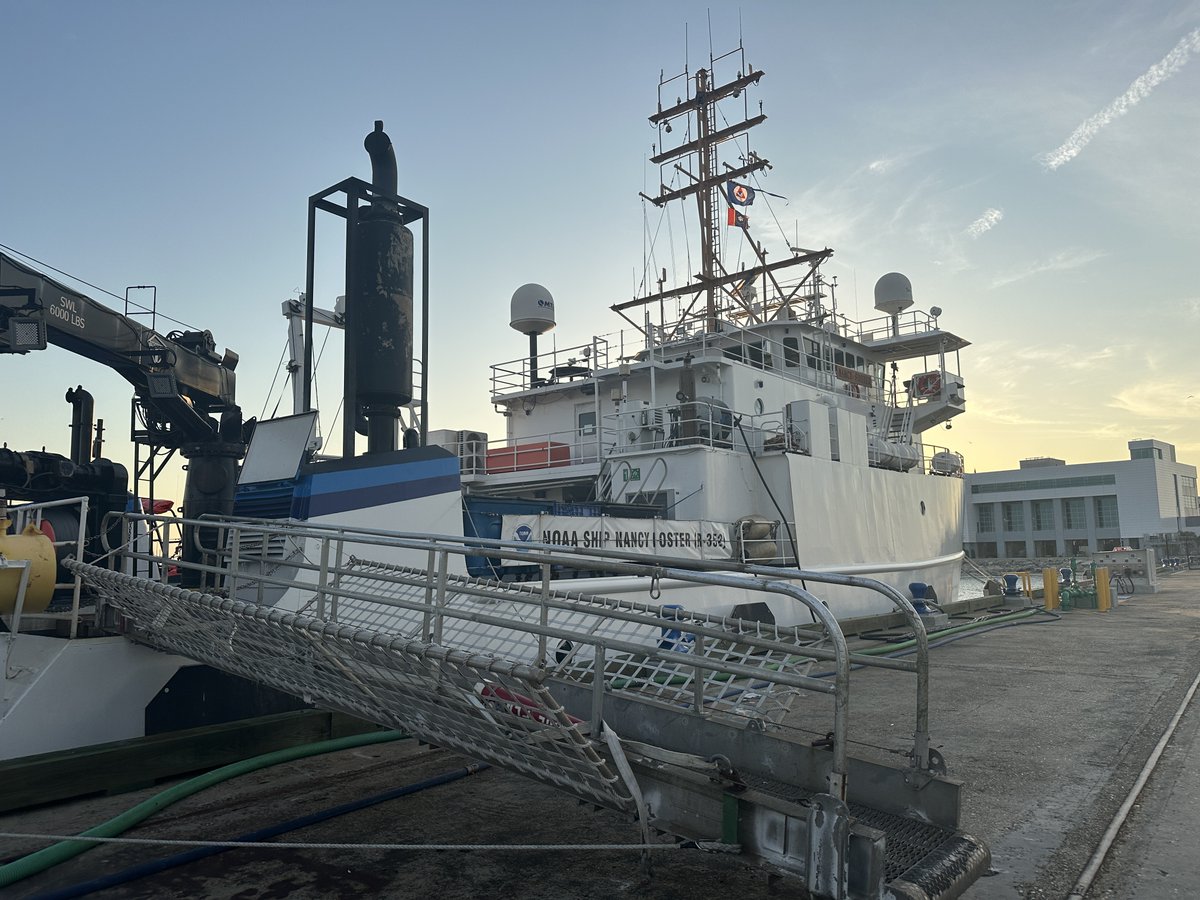
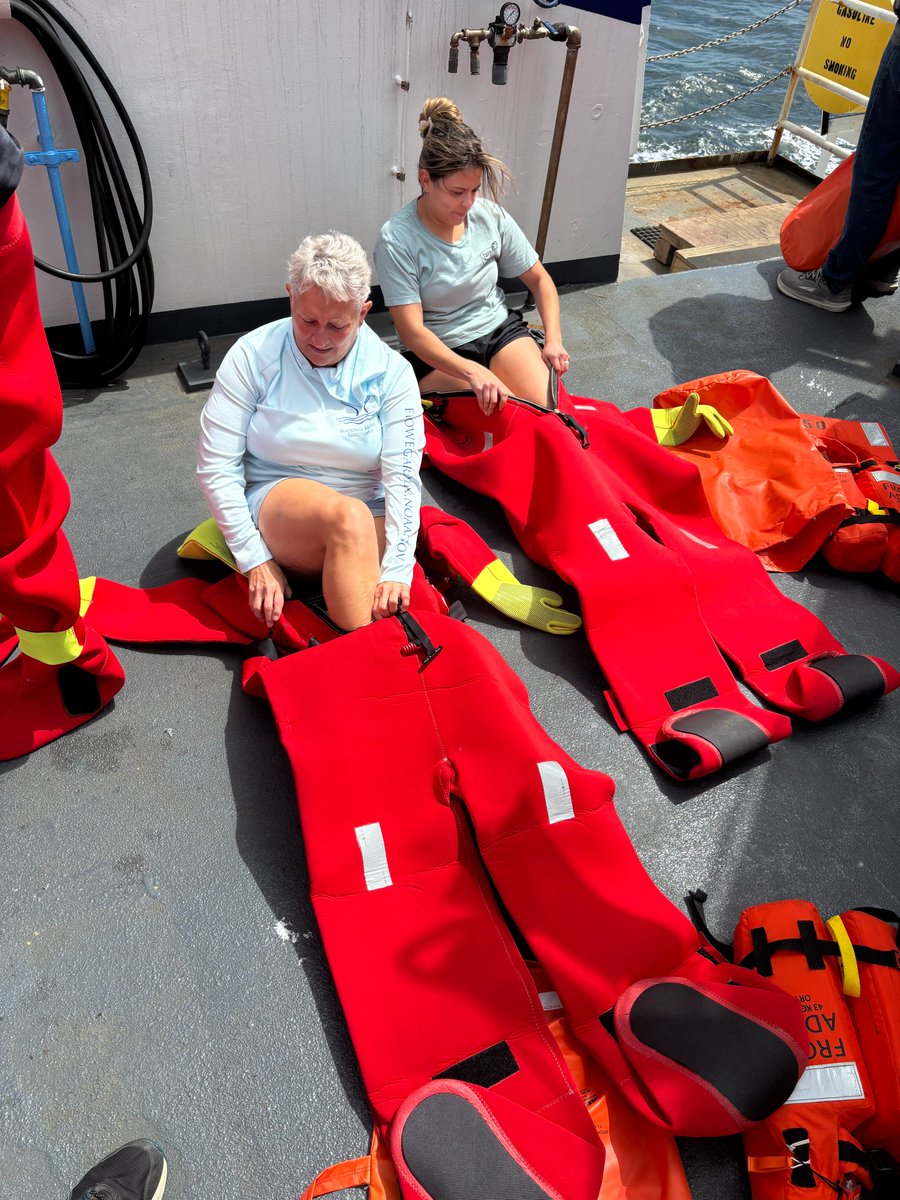
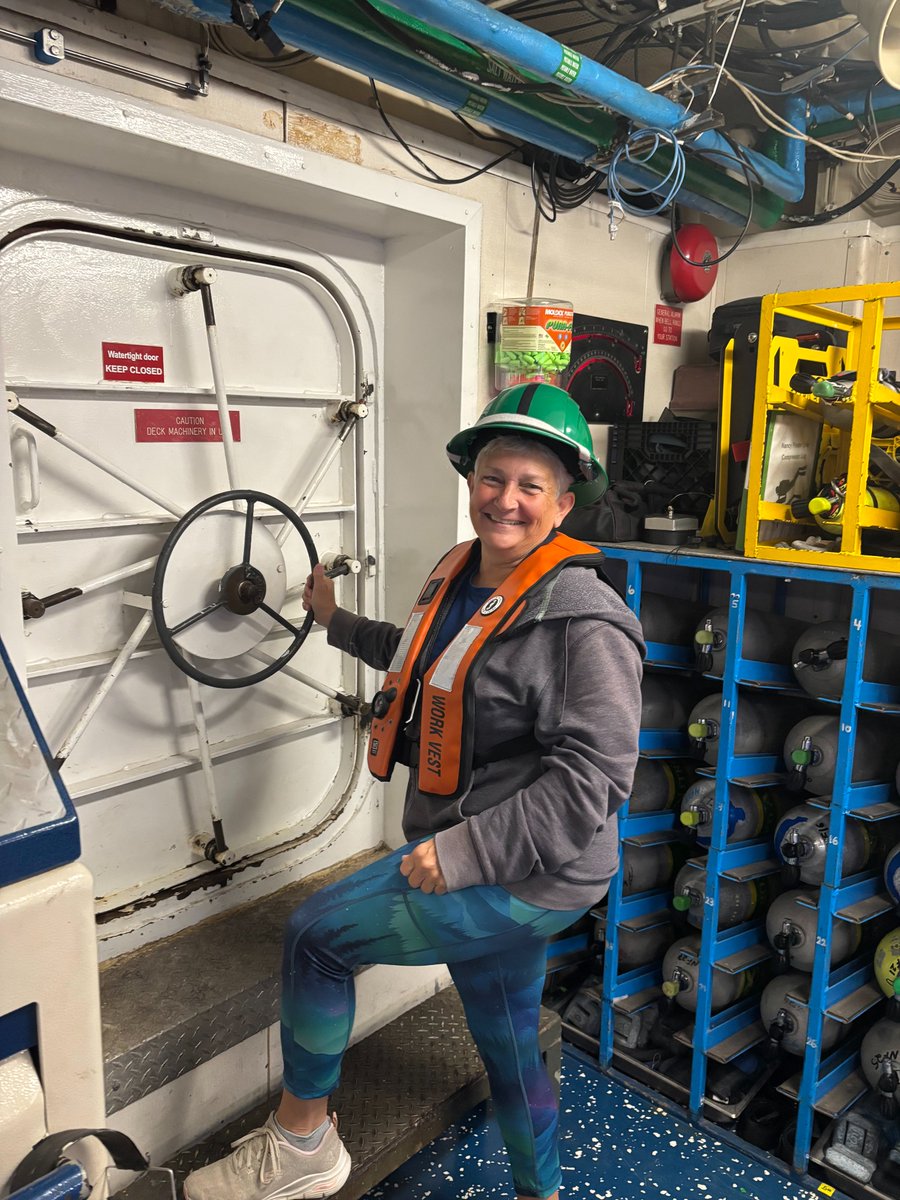
Last week, sanctuary staff, volunteers, and collaborators boarded #NOAAShipNANCYFOSTER for a research trip in the Gulf. On the way to #AlderdiceBank, they participated in safety drills & reviewed skills needed for the long survey days to come.
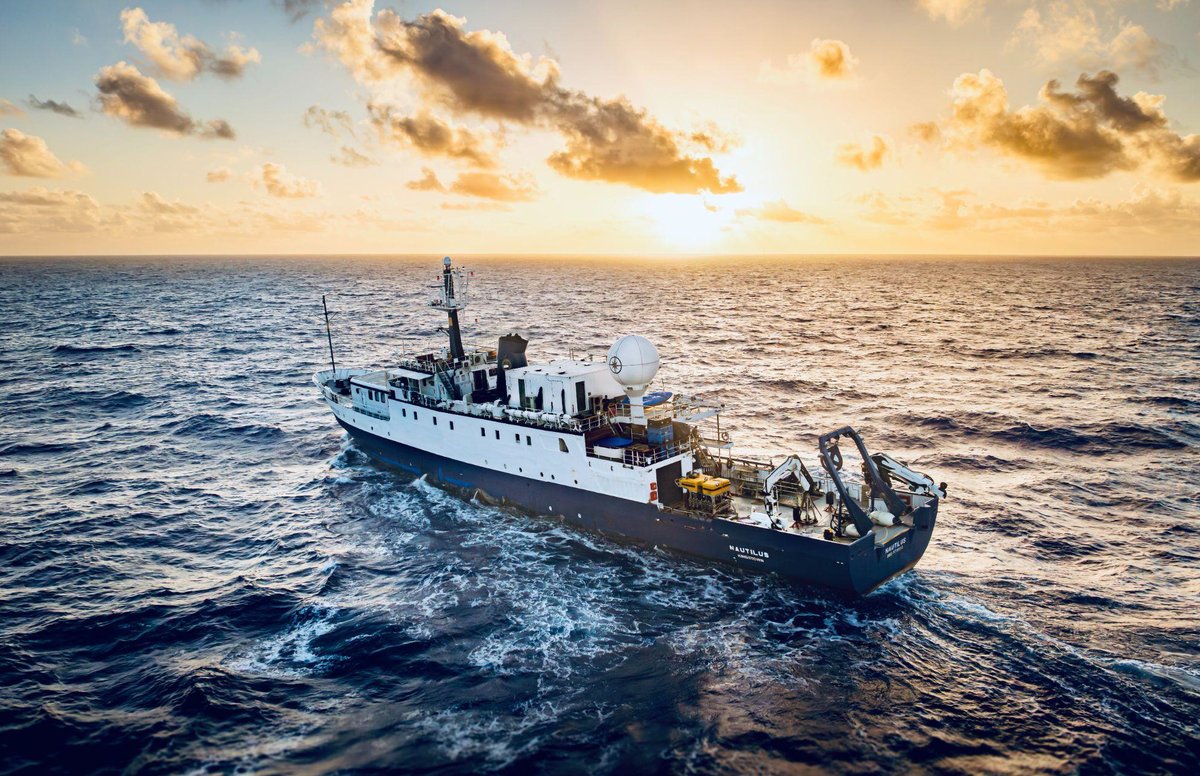
June-Oct, #EVNautilus will explore deep-sea habitats in the central & western Pacific, seeking out discoveries & pushing the boundaries of technological innovation. The 2026 Nautilus field season is sponsored primarily by @oceanexplorer through the OECI. oceanexplorer.noaa.gov/exped…
ALT Exploration Vessel Nautilus sails across a choppy blue ocean under a bright, golden sunset with scattered clouds.
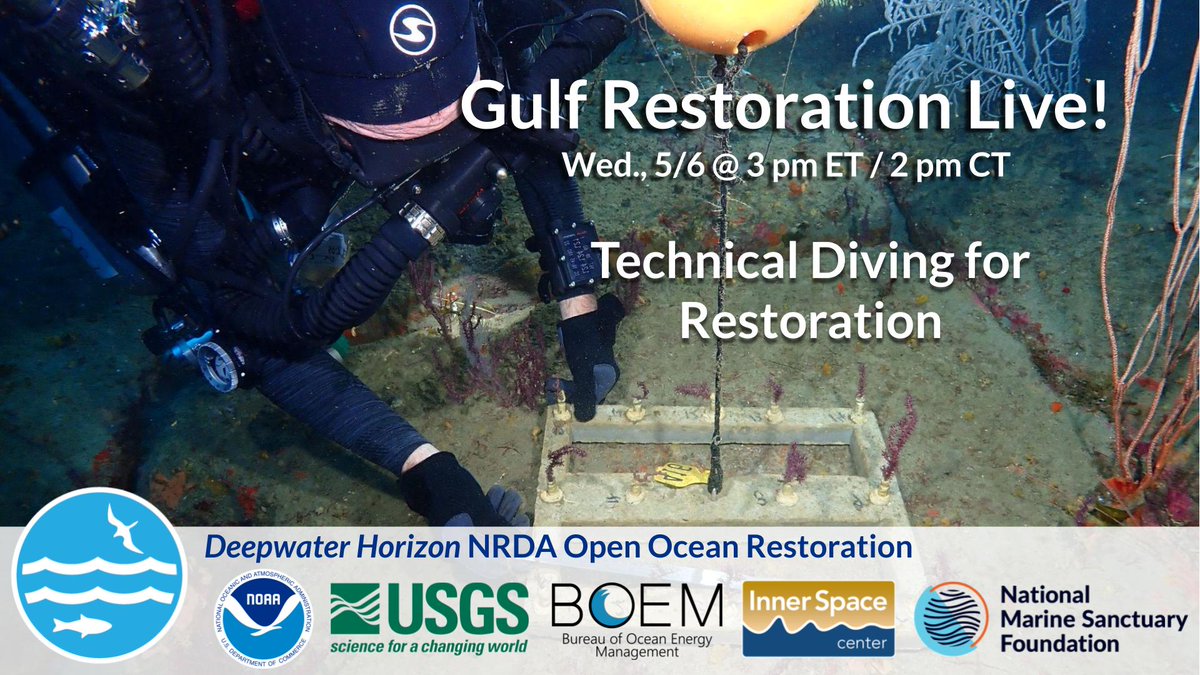
Join us: Learn about the tools, talent, and teamwork that goes into a successful restoration diving mission.
Tune in for a LIVE discussion at sea TODAY (May 6) at 3PM ET: youtube.com/watch?v=fTRKVsDk…
ALT promotional graphic that reads “Gulf Restoration Live! Technical Diving for Restoration”
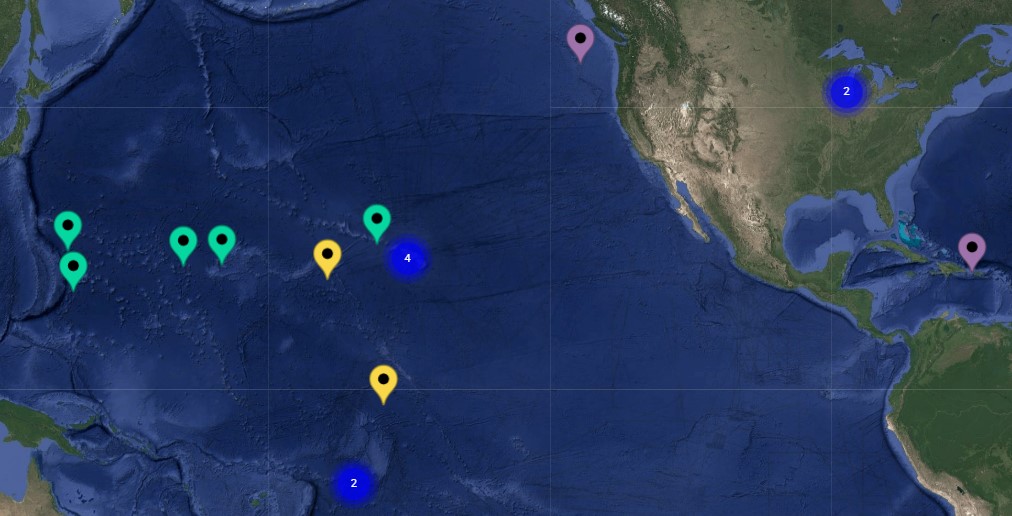
Get ready for a year of groundbreaking ocean exploration! In 2026, @oceanexplorer & partners will explore unknown areas of our ocean (and a lake!), using innovative tools to make discoveries of scientific, economic, & cultural value.
Read about our plans: oceanexplorer.noaa.gov/exped…
ALT Map showing fieldwork sites marked with colored pins and numbered clusters.
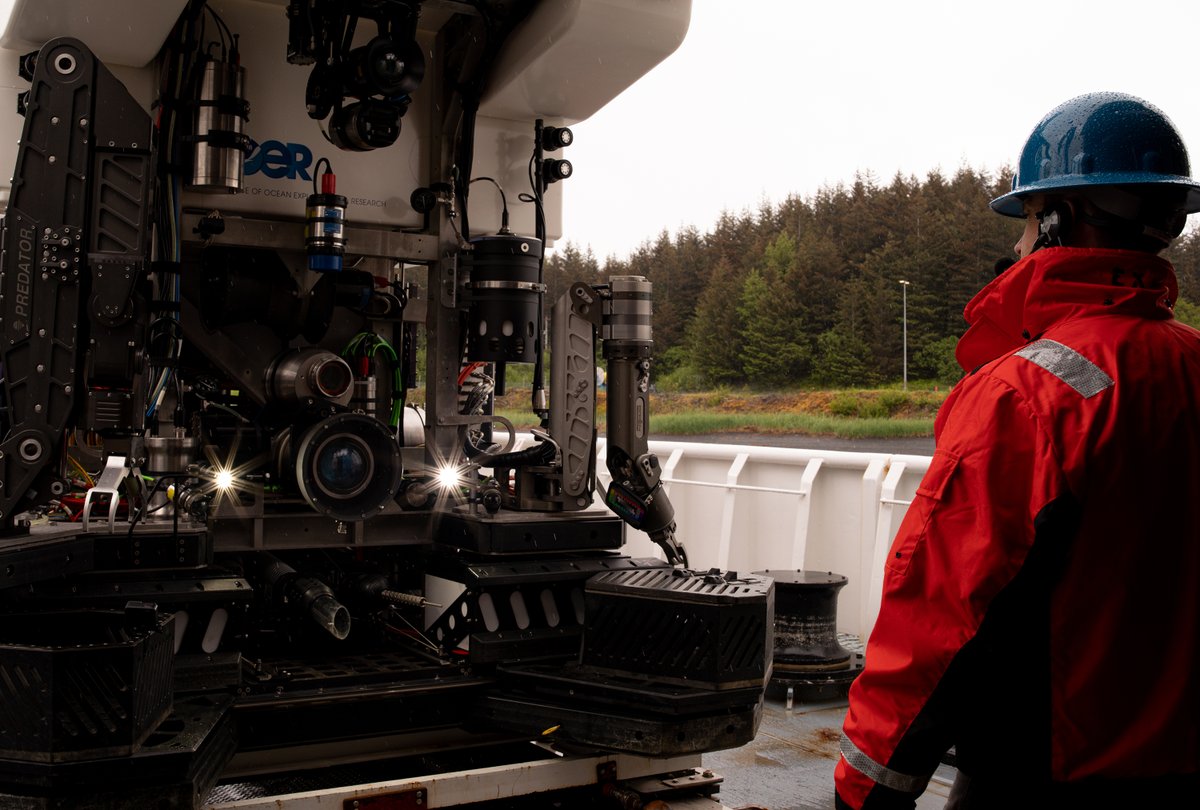
ALT Remotely operated vehicle Deep Discoverer. Image courtesy of Olivia Andrus, Global Foundation for Ocean Exploration, Seascape Alaska
Person wearing a jacket and a helmet while viewing a large robotic device on a ship deck.
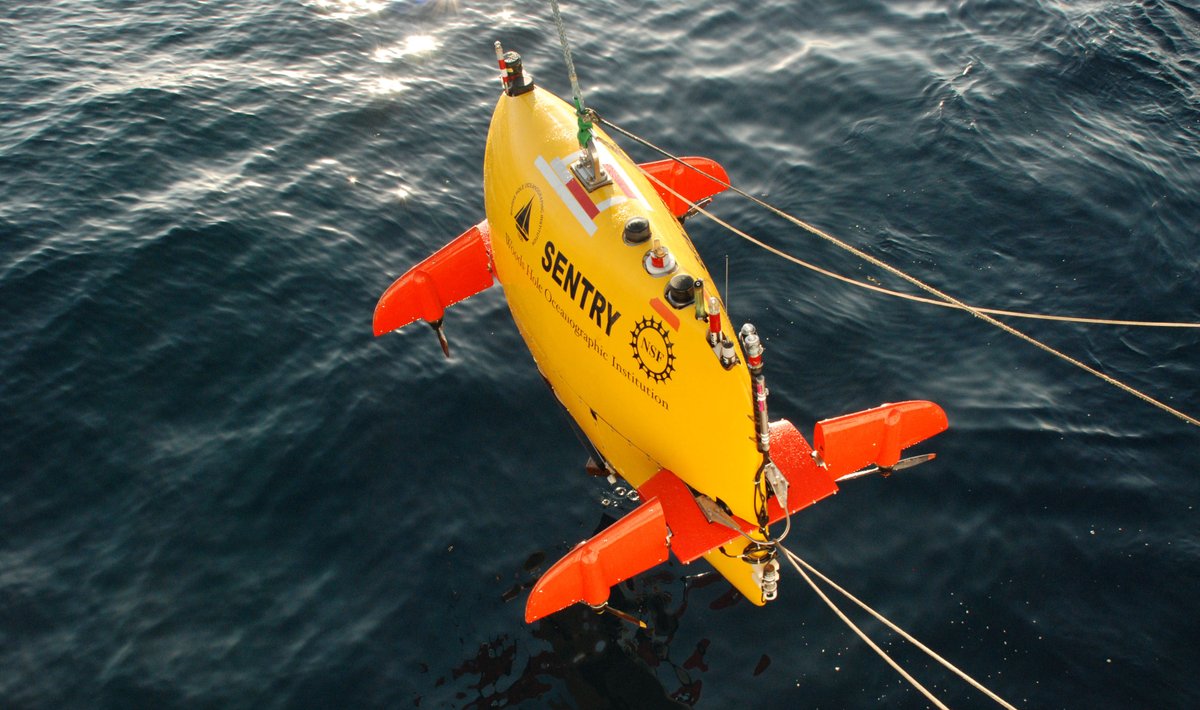
ALT Autonomous underwater vehicle Sentry: Image courtesy of DEEP SEARCH 2017, NOAA-OER/BOEM/USGS.
The yellow and orange autonomous underwater vehicle Sentry being lowered by a cable into the ocean.
Today is One Tribe One Day, @williamandmary's annual day of giving. This year I am very excited to support the Institute for Integrative Conservation -- all gifts support the next generation of conservation leaders. Give today! #OneTribeOneDaydonate.wm.edu/schools/Willia…
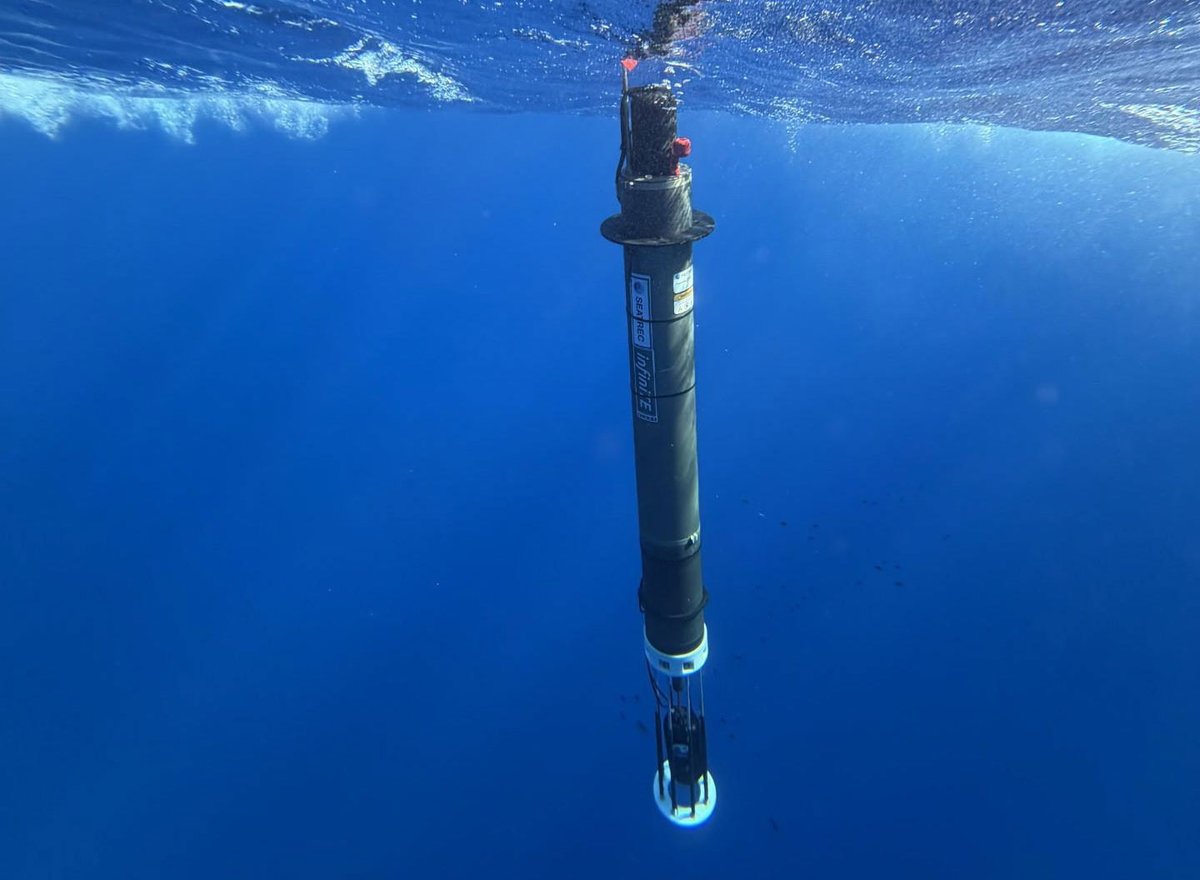
The Autonomous, Directional Acoustic Profiling Float for Soundscape Characterization doesn't just listen to the ocean - it runs on it! By enabling long-term exploration of ocean soundscapes, this float can help us better understand & care for our ocean.
oceanexplorer.noaa.gov/exped…
ALT Image courtesy of Michael Zedelmair, Seatrec.
Alt text: A profiling float with Seatrec InfiniTE branding floats vertically in clear blue ocean water just below the surface.
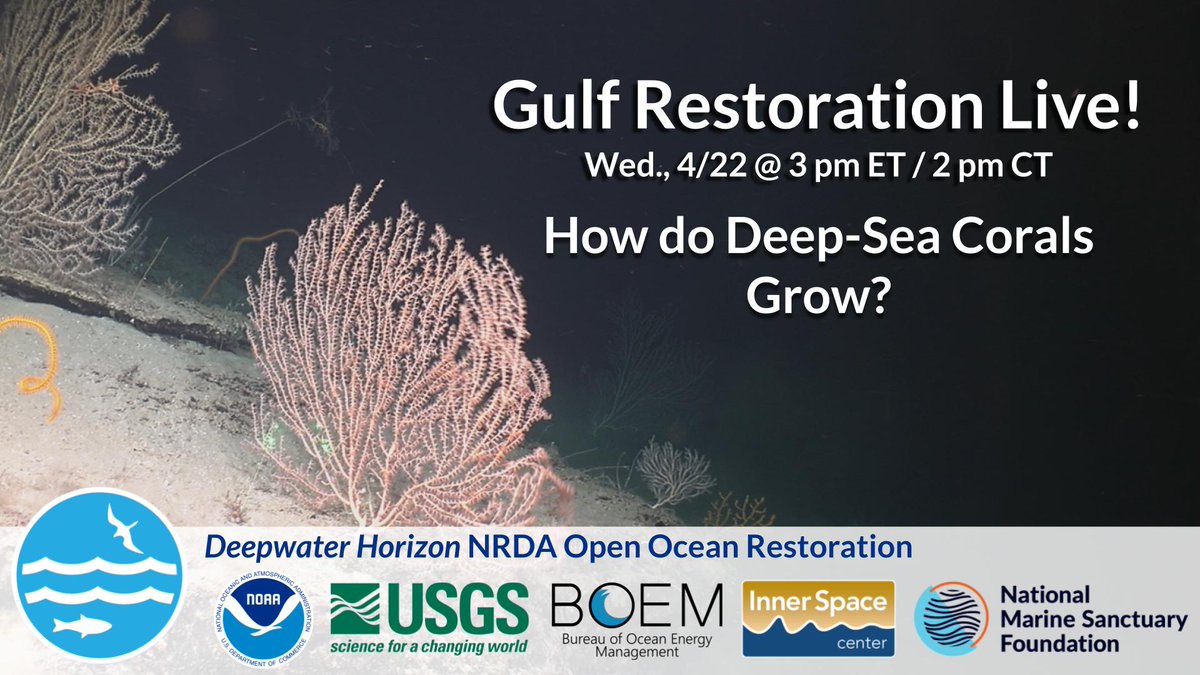
Join a restoration expedition aboard NOAA Ship Nancy Foster LIVE to learn how experts monitor and restore corals on the seafloor, and why long-term restoration is critical to rebuilding deep-ocean habitats. Tune in April 22 at 3 p.m. EDT: oceanexplorer.noaa.gov/news/…
ALT Fanning, pink corals on a sandy slope, with some corals faintly visible in the distance against a dark sea. Overlaid text reads: "Gulf restoration live! How Do Dee-sea Corals Grow? Wednesday, April 20th at 3 pm ET, 2 pm CT. Deepwater Horizon NRDA Open Ocean Restoration," followed by emblems from NOAA, USGS, BOEM, the Inner Space Center, and the National Marine Sanctuary Foundation.
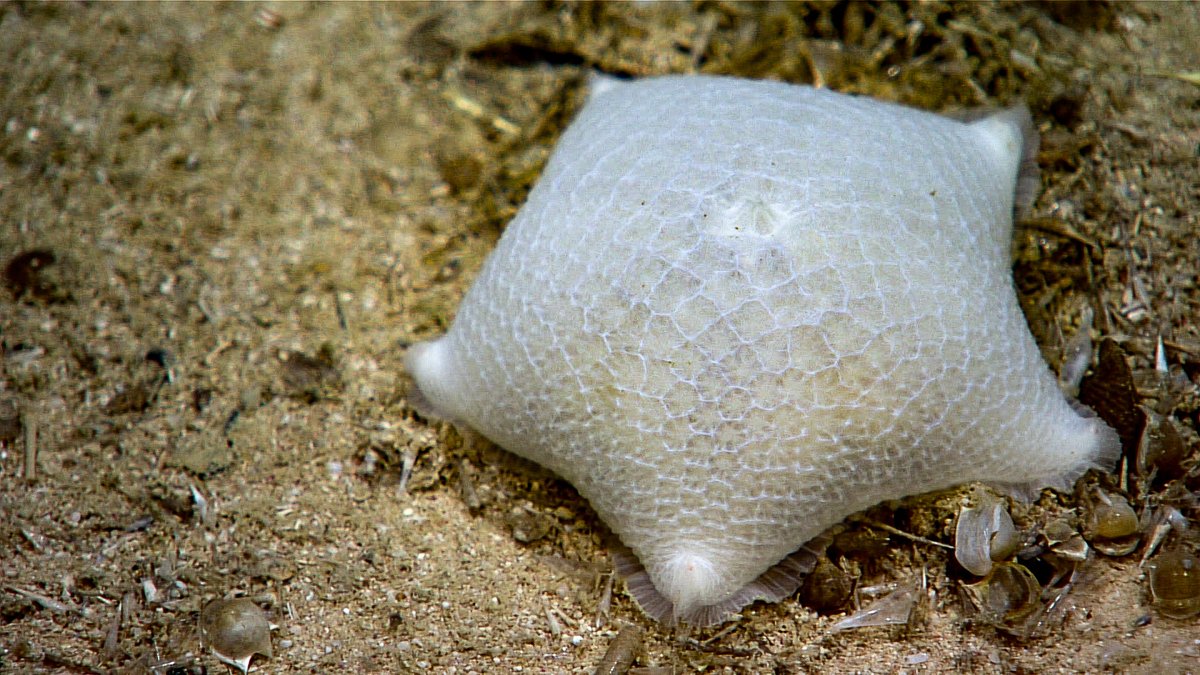
Slime stars like this one may look cute, but watch out! When disturbed by predators, slime stars expel large amounts of mucus to help them escape. We found this deep-sea slime star during our third Voyage to the Ridge 2022 expedition: oceanexplorer.noaa.gov/exped…
ALT A white starfish with short arms rests on the sandy seafloor.
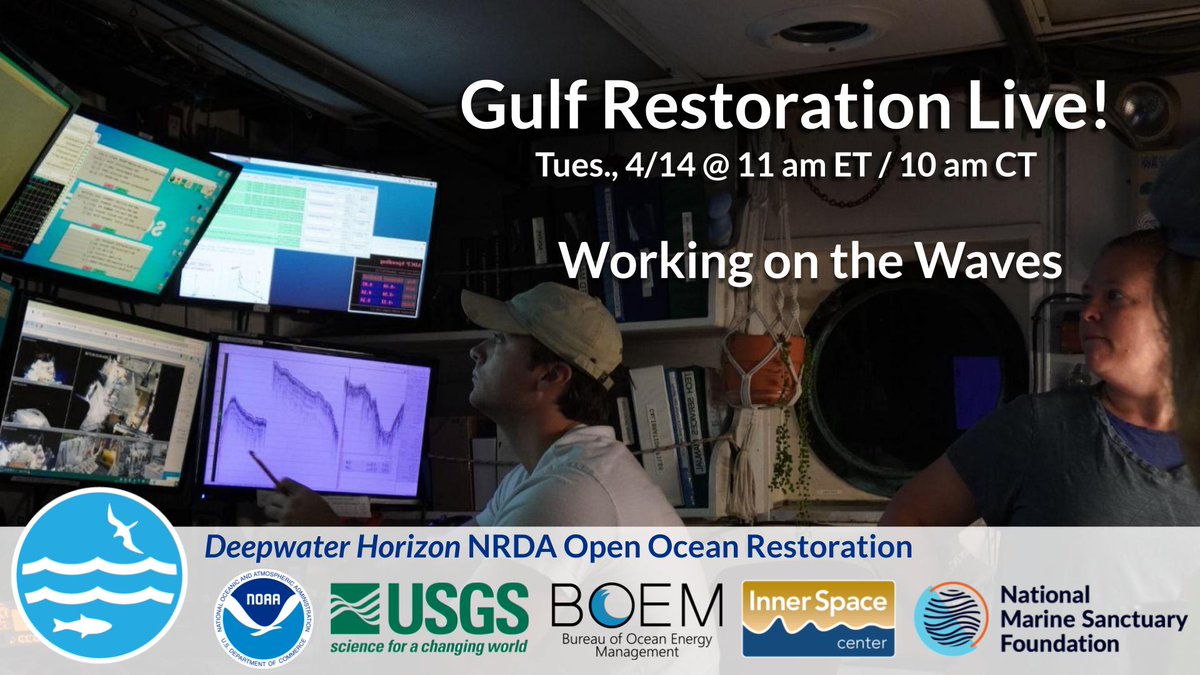
Ever wonder what life at sea is like? Join a webinar to hear from a variety of professionals LIVE from sea as they describe their roles on a coral restoration expedition. Tune in Tuesday, April 14 at 11 a.m. EDT: oceanexplorer.noaa.gov/news/…
ALT In dim lighting, a man and a woman are looking at four computer screens with various charts and graphs displayed. A porthole and shelf with books and binders are directly behind them. Overlaid text reads: "Gulf restoration live! Working on the waves. Tuesday April 14th at 11 am ET, 10 am CT. Deepwater Horizon NRDA Open Ocean Restoration," followed by emblems from NOAA, USGS, BOEM, the Inner Space Center, and the National Marine Sanctuary Foundation.
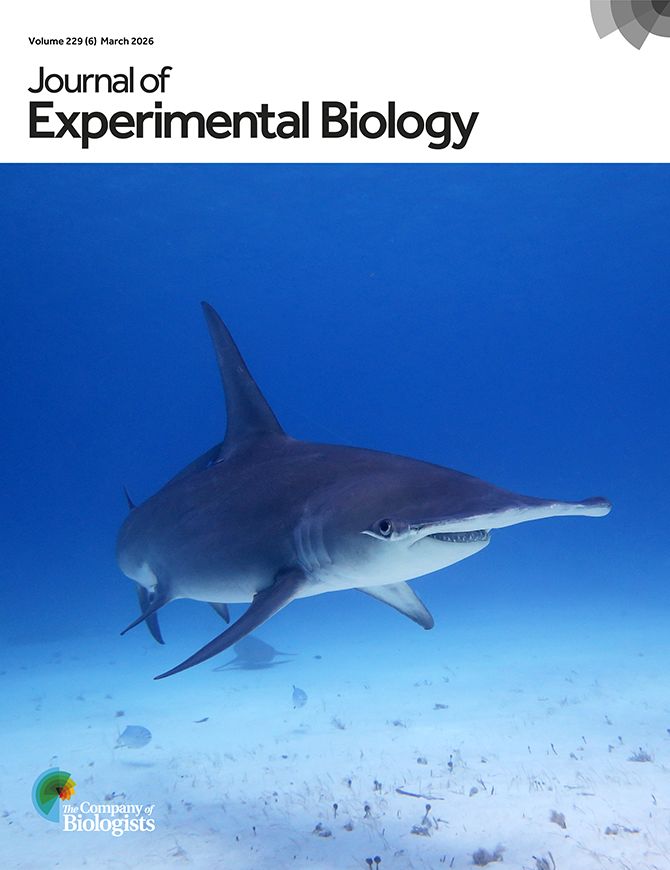
.@FIU researchers are studying how great hammerhead sharks engage in a “thermal hustle,” maintaining peak hunting performance across a wide range of ocean temperatures. eurekalert.org/news-releases…
Great hammerhead sharks keep hunting at full speed, even as ocean temperatures shift. Florida International University (FIU) scientists, led by alumna Erin Spencer and co-author Yannis Papastamatiou, discovered that these predators stay near peak performance across a wide range of temperatures, chasing fast prey from winter blacktip sharks to summer tarpon and barracuda.
The FIU team’s tracking and thermal studies suggest hammerheads may handle climate change better than other sharks, but as critically endangered predators, warming seas could still push them into riskier waters. @FIUCASE
Read more: news.fiu.edu/2026/these-shar…
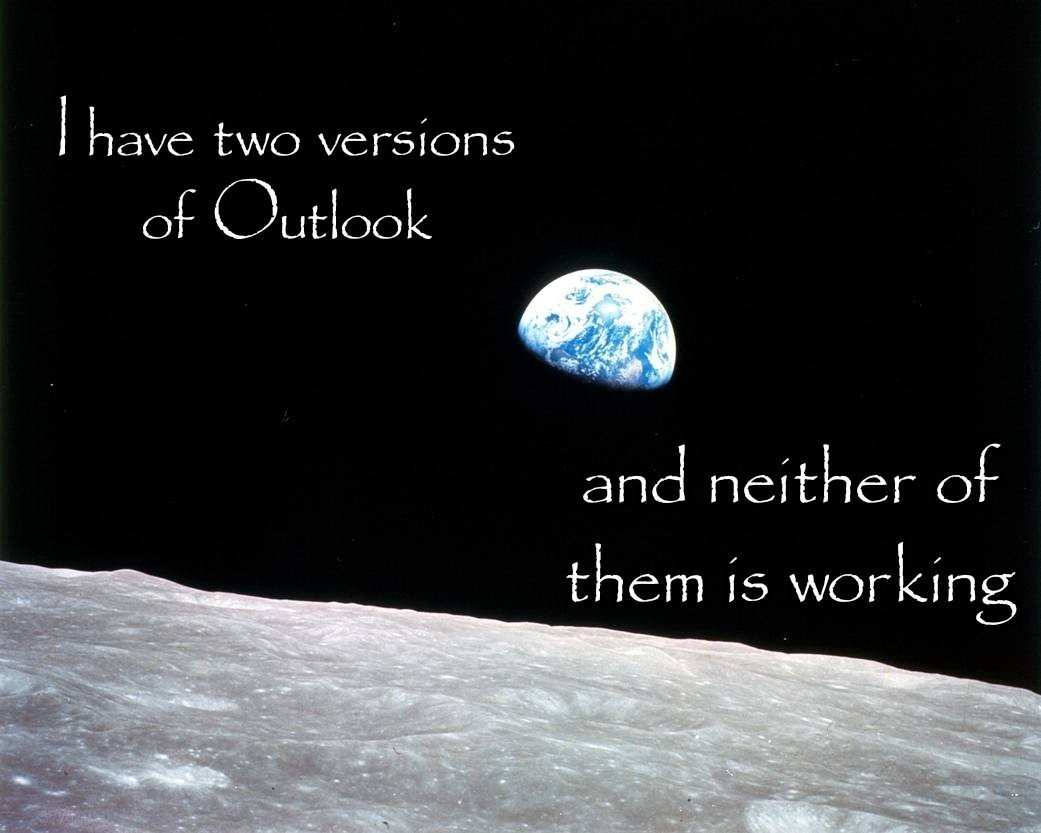
“I have two versions of outlook and neither of them are working” is actually a generational NASA quote now. Not quite One Small Step but every generation lives in a different world
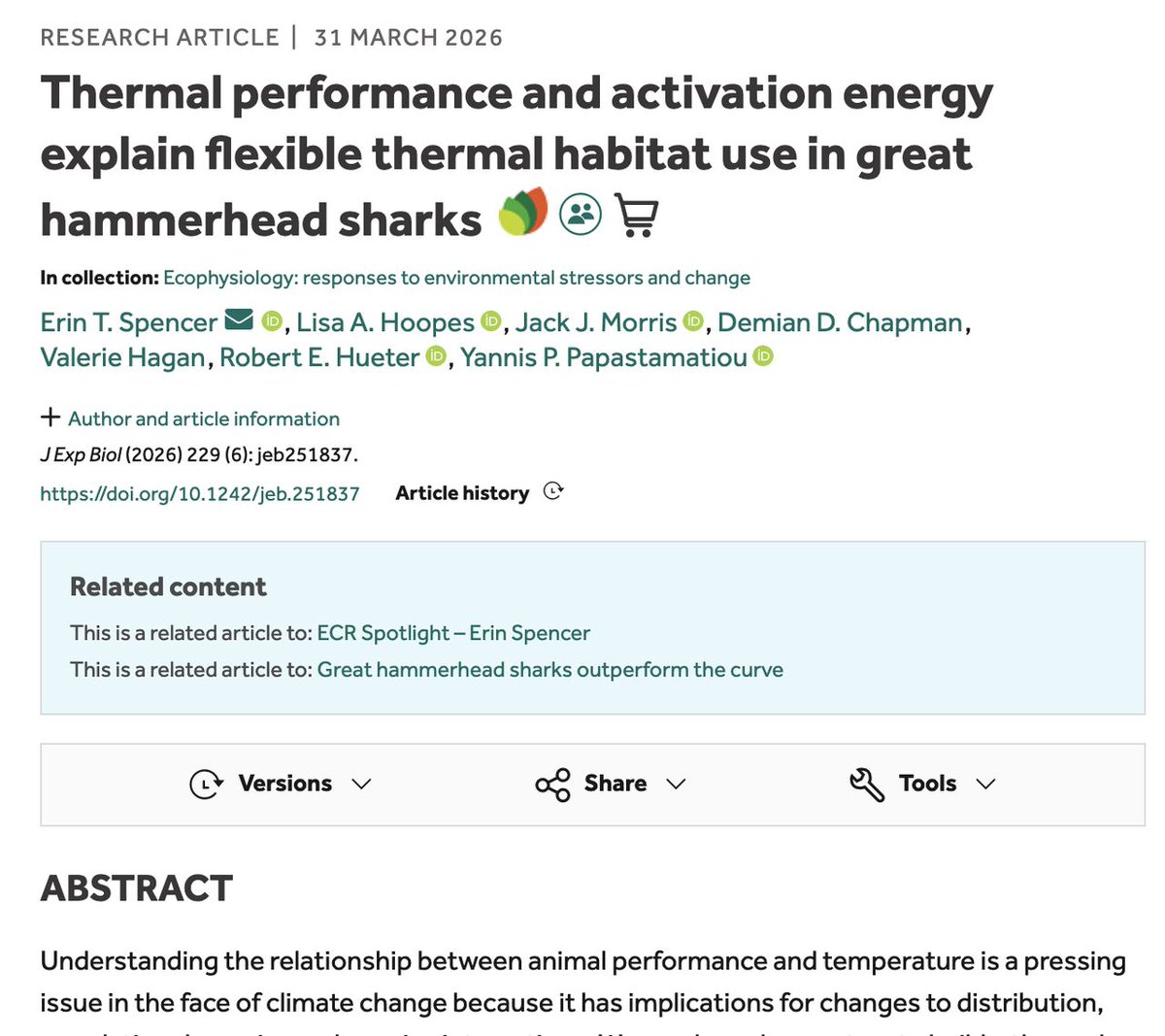
The final chapter of my PhD is published in @J_Exp_Biol. I’m proud of this work & excited to share it!
We used biologgers to estimate great hammerheads' temperature “sweet spot.” We saw they can perform well at a range of temps, which supports observations from the field. (1/2)