
UIT RR 1.56 / 1.57
Joined March 2010
- Tweets 8,839
- Following 675
- Followers 1,383
- Likes 5
723 Photos and videos



Laurent Haas - F6FVY retweeted

Jun 16
SH6 updated with latest CQWPXCW public logs. SH6 is a free contest log analyzer for ham radio operators with archive of more than 2,2mio logs. No install, no signup, no ads - just open it and go s53m.com/SH6/ #hamradio #CQWW
1
68


Laurent Haas - F6FVY retweeted

Jun 7
BREAKING NEWS:
Sting has been kidnapped.
The Police have no lead.
565
864
17,562
3,934,340
Laurent Haas - F6FVY retweeted

May 28
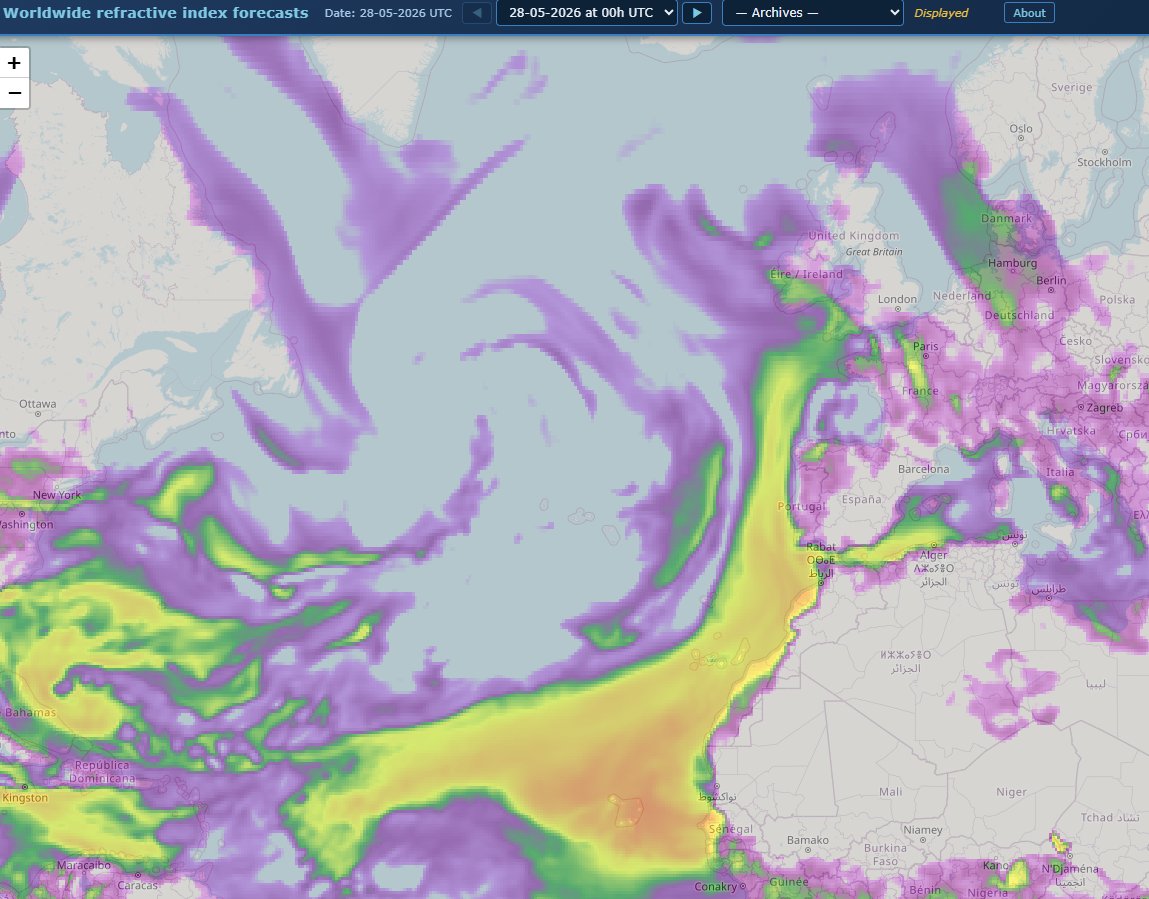
🌍 Please to announce the new version of my worldwide VHF tropospheric propagation forecast tool is live at tropo.f5len.org/WW/
smoother map, ◀▶ navigation between forecast steps, and smart GeoTIFF preloading for near-instant browsing.
Feedback welcome! #hamr#VHF #tropo
10
34
88
4,011
Laurent Haas - F6FVY retweeted

May 24
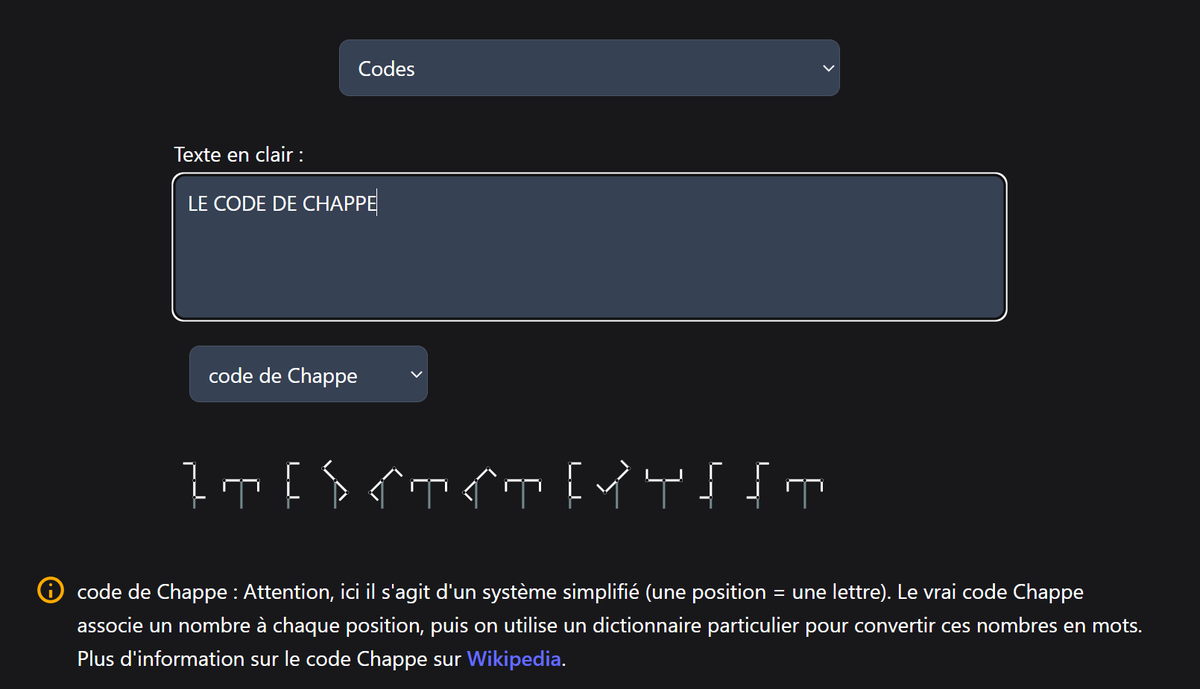
Et si vous voulez jouer avec :
converter.phiphou.com (rubrique codes)

La France a inventé les télécommunications. Cinquante ans avant le reste du monde. Sans électricité.
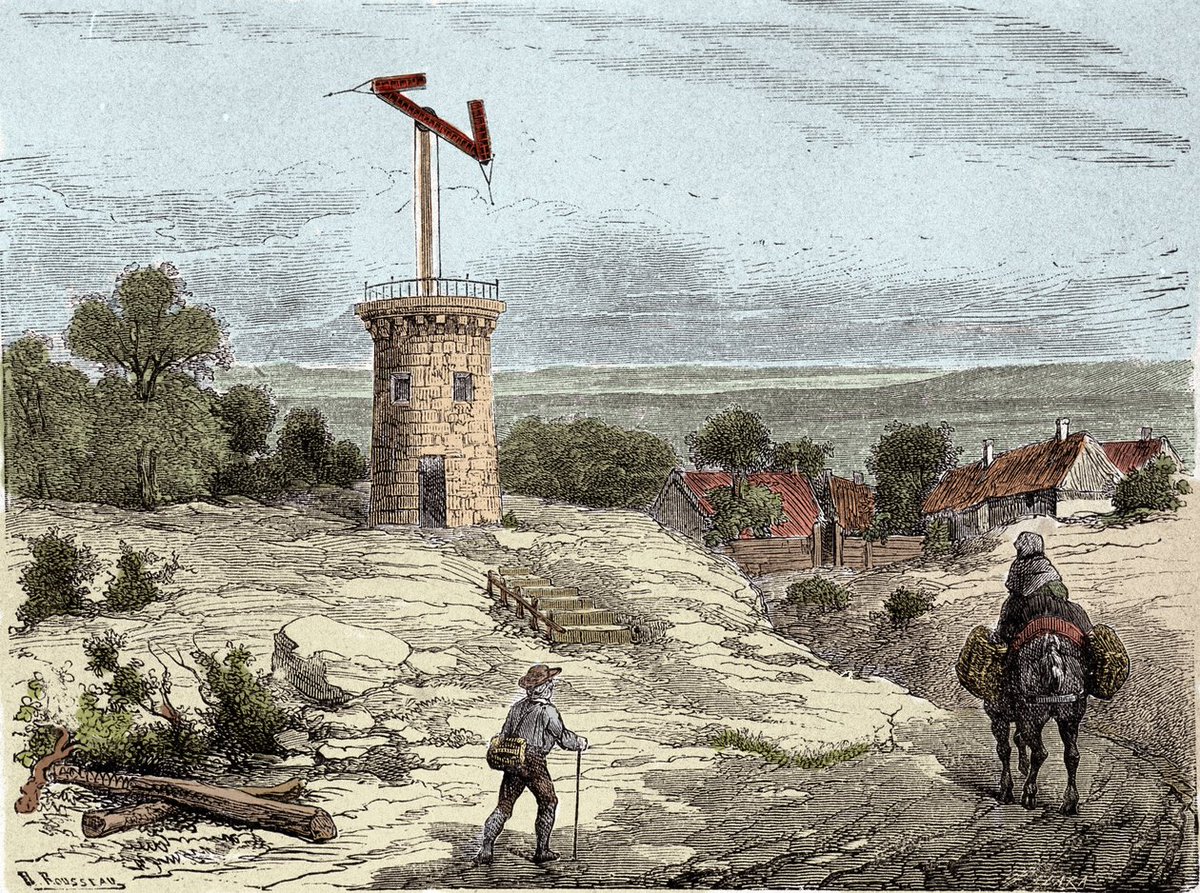
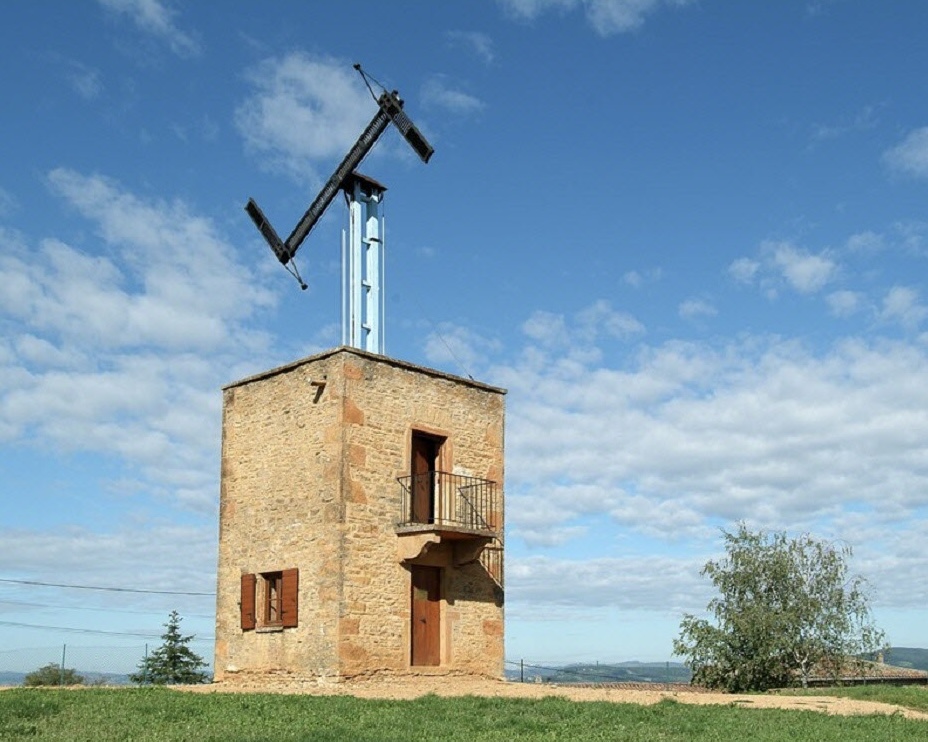
En 1791, Claude Chappe, ancien abbé passionné de physique, transmet un message à 14 kilomètres. En quelques minutes. Avec des bras en bois posés sur un mât.
Le principe : un mât surmonté de bras articulés, installé en hauteur. Chaque position correspond à un signe. Un guetteur lit le signal à la longue-vue et le reproduit sur la tour suivante. De tour en tour, le message file.
La Convention est en guerre. Elle finance une ligne. Paris-Lille. 230 kilomètres. Quinze stations. Un message parcourt la distance en neuf minutes.
Le 30 août 1794, la victoire française à Condé parvient à Paris en quelques instants. Pour la première fois, une information voyage plus vite qu'un cheval au galop.
En 1844, la France compte 534 tours sur 5 000 kilomètres de lignes. Un réseau national complet, opérationnel depuis un demi-siècle.
Cette même année, un Américain nommé Morse envoie son premier message électrique. Le monde applaudit l'invention du télégraphe.
La France transmettait déjà des dépêches codées depuis cinquante ans. Avec un vocabulaire secret de 9 999 mots.
1
3
14
1,533
Laurent Haas - F6FVY retweeted

May 22
1
1
1,079
Laurent Haas - F6FVY retweeted

May 10
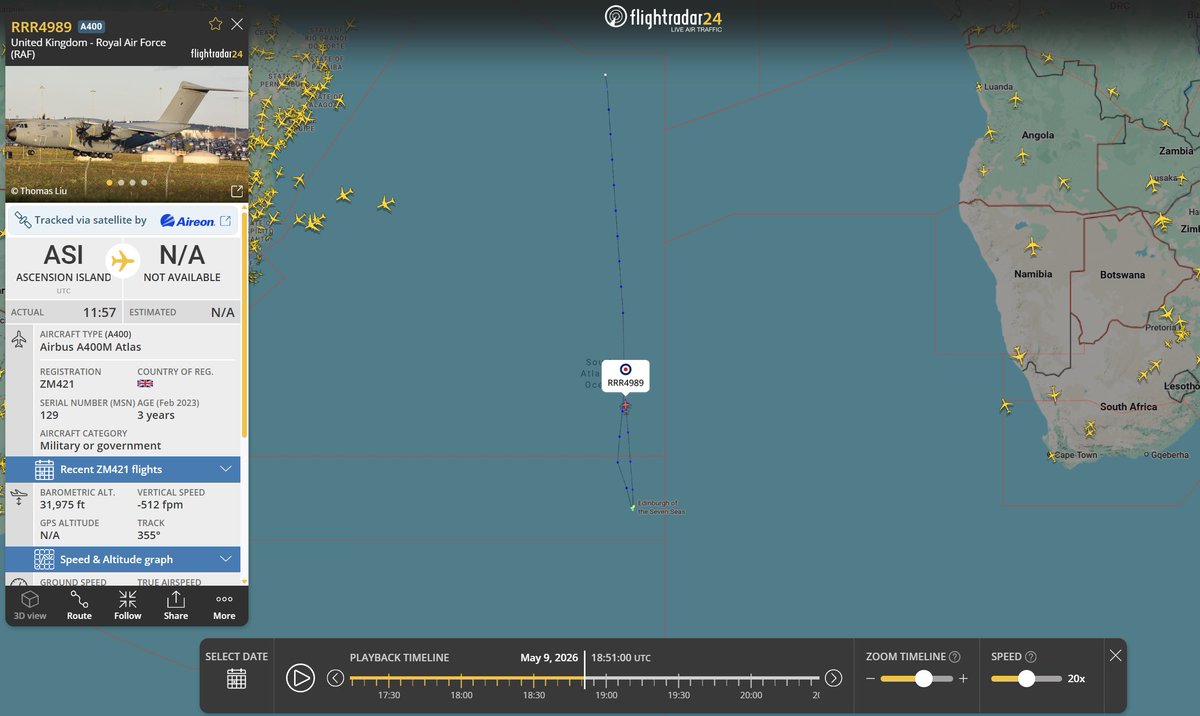
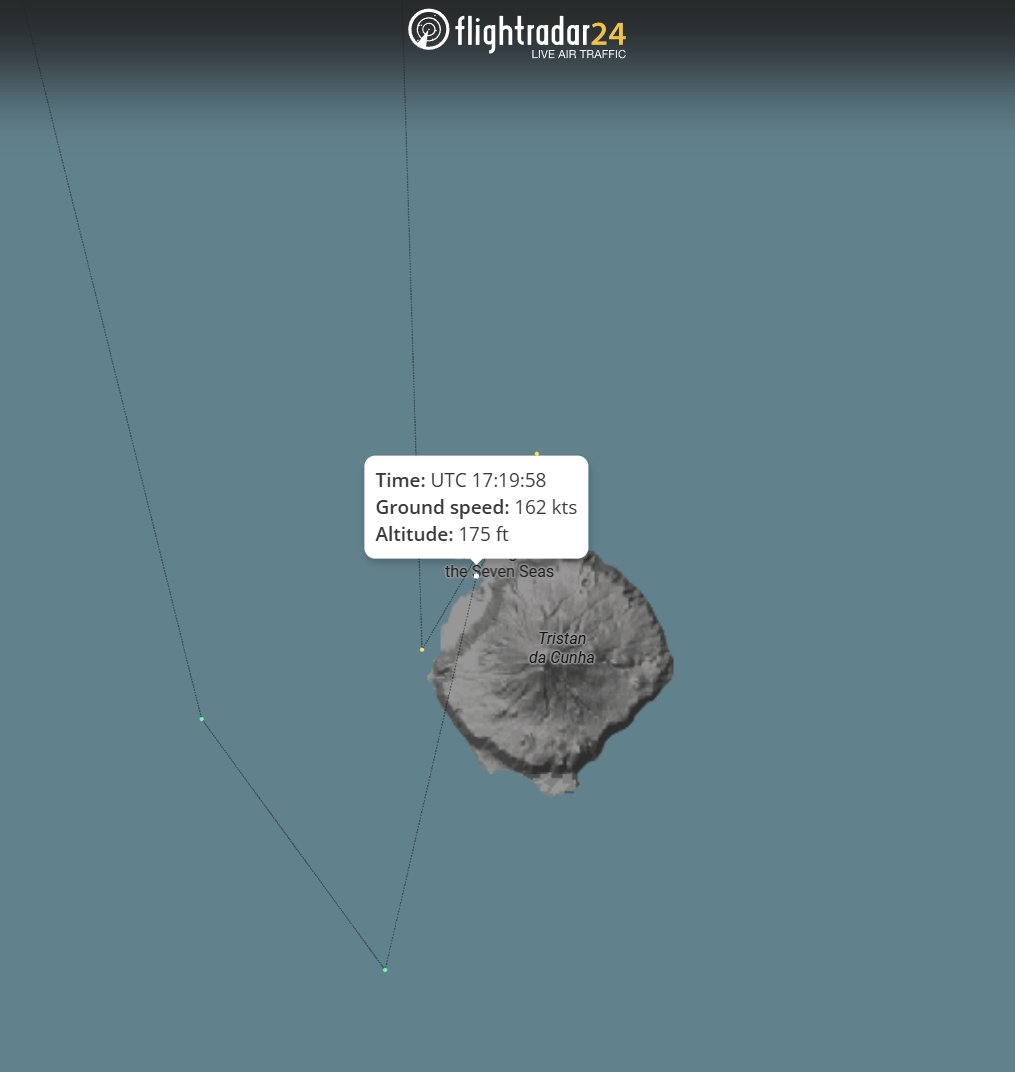
Yesterday, a UK Government Army specialist team parachuted onto Tristan da Cunha — one of the most remote islands in the world — to deliver critical medical support after it was confirmed that a person on the island was suspected of contracting hantavirus.
We tracked the Airbus A400M Atlas operating the flight to and from Ascension Island using satellite data.
28
257
2,476
339,821
Laurent Haas - F6FVY retweeted

1
6
11
1,309
Laurent Haas - F6FVY retweeted

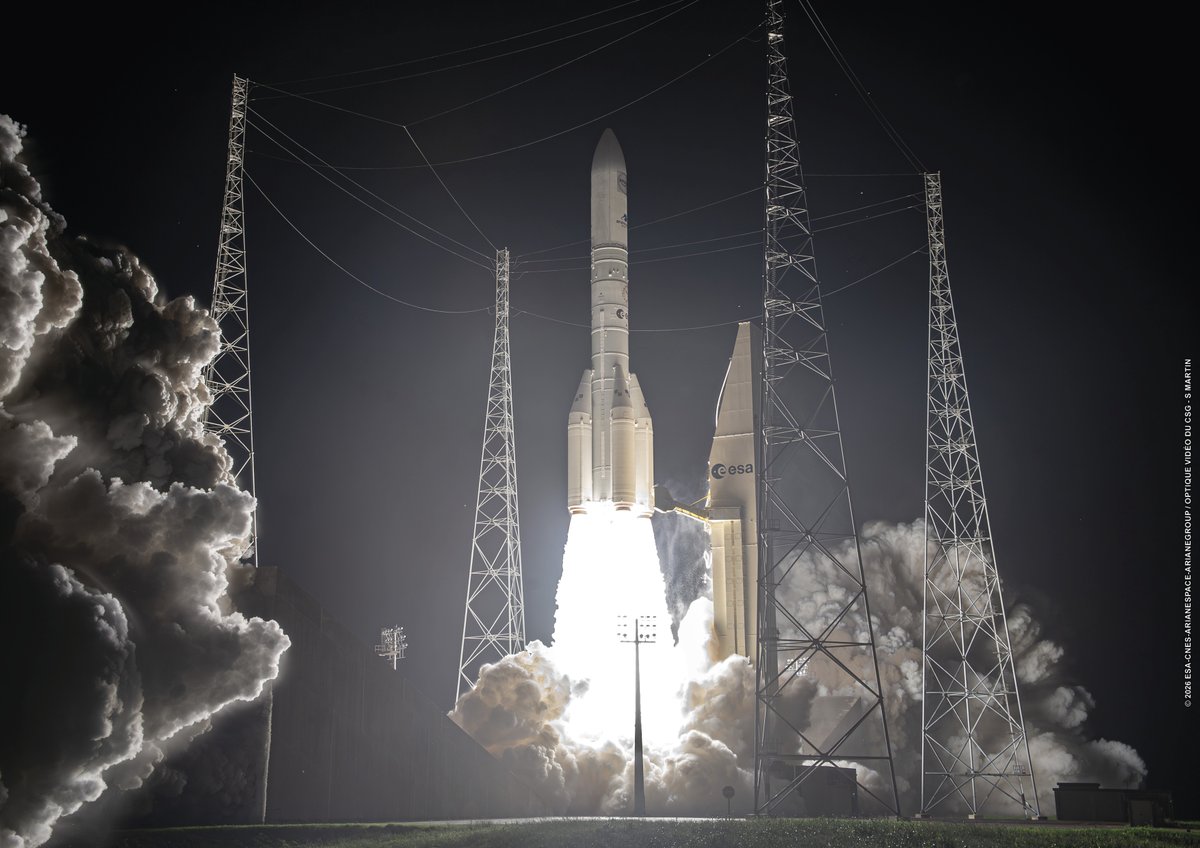
First pic of liftoff just arrived.
No words, just Ariane 6 in its full power 🫰
#VA268
📸2026 ESA-CNES-Arianespace-ArianeGroup/Optique Vidéo de CSG - S MARTIN
2
39
158
13,778
Laurent Haas - F6FVY retweeted

Apr 28
Fixing a Locked-Up RTL-SDR 700 km Away Using uhubctl USB Power Cycling rtl-sdr.com/fixing-a-locked-…

1
7
55
4,865
Laurent Haas - F6FVY retweeted

Apr 25
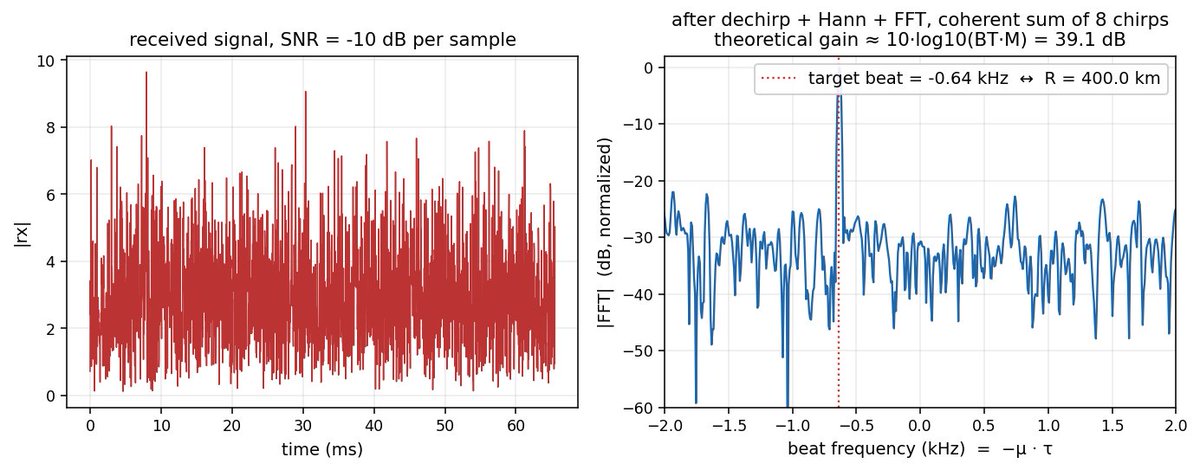
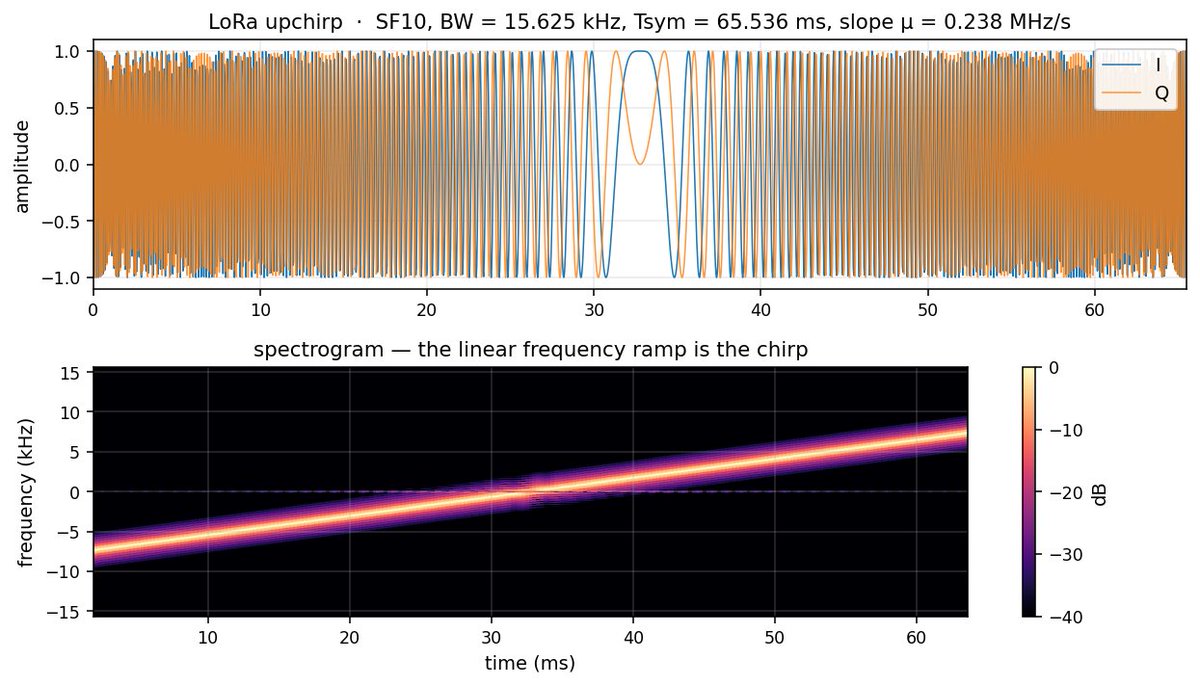
Brilliant hack. Turning the SX1262 LoRa engine into a GPSDO-disciplined coherent LFM source opens a real ionospheric chirpsounder for hams — at a BoM that finally makes a NCDXF-style distributed network thinkable.
Minimal ProAm node:
SX1262 dev board (~€15), onboard xtal replaced by an amateur GPSDO output feeding XTA. Required: ppb frequency stability, ~µs timing alignment — well within reach of homebrew amateur GPSDO designs.
Mixer to HF (ADE-1, ~€8) or transverter IF. Mandatory bandpass on the target band — harmonics are severe at low f. Driver LPF, 5-10 W.
RX side: ideally a custom board pairing GPSDO and SDR front-end on the same PCB, in the spirit of KiwiSDR — shared reference clock, on-board ADC, Ethernet IQ streaming. The right open-source ProAm artefact.
Processing: Raspberry Pi 5 (~€80), Python/GNU Radio dechirp pipeline. Real-time at SF12 / BW 7.8 kHz is trivial.
Total: ~€400-600 per node.
Regulatory discipline mirrors the NCDXF/IARU beacon model: coordinated frequencies, low duty cycle, CW ID between sweeps, lowest power that closes the link, declared experiment. Candidate bands matched to ionospheric science: 5 MHz (WRC-15), 10, 14, 21 MHz.
What a handful of nodes across the World would deliver:
Real-time oblique ionograms on multiple paths
TID maps (Travelling Ionospheric Disturbances)
Sporadic-E nowcasting @f5uii 😀 — holy grail for VHF DXers
Solar-flare SID detection
Geomagnetic storm response tracking
Ground-truth for IRI / NeQuick model validation @HB9VQQ 😉
Meteor-burst statistics as by-product on 50 MHz
Silicon costs less than a decent microphone, and the science is real. Genuine ProAm territory.
Apr 24

Turning a $3 LoRa chip into a GPS-locked coherent radar. Lots of possibilities at HF,VHF,UHF and beyond. github.com/ibelinp/SX1262_CH…
1
2
288
Laurent Haas - F6FVY retweeted

Aujourd'hui, le pas de tir Soyouz à Kourou a été détruit.
27 lancements ont eu lieu entre 2011 et 2022, jusqu'à l'invasion de l'Ukraine qui a entrainé la fin des activités.
C'est Maiaspace (une startup d'ArianeGroup) qui a depuis récupéré le site pour son lanceur au méthane Maia.
31
199
1,118
130,363
Laurent Haas - F6FVY retweeted

Apr 14
This video illustrates the "levante" phenomenon on the Rock of Gibraltar.
The "levante" is an east wind carrying moisture from the Mediterranean. When it encounters the rock's steep terrain, it rises, cools, and condenses, creating clouds, mist, and fog.
📹 Met Office
144
1,831
11,396
919,494
Laurent Haas - F6FVY retweeted

Apr 13
2
6
28
2,139
Laurent Haas - F6FVY retweeted

Apr 10
Ok. Who forgot to pay the propagation bill this month? I paid it last month.
3
4
16
563
Laurent Haas - F6FVY retweeted

Apr 8
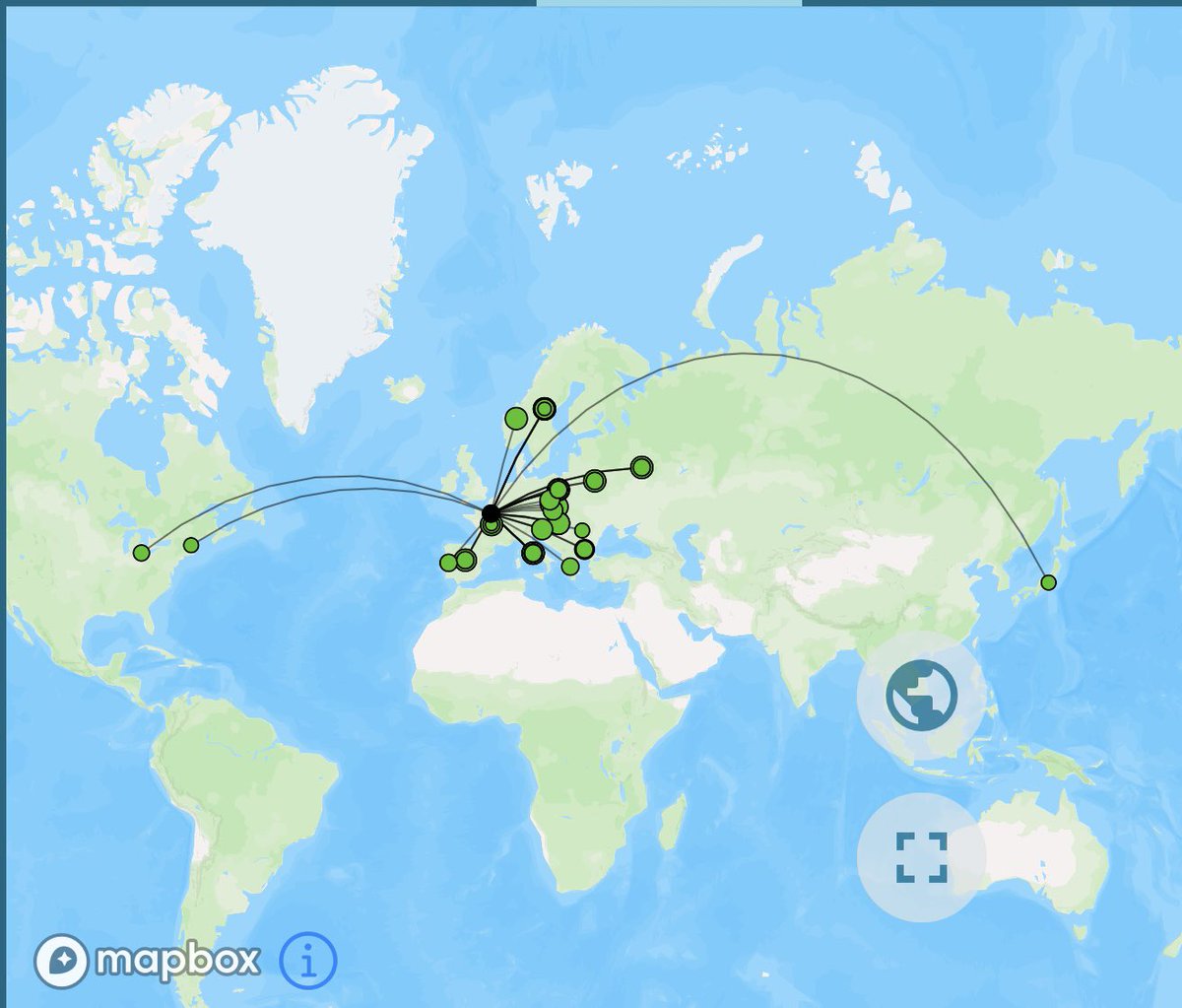
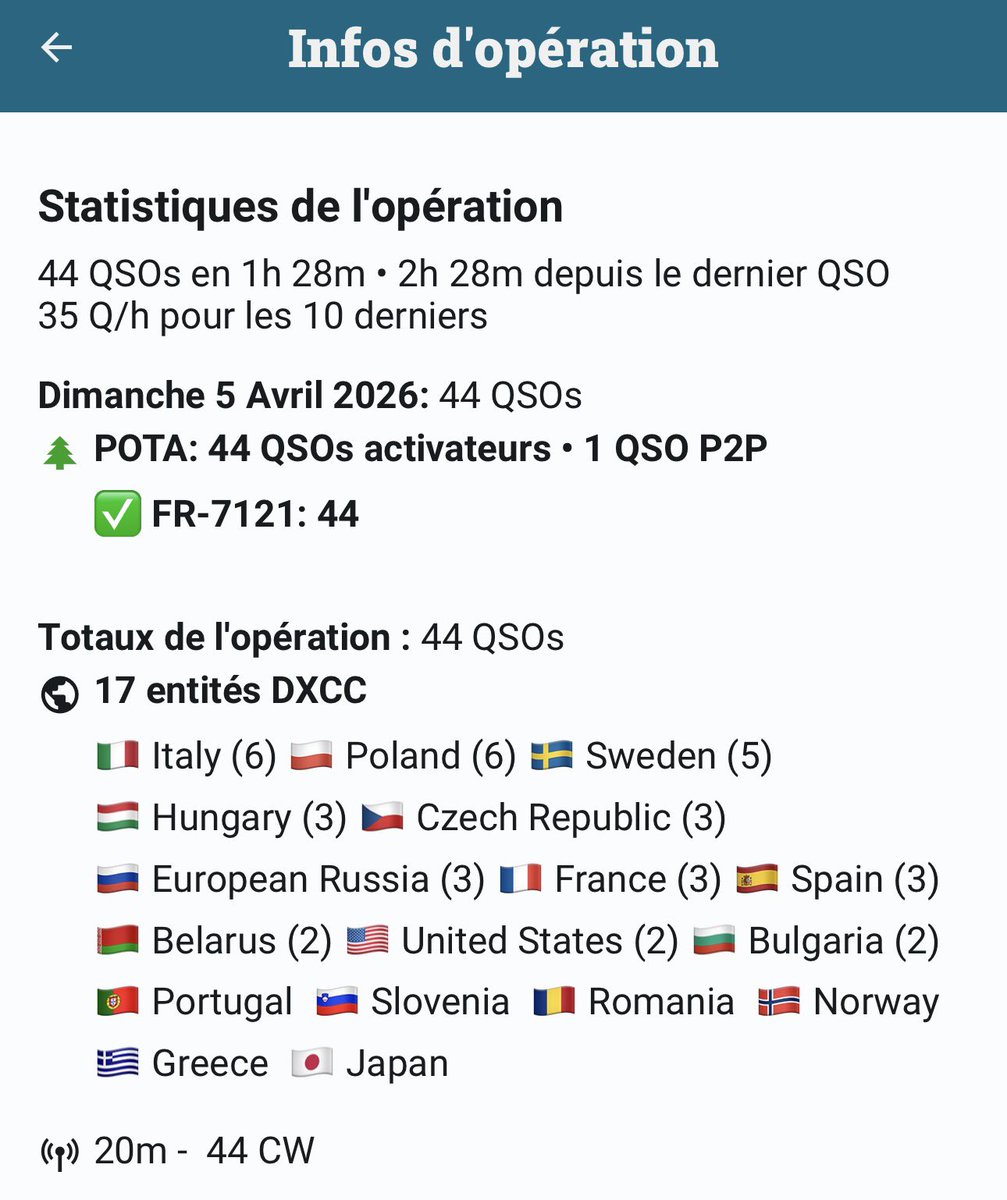
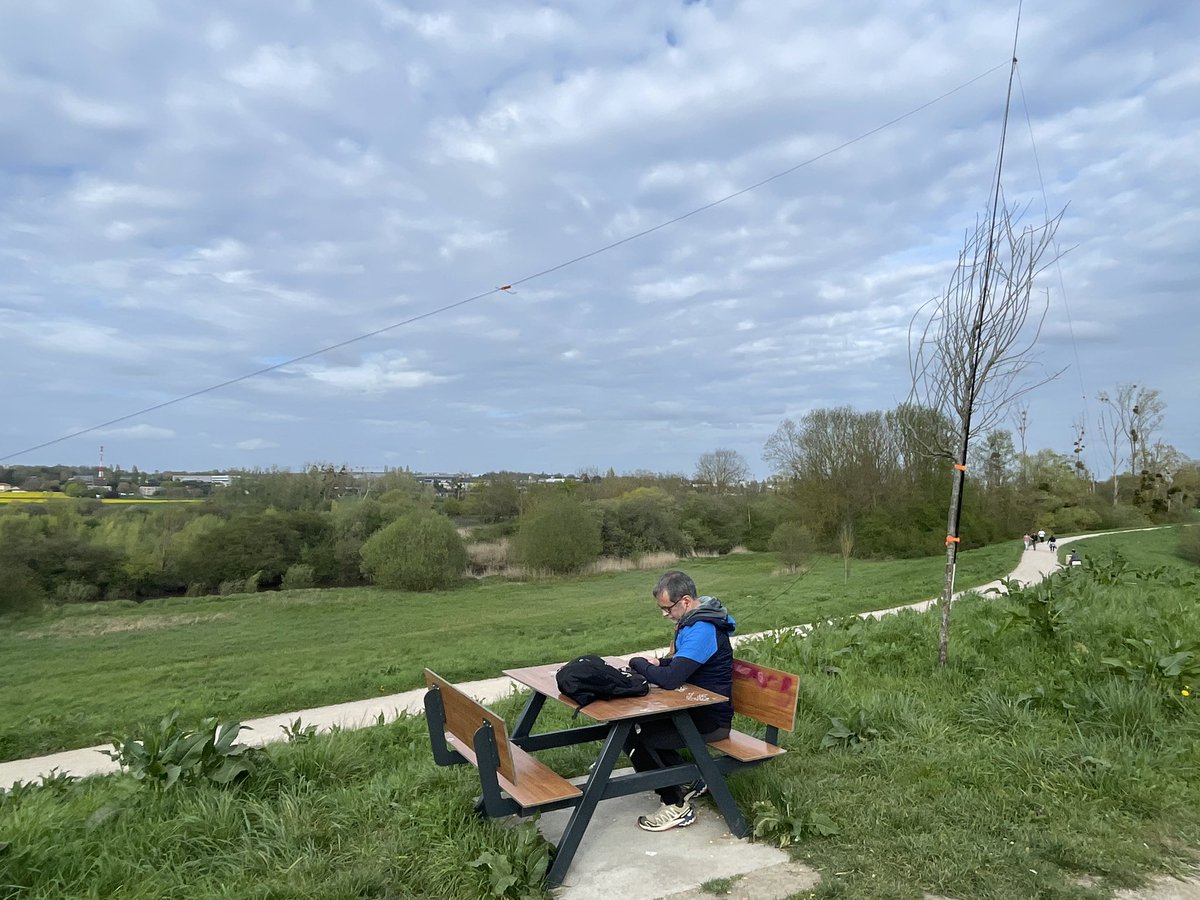
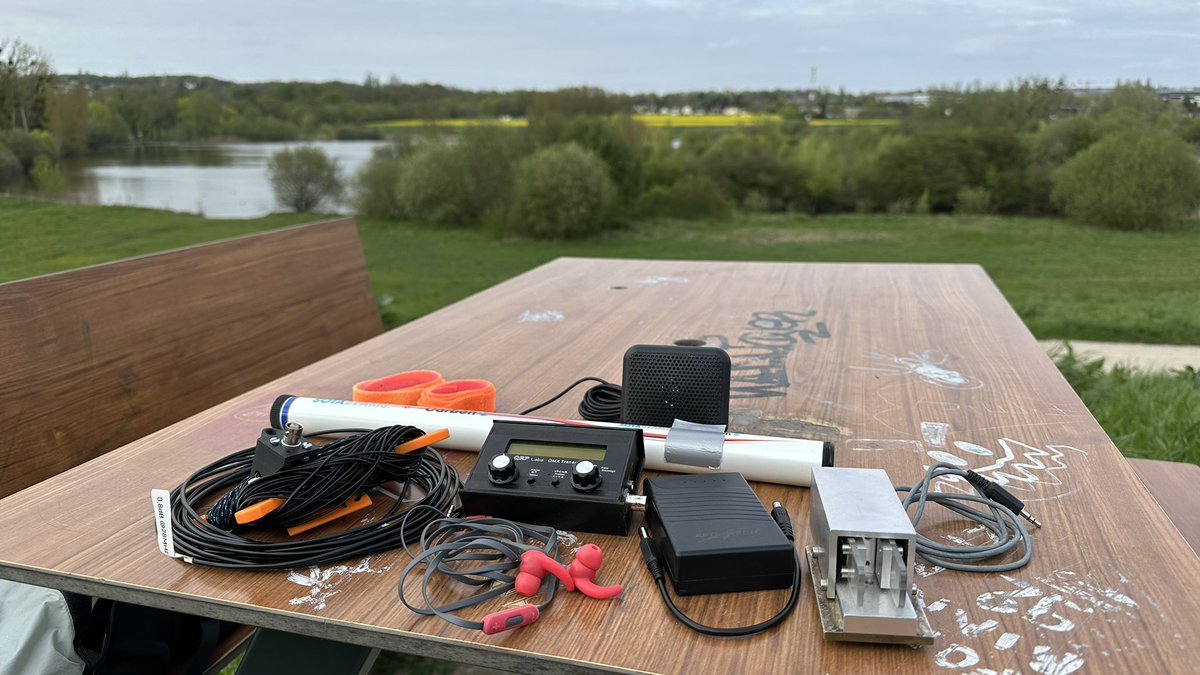
Fun little POTA activation Sunday : 20m CW in ultra-light QRP setup with my QMX (5 watts), running a simple dipole for a few nice QSOs from Bassin de Saulx-les-Chartreux (POTA FR-7121). Always amazing what you can do with such a tiny setup!
1
4
17
493
Laurent Haas - F6FVY retweeted

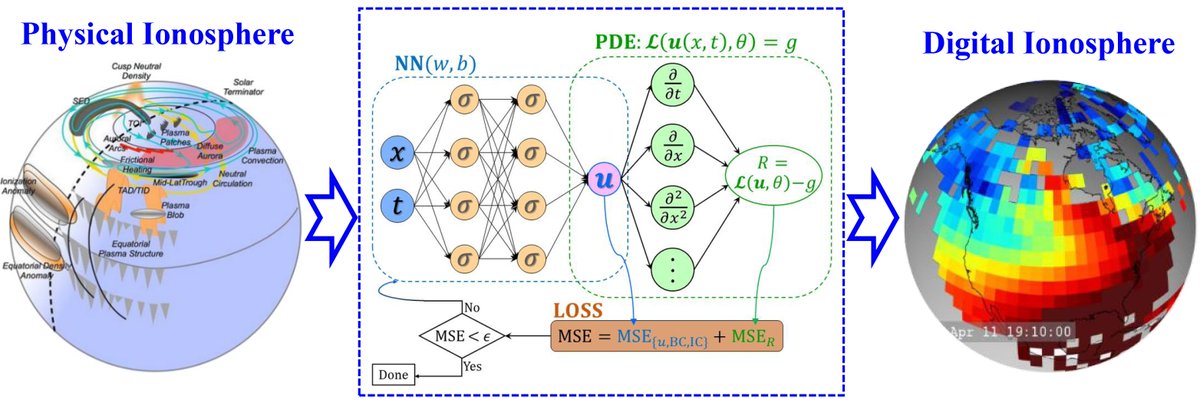
Swarm 🤝 deep learning. This paper reviews progress in modelling the ionosphere with neural networks 🧠 🤖
🔗oaepublish.com/articles/ir.2…
2
5
220