
Fundador, CEO y todo lo que te puedas imaginar en @AppCriticPro. Autor 📕 Opiniones personales. Anteriormente en @CruzRojaEsp, @ING_es y @GoodRebels.
Joined January 2009
- Tweets 16,749
- Following 2,936
- Followers 5,610
- Likes 17,180
935 Photos and videos









Iván Fanego retweeted

2 Dec 2025
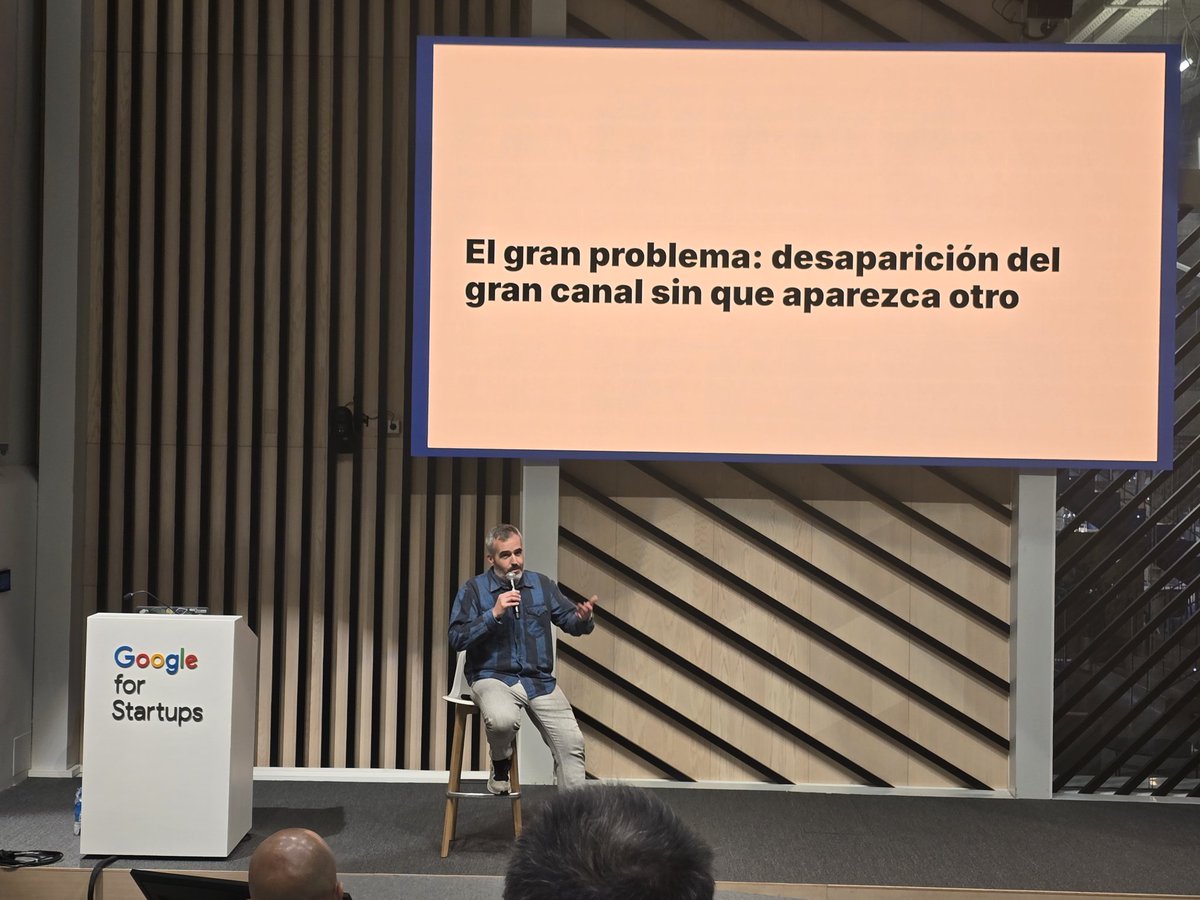
El gran problema del marketing digital es que por primera vez el canal principal, Google, no es sustituido por otro al que migrar, sino por la IA, que no genera tráfico.
Palabra de @ignacio_arriaga
7
9
1,291
Iván Fanego retweeted

29 Nov 2025
The whole thread rests on two lazy stereotypes: that Mediterranean people are present-obsessed hedonists, and that Protestant northerners are disciplined future-planners. Both collapse under five minutes of actual evidence.
First, the Mediterranean invented bureaucracies, written law, mathematics, engineering, constitutions, and global trade networks while most of northern Europe was still forest. Rome, Athens, Venice, Genoa, and medieval Tuscany were fanatical record-keepers and tax collectors centuries before the Reformation.
Second, modern north-south gaps have nothing to do with bedtime and everything to do with coal deposits, colonial plunder, land-tenure systems, and state-building paths. Spain and Portugal were drained by empire and absolutism, Italy unified two centuries late, Greece inherited Ottoman fiscal wreckage. No 7 pm bedtime policy would have fixed any of that.
Third, the “Protestant work ethic” story is textbook cherry-picking. Catholic France dominated European science and culture for centuries. Catholic Belgium and northern Italy industrialized early. The most disciplined, export-obsessed economies on earth today is China; deffo not Protestant.
Fourth, the data contradict the stereotype at every turn:
-Greeks (2,064 hours), Spaniards (1,908), and Italians (1,888) still work more average annual hours than Germans (1,778) or Dutch (1,643).
-Fishermen from Galicia to Crete leave port at 4 am; olive and vineyard workers start at 5 am and grind until the sun forces a break. That’s biology and latitude, not laziness.
-“Present-oriented” southern Europe has lower suicide rates (Greece 4.62/100k, Italy 6.96, Spain 8.44) than the supposedly disciplined north (Finland 15.9, Sweden 14.1).
-The south also has lower divorce rates, lower teen pregnancy, lower hard-drug deaths, and (outside outliers) lower binge-drinking rates than the north.
-Italians and Spaniards report higher life satisfaction despite lower incomes.
-The heavy-drinking champions of Europe are almost all northern/Baltic (Latvia 14.7 L pure alcohol per capita, Czechia 13.7 L, Germany 11.2 L, Finland 9.5 L) versus Italy 8.3 L, Spain 11.0 L, Greece 7.0 L.
-And Greece itself destroys the cliché from the other side: if they’re supposedly masters of living in the moment, why do they have some of the highest depression rates in Europe (5,870 per 100k, vs. Italy 2,900, Spain 4,550, Germany 4,850, Sweden 5,020)?
Because mental health tracks debt crises and political chaos, not dinner time.
None of these cultural differences (bedtimes, siestas, plaza life, alcohol patterns, suicide rates, happiness scores) ever moved a single factory from Milan to Manchester or a container ship from Piraeus to Hamburg.
Real productivity gaps come down to capital intensity, infrastructure, institutions, energy access, and economies of scale. When southern Europe gets those things, it performs: postwar Italian miracle, Greek-owned shipping (20% of global capacity), Spain’s renewable-energy surge, Portugal’s current export boom.
Conflating parenting styles or dinner hours with the structure of global capitalism isn’t cultural insight. It’s astrology dressed up as sociology.If you want to explain divergent development, talk coal, land law, empire, institutions, and energy. Everything else is just vibes.
Enjoying the present isn’t a moral defect. Pretending it explains GDP is.
6
28
248
4,754
Iván Fanego retweeted

18 Nov 2025
¿Cuántos de tus conocidos son probablemente agresores sexuales a la infancia y/o la adolescencia?
Sabiéndolo tú, o sin saberlo tú, claro.
¿CREES QUE DAN PARA EQUIPO DE FUTBITO?
La respuesta es: sí, es probable que den para equipo de futbito.
#UnDibujoContraElAbuso
🧵
6
23
27
12,068
Iván Fanego retweeted

5 Nov 2025
📢 ¡Ya está aquí la #Blogosfera de Marketing de Octubre!
Las tendencias que están marcando el sector, seleccionadas por @ditrendia.
👥 Enhorabuena a los BLOGOSFER@S de este mes 👏
🟡 @albertoterol I Alba Galán (#arkana) I @abladias y Carlos Corredor (@GoodRebels) I Pablo Pérez y @Maxwellminckler (@GoogleAds) I @Fanego (@ahrefsES) I Rodrigo Martin (@soy_marketing) I Roxana (@Asociacion_DEC) I Anne Marie Nelson-Bogle (@GoogleAds) I @fransinaia I Iván Díaz (@Branzai_).
🚀 Descubre todos los artículos y reflexiones aquí:
asociacionmkt.es/blogosfera/…

5
7
462
Iván Fanego retweeted

25 Oct 2025
🤯 ¿Hacen falta grandes inversiones para mejorar nuestros trámites digitales?
¡Pues quizá! Pero muchas mejoras pueden lograrse mejorando los textos, haciendo ajustes menores y pensando más en nuestras madres. ❤️😜
Lo caro es contratar el trámite dos veces porque en la primera nadie se aclaraba, gestionar las quejas de los ciudadanos y atender teléfonos de soporte.
¡Y la regla de oro!
✨ No dejes a los programadores diseñar, a los diseñadores programar ni a los abogados escribir. ✨
¡Y con esto os dejo en paz, apreciados amigos, no sin antes pediros que ❤️déis «like» y hagáis retuit❤️ a este experimento pedagógico, para que esto llegue a todos los alcaldes, diputaciones y becarios de Indra de España y plus ultra!
¡Y sigue a @JaimeObregon para más recetas! 😜
✱ 𝓽𝓱𝓮 𝓮𝓷𝓭 ✱

22
331
749
43,156
Iván Fanego retweeted

16 Oct 2025
Los que hablan con ligereza de los autónomos, se nota que no lo han sido en su vida y están bastante perdidos.
-Pagan el alquiler de la oficina
- Pagan la luz, el gas, el agua, el teléfono y móviles, el suyo y el de los empleados
- Pagan salarios y cubren bajas
- Pagan tasa de basuras
- Pagan el MEI como si fuera un gran empresario
- Si se van de vacaciones no facturan
- No tienen pagas extraordinarias.
- No tienen paro, si quieren cobrar tienen que cesar actividad.
85
248
766
18,920

10 Oct 2025
Banca española en #IA: ¿qué bancos destacan en ChatGPT, Perplexity o Copilot?
👉️ Clara correlación entre cuota de mercado y presencia en IA
👉️ Los neobancos tienen la mejor relación cuota / presencia
👉️ Santander, la peor
🔗 ahrefs.com/blog/es/presencia…
76
Iván Fanego retweeted
3 Oct 2025
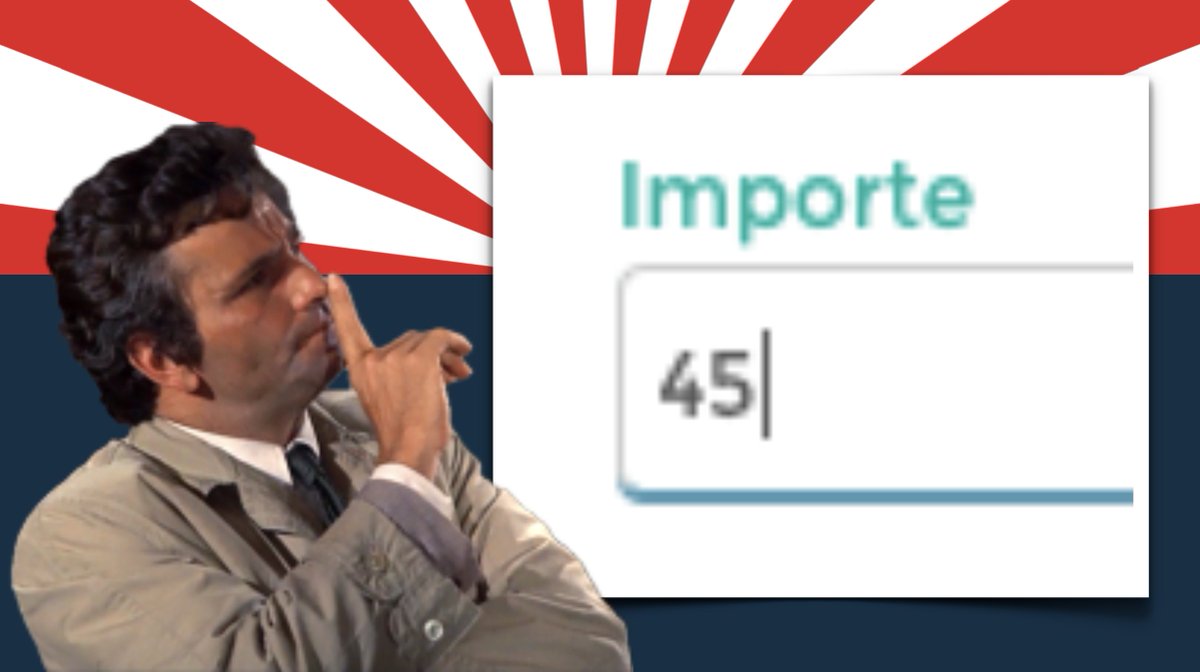
Me pusieron una multa de la zona azul.
45 euros.
Intenté pagarla en la sede electrónica de mi ayuntamiento.
Por internet.
No imaginaba lo que se me venía encima…
46
475
853
148,015
Iván Fanego retweeted

18 Sep 2025
👉👉A VER: los que estéis usando GitHub para deployment y os pueda interesar una herramienta para analizar causas de desviación de las métricas DORA, busco quien quiera hacer pruebas de concepto. Sencillitas. Si interesa, cuento más "in person"
1
1
141
Iván Fanego retweeted

12 Sep 2025
En 1983, el presidente de la cadena NBC, pidió una serie que fuese una combinación de Los Doce del patíbulo, Misión imposible, Los siete magníficos, Mad Max y Canción triste de Hill Street. Además, el coche tenía que conducirlo Mr. T. Así nació el Equipo A. Tira del hilo 🧵👇🏽👇🏽👇🏽

33
194
945
66,900
11 Sep 2025
RT @AhrefsES: Meetup Ahrefs en MADRID > 2 de octubre.
Desde hoy, ¡Entradas disponibles! Más info abajo 👇
Os esperamos para hablar del futur…

2
Iván Fanego retweeted

5 Sep 2025
Ya sabéis que yo no soy nada amigo de frameworks estúpidos para crear una empresa. Pero me he topado con un concepto guapo para repensar los negocios.
Hablemos del fin del mercado, donde acaban un mercados y cómo se puede crear un negocio gigante atacando donde otros no llegan 👇
4
11
99
18,949
Iván Fanego retweeted

2 Sep 2025
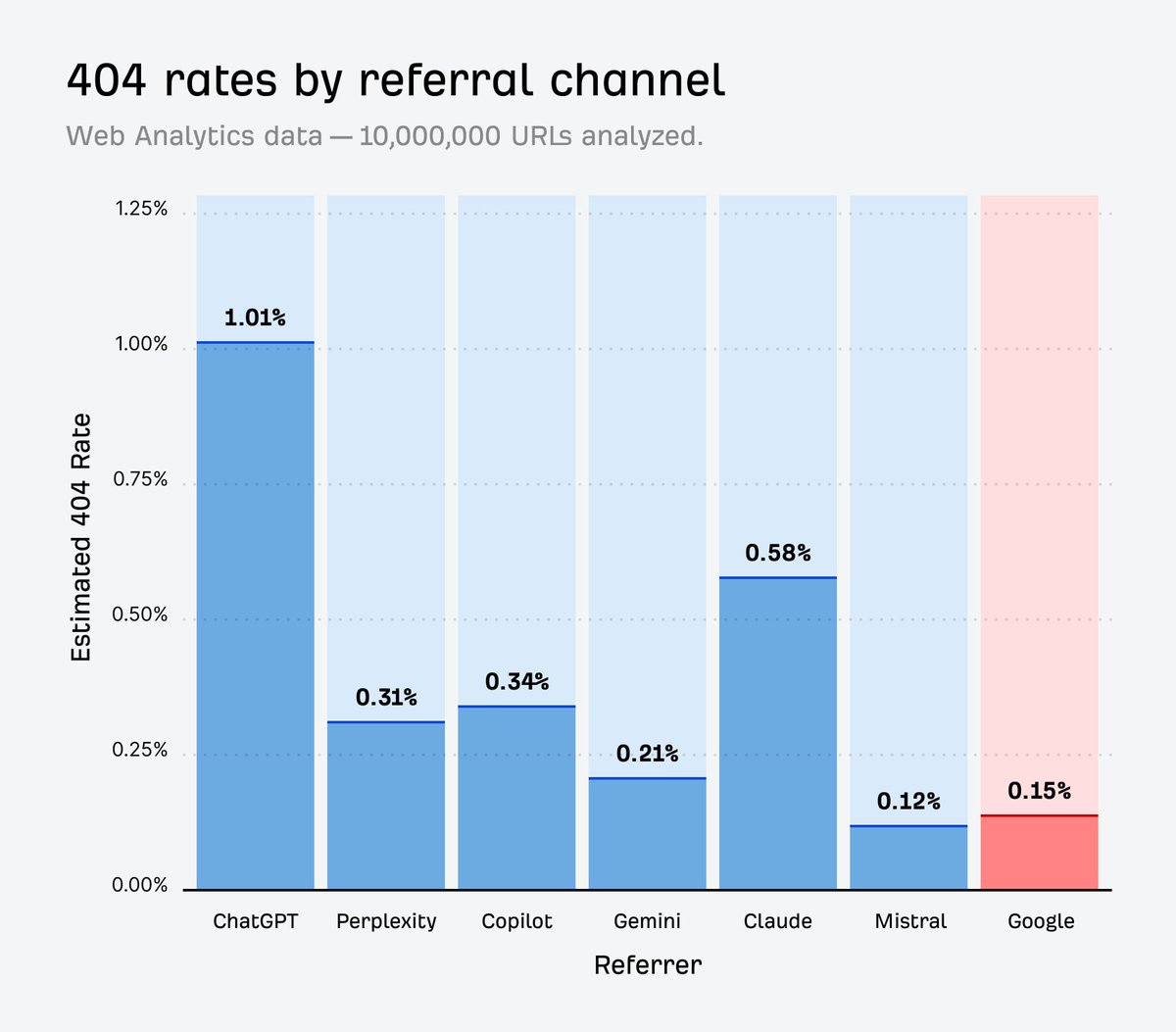
new research! "How Often Do AI Assistants Hallucinate Links? (16 Million URLs Studied)"
tl;dr - we found that AI assistants send visitors to 404 pages 2.87x more often than Google Search.
ChatGPT is the greatest offender, with 1.01% of clicked URLs and 2.38% of all cited URLs returning a 404 status (compared to baseline 404 rates of 0.15% and 0.84% respectively).
full methodology and process for finding your own hallucinated URLs linked to below :)
7
5
26
3,378
Iván Fanego retweeted

31 Aug 2025
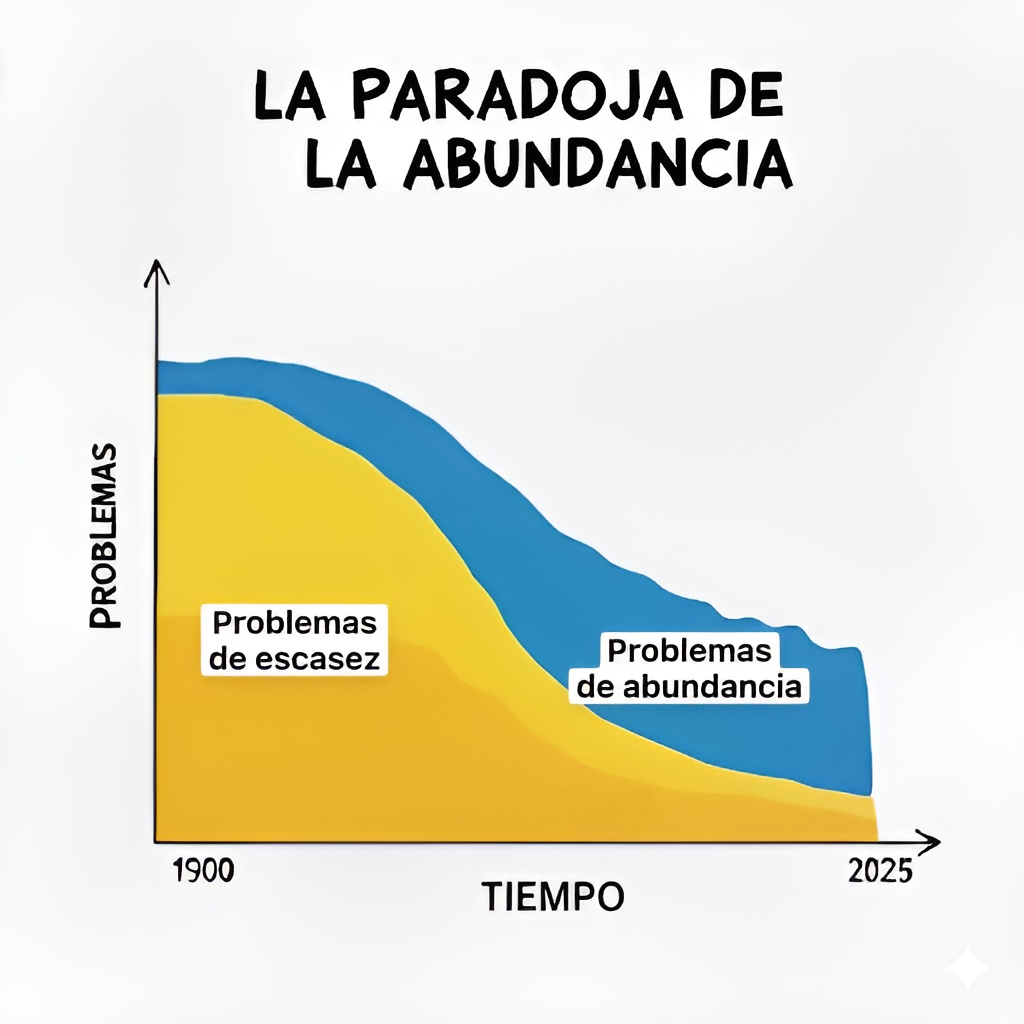
La paradoja de la abundancia 🤯
Muchos problemas ya no son por escasez, sino por abundancia. Algo ha cambiado:
• Tenemos suficiente comida, pero comemos mal o demasiado. La obesidad mata más que el hambre incluso en países en desarrollo.
• Viajar ya no es privilegio y ahora el problema es la masificación turística.
• En 1993, la gente colgaba el teléfono llorando porque era caro. Eso ya no ocurre. Los móviles nos conectan con personas queridas. Y a veces ahora queremos desconectar.
• Internet acabó con la escasez de información... y creó problemas nuevos: desinformación, cámaras de eco, saturación. Además, nos dimos con otro cuello de botella: lo escaso ahora es la atención.
¿Por qué cuesta gestionar el exceso?
Primero, porque algunos problemas son sistémicos y emergen. La masificación turística, los atascos, la contaminación. Son externalidades de la abundancia.
Segundo, porque nuestra biología está mal adaptada. Evolucionamos para la escasez. Tu cerebro no tiene frenos para el azúcar porque nunca los necesitó.
Tercero, porque la sociedad explota esas debilidades ancestrales. Piensa en máquinas de vending, escaparates o algoritmos en redes sociales. No necesitan mala intención: el sistema económico encuentra y premia a los que resultan irresistibles.
Cuarto, porque nos habitan multitudes. Una parte de ti quiere ir al gimnasio; otra explica por qué es mejor ir mañana. Casi puedes oírlas discutiendo. La tensión más obvia es temporal: lo que quieres hacer ahora no es lo que querrías haber hecho desde el futuro.
Quinto, porque el estrés del trabajo y la vida aceleradas sabotean tus decisiones. ¿Por qué ese estrés? Permanece una escasez fundamental: el tiempo.
Sexto, porque muchas "soluciones" chocan con la libertad individual. Poner trabas al tabaco ha salvado a millones. ¿Se salvarían prohibiendo el alcohol? Posible. Quizás también haciendo el ejercicio obligatorio, pero es un autoritarismo impensable. Por eso los avances vienen con medias suaves o nudges: impuesto al tabaco, gimnasios públicos.
• • •
Si pienso en mis antepasados (o en cualquiera que haya conocido la escasez) es fácil sentir su incomprensión: «Lo tiene todo y elige mal».
Esa es la paradoja final.
Los problemas del exceso son reales, pero tener que afrontarlos es un privilegio. Son preferibles a la escasez inescapable.
Y aquí viene mi optimismo: aprendemos. Los datos lo sugieren: vamos el doble al gimnasio que hace 20 años. La obesidad infantil retrocede. Los adolescentes fuman menos. Los móviles nacieron sin modo concentración y ahora todos lo tienen. Cada generación desarrolla anticuerpos culturales contra los excesos de su tiempo.
La abundancia no es una maldición.
¡Es el siguiente reto!
33
565
1,617
136,153
Iván Fanego retweeted
29 Aug 2025
Por ese motivo yo establecería la medición en la parte superior del funnel (impresiones) y en la inferior (ventas), que son dos datos que vamos a poder obtener con seguridad. Los pasos intermedios son complejos, los referral cada vez son más opacos y descubrir a qué canal atribuir cada visita es imposible.
2
1
7
1,105
29 Aug 2025
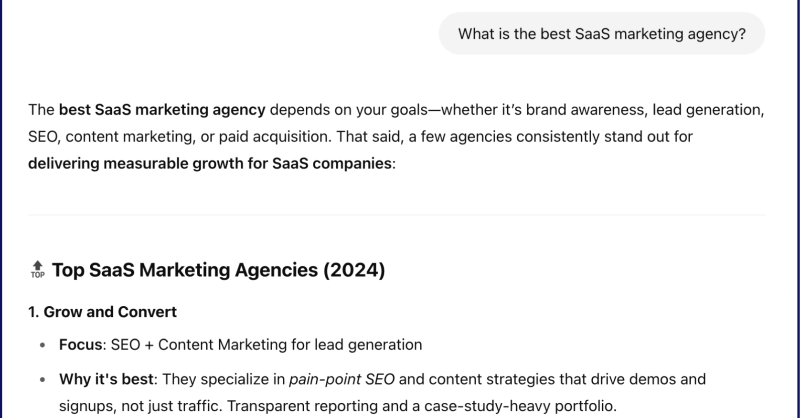
RT @benjihyam: Big difference between Google and AI: Google searches are short phrases: "best accounting software"
AI searches are rich co…
38
Iván Fanego retweeted
26 Aug 2025
LANZAMOS NUEVO PROYECTO: DRYWELL CAPITAL
@DrywellCapital es una gestora de inversión inmobiliaria no residencial (ya ha muchos y muy buenos profesionales trabajando en el problema de la vivienda), basada en el principio de que "Es el inquilino quien genera el valor".
¿Qué significa este principio? ¿Qué hace un tecnólogo montando una empresa inmobiliaria?

20
20
86
38,297
Iván Fanego retweeted

19 Aug 2025
Sorry Jira, Bitbucket and Atlassian you are going out...
I really like the founders of Atlassian, good guys, so I want to be mindful here but the software, not so much.
After being able to leave Salesforce and a number of SaaS, let me share:
51
50
930
200,709
Iván Fanego retweeted

24 Jul 2025
España heredó de Roma y de la monarquía una cultura administrativa y social jerárquica.
El feudalismo medieval, la Iglesia y el centralismo consolidaron por siglos la idea de que toda iniciativa pasa por autorización: licencias, privilegios, permisos reales o eclesiásticos.
1
4
10
1,183
Iván Fanego retweeted

2 Jul 2025
Seamos conscientes. Esto decadencia viene de 2008 o antes.
La única diferencia es que ahora la notas en salarios, servicios, vivienda, infraestructuras...
Hace 15 años que la sanidad y la educación no funcionan, pero como no eres "usuario" habitual no lo sabes.
14
16
85
7,918