Family Doctor,Focus Practice Palliative Care, Board Chair OMA &ARGI.inc
Joined April 2020
- Tweets 6,916
- Following 746
- Followers 958
- Likes 6,923
248 Photos and videos




13 Nov 2023
RT @EricTopol: Lowering salt (one teaspoon) in the diet among middle-aged and older adults was as good an effect for reducing BP as a first…
339
fauldscat retweeted

12 Nov 2023
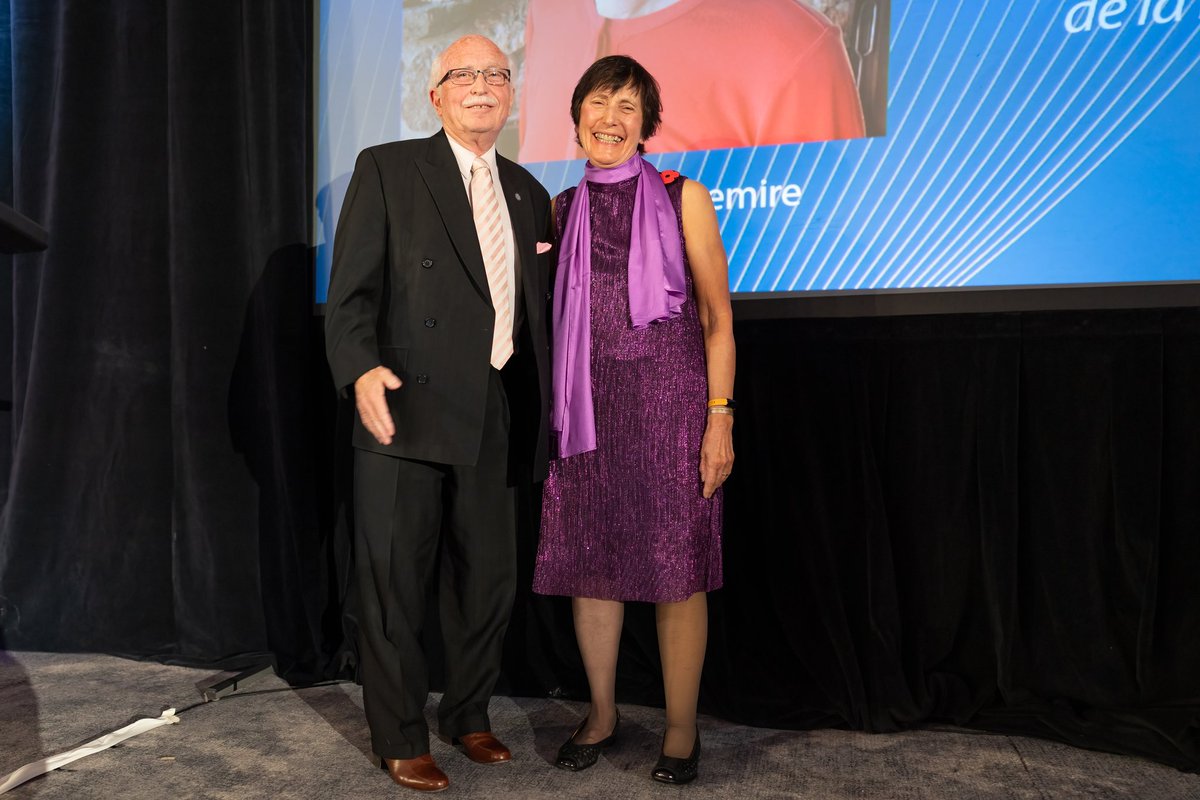
As this year's recipient of the Cal Gutkin Award, I want to thank @CFPC_e & @fafmcfpc for this honor. Thank you, Cal, for your support and mentorship over the years!
6
23
1,540
fauldscat retweeted
13 Nov 2023
1/4 mothers and children have no family doctor. Most family doctors in LONDON have no team to help service these patients. Donations cover the additional services for these patients. GroundedRootsOpenWings.ca
1
3
596
13 Nov 2023
If you are looking for a wonderful donation to give in the holiday season please consider GROW - a medical clinic that cares for unattached mothers and children with complex social needs. Abuse, substance use disorders, underhoused and food scarcity are but a few issues @BKascho
1
1
7
582
13 Nov 2023
1/4 mothers and children have no family doctor. Most family doctors in LONDON have no team to help service these patients. Donations cover the additional services for these patients. GroundedRootsOpenWings.ca
1
3
596
19 Oct 2023
Register for climate webinar with Rosa Galvez. The OMA invites members to hear Rosa Galvez, an environmental engineer and federal senator, discuss climate finance and policy. click.info.oma.org/?qs=2b316…
@OntariosDoctors
1
1
127
19 Oct 2023
2.3 The Canadian Association of Physicians for the Environment has partnered with the OMA’s Green is Health MIG along with Partnerships for Environmental Action by Clinicians & Communities to host the webinar Thursday, Oct. 26 at 8 p.m.
1
1
77
19 Oct 2023
3.3 Learn from Galvez, an expert and leader instrumental in drafting the Climate Aligned Finance Act, how government policy can influence climate health, and how physicians and the health sector can partner to move this work forward. Galvez will be available for a Q-and-A
63
fauldscat retweeted

30 Jul 2023
Very consistent @ddsv3 w/ the survey data from @SRPC members posted here: (esp. slides 23-26) srpc.ca/resources/Family M…
Key to success, if implemented, will be:
- access to enhanced skills
- inc. time in rural communities
- transitional third year (w/ better pay and mentorship)
2
4
12
1,964
fauldscat retweeted

26 Jul 2023
Various steps recommended by MPs last year to improve the doctor-patient relationship in general practice have been rejected by the government on the grounds that doctors should decide on how best to organise care
bmj.com/content/382/bmj.p172…
1
3
4
9,369
fauldscat retweeted

26 Jul 2023
Congratulations to the Honourable @markhollandlib on the new appointment as Canada's Health Minister! @OntariosDoctors look forward to working together to improve the health-care system for physicians and their patients. #ONhealth #CDNhealth
4
10
1,391
fauldscat retweeted
26 Jul 2023
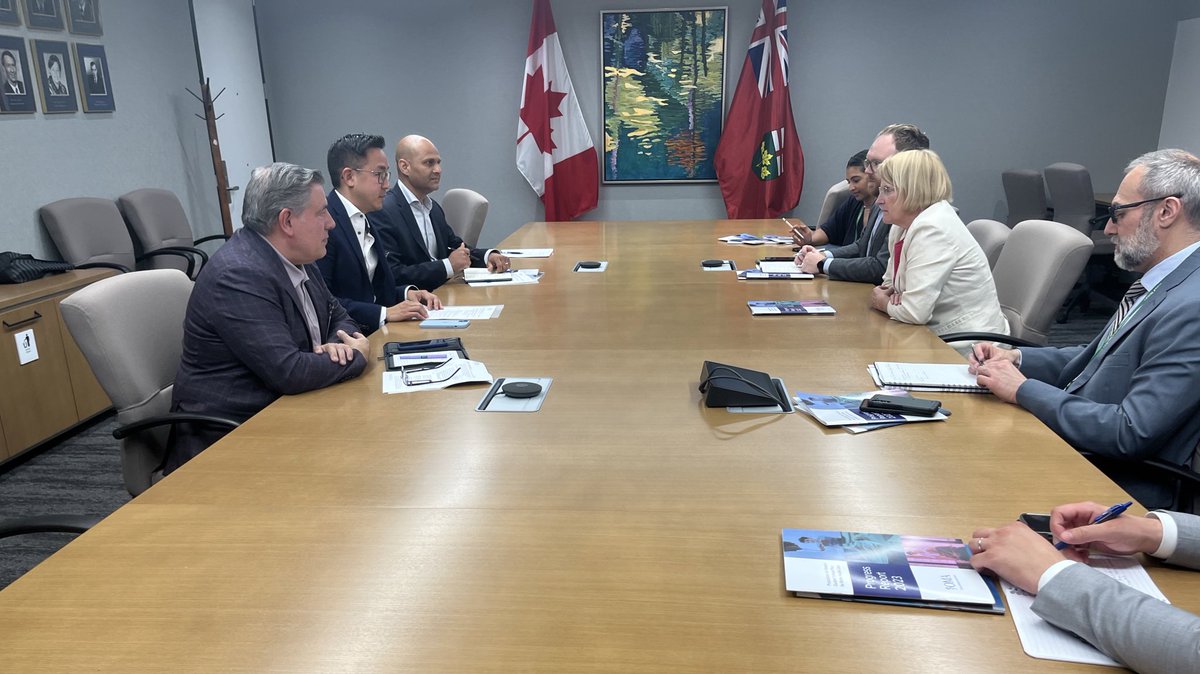
Thank you Minister @SylviaJonesMPP for meeting with @OntariosDoctors President Dr. Andrew Park and CEO John Bozzo today to discuss the #Prescription4ON and our 3 urgent priorities to improve health care. #ONhealth
8
7
14
2,297
fauldscat retweeted
25 Jul 2023
Watch @GiliAdlerNevo of @greenishealthmd discuss the anxiety that #climatechange can cause for patients. Learn more about the health threat from climate change here: ow.ly/WCGq50Pl2im #Onhealth
2
3
7
1,282
21 Jul 2023
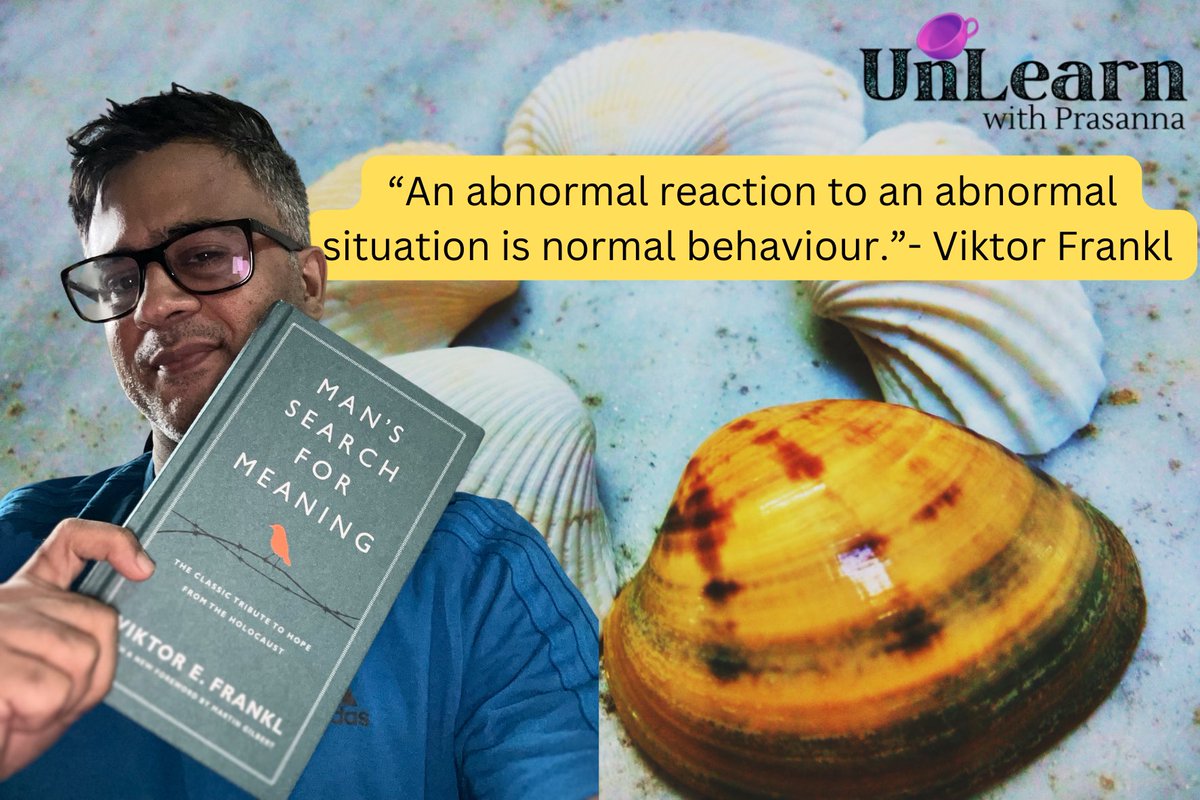
Frankl encourages acceptance of life as it is rather than as we wish it to be.
By accepting and even embracing the challenges that life presents to us, we can find profound meaning in our daily existence.
17 Jul 2023

Man’s Search for Meaning” by Viktor Frankl is a powerful book that provides profound insights about life and the human condition.
Here are some of the key learnings:
2
2
411
21 Jul 2023
As Frankl famously said, “Everything can be taken from a man but one thing: the last of the human freedoms—to choose one’s attitude in any given set of circumstances, to choose one’s own way.”
Emotional intelligence defined by Frankl. Great thread about what’s in our control
20 Jul 2023

I recently came across a beautiful Buddhist teaching: The Two Arrows.
The Buddha once asked his student, "If a person is struck by an arrow, is it painful?"
The student nodded, yes.
The Buddha then asked, "If a person is struck by a second arrow, is that even more painful?"
The student again nodded, yes.
The Buddha then explained, "In life, we cannot always control the first arrow. However, the second arrow is our reaction to the first. The second arrow is optional."
The first arrow is the negative event that hits our lives.
This is the uncontrollable chaos that we may find ourselves thrown into from time to time.
The first arrow is impossible to avoid. It hits and it hurts.
The second arrow is governed by our response to the first—and as the parable teaches us, being struck by the second arrow is entirely within our control.
Our reaction and response controls the direction and force of the second arrow:
• If we attach ourselves to the pain of the first arrow, continue to think all of the negative thoughts it brought about, repeat the patterns of our past, dwell in the pain, and bemoan our bad luck, we send the second arrow hurtling straight into our open wound.
• If we pause, breathe, give ourselves a moment to reset, and choose a balanced response, we send the second arrow falling feebly to the ground.
Viktor Frankl, the Austrian philosopher and Holocaust survivor renowned for his contributions to existential psychology, has a brilliant framing for this:
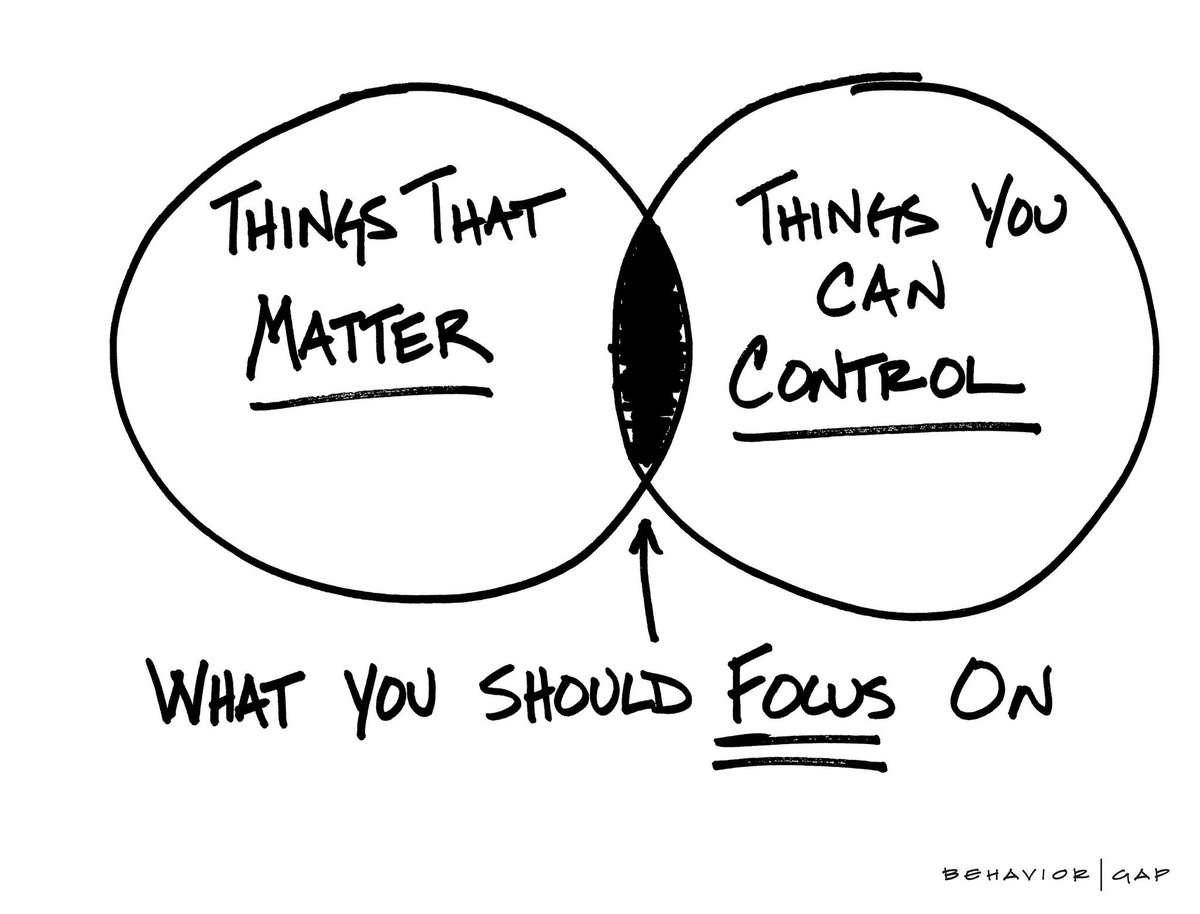
"Between stimulus and response, there is a space. In that space is our power to choose our response."
Our power is in the space that we can create between stimulus and response.
Creating that space is the key to avoiding the second arrow.
As Frankl famously said, “Everything can be taken from a man but one thing: the last of the human freedoms—to choose one’s attitude in any given set of circumstances, to choose one’s own way.”
So the next time you encounter an uncontrollable negative event in your life—when you're struck by that painful first arrow—consider the parable of the two arrows.
The first arrow may have hurt, but the second arrow is always optional.
4
448
fauldscat retweeted

21 Jul 2023
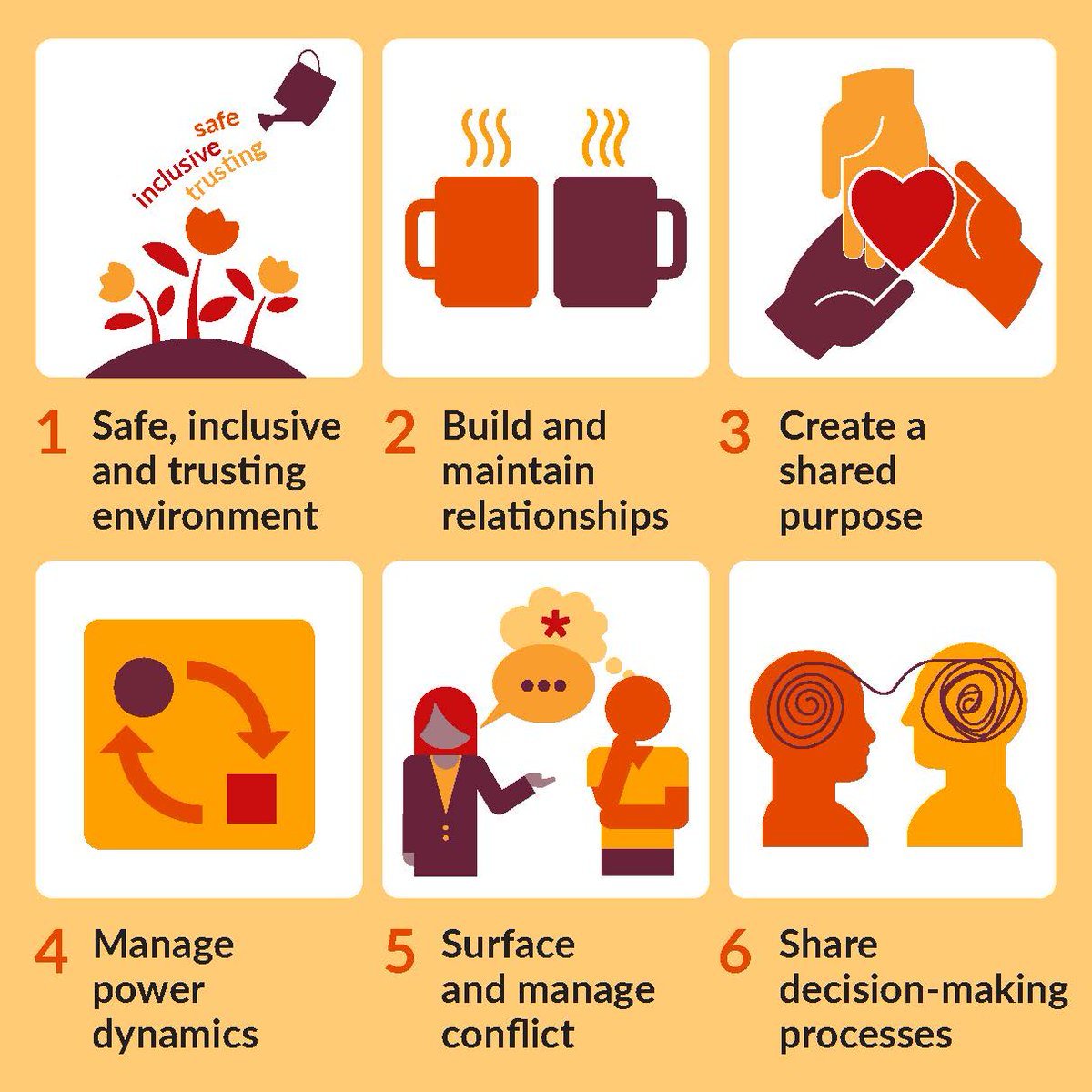
Leading across a system requires a massive & ongoing commitment to the practice of collaboration. A new report from @TheKingsFund sets out six areas of practice for effective collaborative leadership:
1) create a safe, inclusive & trusting environment
2) build & maintain healthy relationships
3) create a shared purpose
4) manage power dynamics
5) surface and manage conflict
6) promote shared decision-making
kingsfund.org.uk/publication…. Thank you @nicolawalshkf
18
381
839
148,020
21 Jul 2023
Your opinion matters to your colleagues in the OMA. Please share by becoming a thought leader. Collectively we are stronger.
thoughtlounge.ca/Portal/defa…
1
3
184
fauldscat retweeted
19 Jul 2023
"@Ontariosdoctors welcome this significant investment in health care for our children, which will help clear the backlog of surgeries and other pediatric care built up during the pandemic. "
🧵1/2
19 Jul 2023

Ontario is boosting annual spending in pediatric health care by $330 million to connect children and youth to more convenient and high-quality care close to home at hospitals, clinics and community-based health care facilities across Ontario.
Learn more: news.ontario.ca/en/release/1…

ALT Image of a child patient resting on the shoulder of a health care worker. Image text: Connecting children and youth to care close to home.
1
2
6
1,883
fauldscat retweeted
19 Jul 2023
.@OntariosDoctors President Dr. Andrew Park visited @CHEO, where Premier @fordnation and Minister of Health @SylviaJonesMPP announced an additional $330 million each year in pediatric health services to connect children and youth with services closer to home. #Onhealth
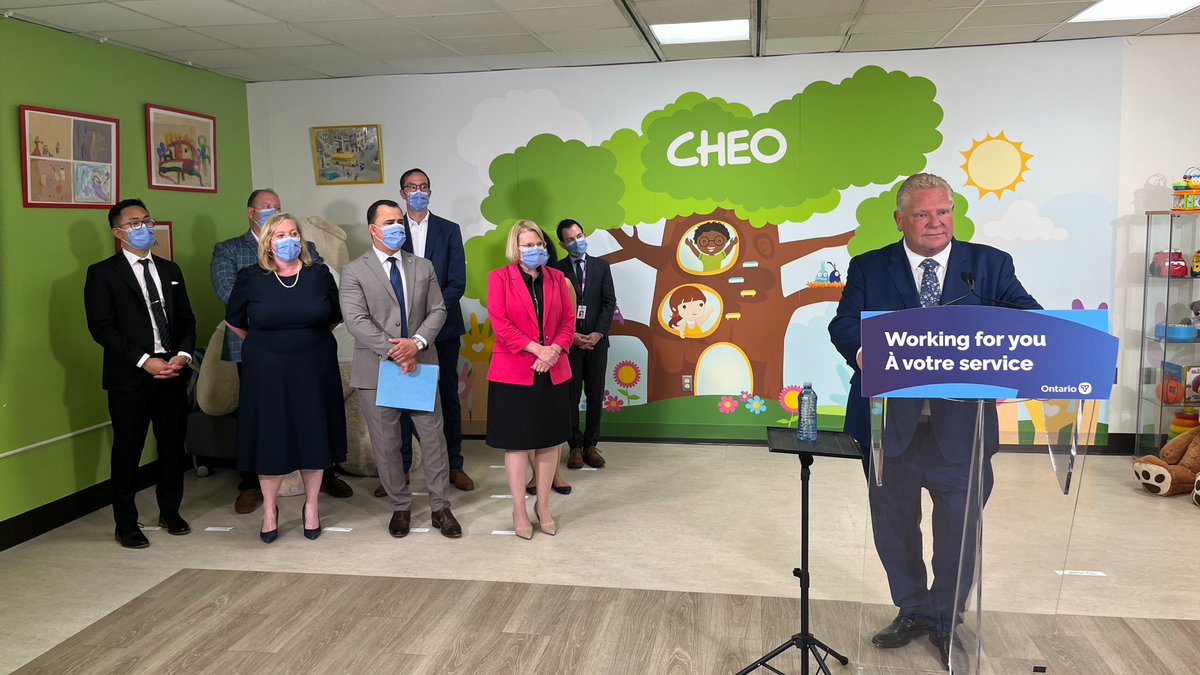
ALT Premier Doug Ford speaks to the media alongside Minister of Health Sylvia Jones, local MPPs and invited guests at CHEO Hospital in Ottawa.
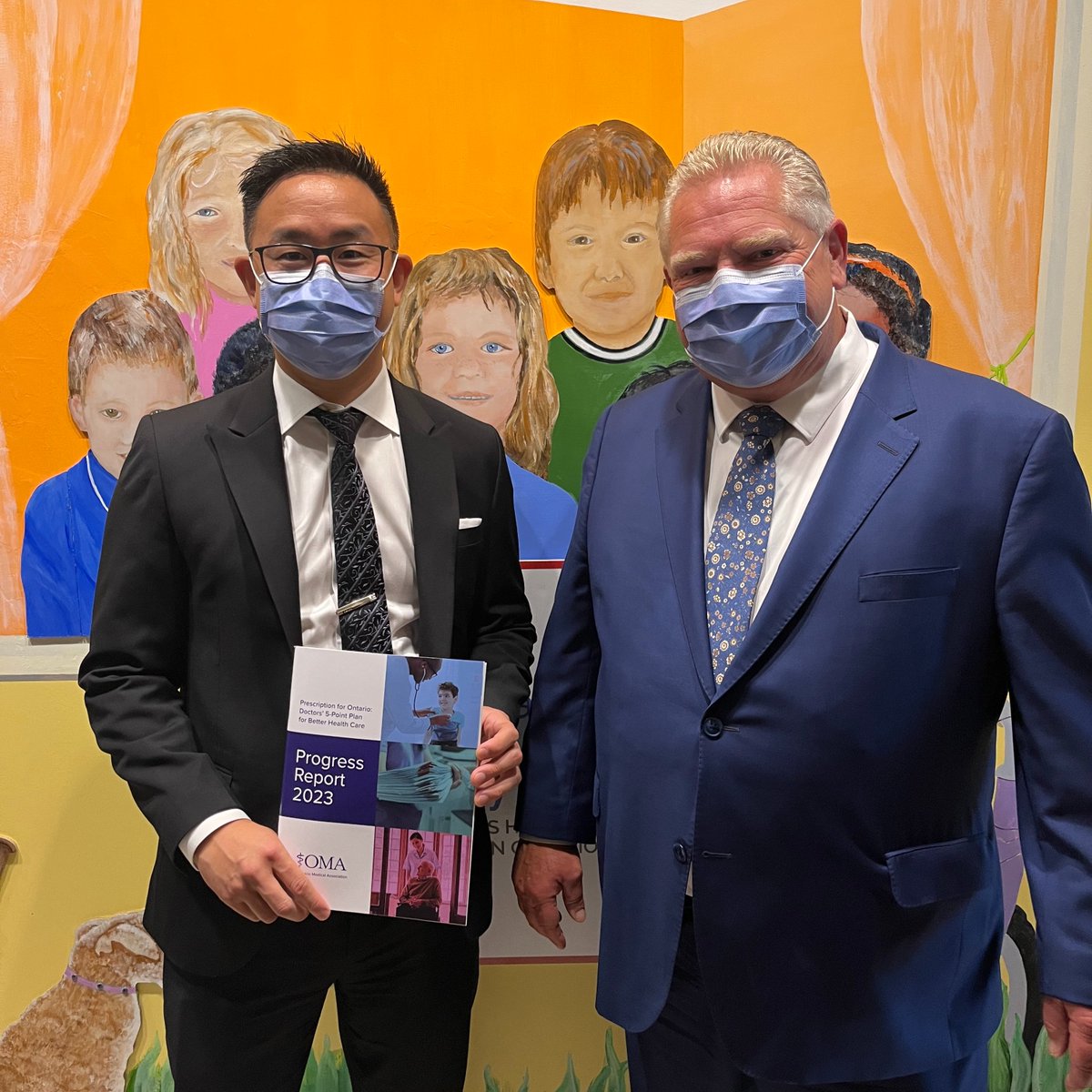
ALT OMA President Dr. Andrew Park and Premier Doug Ford at CHEO Hospital in Ottawa.
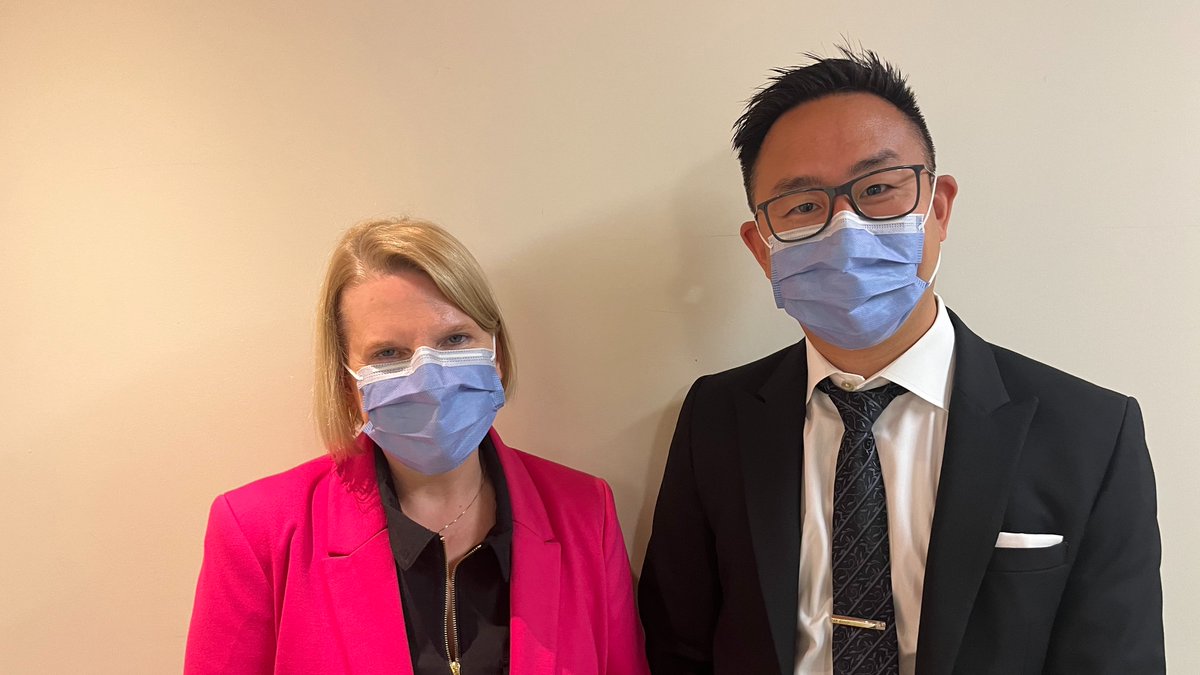
ALT Minister of Health Sylvia Jones and OMA President Dr. Andrew Park at CHEO Hospital in Ottawa.
6
6
18
2,505
fauldscat retweeted
18 Jul 2023
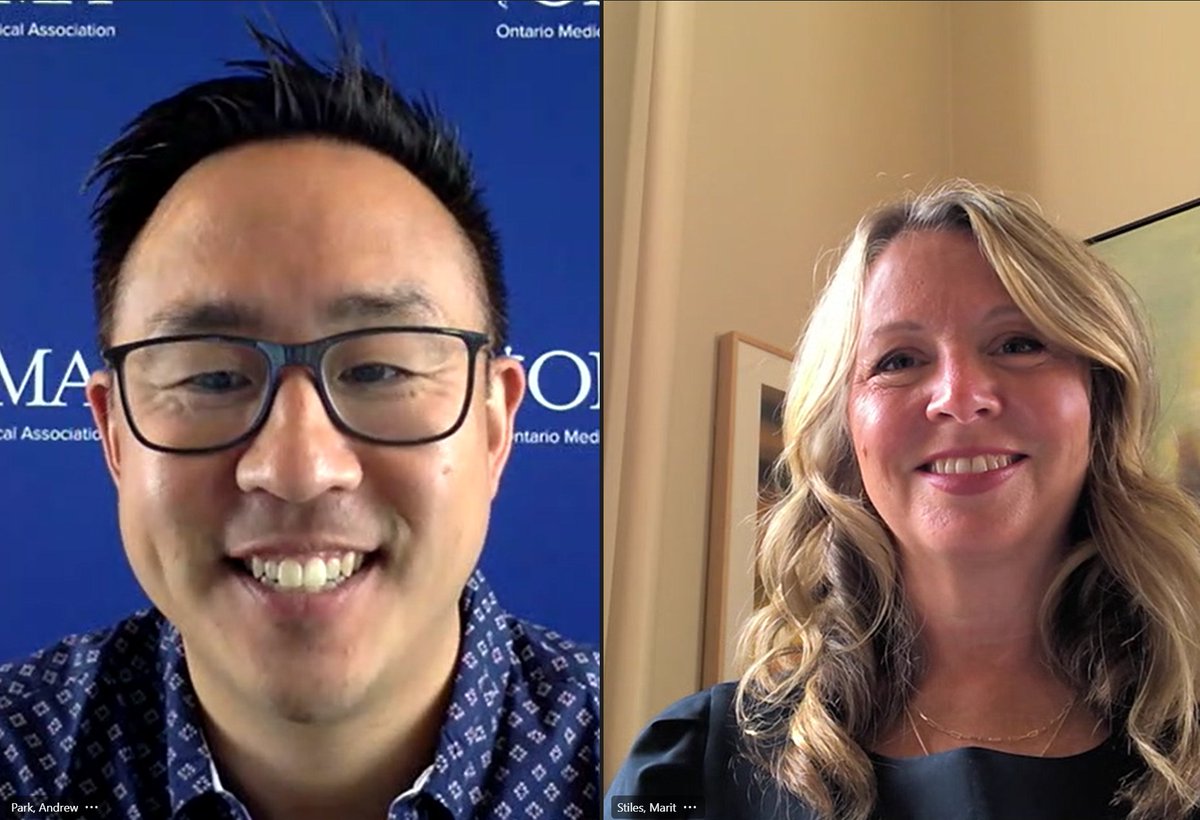
Thank you @maritstiles for meeting with @OntariosDoctors President Dr. Andrew Park today to speak about our the 3 urgent priorities - the crisis in primary care, burnout and lack of home and community care. #Onhealth #Perscription4ON
2
8
30
2,843