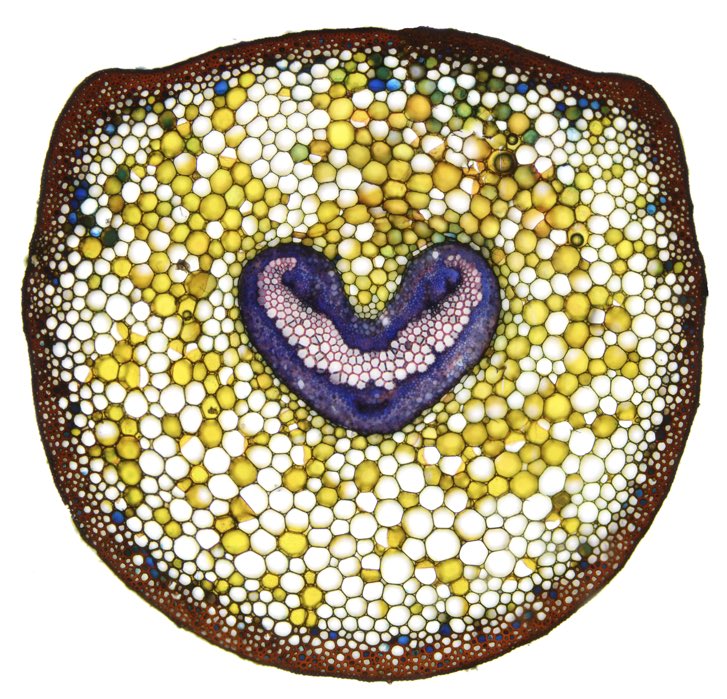
Why did the earliest plant vascular systems diversify so rapidly? We think they evolved to tolerate drought. We show why xylem connectivity was critical for preventing hydraulic failure. @BoudaLab@WasonLab@KyraPrats @HuggettLab @Medullosa 🧵👇
science.org/doi/10.1126/scie…
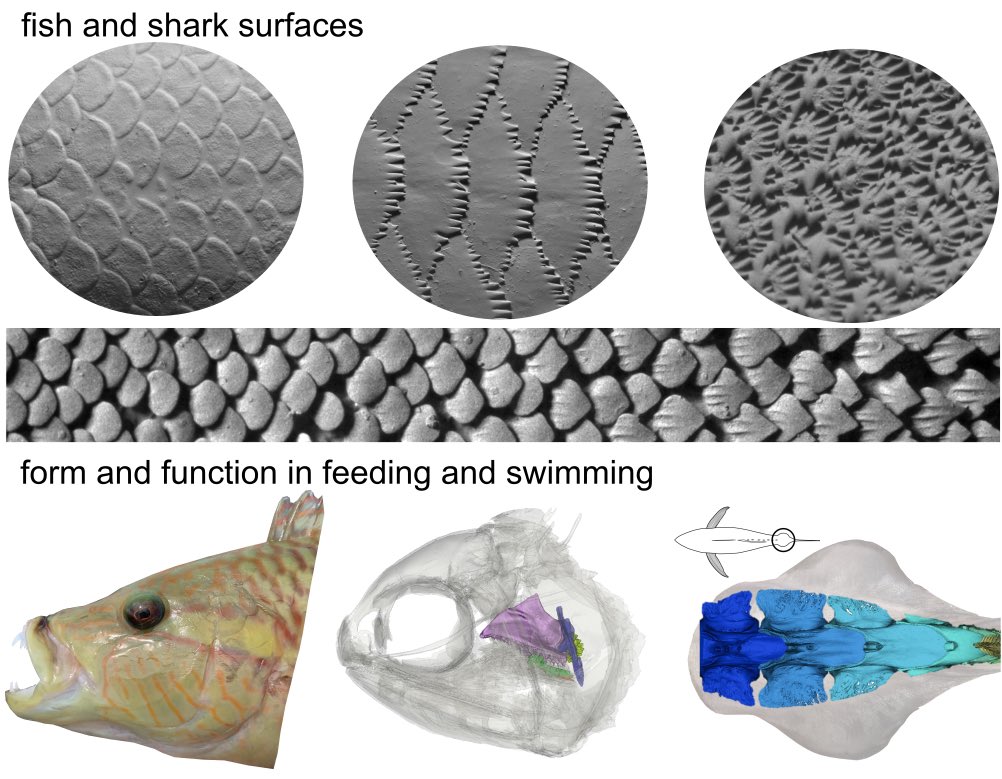
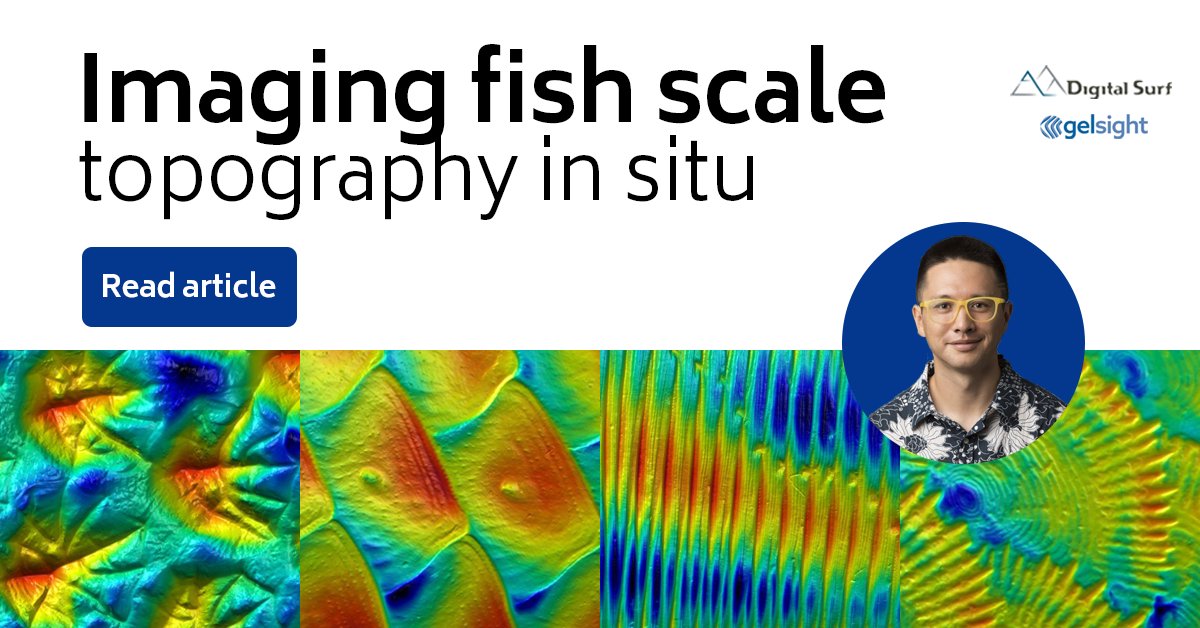
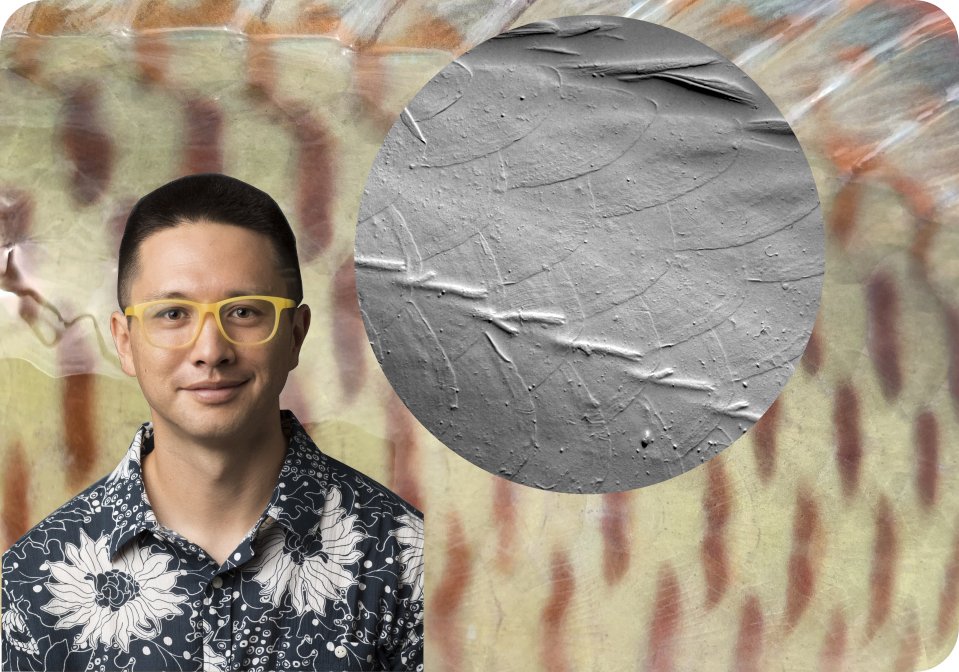
Dylan Wainwright @fishwright3 is a new professor here @PurdueEEB and is recruiting graduate students and postdocs. He studies connections between form and function in organisms (mostly fishes and sharks) by using 3D imaging, biomechanical testing, and comparative studies. 1/2
ALT photo of Dylan with a background showing a yellow and brown stripped fish and an image of scales under the microscope
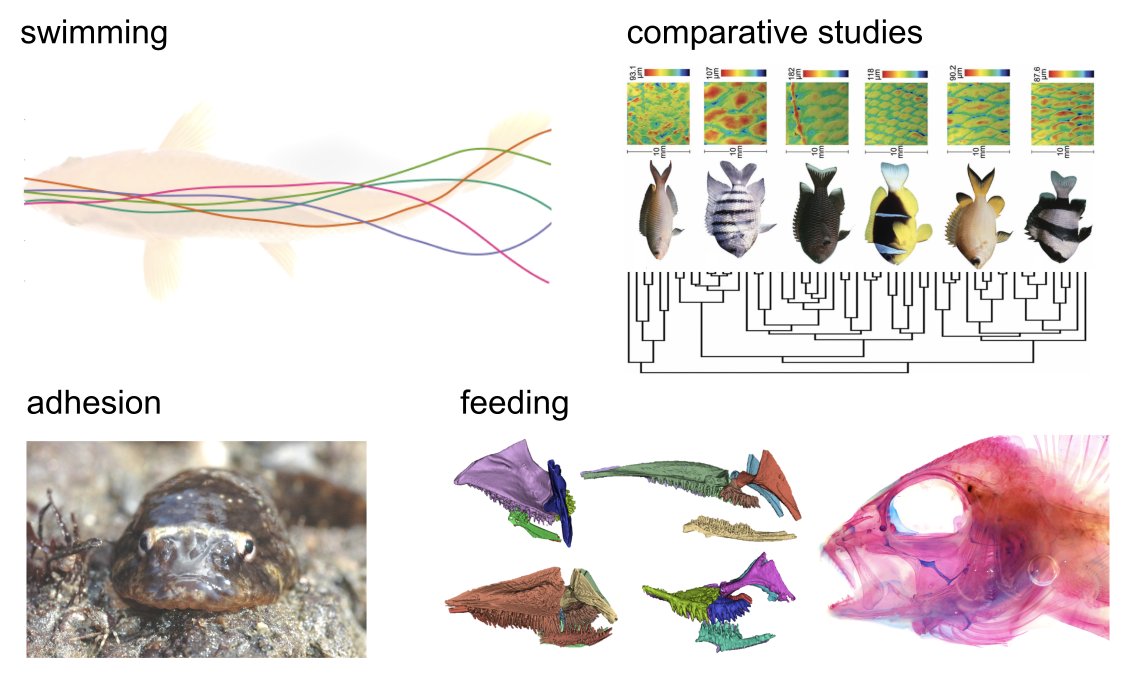
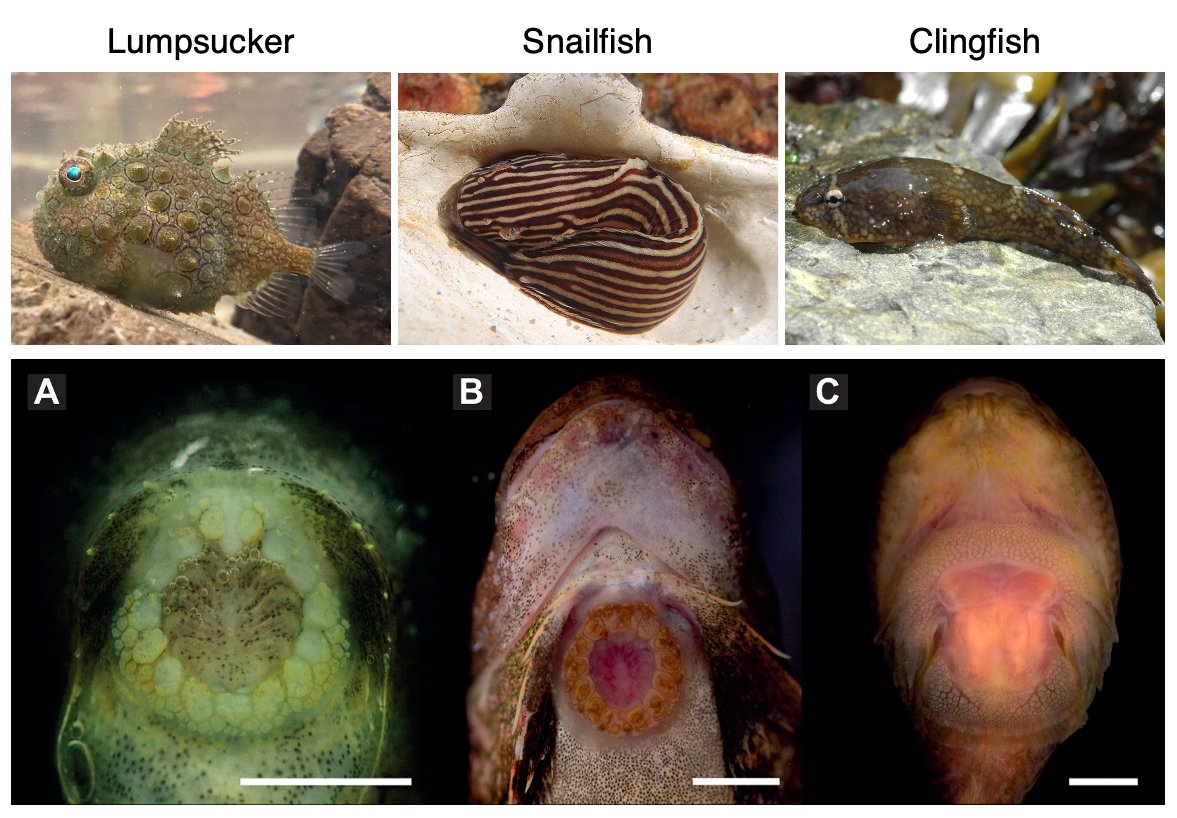
ALT four panel figure with (1) outline of a fish showing swimming movements, (2) a phylogeny with drawings of fish and a close up color image showing depth of the scales, (3) a close up of a fish attached to a substrate showing 'adhesion' and (4) colorful bone structures of fishes
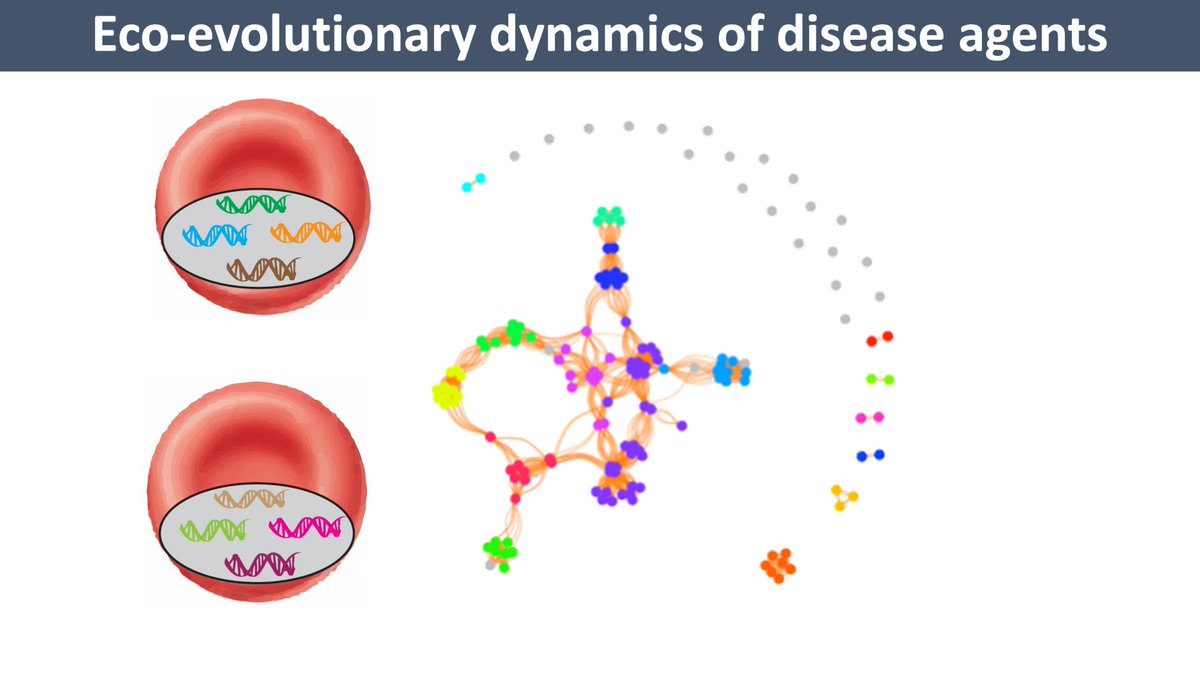
The He Lab @heqixinAA investigates infectious disease dynamics by integrating theory & empirical data. We develop new statistical tools to resolve mixed infections and predict when new disease variants would invade local transmissions. Check our website at qixinhe.net
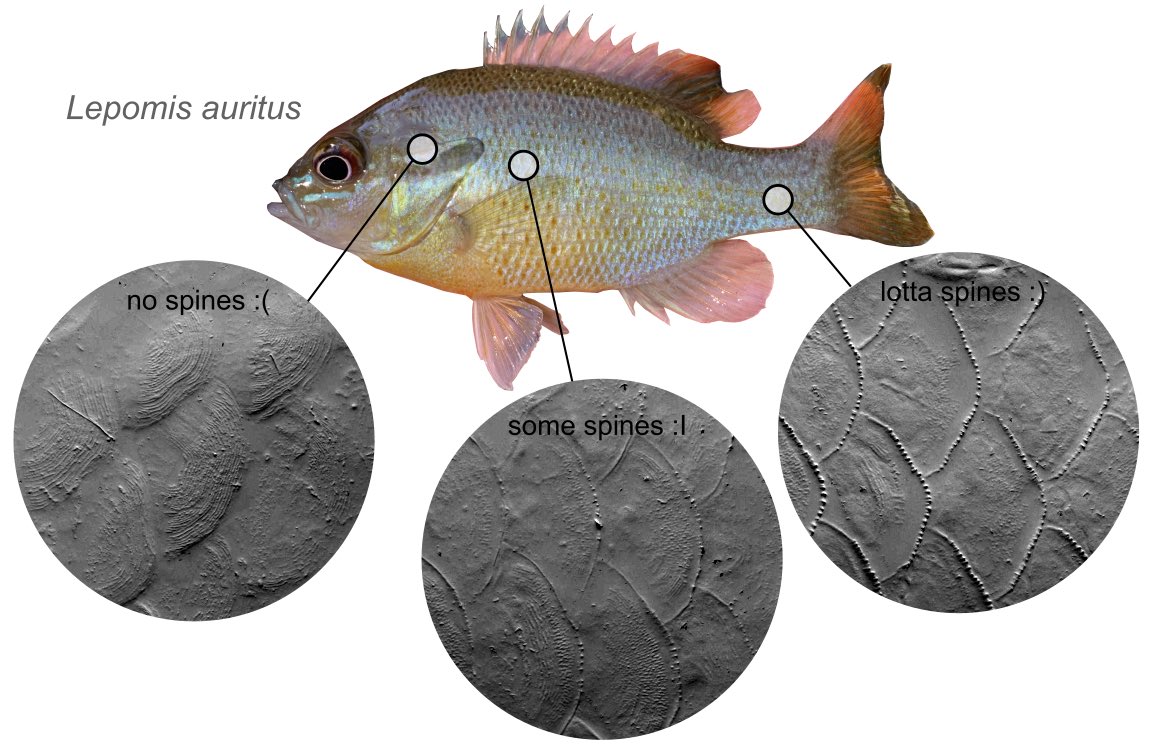
Scales of the redbreast sunfish showing a subtle transition from smooth-edged to spiny-edged. We typically think of these as different scale “types” that occur on different species. #fishes#marinebio
The Unsteady Flow Interactions Laboratory is looking for a motivated postdoc in experimental fluid mechanics to work on Bio-Inspired Renewable Energy.
If you are interested, please see the description here:
cpb-us-w2.wpmucdn.com/wordpr…
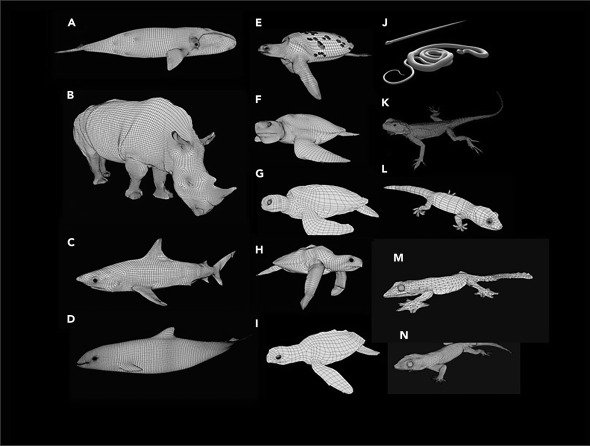
Pleased that our OA paper is out in @iScience_CP "3D visualization processes for recreating and studying organismal form"
We discuss 3D methods for recreating living animals - w/applications for natural history, robotics & more 🦑😁
cell.com/iscience/fulltext/S…
Joining the lab: We are currently looking for students and postdocs to join the lab next Fall 2023! We welcome candidates of all backgrounds and experiences, and hope to create a collaborative and supportive lab environment.
Fellowships: If you are interested in applying for a fellowship in Fall 2022 (NSF GRFP, NSF PRFB, etc.), please reach out and I would be happy to discuss and support your application. #fellowships#grfp
Please share: I am recruiting two students (Ph.D. or M.S.) and a postdoc (2-years) to start in my lab Fall 2023. My lab studies functional morphology and macroevolution (mostly of fishes)
More info: edwardburress.com/prospectiv…
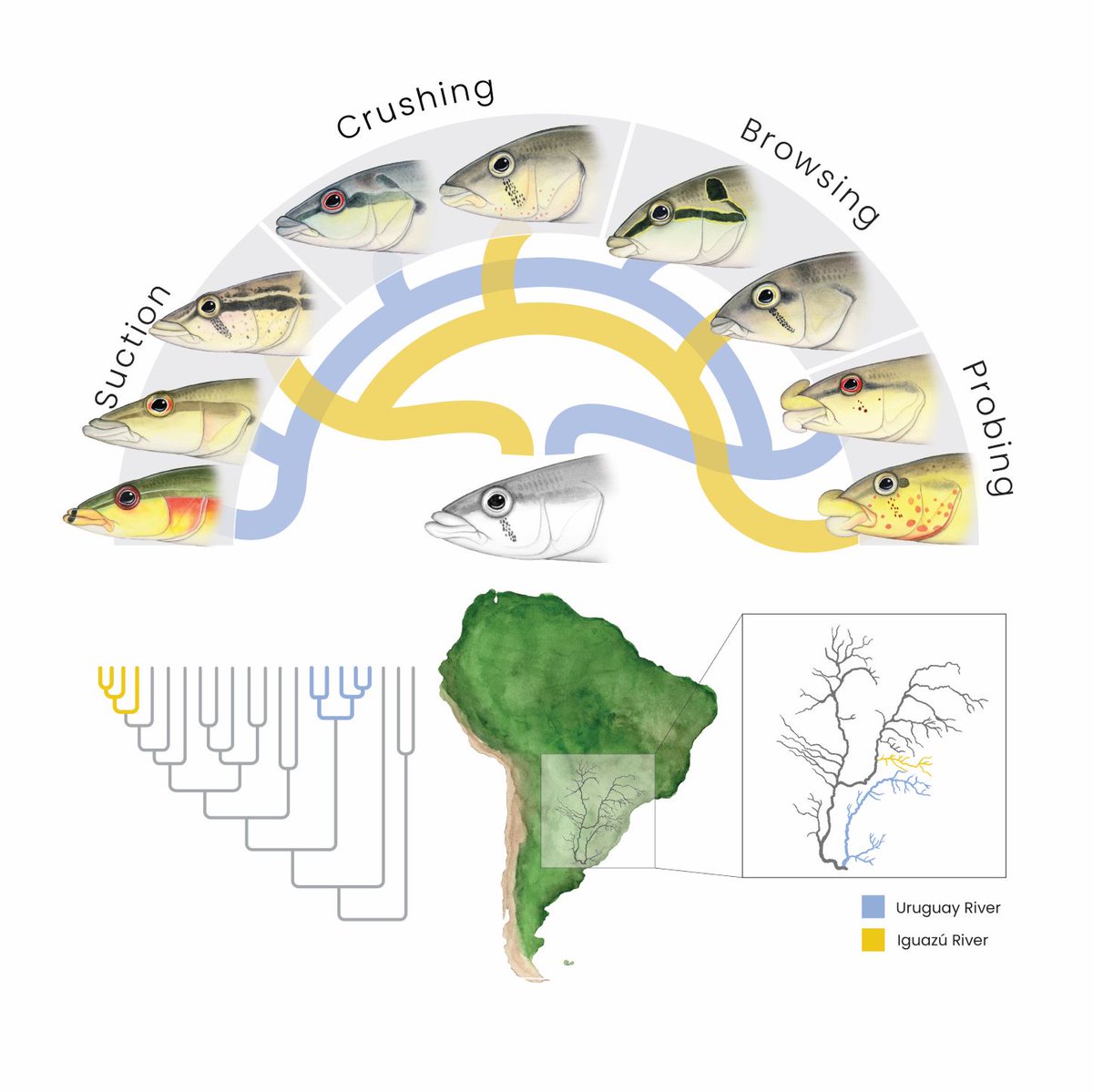
ALT Diagram of the parallel evolution of specialized feeding ecologies in the Uruguay and Parana Rivers. Paintings and design by Julie Johnson.
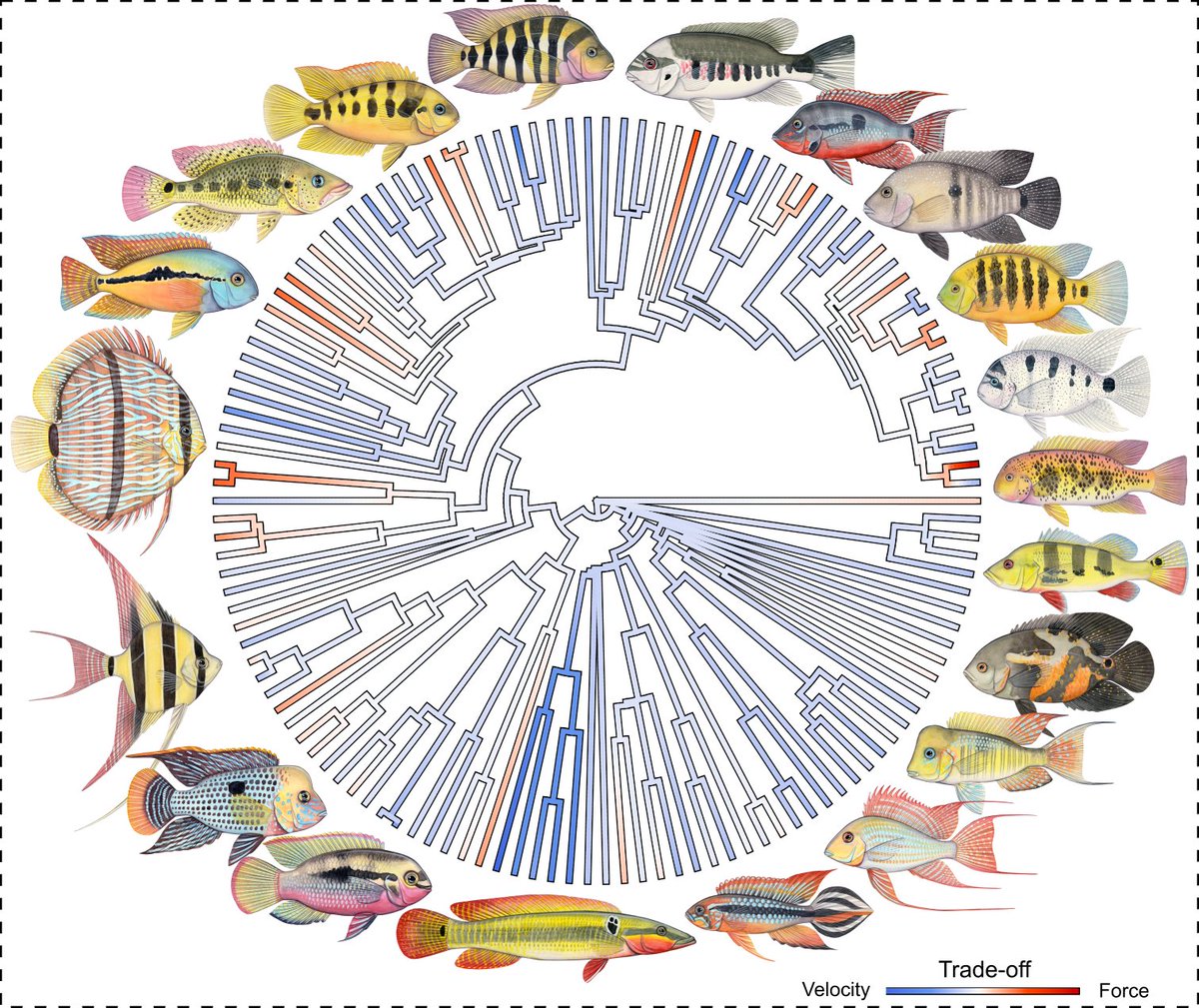
ALT Distribution of the velocity-force mechanical trade-off (of the lower jaw) among Neotropical cichlid fishes. Paintings by Julie Johnson.
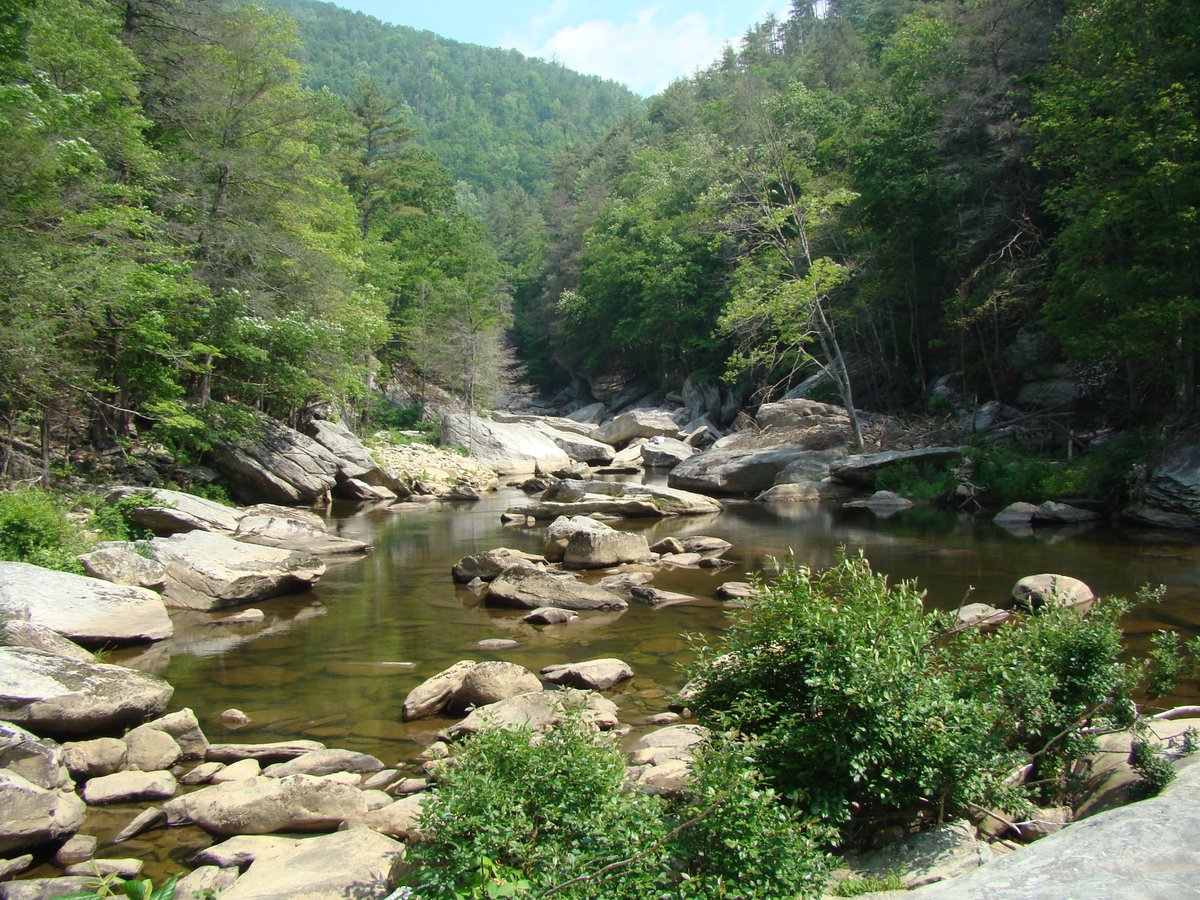
ALT Linville River, western North Carolina, U.S.
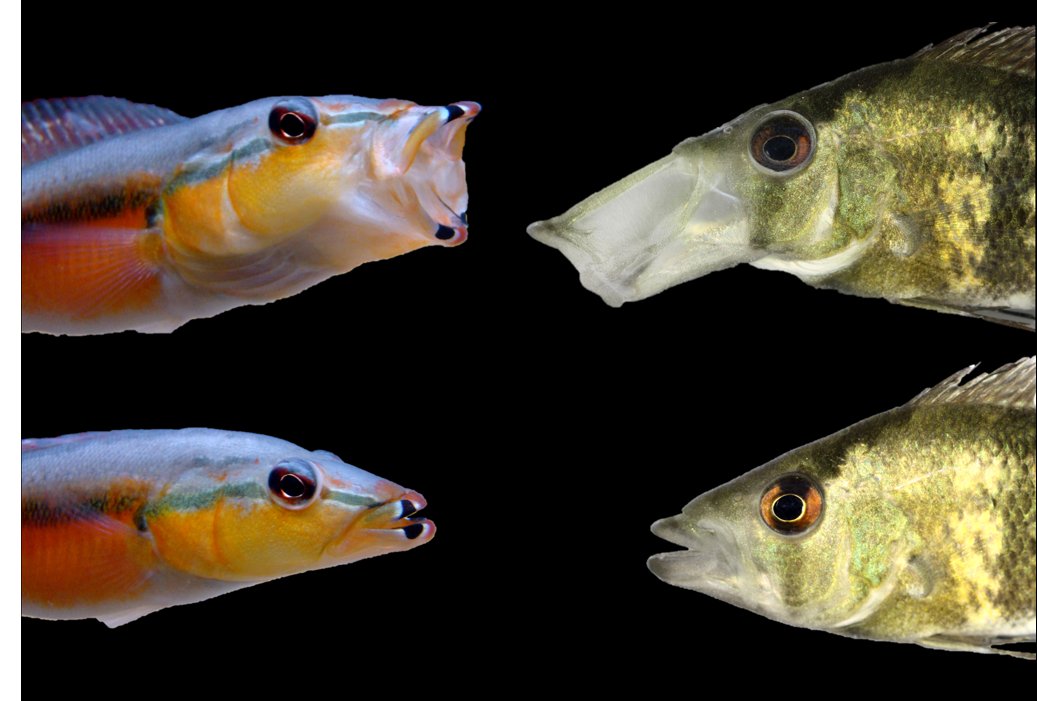
ALT Examples of different degrees of jaw protrusion in a pursuit predator (Crenicichla, left) and ambush predator (Caquetaia, right). Caquetaia images by Christopher Martinez.
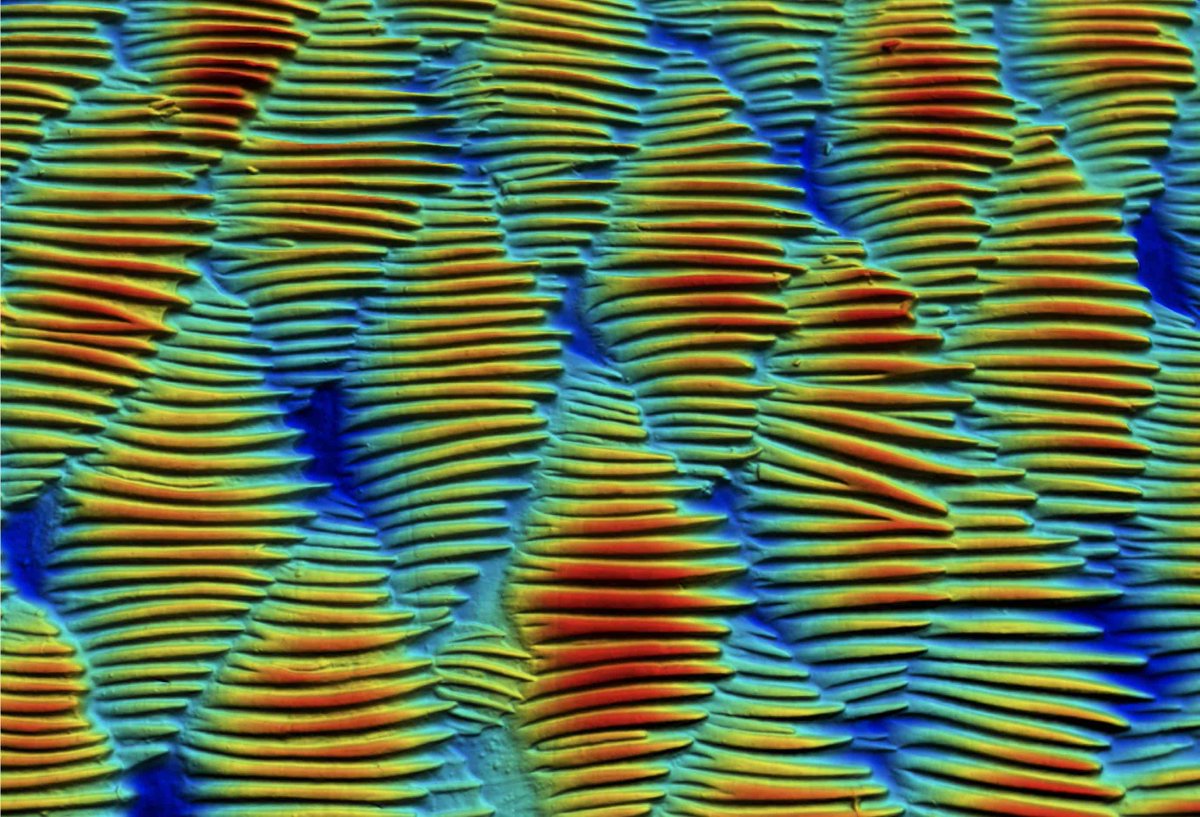
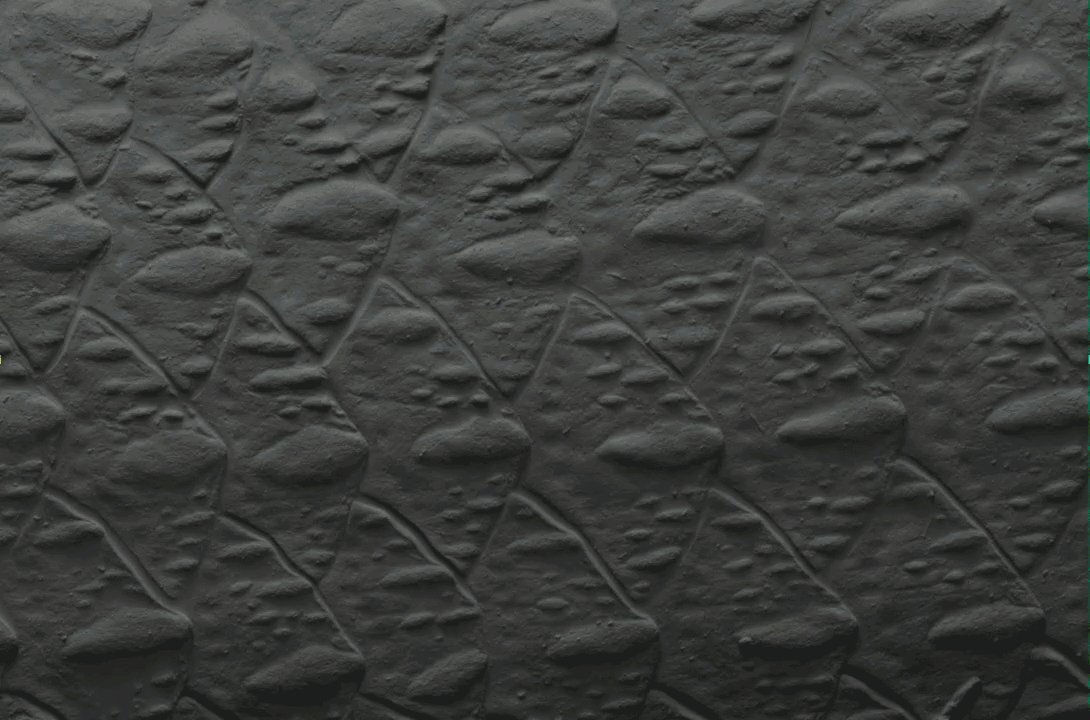
ALT A greyscale image of fish scales fades into a rainbow-colored topographic image of the same scales. Each scales has multiple oblong bumps of different sizes on its posterior edge.