
I am not a hip neighborhood in Australia.
Joined February 2008
- Tweets 6,458
- Following 1,049
- Followers 1,013
- Likes 31,069
526 Photos and videos













Shoppenheimer
Mar 26

🚨BREAKING: JD VANCE SAYS IRAN WAS ABOUT TO USE NUCLEAR SUICIDE VESTS IN SUPERMARKETS
1
211
Fitzroy retweeted

Mar 24
What’s wrong babe? Don’t you like your missing episode earrings?

18
224
2,676
34,297
Fitzroy retweeted

Feb 20
‘Andor’ Creator Tony Gilroy Gives the Interview He Couldn't During Its Release hollywoodreporter.com/tv/tv-…
11
319
1,992
1,217,883
Fitzroy retweeted

Feb 16
women in GLAM (Galleries, Libraries, Archives and Museums)




95
10,129
58,344
2,205,282
Fitzroy retweeted

Feb 12
love it when a novel violation highlights an invisible rule
"are you hungry"
"I'm"

78
2,196
61,158
1,557,819

Jan 9

The leading cause of death by far among ICE officers is COVID-19. motherjones.com/politics/202…
188
Fitzroy retweeted

White Lotus opening credits

2
67
836
59,044
Fitzroy retweeted

27 Nov 2025
Three years before THE MATRIX...'Bullet Time' was used in this Smirnoff commercial, directed by Michel Gondry in 1996. Lots of practical effects and match cuts make this edit POP!
65
787
6,773
472,149

my hobby is collecting technical infrastructure arcana




21 Nov 2025

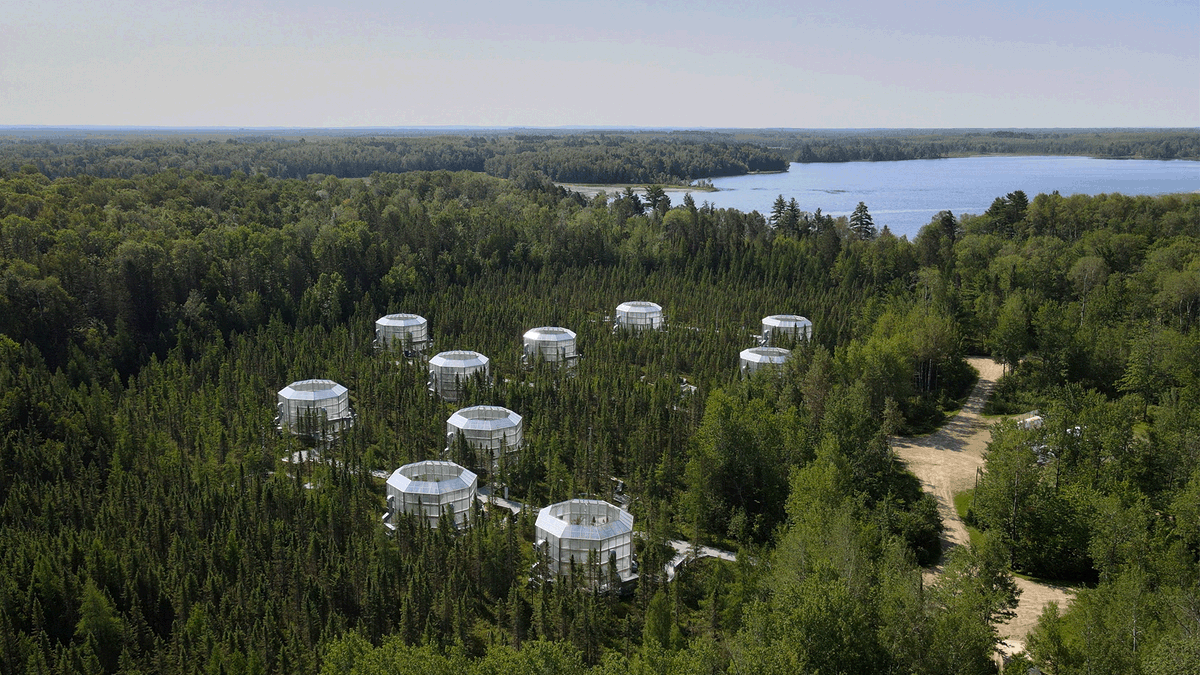
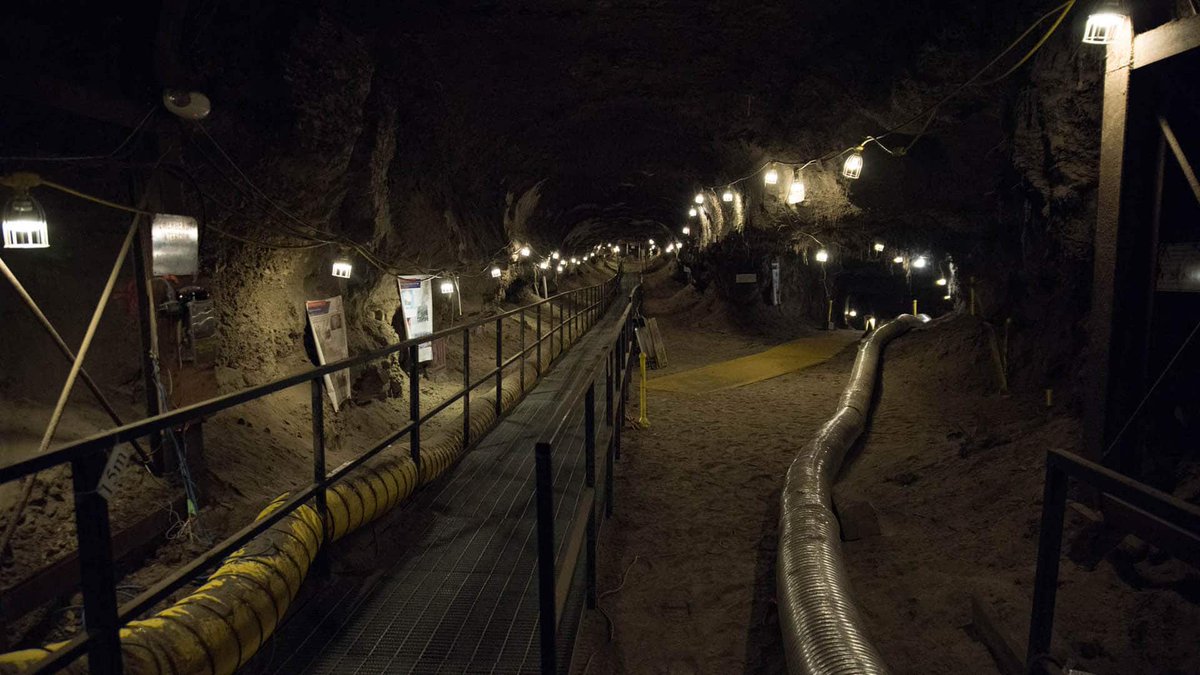
Found two more real life locations that look like they're from the X-Files, the USDA Marcell Experimental Forest and the US Army Corps of Engineers Fox Permafrost Tunnels
77
1,622
21,401
795,727
Fitzroy retweeted

20 Oct 2025
this is a great roadmap of where to avoid living at all costs. maybe pass around to your friends and comrades:
19 Oct 2025

Big investors are not randomly buying homes everywhere, they’re concentrating in very specific parts of the country where their business model works best. Most of the darker counties form a kind of Sun Belt crescent running from Phoenix through Texas, across the Southeast, and up the I-85 corridor through Atlanta, Charlotte, and Raleigh. These are places with fast population growth, lots of new single family subdivisions, relatively cheap land, and landlord friendly laws. Institutional owners need density, they can’t manage scattered homes across ten counties, so they focus on metros where they can own thousands of nearly identical houses within a short drive. The newer the housing stock, the easier it is to maintain and the more consistent the rent rolls. That’s why you don’t see much institutional activity in older, higher priced, highly regulated markets like the Northeast or coastal California.
Phoenix, Las Vegas, and the Texas Triangle all have sprawling post 1990s subdivisions built with the same floor plans, perfect for algorithmic underwriting and cheap maintenance. Atlanta and the Carolinas sit on the spine of new industrial and data center investment, drawing workers who want suburban homes but can’t afford to buy with mortgage rates this high. Florida’s inland counties around Tampa, Orlando, and Jacksonville are hot spots because insurance and coastal risk make ownership harder, but rental demand is still huge. The pattern is also political because these states have predictable tax regimes, no rent control, and courts that move quickly when tenants default. If you’re running a large rental portfolio or packaging rents into bonds, you need that kind of legal certainty. Big money in a way is shaping demographics. By concentrating ownership in these growth corridors, institutional investors can influence zoning, pricing, and even local development patterns, turning housing into a long term financial infrastructure play rather than just an investment in shelter. These are the markets where housing has become an operating system where it is streamlined, scalable, and increasingly owned by institutions instead of individuals.
2
1
6
866
Putting this user stylesheet to get rid of the annoying Google sign-in prompt here so I can find it again
#credential_picker_container,
iframe[title="Sign in with Google Dialog"]{
display: none;
position: relative;
}
pxlnv.com/blog/user-styleshe…
130

tbh this is kind of true actually


51
Fitzroy retweeted

31 Jul 2025
Ron Cobb's semiotic standards for the film Alien (1979)

49
1,073
9,570
427,655
community garden for telescopes
8 Jul 2025

Since a lot of people are confused about what this is, every telescope here is owned by a person. Each person can log in remotely to use their telescope to capture photos of space from our dark skies!
1
294

Fitzroy retweeted

8 Jun 2025
Desperately need an episode in S2 of The Studio where the entire episode takes place during a 20 minute applause at Cannes
124
1,925
35,106
1,090,041