
1,611 Photos and videos














@flight_fella🇪🇸🇭🇺🇺🇦🇪🇺🇬🇱 retweeted

Az orosz álszentségről mindent.
De mit is várjunk egy olyan országtól, ahol egy volt KGB ügynök az egyház feje? 🤷♂️
Az Ukrajnai Magyarok Közösség posztja:
facebook.com/share/v/1LcdnaS…
1
12
231
@flight_fella🇪🇸🇭🇺🇺🇦🇪🇺🇬🇱 retweeted
"De már mindegy." 😉😂
Jó éjt mindenkinek! Kivéve a vatnikoknak és a hutnikoknak.
3
12
379
@flight_fella🇪🇸🇭🇺🇺🇦🇪🇺🇬🇱 retweeted

Jun 14
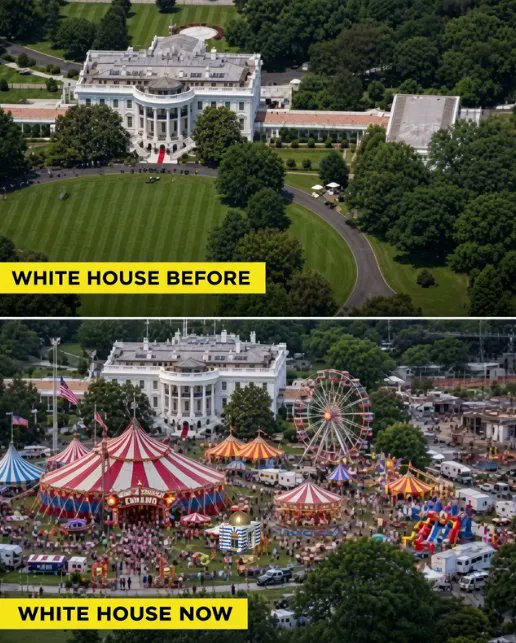
Every circus needs a clown.
1,185
4,872
38,038
443,354
@flight_fella🇪🇸🇭🇺🇺🇦🇪🇺🇬🇱 retweeted

Jun 13
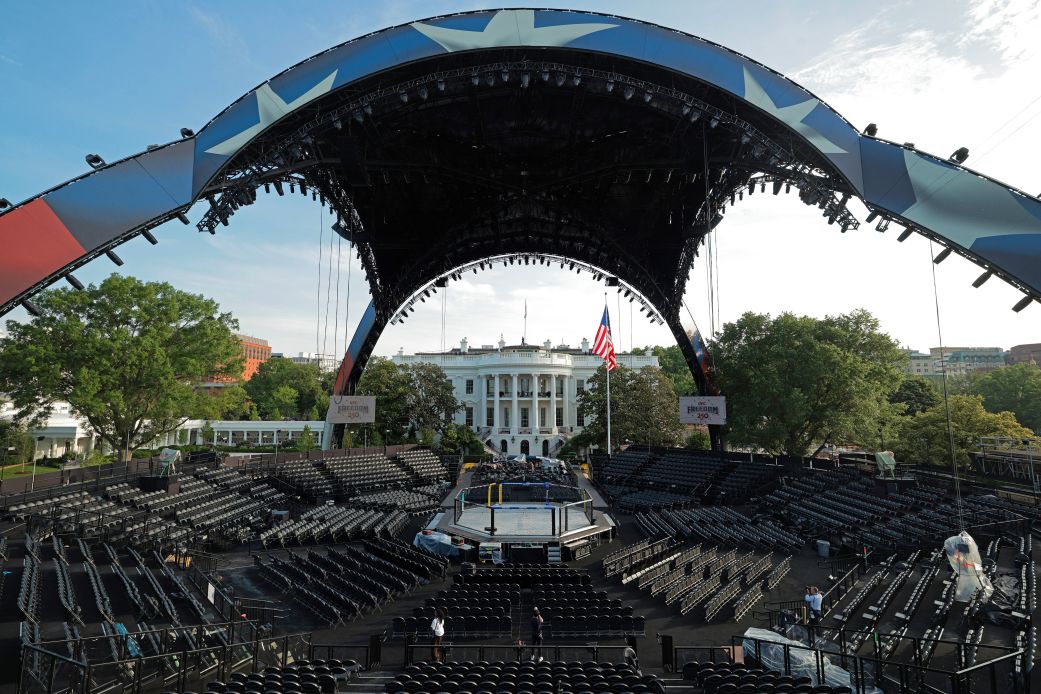
“When a clown moves into a palace, he doesn't become a king.
The palace becomes a circus.“
240
1,522
10,123
124,614
@flight_fella🇪🇸🇭🇺🇺🇦🇪🇺🇬🇱 retweeted

Jun 12
If you still think this is only Putin’s war and won’t affect you — watch this.
Head of the russian Ski Federation, 7-time Olympic champion:
“Drop a serious bomb on central London — and we’d be allowed back into international sports.”
This is mainstream thinking in russia.
293
2,014
4,761
125,116

@flight_fella🇪🇸🇭🇺🇺🇦🇪🇺🇬🇱 retweeted

The NYT bombshell confirms what we already know. It’s not conjecture. It’s not a fabrication. It’s not a “Hoax.” Donald trump is a child-raping pedophile & the entire republican party is engaged in the most massive coverup in history to prevent the world from realizing this fact.

884
7,903
14,688
117,294
@flight_fella🇪🇸🇭🇺🇺🇦🇪🇺🇬🇱 retweeted

Jun 12
Donald TRUMP IS A PEDOPHILE
Donald TRUMP IS A PEDOPHILE
Donald TRUMP IS A PEDOPHILE
Donald TRUMP IS A PEDOPHILE
Donald TRUMP IS A PEDOPHILE
Donald TRUMP IS A PEDOPHILE
Donald TRUMP IS A PEDOPHILE
Donald TRUMP IS A PEDOPHILE

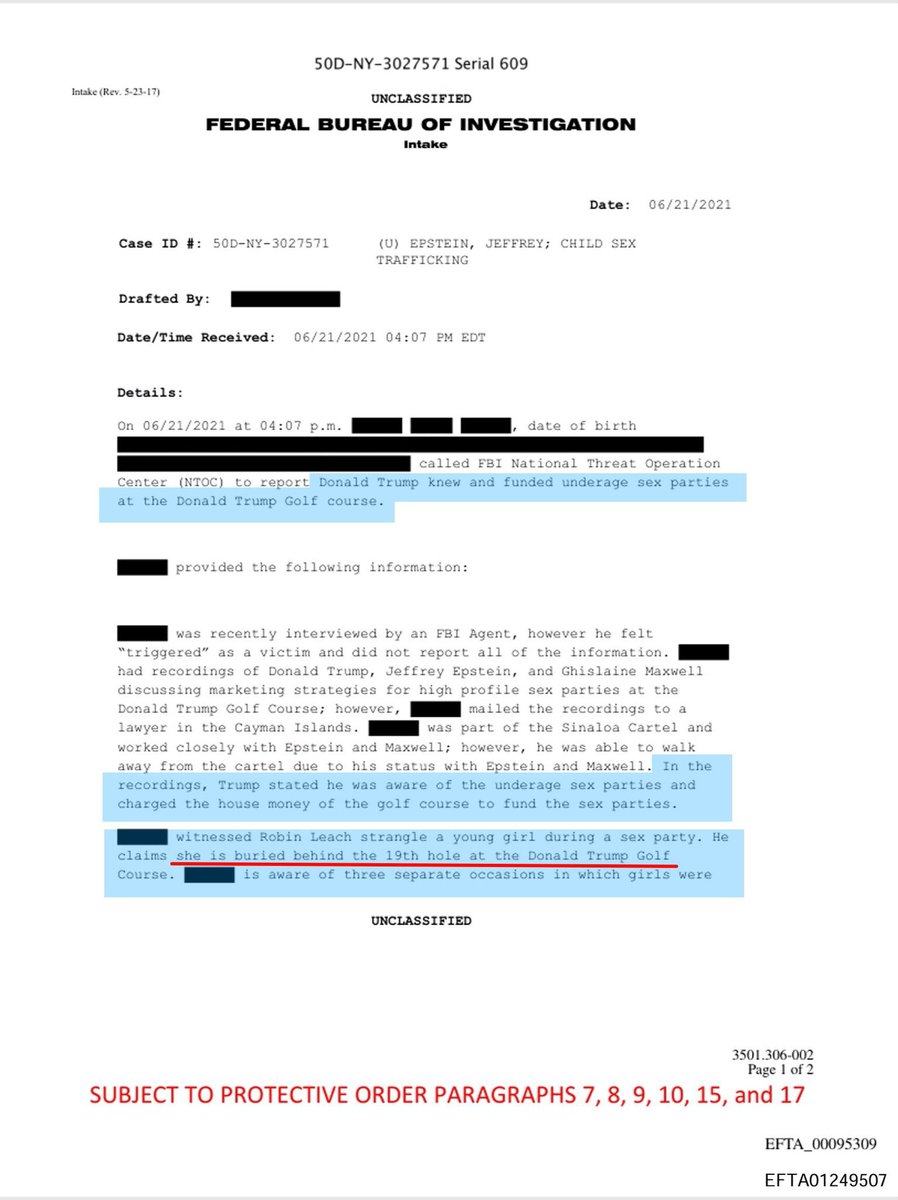
FBI: Trump knew and funded underage sex parties in Palm Beach.
You all dumb fuck elected a serial PEDOPHILE for President.
You are all PEDOPHILE PROTECTORS.
Shame on you.
117
2,448
5,192
54,112
@flight_fella🇪🇸🇭🇺🇺🇦🇪🇺🇬🇱 retweeted

Jun 11
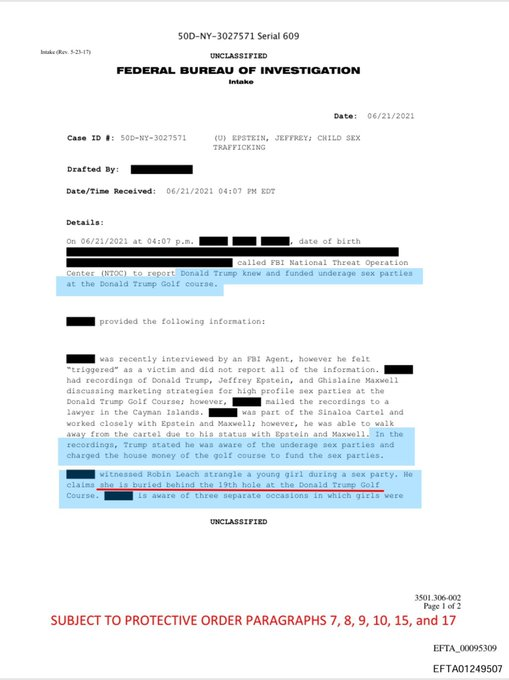
Via the FBI: Donald Trump knew and funded underage sex parties at the Donald Trump Golf Course.
107
2,133
4,961
64,128
@flight_fella🇪🇸🇭🇺🇺🇦🇪🇺🇬🇱 retweeted

Beaches in Sochi and nearby are almost empty, oil in the water and drones are flying.
Shame that Burger King supports Russian terrorists though.
28
196
742
5,265
@flight_fella🇪🇸🇭🇺🇺🇦🇪🇺🇬🇱 retweeted

Jun 10
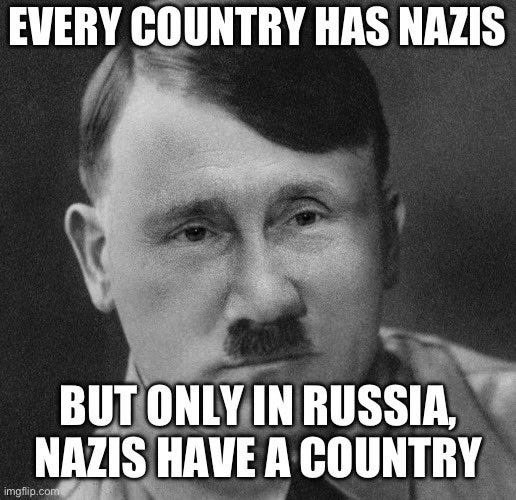
Every country has Nazis, but only in russia do Nazis have a country.
101
233
1,629
35,424
@flight_fella🇪🇸🇭🇺🇺🇦🇪🇺🇬🇱 retweeted
Jun 10
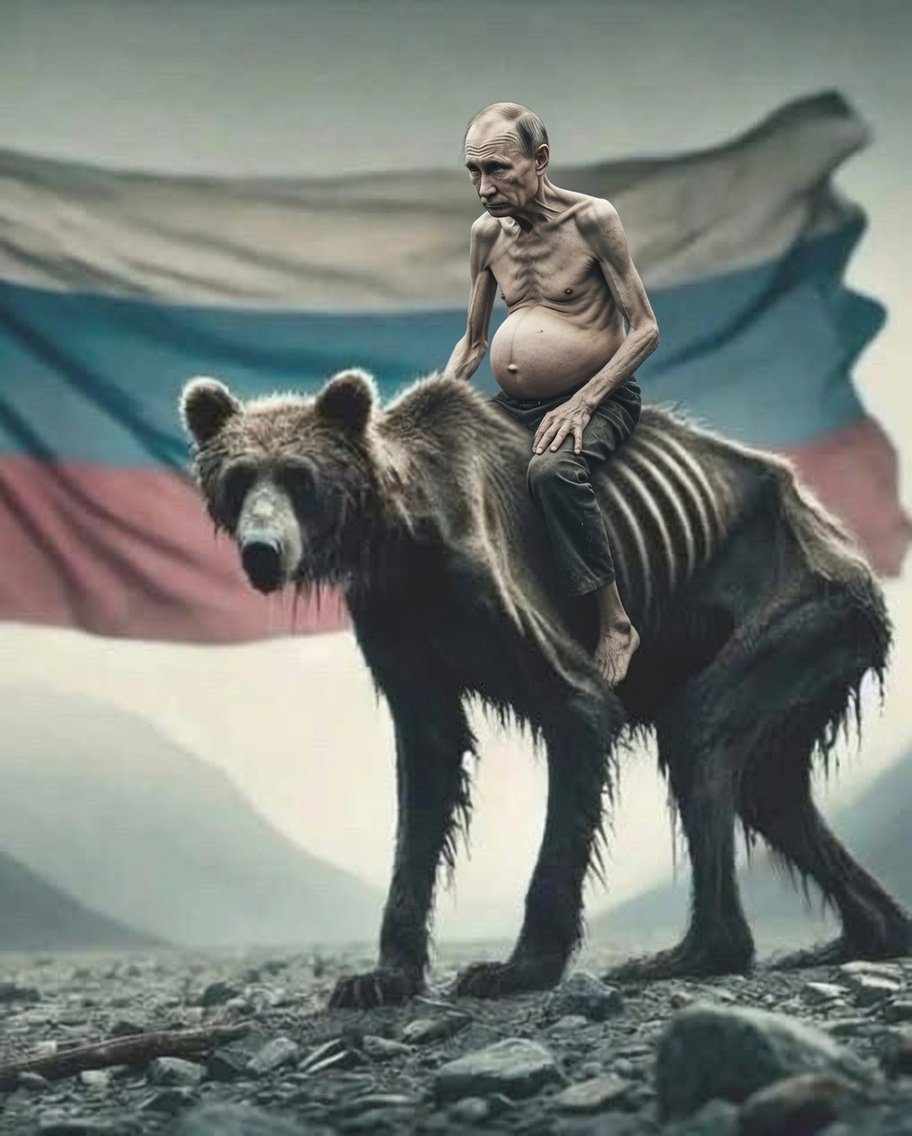
Hey @mfa_russia, do what's best for yourselves, withdraw from Ukraine and surrender.
134
1,332
6,462
61,461


@flight_fella🇪🇸🇭🇺🇺🇦🇪🇺🇬🇱 retweeted

May 31
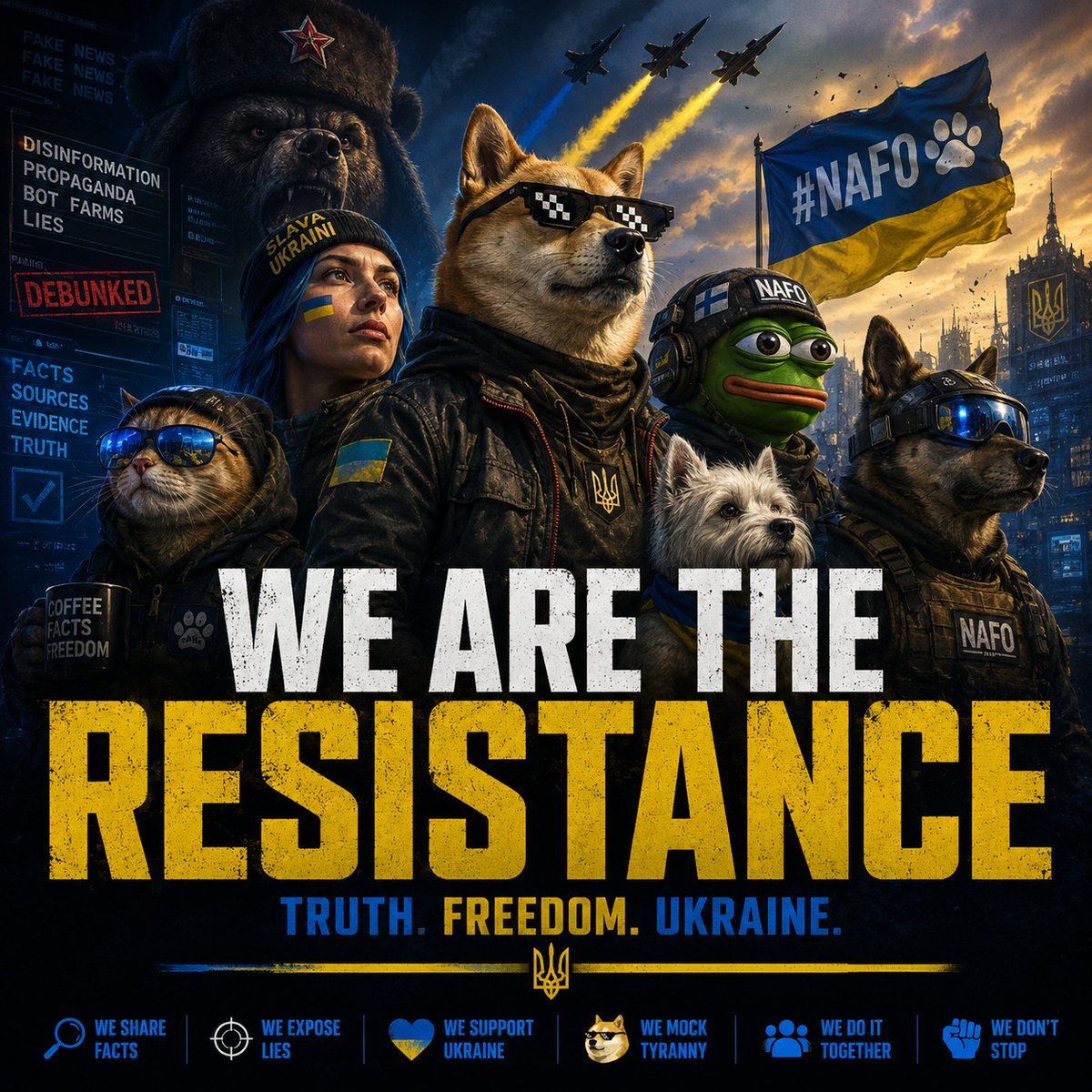
They have bot farms.
We have each other.
We are the resistance.
They spend billions on propaganda.
We ruin it for free. 😎✌️
1
17
45
429
@flight_fella🇪🇸🇭🇺🇺🇦🇪🇺🇬🇱 retweeted
🇺🇦 🎞️ Új @freeonis videó! 😊
Egy tökéletes összefoglaló putyin háborújáról. 👏
#UkraineRussiaWar
1
5
21
564
@flight_fella🇪🇸🇭🇺🇺🇦🇪🇺🇬🇱 retweeted

May 31
NAFO Meme Movie Time 🍿 🎥
Or How I Learned To Stop Worrying And Love The Bonk
2
26
74
1,005
@flight_fella🇪🇸🇭🇺🇺🇦🇪🇺🇬🇱 retweeted

May 30
Euro-Office launches June 9: Europe’s open-source challenge to Microsoft
On June 9, a coalition of European tech companies will release Euro-Office 1.0 to the public, a browser-based productivity suite built explicitly to break the continent’s dependence on American software platforms.
The project brings together IONOS, Nextcloud, Eurostack, XWiki, OpenProject, Soverin, Abilian, BTactic, OpenXchange and Office.eu, a broad front of European firms that have decided collaboration beats competition when the shared enemy is a Washington-state monopoly worth trillions.
Euro-Office consists of four browser-based applications: a document editor, spreadsheet program, presentation tool, and a PDF editor, each enabling real-time collaborative editing. It supports Microsoft Office formats DOCX, PPTX and XLSX, as well as Open Document Format files.  In other words, you can open your existing files and get to work without a conversion headache.
The software is based on a fork of OnlyOffice’s open-source codebase, enhanced to meet the consortium’s goals of transparency, interoperability and long-term sustainability. That foundation comes with baggage: controversy already surrounds the software, with a licensing dispute over branding removal from the OnlyOffice codebase , though reports indicate the dispute has been resolved in Euro-Office’s favor.
The timing is not accidental. Euro-Office launches as European countries seek alternatives to American technologies amid deteriorating relations with the Trump administration. National and local governments in France, Germany, and Austria have already moved or pledged to move away from Microsoft software, driven by concerns over data privacy and US laws such as the Cloud Act, which compels American companies to hand over data to US law enforcement on request. 
For its first stable release, the development team has focused on improving the software’s underlying architecture, cleaning up source code, translating Russian-language code comments into English to support broader international collaboration, and implementing automated testing systems. 
Whether Euro-Office becomes a genuine challenger or remains a niche tool for the sovereignty-minded will depend on one thing: whether it actually works as well as the product it wants to replace. That answer arrives June 9.
Gandalv / @Microinteracti1
11
24
99
6,649