
The future is education & science, Renewable energy, EV’s water rights for the environment, wildlife & marine conservation, no CSG. I support Ukraine 🇺🇦
Joined January 2009
- Tweets 110,531
- Following 2,311
- Followers 1,856
- Likes 114
2,373 Photos and videos








#insiders AUKUS was conceived under Morrison; it was always going to be a shitshow.
4
17
173
Basil Brush🦊 retweeted

Nothing Trump says can be taken at face value.
He lies, he distorts, he exaggerates, he looks after his oligarchs and family with special deals.
Trump has presided over chaos and loss of USA leadership and distrust. The decline of another empire.
#insiders

3
4
110
Which means no standard at all

On Pauline Hanson: Raf Epstein on #Insiders nails it - "the media hold her to a different standard."
Which is to say, no standard at all.
We've never had a detailed policy interview with Hanson. And a rare policy question sees Pauline unravel.
5
97
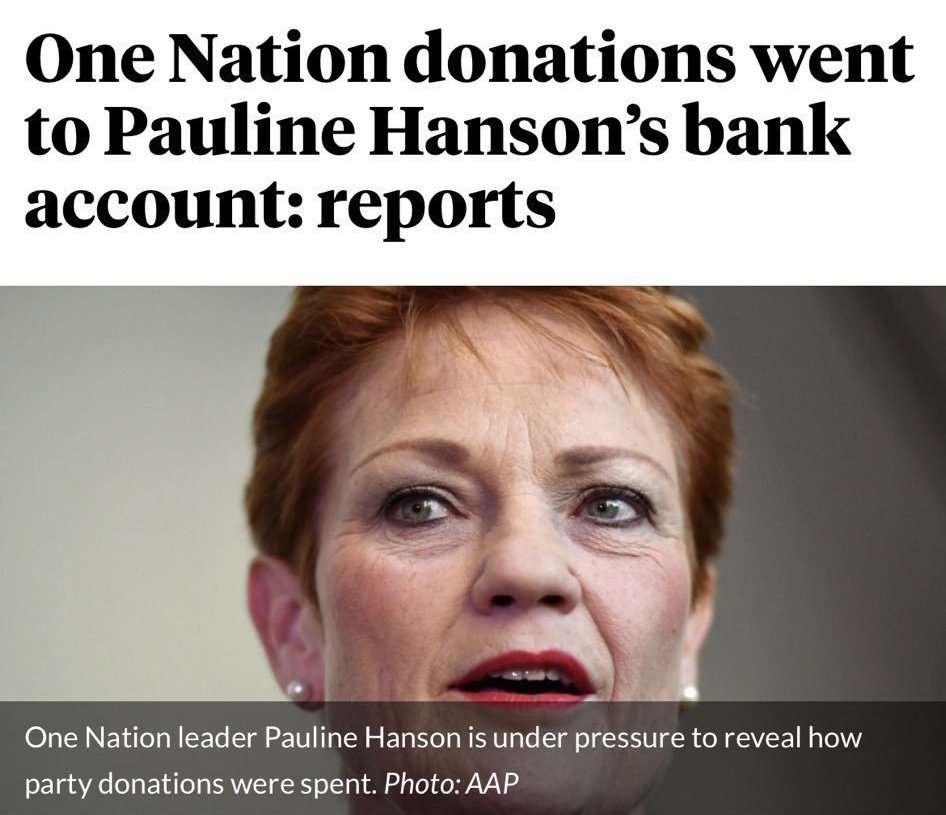
#insiders She is taking her cues straight from Trump. Follow the money.

1
2
128
#insiders, he’s an idea. Perhaps the local council should manage the NDIS and daycare, receiving financial support from both the state and federal governments. This would eliminate much of the corruption associated with privately run businesses in these areas.
1
1
6
137
#insiders The NDIS concept is great, but it has been targeted by ruthless shonks exploiting vulnerable people. It needs to be reined in.
1
4
16
140
Absolutely concocted bullshit outrage.

12
Basil Brush🦊 retweeted

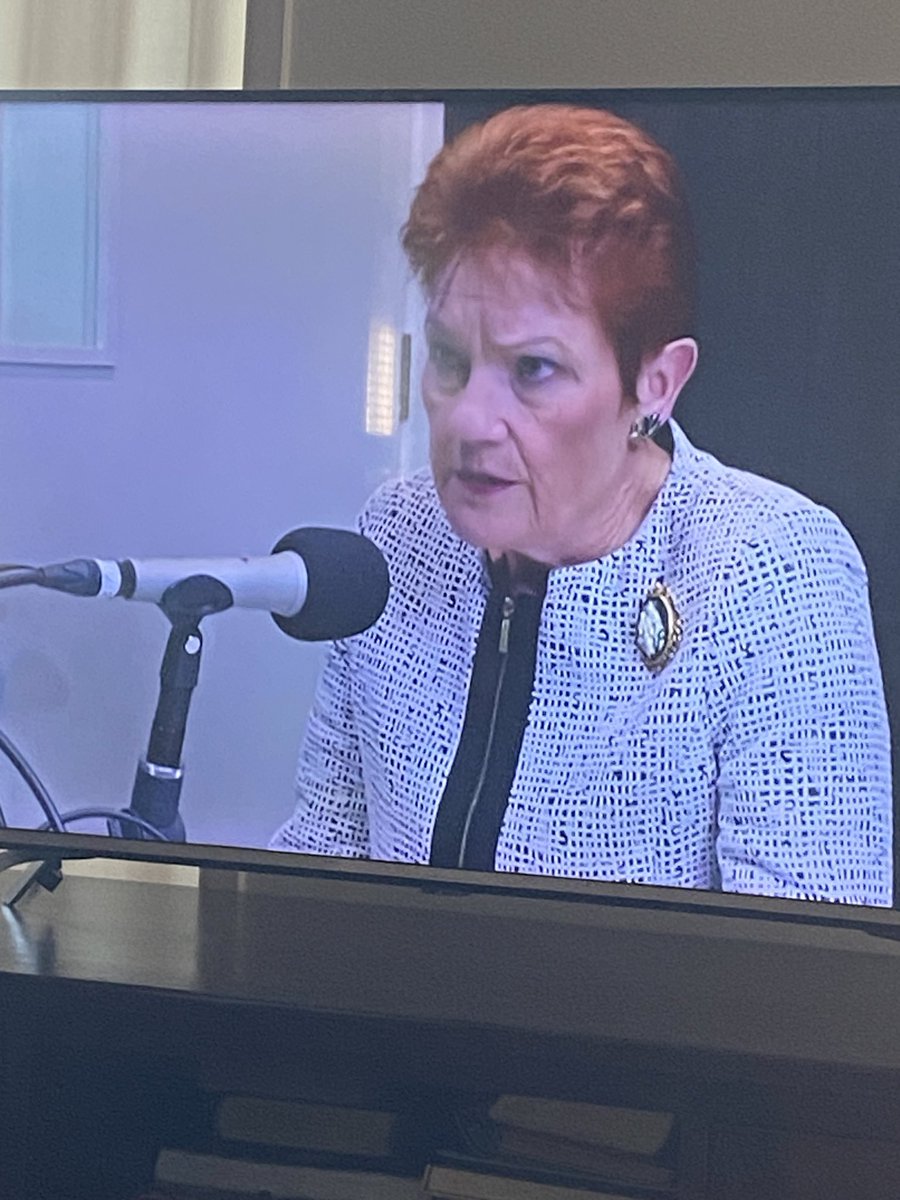
“It’s a movement like Trumps MaGA movement “ right on Waleed ! One Nation is the wannabe trump movement that attracts a whole lot of people but is it just a big “Noise” but no conviction and pathetic policies — trashy bogans want to run Australia 🤮
Wake up Aussies
#insiders

196
174
555
35,052
Basil Brush🦊 retweeted

Pauline will solve the One Nation problem herself, by opening her mouth in environments such as the Press Club and elsewhere where she is not surrounded by sychophants
#insiders
5
4
16
484
#insiders It’s only a matter of time before the extreme right-wing One Nation crumbles. Their policies are incoherent and they’re dictated by oligarchs. Frankly, their message is nothing more than racist dog whistling.🤡
5
27
587
Basil Brush🦊 retweeted

10h
The Liberal Party hasn't ruled out getting into bed with the neo-fascist & racist One Nation rightwing extremist party. Surely that's enough to rule out voting for the Liberals. If not, how extreme do they need to get before they're ditched? #insiders
2
4
7
173
Basil Brush🦊 retweeted

Jun 12
Why doesn't every parking lot get a #solarpower upgrade?
We have so many solutions to this crisis. Stop the delays and vote for a leader that will implement them. #ActOnClimate #vote
#ClimateEmergency #Climate #energy #renewableenergy #renewables #GreenNewDeal
12
111
234
3,121
Bet they are MAGA.

🚨 UPDATE: 8 people charged in Sex Ring “Underground Bunker” for Paying adults to Rape their Children and Pets — Ages 3-16. Trial delayed as mom pleads guilty and flips on co-defendants
In Bibb County, Alabama, eight suspects ran a sex trafficking ring out of an underground bunker where children as young as 3 were drugged, bound, and raped with adults paying to abuse them.
Animals were also targeted.
Rebecca Brewer and mother of some of the victims, pleaded guilty to sexual torture and nine counts of first-degree kidnapping. As part of the deal she agreed to testify against the other seven defendants.
The trial for the remaining suspects has been delayed while the case expands, including a federal investigation into at least one of them.
These monsters turned their own kids and pets into victims for profit.
How long will it take for every last one of them to face real justice?
1
13


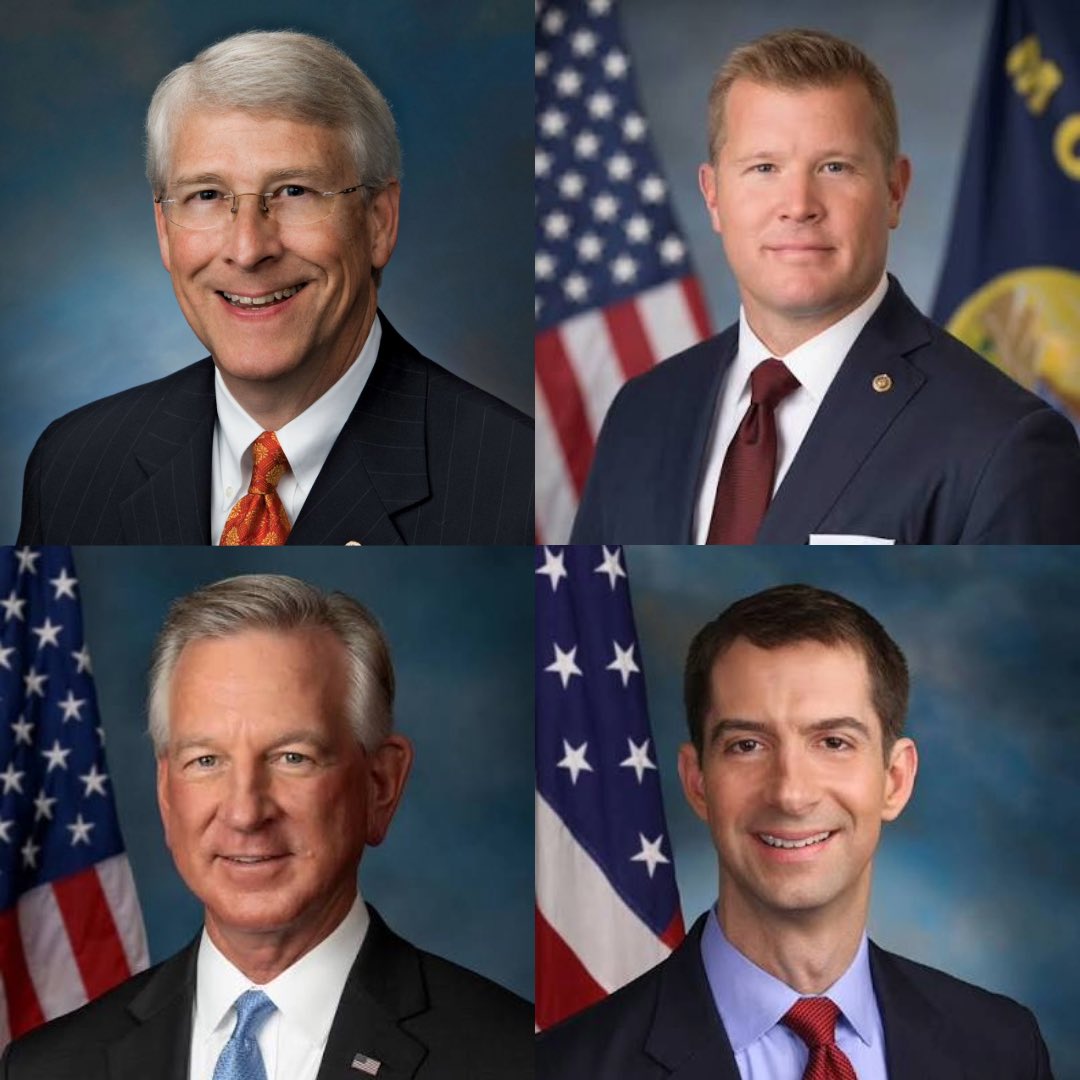
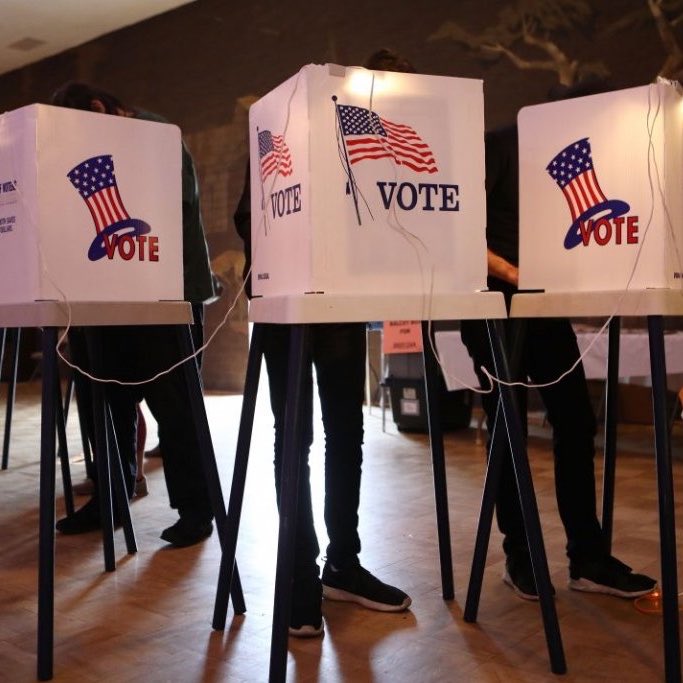
BREAKING: In a shocking maneuver, Senate Republicans just BLOCKED a Democratic effort to BAN federal troops from entering polling stations or seizing ballots or voting machines. Makes you wonder what they’re planning this November…
849
9,060
14,864
235,879
Basil Brush🦊 retweeted

Jun 12
حاولت اسرائيل خداع العالم وإظهار أن الطبيب حسام أبو صفية بصحة جيدة عبر حلاقة وتصفيف شعره ولكن ولسوء حظهم تم كشف الحقيقة
أثار التعذيب الوحشي والضرب واضحة بشدة على جسده
فضح هذا الإرهاب واجب على كل حر حول العالم
571
17,612
30,609
625,717
Cooker time out 😎

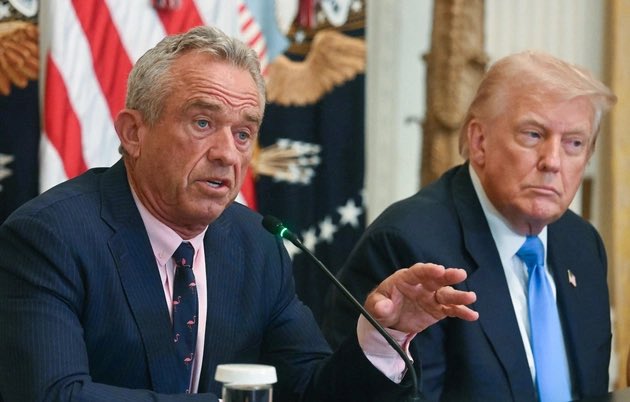
It looks like RFK, Jr is completely done with Donald Trump and is ready to leave the Trump Administration!
According to White House sources, RFK, Jr will probably announce his departure after the July 4th White House event, saying that he feels "played and humiliated" by the Donald Trump Jeffrey Epstein scandal and his connection to Big Pharma.
If this is true, what do you say to RFK, Jr?
4
Basil Brush🦊 retweeted

Jun 12
Indonesia’s growing EV fleet is saving billions from the oil price shock thedriven.io/2026/06/12/indo…
1
25
59
1,201
Bad luck Trump, DirtyCoal is finished

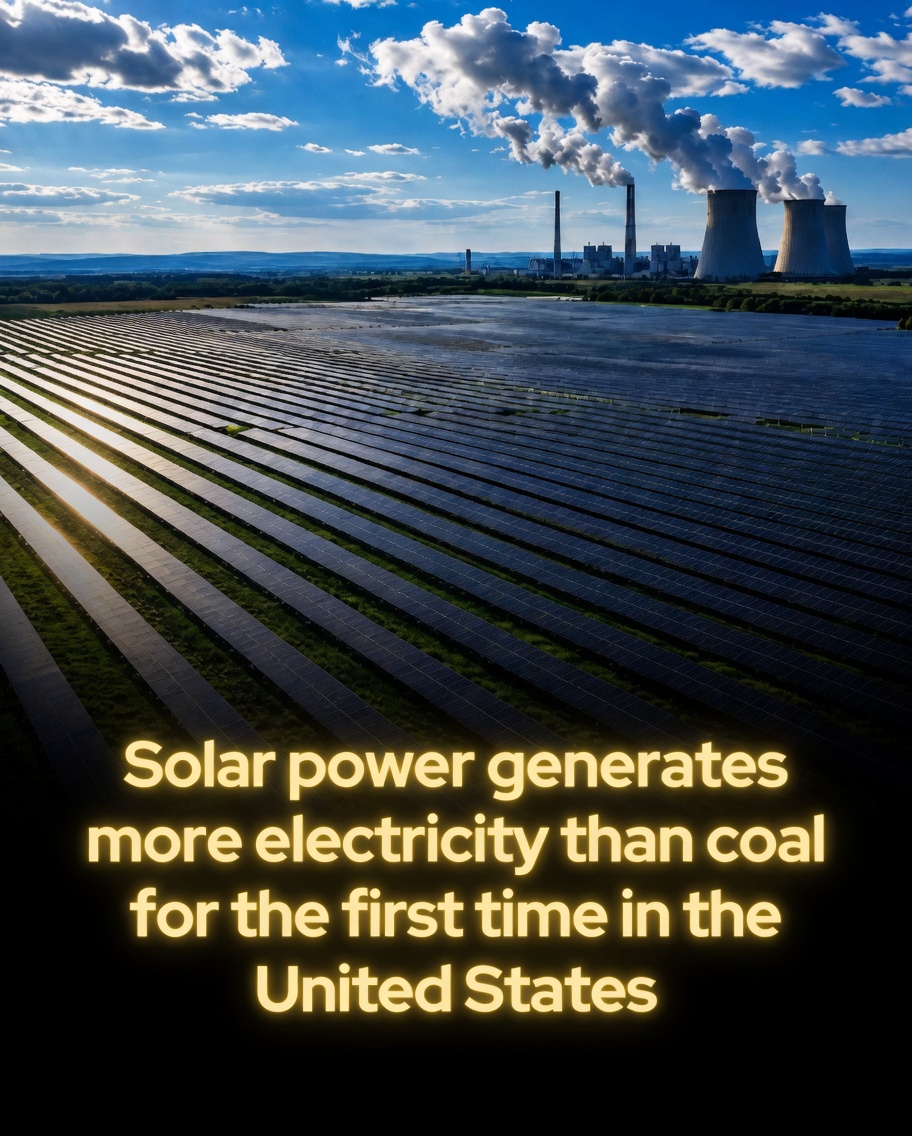
For the first time ever, solar energy has generated more electricity than coal in the United States. In the most recent month reported, solar power accounted for 12.8% of total U.S. electricity production, narrowly surpassing coal’s 12.2% share, according to energy research organization Ember.
This milestone represents a dramatic turning point for a technology once dismissed as a niche or experimental source of power.
The transition has occurred at remarkable speed. Over the past five years, coal-generated electricity has fallen by nearly half, while solar output has more than doubled. Sharp declines in solar panel costs, technological improvements, and a surge in domestic and global manufacturing capacity have propelled solar from a marginal contributor to one of the fastest-growing sources in the American energy mix.
Coal powered the United States for more than a century, fueling homes, factories, and economic growth. However, it remains the most carbon-intensive major energy source and a significant contributor to air pollution. Solar’s ascent signals a broader transformation in the nation’s electricity system, where a once-costly alternative is now competing head-to-head with traditional fossil fuels on both price and scale.
Analysts note that this record may be short-lived in the sense that it will likely be broken again soon. Solar generation typically reaches its annual peak during the sunnier summer months, suggesting even stronger performance ahead.
While natural gas continues to be the single largest source of U.S. electricity, solar has now firmly established itself as a major pillar of the country’s power supply. Just ten years ago, the notion that solar energy would outproduce coal would have seemed improbable. Today, it is reality.
11

🌩 An incredible sunset over Nebraska is going viral online
The footage was captured today in Sidney, Nebraska, during a powerful storm.
The photographer managed to capture a massive supercell — one of the rarest and most spectacular types of storm clouds. These systems are often responsible for the strongest tornadoes, giant hail, and extreme rainfall.
Looks more like a scene from a disaster movie than real life.
Community note
This video has been stolen from @WxMstrr. Here's the link to the original - x.com/i/status/20645…
150
1,632
8,589
257,279