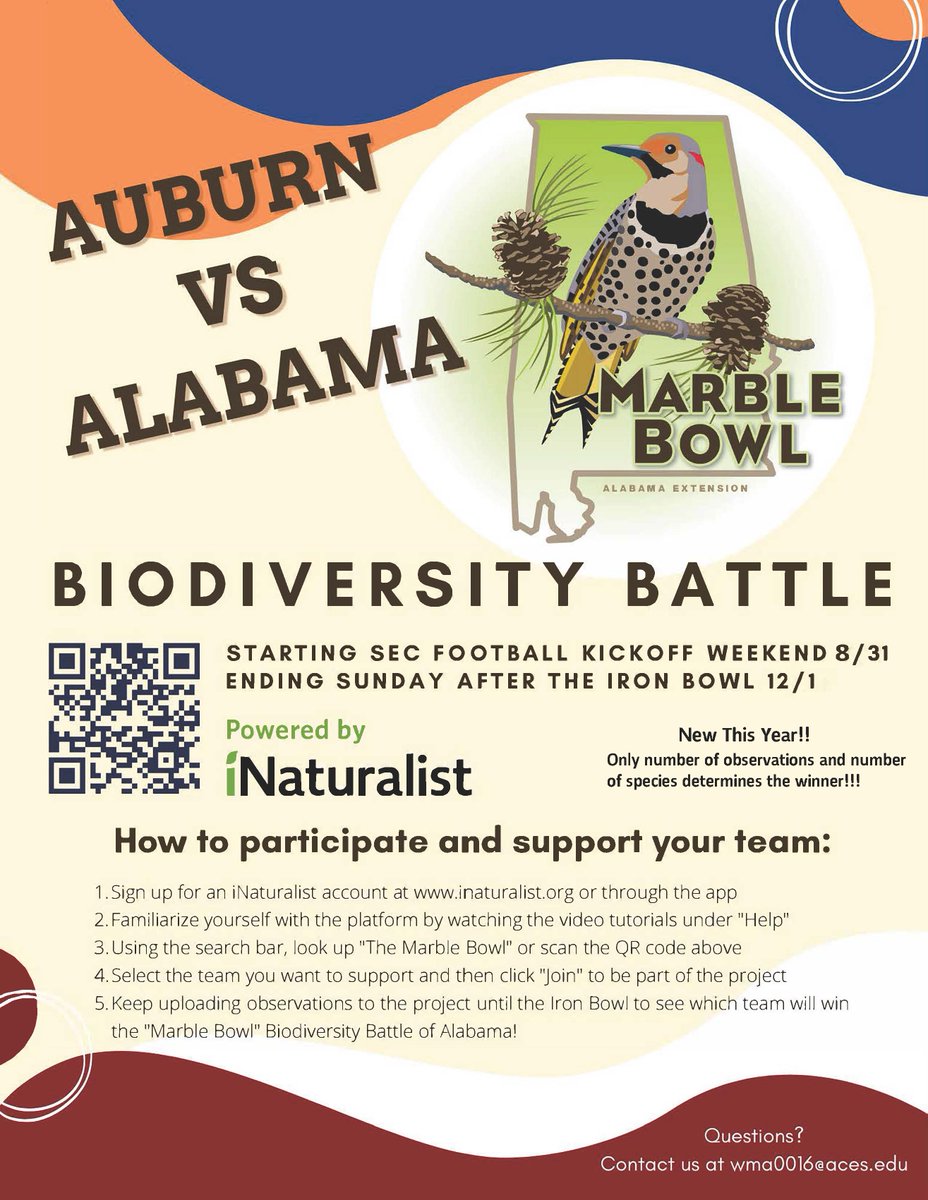
On January 22 from 2:30 pm until 4:00 pm, visitors aged 55 or older are invited to @uamnh's Grand Gallery for a free event to learn how to recognize local birds through size, shape, and color and how to use bird watching tools!
REGISTER: ➡️ bit.ly/40ilGeTamnh
The Alabama Museum of Natural History is thrilled to partner with @kulturecity to enhance our ability to assist and accommodate guests with sensory needs. Our goal is to provide an inclusive experience for all guests during all events.
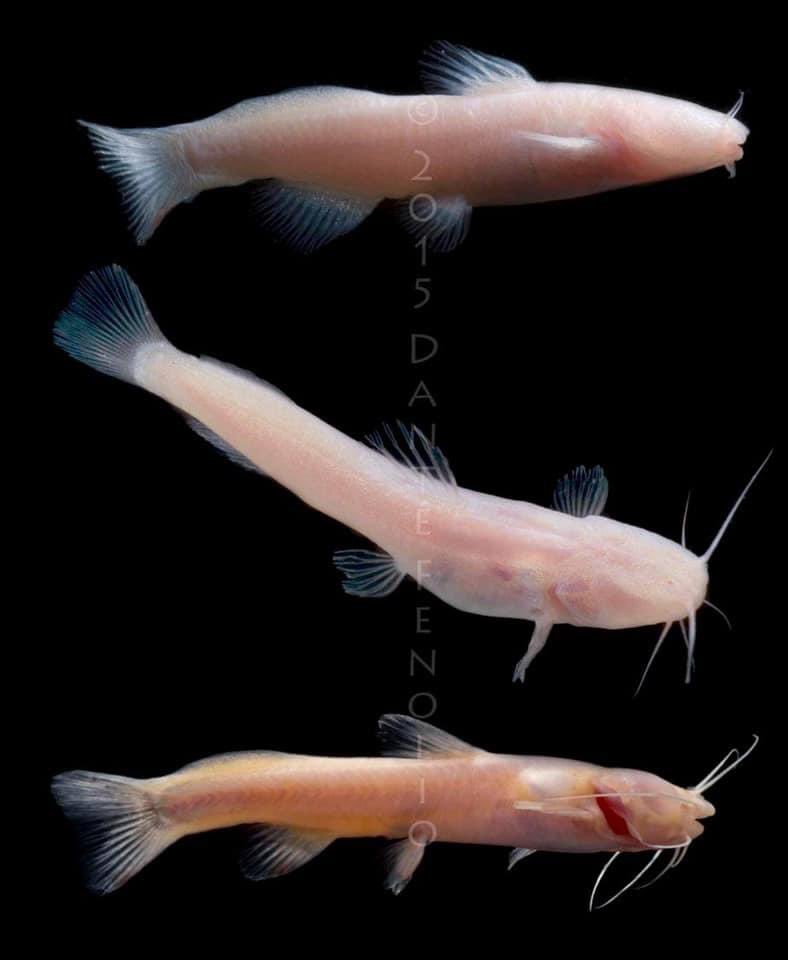
More groundwater biodiversity…. I am thankful for the world's blindcats, here are three species: The Mexican Blindcat (Prietella phreatophila) -top, the Brazilian Blindcat (Rhamdiopsis species) –middle, the Chinese Blindcat (Xiurenbagrus dorsalis) –bottom.
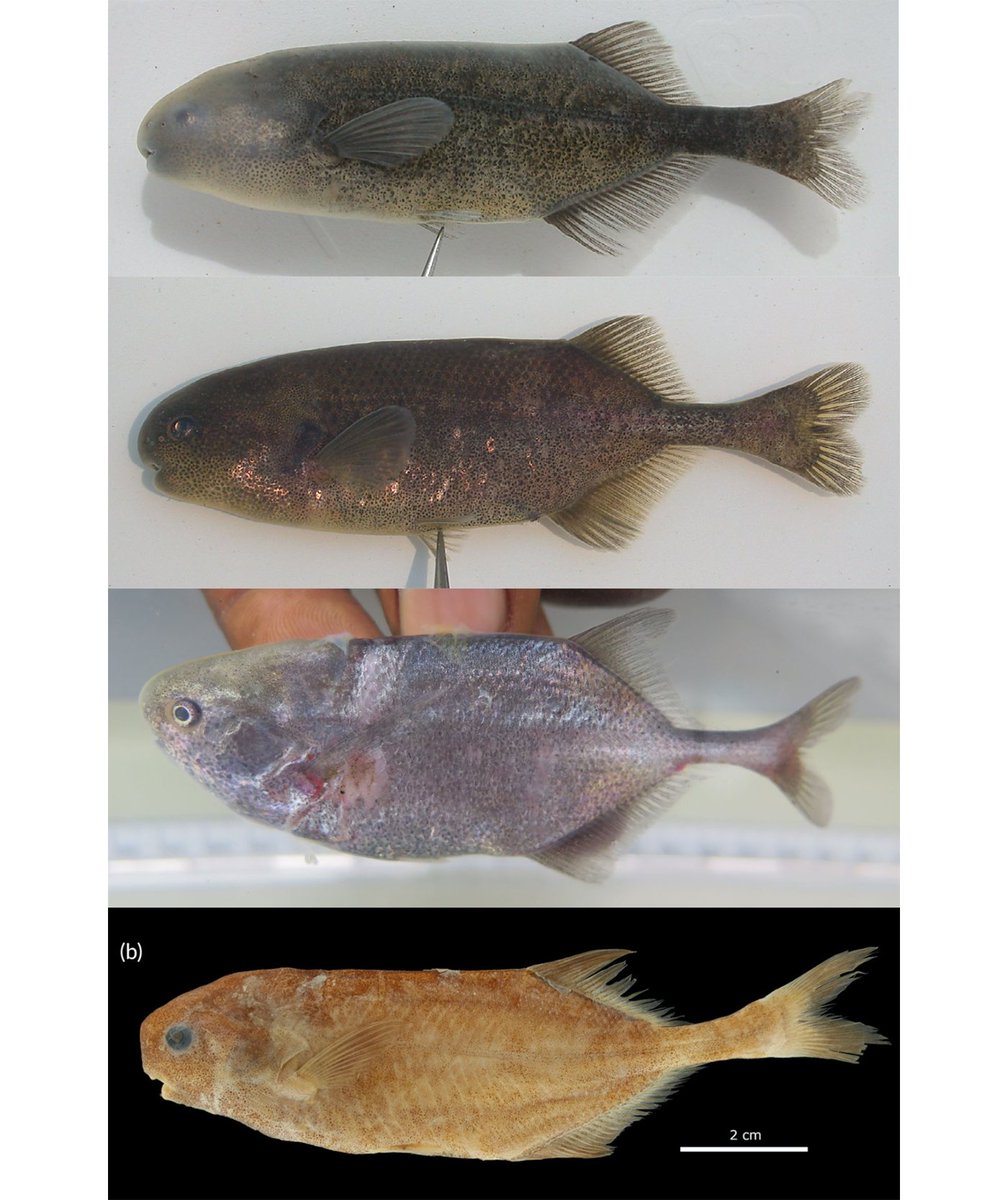
ALT Dierickx, K., Wamuini Lunkayilakio, S., Bills, R., & Vreven, E. (2024). Morphometric synthesis of 𝑃𝑜𝑙𝑙𝑖𝑚𝑦𝑟𝑢𝑠 (Teleostei, Mormyridae) with the description of four new species. Journal of Fish Biology, 1–47. https://doi.org/10.1111/jfb.15983
Welcome back to #Fossilfriday
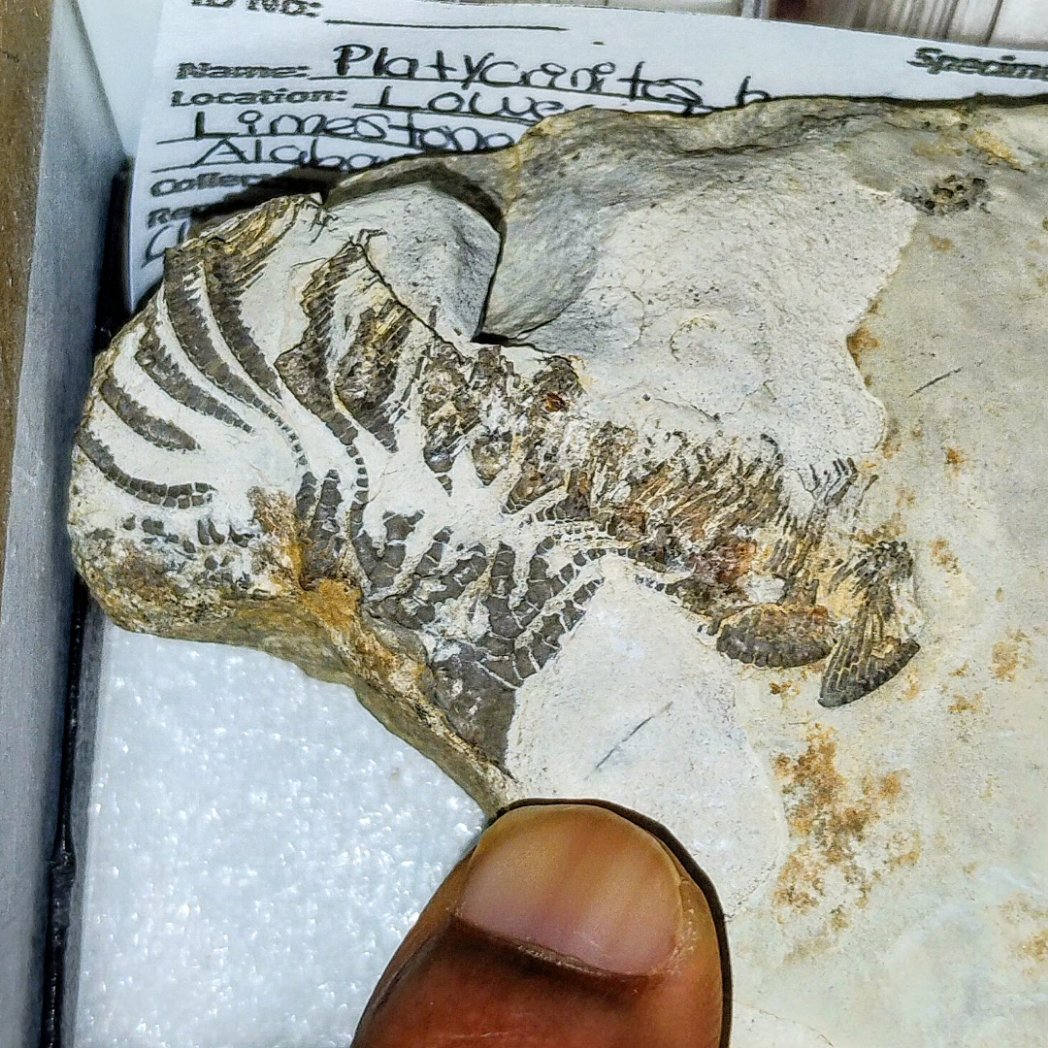
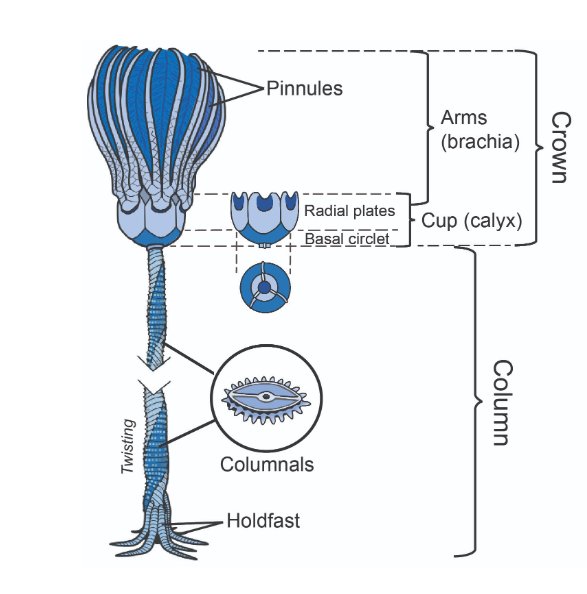
Here is the partial calyx of the crinoid Platycrinites huntsvillea. This specimen comes from the Lower Carboniferous (Upper Mississippian) Lower Monteagle Limestone Formation in Alabama. The arms and pinnules are decently preserved.
Happy fossil Friday everyone!
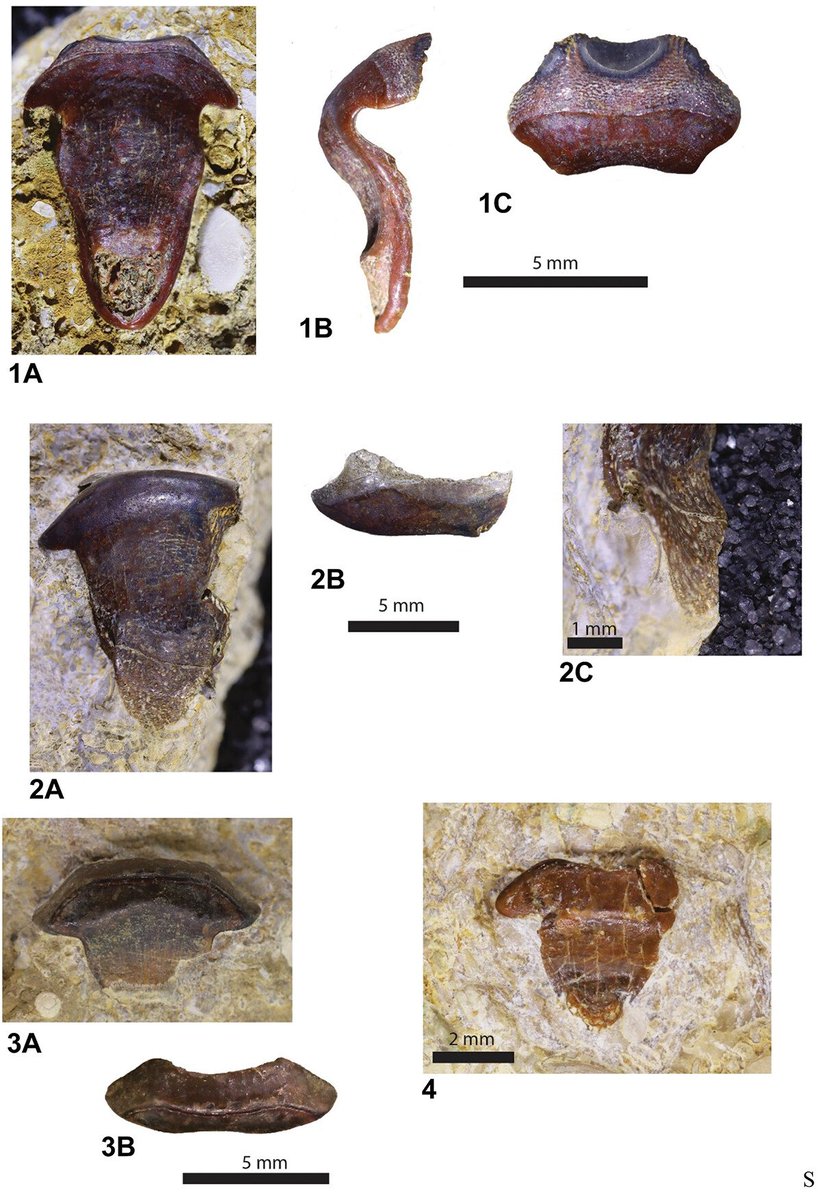
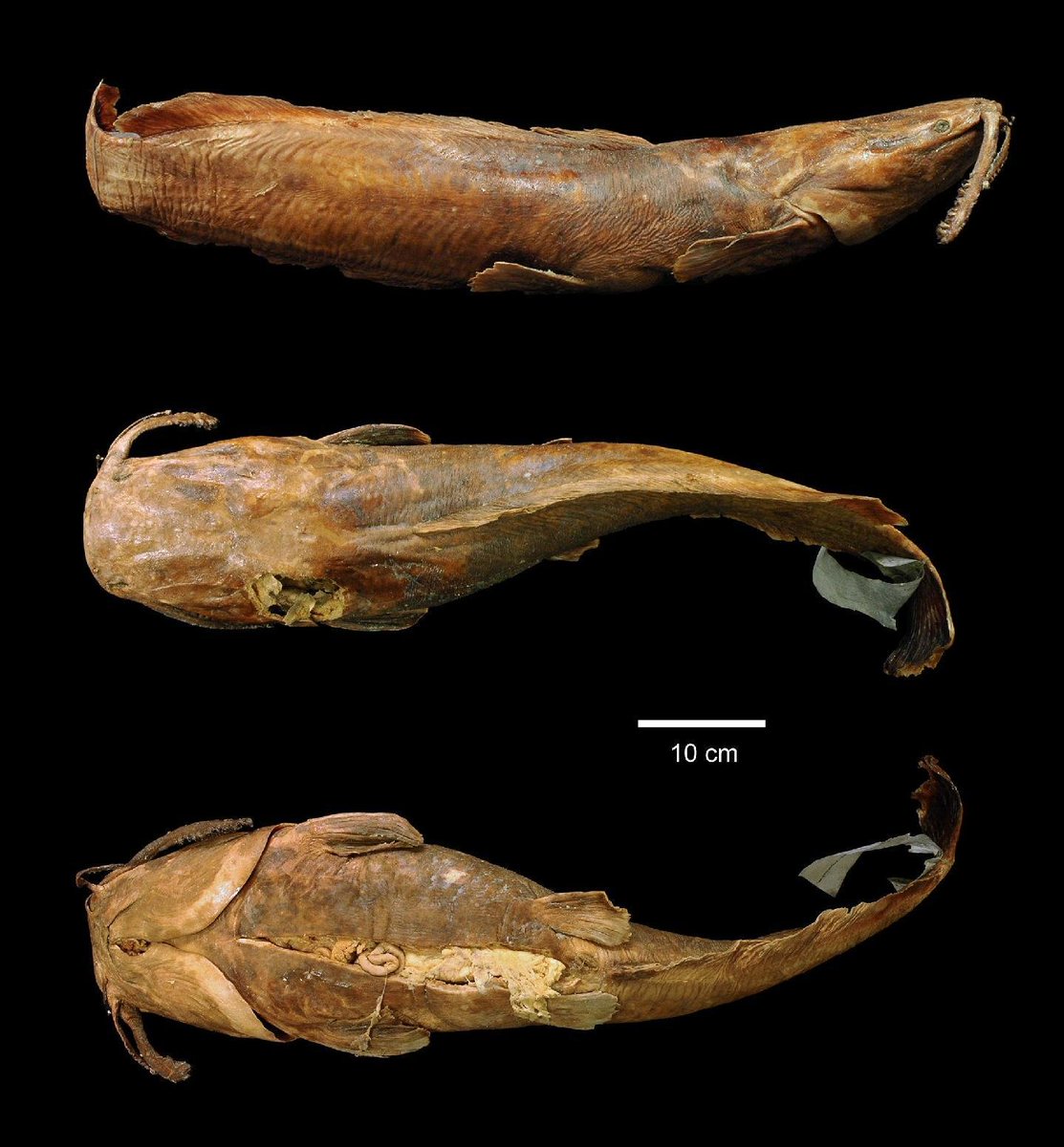
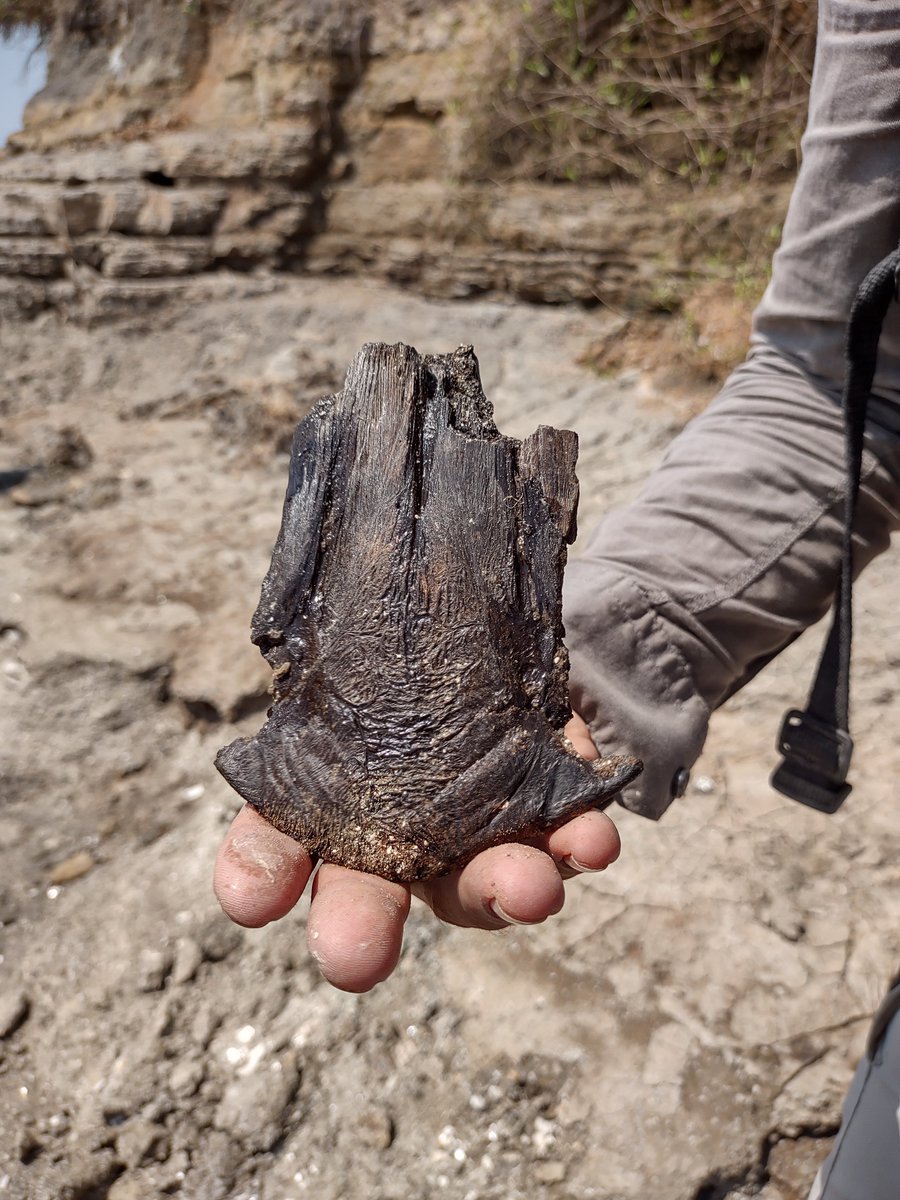
Here is a bony head plate of a giant catfish from the Miocene Pebas wetland system of Peru. Believed to be roughly 13 million years old, recovered from the Napo River.
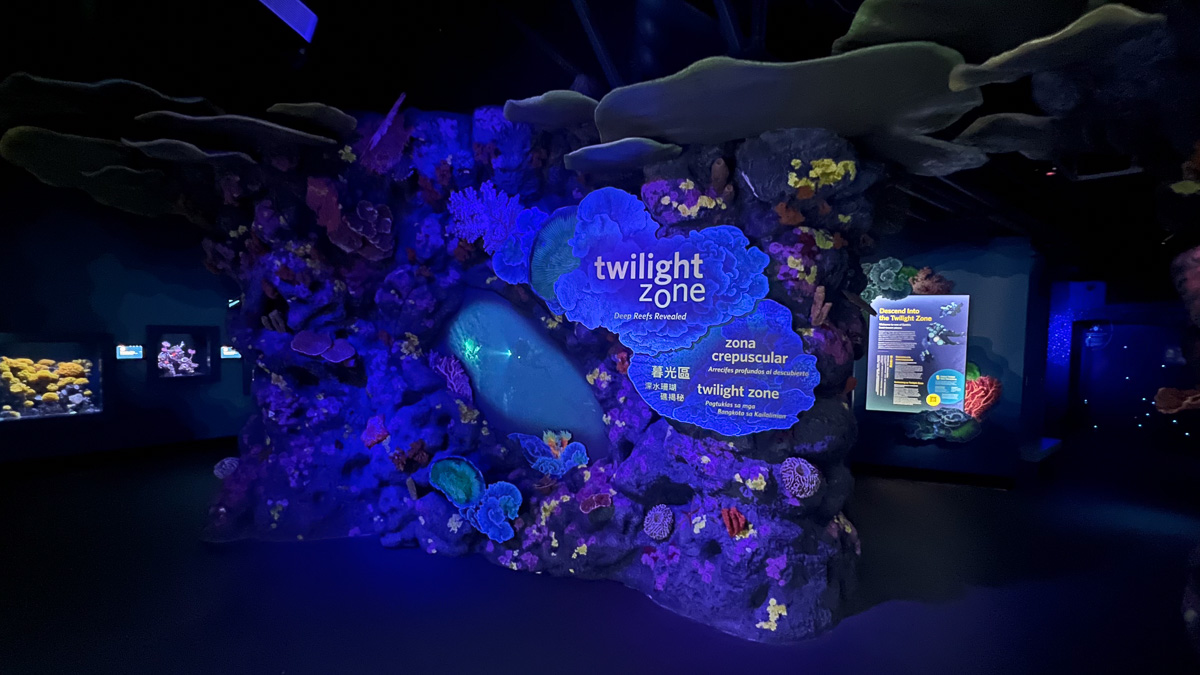
Big news everyone! After a few months undergoing an extensive renovation, the @calacademy Twilight Zone exhibit reopened today! And it looks fantastic! Some amazing new stars were added, and our old friends are doing great. Come check it out if you are in San Francisco!
Paper alert 🐠!!!
We investigated the evolutionary patterns of seahorses, goatfishes, dragonets, flying gurnards (Syngnatharia) across different oceans.
journals.uchicago.edu/doi/10…
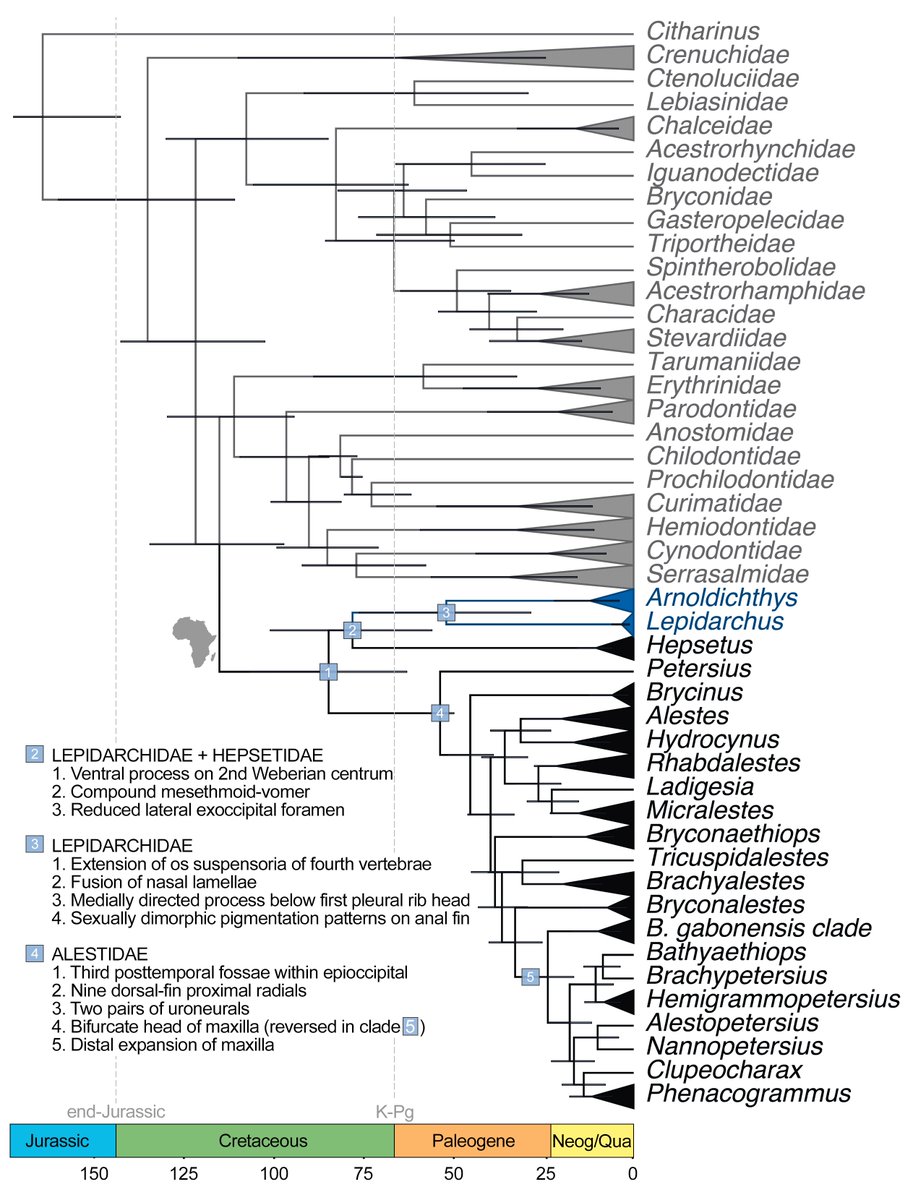
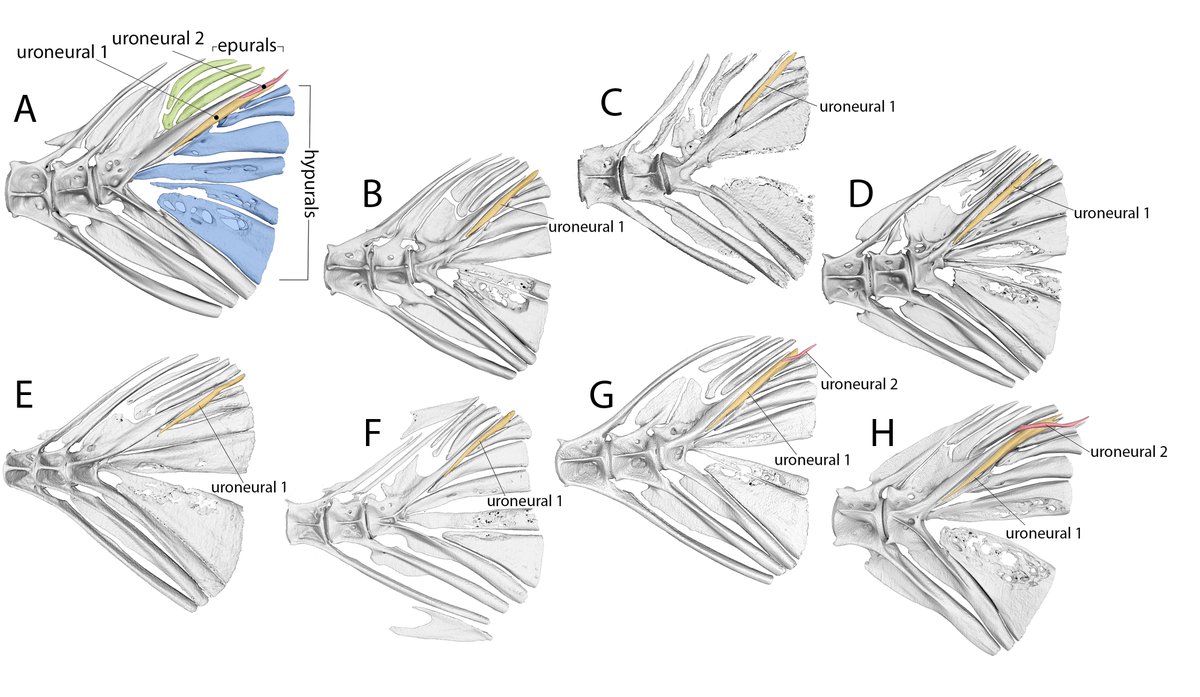
The final version of our paper is out: Phylogenomic and anatomical evidence for the Late Cretaceous diversification of African characiform fishes, including a new family, under the influence of the Trans-Saharan Seaway: doi.org/10.1093/evolinnean/k…
The Rough Fish Revolution
“Fisheries scientists are only now coming to understand the important roles native “rough fish” play in freshwater ecosystems across North America—even as these long-maligned species are increasingly at risk. @bioGraphicbiographic.com/the-rough-fis…
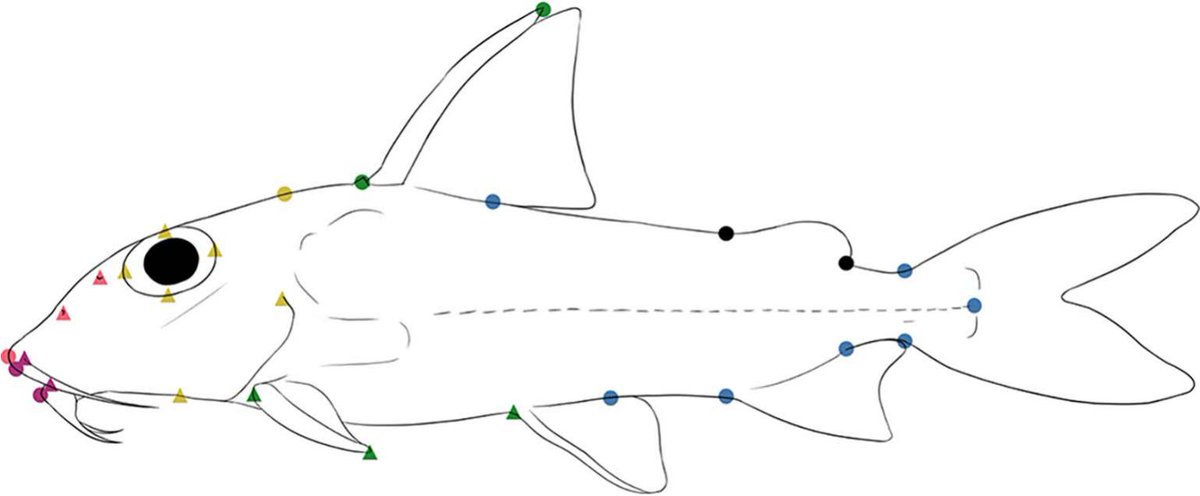
ALT Landmark scheme shown on the left side of a representative catfish. Paired landmarks (triangles) were digitized as two separate right and left landmarks, while medial landmarks (circles) were digitized once. Colors correspond to body regions analyzed for differential rates and modularity: purple = mouth (mouth anterior, mouth left and right, mouth posterior); red = snout (tip of snout, anterior nares, posterior nares); yellow = cranial region (anterior, medial, posterior, and lateral points of the eyes, dorsal and ventral extent of the opercle opening, posterio-medial supraoccipital); green = abdomen (dorsal-, pectoral-, and pelvic-fin origins, dorsal- and pectoral-fin tips); blue = tail (dorsal-fin insertion, cloaca, anal-fin origin and insertion, dorsal and ventral procurrent caudal-fin rays, end of vertebral column). Black dots indicate adipose-fin landmarks, which are absent in many species and not included in comparative analyses.
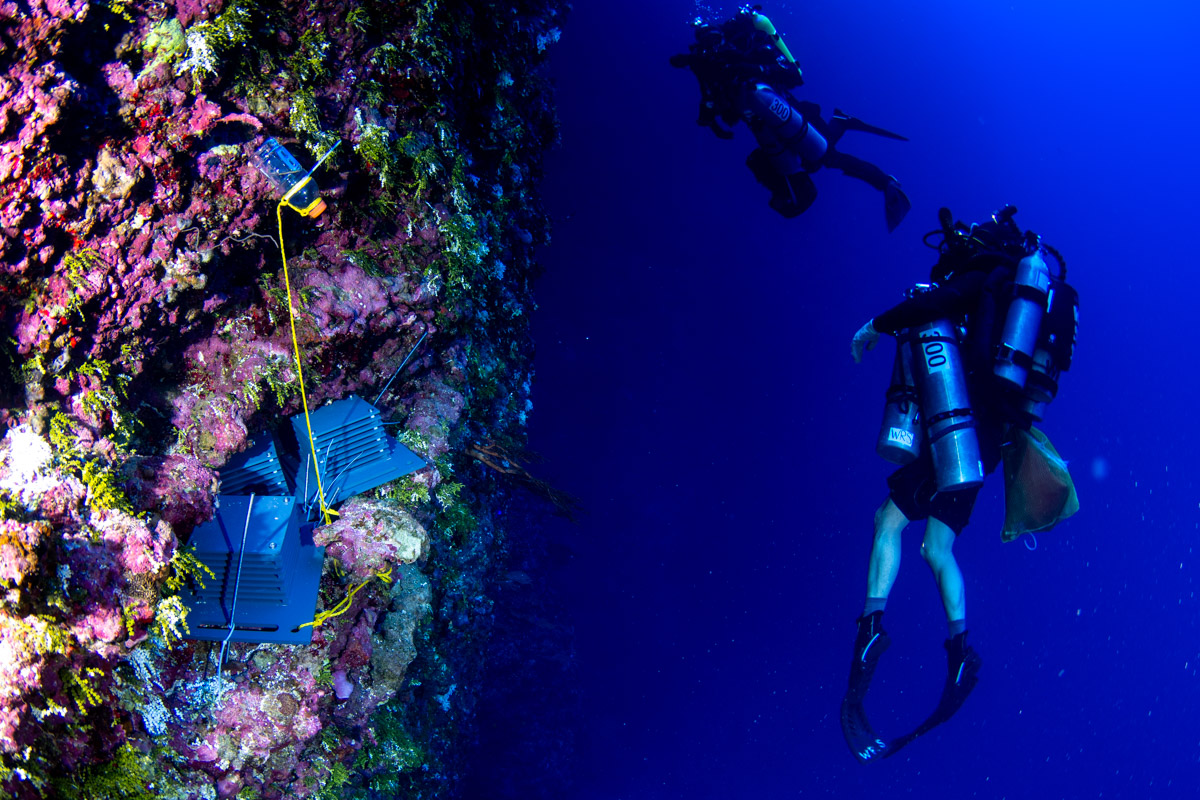
I'm hiring a coordinator for our #mesophotic Autonomous Reef Monitoring Structures (ARMS) program! This exciting new project will generate unprecedented amounts of information about the biodiversity of deep reefs in the Pacific. Spread the word! us242.dayforcehcm.com/Candid…
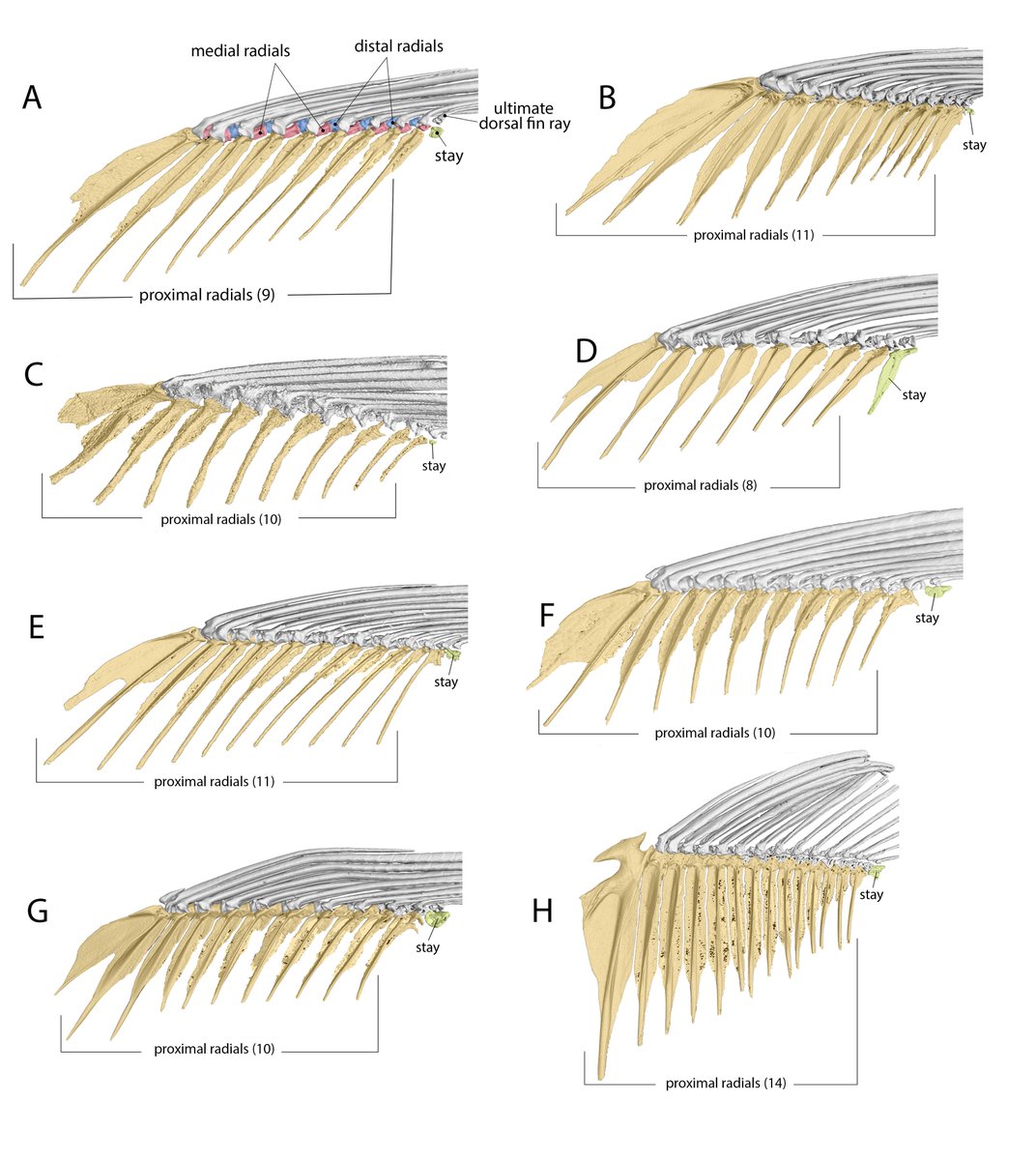
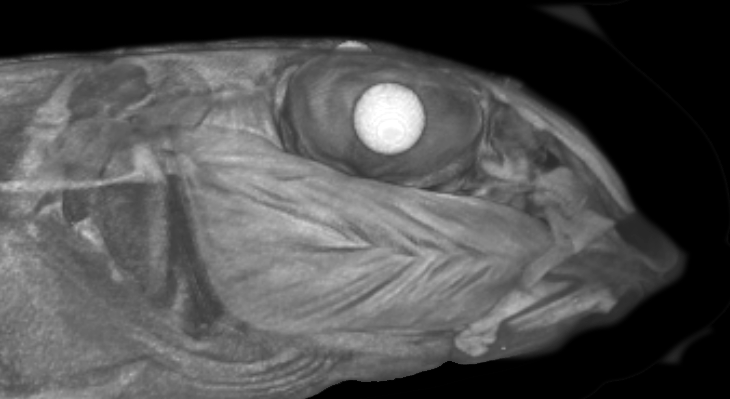
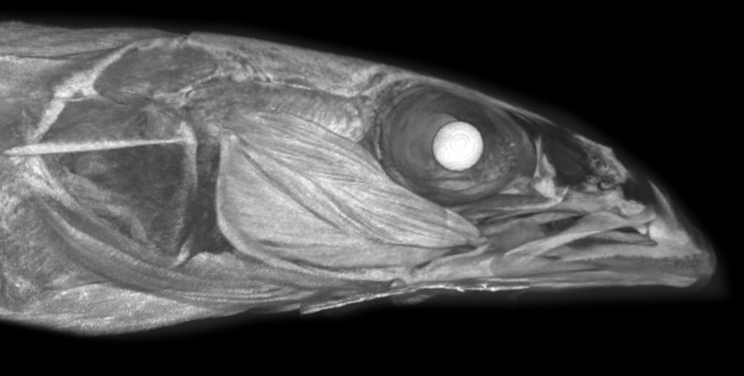
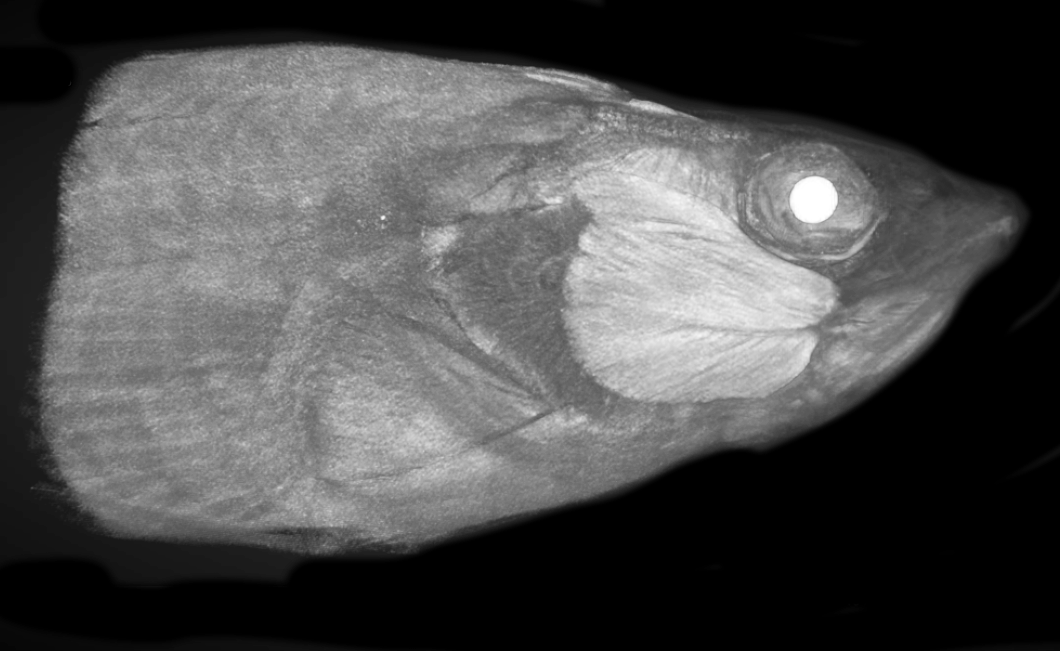
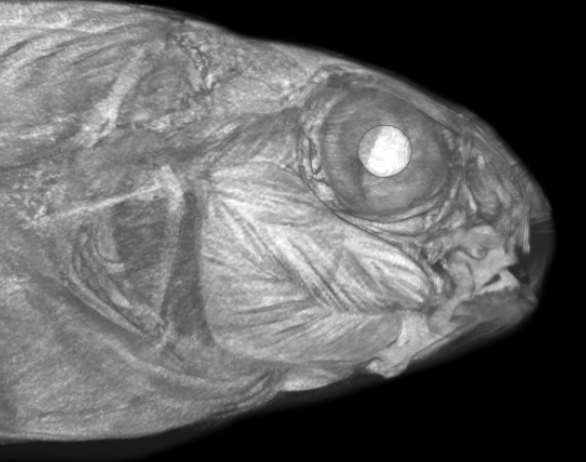
Very pleased that my new paper on darter cranial musculature is out now in the Zoological Journal of the Linnean Society. Some surprises compared to Perca, and more anatomical diversity than I was expecting! #teamfish#diceCT
Ghost shark, chimaera, spookfish, ratfish, this group goes by many names! This is the subclass holocephali, the sister class to elasmobranchii, which is the group of sharks, skates, and rays.
Specimens in this video collected with permits
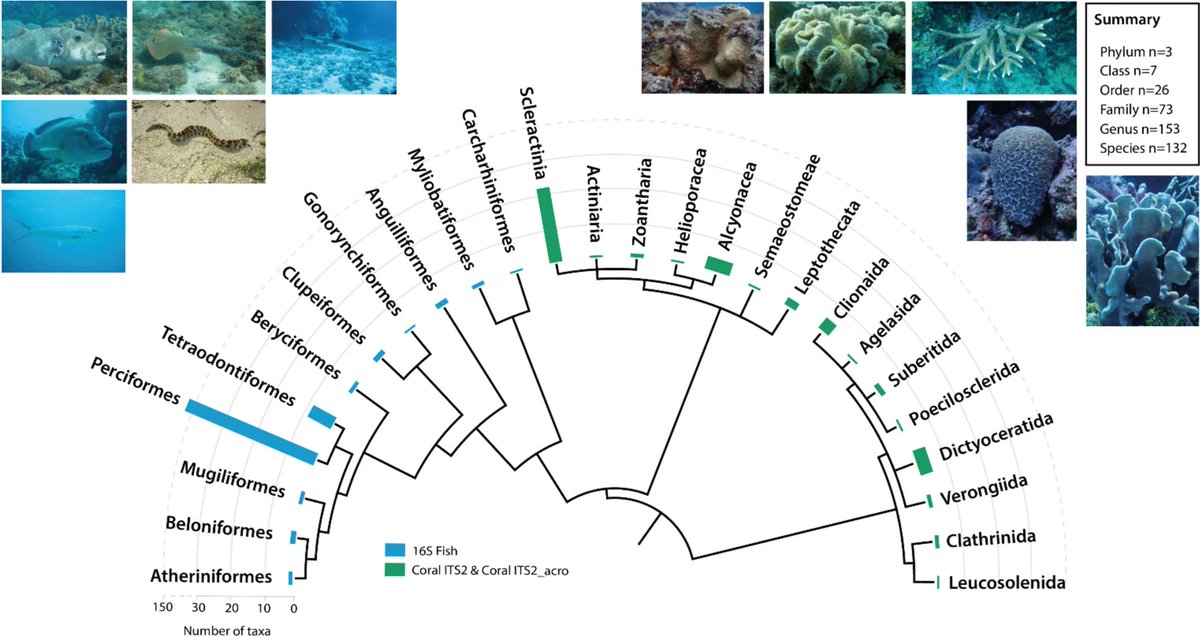
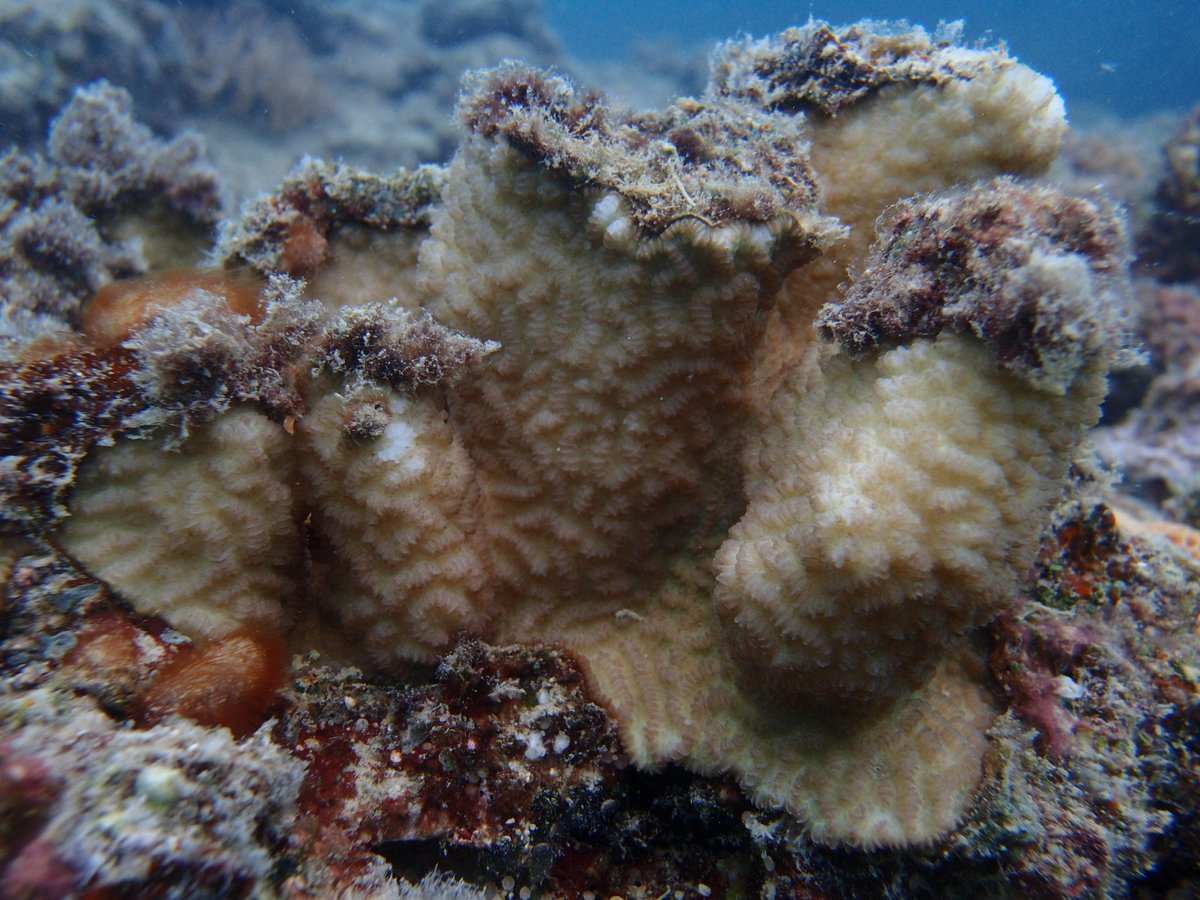
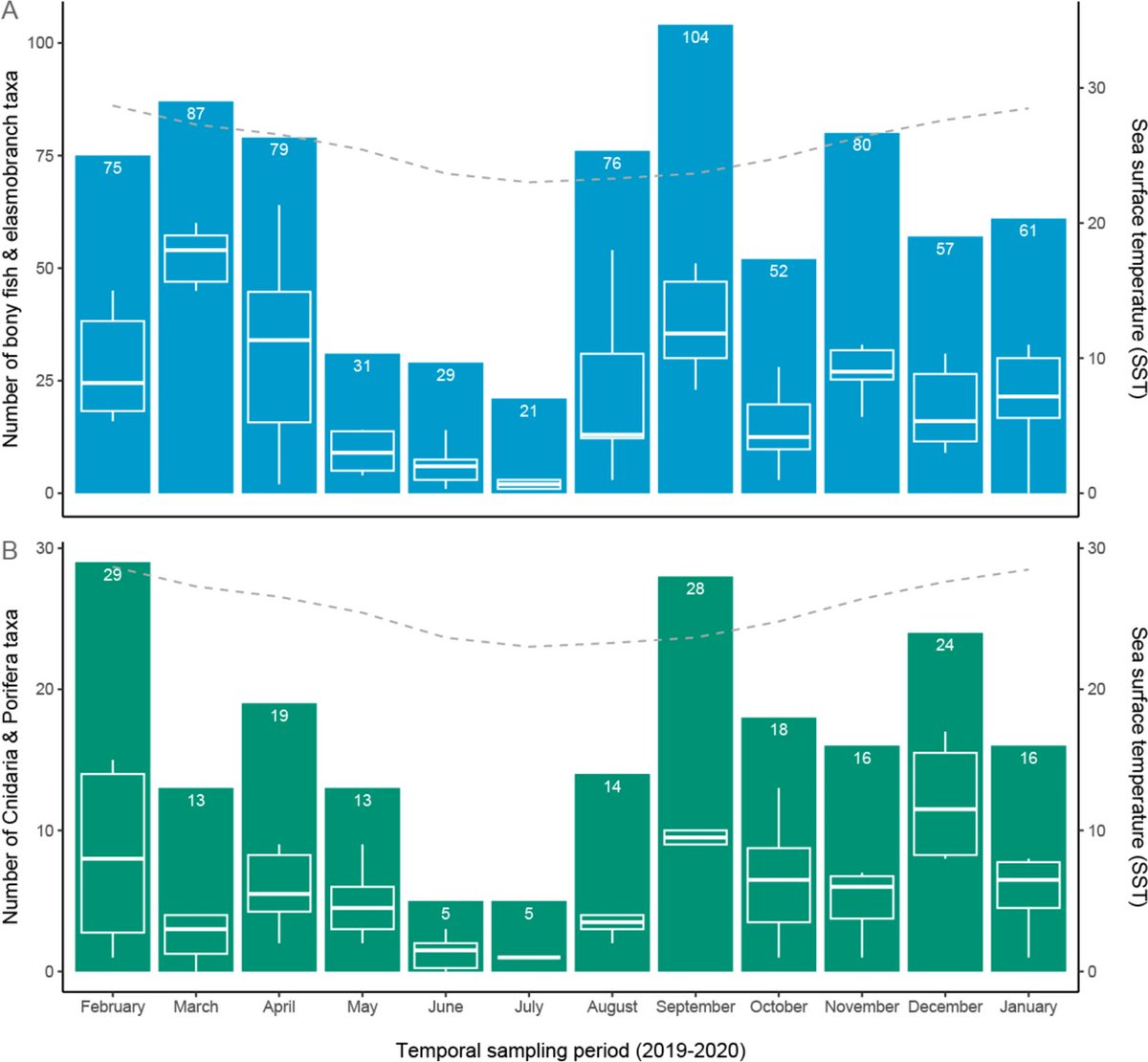
Excited to share our newly published study in @SpringerCORE following fish and coral richness and composition across a year using #eDNA on a model coral reef at Lizard Island, only possible with generous funding from @lirrf. In short, summer is where it's at on the reef!
ALT Photo credit for Arothron stellatus and Taeniura lymma to Andy Lewis.
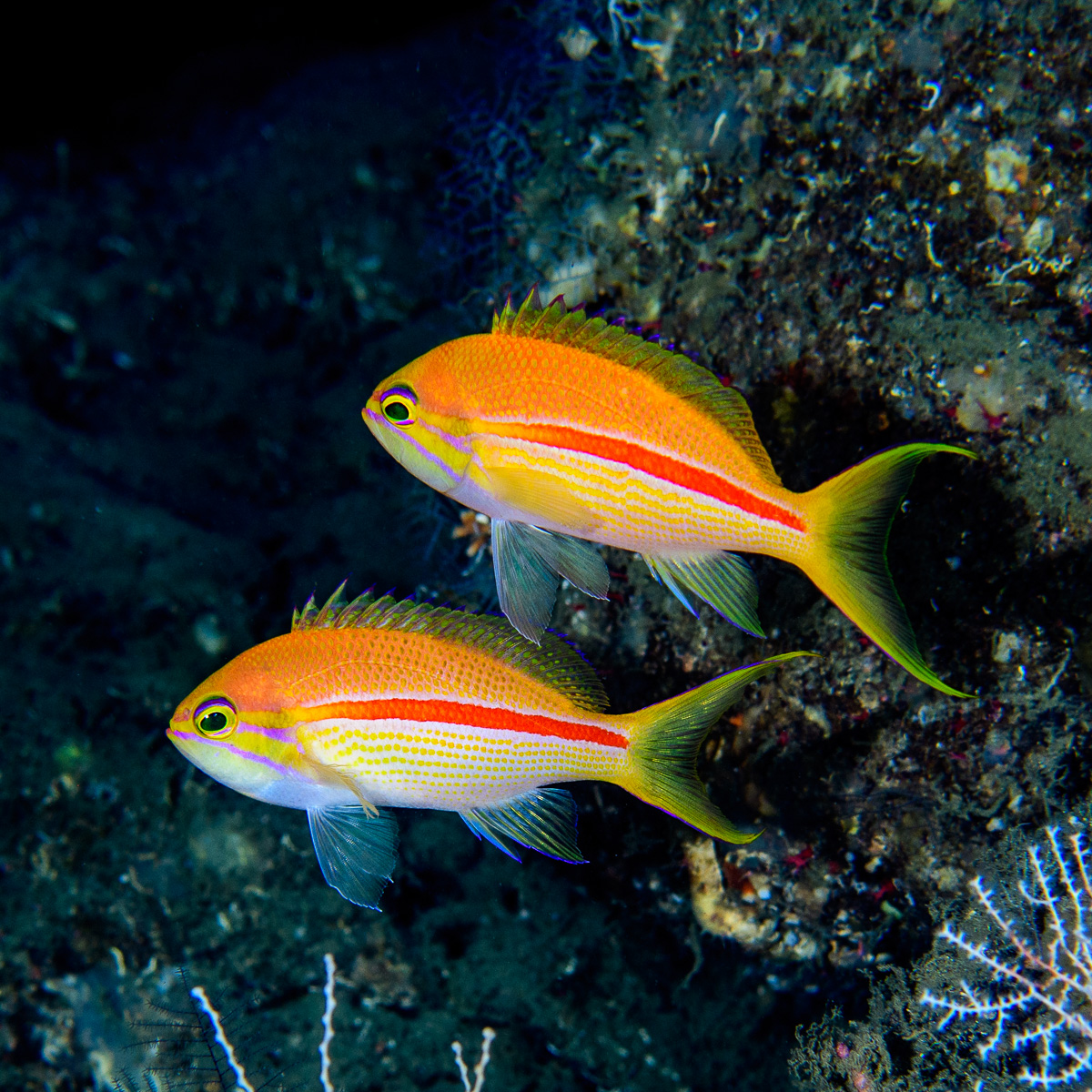
From a very common Anthias that is often seen by divers to another common one that is rarely seen. The One-Stripe Anthias (Pseudanthias fasciatus) is widely distributed and common, but rarely seen shallower than 50m depth. I photographed these two beautiful females at about 80m.
Big fish can't jump? Allometry of terrestrial jumping in cyprinodontiform fishes
Michael Robert Minicozzi, Alexander Finden, Raquel Dias, Quentin Phillips, Carly Abelson, Alice Coulter Gibb. 2024. Integrative and Comparative Biology, 2024;, icae155
doi.org/10.1093/icb/icae155