
The first accurate and detailed maps of the Milky Way and ways to promote and visualize them (including VR). Also follow me on @galaxy_map@mastodon.social
Joined May 2010
- Tweets 15,636
- Following 779
- Followers 5,023
- Likes 5,548
Photos and videos
Pinned Tweet

I am gamifying #GaiaMission data and here is one project that I'm excited about: a galactic treasure hunt. It works on mobile, the web and in VR. You travel to star systems within 10 parsecs (33 light-years) and search for valuable alien artifacts.
horizon.meta.com/world/65227…
1
3
15
2,994
Gaia DR4, when combined with other recent data sources like Hi-GAL and WISE, may allow for the first detailed and accurate maps of the local spiral structure. I am looking for some similar science fiction maps to use as inspiration. Any suggestions?
116
Galaxy Map (@galaxy_map@mastodon.social) retweeted

Jun 10
✨The Milky Way "breathing"
📡ALMA and @chandraxray , create the most detailed map ever obtained of the cold gas around Sagittarius A*. The astronomical team has provided compelling evidence of a black hole wind sought for decades.
5
28
91
3,893
Galaxy Map (@galaxy_map@mastodon.social) retweeted

Jun 9
The 'Lion Nebula' in Cepheus is a faint but beautiful cloud of glowing gas, and one of those deep-sky targets that really comes alive through astrophotography.
This large emission nebula is shaped by massive stars, whose intense radiation and stellar winds light up the surrounding hydrogen, oxygen, and sulfur gas.
I captured this from my backyard using a large refractor telescope and a color astronomy camera. This is the most detail I've ever been able to collect on this target! 🤠
Camera: bit.ly/3CaQWUI
Mount: bit.ly/4qIlq4e
Telescope: bit.ly/4shlAjE
Image Details:
120 x 300-seconds
10 Hours Total Exposure
Processing Guide:
bit.ly/4oe2pqp
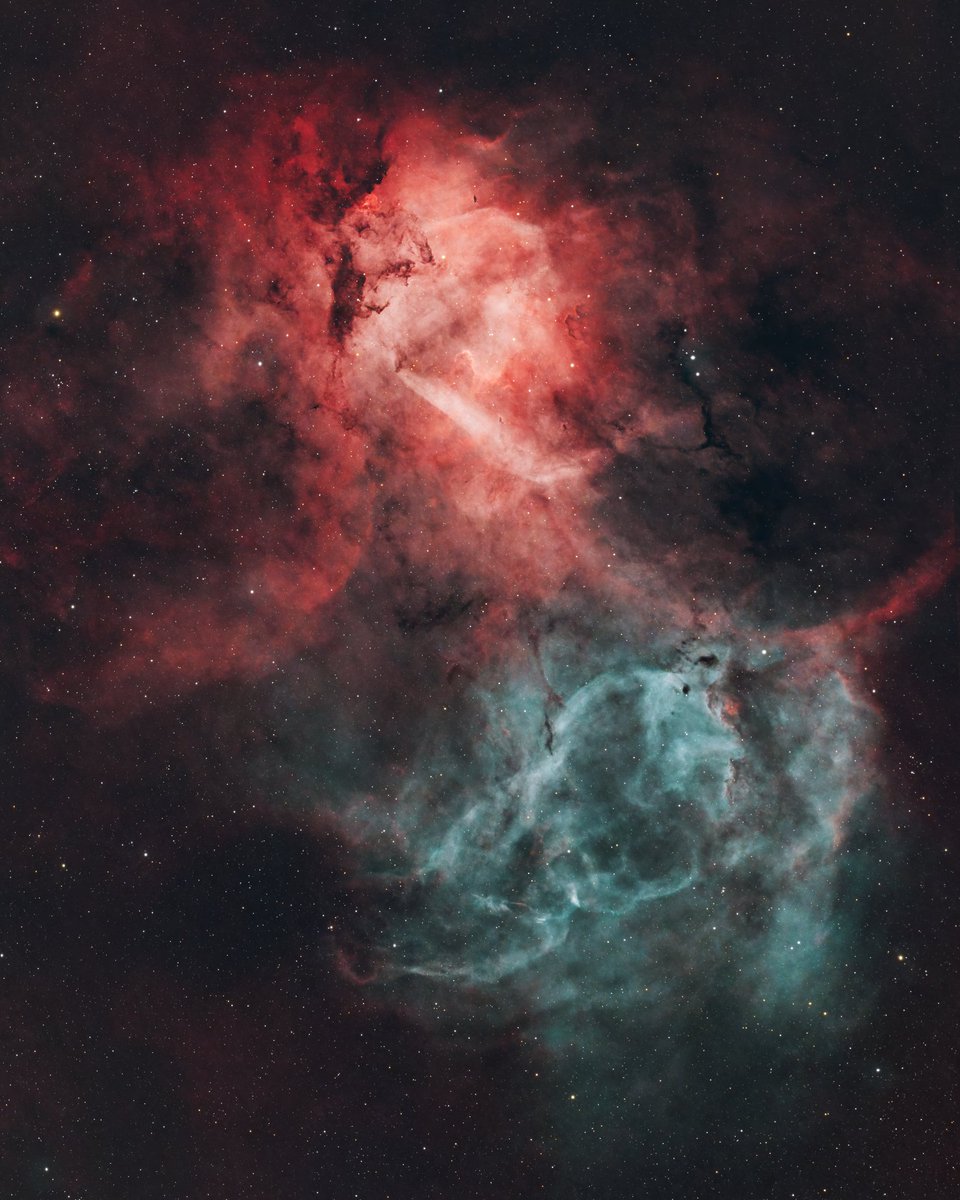
ALT The Lion Nebula
6
31
246
3,510
Galaxy Map (@galaxy_map@mastodon.social) retweeted
Jun 7
The 'Eagle Nebula' in Serpens is one of the most iconic deep-sky objects in the night sky and is home to the famous Pillars of Creation.
This glowing region of hydrogen gas is an active stellar nursery, where young stars are forming inside towering columns of dust and gas sculpted by intense radiation and stellar winds.
I captured this from my backyard during my testing of a new astrophotography telescope - and I am pretty impressed with it - hopefully you saw the video! 🙂
Camera: bit.ly/3CaQWUI
Mount: bit.ly/4qIlq4e
Telescope: bit.ly/4shlAjE
Image Details:
50 x 180-seconds
2 Hours, 30 Minutes Total Exposure
Processing Guide:
bit.ly/4oe2pqp
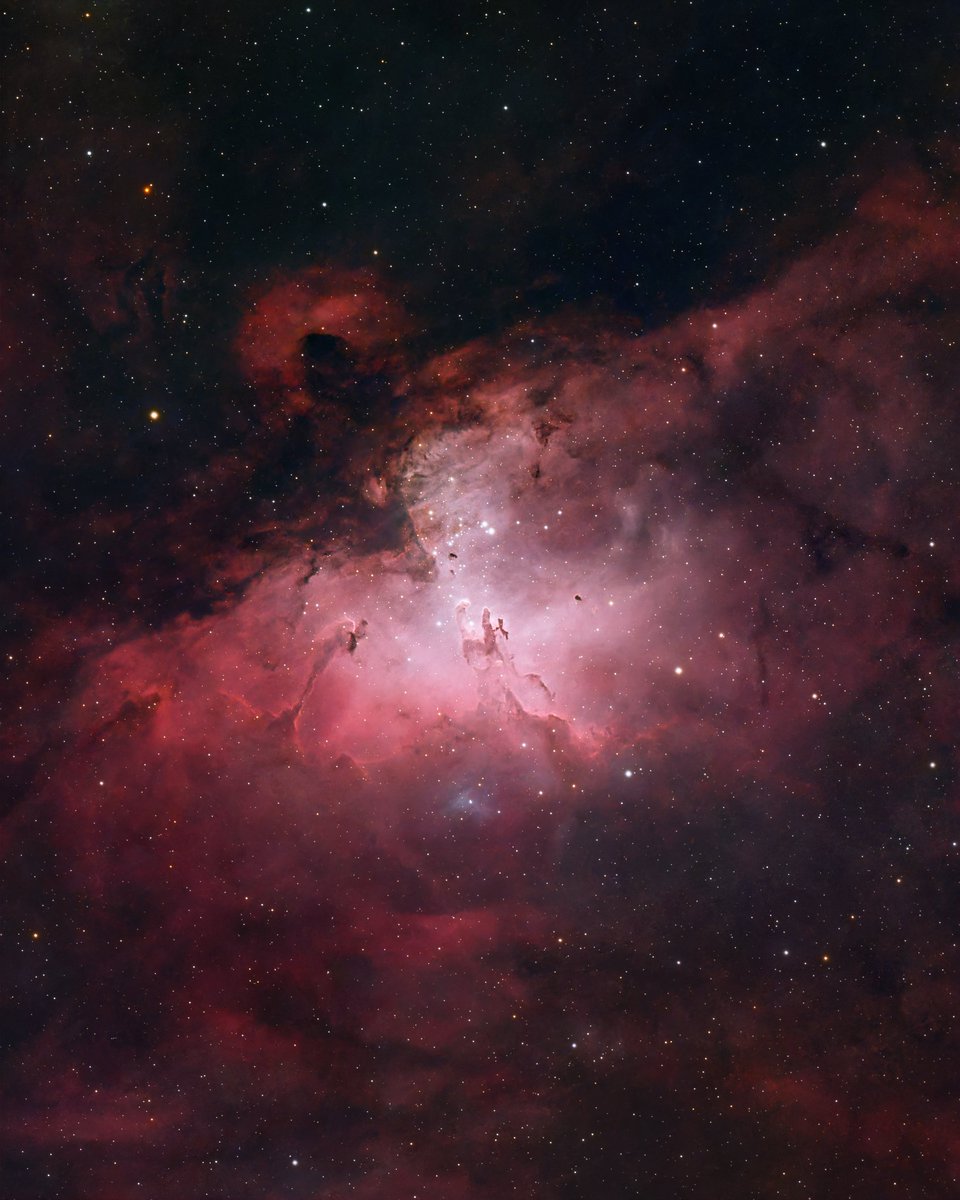
ALT The Eagle Nebula
8
50
410
6,072
Galaxy Map (@galaxy_map@mastodon.social) retweeted

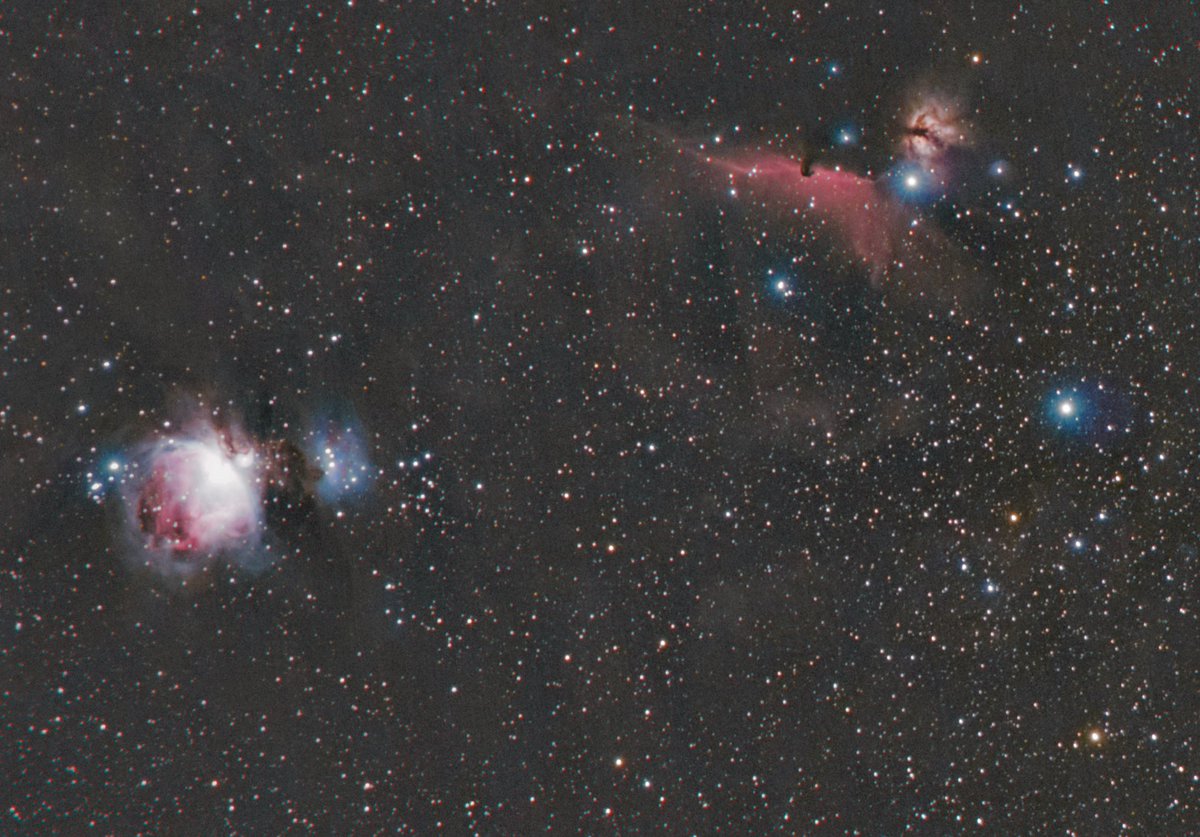
This is the Orion and Horsehead Nebula in a single shot!
I captured this with a wide field lens and created it using RGB and Ha data!!
I love how it came out!
2
16
81
1,295
Galaxy Map (@galaxy_map@mastodon.social) retweeted

May 31
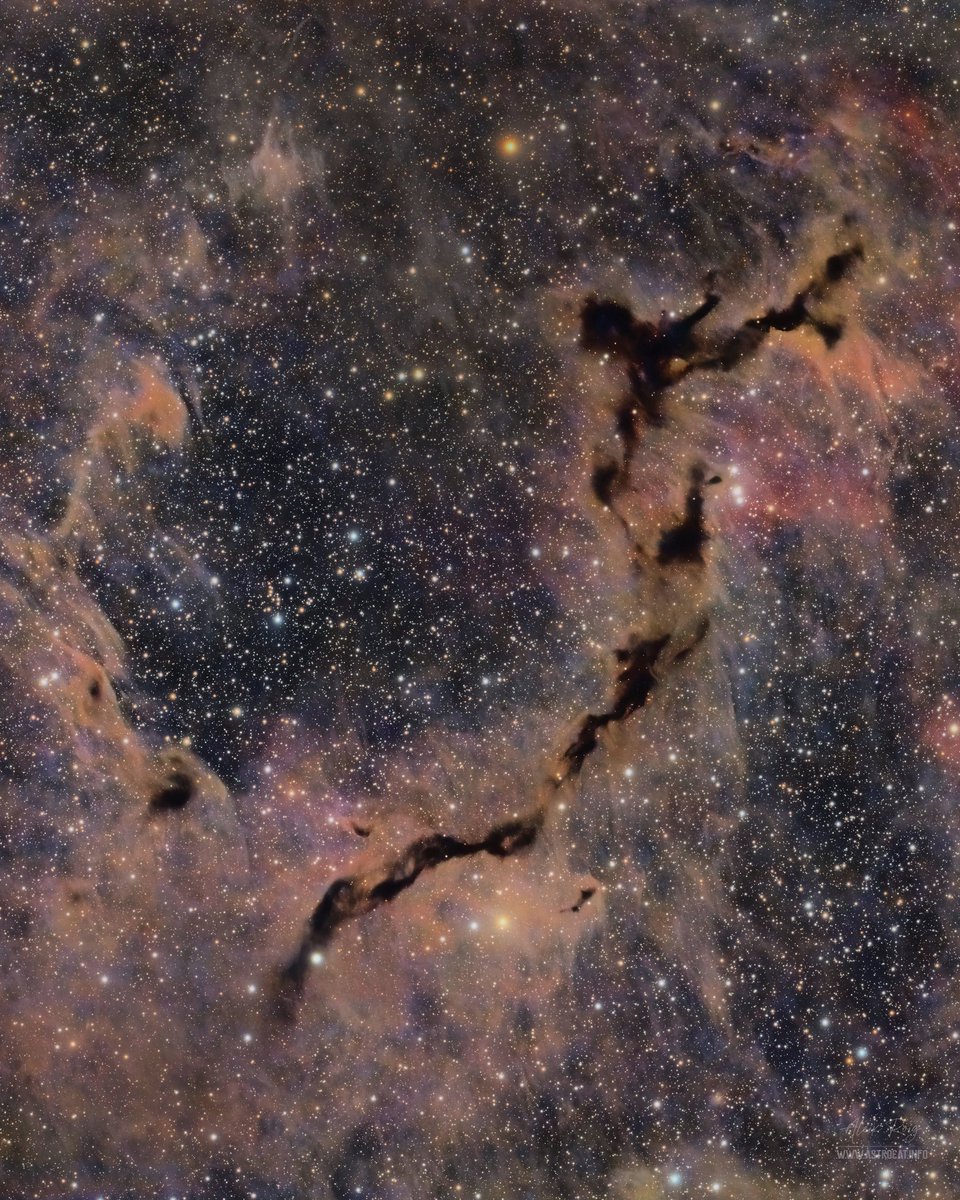
𝗧𝗵𝗲 𝗦𝗲𝗮𝗵𝗼𝗿𝘀𝗲 𝗶𝗻 𝗖𝗲𝗽𝗵𝗲𝘂𝘀 ✨ 65h
8
46
237
11,671
Galaxy Map (@galaxy_map@mastodon.social) retweeted

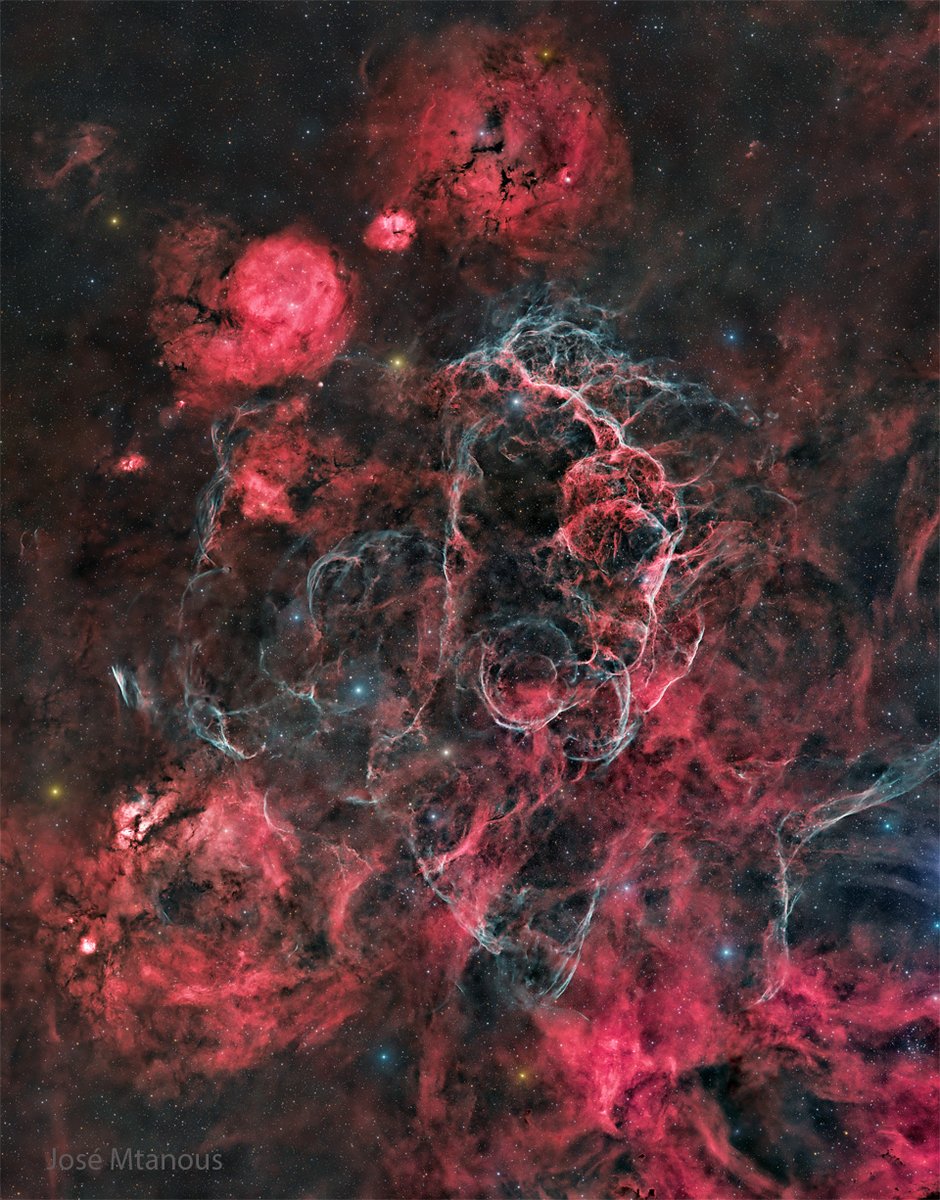
The explosion is over, but the consequences continue.
About twelve thousand years ago, a relatively normal star in the constellation Vela suddenly exploded, creating a strange point of light briefly visible to humans living near the beginning of recorded history.
The outer layers of the star crashed into the interstellar medium, driving a shock wave that is still visible today.
The featured image, taken piecemeal over 60 hours from the Khomas Region of Namibia, captures some of that filamentary and gigantic shock in visible light, with details highlighted by hydrogen (red) and oxygen (blue) emissions.
As gas flies away from the detonated star, it decays and reacts with the interstellar medium, producing light in many different colors and energy bands.
Remaining at the center of the Vela Supernova Remnant is a pulsar, a star as dense as nuclear matter that spins around more than ten times in a single second.
Image Credit & Copyright: José Mtanous
7
91
550
20,560
Galaxy Map (@galaxy_map@mastodon.social) retweeted

May 28
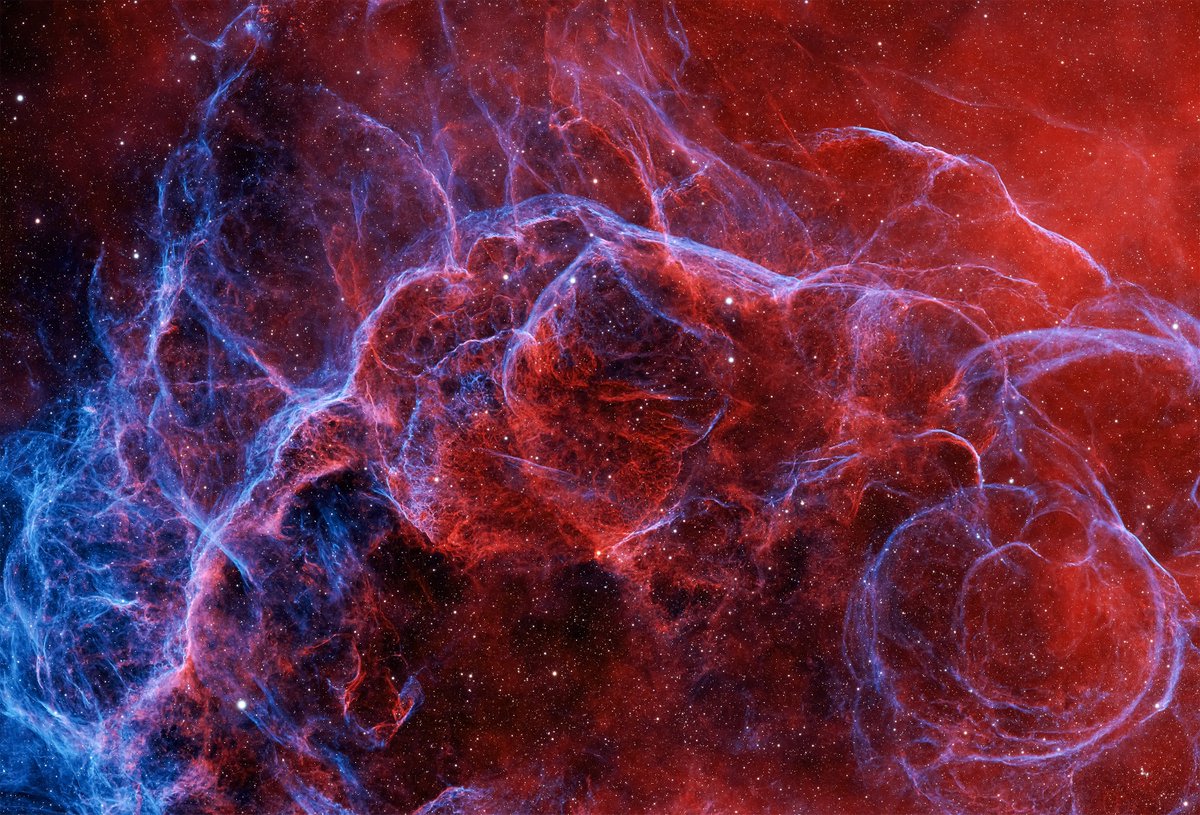
🌌 Vela Supernova Remnant
My second image from @NebulaPhotos astrophotography workshop in San Pedro de Atacama, Chile 🇨🇱. I highly recommend his workshops!
The intricate glowing filaments of this supernova remnant, lit up under the pristine dark skies of the Atacama Desert. What’s left of a massive star that exploded ~11,000 years ago ✨
Full resolution and details on Astrobin: app.astrobin.com/u/Shaun?i=i…
Equipment:
• Telescope: @williamoptics RedCat 51
• Mount: @zwoastro AM5N
• Camera: @zwoastro ASI294MC Pro
• Filters: @optolongfilter L-Ultimate (Ha OIII dual narrowband)
#Astrophotography
3
12
549
Galaxy Map (@galaxy_map@mastodon.social) retweeted

May 25
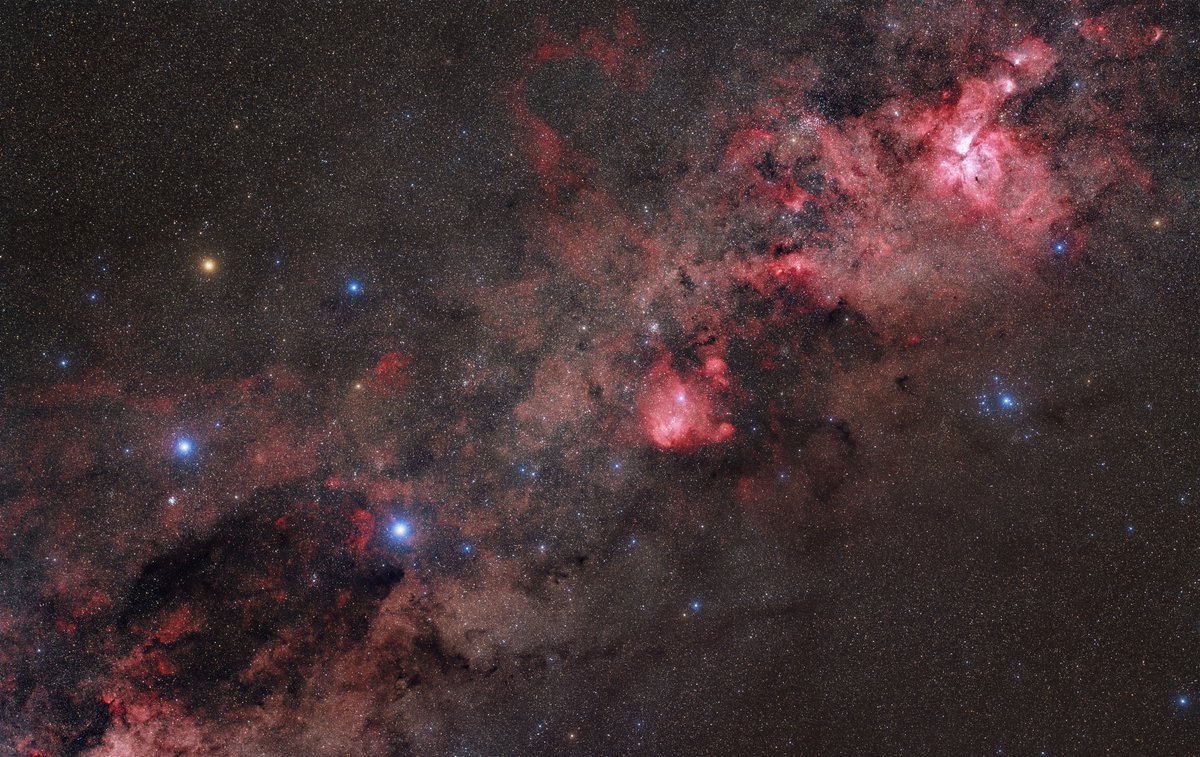
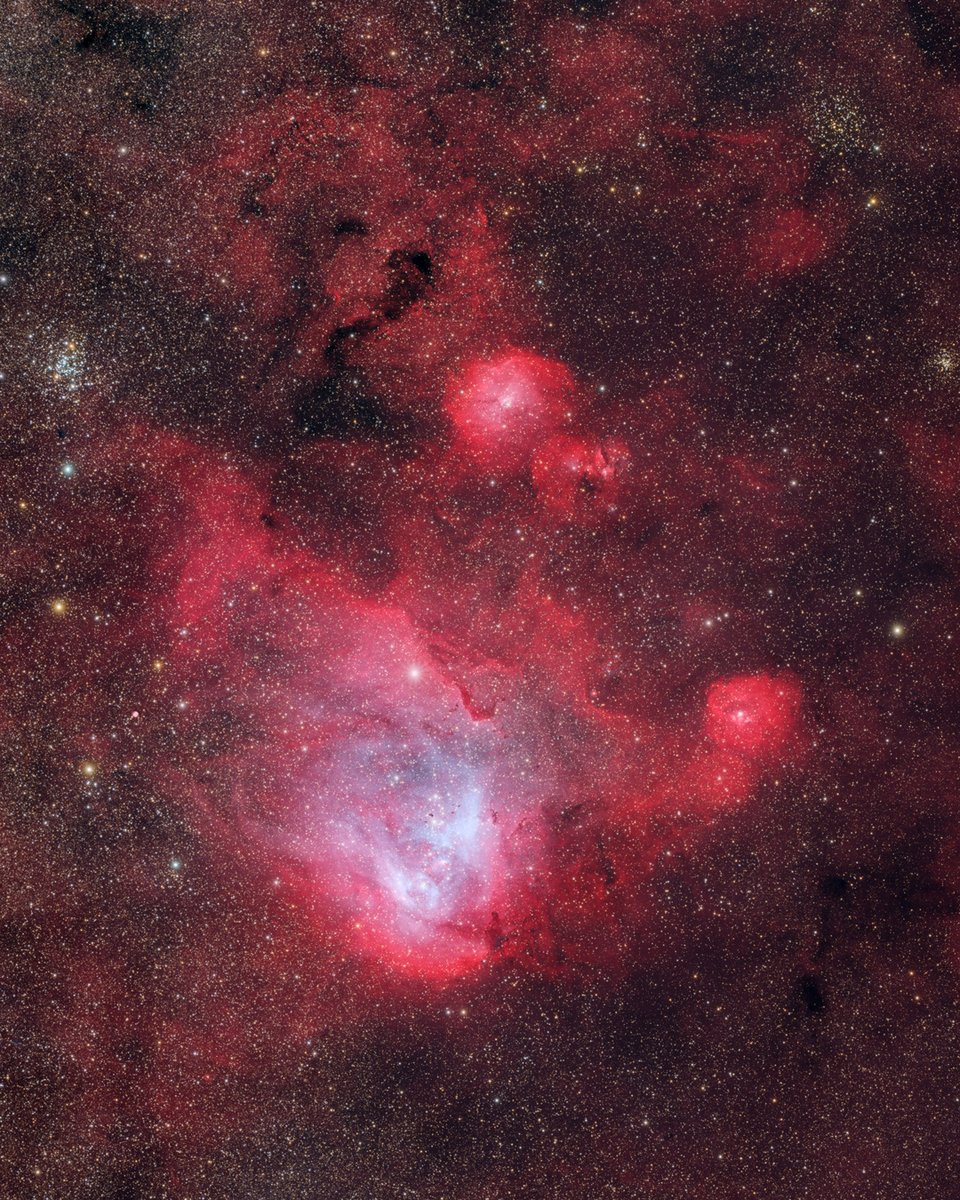
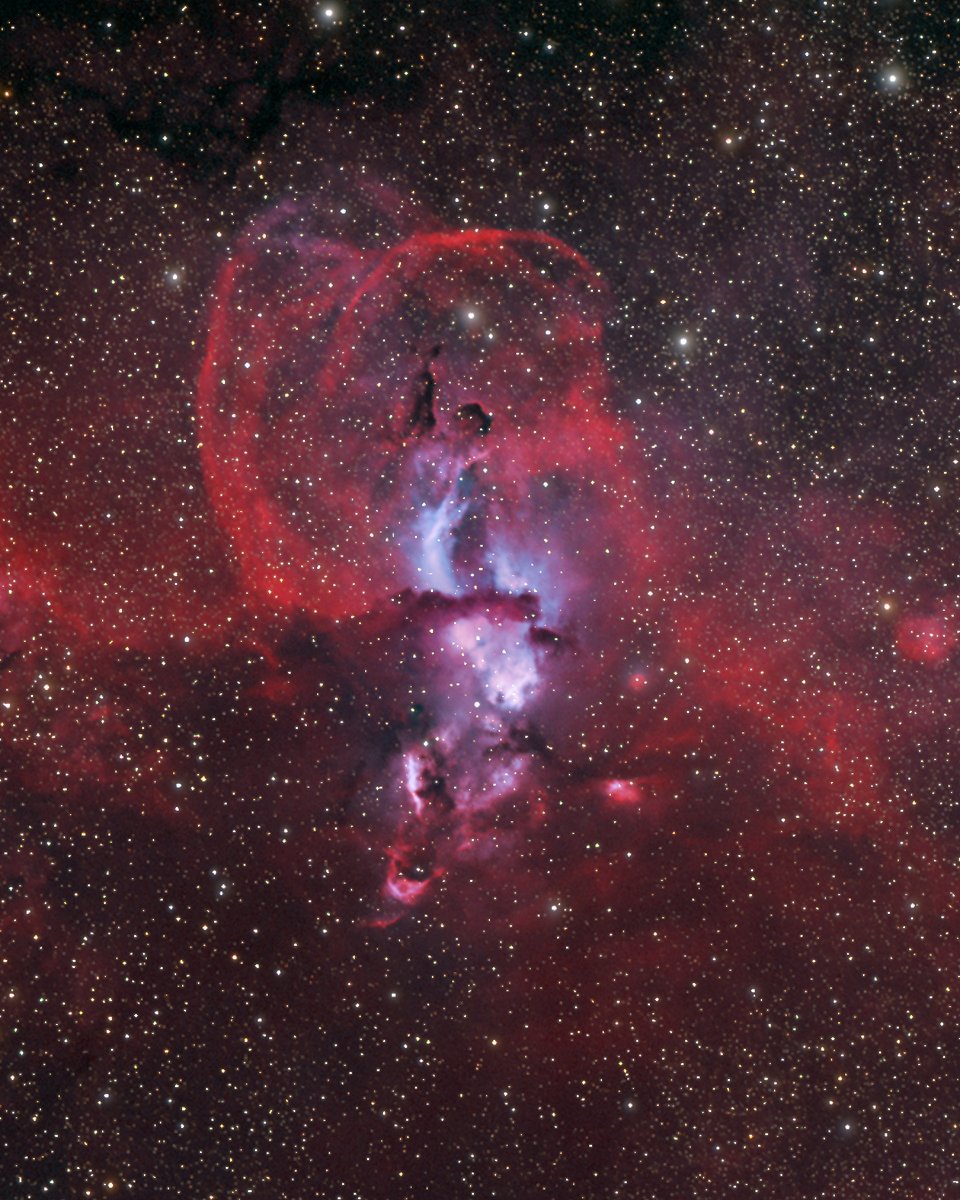
More photos I took on my recent trip to Chile 🇨🇱
1: Wide shot of Crux, Coalsack, Carina, etc.
2: Closeup on Running Chicken Nebula
3. Closeup on Statue of Liberty Nebula
#astrophotography
5
24
131
2,234
Galaxy Map (@galaxy_map@mastodon.social) retweeted
May 23
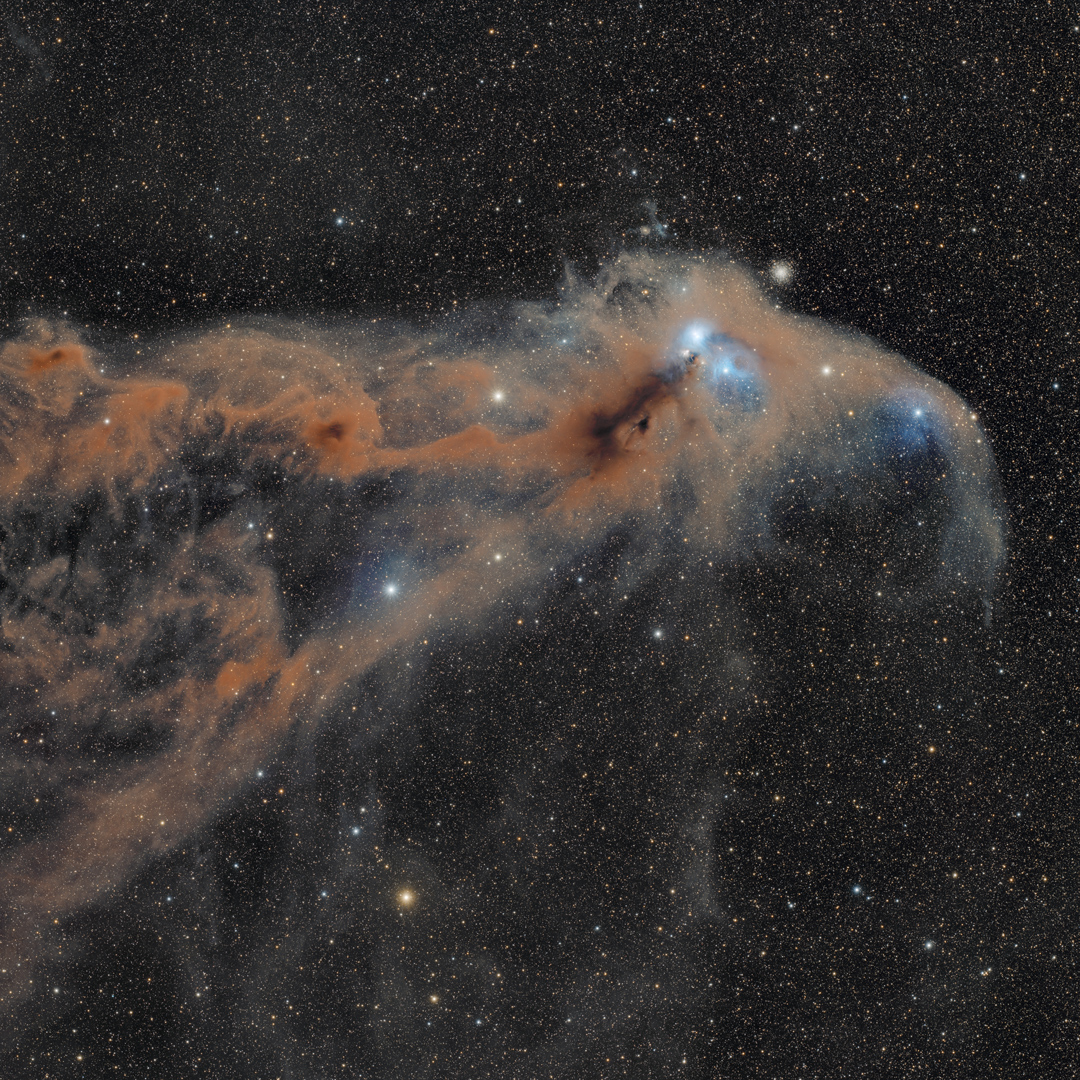
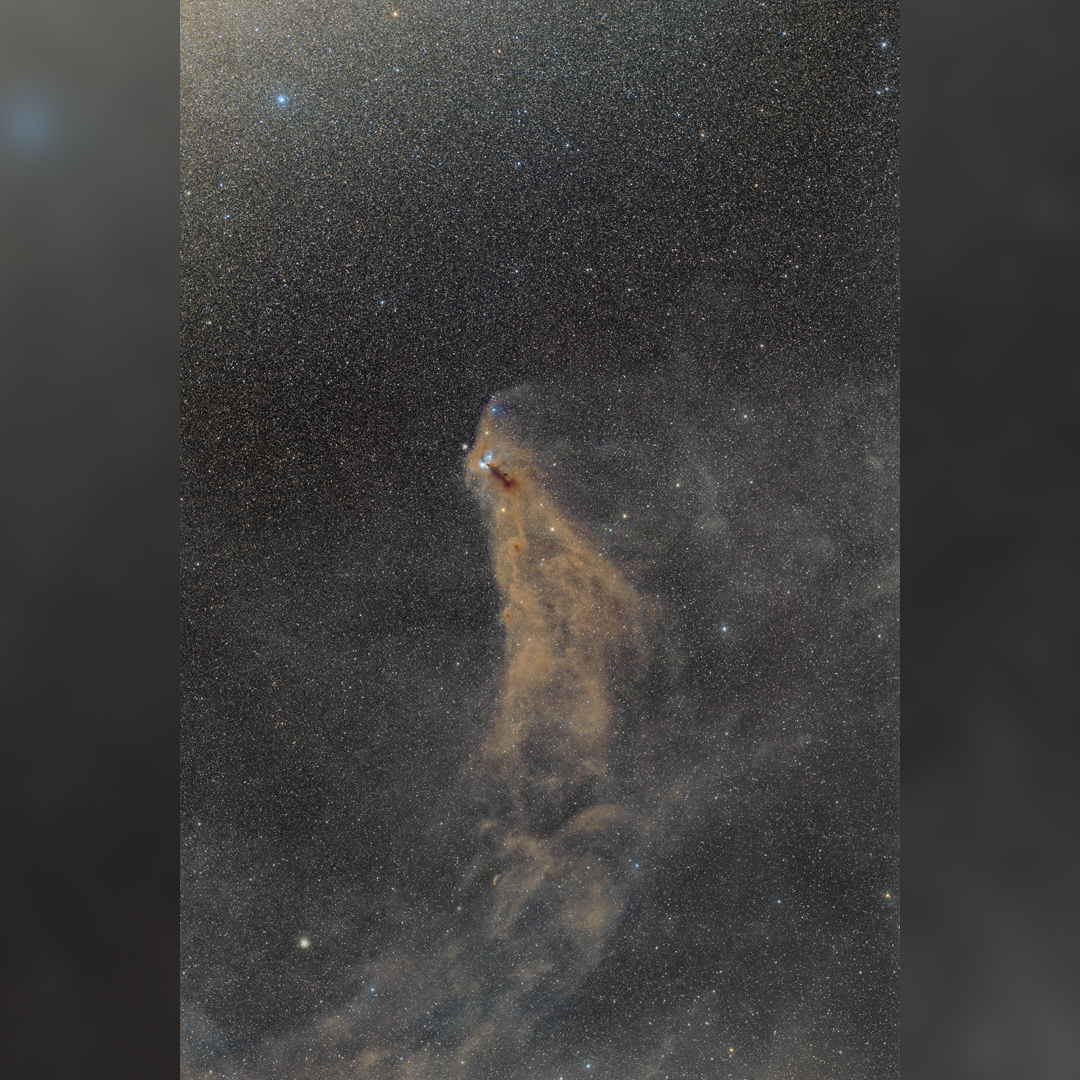
Corona Australis Molecular Cloud, Close and Wide
#astrophotography
2
21
124
2,566
Galaxy Map (@galaxy_map@mastodon.social) retweeted
May 22
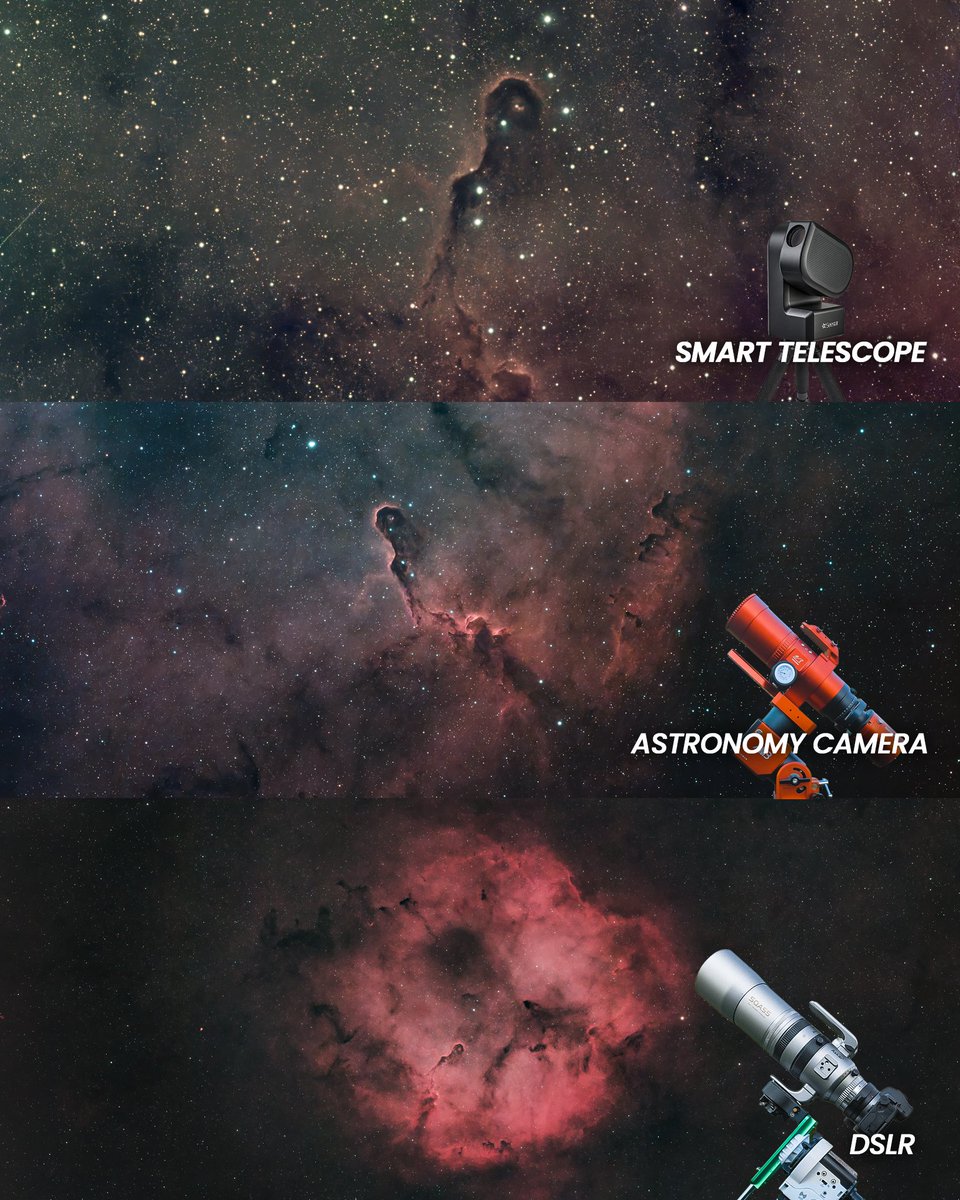
Same nebula, three very different ways to capture it.
This is the Elephant’s Trunk Nebula, photographed using three different astrophotography setups:
Smart Telescope
Dedicated Astronomy Camera
DSLR Camera
Each image tells a slightly different story.
The smart telescope version shows just how far beginner-friendly, all-in-one astrophotography systems have come. It is simple, automated, and surprisingly capable.
The dedicated astronomy camera version reveals the deepest detail, contrast, and structure thanks to a cooled camera, telescope, filters, and a more advanced imaging workflow.
The DSLR version has a classic broadband look, with rich color and a wider-field feel that reminds me why so many of us started astrophotography this way.
There is no single “right” way to photograph the night sky. The best setup is the one that gets you outside, learning, experimenting, and enjoying the process.
Which version do you like best? 🤔
ALT camera comparison
9
27
179
4,655
I love weird maps like this.
May 22

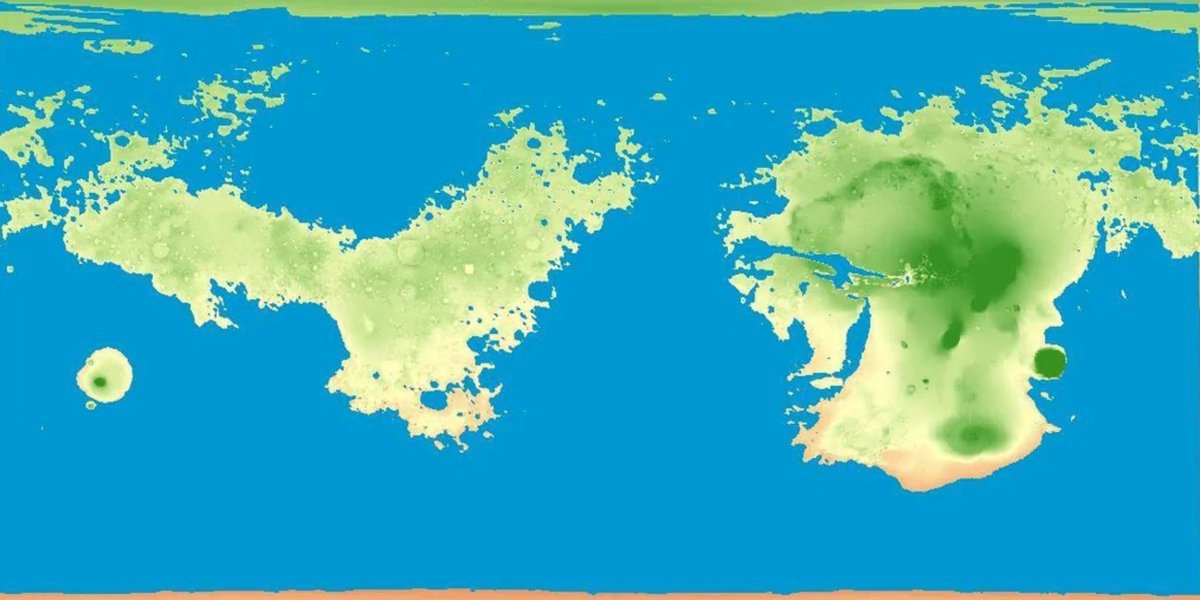
Here's a map of Mars if, like Earth, it were covered by water on 71% of its surface.
2
1
12
869
Reminds me of one I did many years ago showing what the world would look like if all the ice melted. Florida of course would be under water (which some might say would be an improvement) but there would be many other changes including a huge inland sea in South America.
1
101
VR museums like this are popping up all over the place. I'm working on a starship experience that will showcase Gaia DR4 and will be available early next year. I'm hoping that some of these Location Based Experiences (LBE) will be interested.
amsterdamnow.com/en/culture/…
1
1
2
265
I think it will be a tour of the galaxy within 3 kpc. That distance will mostly ensure that the objects we visit will be well studied and have names.
1
108
Galaxy Map (@galaxy_map@mastodon.social) retweeted
May 21
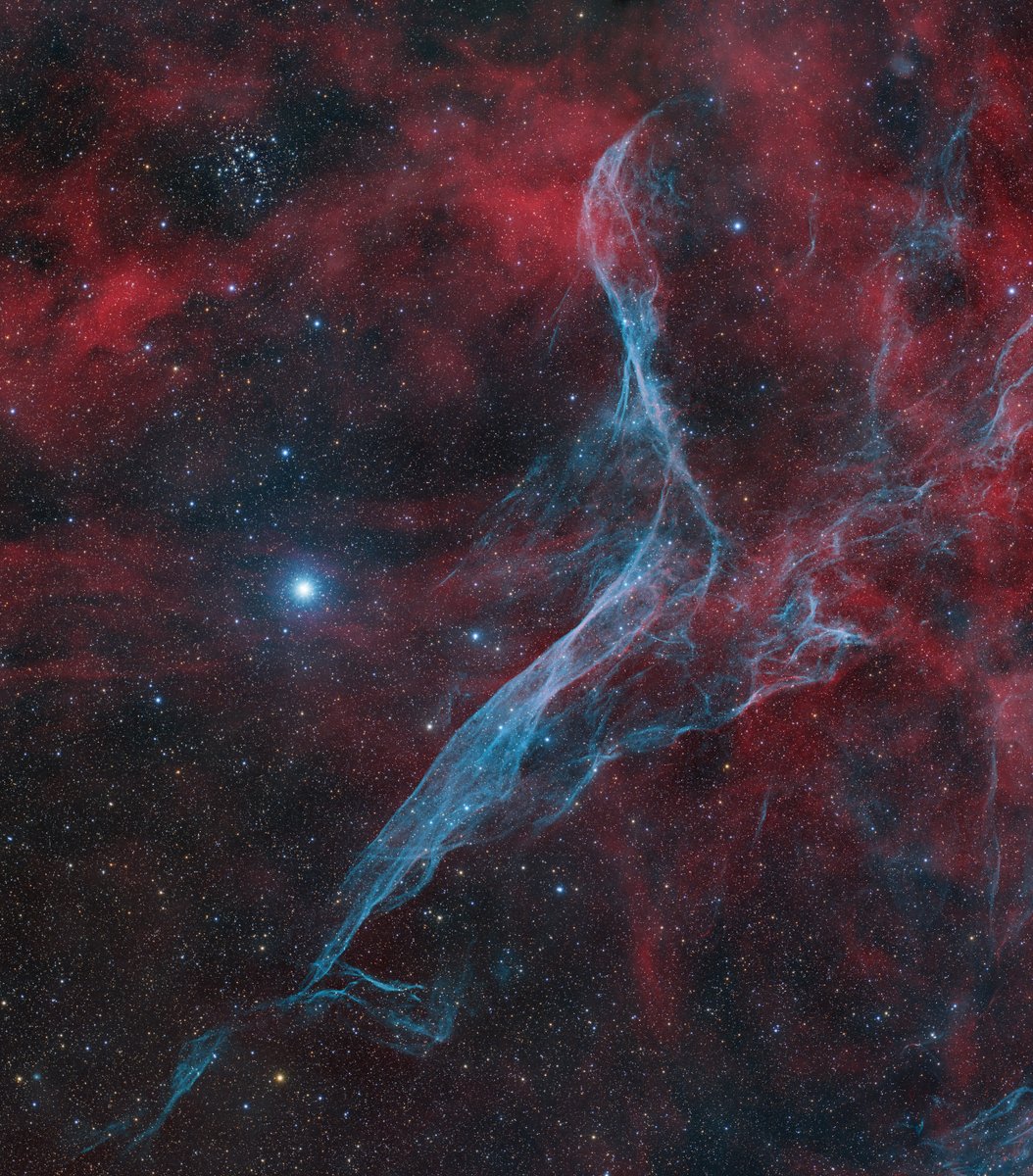
Gamma Velorum and part of the Vela SNR
This is my first release from several pictures coming out of my trip to San Pedro de Atacama, Chile.
More on astrobin: app.astrobin.com/i/3ale5g
#astrophotography
2
14
63
2,800
Galaxy Map (@galaxy_map@mastodon.social) retweeted

May 15
Many people are not actually reading this.
Arxiv is -not- banning the use of AI, or papers which used AI to generate proofs, code, etc.
They are banning people who upload papers in which the AI content was (very clearly) not actually checked by the human author(s).

Attention @arxiv authors: Our Code of Conduct states that by signing your name as an author of a paper, each author takes full responsibility for all its contents, irrespective of how the contents were generated. 1/
18
31
438
22,657
What is your favorite galactic map orientation?
mastodon.social/@galaxy_map/…
2
1
3
326
Here we go! Gaia DR4 now has an official release date: 2 December 2026.
cosmos.esa.int/web/gaia/data…
2
7
20
1,101
... binary star data will be more reliable and for the first time ever, the release will include a catalog of Gaia-detected exoplanets.
1
2
123
Will Gaia DR4 distance and temperature estimates be reliable enough to detect spiral structure and provide the first detailed hints of what the Milky Way really looks like from the outside? MAYBE!
3
115