
School Mental Health, Belonging, Social & Emotional Intelligence Change Agent. Working to ensure all kids are engaged, supported, empowered & successful.
Joined October 2013
- Tweets 20,994
- Following 5,665
- Followers 4,706
- Likes 15,919
1,116 Photos and videos




Dr. Gina Cherkowski retweeted

Jun 13
Laughter is anti-inflammatory. Crying is regulating. Hugging is immunoprotective. Singing is vagal toning. Dancing is neurogenic.
Joy is a biological necessity.
121
5,830
27,151
456,482
Dr. Gina Cherkowski retweeted

Jun 13
"The more confident you become in your own voice and the more committed you are to your own growth, the better positioned you are to elevate others and help create communities where everyone can thrive.”
3 Themes and Quotes That Have Shaped the First Half of My 2026 substack.com/home/post/p-201…
6
18
1,189
Dr. Gina Cherkowski retweeted

Jun 12
As well as literacy & numeracy,schools need to prioritise the well-being of our young people.Trauma informed responsive awareness & an education system that understands a few core concepts on brain development. Attachment,connection focussed with nurturing approaches .
8
11
439
Dr. Gina Cherkowski retweeted

Jun 5
3
21
98
8,508
Dr. Gina Cherkowski retweeted

Jun 6
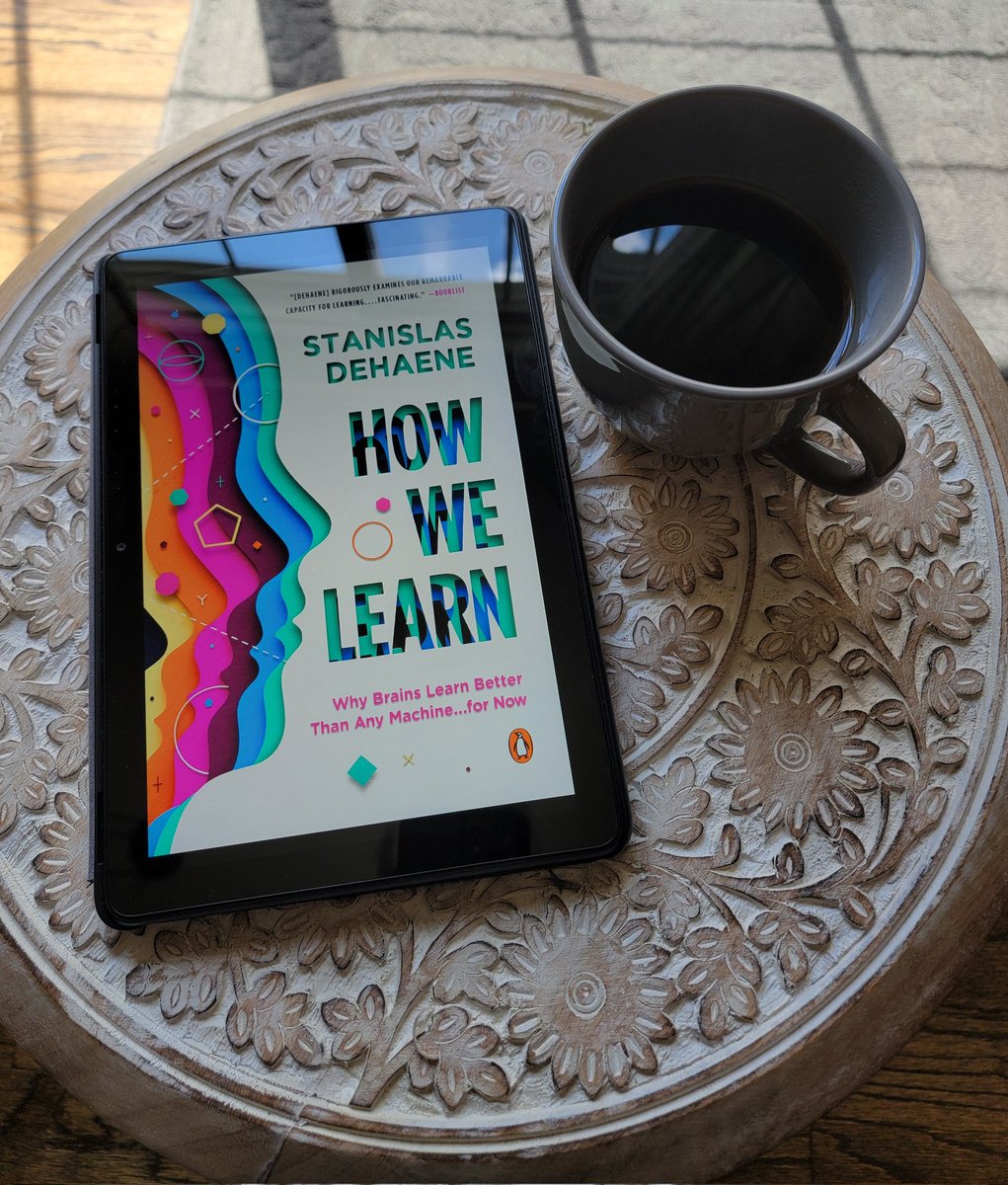
One of the most important books in education history may also be one of the most overlooked.
Stanislas Dehaene's 𝘏𝘰𝘸 𝘞𝘦 𝘓𝘦𝘢𝘳𝘯 shifts the focus from how educators can promote learning to something far more fundamental: the biological requirements for learning itself.
Dehaene would know. He's the most cited neuroscientist of learning in the world, the first-ever lifetime professor of Experimental Cognitive Psychology at France's most prestigious research institution, and the Director of NeuroSpin, France's advanced brain-imaging research centre. (He's also the President of the Scientific Council of the French Ministry of Education.)
So how could a major work by such a major figure be overlooked?
Well, it 𝘩𝘢𝘴𝘯'𝘵 been overlooked outside of education. Last year Dehaene won the Lewis Thomas Prize for scientific writing with 𝘏𝘰𝘸 𝘞𝘦 𝘓𝘦𝘢𝘳𝘯 featured prominently in the citation. And 𝘏𝘰𝘸 𝘞𝘦 𝘓𝘦𝘢𝘳𝘯 is currently available in 31 editions and translations worldwide.
So why aren't more people talking about it inside the evidence-based education community?
I don't know.
But I'm going to be shouting about it from the rooftops.
11
81
288
10,998
Dr. Gina Cherkowski retweeted

May 30
This from @RebeccaWinthrop gets at something crucial we need to work on.
Is it time to measure cognitive stunting? brookings.edu/articles/is-it…
5
6
938
Dr. Gina Cherkowski retweeted

May 26
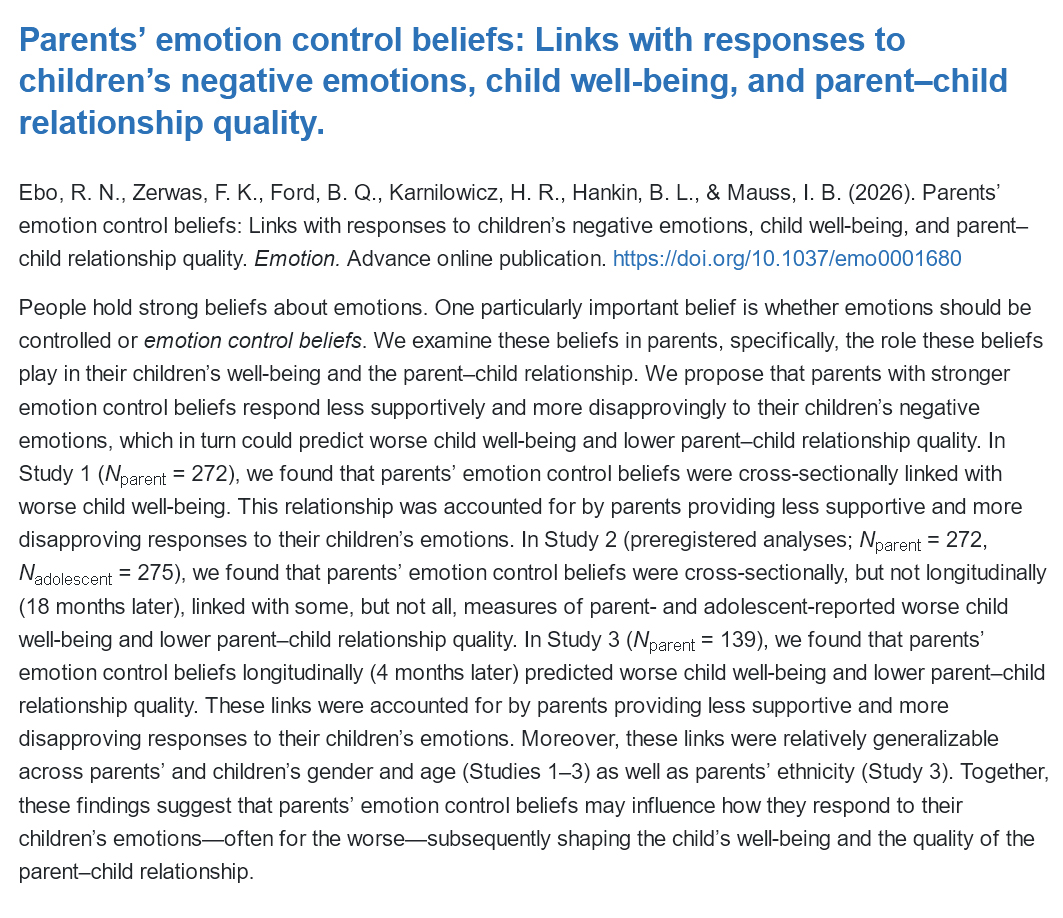
Expecting kids to control their emotions is not good for their well-being.
When parents believe in suppressing feelings, they respond with more disapproval. Their kids are more likely to become anxious and depressed.
Emotion regulation improves with practice, not punishment.
35
168
936
88,152
Dr. Gina Cherkowski retweeted
May 26
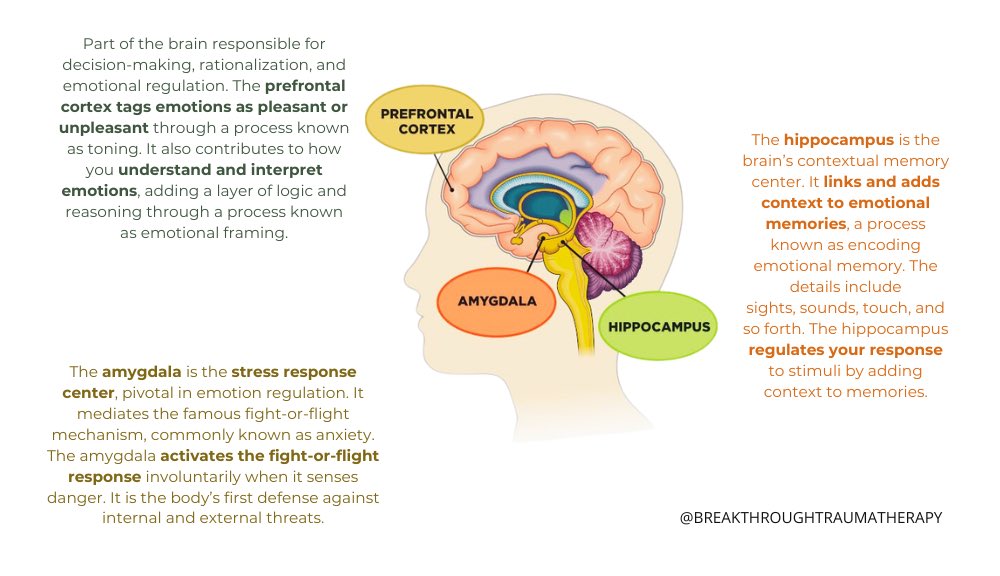
Trauma doesn’t just affect emotions,it impacts how the brain functions. It can change the way the brain responds to stress,impulse control,safety & memory.
Three areas most affected are the cortex,amygdala & hippocampus.These changes are not a weakness but survival adaptations.
7
17
482
Dr. Gina Cherkowski retweeted
May 25
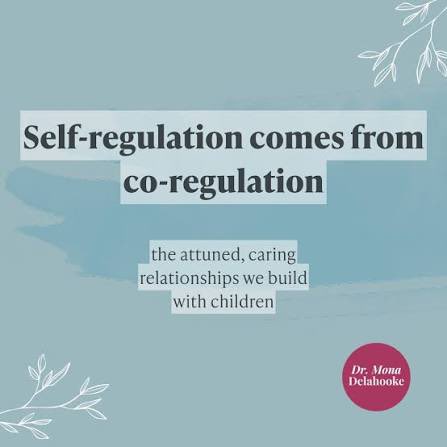
Neuroscience shows us that co-regulation is established through connection & connection is established through felt safety. It’s not just emotional,it’s biological.
In a nutshell,”regulation is relational,” & you need to build the relational bridge to make it possible.
1
11
23
846
Dr. Gina Cherkowski retweeted

May 24
A Harvard professor proved 6-hour sleep can trigger your body toward heart disease & cancer in 1 week.
On Jay Shetty's podcast, he revealed 10 "normal" habits that destroys your sleep, mood, and brain:
1) Checking your phone right after waking.
48
282
1,977
1,769,112
Dr. Gina Cherkowski retweeted

May 21
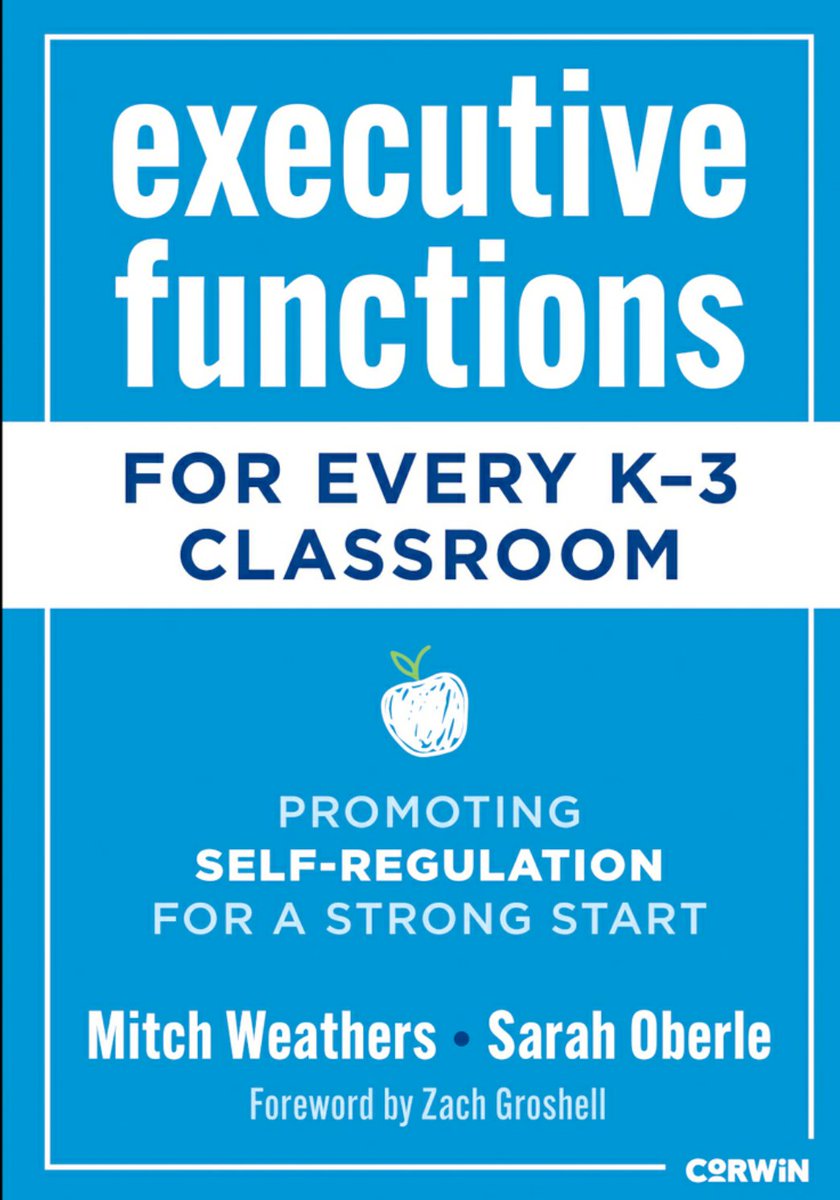
Looking forward to reading @organizedbinder and @S_Oberle 's new book "Executive Functions for Every K-3 Classrooms"
2
2
6
284
Dr. Gina Cherkowski retweeted

May 20
Read a note from our Faculty Director, Dr. Stephanie Jones, in our new newsletter: bit.ly/4nDL3mM
Dr. Jones reflects on what she’s learned since joining the Center and marks Mental Health Awareness Month by discussing the importance of mental health in early childhood.
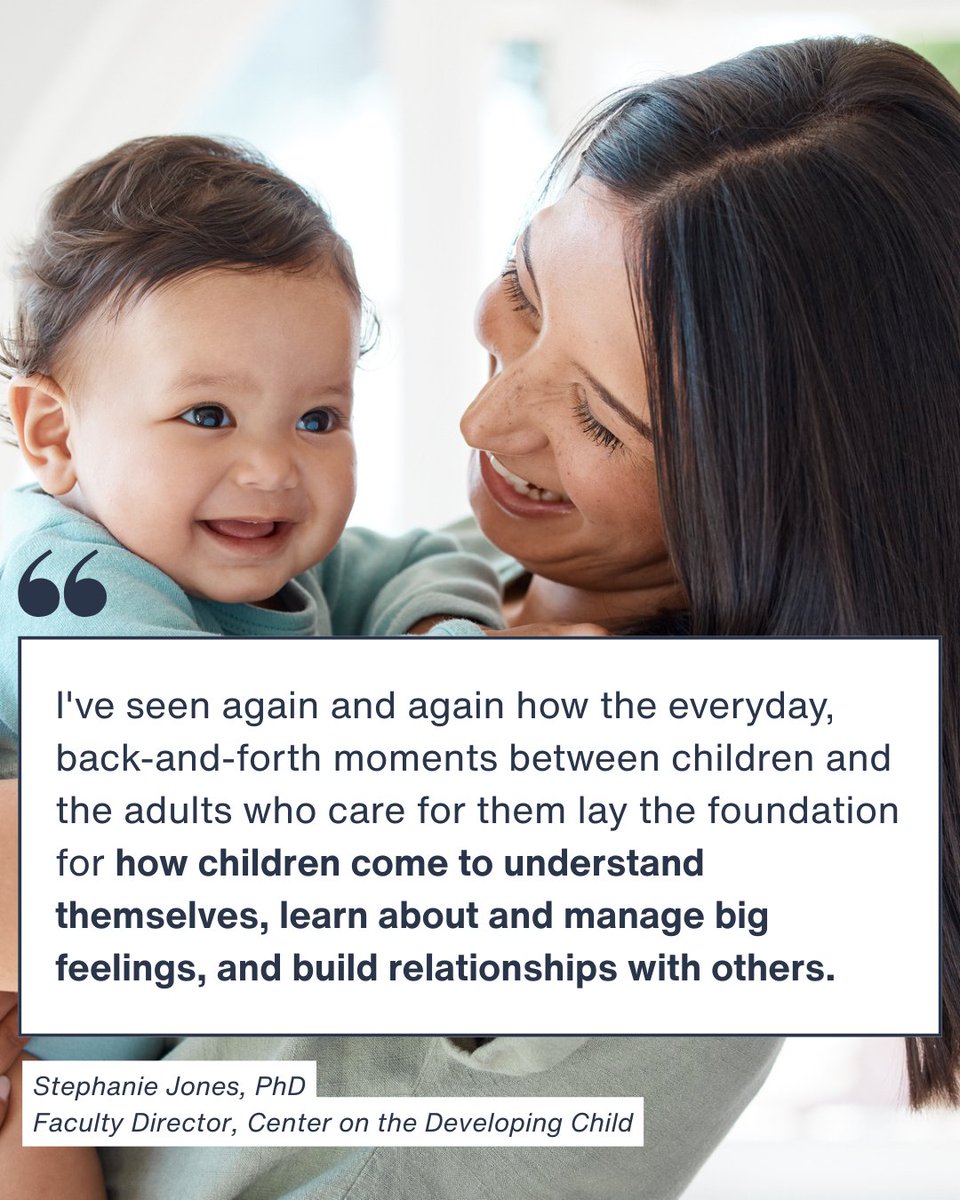
ALT Caregiver and young child smiling together. Text: "I've seen again and again how the everyday, back-and-forth moments between children and the adults who care for them lay the foundation for how children come to understand themselves, learn about and manage big feelings, and build relationships with others." - Stephanie Jones, PhD / Faculty Director, Center on the Developing Child
3
6
277
Dr. Gina Cherkowski retweeted
May 17
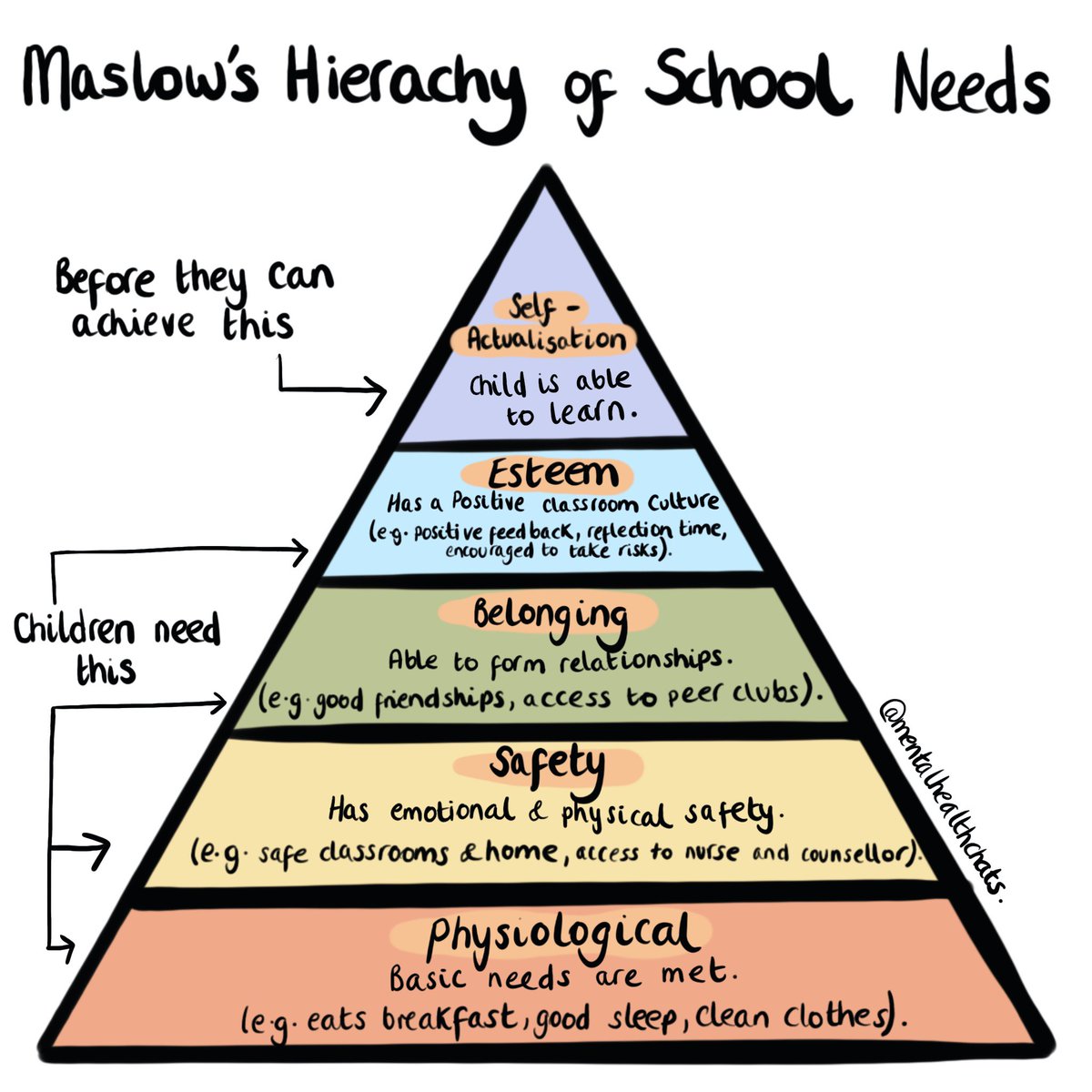
After our physiological needs are met,we need to biologically attach. We have brain circuitry wired for attachment (limbic).Within schools, attachment should come before everything. It's all about attachment. For pupis, it's an absolute necessity. Everything else will follow.
3
13
29
844
Dr. Gina Cherkowski retweeted

May 17
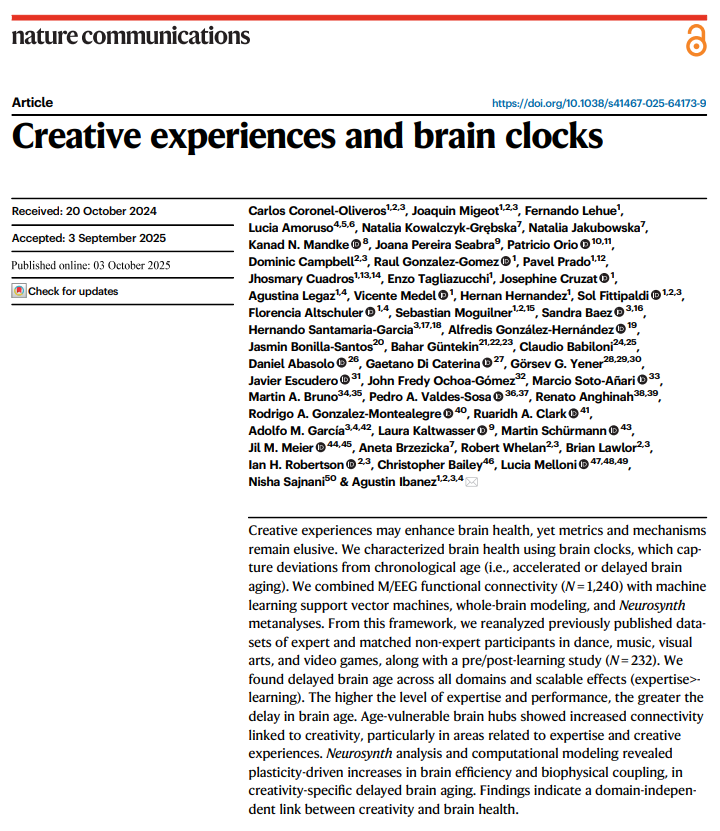
Creativity is associated with slower brain aging.
23
293
1,927
71,910

53
Dr. Gina Cherkowski retweeted

May 14
A major new study reveals that adults with ADHD who tap into their strengths—such as creativity, spontaneity, and deep focus—tend to feel happier and mentally healthier.
ow.ly/6JoF50YTS9Z
6
34
1,567
Dr. Gina Cherkowski retweeted

May 13
Screens are robbing Australian toddlers of sleep.
A new study of over 3,000 kids found that for every hour a 2-year-old spends on a device, their sleep gets delayed by nearly 30 minutes — creating “social jetlag” and putting their development at risk.
Excessive early screen time disrupts melatonin production and delays sleep onset, which is critical because deep sleep in early childhood supports brain development, memory consolidation, and emotional regulation.
Early childhood is when brains develop fastest. Replacing sleep, movement, and real human connection with screens could have serious long-term consequences for an entire generation.
Toddlers becoming screen-dependent is abysmal. Parents need real boundaries instead of letting devices raise their kids.
What do you think — are we being too lax with screen time for toddlers, or do you think the benefits outweigh the risks?
6
20
59
20,985
Dr. Gina Cherkowski retweeted
May 10
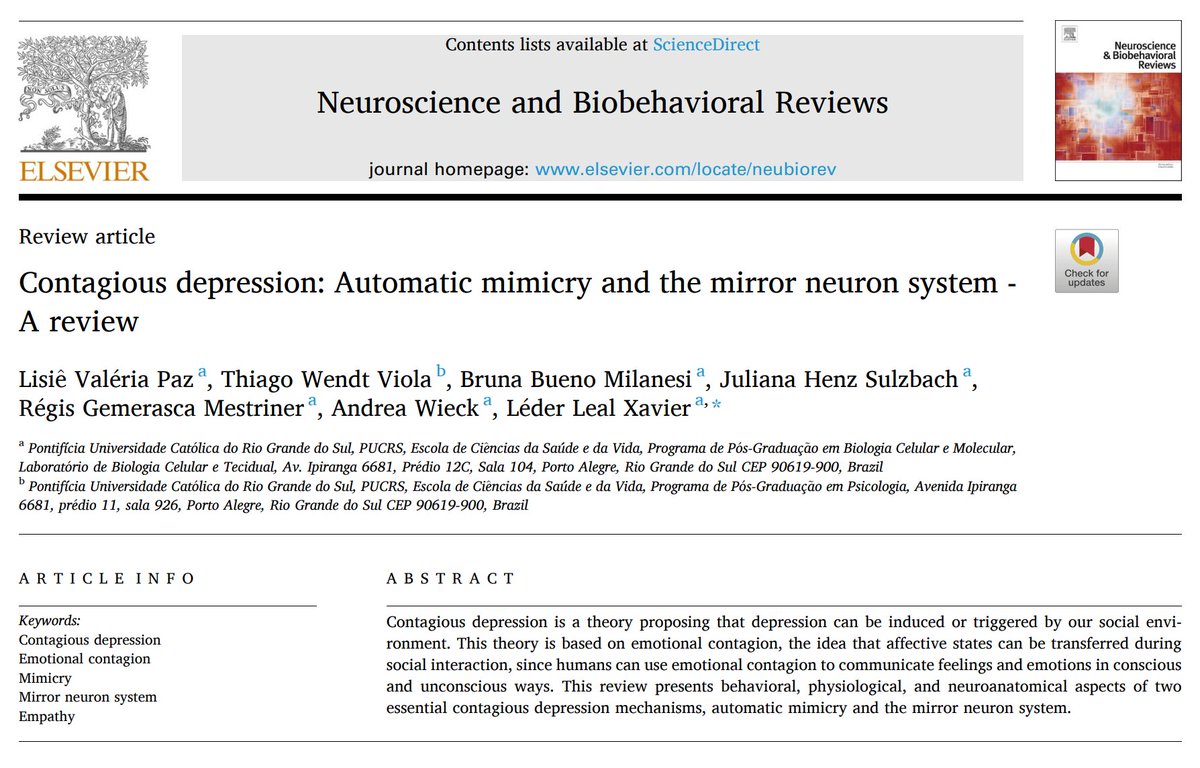
Depression may be contagious through a dysfunctional mirror neuron system.
41
422
2,920
259,016
Dr. Gina Cherkowski retweeted
May 5
A group of UC Berkeley students did a 9-week digital detox… and the results were striking.
Cognitive neuroscientist Dr. Sahar Yousef (UC Berkeley Haas) found that participants experienced less anxiety, less depression, and more mindfulness. Some students said they suddenly started noticing all the positive things in their real life once the constant scrolling stopped.
Dr. Yousef also raised a concern, noting that heavy daily tech habits may be linked to brain changes: “We’re actually seeing brain atrophy… degradation of certain brain areas related to self-awareness [and] cognitive control.” (Note: This is an emerging area of research — more long-term studies are needed.)
This feels very relatable. The longer I step away from endless scrolling, the clearer and calmer my mind seems to get.
Our digital habits have become so automatic that we rarely stop to consider their impact on mental health and focus.
Have you ever tried even a short digital detox? What difference (if any) did you notice?
49
782
2,468
197,203
Dr. Gina Cherkowski retweeted
May 3
Brain scans are revealing early dementia-like changes in kids and teens from heavy screen use.
60 Minutes Australia reported toddlers spending just 2–3 hours daily on devices already show abnormal white matter development. Teens averaging 6–8 hours display widened brain ridges and thinning in key areas — patterns that mirror early Alzheimer’s.
Excessive screens appear to weaken neural pathways that normally strengthen through real-world movement, play, and face-to-face interaction.
We’re also seeing the first IQ drops in recorded history, plus a nearly 400% rise in early-onset dementia signs among 35–44 year olds. Correlation, not proven causation — but devices are the major new variable.
This is one of those reports that makes you rethink default habits. The convenience of screens is undeniable, but the potential long-term brain impacts on developing kids are hard to ignore.
We may be unintentionally running a massive experiment on the next generation’s cognitive health.
Are we underestimating the risks of heavy screen time, or is this concern overblown?
228
2,100
6,062
1,945,587