Joined April 2009
- Tweets 184
- Following 138
- Followers 473
- Likes 39
18 Photos and videos



Greg Ver Steeg retweeted

17 Jul 2025
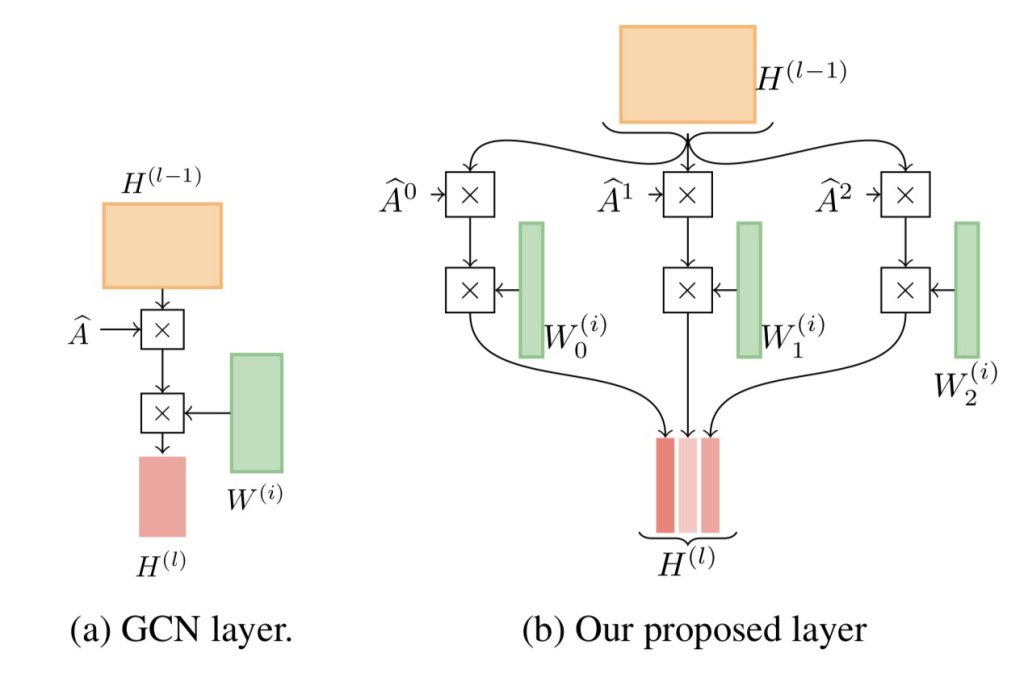
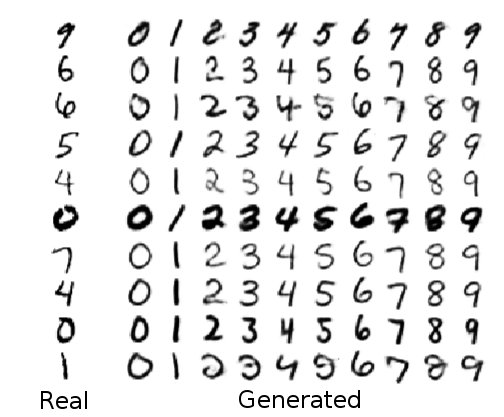
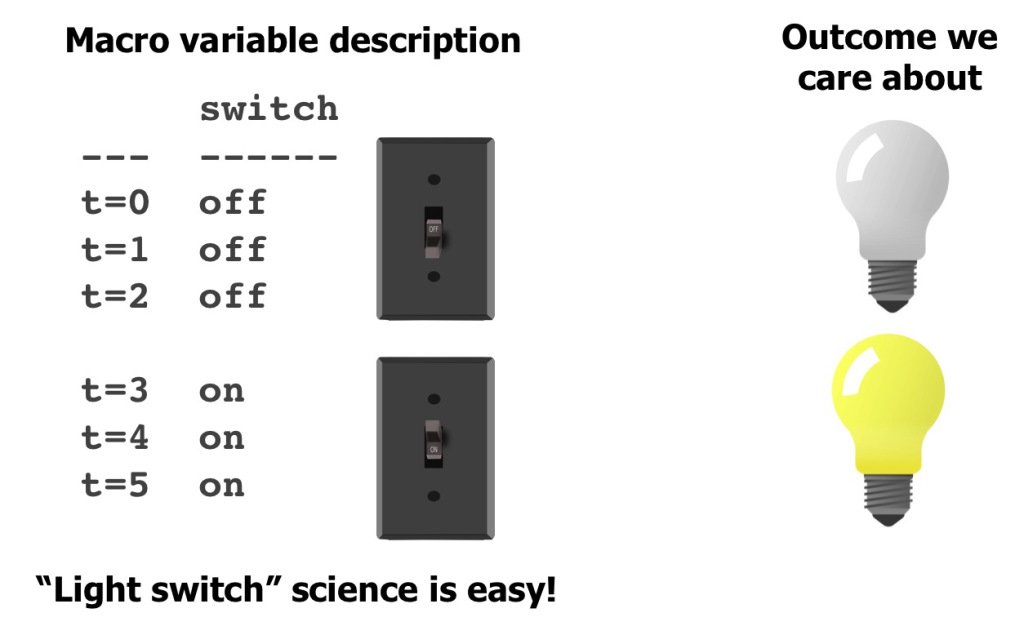
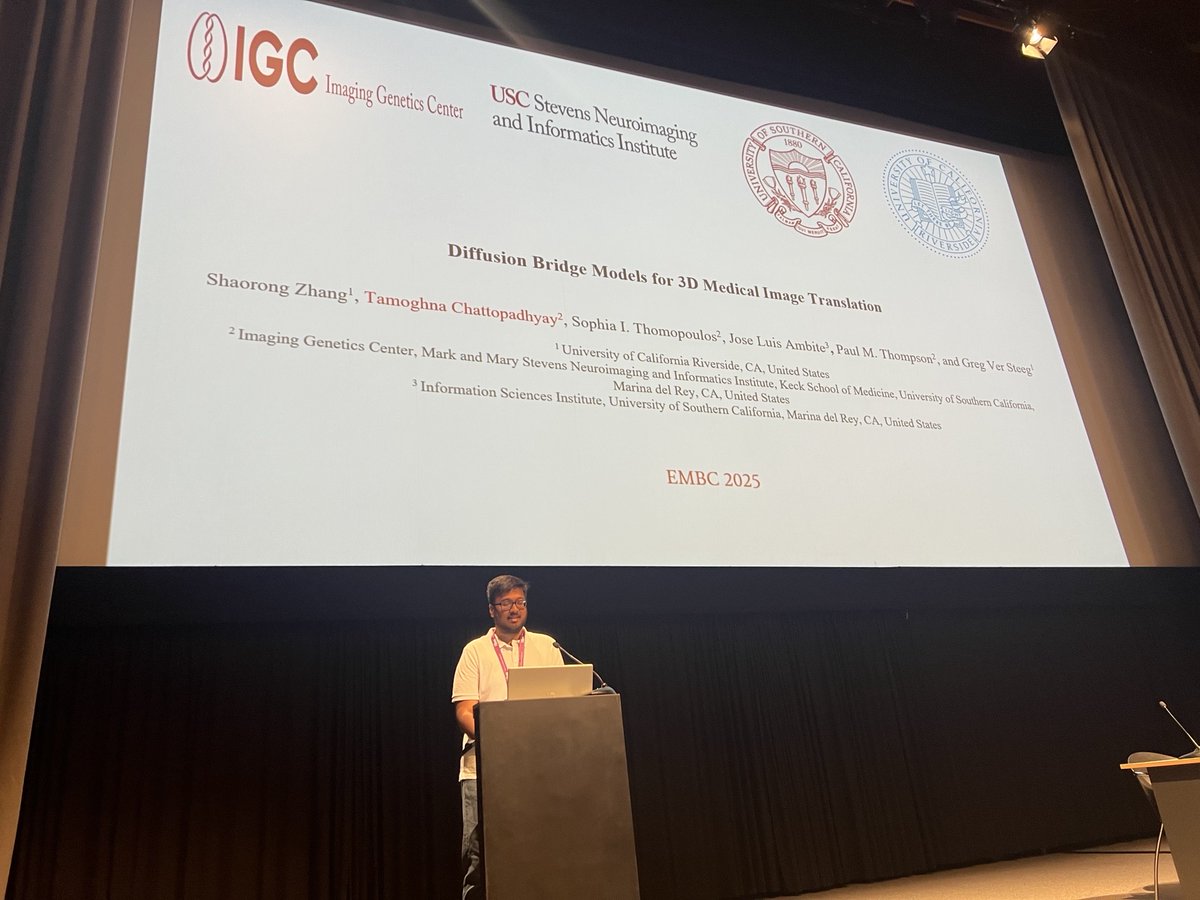
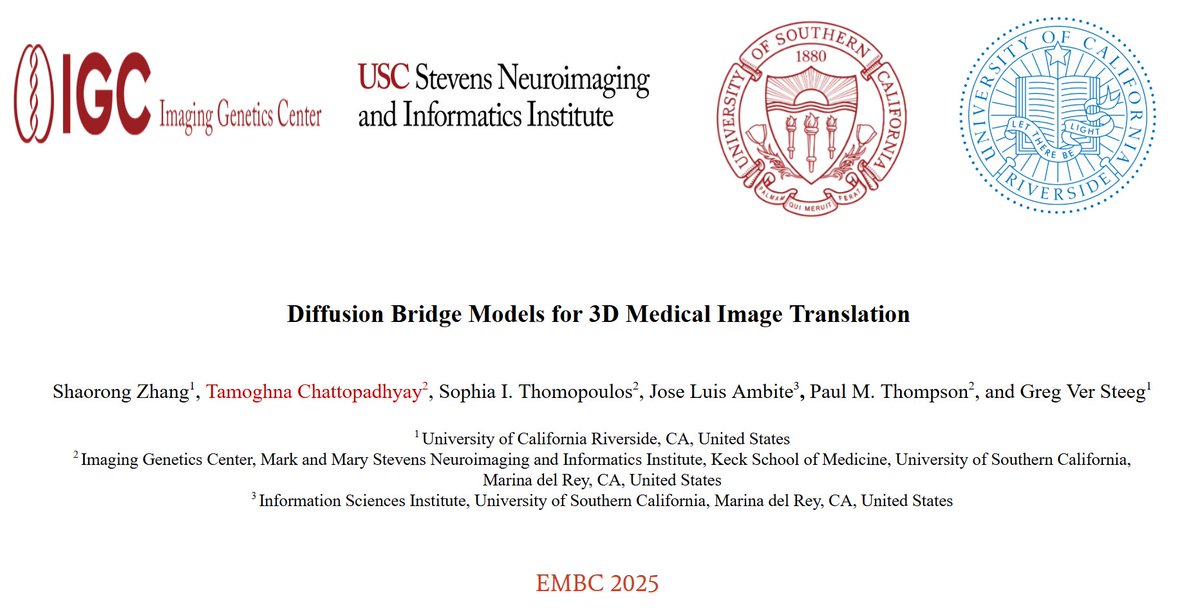
✨🧠Excited to have had the opportunity to present our work titled 'Diffusion Bridge Models for 3D Medical Image Translation' in IEEE #embc2025 conference. Some of the important points of discussion from the paper are in this 🧵
1
3
13
1,538

2 Apr 2024
rdcu.be/dDm5k Nice work on latent space learning with biomedical data by amazing PhD student Myrl Marmarelis, who is working at the intersection of causality and machine learning. He's defending soon, so you should move fast if you want to lure him somewhere!
1
3
12
905
Greg Ver Steeg retweeted

23 Feb 2024
1/8
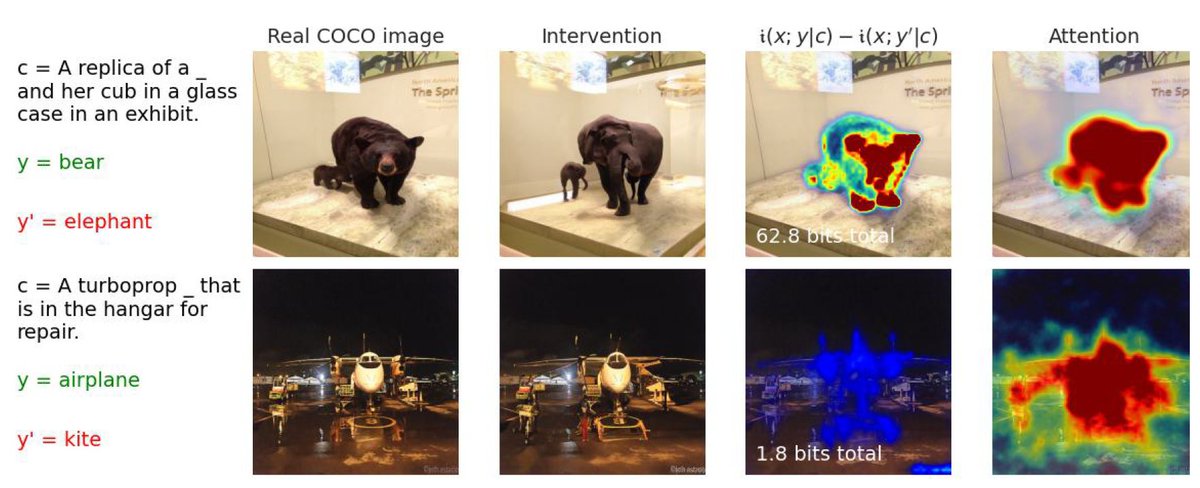
🚀 AI Breakthrough: "Interpretable Diffusion via Information Decomposition" 🧠
- Quantitative understanding of conditional diffusion models.
- Align text-image data using mutual information.
- Goes beyond "attention".
🎉 Accepted at #ICLR2024!
1
2
17
6,290
Greg Ver Steeg retweeted

17 Oct 2023
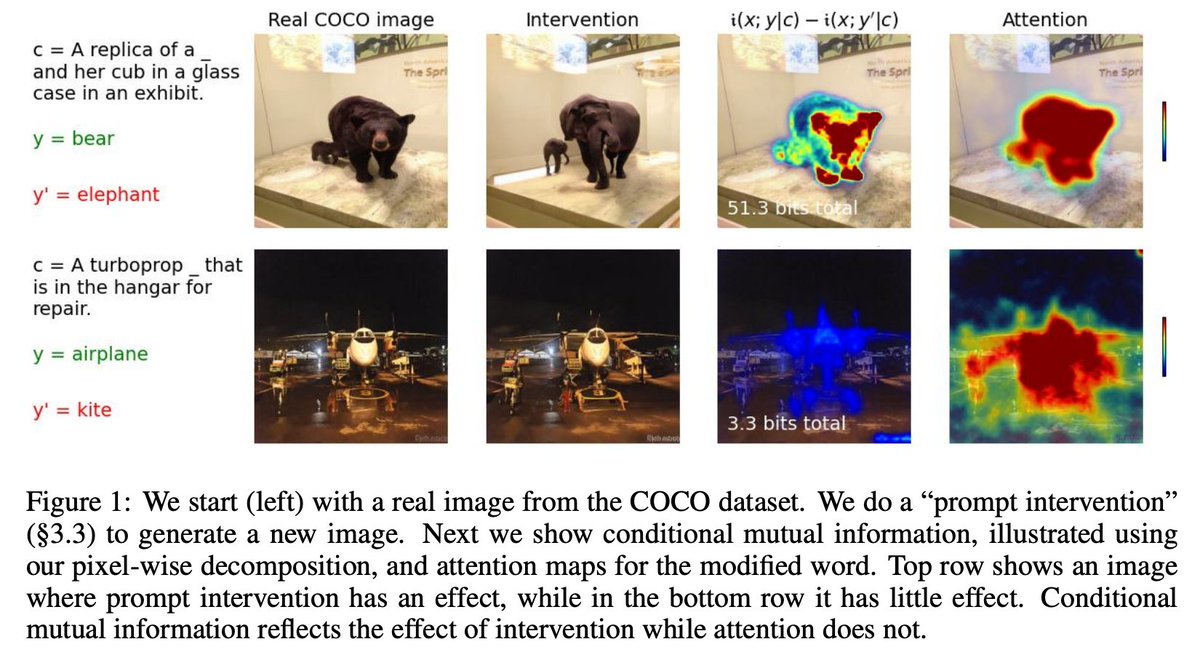
MI diffusion! two new papers calculating (pointwise) mutual information as a difference of scores
cool experiment by @xxk0ng @gesteller identifying areas of an image relevant to changing a prompt
arxiv.org/abs/2310.07972
see also @michiard arxiv.org/abs/2310.09031
1
10
40
6,525

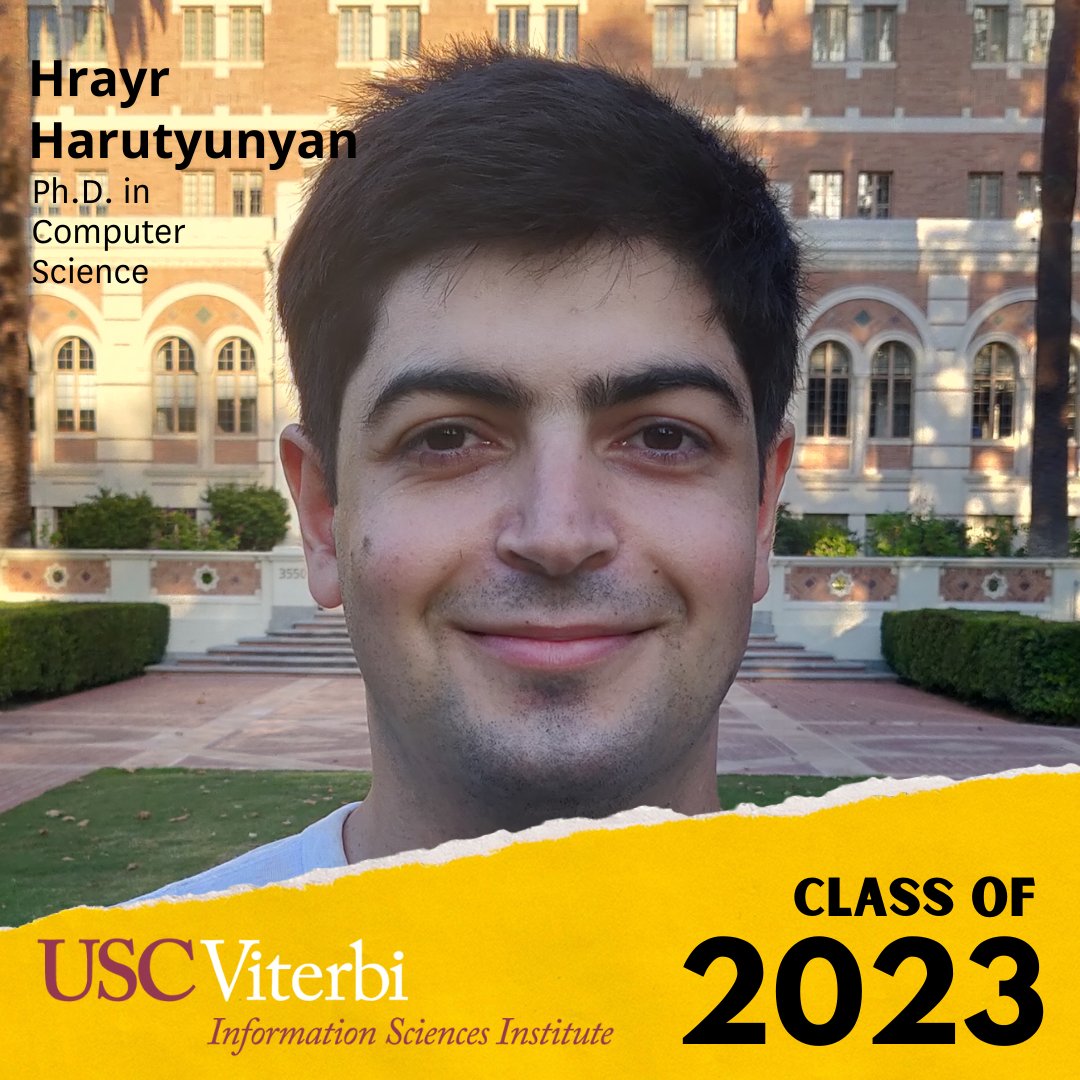
Congrats to our graduating ISIers! #Classof2023
@harhrayr is earning his #PhD in #ComputerScience, which he obtained under the supervision of his two advisors @aram_galstyan & @gesteller.
Following graduation, Hrayr will join @Google Research in NYC as a #researchscientist!
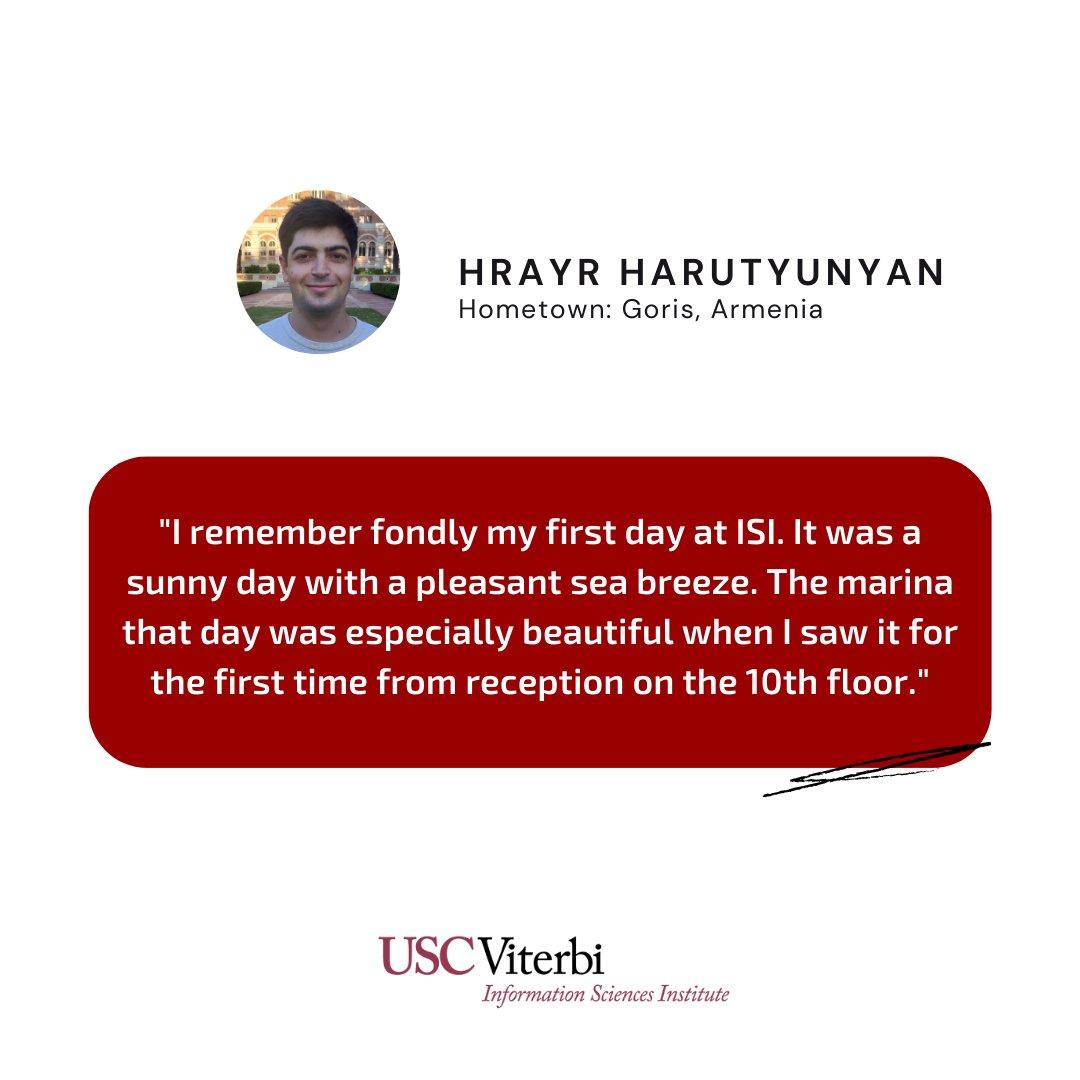
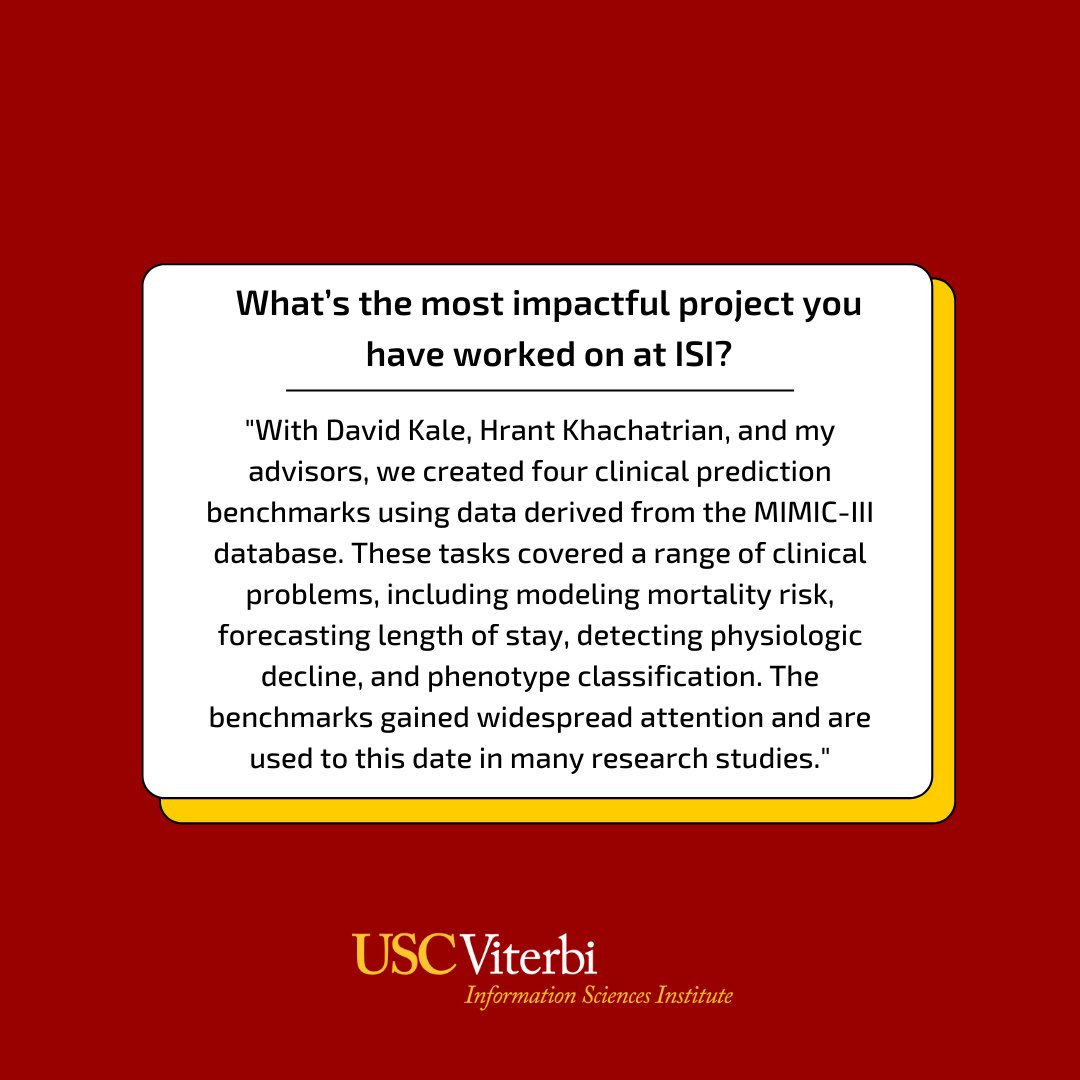
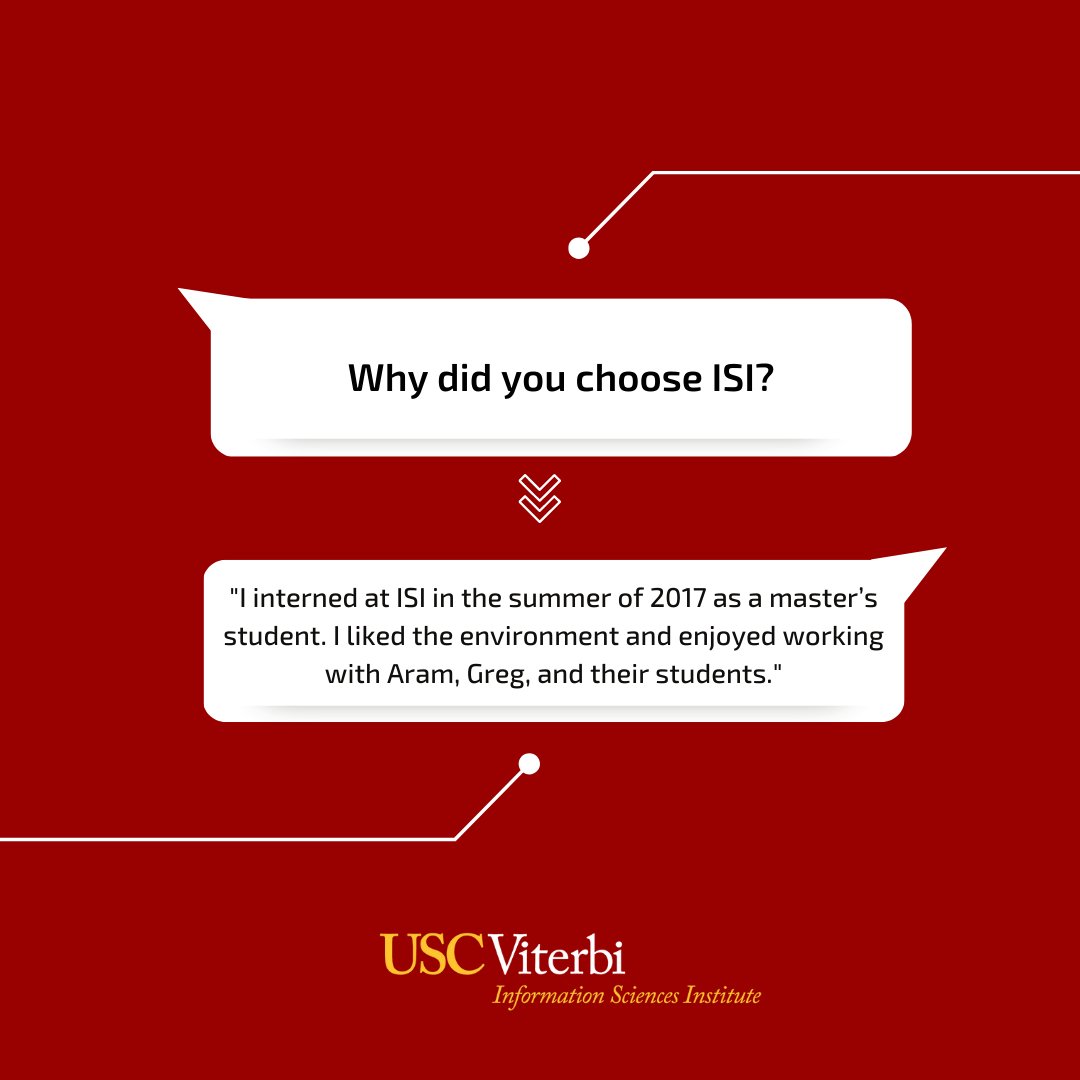
3
1
9
1,349
Greg Ver Steeg retweeted

19 Apr 2023
What are the #histopathology image #WSI patterns associated with gene expression in cancer? Can we discover them with #AI and use them for spatial profiling and #precision medicine?
Our preprint explores limitations & possibilities of #cpath for this.
biorxiv.org/content/10.1101/…
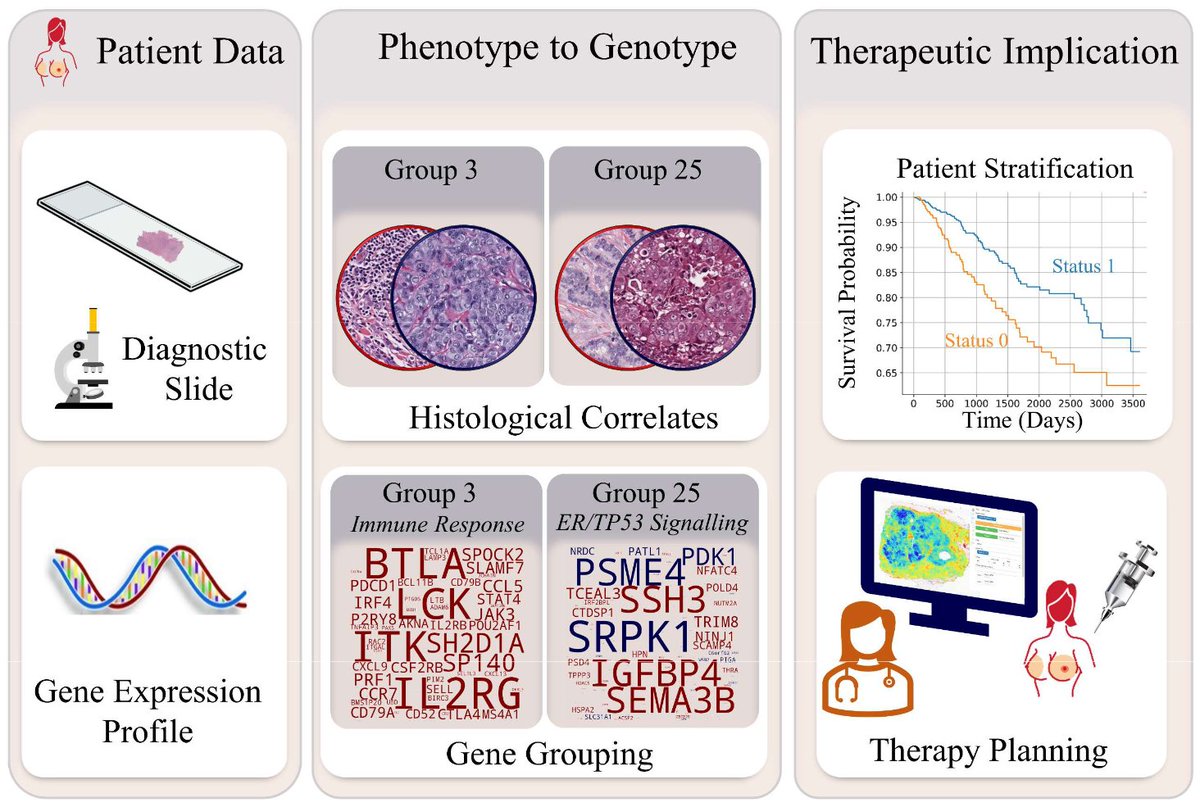
1
18
66
7,607
8 Apr 2023
Robnik et al's Micro-canonical Langevin Monte Carlo arxiv.org/pdf/2303.18221.pdf sets a new standard for sampling. Elegant energy preserving dynamics that sample from a target distribution faster and with less bias!
1
2
473
Greg Ver Steeg retweeted
9 Feb 2023
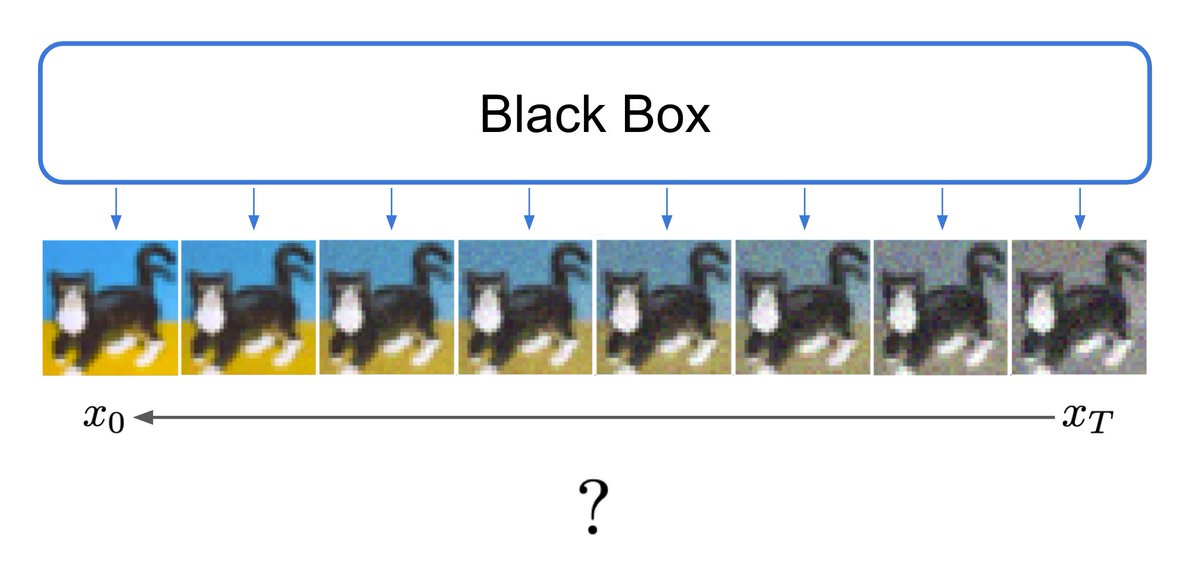
AM is a general approach for learning CNFs or SDEs, w/o backdrop thru dynamics in training
-natural for trajectory inference in biology, w/time snapshots given
-or generative modeling w/flexible endpoint dists or interpolating processes
(learned a ton from @k_neklyudov here :)
9 Feb 2023

Happy to share an update to Action Matching arxiv.org/abs/2210.06662, a method that learns the evolution of any distributions
learning Fokker-Planck eq. for any evolution
trajectory inference for biology
quantum systems simulation
connections to OT ( entropic, unbalanced)
1
2
13
2,384
Greg Ver Steeg retweeted

22 Sep 2022
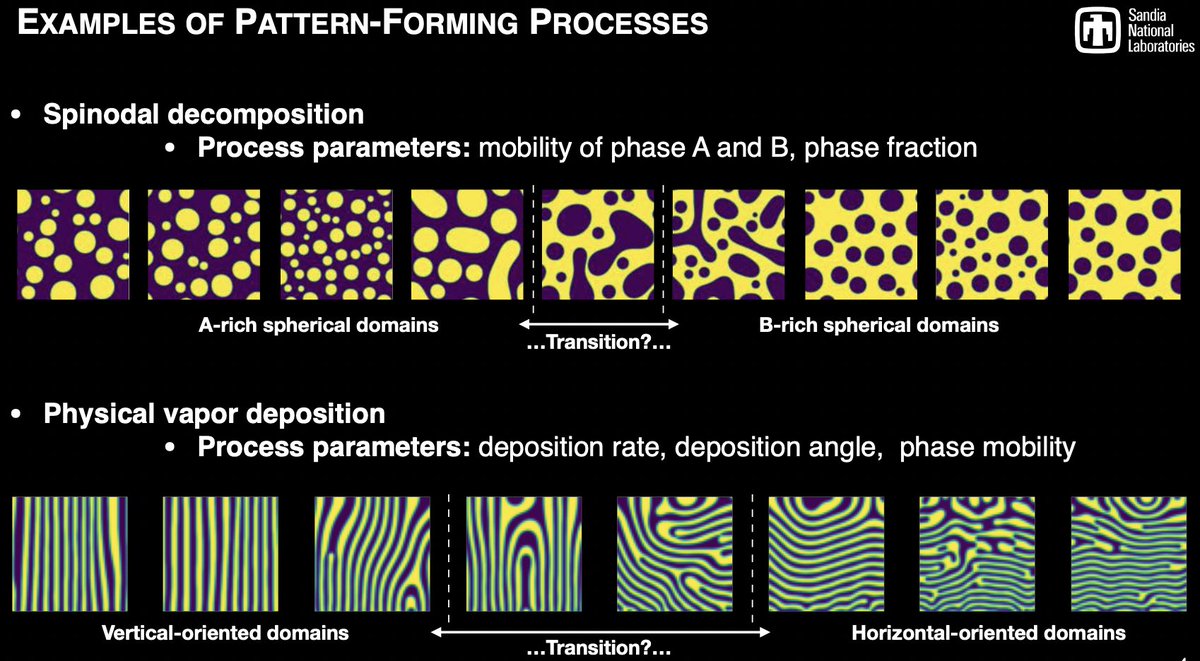
**AI can detect new materials**
New paper with Marcin Abram, @DingrevilleRemi, and @gesteller just published in NPJ Computational Materials rdcu.be/cV6q4
Slides borrowed from a GREAT talk @DingrevilleRemi will be presenting at a SIAM DS siammds22.us2.pathable.com/m…
🧵1/6
2
3
2
22 Sep 2022
RT @DingrevilleRemi: Pattern formation is key in many physical and biological systems, but it can be hard to discern when transitions occur…
2
Greg Ver Steeg retweeted

8 Jun 2022
Welcome to the official account of the Visual Intelligence and Multimedia Analytics Laboratory (#VIMAL) at @USC_ISI @USCViterbi @USC. Our research spans theoretical #AI, #ComputerVision, #misinformation #forensics, #deepfake detection and #biometrics.
1
3
7
Greg Ver Steeg retweeted

18 May 2022
I'm happy to announce that I'm joining @Vanderbilt_CS this fall as an Assistant Prof, building a Machine Learning and Medical Imaging group (alongside some truly wonderful faculty already there).
Please reach out if you want to collab!
23
5
139
Greg Ver Steeg retweeted
26 Apr 2022
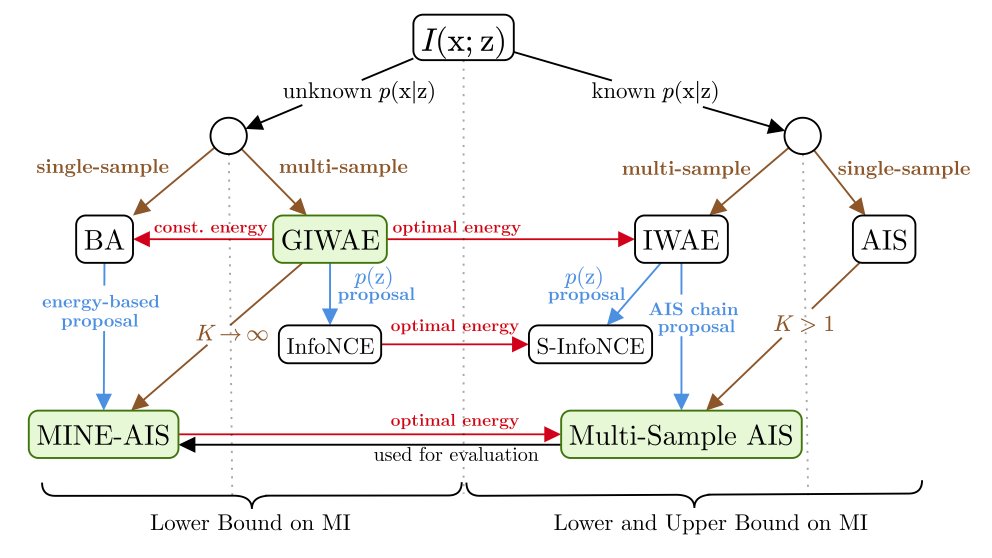
We’ll be presenting our ICLR paper “Improving Mutual Information Estimation using Annealed and Energy-Based Bounds”, Tues @ 10:30am PDT/17:30 GMT
Talk: bit.ly/3vcFDW6
Paper: bit.ly/3Kcwi4X
w/@sicong_huang @MarzyehGhassemi @gesteller @RogerGrosse @AliMakhzani
2
7
31
Greg Ver Steeg retweeted

15 Apr 2022
New Article: "A Metric Space for Point Process Excitations" by Marmarelis, Ver Steeg and Galstyan jair.org/index.php/jair/arti…
1
Greg Ver Steeg retweeted
22 Mar 2022
1
Greg Ver Steeg retweeted
31 Aug 2021
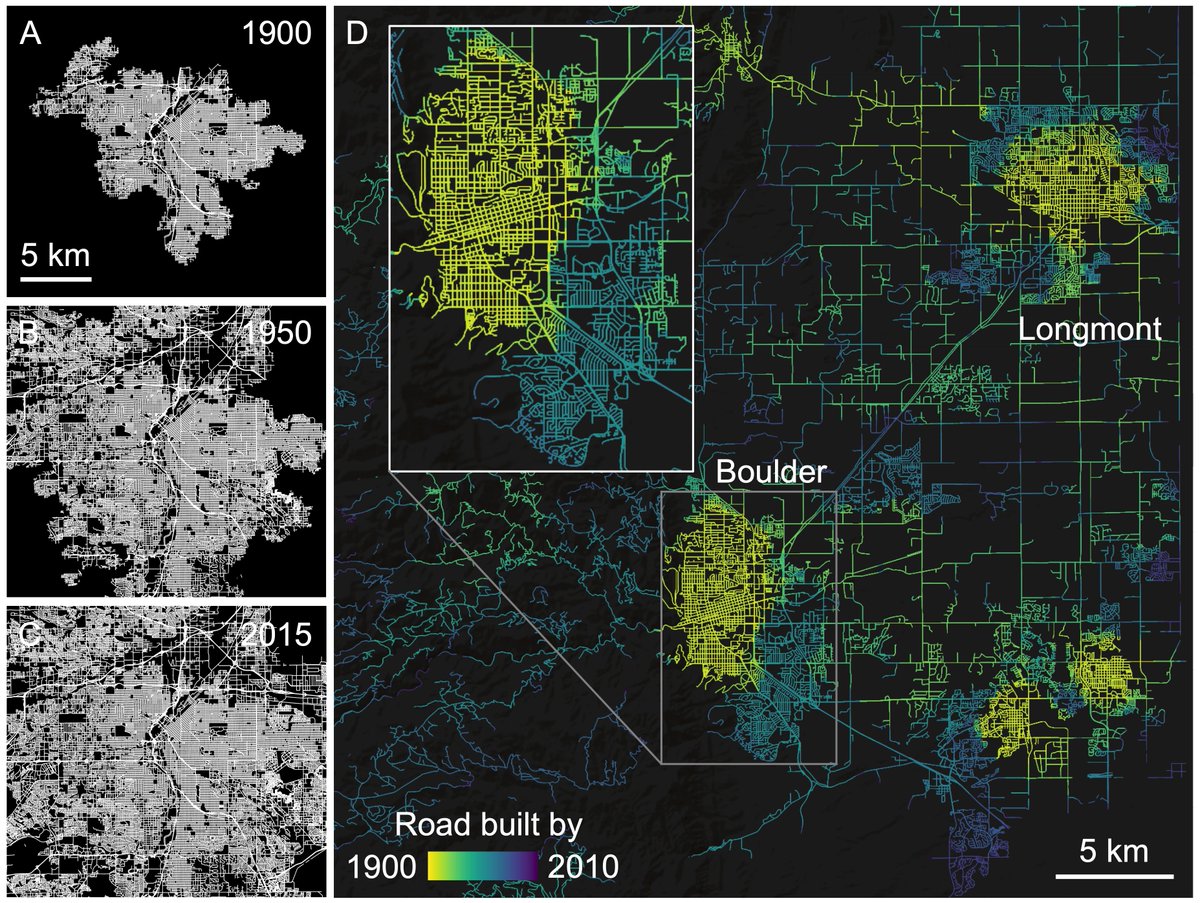
Our manuscript is available here: arxiv.org/pdf/2108.13407.pdf
31 Aug 2021

How do road networks evolve? I, with my colleagues Johannes Uhl, Stefan Leyk, and @KristinaLerman have explored this question by recreating road networks since 1900.
1/🧵
1
1
3