ask questions. learn. discover. smile. and a Vandy fan! 🇺🇸🇺🇦
Joined July 2012
- Tweets 138,539
- Following 5,762
- Followers 1,363
- Likes 334,039
22 Photos and videos


Questionnaire retweeted

“We are the first generation to feel the effect of climate change and the last generation who can do something about it.” - Barack Obama
#ObamaPaareciationDayJune14
8
34
200
3,850
Questionnaire retweeted

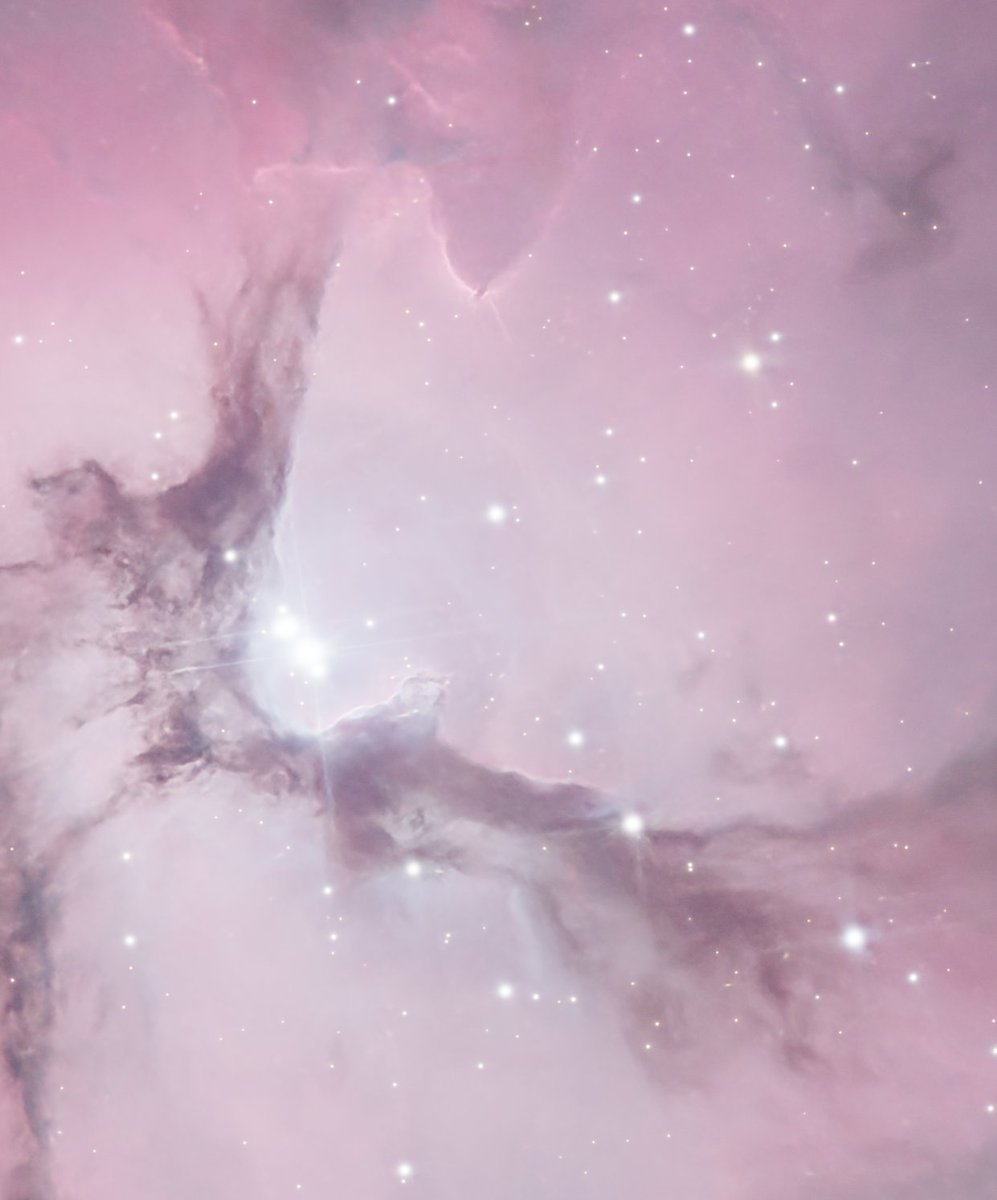
Another work in progress shot from one of my favorite nebulae close to the core of our galaxy from our vantage point.
I'll be capturing it like this every night for weeks in hopes to get an incredibly detailed photo when finished!
27
55
771
9,438
Questionnaire retweeted

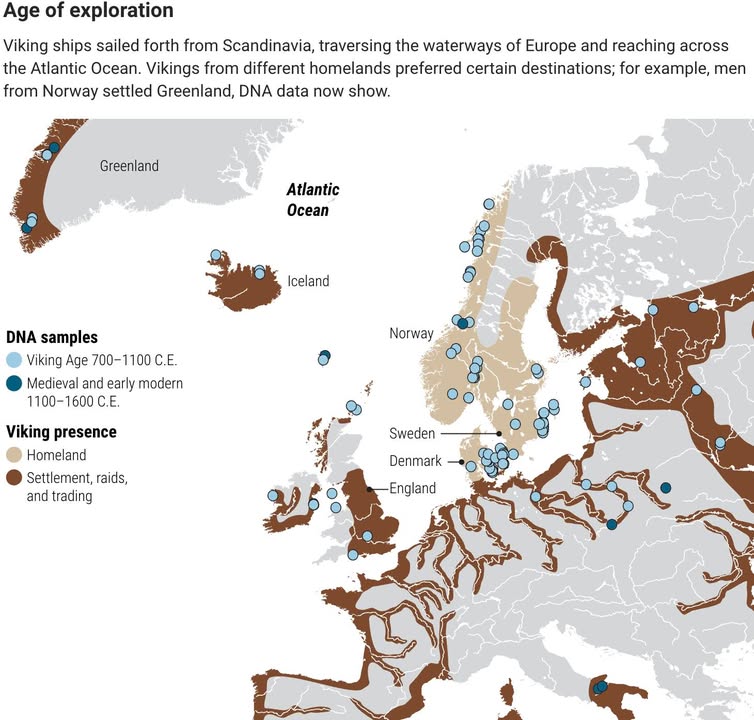
A massive effort to sequence the DNA of Vikings across Europe was published in 2020. The study revealed family histories of Vikings who set forth—and died—far from home.
Learn more: scim.ag/4eEBSzu #ScienceMagArchives
3
6
33
6,253
Questionnaire retweeted

Another major environmental catastrophe that impacts on climate and world trade, but it is not on the radar.
The following link is a good video of the Sargassum problem, a pelagic seaweed floating on the surface of the ocean.
When we sailed across the Atlantic Ocean, we got stuck three times in giant mats of Sargassum. The video gives a good explanation of what happens in the Caribbean when it washes ashore, but it misses the major environmental and economic implications that have a profound impact on world trade and marine life in an entire ocean.
The Sargassum starts off from the coast of Brazil; it picks up nutrients from the Amazon and grows at an accelerated rate. It can double in biomass every 10 days. The weed crosses the South Atlantic to Africa and flows up the west coast, picking up more nutrients from the Congo and Gambia as well as agricultural run-off. By the time it reaches North Africa, Cape Verde, it takes a left turn and starts heading back across the Atlantic to the Caribbean.
There should only be 1 million tonnes of the weed in the Atlantic, but there are now 40 million, and it is expanding year on year. Sargassum is a plant, and like all plants, it requires nutrients such as phosphate. However, the massive amount of weed uses up all the phosphate and then biochemically defaults to absorbing arsenic, which sits below phosphate in the periodic table.
The Equatorial Atlantic is now devoid of phosphate, which means there is almost no phytoplankton, zooplankton or fish. When we conducted our citizen science project, 5000 samples were collected by 25 yachts at around 15 deg. North, and the results all confirmed that the Equatorial Atlantic was effectively dead.
The results were not ignored by the academics; instead, they attacked the Citizen Science project, this has become the subject of a reports by seethroughnews.org.
Given the phytoplankton, such as coccolithophores and diatoms, have exhibited a regime shift, it also means the SML oil surfactant layer is gone, which means evaporation across the air-water interface has increased and aerosol/cloud formation has decreased.
Satellite.
Imagery confirms a 10% increase in humidity and a 10% decrease in cloud formation and rain.
This is climate change TICC, the consequences.
Impact on Central America, the survival of the tropical rainforests, mangroves, coral reefs, 25% of all marine life in the Atlantic and water supply for the Panama Canal. 6% of world trade and 40% of USA trade pass through the canal, and it has been totally missed as a major economic and environmental catastrophe.
GOES centre for marine research:
Seahorsepoint.org
The video below was taken in the middle of the Atlantic Ocean from our sailing vessel Copepod. Via Howard Dryden
27
217
514
41,178
Questionnaire retweeted

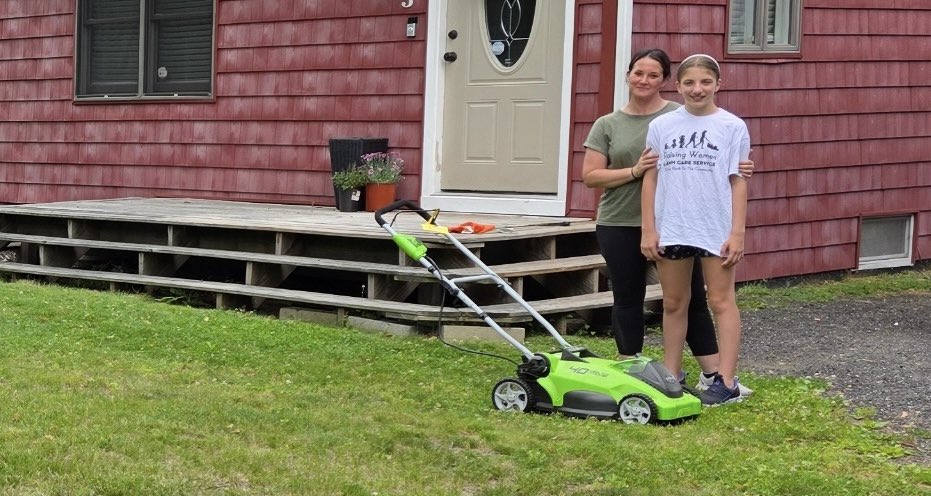
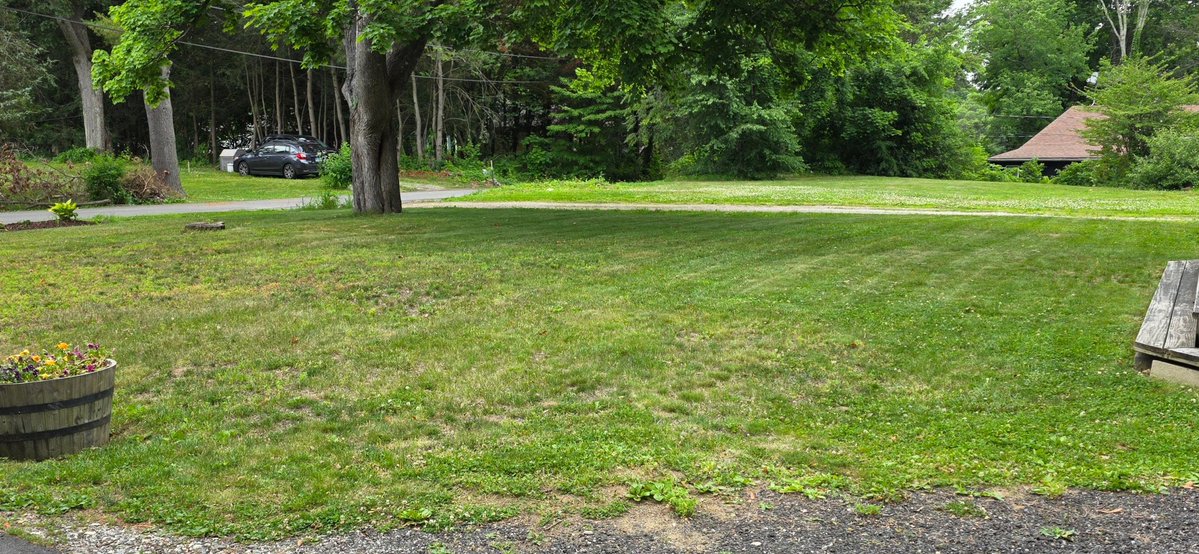
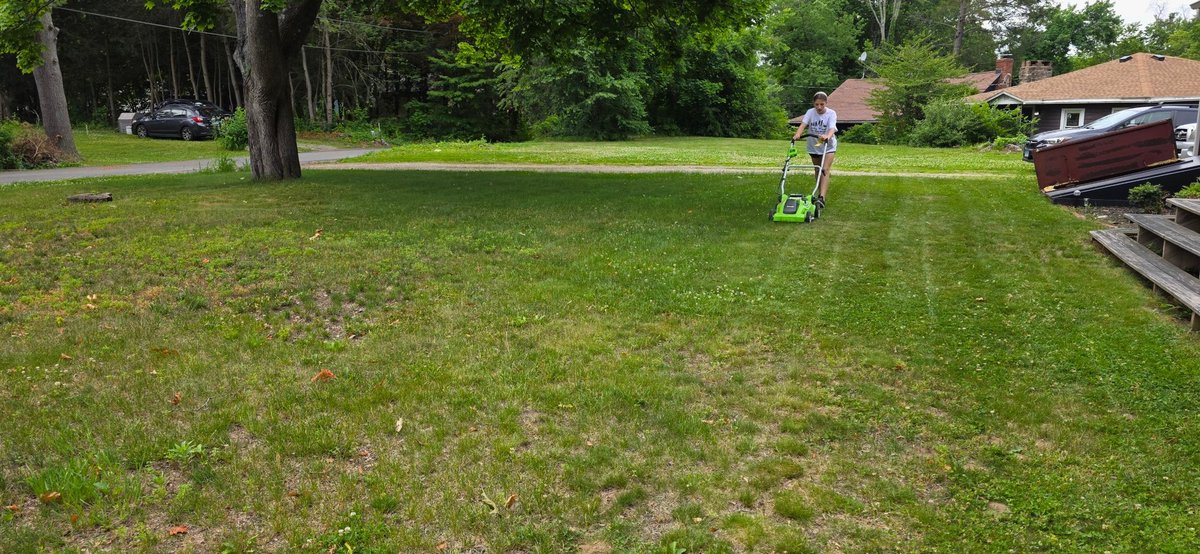
Faith of Sandy Hook, CT who recently stepped up to take on the 50 Yard Challenge is back in action with a new yard ! Go faith ! Lawn 6.
23
113
1,098
5,578

All the concerns about this World Cup, spanning extreme heat to transportation headaches and record ticket prices, failed to tarnish the opening days of the tournament. bloomberg.com/news/articles/…
2
1
14
12,384
Questionnaire retweeted

Several women said they’d be willing to give up their right to vote if it meant creating a more conservative country at the Turning Point USA Women’s Leadership Summit recently held in San Antonio, Texas. democracydocket.com/news-ale…
1,803
1,041
2,342
203,603
Questionnaire retweeted

Asked what he makes of the emerging details on the possible peace deal between the U.S. and Iran, Sen. Mark Warner (D-VA) says, “if the President can declare victory, so be it,” but he adds, “107 days into Donald Trump's war of choice, can anyone make the case that we, or our allies, are in a better spot than before this war?”
Warner also compared the potential deal unfavorably with the Obama-era deal known as the JCPOA: “And for all his critique of JCPOA, we had international observers, we actually had an alliance there that included the Europeans, and Russia and China were all signatories. Now it is America going alone or going with Israel only, and that does not make us safer.”
43
90
380
51,165
Questionnaire retweeted

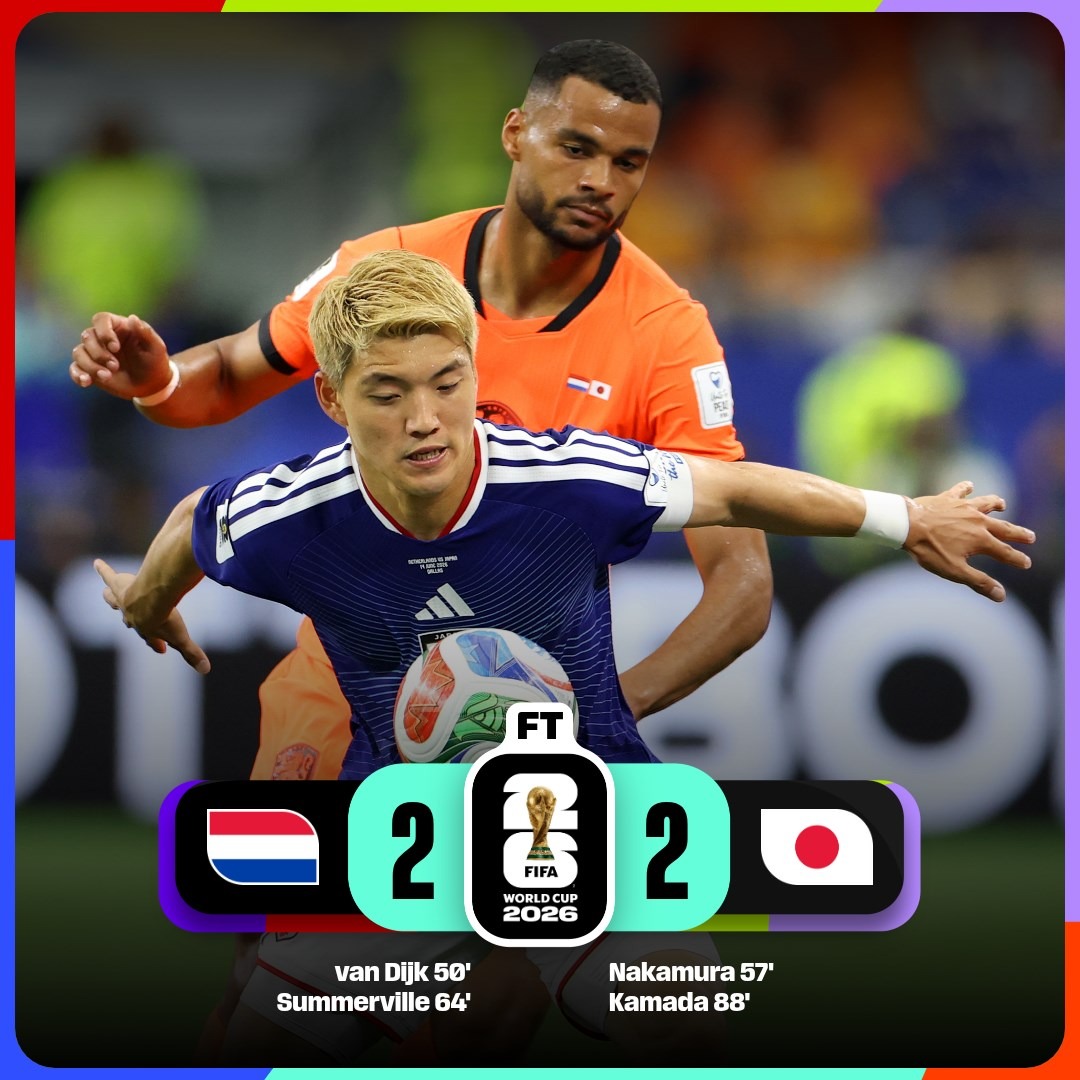
I love the World Cup so very, very much. Nothing like it on Earth.

Japan head coach Hajime Moriyasu during the country's first national anthem at the 2026 FIFA World Cup 🇯🇵
3
61
1,160
25,545
Questionnaire retweeted

Japan head coach Hajime Moriyasu during the country's first national anthem at the 2026 FIFA World Cup 🇯🇵
20
87
1,294
202,843
Questionnaire retweeted

The big problem with these UFC fights for Trump is that they reinforce the idea that he's is out of touch with Americans.
Just 16% say these fights are appropriate. Even just 31% of the GOP do.
This comes as 60% of voters & 80% of indies say the White House is out of touch.
166
917
4,277
275,404
Questionnaire retweeted

Jun 13
MAGA-influencer Riley Gaines being told/paid by Patriot Mobile handlers what her "sincerely held" beliefs are in leaked video.
Mar-A-Lago Face is a phenomenon that needs to be studied academically.
1,027
3,433
26,379
5,478,179
Questionnaire retweeted

WTF is wrong with American immigration, just let them land say "we will figure it out at the airport" and get on with it!!
3
1
3
577
Questionnaire retweeted

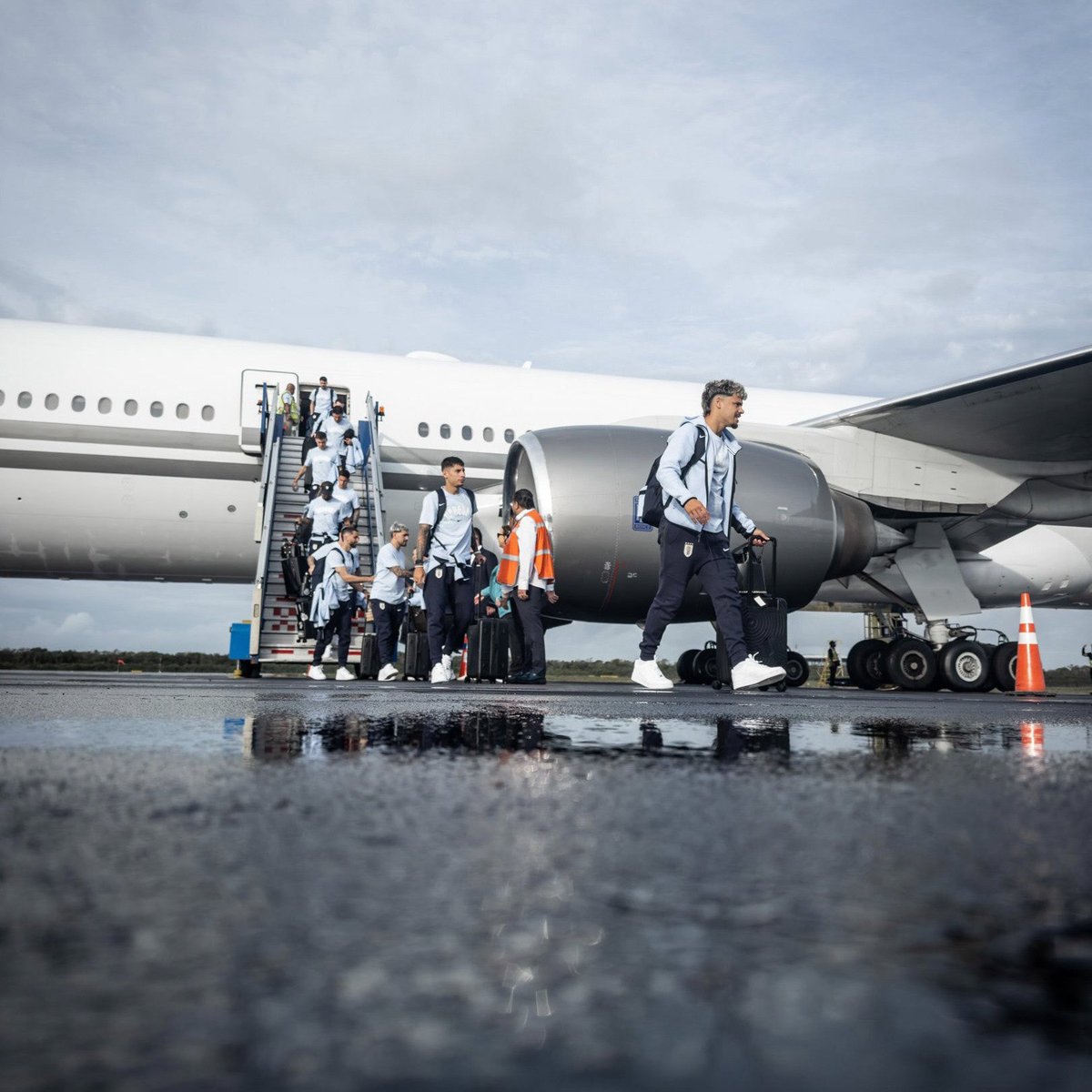
🇺🇾 The Uruguay national team are currently stranded in Cancún because the team plane had to take a detour after it was found they lacked the correct documentation required to enter the United States.
🚨 𝗥𝗘𝗠𝗜𝗡𝗗𝗘𝗥: Uruguay face Saudi Arabia in their World Cup opener in 24 hours time.
31
40
185
20,782
Questionnaire retweeted

Kennedy Center Update: Trump has left his tarp up. Looks like he is still sulking over his name being removed.
213
803
4,412
90,554
Questionnaire retweeted

“The World Cup is already gathering a diverse group of American fans around a collective experience — one that is distinctly international. A clip showing locals in Lawrence, Kansas, reacting enthusiastically to the Algerian team’s arrival quickly went viral, illustrating how international teams can generate an emotional reaction, even in places with no direct ties to the team’s country or even the sport.”
f.mtr.cool/efwnizvhxw
3
4
951

Lewis adds another glorious chapter to his spectacular career 🤩
#F1 #BarcelonaGP
61
644
5,104
124,306
Questionnaire retweeted

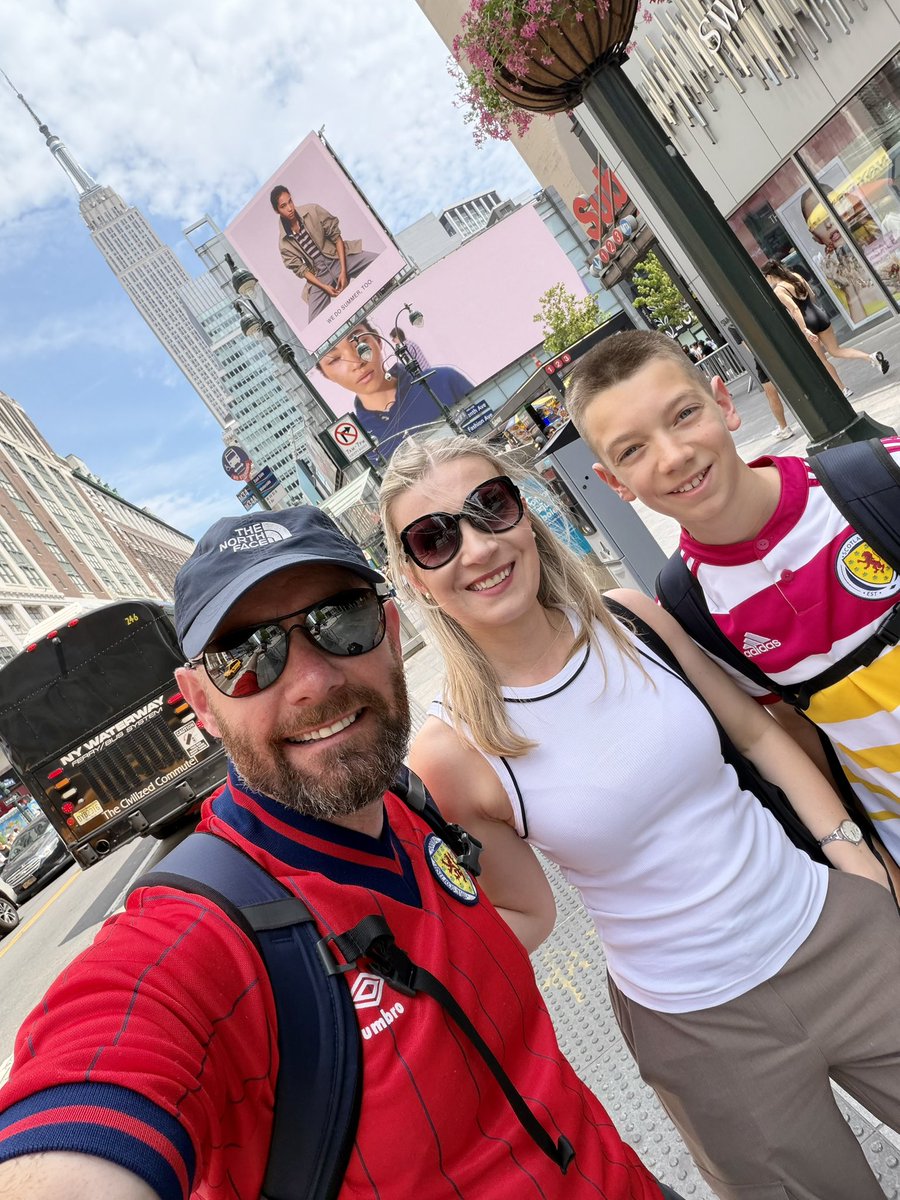
Flew the wife out to USA for a few days 😃 #newyork 🏴⚽️🇺🇸
13
16
548
4,391