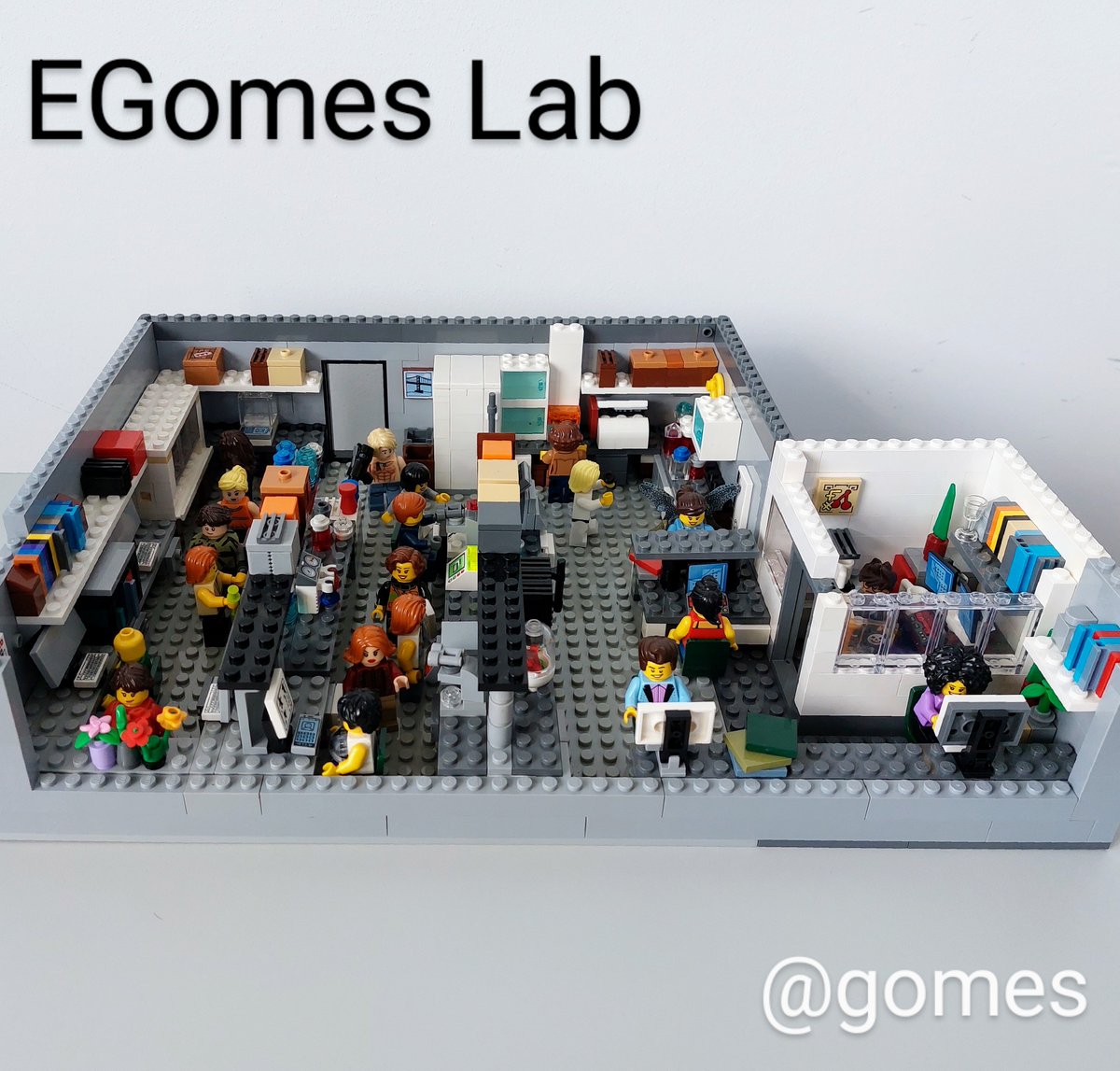
Biochemist that became a cell biologist. Our lab is interested in Cell Architecture, in particular how and why the nucleus is connected to the cytoskeleton.
š§ What if Alzheimerās risk starts at the synapse?
In our new study led by Mariana Barata, we show that BIN1, a key AD risk gene, regulates inhibitory synapsesāloss of BIN1 ā hyperexcitability before Aβ.
š cell.com/cell-reports/fullteā¦#NeuroTwitter#Alzheimers#Neuroscience
š§ What if Alzheimerās risk starts at the synapse?
In our new study led by Mariana Barata, we show that BIN1, a key AD risk gene, regulates inhibitory synapsesāloss of BIN1 ā hyperexcitability before Aβ.
š cell.com/cell-reports/fullteā¦#NeuroTwitter#Alzheimers#Neuroscience
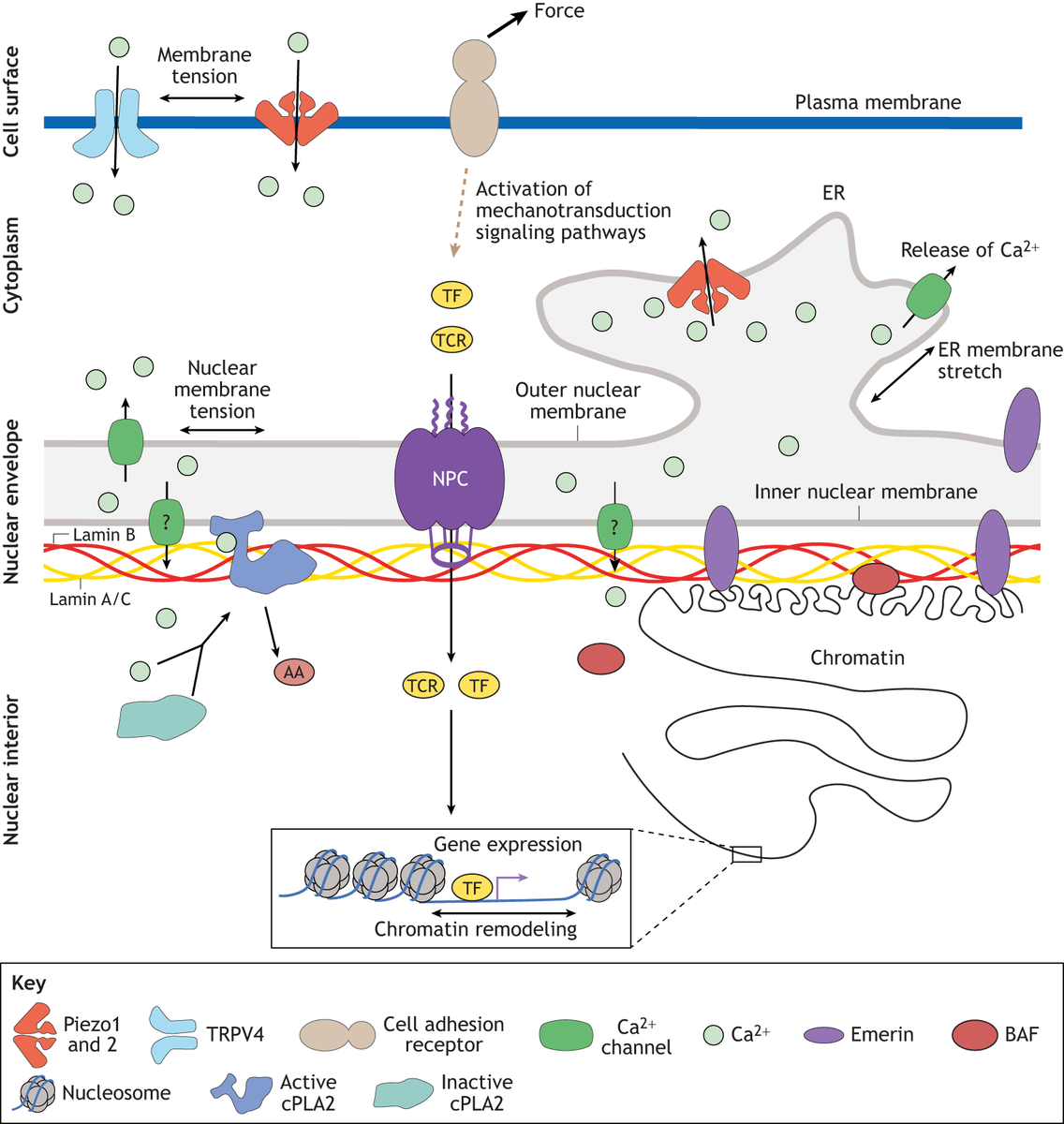
Interested in nuclear #mechanobiology, and how advanced genomic tools can shed light on how the cell nucleus might sense mechanical forces? Read our latest review by excellent Julien Morival and Anna Hazelwood, now published @J_Cell_Sci:
journals.biologists.com/jcs/ā¦
Want to learn about MAGIC project's goals and progress in accelerating the development of genetic therapies for muscular dystrophies? š¤
Get updates straight to your inbox with our newsletter! šØ
Sign up todayšeepurl.com/iCC9E2
ALT Receive updates on accelerating the development of genetic therapies for muscular dystrophies
MAGIC aims to develop effective treatments for people with rare #MuscularDystrophy.
These rare conditions affect the muscles and can impact walking, eating, sleeping and breathing.
By bringing together leading experts we will push research forwards, faster.š§āš¬
#RareDiseaseDay
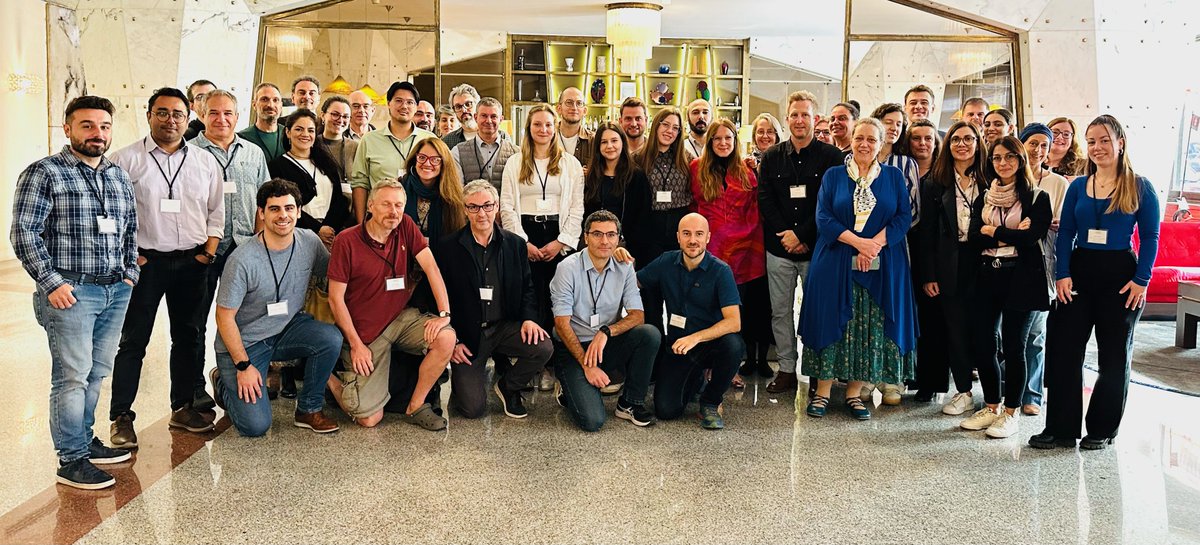
We are delighted to lead @EU_Commission-funded BIOMICS (coordinated by Nuno and managed by Diana) and partner with @embl (as well as with @CRGenomica and @ETH_en) in advancing biomedical data science and fostering critical thinking. Stay tuned: official launch in January!
EMBL and its partners have received funding from the European Commission for two new Twinning Projects ā BIOMICS and FORGENOM II ā which will build expertise and research capacity in its member states Portugal and Slovakia, respectively.
Learn more: embl.org/news/connections/shā¦
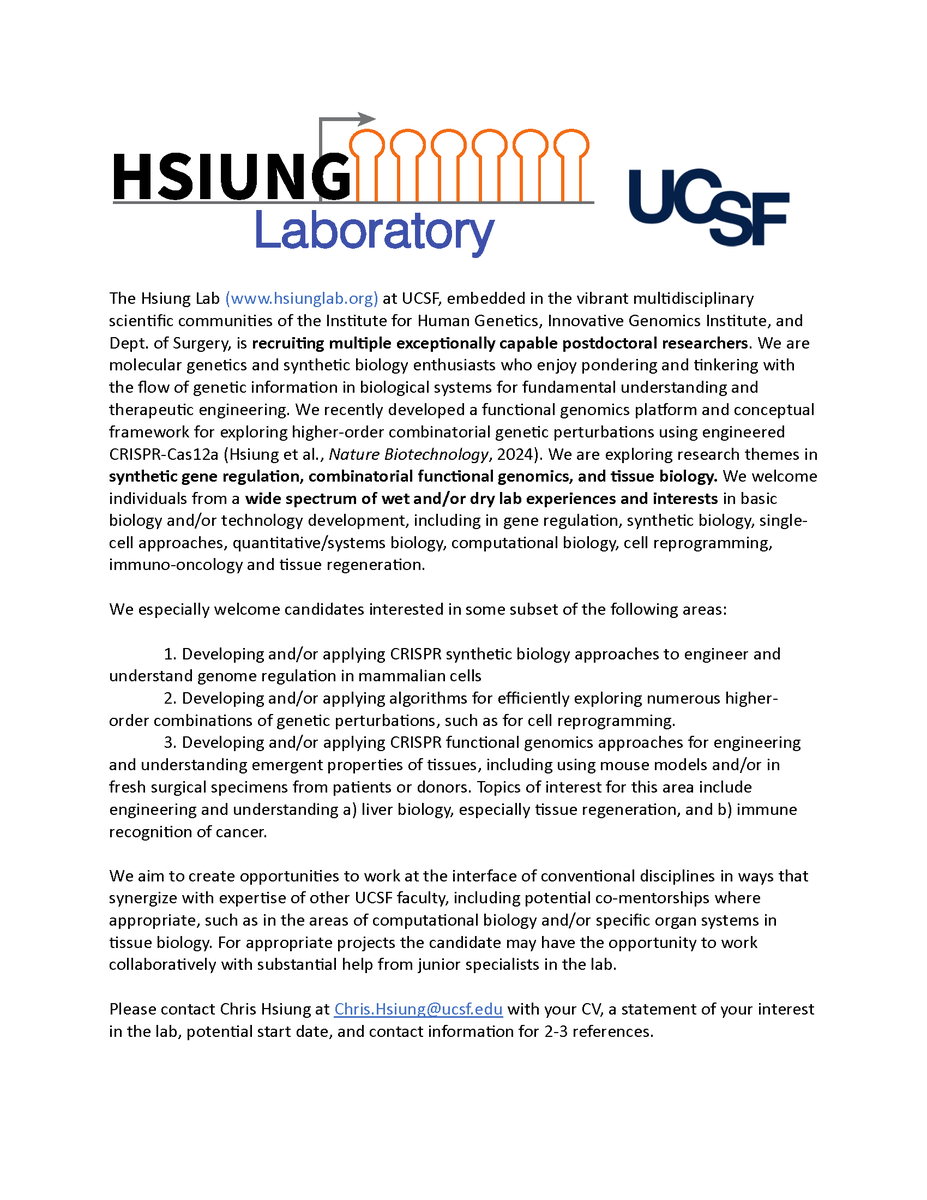
My lab at UCSF (hsiunglab.org) is looking to recruit multiple postdocs across the spectrum of wet/dry lab interests to contribute to our research in synthetic gene regulation, combinatorial genetics, and tissue biology (including liver biology and immuno-oncology). We esp. welcome individuals who add to our capabilities and perspectives in computation or specific biological domains in tissue biology. Where appropriate there would be exceptional opportunities to work collaboratively with the help of junior specialists in the lab, as well as with other UCSF labs with complementary expertise.
>> Growing āmini-lungsā to find treatments to help kids breathe easier: Rhiannon Werder @MCRI_for_kids
>> How do cells work together to create organs?
And what happens when they stop talking? William Roman @ARMI_Labs
Winners of our 2024 #MetcalfPrizesstemcellfoundation.net.au/20ā¦
>> Growing āmini-lungsā to find treatments to help kids breathe easier: Rhiannon Werder @MCRI_for_kids
>> How do cells work together to create organs?
And what happens when they stop talking? William Roman @ARMI_Labs
Winners of our 2024 #MetcalfPrizesstemcellfoundation.net.au/20ā¦
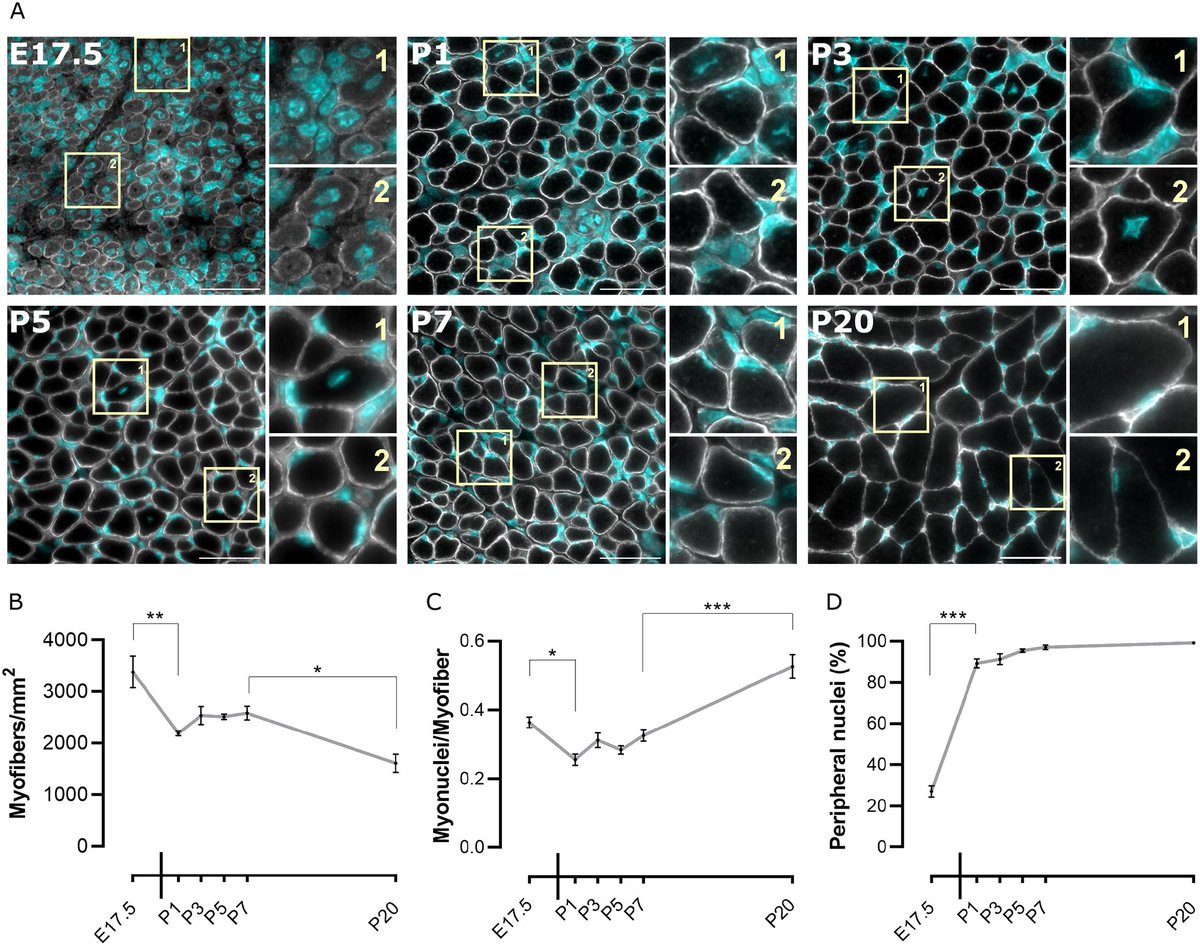
Myonuclear position and blood vessel organization during skeletal muscle postnatal development
Read this Research Article by Catarina Sequeira @CatarinaSeque11, Lou Martha Wackerbarth, Edgar Gomes @gomes and colleagues @GIMM_Institute @IMMolecular:
journals.biologists.com/dev/ā¦
ALT Figure 1A: Myofiber growth and myonuclear positioning during late embryonic and early postnatal development. (A) Representative images of cross-sectioned gastrocnemius muscle from E17.5, P1, P3, P5, P7 and P20 mice, stained for syntrophin to label the sarcolemma (white) and for DAPI to label nuclei (cyan). Magnifications corresponding to the yellow squares are shown on the right of each image. Individual channels of the magnified views are shown in Fig. S2. Scale bars: 50ā µm.
Myonuclear position and blood vessel organization during skeletal muscle postnatal development
Read this Research Article by Catarina Sequeira @CatarinaSeque11, Lou Martha Wackerbarth, Edgar Gomes @gomes and colleagues @GIMM_Institute @IMMolecular:
journals.biologists.com/dev/ā¦
ALT Figure 1A: Myofiber growth and myonuclear positioning during late embryonic and early postnatal development. (A) Representative images of cross-sectioned gastrocnemius muscle from E17.5, P1, P3, P5, P7 and P20 mice, stained for syntrophin to label the sarcolemma (white) and for DAPI to label nuclei (cyan). Magnifications corresponding to the yellow squares are shown on the right of each image. Individual channels of the magnified views are shown in Fig. S2. Scale bars: 50ā µm.
Today, I reflect on the legacy of @IGCiencia over the last 60 years and what it has meant for research and the scientific community in Portugal and beyond. IGC was never just a placeāit was a pioneering model. #IGCLegacyLivesOn 1/5
šµWe are seeking a new director!
The Centre for Genomic Regulation (CRG) is an independent research institute located on the shores of the sunny beaches of Barcelona. It is part of the public @iCERCA research system of Catalonia.
We have one clear mission: to understand the complexity of life. We do this to advance knowledge for the health and wellbeing of people, as well as to advance economic prosperity.
šJob offer: tinyurl.com/DirectorJO
šFull Brochure: tinyurl.com/DirectorBR